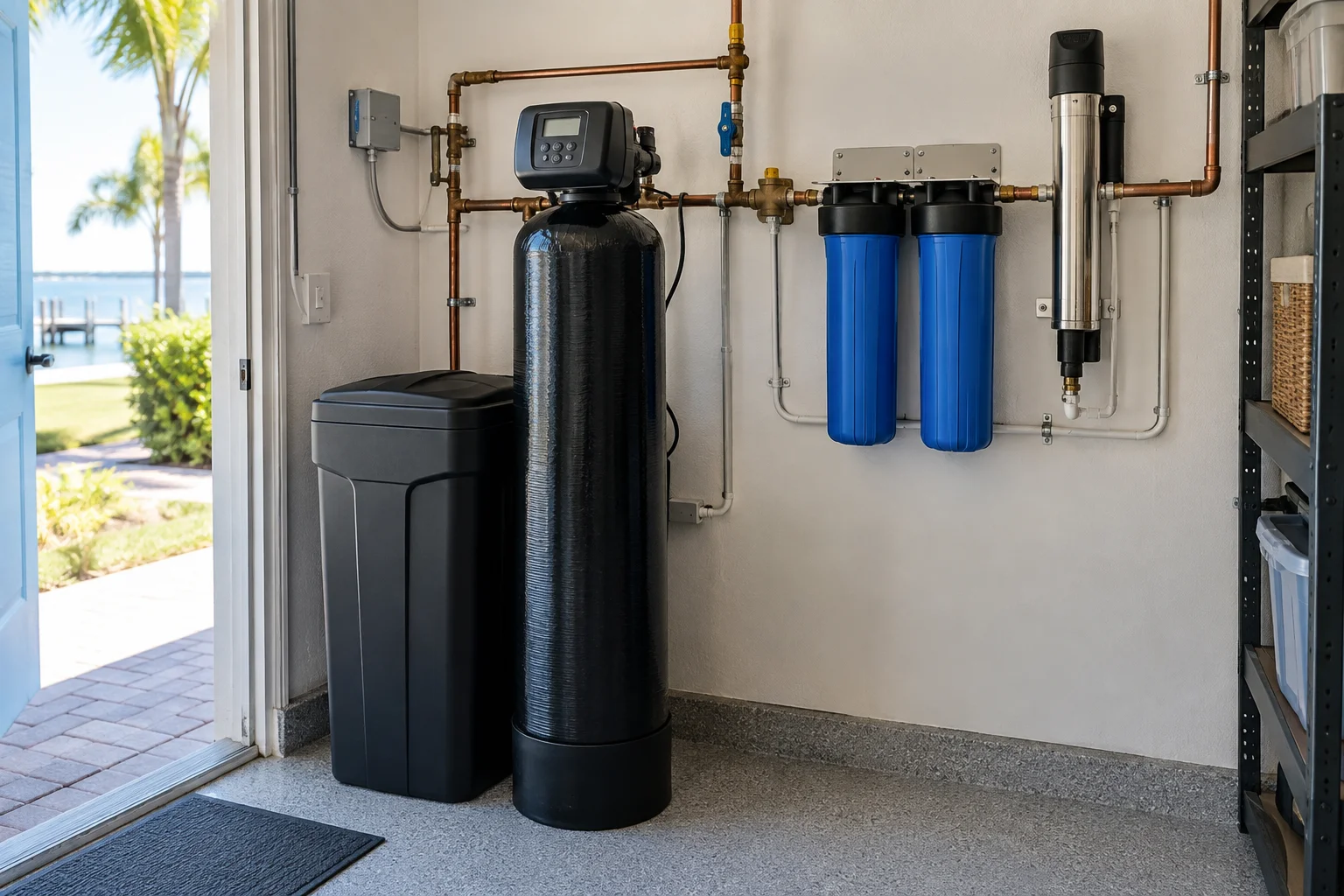
Water softeners usually work quietly in the background, which is part of why homeowners do not think about them until something changes. In Freeport, FL, where hard water can be rough on fixtures, appliances, and plumbing components, a softener has a real job to do. Over time, though, several factors can affect how well it performs. Some are tied to the water itself, while others are connected to the home’s plumbing system, maintenance habits, or the age of the equipment.
If you have been searching for a Water Softening Services in Freeport, FL, it helps to understand what can shorten the life of a system or reduce its effectiveness. That knowledge makes it easier to spot issues early, protect your pipes and fixtures, and know when to call a local plumber in Freeport for help.
Why water softeners matter in Freeport homes
Hard water is common enough in many Florida homes that people start noticing the signs before they know the cause. White buildup on faucets, cloudy shower doors, soap that does not lather well, and scale around water heaters are all familiar complaints. A properly working softener can reduce mineral buildup and help keep plumbing fixtures cleaner for longer.
That matters in Freeport because many homes in Walton County have a mix of newer plumbing updates and aging parts that have already been exposed to years of mineral-rich water. A softener cannot fix every plumbing issue, but it can reduce the stress on pipes, valves, and appliances. That is especially helpful for homeowners who want to avoid repeated plumbing repair in Freeport, FL, or keep their water heater and fixtures working more efficiently.
What changes a water softener over time
Water softening systems do not usually fail all at once. More often, performance drops gradually. The system may still run, but the water starts feeling different, scale returns, or the unit seems to use more salt than usual. A few common factors can drive that change.
Water quality and mineral load
The harder the water, the more work the softener has to do. Homes with especially high mineral content may use resin and salt more quickly. If the incoming water changes over time, the softener may need different settings or more frequent service. In a growing area like Freeport, water conditions can vary from one neighborhood to another, so a system that worked well for years may need adjustment later.
System age and wear
Like any plumbing equipment, a water softener has parts that wear out. Valves, seals, resin beads, and control heads all age over time. If the system is older, it may not regenerate as efficiently or may allow hard water to slip through. Homeowners often notice this first at faucets, showerheads, or around the water heater, where scale starts coming back.
Salt bridging and salt mushing
Salt problems in the brine tank can affect softening performance. A bridge can form when salt hardens into a crust that looks full from the top but does not actually dissolve properly. Salt mushing happens when salt breaks down into a thick sludge at the bottom of the tank. Either issue can keep the system from regenerating the way it should. If the softener is not using salt normally, it is worth having a Freeport plumber inspect it before the problem turns into a bigger service call.
Incorrect sizing for the home
A softener that is too small for the household will work harder than it should. That can shorten its useful life and make it seem like the water quality is getting worse. Larger families, homes with multiple bathrooms, or households with high water use may need a system that matches demand more closely. This is one reason local plumbing services in Freeport are valuable. A licensed plumber in Freeport, FL can look at the home’s water use and recommend the right setup instead of guessing.
Plumbing conditions that affect performance
Water softening services are not only about the unit itself. The rest of the plumbing system plays a role too. If the home has older pipes, hidden leaks, or pressure problems, the softener may not work as expected.
Leaks and pressure changes
Small leaks can throw off water pressure and waste softened water. A dripping fixture, worn shutoff valve, or hidden pipe leak can make the system cycle more often than necessary. If you have noticed damp spots, a sudden pressure drop, or a water bill that keeps climbing, leak detection in Freeport, FL may be part of the solution. A local plumber near me in Freeport can also check whether the softener is being affected by pressure fluctuations elsewhere in the home.
Clogged drains and nearby plumbing issues
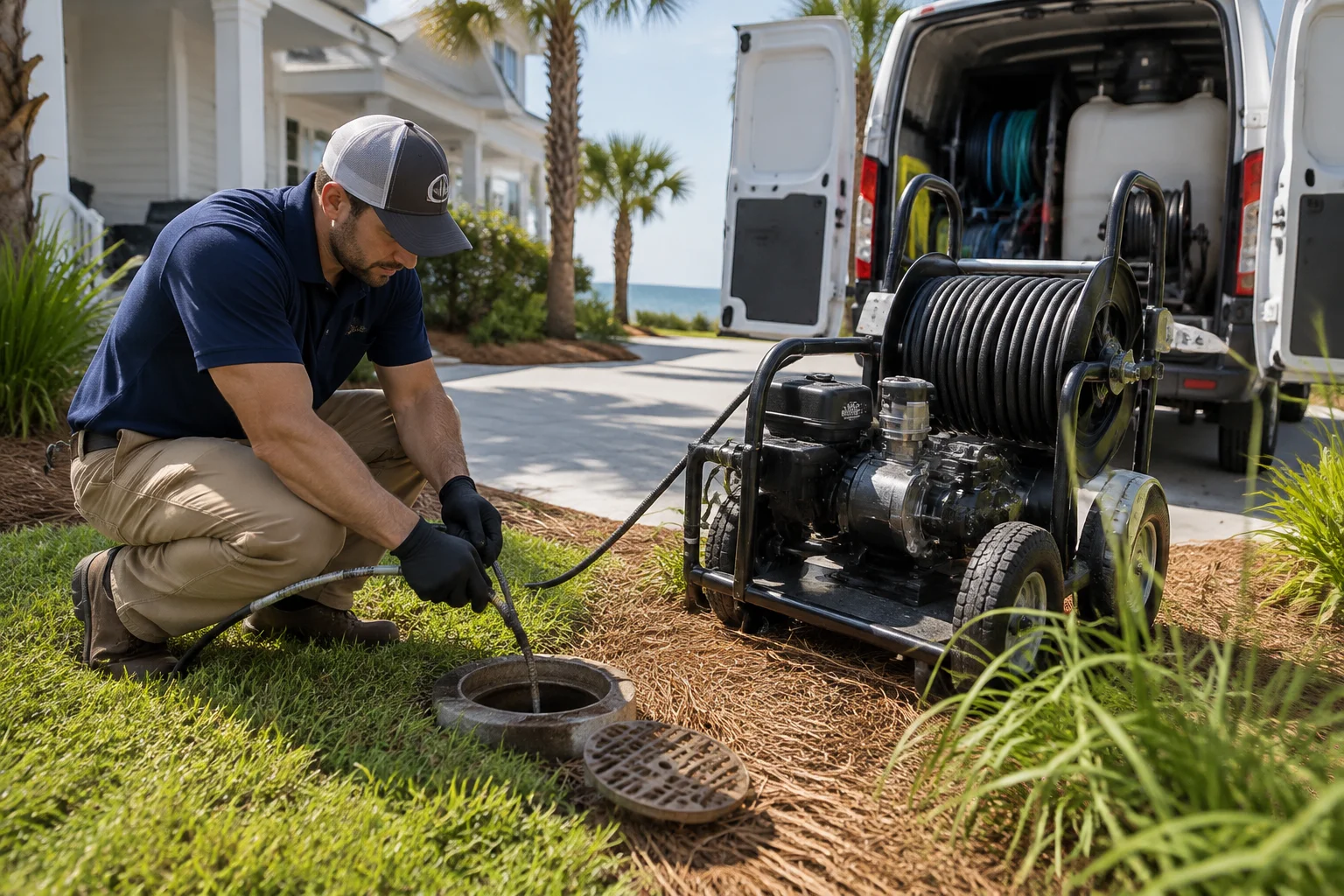
Drain problems can sometimes reveal bigger plumbing concerns in the same area of the home. If the utility room drain, laundry drain, or nearby sink is backing up, it may be a sign that the plumbing system needs attention beyond the softener. Drain cleaning in Freeport, FL can help prevent standing water around equipment and reduce the chance of damage to the softener cabinet or nearby valves.
Water heater buildup
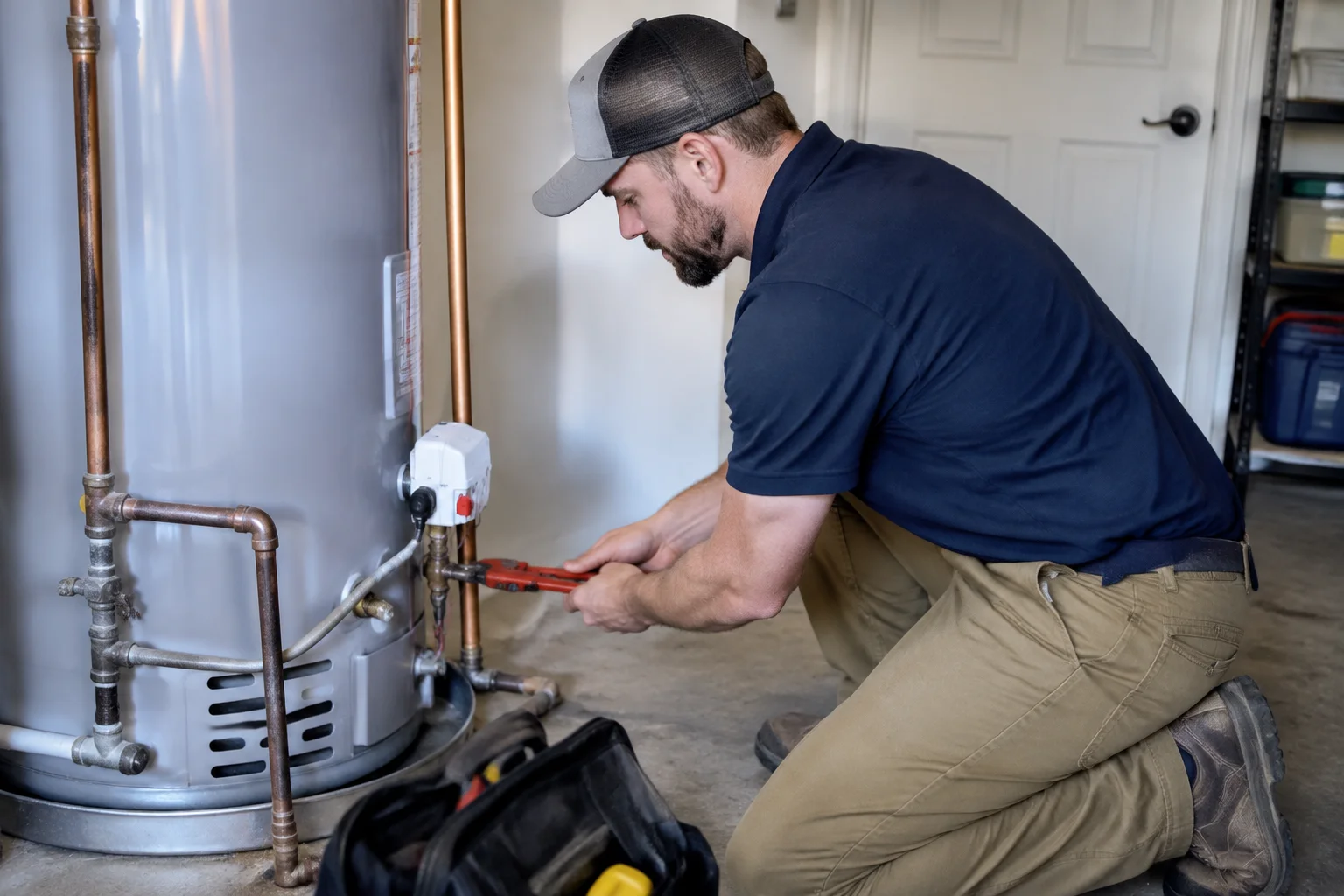
Water heaters are especially sensitive to hard water. If scale builds up inside the tank or on heating elements, efficiency drops and wear increases. A softener can help slow that process, but only if it is working correctly. If your hot water has become inconsistent or the heater is making unusual noises, water heater repair in Freeport, FL may be needed alongside softener service. In homes with older water heaters, the two issues often show up together.
How local water and local homes shape service needs
Freeport homes are not all built the same, and that matters when it comes to plumbing. Some properties have older fixture connections, original shutoff valves, or mixed plumbing materials from past repairs. Others are newer but still deal with hard water and pressure swings. A residential plumber in Freeport, FL who works in the area regularly will recognize these patterns faster than someone who does not.
That local experience also matters if a softener needs to connect cleanly with the rest of the system. For example, a valve that has been sitting in place for years may not hold up during service. A corroded fitting near the unit can start leaking after the system is moved. In some homes, the softener is tucked close to the water heater, laundry area, or garage plumbing, which makes access and repair more complicated. A licensed plumber in Freeport, FL can handle those details without turning a simple service call into a larger mess.
For homeowners across Walton County, that is one reason people look for a Walton County plumber instead of trying to manage everything alone. Local plumbing services in Freeport tend to be more familiar with the common water quality issues, the types of fixtures found in area homes, and the repairs that usually come with them.
Maintenance habits that help softeners last longer
Good maintenance can make a big difference in how long a softener performs well. The goal is not complicated. It is mostly about keeping the system clean, properly adjusted, and checked before small issues become major ones.
Keep salt levels steady
The brine tank should not run empty for long periods. Homeowners do not need to overfill it, but the salt should be monitored regularly. If the level is dropping much faster than before, or if the system seems to be using salt without improving water quality, the unit may need service.
Watch for scale returning on fixtures
If faucets, showerheads, and sink aerators start collecting white residue again, that is often one of the earliest signs that the softener is not doing its job as well as it used to. This is especially noticeable in bathrooms and kitchens where fixtures are used daily. Some homeowners first notice the problem while dealing with toilet repair in Freeport, FL, because mineral buildup can affect fill valves and other internal parts inside the tank.
Check shutoff valves and nearby connections
Softener installations depend on solid plumbing connections. Shutoff valves that are stiff, corroded, or slow to close can make service more difficult and increase the risk of leaks. If you are already having a plumbing repair in Freeport, FL, it is a good time to have the softener connections checked too. Catching a small valve problem now can prevent water damage later.
Schedule periodic professional inspection
Even if the system seems fine, a professional inspection can help identify resin problems, control issues, and hidden leaks early. A Freeport plumber can also confirm whether the softener is still sized correctly for the home. That is especially useful after a remodel, appliance upgrade, or household change that increases water use.
When water softener trouble points to a bigger plumbing issue
Sometimes a softener problem is really a symptom of something else. If the system is cycling too often, leaking, or failing to improve water quality, the cause may be tied to the home’s plumbing rather than the softener alone. That is where a broader look from a plumber near me in Freeport can help.
For example, if the home has recurring drain backups, sewer odors, or slow fixtures, a sewer line issue may be affecting the plumbing system as a whole. In those cases, sewer line repair in Freeport, FL or a Sewer Camera Inspection may be the better next step. If the softener is installed near a laundry area or utility sink, a hidden leak could be sending water where it should not go. If the home has multiple plumbing concerns at once, it may be time to bring in an emergency plumber in Freeport, FL rather than waiting for the problem to spread.
That same approach applies to larger properties too. Businesses with treatment equipment, fixtures, and water heaters all tied into the same plumbing system may need commercial plumbing services if softening performance starts affecting operations. The key is not to treat every symptom separately when one underlying issue may be causing several of them.
Why local plumbing service matters for softener repairs and replacement
Water softeners are plumbing equipment, but they are also part of a home’s daily comfort. When they stop working well, you feel it in the shower, at the sink, and in the appliances that depend on cleaner water. That is why it helps to work with a residential plumber in Freeport, FL who understands both water quality and the rest of the plumbing system.
Local plumbing services in Freeport can also make scheduling and troubleshooting easier. If you need a quick fix, a replacement part, or a full system evaluation, a nearby technician can often respond faster than someone coming from farther away. And if you are comparing options for a plumber near me in Freeport, it helps to choose a team that can handle related needs too, such as Emergency Plumbing Services, leak detection, and water heater repair in Freeport, FL when needed.
For homeowners trying to plan ahead, it is also worth reading about how financing can help manage larger plumbing work without delay. Articles like How Better Plumbing Financing Helps Freeport Homes Stay Ahead of Repairs and Staying Ahead of Plumbing Problems in Freeport Starts With Flexible Financing are useful if a softener replacement or related repair needs to be budgeted into the year.
Keeping hard water from causing repeat problems
Hard water does not just affect one fixture or one appliance. It can create a chain reaction across the home. Scale on showerheads can lead to poor pressure. Buildup in the water heater can shorten its life. Stiff shutoff valves can become harder to turn. Toilets may need more frequent service. Over time, those little issues add up.
That is why many homeowners look at water softening as part of a broader plumbing strategy, not just a single appliance. A well-maintained softener can help protect faucets, drains, water heaters, and other plumbing components from unnecessary wear. If you are already dealing with aging fixtures or planning upgrades, it may also help to read The Local Reality of Plumbing Fixture Replacement for Freeport Homeowners and Better Water, Fewer Plumbing Headaches: Choosing Water Softening Services in Bluewater Bay, FL for more perspective on how water quality affects the rest of the system.
For homeowners in Freeport, the best approach is simple: keep an eye on changes, do basic maintenance, and call a licensed plumber in Freeport, FL when the system starts acting differently. Whether you need installation, repair, replacement, or maintenance, the right local plumbing services in Freeport can help keep hard water from turning into a bigger plumbing problem.
Find Water Softening Services in Freeport, FL
If you need a local plumber in Freeport, FL, visit our plumbing service page or contact A Superior Mechanical today.
Map of Freeport, FL
Frequently Asked Questions
How long should a water softener last in a Freeport home?
Many water softeners last 10 to 15 years, but water quality, household size, maintenance, and plumbing conditions can all affect that timeline. Homes with heavy hard water or older plumbing may need service sooner.
What are the most common reasons a water softener stops working well?
Common causes include salt bridging, worn resin, valve problems, incorrect sizing, and leaks or pressure issues in the plumbing system. A licensed plumber in Freeport, FL can check whether the problem is the softener or another part of the home’s plumbing.
Can hard water damage plumbing fixtures and water heaters?
Yes. Hard water can leave scale on faucets, showerheads, toilet parts, and water heater components. Over time, that buildup can reduce efficiency and increase the need for plumbing repair in Freeport, FL.
Should I call a plumber if my water softener is leaking?
Yes. A leak can damage flooring, cabinets, or nearby equipment and may point to a failing valve, fitting, or shutoff connection. A local plumber near me in Freeport can inspect the unit and the surrounding plumbing.
Related Articles
- How Better Plumbing Financing Helps Freeport Homes Stay Ahead of Repairs
- The Local Reality of Plumbing Fixture Replacement for Freeport Homeowners
- Staying Ahead of Plumbing Problems in Freeport Starts With Flexible Financing
- Better Water, Fewer Plumbing Headaches: Choosing Water Softening Services in Bluewater Bay, FL
Photo Gallery