A slow shower drain can be a nuisance. A shower drain that fills when the toilet flushes suggests something farther down the plumbing system needs attention. For Lake Lorraine homeowners, knowing the difference can prevent repeated service calls and help keep a drainage problem from becoming an indoor sewage backup.
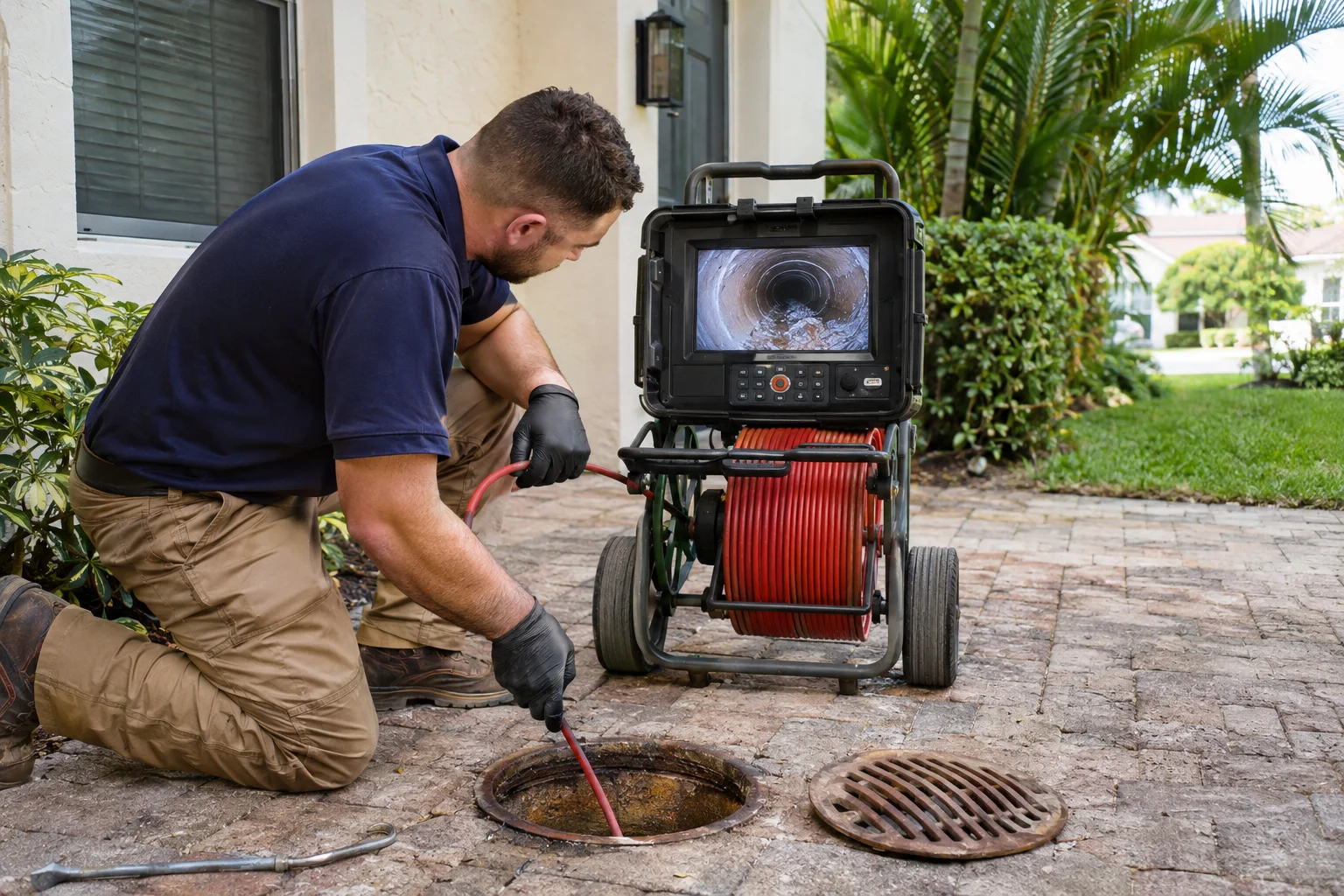
Sewer camera inspection provides a view inside accessible drain and sewer pipes. Instead of guessing why a blockage keeps returning, a plumber can look for buildup, roots, damaged joints, or other visible problems. A Superior Mechanical offers sewer camera inspection in Lake Lorraine, FL to help homeowners make informed decisions about cleaning, repairs, and underground pipe concerns.
Why Lake Lorraine plumbing benefits from a closer look
Lake Lorraine’s coastal Northwest Florida setting brings humid weather, heavy downpours, and periods of saturated ground. Rain should not enter an intact sanitary sewer pipe, but defective joints or damaged sections can allow groundwater infiltration. Wet weather can also reveal existing drainage weaknesses, although a backup during a storm does not automatically mean the private sewer line is broken.
Homes around Lake Lorraine vary in age, construction, and renovation history. A remodeled bathroom may connect to older underground piping, while an updated kitchen may still discharge through a branch drain with years of grease buildup. Depending on construction and past repairs, different pipe materials may exist within the same property.
Local plumbing service matters because diagnosis involves more than recognizing a clog. Access points, pipe routes, property drainage, and the connection to the public sewer all affect the next step. Keeping previous repair records helps your plumber understand what may be hidden beneath the yard or slab.
What a sewer camera can tell you
A plumbing inspection camera uses a lighted camera head on a flexible cable to transmit images from inside a pipe. The plumber advances it through a suitable cleanout or another appropriate access point. Where compatible locating equipment is used, the camera’s position can help estimate the location and depth of a problem.
Visible problems inside drains and sewer lines
The camera may reveal root intrusion, grease deposits, scale, cracked pipe walls, separated joints, or an offset that catches waste. Standing water can suggest a low section, sometimes called a belly, but it must be interpreted carefully. A downstream blockage can also leave water in the line.
For homeowners searching for sewer line repair near me, this distinction matters. A recurring backup might require cleaning, a targeted repair, or a broader replacement. Visible evidence helps narrow those options, though some conditions require additional testing before the plumber can recommend a durable solution.
Important limits of camera inspection
A camera does not see through pipe walls, inspect surrounding soil, or prove that a line is watertight. Heavy debris and murky standing water may hide defects. A collapsed or severely obstructed section may prevent the camera from traveling farther.
It also does not diagnose every hidden plumbing leak. Pressurized water supply lines typically require separate leak detection methods. A drain camera may reveal a damaged waste pipe beneath a slab, but suspected supply-side slab leaks need a different evaluation. Pressure testing, acoustic equipment, or other methods may be appropriate.
Drain symptoms worth paying attention to
Clogs that return after clearing
If the same drain slows again shortly after service, another clearing may only repeat the cycle. The cause could be buildup that was not fully removed, roots at a joint, or a damaged section that traps paper. Tell your plumber how quickly the problem returns and what previous work was performed.
A clogged drain repair near me search often starts with a single fixture. Camera inspection becomes more useful when the blockage is recurrent, difficult to explain, or connected to other drainage symptoms. Not every sink clog needs a sewer inspection.
Several fixtures reacting at once
A toilet that gurgles when the washing machine drains, or a tub that backs up when another fixture runs, can point toward a shared branch or main sewer restriction. Stop testing the system with repeated flushing. Each additional gallon can raise wastewater levels and increase the chance of an overflow.
Odors, damp spots, and unexplained changes
Persistent sewer odors deserve investigation, but they are not proof of an underground break. Dry traps, failed toilet seals, venting problems, and damaged piping can produce similar complaints. Likewise, a wet patch outdoors could come from irrigation, rain, a supply leak, or wastewater. Inspection should follow the evidence rather than assume one cause.
How inspection and drain cleaning work together
Camera inspection and drain cleaning solve different parts of the problem. Cleaning restores flow by removing an obstruction or buildup. Inspection helps explain the pipe’s condition and why the restriction developed. Depending on access and visibility, the plumber may inspect first, clear the line first, or use the camera before and after cleaning.
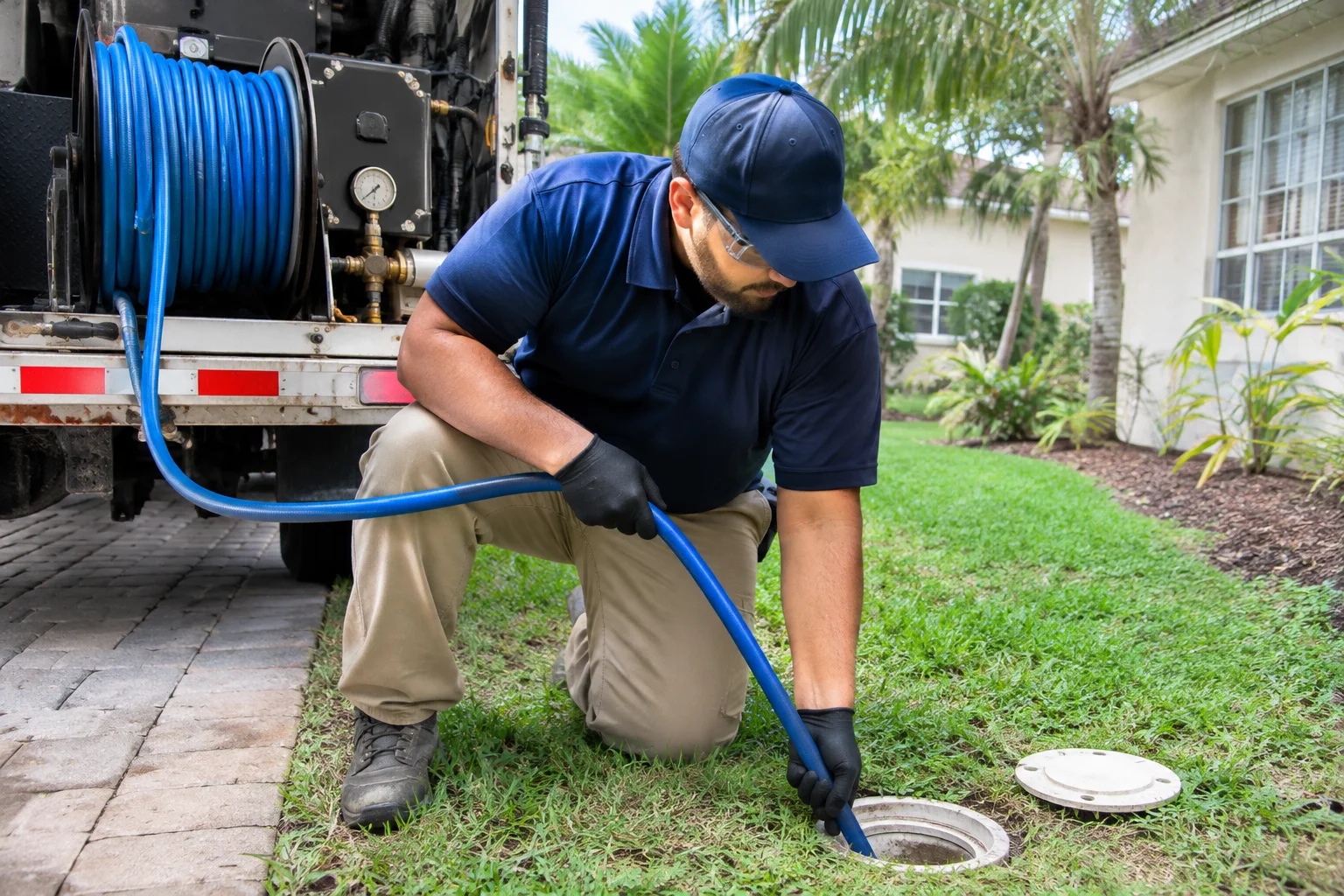
Cleaning methods should match the pipe’s material and condition. Mechanical cabling may be suitable for some blockages, while hydro jetting may be considered for certain deposits when the line can tolerate it. Fragile or badly deteriorated pipes require caution. Aggressive cleaning is not a substitute for repairing a structural defect.
A follow-up view can help confirm whether deposits were removed and whether a visible defect remains. Ask whether images or video can be provided, and request a plain-language explanation. A useful finding identifies the observed problem, its approximate location, and any uncertainty that could affect the repair plan.
Connecting sewer findings with other household plumbing problems
Water pressure and hidden supply leaks
Low water pressure is generally a supply-side concern, not a symptom of a blocked sewer. Possible causes include a partially closed valve, a fixture restriction, a pressure regulator problem, or a leak. Excessively high pressure can strain supply piping and fixtures, so pressure measurement may belong in a broader plumbing assessment.
Rising water bills, unexplained meter movement when all water uses are off, or damp flooring can warrant leak detection. Homeowners searching for water leak repair near me should describe these symptoms clearly. A sewer camera alone cannot rule out a pressurized leak under the slab.
Toilets, faucets, and everyday water use
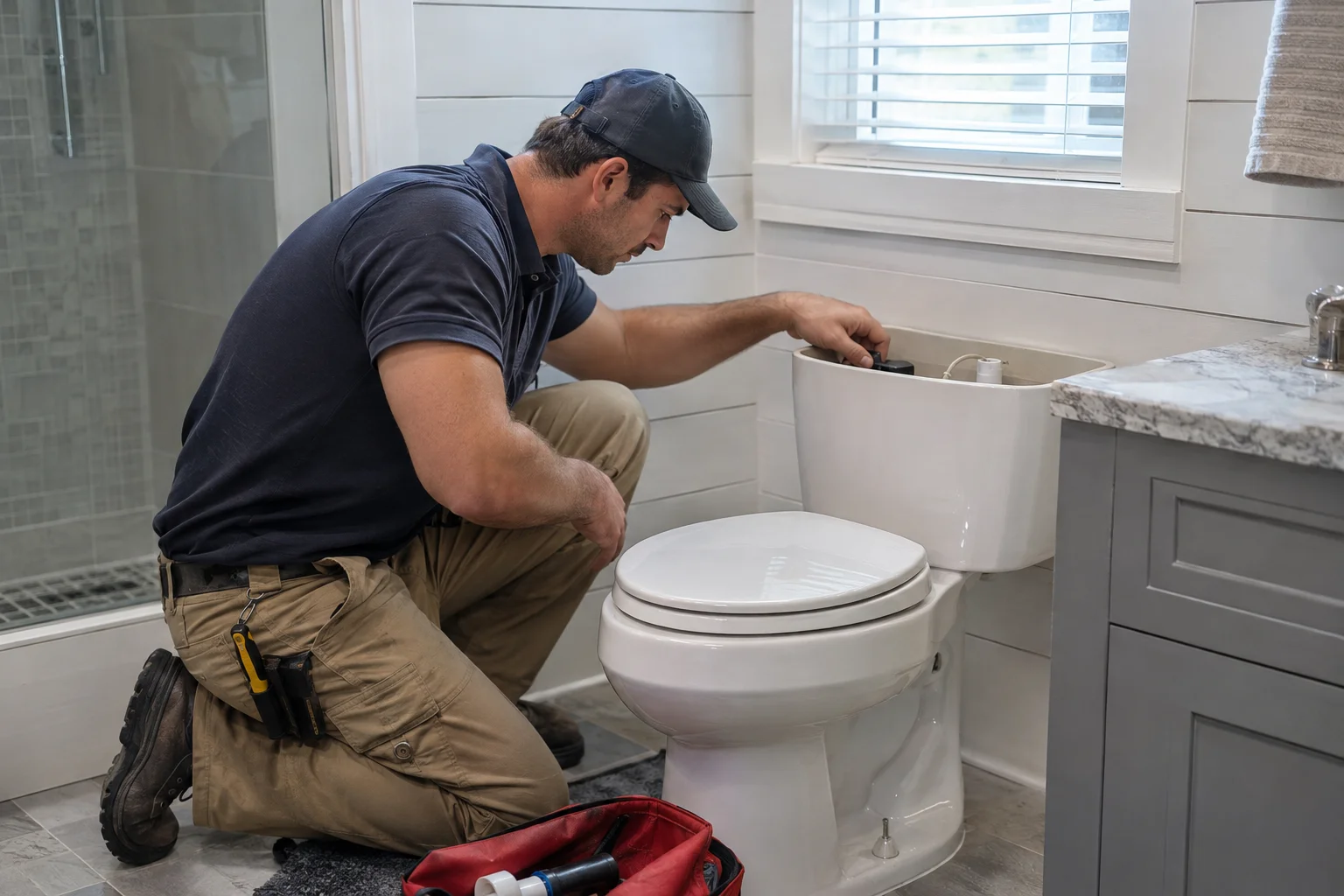
A running toilet can waste substantial water without creating a visible puddle. A dripping faucet usually involves a fixture component rather than the sewer line. Toilet repair, faucet repair, and drainage diagnosis may occur during the same visit, but they require different checks. Plumbing repair in Lake Lorraine should address the actual source of each symptom.
Hard water and water heater concerns
Mineral content varies by water source and should be confirmed rather than assumed. Hard water can contribute to scale on fixtures and inside water heaters, but mineral deposits are not the explanation for every drain restriction. For water quality concerns, clean water services can help guide an assessment before selecting treatment.
Loss of hot water, tank leakage, or unusual heater operation needs separate attention. Water heater repair is distinct from sewer inspection. Maintenance should follow the equipment manufacturer’s instructions and account for the heater’s age and condition. Do not assume flushing alone will correct a leak or failed component.
Preparing your home for an inspection
Before the appointment, note which fixtures are affected, when symptoms occur, and whether rain or heavy water use seems connected. Gather records of previous drain cleaning, sewer repairs, or additions. Mention any chemical drain products already used so the technician can take appropriate precautions.
If you know where the cleanout is, clear nearby storage or vegetation without opening it yourself. A backed-up line may release wastewater when uncapped. Keep pets and children away from the work area, and ask whether the household should avoid flushing toilets or running appliances during the inspection.
Ask what the proposed service includes: accessible pipe coverage, locating equipment if needed, documentation, and any cleaning required for visibility. Access difficulty, blockage severity, and the length of piping inspected can affect the scope and cost. A camera cannot evaluate sections it cannot reach.
Turning the findings into a sensible repair plan
Good repair planning separates immediate risks from longer-term concerns. An active sewage backup needs attention now. A visible defect in an otherwise flowing line may allow time to compare repair options, depending on its severity. Ask what can be confirmed from the footage and what remains uncertain.
A localized break may be a candidate for a targeted repair. Multiple failures or widespread deterioration may justify evaluating replacement. Trenchless methods are not suitable for every pipe or layout. Access, pipe condition, slope, nearby utilities, and permitting requirements all influence the available choices.
Do not assume every sewer problem is the homeowner’s responsibility or the utility’s responsibility. The location of the defect and local ownership rules matter. For help organizing priorities and expenses, read Leaks, Drains, and Dollars: Planning Plumbing Repairs in Lake Lorraine.
Habits that protect drains between service visits
Keep grease, cooking oil, and food scraps out of kitchen drains. Wipe pans before washing them and collect cooled grease for disposal. Use hair strainers in showers and tubs, and clean them regularly. Flush only toilet paper and human waste, even when wipes are labeled flushable.
Avoid using chemical drain cleaners as a routine maintenance strategy. They do not repair cracked pipes, remove every obstruction, or correct poor slope. Repeated clogs need diagnosis. If roots have entered a sewer line, clearing them may restore flow temporarily, but the entry point remains a concern.
There is no universal schedule requiring every home to receive an annual sewer camera inspection. A history of roots, repeated backups, older problematic piping, or a planned property purchase may justify closer evaluation. Your plumber can recommend follow-up based on documented conditions rather than a one-size-fits-all calendar.
Responding to a plumbing emergency in Lake Lorraine
If sewage enters a tub, shower, or floor drain, stop household water use and keep people and pets away from the affected area. Avoid contact with wastewater. If water is near electrical equipment, do not enter the area or attempt to operate equipment from a wet location.
When searching for an emergency plumber near me, explain whether sewage is backing up, several fixtures are affected, or water is actively escaping. Confirm availability directly. A pressurized supply leak may require shutting off the home’s water if the valve is safely accessible. That step will not necessarily stop a backup originating outside the home.
A Superior Mechanical provides plumbing services in Lake Lorraine within its Okaloosa County service area. If drains keep slowing or sewer repairs are being discussed, request a camera inspection and describe the symptoms. Understanding what is happening inside the pipe is a practical place to start before authorizing cleaning, excavation, or replacement.
Find Sewer Camera Inspection in Lake Lorraine, FL
If you need Sewer Camera Inspection in Lake Lorraine, FL, visit our local service page or contact A Superior Mechanical today.
Map of Lake Lorraine, FL
Frequently Asked Questions
Can a sewer camera inspection find a leak beneath my Lake Lorraine home?
A camera may reveal cracks, separated joints, or other visible damage in an accessible drain pipe beneath the slab. It cannot prove that every joint is watertight or diagnose leaks in pressurized water supply lines. Suspected supply-side slab leaks usually require separate leak detection and testing.
Does a sewer line need cleaning before camera inspection?
Sometimes. Heavy buildup, an obstruction, or murky standing water can block the camera's view. A plumber may inspect first if visibility allows, clear the line before inspection, or inspect both before and after cleaning. The sequence depends on access and the condition of the pipe.
Is sewer camera inspection worthwhile if my drain is flowing again?
It can be helpful when clogs repeatedly return, roots have been removed, or several fixtures have backed up. Restored flow does not necessarily mean the underlying cause is resolved. An isolated minor clog may not need camera inspection, so the recommendation should reflect your home's symptoms and repair history.
Related Articles
- Leaks, Drains, and Dollars: Planning Plumbing Repairs in Lake Lorraine
- Clean Water and Sound Plumbing: A Lake Lorraine Homeowner’s Guide
- A Clearer Look at Panama City Plumbing With Sewer Camera Inspection
- What Shortens a Plumbing System’s Life in Inlet Beach and How Sewer Camera Inspection Helps Catch It Early
Photo Gallery