Callaway, FL is beautiful, but the humidity is relentless. When your home feels sticky, muggy, or consistently damp, your HVAC system works harder than it should. A properly managed whole home dehumidifier can reduce moisture, support better indoor air quality, and help your air conditioning and heat pump systems avoid unnecessary strain.
This guide focuses on whole home dehumidifiers for local property owners in Callaway, FL, and the habits that can shorten HVAC system life. You will also find practical steps for preventive HVAC maintenance, ductwork care, thermostat settings, and condensate drainage so your system can cool more efficiently through Florida heat and salt air conditions.
Why humidity stresses HVAC systems in Callaway
In the Bay County area, summer humidity often stays high for long stretches. That means your AC or heat pump has to remove moisture while also maintaining comfort. If the air is too wet, the system may run longer, cycle more often, or fail to reach the humidity level you expect.
Whole home dehumidifiers help by targeting excess moisture in a controlled way. When humidity is reduced, the indoor environment becomes easier for the HVAC system to condition. That can improve comfort, reduce musty odors, and lower the chance of moisture-related issues that can affect ducts, registers, and indoor air quality.
Humidity also interacts with airflow. Even a well sized HVAC system can struggle if ductwork is restricted, if filters are neglected, or if supply and return paths are not balanced. Over time, poor airflow can contribute to refrigerant system inefficiency and increased wear.
What can shorten the life of HVAC systems when dehumidifiers are not managed
Whole home dehumidifiers are designed to help, but they can still contribute to accelerated wear if they are set up or maintained poorly. Below are common causes that shorten equipment life in Callaway homes.
1) Incorrect humidity targets and thermostat settings
Some homeowners set temperature and humidity goals too aggressively. For example, trying to hit a very low humidity number during peak Florida humidity can cause extended runtimes. That may feel like “more comfort,” but it can also mean more compressor hours and more frequent cycling.
Also, mismatched settings between the thermostat and the dehumidifier can lead to overlap. If the HVAC system and dehumidifier both attempt to control moisture at the same time without coordination, the system can work harder than necessary.
Start with realistic humidity targets and allow the system time to stabilize after seasonal changes. If you are unsure how your thermostat and dehumidifier work together, it is worth scheduling an HVAC tune up or a dehumidifier service visit so settings are aligned with your home’s load.
2) Dirty air filters and restricted airflow through ductwork
Airflow is the foundation of HVAC performance. When filters are clogged, returns are blocked, or ductwork has leaks or restrictions, the HVAC system may not move enough air across the evaporator coil. That can lead to elevated coil temperatures, reduced moisture removal performance, and increased stress on the refrigerant system.
In Callaway, where humidity can drive heavier dust and debris, filter neglect is a frequent issue. If you are searching for “HVAC maintenance near me” because your home feels damp or your AC seems to run constantly, start by checking airflow paths and filter condition.
If you suspect duct problems, consider duct inspection. A duct inspection near me search often leads homeowners to the right starting point when airflow complaints do not match the thermostat readings.
3) Poor condensate drainage and standing water
Whole home dehumidifiers remove moisture and produce condensate. That condensate must drain correctly through the condensate drainage system. If the drain line is partially blocked, improperly routed, or vulnerable to algae buildup in humid conditions, water can back up.
Backed up condensate can cause overflow concerns, unpleasant odors, and moisture exposure in nearby areas. Moisture exposure can also affect air quality and create conditions that promote microbial growth.
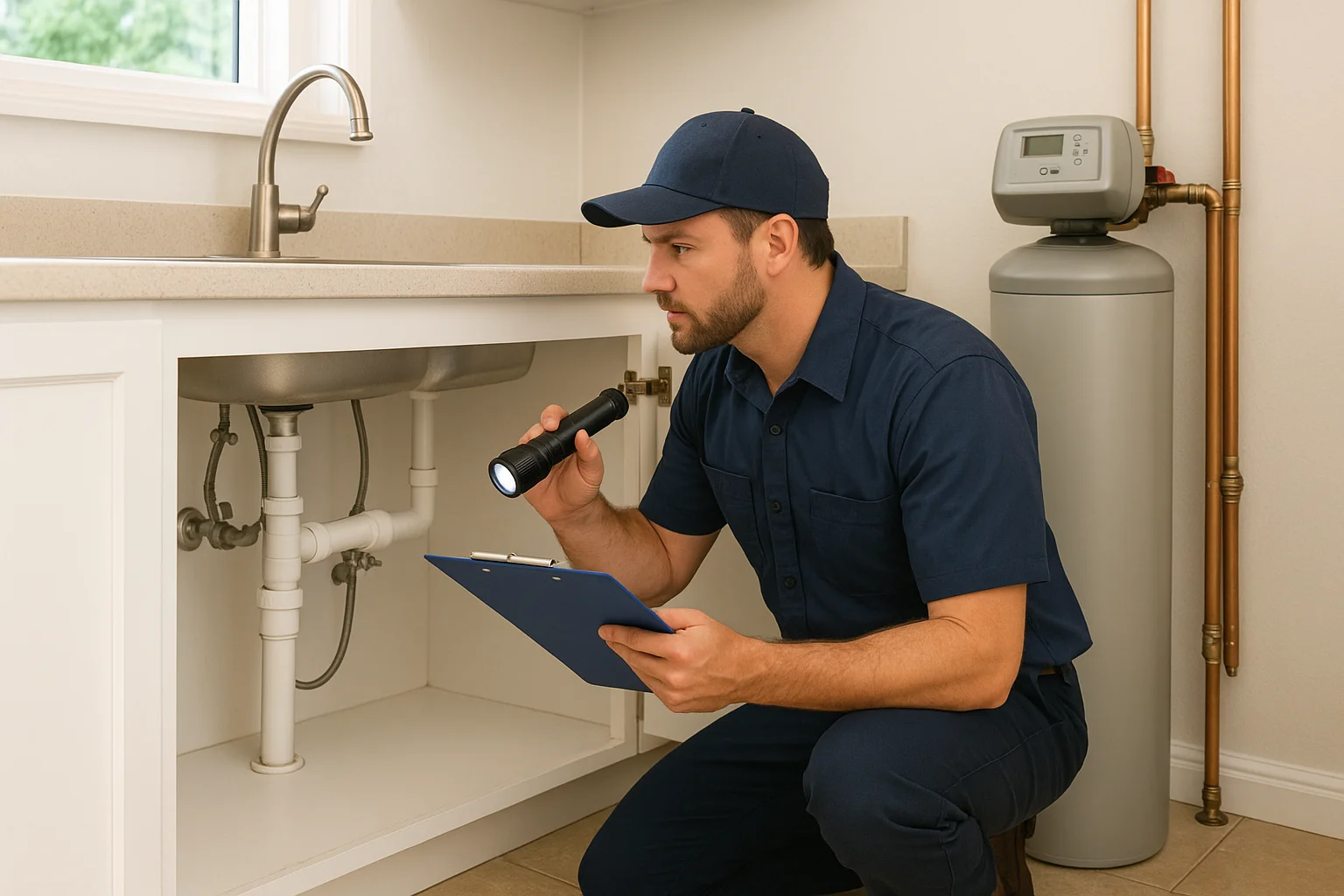
During preventive HVAC maintenance, professionals typically check the dehumidifier’s drainage pathway and verify that condensate drains as intended. If you notice water near the unit, recurring dampness, or musty smells, do not ignore it. That is a strong signal to call for service.
4) Oversized or incorrectly matched system design
Dehumidifier performance depends on how it is matched to the home. If the system is undersized, humidity control may never catch up. If it is oversized or poorly integrated with the HVAC airflow, the unit may cycle inefficiently or fail to remove moisture consistently.
Many homeowners only evaluate performance after the system has been installed and problems appear. If you are experiencing persistent humidity despite running equipment, it may not be a simple “turn it down” fix. An in-person assessment is the right way to confirm airflow, ductwork conditions, and how the dehumidifier interacts with your system.
5) Neglecting indoor air quality components
Humidity control and indoor air quality services are connected. When moisture is high, airborne particles can hold onto surfaces more readily, and odors can linger. If you have asthma triggers, allergies, or frequent “stuffy air” complaints, a whole home dehumidifier can help by lowering moisture that supports irritants.
However, indoor air quality also depends on filtration, duct cleanliness, and proper airflow. If your dehumidifier is running but the home still feels unhealthy, you may need a broader look at HVAC performance and air handling pathways.
How Florida heat and salt air can add strain
Callaway homes are exposed to Florida heat and, in many areas, salt air. Those conditions can affect HVAC components over time, especially when outdoor units are not protected or when maintenance is delayed.
Heat drives higher cooling demand. Salt air can contribute to corrosion risks for outdoor components and nearby metal surfaces. While a whole home dehumidifier is focused on indoor humidity, the overall system still has to cool and move air reliably.
That is why preventive HVAC maintenance matters. A routine check can help ensure that the air moving system, controls, and drainage pathways are operating as designed before a humid stretch turns into an emergency cooling concern.
Smart operating habits that protect your HVAC life
These are practical habits property owners can use to reduce unnecessary stress on HVAC systems while supporting effective whole home dehumidifier performance.
Keep humidity and temperature goals realistic
Use your thermostat and dehumidifier controls together rather than competing settings. Choose humidity targets that make the home feel comfortable without forcing constant, long runtimes. After seasonal changes, allow a stabilization period and then fine-tune.
Prioritize airflow: filter changes and unobstructed vents
Replace filters on schedule and do not block returns or supply vents. If you have areas that always feel warmer or more humid, it may indicate airflow imbalance or ductwork issues. A duct inspection near me can help identify whether the problem is airflow related.
If you manage rental properties or commercial spaces, consider property management HVAC services so maintenance is consistent and humidity complaints are handled quickly.
Watch condensate drainage during humid weeks
During the peak wet season, check for signs of condensate drainage problems such as water pooling, unusual odors, or recurring dampness near the dehumidifier area. If you see any of these, schedule service. Condensate issues can become bigger problems when they are left unattended.
Use smart scheduling, not constant overrides
Many dehumidifier controls allow for scheduling or humidity-based operation. Rather than overriding the system repeatedly, let it run its normal cycle and respond to humidity changes. Frequent overrides can create unstable control behavior and longer compressor run times.
Keep doors and damp-source areas managed
Bathrooms, laundry rooms, and kitchens can generate moisture. Exhaust fans help, but ducting and venting must work correctly. If you have a crawl space or areas that tend to feel damp, moisture sources can overwhelm indoor humidity control. Addressing those sources reduces the load on the HVAC system.
When dehumidifiers and HVAC symptoms point to service needs
Whole home dehumidifiers can improve comfort, but certain symptoms suggest the system needs attention. Homeowners searching for AC repair near me or HVAC repair near me often see these patterns when humidity control and air conditioning are not working together properly.
Persistent humidity even when the system runs
If your home stays damp or sticky, it could involve airflow restrictions, ductwork problems, control setting conflicts, or drainage concerns. A professional can review how the dehumidifier and HVAC system are operating as a system.
Short cycling or unusual run patterns
Frequent on and off behavior can be a sign that the system is not achieving stable conditions. Without an in-person evaluation, it is not safe to assume the cause. A technician can check system operation, airflow, and control behavior.
Musty odors, damp spots, or water near the unit
These symptoms often relate to condensate drainage or moisture pathways. Do not ignore them, because moisture can affect indoor air quality and may lead to material damage.
Rising energy use during humid months
If your energy use climbs and your home feels only slightly improved, the system may be working harder to remove moisture or failing to deliver air effectively. Energy use increases can be tied to airflow issues, filter neglect, or equipment performance problems. A tune up can help pinpoint what is contributing.
Preventive HVAC maintenance that supports dehumidifier performance
Preventive maintenance is not just about avoiding breakdowns. It helps ensure the HVAC system can cool and dehumidify effectively, which reduces the long-term wear that can shorten system life.
Seasonal checkups before the hottest and wettest stretches
Callaway summers can push HVAC systems to their limits. Scheduling maintenance before peak humidity gives technicians time to address early issues, verify airflow, and confirm that controls and drainage are operating correctly.
If you are looking for AC tune up near me or HVAC maintenance near me, ask whether the visit includes dehumidifier integration checks, condensate drainage verification, and airflow review. That is especially important for whole home dehumidifier setups.
Airflow and ductwork review
Even with a strong dehumidifier, ductwork problems can prevent consistent humidity control throughout the home. Why duct inspection matters more in Callaway homes facing seasonal HVAC stress explains how seasonal changes expose weaknesses in duct systems.
If you are experiencing uneven comfort, it may also connect to how your home was built and how air is distributed across rooms. How Callaway homes put HVAC systems to the test over time can help you understand why age and layout matter.
Thermostat and control calibration
Whole home dehumidifiers rely on accurate control behavior. Thermostat placement, sensor performance, and integration with HVAC operation all matter. A professional can confirm that the system is responding appropriately to temperature and humidity conditions.
If you are considering a control upgrade, search for thermostat installation near me and ask how the new thermostat should work with your dehumidifier and HVAC system.
Heat pump and air conditioning service considerations
Many Callaway homes use air conditioning systems and some use heat pumps. Both can face humidity challenges in Florida. When humidity is high, the system must remove moisture efficiently without sacrificing airflow.
When you need heat pump repair near me or air conditioning service, make sure the technician considers the whole system. That includes how the dehumidifier affects indoor humidity load, how airflow is moving through ducts, and whether condensate drainage is functioning properly.
For property owners coordinating maintenance across multiple units, it can help to plan service during predictable windows instead of waiting for emergency cooling concerns.
When emergencies become a real risk during humid weeks
Florida heat can turn a comfort issue into an urgent safety concern quickly. While a whole home dehumidifier helps manage humidity, it does not replace the need for reliable cooling.
If you lose cooling performance during peak humidity, indoor conditions can worsen fast. If you are facing an urgent situation, consider 24/7 emergency HVAC services. Emergency AC repair near me searches are common when humidity and heat combine, and timely service can help protect both occupants and the home.
Why professional local HVAC service matters in Callaway
Whole home dehumidifiers are most effective when they are integrated correctly with your HVAC system, ductwork, and indoor air quality strategy. Florida humidity, airflow realities, and condensate drainage conditions are not one size fits all.
A Superior Mechanical can help Callaway homeowners and property owners evaluate how the dehumidifier and HVAC system are operating together. If you are exploring whole home dehumidifiers, you can also review the broader service options on our Callaway, FL service area page. For countywide context, you can browse Bay County HVAC services as well.
If you want to protect HVAC system life, the goal is simple: control humidity without creating new stress. Smart thermostat coordination, clean airflow, reliable condensate drainage, and preventive HVAC maintenance work together to keep your system running when Callaway humidity is at its worst.
For more guidance on local comfort and system performance, you may also find these related reads helpful: Keeping commercial HVAC systems steady in Callaway’s heat and humidity and How Callaway homes put HVAC systems to the test over time.
Find Whole Home Dehumidifiers in Callaway, FL
If you need Whole Home Dehumidifiers in Callaway, FL, visit our local service page or contact A Superior Mechanical today.
Map of Callaway, FL
Frequently Asked Questions
How do I know if my whole home dehumidifier is set too low or too high for my Callaway home?
If your home stays sticky and humid, the target may be too high, or airflow and condensate drainage may be limiting performance. If the system runs for long stretches without improving comfort, the target may be too aggressive or the HVAC and dehumidifier may be overlapping. An in-person evaluation helps confirm the real cause.
Can poor ductwork make a whole home dehumidifier work less effectively?
Yes. Whole home dehumidifiers rely on proper airflow through your system and ductwork. Restricted or leaking ductwork can prevent moisture from being removed evenly, leaving some rooms damp. A duct inspection can help identify airflow issues that affect humidity control and indoor air quality.
What are common condensate drainage problems to watch for in Florida humidity?
Look for water pooling near the dehumidifier, damp spots, recurring musty odors, or drain line slowdowns during humid weeks. In high humidity, condensate lines can become partially blocked. These issues should be inspected by a professional to avoid overflow and moisture-related damage.
Should I call for HVAC repair if the dehumidifier runs but humidity does not drop?
That is a good reason to schedule service. Persistent humidity can point to control coordination issues, airflow restrictions, or drainage concerns. A technician can review how the dehumidifier and HVAC system operate together and recommend the right next step after an on-site assessment.
Will a whole home dehumidifier reduce wear on my air conditioner or heat pump?
When installed and operated correctly, reducing excess indoor moisture can lower the humidity load on your cooling system. That can help the HVAC run more efficiently. The biggest benefits come from proper airflow, correct settings, and reliable condensate drainage, supported by preventive HVAC maintenance.
Related Articles
- Understanding HVAC Financing in Callaway: Homeowners Should Not Overlook These Costly Warning Signs
- Keeping Commercial HVAC Systems steady in Callaway’s heat and humidity
- How Callaway Homes Put HVAC Systems to the Test Over Time
- Why Duct Inspection Matters More in Callaway Homes Facing Seasonal HVAC Stress
Photo Gallery