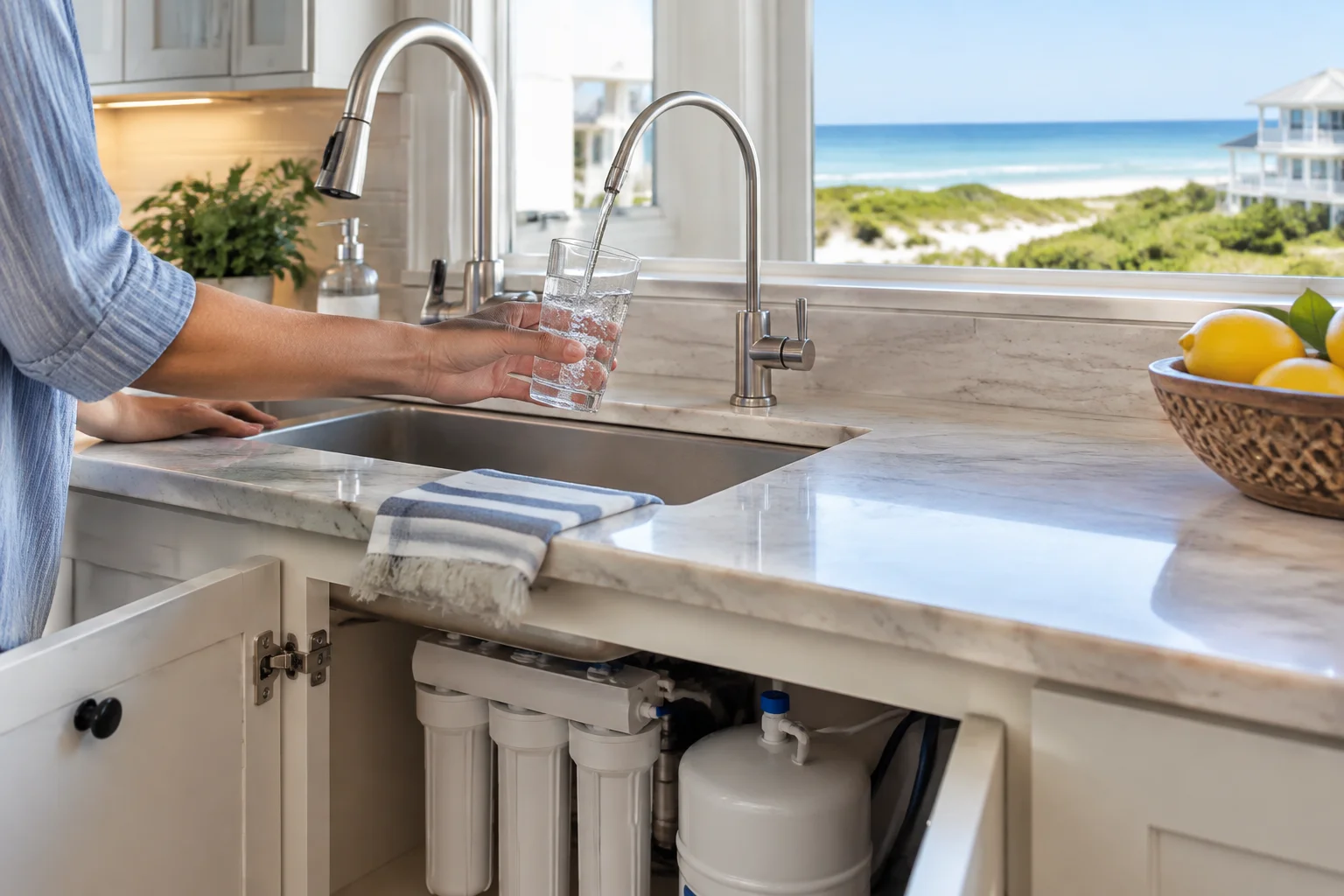
Santa Rosa Beach homes live in a mix of coastal humidity, salt air, and typical Florida water challenges that can show up in everyday places you touch. If you have a reverse osmosis (RO) system for drinking water and cooking, you already know the payoff: better tasting water, clearer ice, and fewer worries about what is in the glass. The catch is that RO systems are mechanical and chemical by design, so they need consistent care to keep working the way they were installed to work.
This guide is a practical, homeowner friendly look at reverse osmosis system maintenance in Santa Rosa Beach, FL. You will also see how local water conditions connect to the problems people notice in the kitchen, on bathroom fixtures, and inside appliances that use water every day. For professional help, you can review reverse osmosis systems in Santa Rosa Beach and explore water filtration and reverse osmosis options.
Why Santa Rosa Beach water makes RO maintenance more important
Reverse osmosis is excellent at reducing many contaminants, but it still depends on consistent feed water quality and proper system operation. In the Santa Rosa Beach area and throughout Walton County, homeowners often deal with a combination of water chemistry issues that can show up as:
- Hard water spots on glass, dishes, and fixtures
- Scale buildup around faucets, showerheads, and plumbing
- Dry skin or dull hair after bathing
- Metallic, chlorinated, or unpleasant taste
- Cloudy ice cubes or residue in drinking glasses
- Poor tasting coffee and cooking water
- Soap that does not lather or rinse well
Even when RO is the drinking water solution, the rest of the home is still exposed to the incoming water. When hard water is untreated, scale can form on fixtures and inside water using appliances. That is why many homeowners pair RO for drinking water with broader water treatment, such as water softening or whole home water filtration. If you are trying to protect appliances and keep plumbing cleaner, it helps to think of RO as one part of a full clean water plan rather than a standalone fix.
How a reverse osmosis system works, and what maintenance actually protects
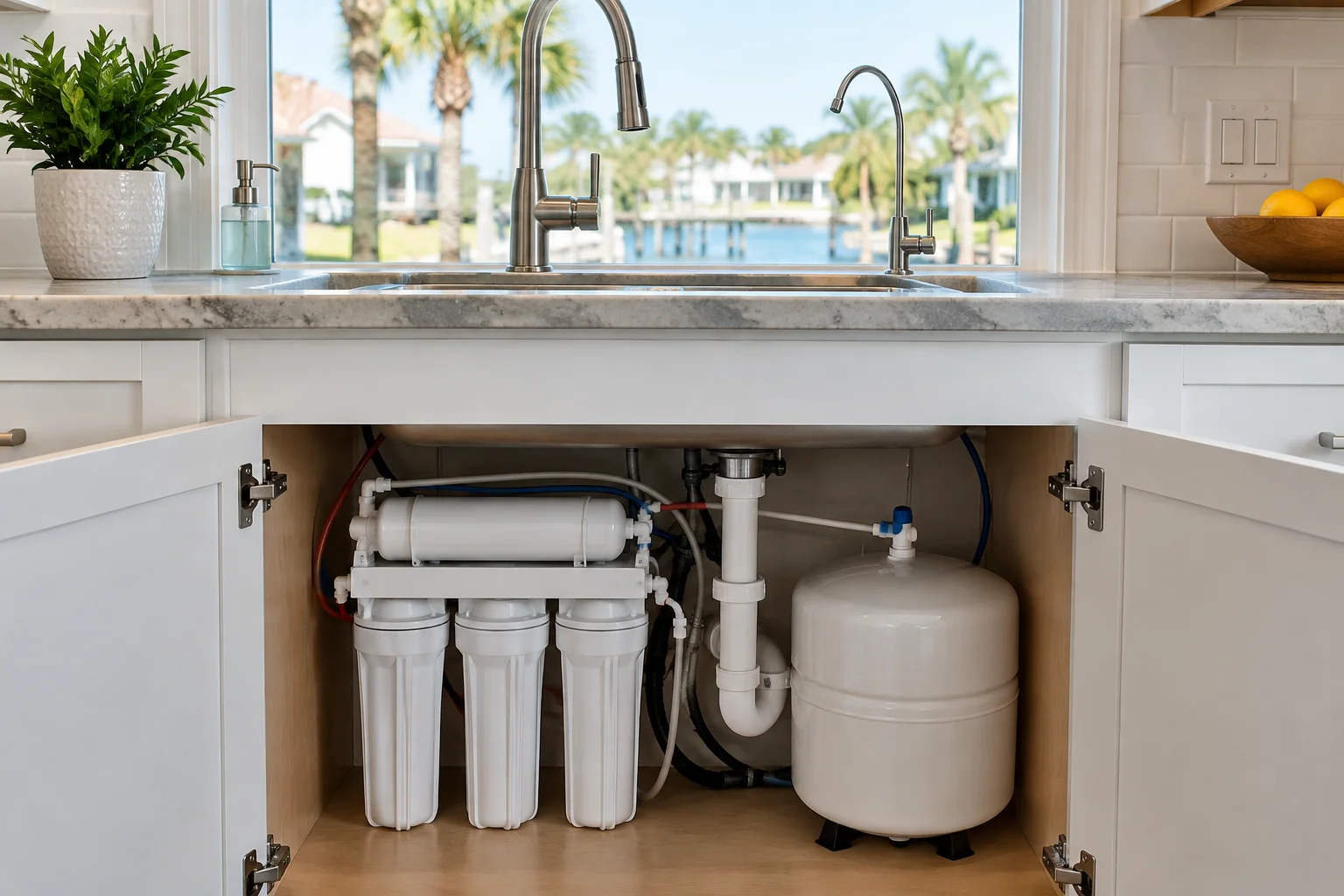
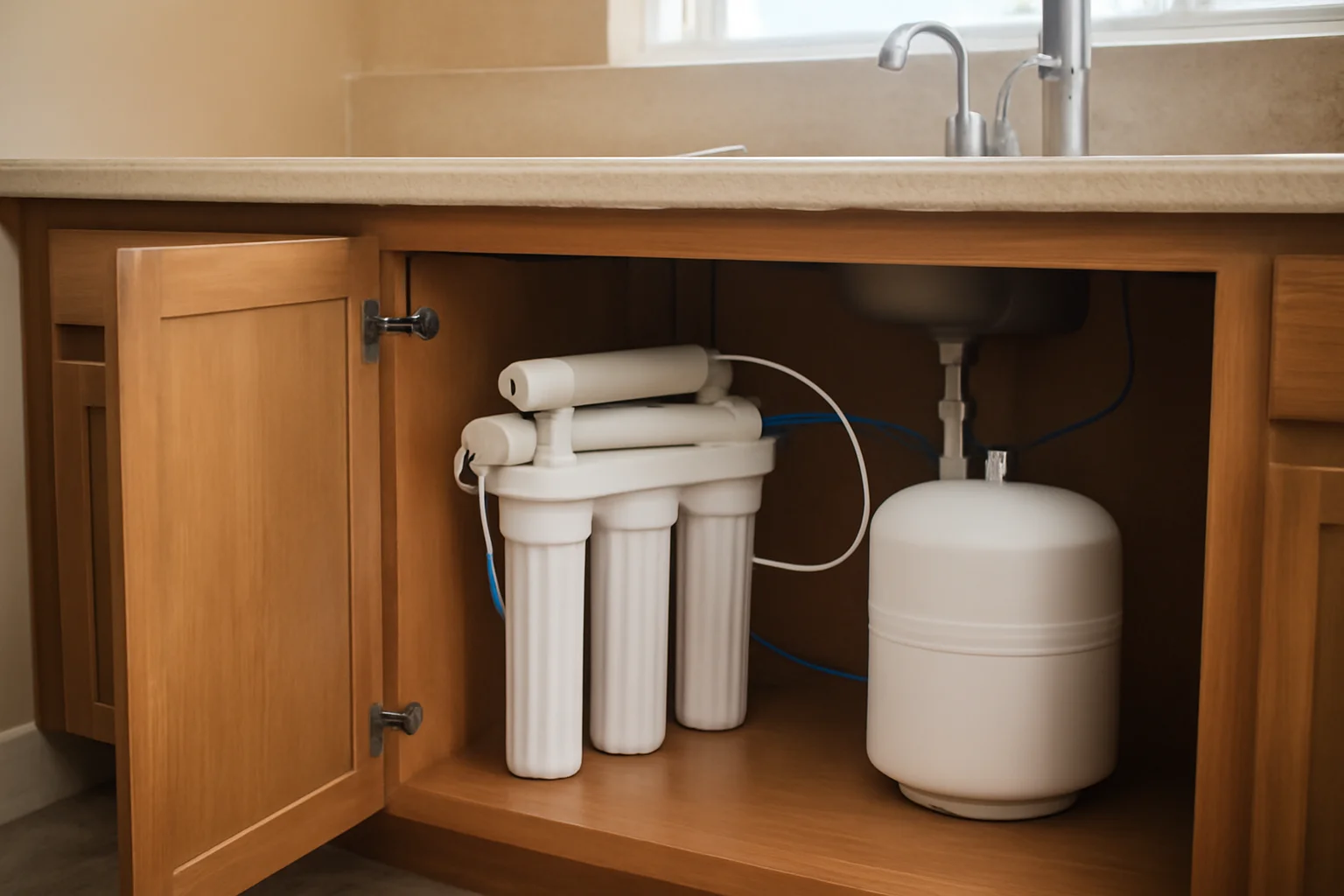
Most residential RO systems include prefiltration, an RO membrane, a storage tank, and a post filter. Each component has a job:
- Sediment and carbon prefilters protect the membrane by reducing particles and chlorine taste and odor concerns.
- The RO membrane is the core separation stage that helps reduce dissolved contaminants.
- Post filtration polishes the water before it reaches the faucet.
- Storage and pressure control support consistent flow and reduce how hard the system has to work.
When maintenance is delayed, the system can still produce water, but it may do it less efficiently. That can lead to:
- Worse tasting drinking water filter performance
- Cloudy ice cubes and visible sediment
- Faster appliance wear when water chemistry is not addressed elsewhere
- More stress on components, which can shorten system life
Maintenance checklist for homeowners: what to inspect monthly
You do not need to be a plumber to catch common RO issues early. A quick routine can prevent small problems from turning into bigger repairs.
1) Check for leaks under the sink
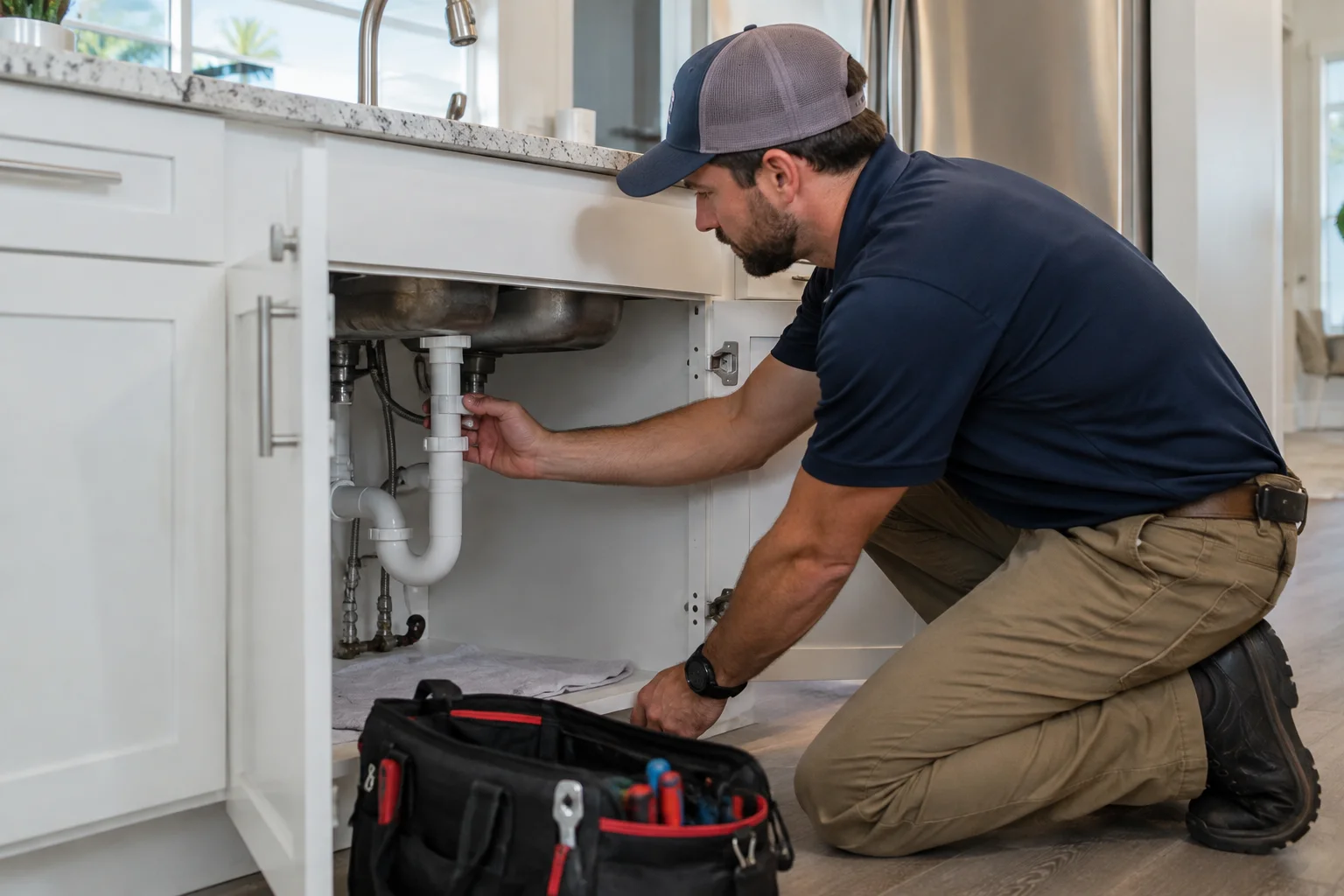
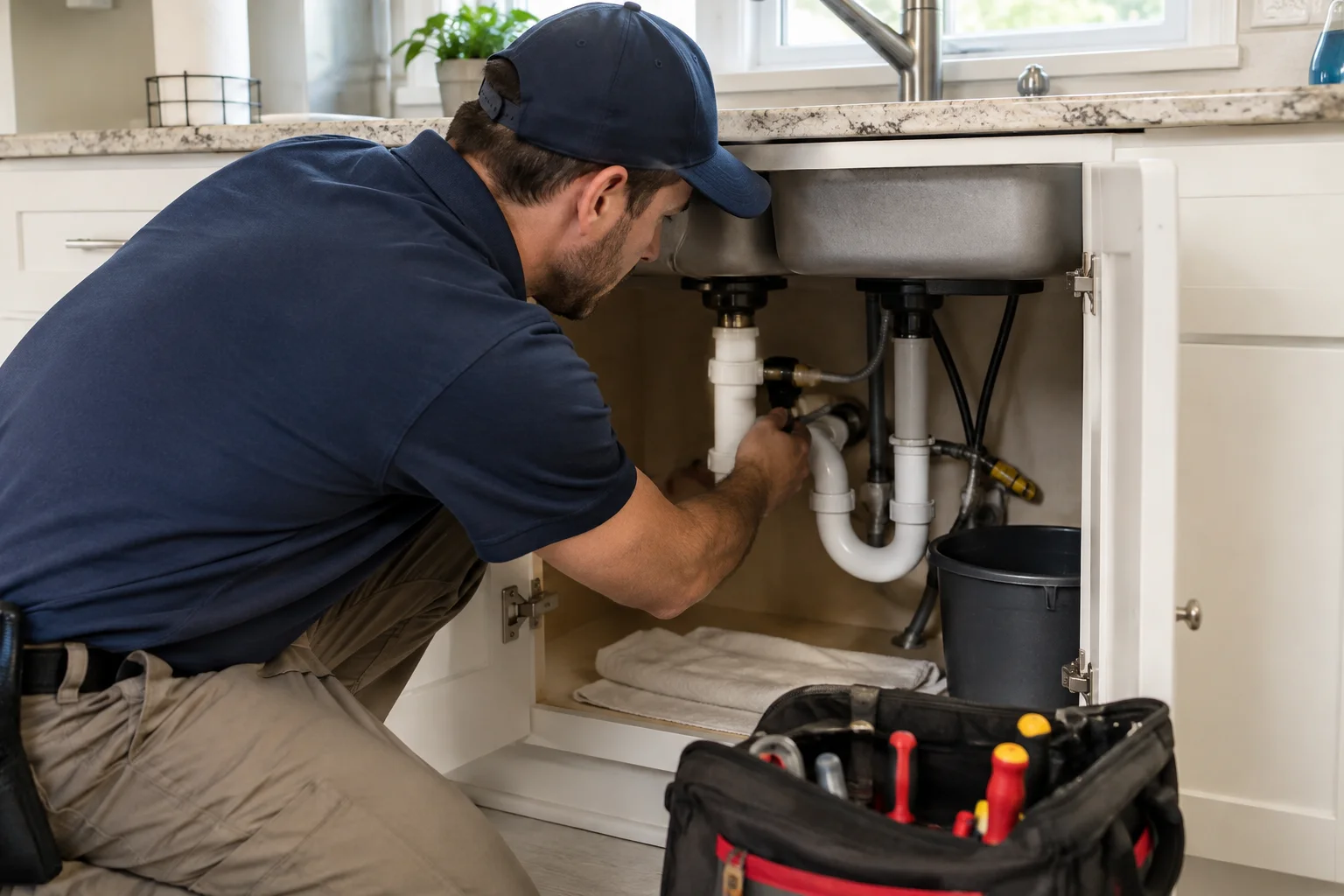
Look for dampness around the RO housing, tubing connections, and the faucet base. Even slow seepage can damage cabinet bottoms and create a musty smell. If you see moisture, shut off the RO feed valve and contact a professional for a proper inspection.
2) Monitor taste, odor, and clarity
Your senses are valuable. If you notice metallic tasting water, chlorine taste in water, or a change in the smell of drinking water, it can mean the carbon stage is exhausted or the system is not operating normally. Also watch for cloudy ice cubes, streaks in glasses, or visible discoloration.
3) Listen for unusual cycling
RO systems often run intermittently. If you hear constant running, a rapid cycling pattern, or a noticeable change in sound, it could point to a pressure issue, a clogged filter, or a problem with the storage tank. Those are maintenance and service triggers, not DIY guessing games.
4) Confirm your “first draw” water behavior
If your RO faucet is rarely used, the first water draw after a pause should still taste clean. If it tastes off at first and then improves, it can indicate a storage or post filtration issue. Consistent performance problems are a reason to schedule service.
Filter and membrane maintenance: staying ahead of performance problems
Most RO systems require periodic replacement of filters and, eventually, the RO membrane. Exact schedules depend on water quality, system size, and usage patterns, so the most accurate plan comes from your installation details and service history. Still, homeowners can use clear performance cues to know when maintenance is due.
Prefilters: when you should suspect they are done
Prefilters often show their age through taste and water clarity issues. If you see:
- More sediment or discoloration in the drinking water
- Increased chlorine taste or unpleasant taste
- Reduced flow from the RO faucet
…it is time to have the system checked. In many homes, especially where incoming water has sediment or chlorine, the carbon stage plays a big role in protecting the membrane and preserving better tasting drinking water.
RO membrane: the “core” that needs the right protection
The membrane is expensive, so protecting it is the goal. When prefilters are not replaced on time, the membrane can foul faster. That can cause lower output, weaker purification performance, and a system that runs longer to produce the same amount of drinking water. If you are noticing persistent issues even after a filter change, the membrane may need evaluation.
Post filter and sanitizing: keeping the water fresh
Post filtration helps with final taste and odor. Over time, systems can also accumulate biofilm under certain conditions. A professional service visit typically includes checking pressure and flow, reviewing filter life, and sanitizing components as recommended. This matters for families who rely on RO for drinking water and cooking water every day.
How to protect fixtures and appliances when RO is only for drinking water
Many homeowners install RO for the kitchen and then wonder why they still see scale buildup on faucets and showerheads. That is because RO treats only what is connected to the system. Hard water treatment for the rest of the home may still be needed to prevent mineral scale.
Hard water spots on glass and dishes
If your dishwasher leaves spots, or your drinking glasses look cloudy even after washing, you are likely seeing mineral residue. People often describe it as:
- Hard water spots on glass
- Soap that does not lather or rinse well
- Dullness on cookware and bathroom surfaces
RO will not automatically remove those minerals from the hot water lines. When hard water is present, water softening or whole home water filtration can reduce scale formation and help keep surfaces cleaner.
Scale buildup around faucets and showerheads
Scale buildup on faucets and showerheads can become a maintenance chore. You may notice:
- Rough spots where water dries
- Reduced water flow from mineral deposits
- More frequent scrubbing to keep fixtures looking new
When scale builds up in plumbing, it can also affect how appliances perform. Homeowners sometimes notice that appliances wearing out faster, especially water heaters, ice makers, and dishwashers.
Dry skin or dull hair after bathing
Many families connect the dots between water chemistry and how they feel after showers. Dry skin from hard water and dull hair are common complaints when minerals interfere with soap and rinsing. If you have noticed these symptoms, the solution usually involves treating the water for the entire home, not just the kitchen tap.
Whole home water filtration and water softening: where they fit with RO
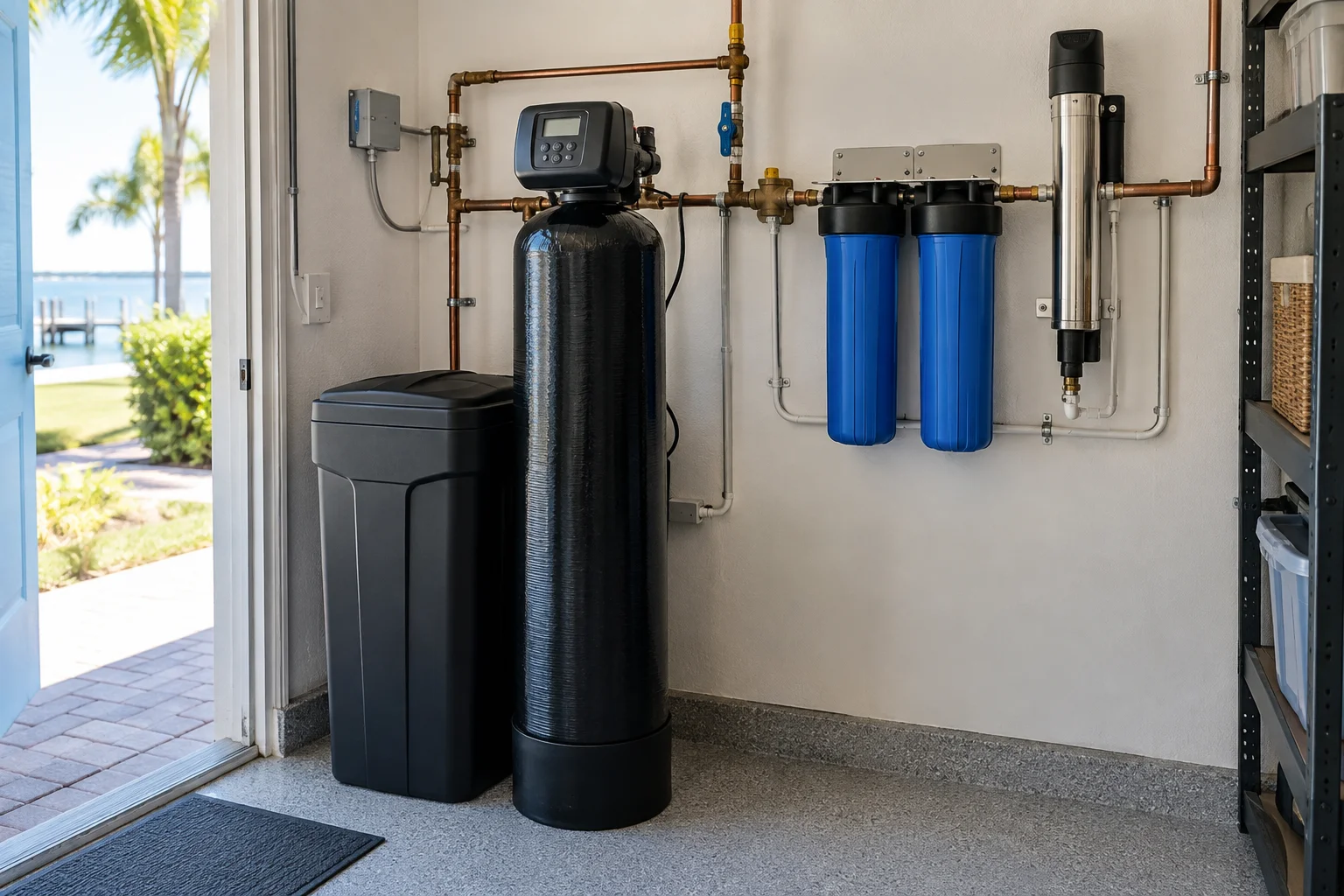
RO is a targeted drinking water filter. Whole home water filtration near me and water softener service are different approaches that help protect plumbing, fixtures, and appliances throughout the day. Many Santa Rosa Beach homeowners choose a combined strategy:
- RO for drinking water and cooking to improve taste and clarity for everyday kitchen routines.
- Water softening to reduce scale buildup and help soaps rinse clean.
- Whole home water filtration to lower sediment and improve overall water quality before it reaches fixtures and appliances.
When you plan it correctly, you can enjoy better water for drinking and cooking while also reducing the mineral problems that show up in laundry, showering, and cleaning. If you are researching home water purification near me, this combined approach is one of the most effective ways to protect both the kitchen and the plumbing system.
AO Smith filtration and RO planning for Santa Rosa Beach homes
Some homeowners ask about AO Smith water filtration when comparing options. AO Smith systems can be part of a broader water treatment plan because they are commonly used for filtration and water quality improvement. The right choice depends on your incoming water conditions, household usage, and whether you want RO only or a more comprehensive setup.
For example, if you have chlorine taste in water, sediment concerns, or you are seeing visible sediment and odor issues, whole home filtration may help protect plumbing and appliances. If you want better tasting drinking water and cleaner ice, RO is often the next step. A Superior Mechanical can help you evaluate the system design so you are not paying for RO performance problems caused by inadequate prefiltration or mismatched treatment for the rest of the home.
Local habits that keep RO systems running smoothly
Even with professional installation and service, a few everyday habits can reduce wear and improve consistency.
Use your RO faucet regularly
If your RO faucet sits unused for long stretches, water in the lines can sit longer. That can sometimes affect taste. Using the faucet periodically, especially for drinking water filter needs, helps keep water fresh.
Replace cartridges on schedule, not on guesswork
Do not wait until the water tastes “bad enough.” By then, performance has already slipped and the membrane may have taken extra strain. If your system has a filter change indicator, use it, and also pay attention to flow rate and taste changes.
Avoid DIY fixes that can cause hidden damage
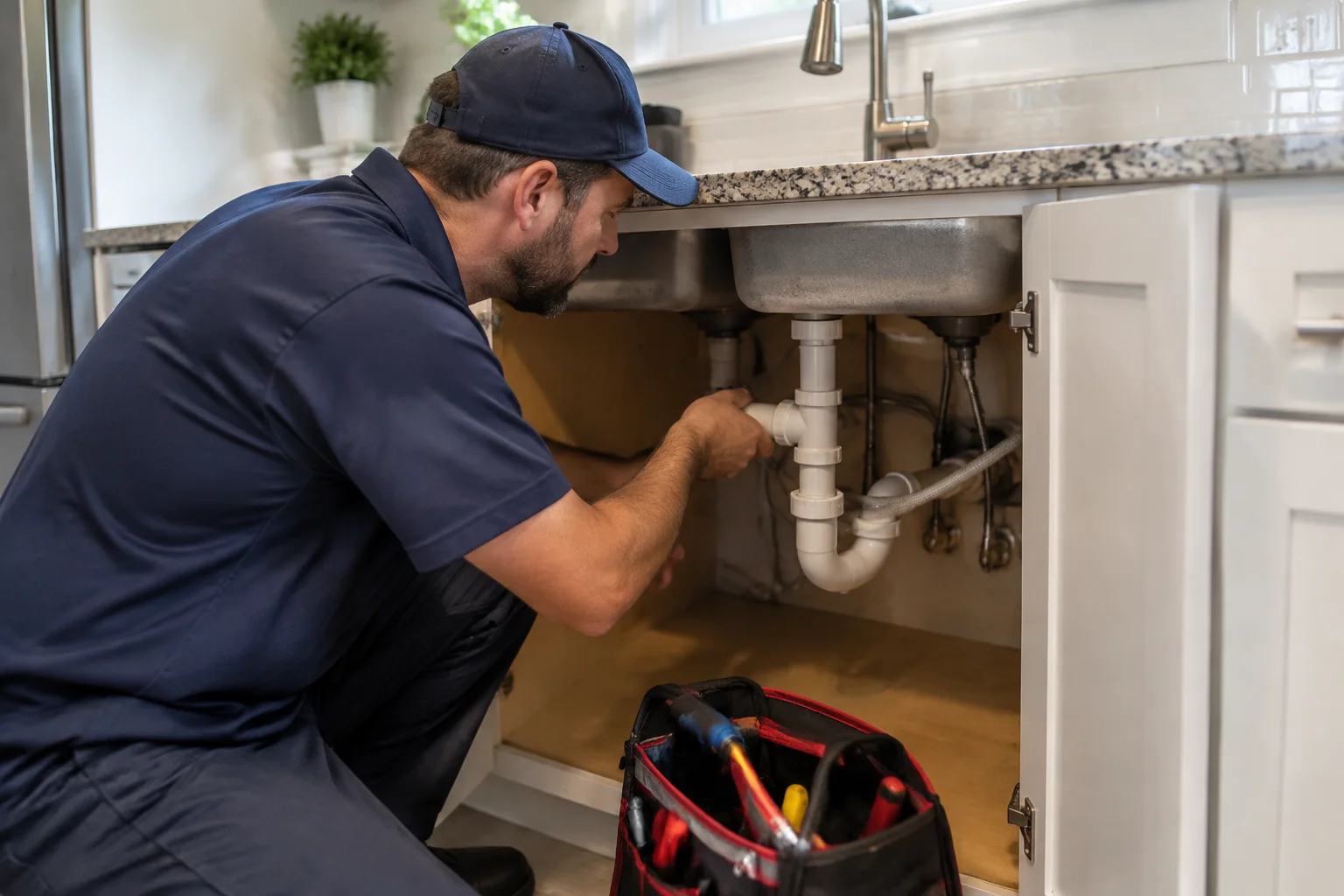
RO systems involve pressurized water and delicate connections. If you need to adjust tubing, replace a housing, or deal with a leak, it is safer to schedule service than to troubleshoot blindly. A small mistake can lead to water bypass, poor purification, or cabinet moisture damage.
What to do when you see common RO problems
Here is how homeowners in Santa Rosa Beach often describe issues, and what they usually point to.
Cloudy ice cubes and residue in glasses
Cloudy ice cubes can be a sign of carbon stage exhaustion, poor filtration, or an operational problem. If you also see visible sediment or discoloration, schedule an inspection. RO maintenance is not just about taste, it is about consistent clarity.
Metallic or chlorinated taste
Metallic tasting water or chlorine taste in water often points to exhausted filters or inadequate pre-treatment. If the taste issue started after a long period without service, filter replacement is a likely first step. If taste problems persist, the membrane and post filtration may need evaluation.
Poor tasting coffee and cooking water
Many families notice the difference when making coffee, tea, and rice. If your coffee tastes flat or your cooking water feels “off,” RO performance may be slipping. Better water for drinking and cooking is one of the main reasons homeowners choose RO, so treat taste changes as an early maintenance signal.
Reduced flow from the RO faucet
Low flow can come from clogged prefilters, membrane fouling, or pressure regulation issues. If the faucet trickles instead of running normally, do not keep using it and hope it improves. A service visit can restore performance and protect the membrane.
When to call A Superior Mechanical for reverse osmosis service
Some RO issues are quick to spot, but the underlying cause may not be obvious without testing and measurement. Call a professional if you notice:
- Persistent chlorine taste in water or metallic tasting water
- Visible sediment, discoloration, or odor concerns
- Cloudy ice cubes that do not improve after filter changes
- Leaks under the sink or damp cabinet areas
- Significant reduction in RO output or unusual system cycling
- Concerns about protecting fixtures and appliances from hard water scale
Because RO systems are connected to your home plumbing and rely on consistent feed water, it is also smart to consider a broader water treatment plan. If you are weighing whole home water filtration near me, water softener installation near me, or you want to understand how reverse osmosis installation near me should be paired with other treatment, the team at A Superior Mechanical can help.
You can also explore service coverage on the Santa Rosa Beach service area page and the wider Walton County service area to see how local support works across the region.
Keeping your RO system aligned with everyday family life
Think about the moments RO was meant to improve in your home. It is the morning glass of water before school, the afternoon cooking water for pasta, and the evening coffee setup that never quite tastes the same when the water is off. It is also the practical side of protecting your kitchen and plumbing. Better water for drinking and cooking can make daily routines smoother, while proper hard water treatment helps keep fixtures cleaner and appliances running longer.
In Santa Rosa Beach, where homeowners often balance coastal living with maintaining a comfortable, efficient home, water quality becomes part of home care. When reverse osmosis maintenance stays on track, you protect both the system and the investments connected to it, from the under sink unit to the appliances that depend on your plumbing.
If you want to see how reverse osmosis systems are designed and serviced for local needs, review reverse osmosis systems in Santa Rosa Beach and connect your plan to water filtration and RO water softeners.
You may also find these guides helpful as you plan maintenance and upgrades: Why Better Reverse Osmosis Systems Matter in Santa Rosa Beach Homes, Why Reverse Osmosis Systems in Santa Rosa Beach Deserve Earlier Attention, and Smart Plumbing Habits for Reverse Osmosis Systems in 30A Homes.
Find Reverse Osmosis Systems in Santa Rosa Beach, FL
If you need Reverse Osmosis Systems in Santa Rosa Beach, FL, visit our local service page or contact A Superior Mechanical today.
For a broader look at whole-home water filtration, reverse osmosis, and water softener options, visit our water filtration, RO, and water softener page.
Map of Santa Rosa Beach, FL
Frequently Asked Questions
How often should I change the filters in my reverse osmosis system in Santa Rosa Beach?
Most RO systems use prefilters that need more frequent replacement than the RO membrane. Exact timing depends on your water quality and usage. If you notice reduced flow, cloudy ice cubes, or chlorine taste in water, it is a good sign your filters may be due for service.
Will a reverse osmosis system remove hard water spots on glass and dishes?
RO typically treats only the water connected to the RO faucet. Hard water spots on glass, dishes, and fixtures usually come from the rest of your plumbing. Many homeowners pair drinking RO with water softening or whole home water filtration to reduce scale buildup and soap residue.
Why does my RO water taste metallic or chlorinated?
Metallic tasting water or chlorine taste in water often points to exhausted carbon filtration or a problem with system operation. A professional inspection can check filter life, pressure and flow, and whether the membrane and post filter need evaluation.
Can I sanitize or repair an RO system myself?
Some homeowners can replace certain cartridges, but sanitizing, troubleshooting leaks, and evaluating membrane performance are best left to a qualified technician. RO systems are pressurized and a minor mistake can cause bypass, poor purification, or cabinet water damage.
Is whole home water filtration worth it if I already have RO for drinking water?
For many Santa Rosa Beach households, yes. RO improves drinking water quality, but whole home water filtration or water softening helps protect fixtures, showerheads, laundry, and appliances from scale buildup and residue. It is a practical way to protect both the kitchen and the rest of the home.
Related Articles
- Why Better Reverse Osmosis Systems Matter in Santa Rosa Beach Homes
- Why Reverse Osmosis Systems in Santa Rosa Beach Deserve Earlier Attention
- Smart Plumbing Habits for Reverse Osmosis Systems in 30A Homes
- Cleaner Drinking Water and Healthier Plumbing: A Rosemary Beach Homeowner’s Guide to Reverse Osmosis Systems
Photo Gallery