Seaside, Florida is beautiful, but your HVAC system has to handle a tough mix: intense summer heat, high humidity, and salt air that can be hard on components. If you have a VRF multi-zone system, you already know the benefits of independent comfort zones. The goal is keeping that comfort steady without getting pulled into an emergency HVAC call when temperatures climb.
This guide walks through practical, homeowner-friendly steps to reduce the odds of emergency cooling problems. It also explains the maintenance items that protect airflow, refrigerant systems performance, condensate drainage, ductwork comfort, and indoor air quality. For VRF multi-zone systems in Seaside, check out A Superior Mechanical’s VRF multi-zone systems page and the broader Seaside HVAC service area.
Why Seaside VRF systems are more likely to need urgent attention
VRF multi-zone systems are designed to deliver precise temperature control across multiple indoor units. Still, the environment in Seaside can push systems harder than many homeowners expect.
- Humidity loads can overwhelm comfort expectations. Even if the thermostat is calling for cooling, indoor humidity can remain high if airflow is restricted or condensate drainage is not working smoothly.
- Salt air can affect cleanliness and corrosion resistance. Coastal air can deposit fine particles on filters, coils, and nearby surfaces. Over time, that buildup can reduce heat transfer and airflow.
- Long cooling seasons increase run time. In Florida, systems run for months. Small issues like dirty filters or blocked drain lines can become bigger problems during peak demand.
- Multi-zone control means more variables. If one indoor unit has restricted airflow, a blocked drain pan, or a sensor issue, that zone can feel uncomfortable while other zones seem fine. Homeowners often notice it late, right when outdoor conditions are hottest.
Emergency cooling concerns often come down to airflow and drainage problems, escalating refrigerant system strain, or thermostat settings that are not matching how the system is operating. The good news is that many of these issues can be prevented with consistent maintenance and early troubleshooting.
Start with airflow: the most common comfort breaker
When VRF indoor units do not move air effectively, comfort drops fast. You may feel uneven temperatures, “stale” air, or rooms that never quite cool. Airflow problems also strain the system by forcing it to work harder to reach setpoints.
What homeowners can check between service visits
- Indoor unit supply and return airflow. Make sure vents are not blocked by curtains, furniture, or storage. For wall-mounted or ceiling-mounted units, keep airflow paths clear.
- Filter condition. Some VRF indoor units use washable or replaceable filters. If your system has accessible filters, inspect them monthly during peak seasons. Replace or clean according to the manufacturer instructions and your contractor’s guidance.
- Unusual airflow sounds. Rattling, persistent whistling, or weak output compared to other zones can indicate airflow restriction or a failing fan component. Do not ignore it.
Why airflow matters for energy use and indoor air quality
Restricted airflow reduces cooling capacity and can increase the likelihood of high indoor humidity. That affects indoor air quality, especially in coastal homes where moisture can promote musty odors. If you are noticing lingering odors, irritation, or condensation, it is worth scheduling air filtration and purifiers support and indoor air quality services.
For homeowners searching for indoor air quality services near me, the best starting point is usually airflow verification plus filtration upgrades sized for your system and home layout. A Superior Mechanical can help you connect the dots between comfort complaints and the air your system is actually delivering.
Condensate drainage: the hidden issue behind “my AC is not cooling”
Cooling creates condensate. In VRF multi-zone systems, indoor units collect condensate and route it through drainage lines and drain pans. When condensate drainage is restricted or overflowing, you can see leaks, water damage, or a zone that underperforms.
Early warning signs to watch for
- Water spotting on ceilings, walls, or nearby flooring.
- Musty smells near indoor units.
- Frequent shutdowns in one zone while others run normally.
- Visible water in a drain pan area (if you can safely inspect it).
What not to do
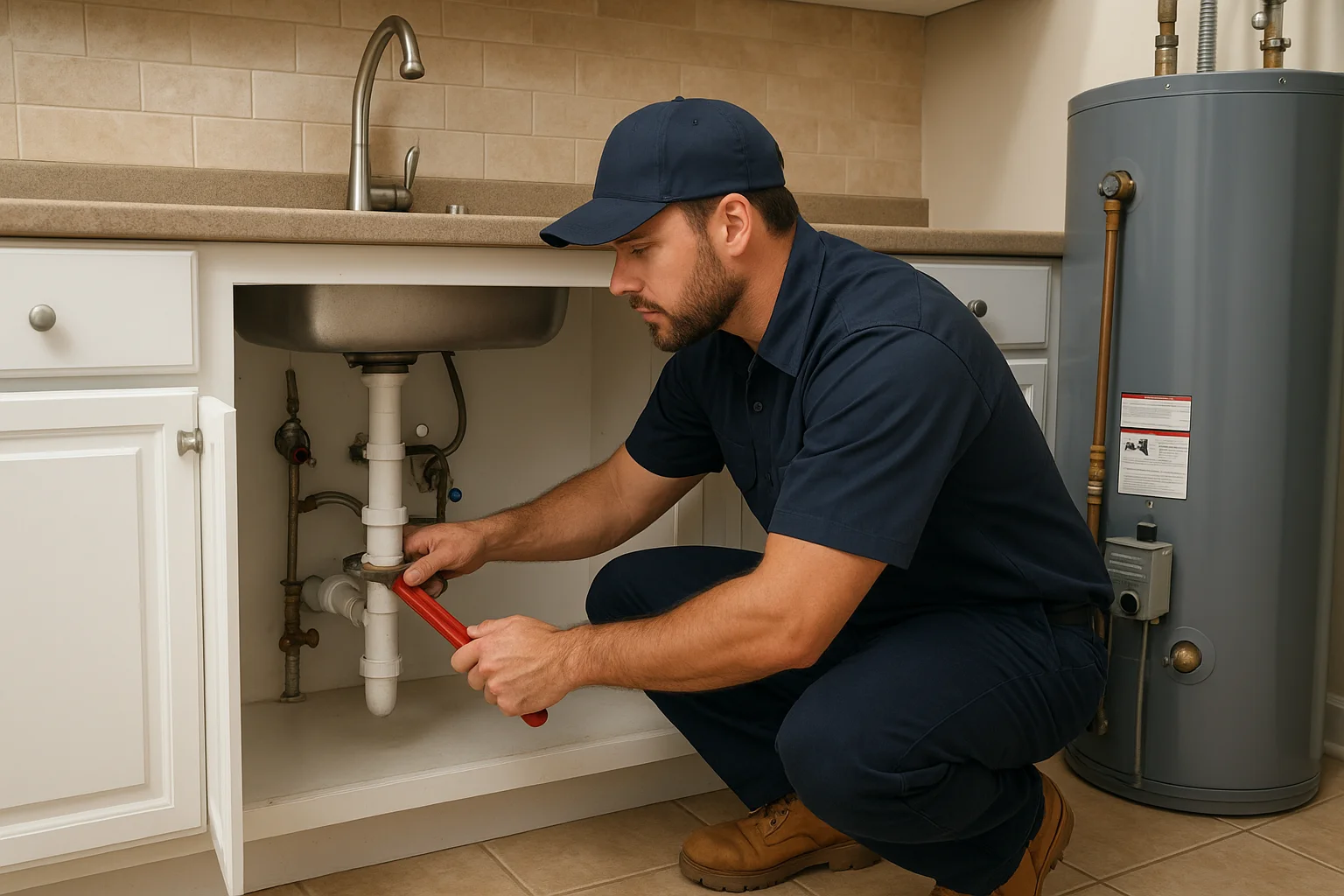
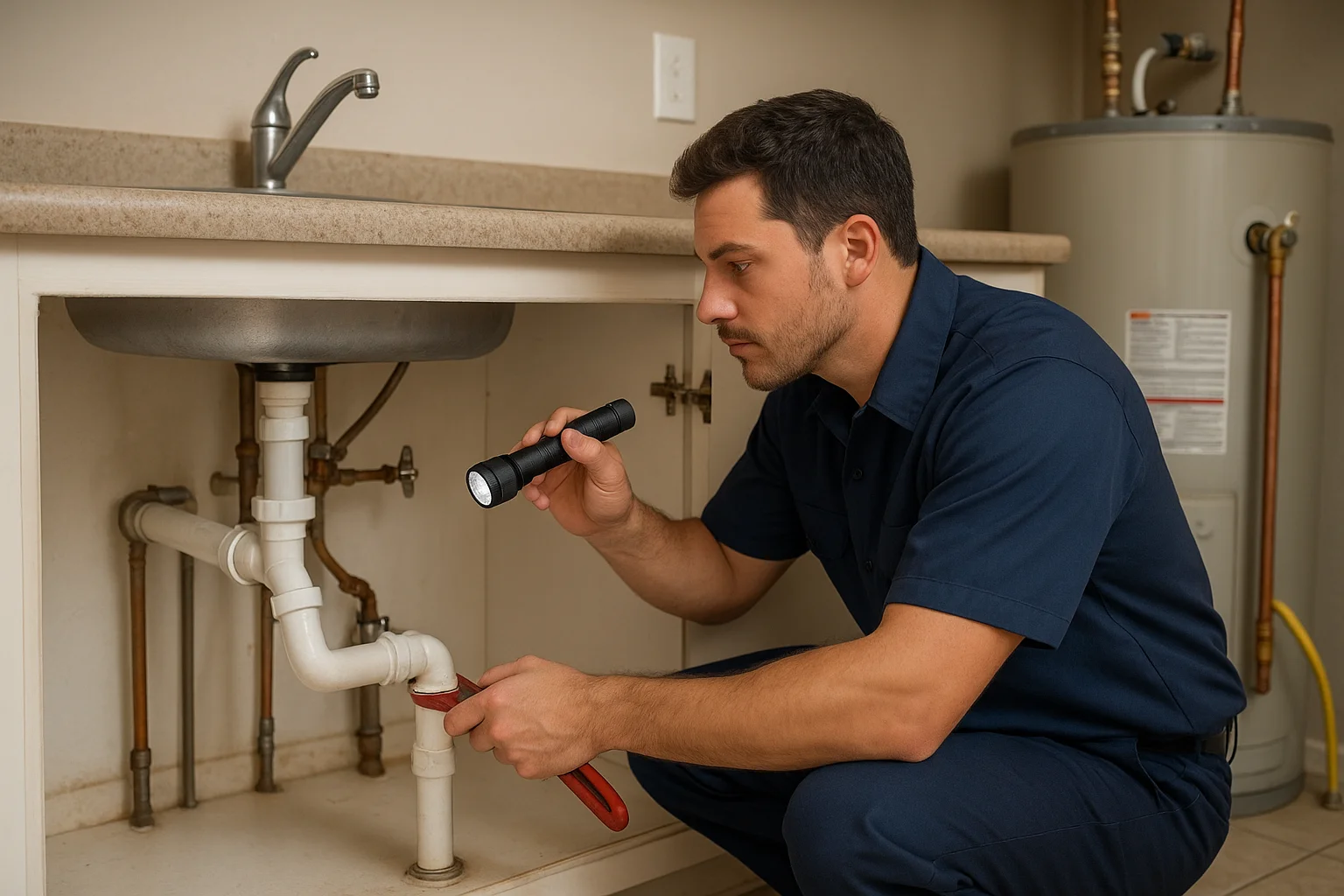
Do not attempt to “clear” drainage lines with unapproved chemicals or tools. Condensate drainage issues can also be tied to slope problems, clogged strainers, or components that require professional cleaning and verification. An in-person evaluation is the right path before any corrective action.
Thermostats and zone settings: preventing comfort surprises
In a VRF multi-zone system, thermostats and zone controls shape how the system distributes capacity. Many emergency cooling calls happen when homeowners change settings during peak heat, then assume the system is broken. Sometimes the system is responding correctly, but the zone is not configured to match your comfort needs.
Common thermostat-related causes
- Setpoints that are too aggressive. Dropping setpoints dramatically can create long recovery times, especially if airflow is restricted or humidity is high.
- Fan mode mismatches. If your system has fan control settings, incorrect fan behavior can reduce dehumidification comfort.
- Sensor placement and drafts. A thermostat near a sunny window, in a draft, or mounted near heat sources can report inaccurate temperatures.
- Schedule conflicts. Vacation rentals and second homes often have schedule resets. If the system is not aligned with occupancy patterns, humidity and temperature swings can be more noticeable.
If you are considering thermostat installation near me or updating controls, it helps to involve a licensed HVAC contractor who can ensure the thermostat is compatible with your VRF system’s control strategy. That can reduce the “why won’t it cool?” calls during the hottest hours.
Refrigerant system strain: what homeowners should understand (and what they should not try)
VRF systems use refrigerant to move heat between indoor and outdoor components. When airflow is weak or drainage is failing, the system can operate under stress. That does not automatically mean a refrigerant leak, but it does mean the system is not performing as intended.
Why this matters in Seaside’s climate
Heat and humidity increase cooling demand. If filters are clogged, condensate drainage is compromised, or indoor airflow is restricted, the system may struggle to maintain comfort. Over time, that can lead to more frequent cycling, reduced comfort, and higher energy use.
What you should not attempt
Homeowners should not try to diagnose refrigerant systems, open sealed components, or interpret refrigerant readings without training. A refrigerant diagnosis requires professional tools and an in-person evaluation. If a zone stops cooling properly or you notice symptoms like repeated error behavior, contact an HVAC repair near me professional who understands VRF multi-zone systems.
Ductwork and airflow distribution: comfort depends on the whole path
Not every VRF installation uses traditional ductwork, but many Seaside homes still include ducted air distribution or duct connections for certain zones. Even in ductless or semi-ducted setups, airflow pathways matter.
How duct issues can trigger emergency cooling concerns
- Leaky ductwork can reduce delivered airflow. That can make one zone feel warm while the system runs longer.
- Damaged or undersized ducts can create pressure problems. The system may not deliver the airflow it is designed for.
- Dirty ducts can worsen indoor air quality. Dust and coastal particles can add to filtration load and odor issues.
If you are searching for duct repair near me or duct cleaning near me, it helps to start with duct inspection. A Superior Mechanical offers duct inspection and can guide next steps if distribution problems are contributing to uneven cooling.
For homes with aging duct systems, consider whether duct replacement is more appropriate than repeated patchwork. The goal is stable airflow and predictable comfort across zones.
Preventive maintenance that reduces emergency risk
Preventive HVAC maintenance is the most reliable way to avoid mid-summer surprises. For VRF multi-zone systems, maintenance should address both indoor units and how the system supports overall operation.
Maintenance priorities for VRF multi-zone comfort
- Indoor unit airflow checks. Technicians verify airflow and confirm zones are delivering expected performance.
- Filter and coil care. Coastal dust and humidity can accelerate buildup. Cleaning helps the heat transfer process and supports better airflow.
- Condensate drainage verification. Professionals check drainage function to help prevent leaks and humidity-related comfort complaints.
- Thermostat and control review. A quick control check can reduce issues caused by incorrect scheduling, sensor behavior, or mismatched settings.
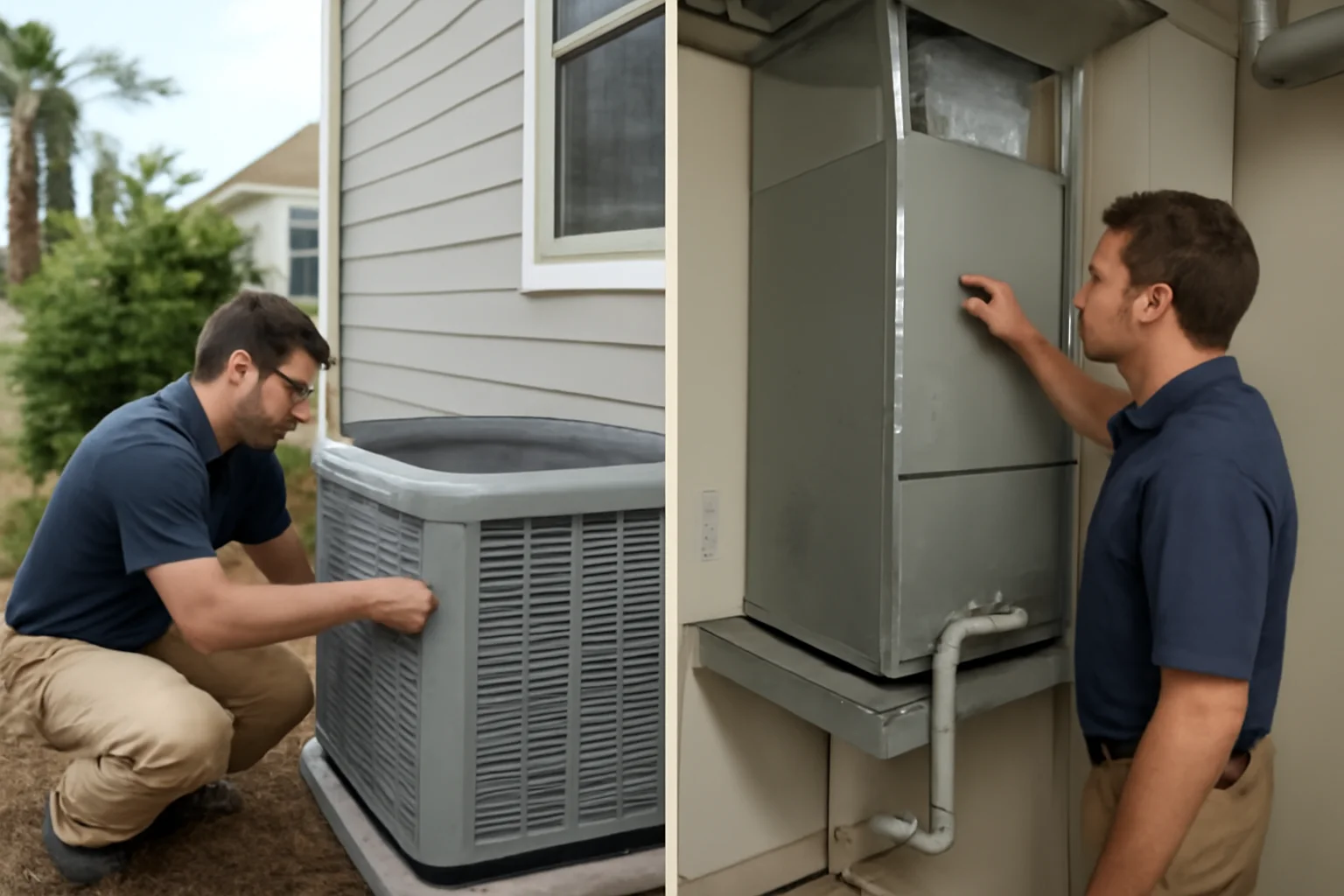
- Outdoor unit and refrigerant system performance checks. Technicians evaluate system operation as a whole. This is where VRF expertise matters because multi-zone operation is not the same as a single split system.
Homeowners often search for HVAC service near me right before the hottest stretch. A better approach is scheduling maintenance before peak demand so problems can be corrected while you still have time to plan.
What “normal” looks like during peak Seaside weather
It can be hard to tell the difference between normal VRF behavior and a developing problem, especially when outdoor temperatures and humidity spike.
Comfort patterns that are usually acceptable
- Small temperature differences between zones that gradually stabilize.
- Occasional changes in fan speed as the system modulates to meet demand.
- Cooling that is steady, with no repeated warnings or shutdowns.
Comfort patterns that should not be ignored
- A single zone that stays warmer for hours while other zones cool normally.
- Persistent humidity or condensation despite the thermostat calling for cooling.
- Water around indoor units or visible dampness.
- Repeated system interruptions or error behavior.
When these show up, it is smart to contact an HVAC company near me that regularly services VRF multi-zone systems. VRF systems require specific knowledge to troubleshoot airflow, condensate drainage, and multi-zone controls safely.
Common Seaside homeowner scenarios that lead to emergencies
Understanding how emergencies happen can help you prevent them.
Scenario 1: Vacation rental turnover and schedule resets
In Seaside, many homes run like vacation rentals. When guests arrive, you may switch schedules, adjust setpoints, and increase demand quickly. If filters are overdue or a drain line is partially restricted, the system can struggle. A proactive maintenance visit before peak season helps prevent a last-minute emergency cooling concern.
Scenario 2: Coastal dust buildup and filter neglect
Salt air and coastal pollen can increase filter loading. A clogged filter reduces airflow and can worsen indoor air quality. That can trigger “it feels muggy” complaints even when the temperature seems close to target.
Scenario 3: Duct distribution problems in older homes
Seaside housing includes older renovations and newer builds. Some homes have duct systems that were modified over time. Leaky ducts or compromised duct sections can create uneven cooling and longer run times, raising the odds of component wear.
If you suspect distribution issues, pair VRF maintenance with duct inspection. For more context, you can also read A Practical Look at VRF Multi-Zone Systems for Miramar Beach Homes and Why VRF Multi-Zone Systems Deserve a Closer Look in Sandestin Homes.
When you should call a professional instead of troubleshooting at home
Most homeowners can handle simple checks like verifying vents are clear and inspecting filters. Beyond that, the safest and most effective step is professional evaluation.
Call a licensed HVAC contractor if you notice:
- One or more zones are not cooling or not dehumidifying compared to the rest of the home.
- Water leaks, damp drywall, or recurring musty odors near indoor units.
- Repeated system shutdowns or error behavior.
- Significant airflow loss that does not improve after basic filter inspection.
- Any concern that points to refrigerant system performance, which should be assessed in person.
For urgent situations, homeowners searching for emergency AC repair near me deserve a contractor who understands VRF multi-zone systems and can focus on airflow and drainage first, then verify system operation. If you have a home that must stay comfortable, it helps to be proactive. Review Keeping Seaside Homes Ready for HVAC Emergencies for practical seasonal planning.
How to plan for system replacement decisions without waiting for a crisis
Sometimes preventive maintenance reveals that a system is nearing the end of its useful life or that certain components are no longer able to support comfort goals. That is different from an emergency breakdown. Planning for HVAC replacement near me allows you to consider zoning needs, indoor air quality priorities, and the best fit for your home.
VRF multi-zone systems can be a strong option for homes and commercial properties that want independent comfort. If you are evaluating options, you may also want to compare how your needs align with Commercial HVAC Installation if your property includes commercial spaces or shared ventilation requirements.
Indoor air quality support that pairs well with airflow maintenance
Airflow and humidity control are closely tied to indoor air quality. Coastal homes can experience higher moisture levels, and multi-zone homes can develop comfort imbalances if filtration is not kept current.
If you are considering indoor air quality services near me, look for a plan that includes:
- Filtration suited to your system and zone airflow rates.
- Verification of airflow and drainage so humidity does not linger.
- Testing when symptoms suggest airflow or humidity problems are affecting comfort.
You can also read Why Seaside Homes Benefit From Indoor Air Quality Testing Before Comfort Issues Spread to understand how early evaluation can prevent comfort complaints from escalating.
Reduce emergency calls with a simple seasonal routine
You do not need to become an HVAC technician to lower your risk. A consistent routine can prevent the most common emergency triggers in Seaside.
- Before peak summer: schedule VRF maintenance focused on airflow, filtration, and condensate drainage.
- During peak weeks: check filters and verify vents are not blocked. Pay attention to humidity and odor changes.
- After storms: look for signs of moisture near indoor units and confirm zones are cooling evenly.
- Keep thermostat schedules realistic: especially for vacation rentals and second homes.
This approach supports comfort, helps manage energy use, and reduces the chance that a minor issue becomes a major emergency cooling concern.
If you want a local HVAC contractor with VRF multi-zone experience, A Superior Mechanical serves Seaside and the surrounding Walton County area. Start with VRF multi-zone systems service, then build a maintenance plan that fits how your home actually lives and cools.
Find VRF Multi-Zone Systems in Seaside, FL
If you need VRF Multi-Zone Systems in Seaside, FL, visit our local service page or contact A Superior Mechanical today.
Map of Seaside, FL
Frequently Asked Questions
How can I tell if my VRF multi-zone system has an airflow problem versus a thermostat issue?
If one zone feels weak while other zones respond normally, airflow and filtration are common culprits. Check for blocked vents and inspect any accessible filters. If airflow is still poor or the issue persists, a professional can verify airflow and zone operation in person.
What are the most common causes of one zone not cooling in Seaside, FL?
In coastal Florida, the most frequent causes include restricted airflow from dirty filters, blocked or slow condensate drainage, or control settings that do not match how the zone should operate. Because VRF systems manage multiple indoor units, zone specific issues are common and should be evaluated on site.
Can high humidity mean my VRF system is failing to dehumidify?
High indoor humidity can be related to airflow restrictions, filtration buildup, condensate drainage problems, or thermostat and fan settings. It does not automatically mean a refrigerant issue. An in-person assessment is the safest way to determine the cause.
Should I try to clear a condensate drain line myself?
No. Condensate drainage issues can involve more than a surface clog, and using the wrong chemicals or tools can create damage or safety risks. A licensed HVAC contractor should inspect and correct the drainage problem.
How often should VRF multi-zone systems receive preventive HVAC maintenance in Seaside?
Many homeowners schedule maintenance before peak cooling season and again during the hottest months, especially in humid coastal areas. The right schedule depends on how often the system runs, filter conditions, and your comfort goals. A Superior Mechanical can recommend a plan after reviewing your setup.
Related Articles
Photo Gallery