Seagrove Beach homes see salt air, warm humidity, and seasonal water use that can shift how your plumbing and appliances perform. When your household water is hard, it creates a chain reaction across the kitchen and bath. You notice it first on glass and fixtures, then it shows up as scale buildup around faucets and showerheads, and eventually it can shorten the life of water-using appliances.
Water softening is one of the most practical ways to make daily water use better. It helps protect plumbing, improves how soap and shampoo work, and supports cleaner tasting water for drinking and cooking. If you are looking for water treatment near me in Seagrove Beach, it helps to understand what hard water is doing and how softening fits into a complete clean water system.
What hard water looks like in Seagrove Beach homes
Hard water is water with high mineral content, usually calcium and magnesium. Those minerals do not just disappear after you rinse. As water heats and dries, the minerals can leave behind residue that becomes scale. In many Seagrove Beach households, the signs show up fast, especially in the kitchen and bathroom where water is used daily.
Common signs homeowners notice
Hard water spots on glass, like cloudy streaks on drinking glasses or bathroom mirrors.
Scale buildup around faucets, showerheads, and plumbing, including rough, chalky deposits that require scrubbing.
Dry skin or dull hair after bathing, often paired with soap that does not lather or rinse well.
Metallic, chlorinated, or unpleasant taste in water, which can affect drinking water and coffee.
Cloudy ice cubes that look dirty even when the freezer is clean.
Poor tasting coffee and cooking water, especially when brewing with tap water.
Visible sediment, discoloration, and odor concerns that can come and go depending on water use and plumbing conditions.
Appliances wearing out faster, such as water heaters, dishwashers, and washing machines that experience reduced efficiency over time.
When you see multiple signs together, it usually means you are not dealing with just one minor issue. Hardness can combine with other water quality factors like chlorine residuals or sediment. That is why many homeowners choose a layered approach that starts with water softening and may include additional filtration.
How water softening improves kitchen water and bath water
Water softening changes how minerals behave in your home. Instead of leaving behind scale, softened water reduces mineral buildup on surfaces that see hot water and repeated use. That matters for everyday tasks like washing dishes, brewing coffee, taking showers, and running laundry.
Better dishes, fewer scrubbing sessions
In the kitchen, hard water can leave a film on plates, glassware, and cookware. You might notice that dish soap does not rinse clean, or that you still see residue after a full cycle. With water softening, you often get:
Cleaner glassware with fewer hard water spots.
Better soap performance, including detergent that rinses more completely.
Dishwasher components that build up less scale over time, helping the unit run more efficiently.
Comfortable showers and hair that looks healthier
Hard water makes it harder for soap to lather. The minerals can bind with soap molecules, leaving a film behind. That is a common reason for dry skin from hard water and dull hair after bathing. Softening can help by making soap and shampoo work the way they are supposed to:
Soap that lathers more easily.
Rinsing that feels smoother, leaving less residue on skin and hair.
Fewer mineral deposits on shower doors and tile, which can reduce the effort required to keep bathroom surfaces looking clean.
Support for better drinking and cooking water
Water softening is not the same as reverse osmosis or taste filtration, but it can still improve the quality of water you use for cooking and drinking. When scale buildup is reduced, appliances and plumbing can perform more consistently. For taste and clarity concerns like chlorine taste in water, unpleasant odors, or cloudy ice cubes, many homeowners also pair softening with filtration designed for clean water systems.
If you are aiming for better water for drinking and cooking, consider how your household uses water. Drinking water and ice often benefit from targeted filtration such as a reverse osmosis system for drinking water, while whole home water filtration can help reduce sediment and improve overall water quality throughout the house.
Why Seagrove Beach water treatment matters for long-term protection
Seagrove Beach is coastal, and many homes here rely on a mix of older plumbing lines, outdoor water use, and high seasonal demand. Warm weather, humidity, and frequent showers and laundry can make scale more noticeable. When hardness is high, minerals can accumulate faster on hot water paths and fixtures.
Local water treatment service matters because the “right” solution depends on what you are experiencing in your home. Some households primarily need hard water treatment to stop scale buildup around faucets and showerheads. Others need a combination of softening and filtration to address sediment, discoloration, and odor concerns.
If you are comparing water softener service or looking for home water purification near me, it helps to start with a proper water assessment. A qualified technician can evaluate hardness levels, check for signs of scale potential, and discuss whether additional steps like whole home water filtration or reverse osmosis system near me make sense for your kitchen and bath goals.
Water softening options: choosing the right system for your home
Most homeowners start with water softening because it is the most direct way to reduce scale. Still, system choice matters. The best results usually come from matching the system type and setup to your household size, water use patterns, and local water conditions.
AO Smith water softener systems for whole home softening
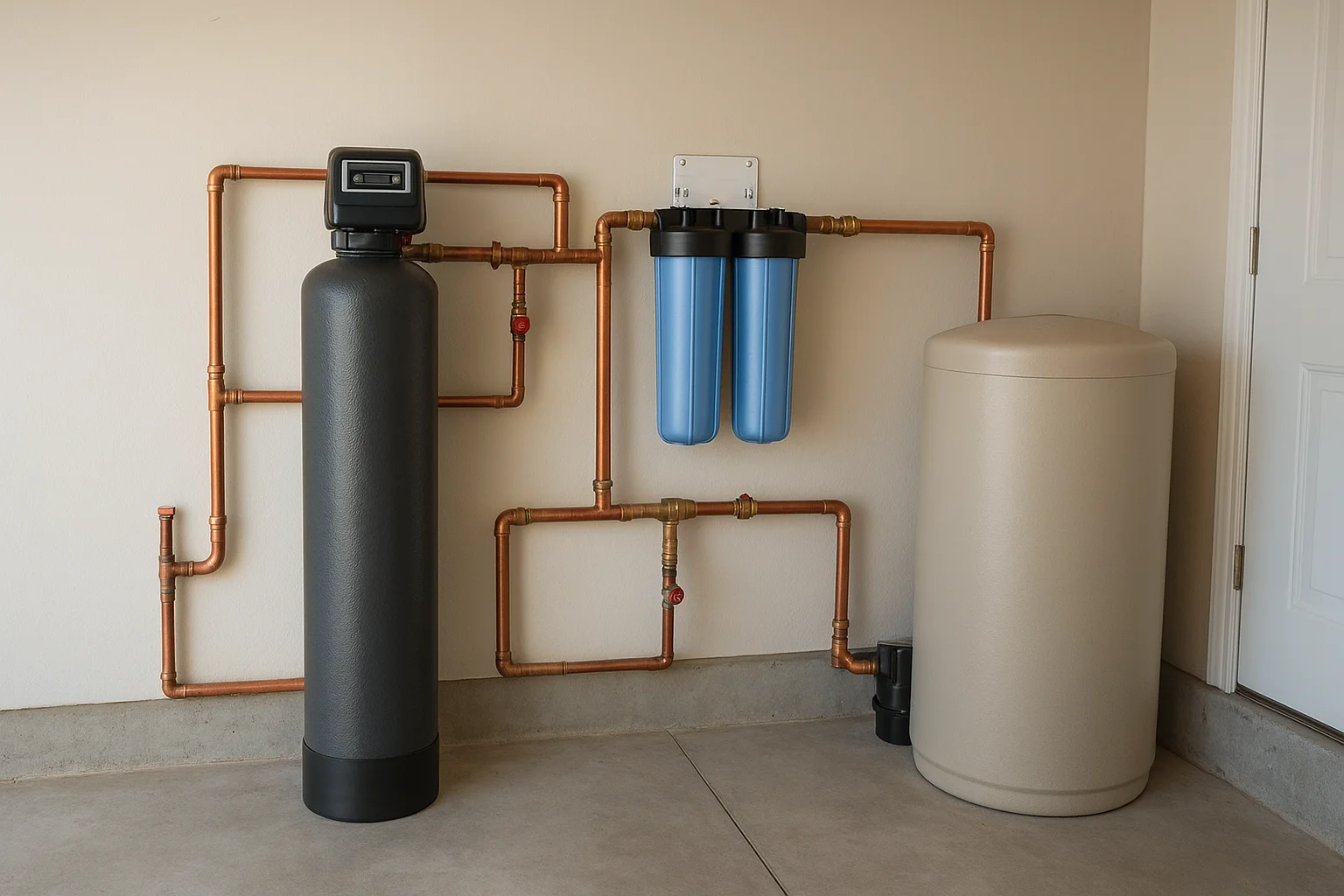
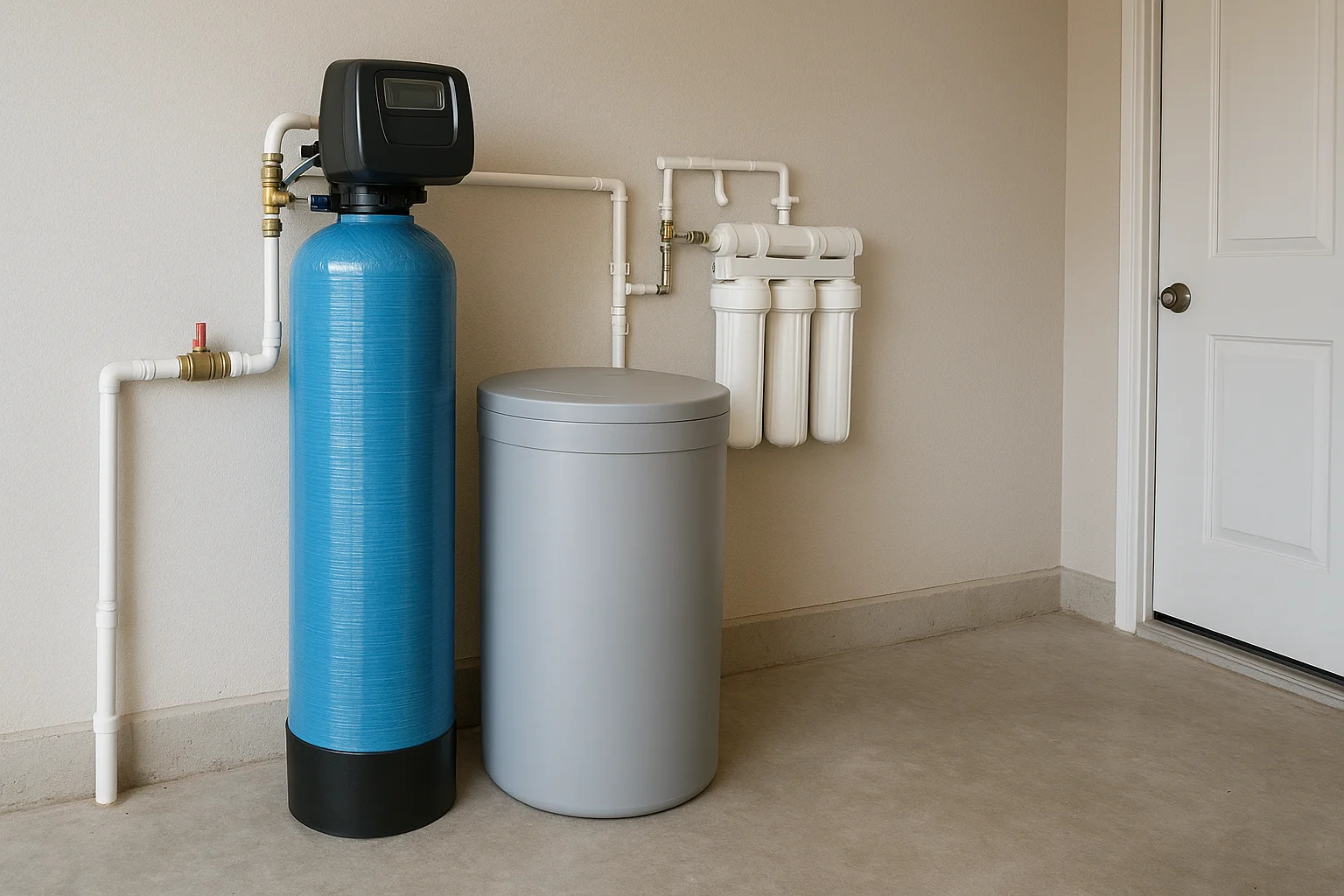
Many homeowners in the area consider AO Smith water filtration and water softener solutions because they are designed for consistent performance in residential settings. An AO Smith water softener can be part of a broader clean water system that supports better plumbing performance and longer appliance life.
When installed correctly, a water softener helps protect:
Water heaters and hot water lines from scale that reduces efficiency.
Dishwashers and washing machines that can experience mineral buildup.
Fixtures where homeowners see hard water spots on glass and shower doors.
Whole home water filtration alongside softening
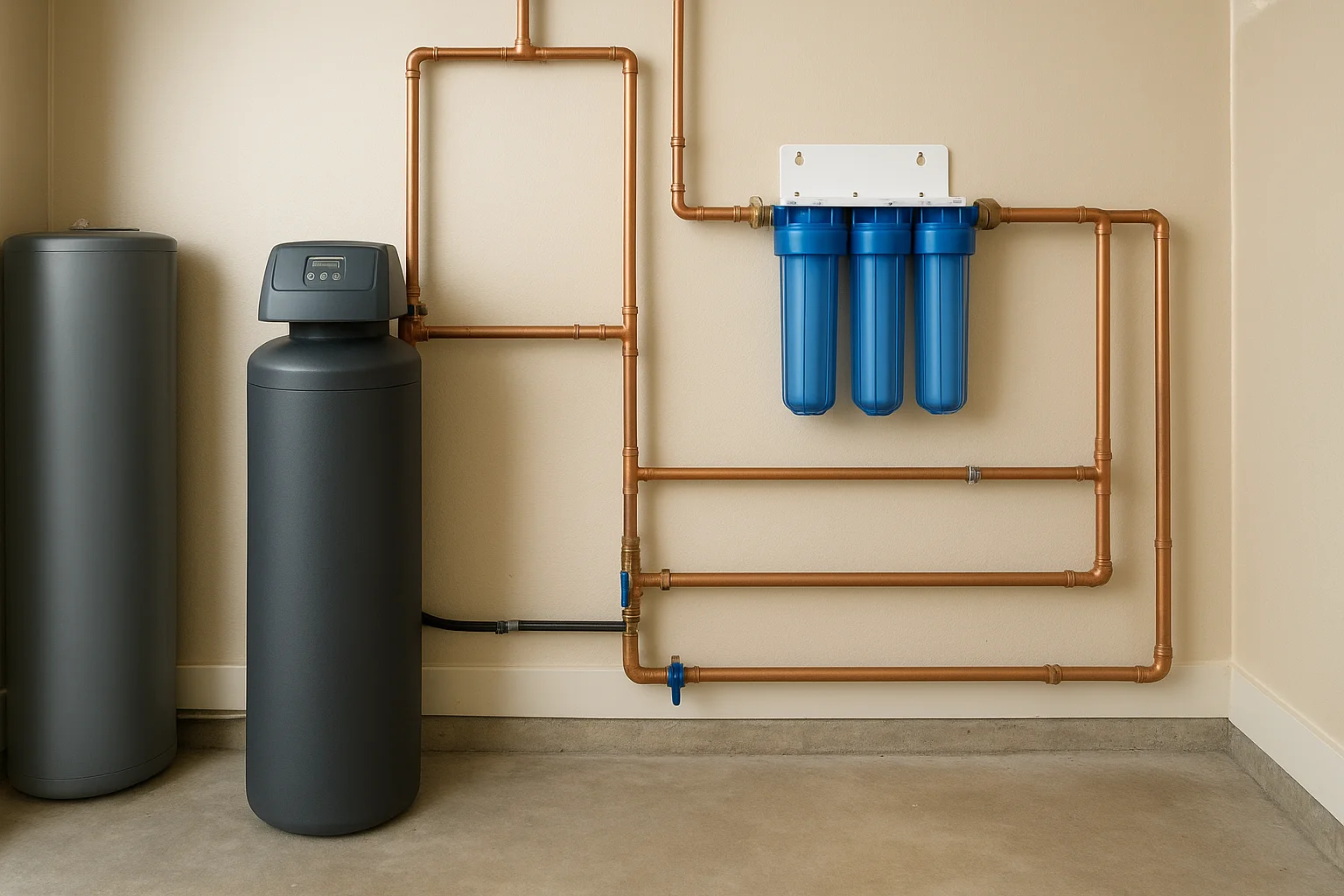
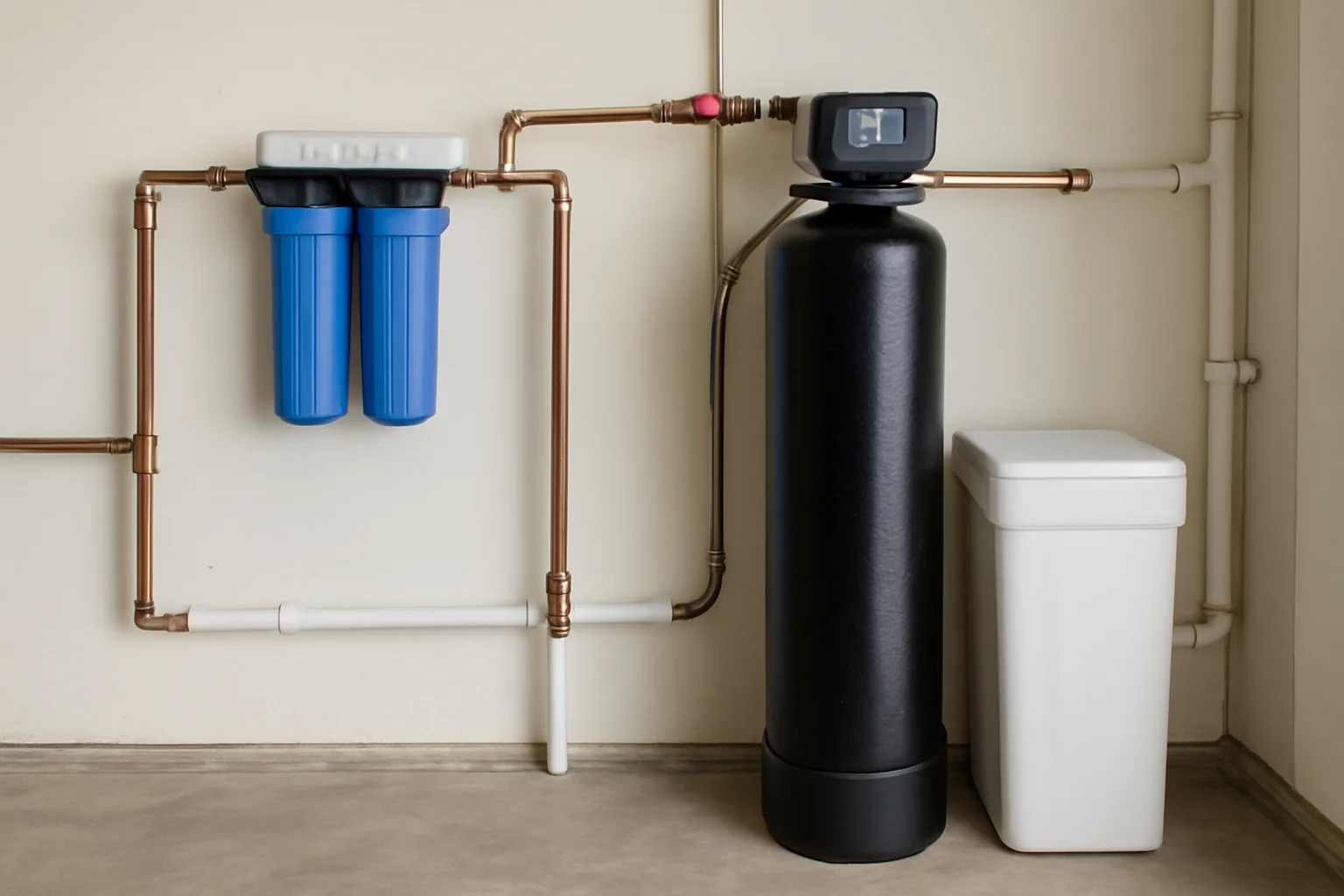
Hardness is only one piece. If you have visible sediment, discoloration, or odor concerns, whole house water filter systems can help reduce those issues across the entire home. Whole home water filtration near me searches often point homeowners toward solutions that treat water before it reaches fixtures, laundry equipment, and appliances.
For families, that can feel like a shift from “fixing problems room by room” to enjoying more consistent water for bathing, cleaning, and laundry. It also supports better water for drinking and cooking when paired with targeted kitchen treatment.
Reverse osmosis for drinking water and ice
For specific taste and clarity issues, many Seagrove Beach homeowners choose reverse osmosis. A reverse osmosis system near me is often searched when households notice cloudy ice cubes, metallic or chlorinated taste, or poor tasting coffee water. Reverse osmosis can provide a strong option for kitchen drinking water and food prep, especially when you want water that tastes clean and looks clear.
Softening and reverse osmosis can work together. Softening helps with scale and mineral residue throughout the home, while reverse osmosis focuses on delivering high quality water at the point of drinking and cooking.
Everyday life improvements you can feel quickly
Water treatment is not just about measurements. It is about what happens during ordinary moments: a kid rinsing shampoo out of hair, a family making coffee before heading to the beach, or a couple running the dishwasher after dinner.
Kitchen scenes: coffee, cooking water, and clean glassware
Picture a typical Seagrove Beach morning. Someone fills the kettle, the ice bin makes cloudy cubes that look off, and coffee tastes a little flat or metallic. After installing proper water softening and the right filtration, many homeowners notice:
Improved drinking water taste and clarity for better water for drinking and cooking.
Better coffee flavor when using softened or filtered water.
Fewer hard water spots on glass and cookware, reducing the need for repeated scrubbing.
For cooking, water quality can affect how some ingredients perform, especially when recipes rely on consistent water chemistry. Softer water can help you get more predictable results.
Bath routines: soap that lathers and skin that feels better
In the bathroom, the difference can be immediate. When soap does not lather or rinse well, it can feel like you are using more product than necessary. With softened water, many homeowners see:
Soap that lathers better, which can help reduce waste.
Rinsing that leaves less residue, supporting less dry skin from hard water.
Showerheads and fixtures that stay cleaner longer because there is less mineral buildup.
Laundry and household maintenance: less buildup where it matters
Laundry is where scale and mineral residue show up in quiet ways. Detergents may not dissolve as effectively, and fabrics can feel less fresh. When hardness is reduced, it can help laundry look and feel better while also protecting appliance performance.
Over time, that can mean fewer repairs and longer service life, especially for water heaters and other appliances that are sensitive to scale.
Signs you should upgrade or add treatment
Even if you have tried cleaning solutions, scale can keep coming back if the underlying hardness issue remains. Consider upgrading your water treatment when you notice:
Scale buildup around faucets, showerheads, and plumbing that returns quickly after cleaning.
Soap does not lather, and laundry feels stiff or dull.
Dry skin or dull hair after bathing that does not improve with skincare changes.
Metallic, chlorinated, or unpleasant taste in drinking water.
Cloudy ice cubes and poor tasting coffee or cooking water.
Visible sediment, discoloration, and odor concerns, especially when water use spikes.
Appliances wearing out faster or losing efficiency sooner than expected.
If you are searching for water filtration near me or water treatment near me, it helps to look for a plan that matches your symptoms. A water softener alone may not solve chlorine taste in water. Whole home water filtration or reverse osmosis can be the missing piece for kitchen quality.
Maintenance that keeps softening working well
Water softening is not a “set it and forget it” process forever. Regular maintenance helps ensure your system keeps working at the level your home needs, especially during high-use weeks in summer.
What homeowners can do
Keep an eye on salt levels if your system uses salt. Low salt can reduce softening performance.
Watch for changes in water feel. If you suddenly notice soap that does not lather or new spotting on glass, it can be a sign the system is not regenerating as expected.
Stay alert to appliance changes, like reduced hot water performance or faster scaling that suggests system output has shifted.
What professionals handle
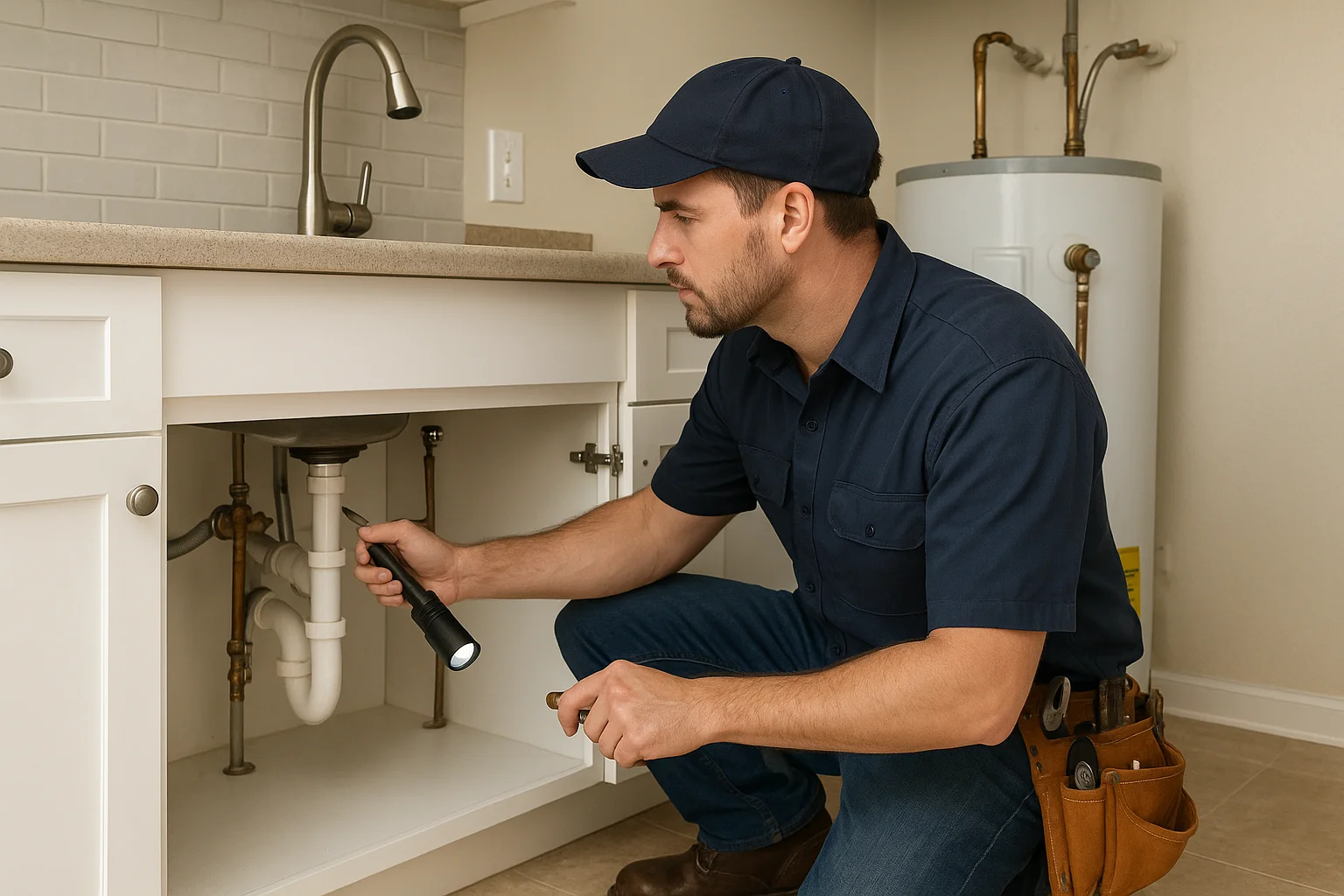
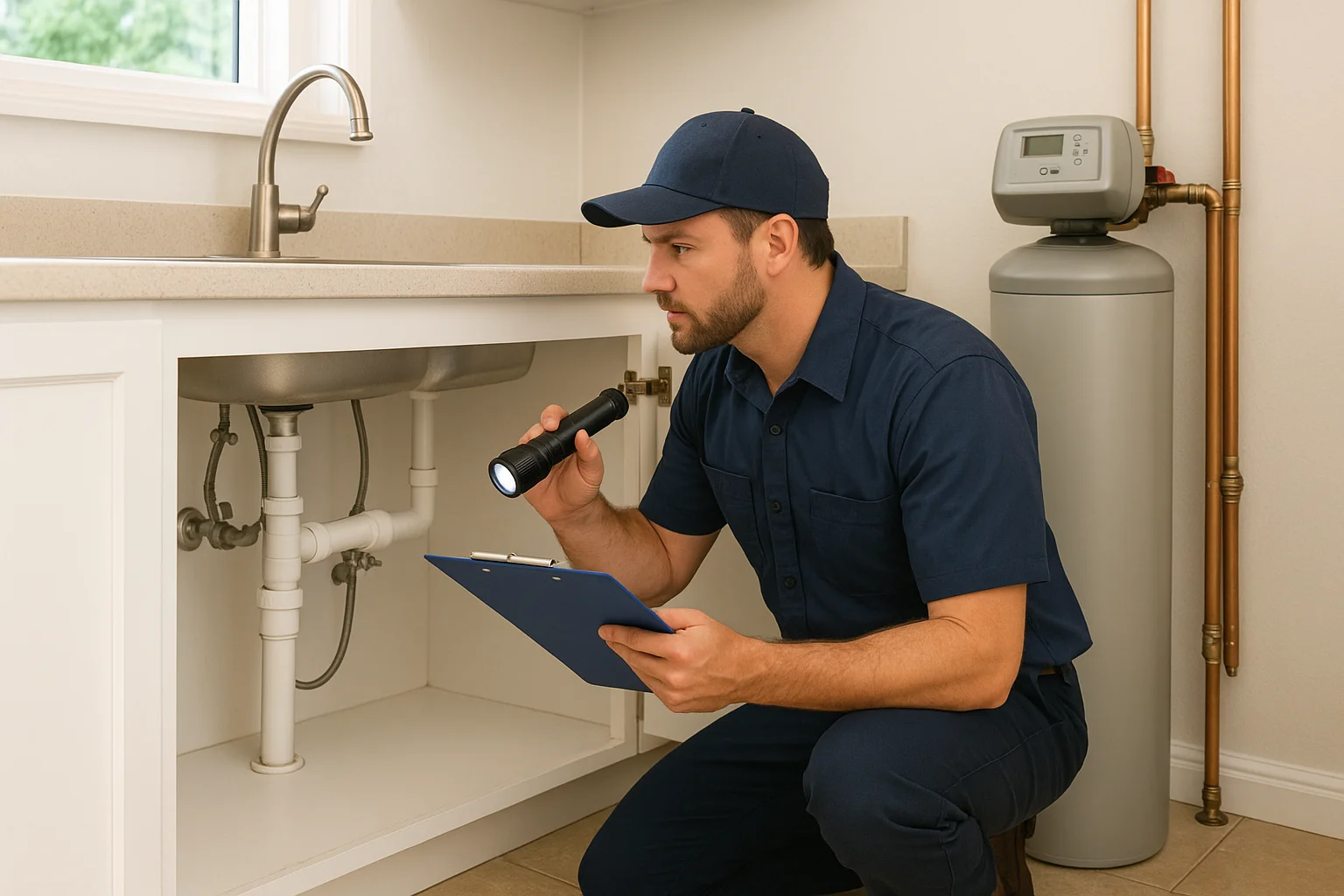
A professional water softener service visit can include checking system settings, verifying performance, and inspecting components. If you are adding filtration such as AO Smith water filtration, whole home water filtration, or reverse osmosis, a technician can also help ensure the system is sized correctly and plumbed for reliable operation.
If you want to see how this service connects to your home, you can review the water softening service page here: /service-areas/walton-county/seagrove-beach/water-softening-fwbmb. For broader options and how different systems work together, start with /water-filtration-ro-water-softeners.
How to plan a clean water system for your kitchen and bath
Homeowners often want one system that covers everything. In reality, many successful clean water systems are layered. A common Seagrove Beach approach looks like this:
Water softening to reduce scale buildup around faucets, showerheads, and plumbing, plus improve soap performance and bathing comfort.
Whole home water filtration when you also want help with sediment, discoloration, or general water clarity throughout the house.
Reverse osmosis for drinking water and ice when taste, odor, cloudy ice cubes, and coffee water quality are top priorities.
This strategy supports better water for drinking and cooking while also protecting appliances and fixtures. It is especially helpful for households that notice both scale issues and taste or odor concerns.
To better understand what Seagrove Beach homes reveal about their water, read /news/what-seagrove-beach-homes-reveal-about-their-water. If you are seeing multiple symptoms at once, /news/the-water-clues-seagrove-beach-homes-should-not-ignore can help you connect the dots between water quality and what you see at home.
For homeowners who want to protect plumbing beyond day-to-day comfort, these reads are useful: /news/how-water-softening-protects-rosemary-beach-plumbing-from-costly-water-damage and /news/how-smart-plumbing-installation-helps-seagrove-beach-homes-avoid-bigger-problems.
Choosing water softening service in Seagrove Beach, Walton County
When you search for water softener service in Seagrove Beach, you are really looking for a team that can size the system correctly, install it cleanly, and help you maintain performance. That matters because the goal is not just “soft water,” but better kitchen and bath water that supports your routines.
Since Seagrove Beach is part of Walton County, many homeowners prefer working with providers who understand local conditions and can offer service across the area. You can explore service coverage here: /service-areas/walton-county/seagrove-beach and broader options at /service-areas/walton-county.
A Superior Mechanical focuses on professional water softening services in Seagrove Beach, FL for cleaner water, better plumbing performance, and long-term protection in Walton County. If you are dealing with hard water spots on glass, scale buildup around faucets, dry skin from hard water, or chlorine taste in water, the right water treatment plan can help your home feel different fast.
For homeowners comparing solutions, it can also help to think beyond softening alone. If your household priorities include better drinking water, clean water systems near me, and consistent quality from the kitchen tap to the shower, ask about combining water softening with filtration options like AO Smith water filtration, whole home water filtration, and reverse osmosis.
Find Water Softening in Seagrove Beach, FL
If you need Water Softening in Seagrove Beach, FL, visit our local service page or contact A Superior Mechanical today.
For a broader look at whole-home water filtration, reverse osmosis, and water softener options, visit our water filtration, RO, and water softener page.
Map of Seagrove Beach, FL
Frequently Asked Questions
Will water softening remove chlorine taste in water?
Water softening mainly addresses hardness minerals that cause scale. It is not the same as chlorine removal. If you notice chlorine taste in water or unpleasant odors, you may also need whole home water filtration or a reverse osmosis system for drinking water.
How do I know if my home needs water softening instead of reverse osmosis?
If you are seeing hard water spots on glass, scale buildup around faucets and showerheads, soap does not lather, or you have dry skin from hard water, softening is usually the priority. If your main issue is cloudy ice cubes, poor tasting coffee water, or taste and clarity at the kitchen tap, reverse osmosis can be the better fit.
Can softened water help my appliances last longer?
Yes. Reducing scale buildup helps protect water heaters, dishwashers, and washing machines from mineral deposits that reduce efficiency and can lead to earlier wear. Many homeowners also notice improved performance in hot water and cleaner operation over time.
What is AO Smith water filtration, and how does it relate to softening?
AO Smith water filtration products can be used to improve water quality by addressing different contaminants and water concerns. In many homes, AO Smith water filtration and water softening are combined so you get both scale control and improved overall water quality for the kitchen and bath.
How often should a water softener be serviced in Seagrove Beach?
Most homes benefit from periodic service to confirm system settings, check performance, and inspect components. If you notice new scale, soap that does not lather, or changes in water feel, schedule service sooner so your softening stays consistent.
Related Articles
Photo Gallery