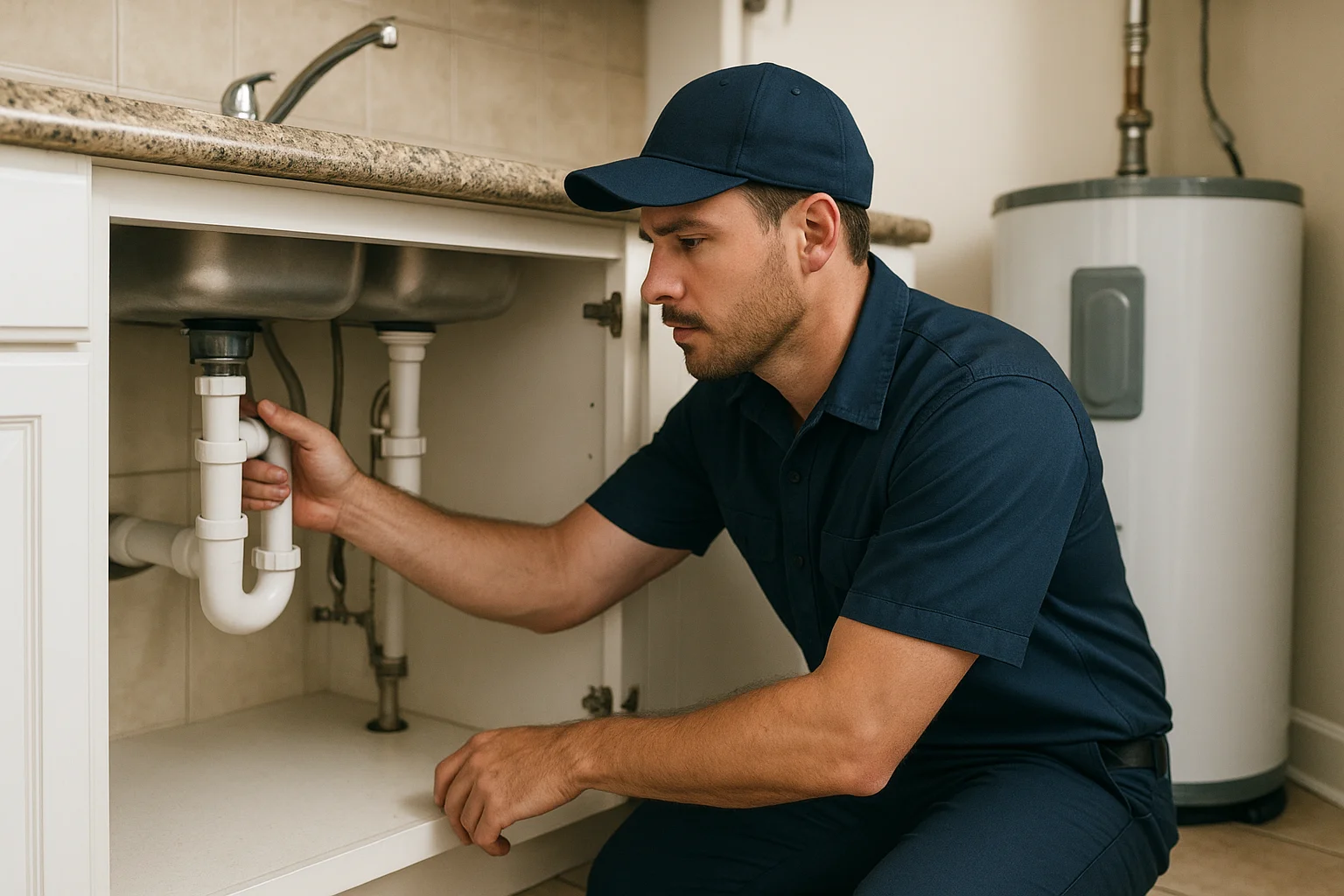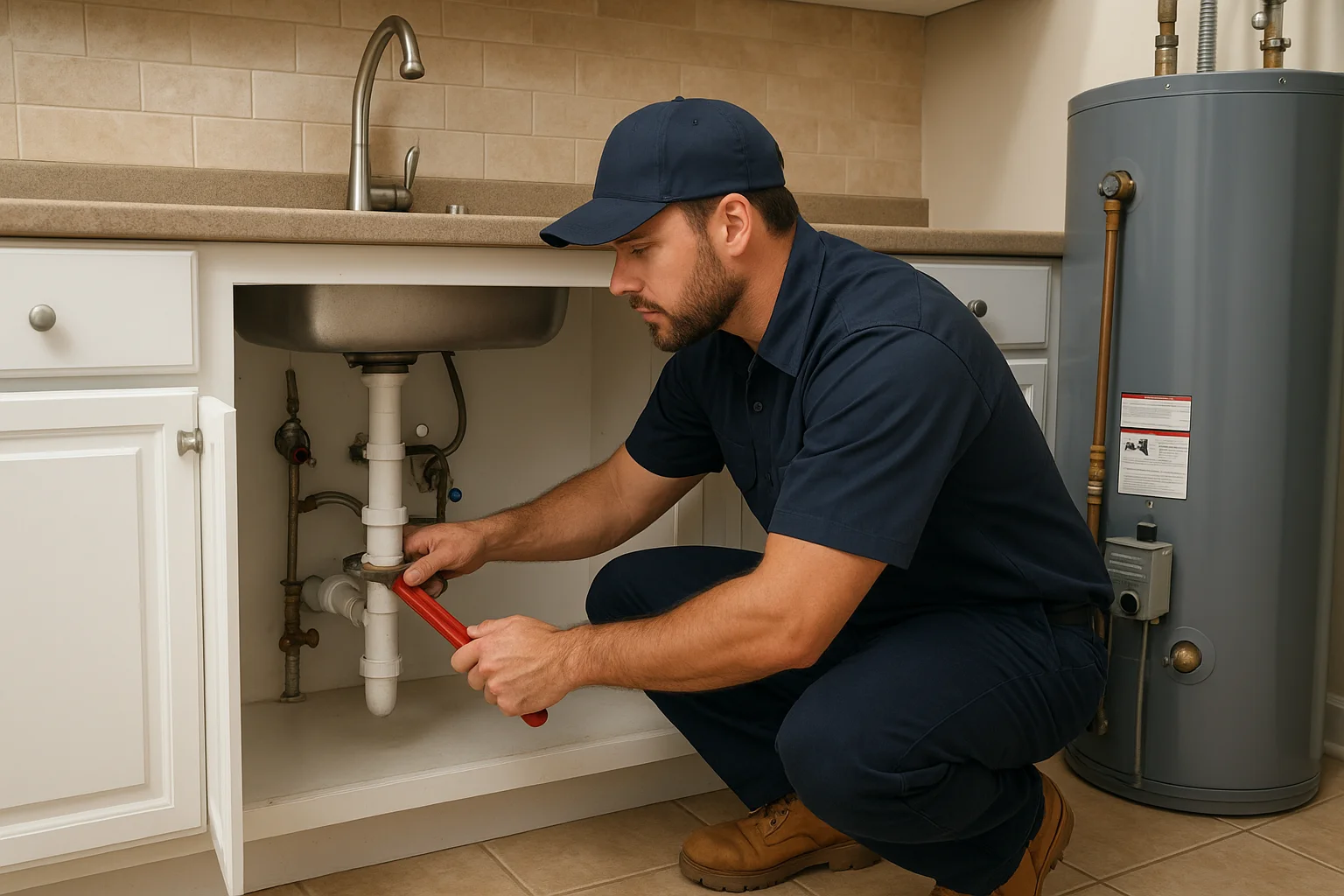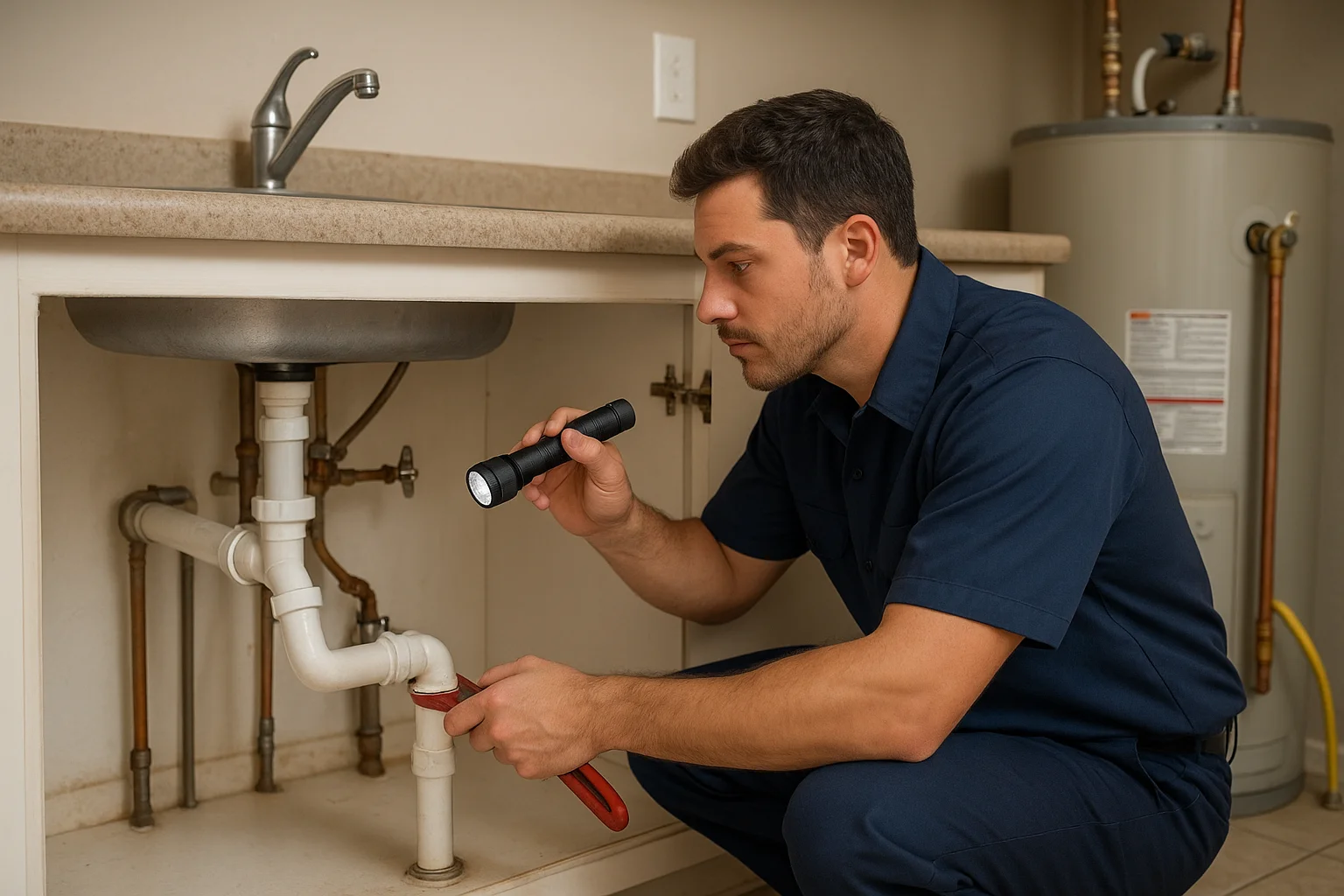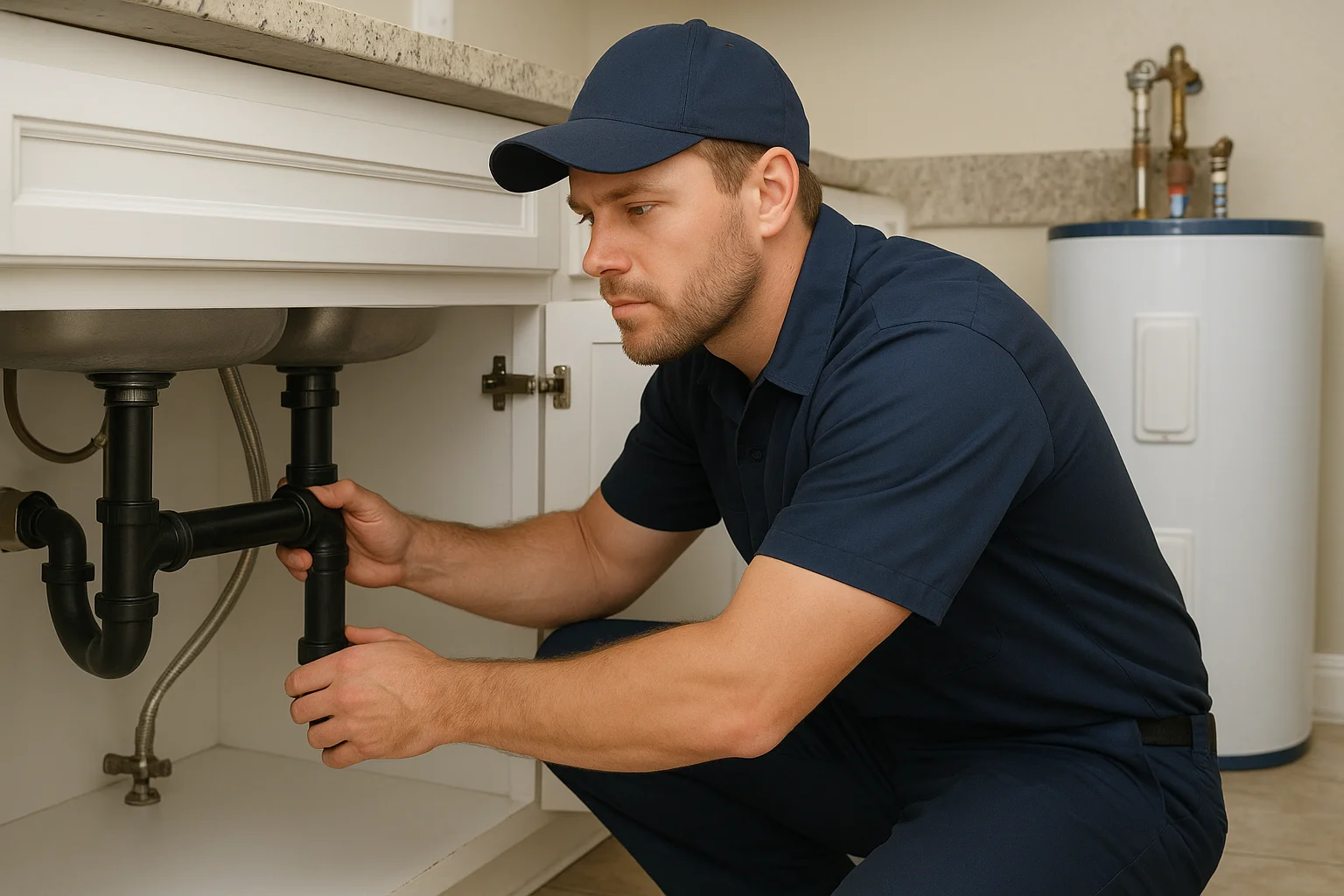
Callaway, FL businesses rely on HVAC to keep people comfortable and operations steady. When the heat and humidity spike, small installation problems can turn into sudden failures that lead to emergency cooling calls. The good news is that many “emergency” situations are preventable when commercial HVAC installation is planned, installed, and commissioned the right way for our local conditions.
This guide focuses on how to avoid emergency HVAC calls through better system design, proper airflow and ductwork, careful refrigerant system setup, and preventive HVAC maintenance. If you are searching for a commercial HVAC installation contractor in Callaway, the steps below are the same ones A Superior Mechanical uses to help businesses protect year round comfort.
Why Callaway’s weather turns small HVAC mistakes into emergencies
Commercial buildings in Callaway face a mix of challenges that can stress HVAC systems beyond what many people expect. Florida heat loads are high, and humidity is persistent. That combination increases cooling demand and makes moisture control part of successful air conditioning service, not an afterthought.
Common local stressors include:
- High humidity that can strain dehumidification performance and affect indoor air quality.
- Frequent temperature swings that can cause comfort complaints if airflow and thermostat settings are off.
- Salt air exposure in coastal areas of Bay County, which can accelerate corrosion on outdoor components and metal ductwork.
- Air distribution issues in older buildings, where ductwork may be undersized, leaky, or poorly balanced.
- Condensate drainage concerns when condensate lines are misrouted or improperly trapped, leading to water buildup and system shutdowns.
When installation is rushed or incomplete, these factors can combine into a failure you only notice when the building needs cooling most. Planning ahead reduces the risk of emergency cooling concerns and helps keep energy use more predictable.
Start with the right system sizing and design, not just the “right unit”
One of the most common causes of repeated breakdowns is incorrect sizing. Oversized equipment may cycle too frequently, which can reduce humidity removal. Undersized equipment may run constantly, increasing wear and raising the chance of refrigerant system and airflow related problems.
Professional commercial HVAC installation should include a load calculation based on the building, not a guess based on square footage alone. That design step should consider:
- Insulation levels, window type, and solar exposure
- Occupancy schedules and internal heat gains
- Ventilation needs and outdoor air requirements
- Ductwork layout and airflow resistance
- Indoor air quality goals, especially for restaurants, retail, offices, and medical adjacent spaces
If you are comparing options like “AC replacement estimate near me” or “commercial HVAC service near me,” ask how the contractor will verify sizing and airflow. A reliable HVAC contractor near me should be able to explain the design approach clearly, including airflow targets and how the system will be commissioned after installation.
Airflow and ductwork: the hidden drivers of comfort and system reliability
Many emergency cooling calls are not caused by the “main unit” failing at all. They are triggered by airflow problems that prevent the system from operating within safe conditions. In Florida humidity, airflow issues can also worsen moisture control and contribute to indoor air quality concerns.
During installation, ductwork should be evaluated and addressed, especially in existing buildings. Leaks, crushed sections, poorly sealed connections, and ducts that do not match the design can lead to uneven temperatures, frozen coils, short cycling, and frequent callbacks.
Practical steps that help prevent emergencies include:
- Duct inspection to confirm the condition and layout of supply and return paths. If you are trying to understand what is happening in your building now, see why duct inspection matters.
- Duct sealing when appropriate to reduce leaks and improve system efficiency. If your building has persistent airflow complaints, explore duct sealing and Aeroseal services.
- Duct cleaning when contamination or airflow restriction is suspected. For some facilities, duct cleaning can support better airflow and indoor air quality.
For newer commercial builds, ductwork still needs careful installation and balancing. Even small mistakes at the duct runs, register placement, or return paths can create hot zones that push the system harder during peak Florida heat.
Humidity control and condensate drainage must be installed correctly
In Callaway’s climate, humidity control is a core part of air conditioning service. If moisture removal is weak, occupants feel “sticky” even when the thermostat is set correctly. If condensate drainage is wrong, water can accumulate, leading to odors, water damage, and equipment problems.
During commercial HVAC installation, the condensate drainage system should be planned and installed with care. That includes proper slope, correct routing, and the right method of condensate line connection. If condensate overflows or drains slowly, systems may trip safety controls or shut down when cooling is needed most.
Ask your installer how they will verify condensate drainage performance during commissioning. A professional approach should include testing under realistic operation so you can avoid emergency cooling concerns later.
Refrigerant system setup: commissioning matters more than the brand
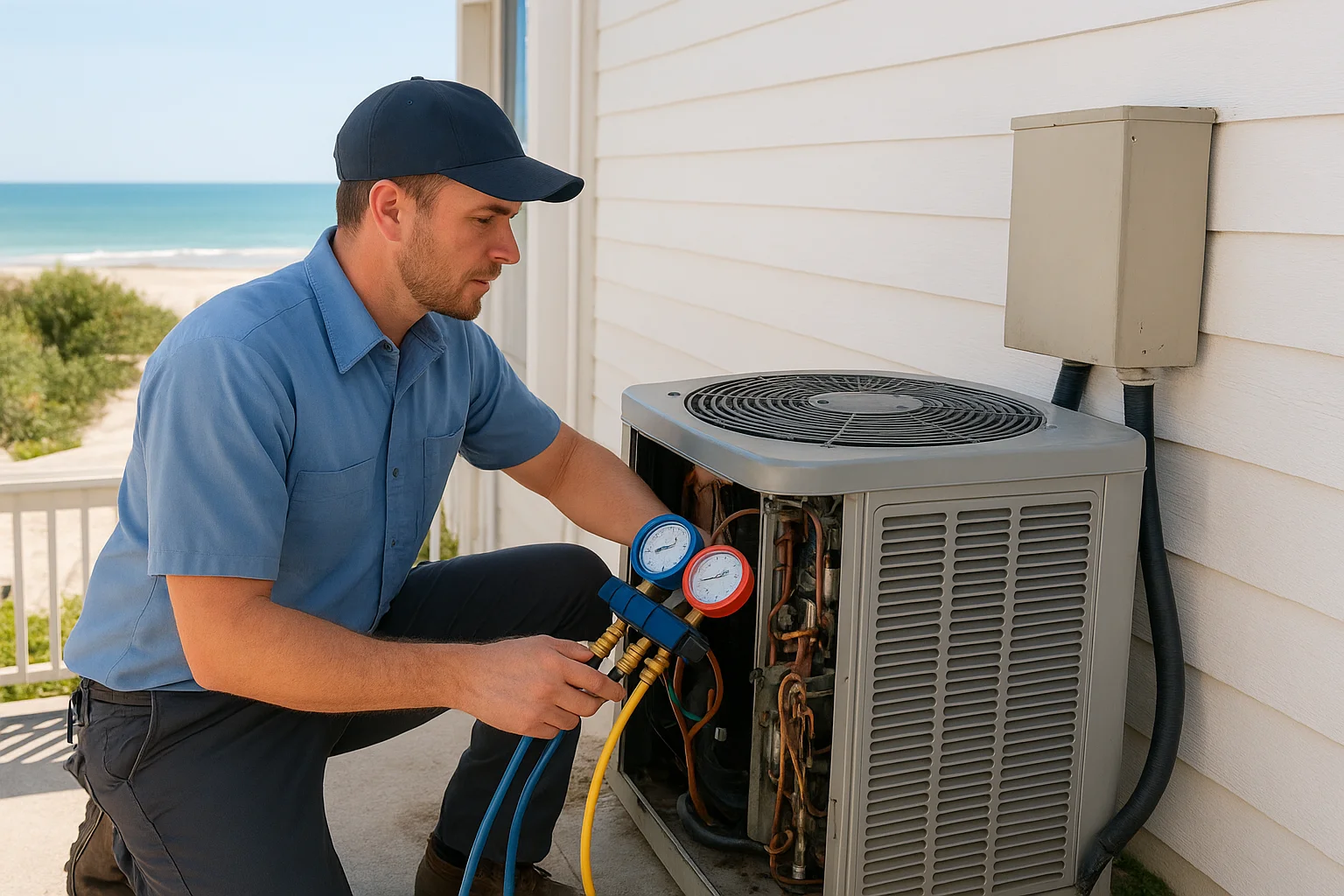
Refrigerant systems need to be installed and commissioned properly. While homeowners and facility managers should not attempt refrigerant diagnosis, they should know what “good installation” includes. Refrigerant-related problems can show up as poor cooling performance, higher energy use, or repeated cycling.
Reliable commercial HVAC installation typically involves:
- Correct line sizing and routing to support proper refrigerant flow
- Proper evacuation and leak testing prior to system operation
- Verification of operating conditions during commissioning
- Confirmation that controls and airflow are aligned with the refrigerant system’s needs
Because refrigerant systems are sensitive, the right equipment selection is only part of the job. Commissioning ensures the system performs as designed under local load conditions, including humidity.
Thermostats, controls, and scheduling: comfort depends on settings and sensors
Even with a well-installed HVAC system, control setup can create emergencies. A thermostat that is mounted in a heat source area, a sensor that reads incorrectly, or scheduling that does not match occupancy can lead to comfort complaints that escalate into emergency calls.
Common control related issues in commercial spaces include:
- Thermostats installed in direct sunlight or near doors with frequent traffic
- Improper setpoint limits that allow overheating or overcooling
- Schedules that run the system too long or not long enough for business hours
- Ventilation and economizer settings that do not align with humidity conditions
For businesses planning upgrades, consider thermostat installation and control setup as part of the HVAC project scope, not a separate afterthought. If you are comparing options for installation or upgrades, ask how the controls will be configured for your building’s airflow patterns and occupancy schedule.
Pick the right location and protect outdoor components from salt air and storm conditions
Callaway businesses often have rooftop units, split systems, or packaged units exposed to sun, wind, and moisture. Salt air can accelerate corrosion on outdoor equipment and metal ductwork if protective steps are not taken.
During installation, outdoor units should be placed and protected thoughtfully. That includes:
- Ensuring airflow around the unit is not blocked
- Using appropriate materials and protection for the environment
- Confirming proper drainage and condensate management for rooftop applications
- Securing components to handle local wind conditions
These steps help reduce the risk of sudden failures during Florida’s peak cooling season and after storms that bring heavy rain and high humidity.
Preventive HVAC maintenance that actually reduces emergency risk
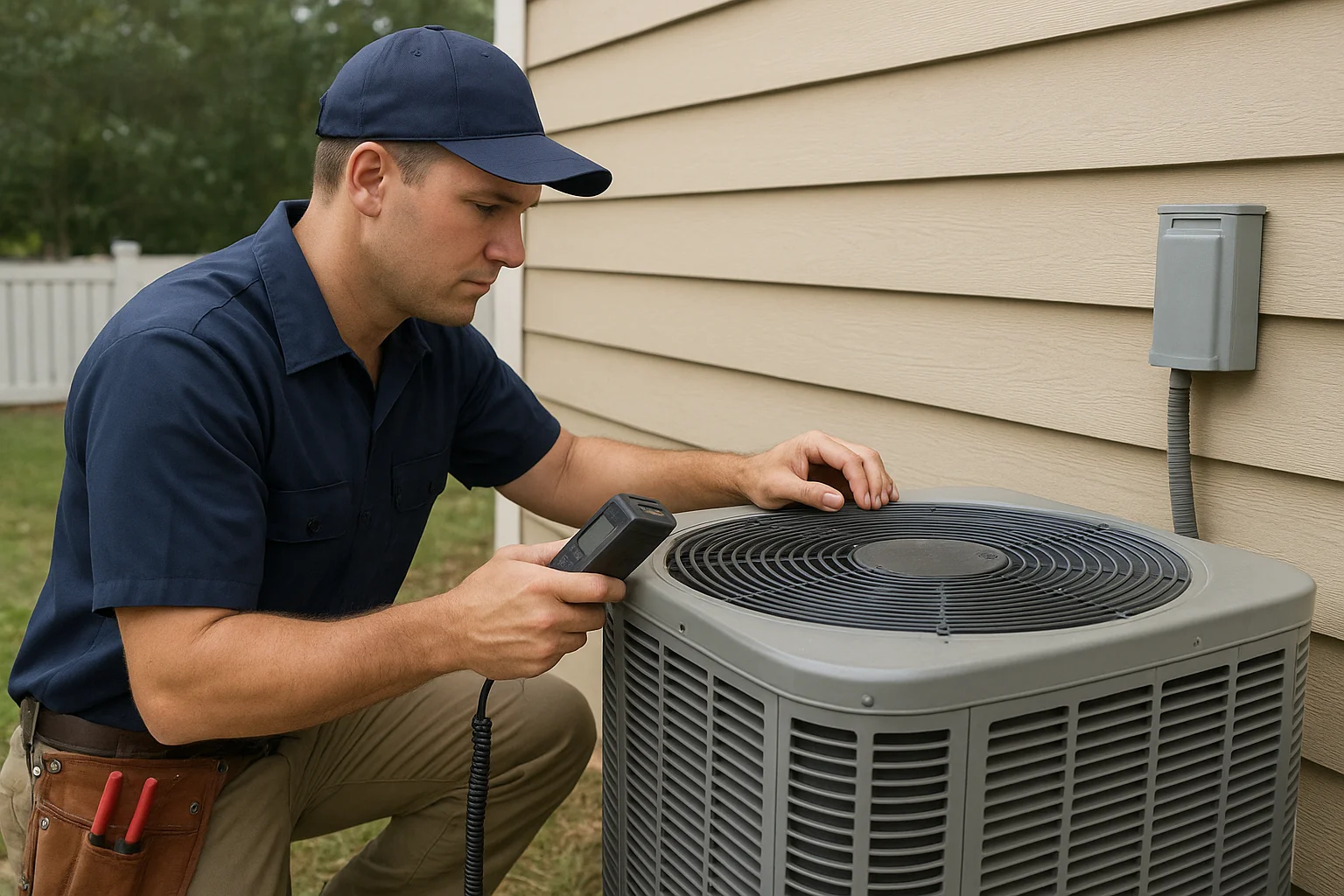
Installation quality matters, but preventive HVAC maintenance is what keeps the system steady. Many “emergency HVAC calls” happen because issues were developing for weeks or months. A planned maintenance program helps catch problems early, before the building experiences a full cooling loss.
For commercial systems, maintenance commonly includes:
- Airflow checks and filter verification (filters should match the system needs)
- Inspection of indoor and outdoor components
- Verification of condensate drainage and moisture control
- Evaluation of thermostats and control operation
- Cleaning and inspection of key heat exchange and airflow pathways
If your team is searching for an AC tune up near me or a HVAC company near me, look for a contractor that treats preventive maintenance as a reliability plan, not a basic inspection. You want documentation of what was checked and what was found, especially for buildings that cannot afford downtime.
Watch for early warning signs that lead to emergency cooling problems
Emergency calls are often triggered by visible patterns that started earlier. Facility managers and homeowners running small commercial spaces should track issues like:
- Warm air or uneven temperatures across rooms, which can point to ductwork or airflow problems
- Frequent short cycling or repeated start stop behavior
- Increased humidity or “sticky” indoor conditions even when cooling is running
- Water leaks or damp areas near indoor units, ceilings, or condensate lines
- Unusual odors that may indicate moisture issues affecting indoor air quality
- Noticeably higher energy use compared with typical summer operation
These signs can overlap. That is why professional evaluation matters. A Superior Mechanical provides commercial HVAC service in Callaway that focuses on comfort, airflow, and system reliability, including air conditioning inspection and troubleshooting based on what the system is doing under real conditions.
How to plan upgrades so you are not stuck during peak season
If you are considering system replacement or new construction HVAC installation, timing can affect your ability to avoid emergencies. Planning ahead gives you time for load design, ductwork evaluation, and commissioning without rushing.
For businesses in Callaway building new spaces or expanding, consider new construction air conditioning so the HVAC system is designed with the building’s airflow and ventilation needs in mind from day one. For existing facilities, planning an upgrade early also reduces the risk that ductwork or humidity control issues are discovered only after the new system is installed.
If you are weighing options and want to understand how financing decisions can affect long term reliability, read Understanding HVAC Financing in Callaway. It helps decision makers avoid choices that can lead to rushed installation or incomplete scopes.
Why local expertise matters in Bay County
Commercial HVAC installation is not one size fits all. Callaway businesses benefit from contractors who understand local climate pressures: humidity, heat load, and the practical reality of maintaining comfort in older or coastal-adjacent structures.
Local expertise also helps with the details that reduce emergency calls, such as airflow balance for typical building layouts in Bay County, condensate drainage configurations that work in Florida conditions, and installation practices that account for salt air exposure. It also helps you avoid preventable comfort issues that can grow into emergency cooling concerns.
For more context on how local conditions stress commercial equipment over time, review Keeping Commercial HVAC Systems steady in Callaway’s heat and humidity and How Callaway Homes Put HVAC Systems to the Test Over Time.
Common questions facility managers ask before installation
Can we just replace a unit and skip ductwork work?
Sometimes, but not always. If airflow is restricted or ductwork has leaks, a new system can still struggle. A duct inspection is often the fastest way to identify whether ductwork is contributing to comfort problems and emergency risk. You can explore duct inspection or read why duct inspection matters more for seasonal stress.
How does indoor air quality connect to emergency cooling calls?
When humidity control is weak or moisture is trapped due to condensate drainage issues, indoor air quality can suffer. Poor indoor air quality can increase complaints and lead to urgent service requests. Proper installation and maintenance help keep comfort stable and reduce moisture related problems.
What should we do if the system seems to cool but not as well as before?
Do not guess. Cooling performance changes can be caused by airflow restriction, thermostat and control issues, condensate drainage problems, or refrigerant system conditions. An in-person evaluation is the right step so the diagnosis is based on what the system is doing, not assumptions.
Where to start for commercial HVAC installation in Callaway
If you are planning commercial HVAC installation in Callaway or evaluating whether your current setup is likely to fail during peak humidity, begin with a contractor who can discuss design, airflow, ductwork, humidity control, condensate drainage, and commissioning as a complete system.
A Superior Mechanical installs commercial HVAC systems for offices, retail spaces, restaurants, and other Bay County businesses that need reliable comfort, efficiency, and long term performance. Start by reviewing the project scope on our commercial HVAC installation in Callaway page, and browse our coverage across Callaway and Bay County for related service options.
Find Commercial HVAC Installation in Callaway, FL
If you need Commercial HVAC Installation in Callaway, FL, visit our local service page or contact A Superior Mechanical today.
Map of Callaway, FL
Frequently Asked Questions
What is the most common reason commercial HVAC systems need emergency repairs in Callaway?
Many emergency cooling issues trace back to airflow and moisture control problems, such as ductwork restrictions or poor condensate drainage. When airflow and humidity removal are not balanced during installation, the system can struggle during peak Florida heat and humidity.
Should we do duct inspection before installing a new commercial HVAC system?
In many buildings, yes. A duct inspection helps confirm that supply and return paths support the airflow the system was designed for. If ductwork is leaking or undersized, the new equipment may not deliver consistent comfort even if it is installed correctly.
Can a thermostat upgrade alone prevent emergency cooling calls?
It can help when control settings, sensor placement, or scheduling are incorrect. However, thermostat issues often overlap with airflow, ductwork, and humidity control. A professional evaluation is the best way to determine what is actually driving comfort problems.
What maintenance steps matter most for preventing breakdowns in Florida humidity?
Preventive HVAC maintenance should include airflow checks, verification of condensate drainage, inspection of indoor and outdoor components, and confirmation that controls and thermostats operate as intended. These steps help catch issues before they trigger shutdowns during the hottest months.
Is it safe for facility staff to check refrigerant levels to avoid service calls?
Facility staff should not attempt refrigerant diagnosis or adjustments. Refrigerant system performance depends on multiple factors that require in-person evaluation and proper commissioning. If cooling performance is off, schedule an air conditioning inspection or commercial HVAC service so the system can be assessed safely.
Related Articles
- Understanding HVAC Financing in Callaway: Homeowners Should Not Overlook These Costly Warning Signs
- Keeping Commercial HVAC Systems steady in Callaway’s heat and humidity
- How Callaway Homes Put HVAC Systems to the Test Over Time
- Why Duct Inspection Matters More in Callaway Homes Facing Seasonal HVAC Stress
Photo Gallery