Along 30A, air conditioning works hard for most of the year. Coastal humidity, long cooling seasons, and salt in the air all put extra strain on HVAC systems in Walton County. For homeowners, that means a small issue can turn into a bigger repair faster than expected. A professional air conditioning inspection helps catch those problems early, before they affect comfort, efficiency, or the life of the system.
If you own a primary home, vacation property, or rental along the coast, routine inspection matters. A dependable air conditioning inspection in 30A, FL can reveal wear that is easy to miss during everyday use. It also gives you a clearer picture of how your system is handling the local climate, especially during peak summer demand.
Why 30A air conditioners need closer attention
Homes in 30A, from Rosemary Beach to Dune Allen and nearby communities, deal with conditions that are harder on cooling equipment than many inland areas. Humidity stays high, outdoor units are exposed to salt-laden air, and many systems run for long stretches without much break. That combination can lead to corrosion, drainage problems, and reduced efficiency.
Vacation homes and short-term rentals face another challenge. Systems may sit idle for parts of the year, then suddenly run nonstop when guests arrive. That stop-and-start pattern can hide issues until the first hot week of the season. A thorough inspection helps owners stay ahead of that cycle and avoid emergency service calls during busy travel months.
For homeowners looking for broader local support, A Superior Mechanical serves the area through the 30A service area and throughout Walton County, helping property owners keep cooling systems ready for coastal conditions.
Problems homeowners should not ignore
Some AC issues are easy to dismiss at first. A little extra noise, a room that feels warmer than the others, or a system that seems to run longer than usual may not feel urgent. In a coastal climate, though, those small changes often point to a problem that deserves attention.
Weak airflow or uneven cooling
If certain rooms stay warmer than others, the system may be struggling with dirty coils, a clogged filter, a failing blower motor, or duct issues. In 30A homes with open layouts or multiple floors, uneven cooling is a common complaint. An inspection can help determine whether the problem is mechanical, airflow related, or tied to thermostat placement.
Moisture around the unit
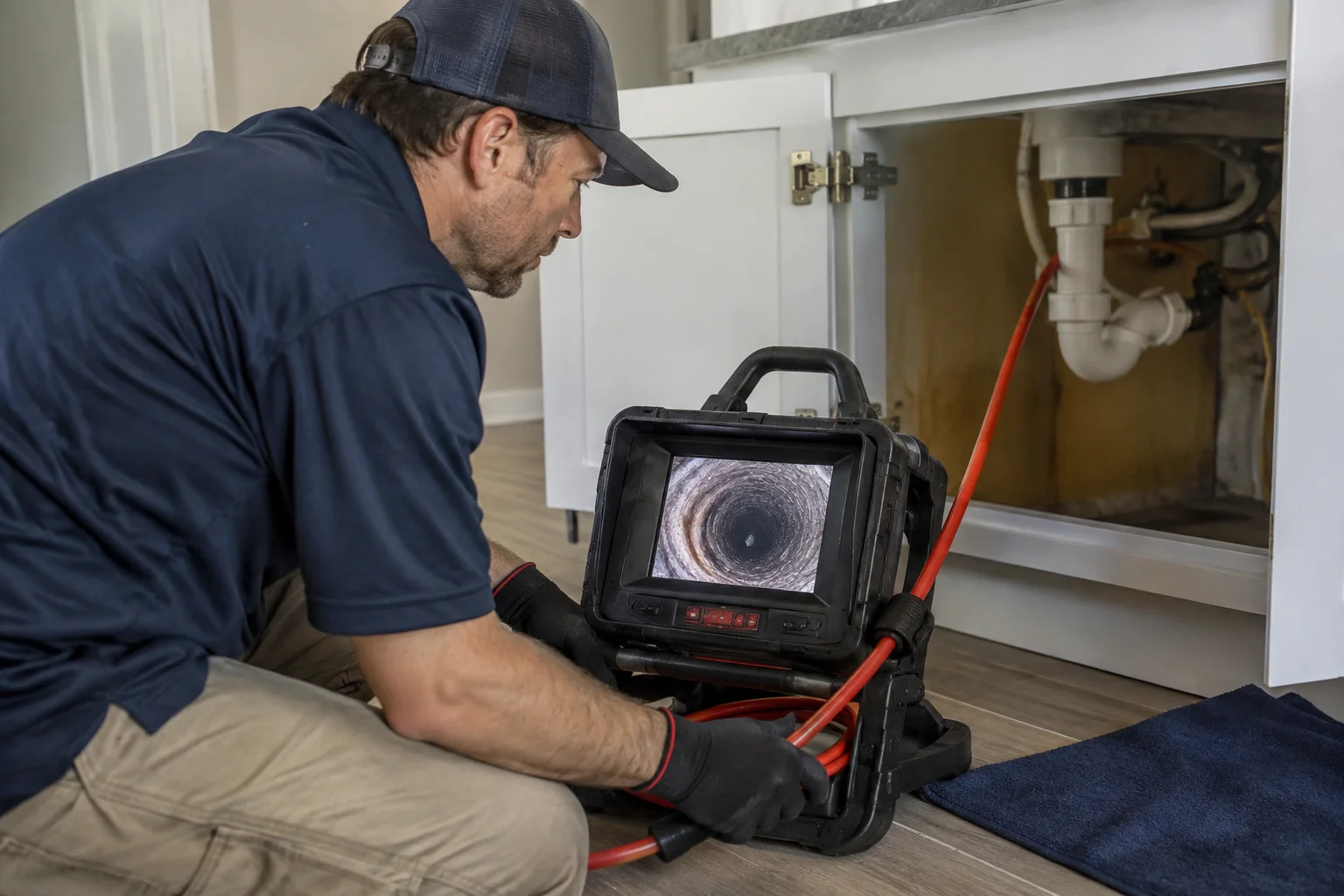
Water near the indoor unit or around the condensate drain line should never be ignored. Coastal humidity creates heavy condensation, and if the drain is clogged or the pan is damaged, water can overflow and lead to ceiling stains, mold growth, or damage to surrounding materials. If you notice active leaking, it may also make sense to check for nearby plumbing concerns through water leak repairs or emergency plumbing services if the source is not obvious.
Odd noises or vibrations
Grinding, rattling, buzzing, or squealing usually means a component is loose, worn, or under stress. Salt air can accelerate corrosion on fasteners and electrical parts, while vibration can loosen connections over time. These sounds are worth a professional look before they lead to a breakdown.
Short cycling
If the system turns on and off too often, it may be oversized, low on refrigerant, overheating, or dealing with a thermostat issue. Short cycling wastes energy and puts extra wear on the compressor. In a place where AC is essential for comfort, that kind of strain can quickly become expensive.
Rising energy bills
When cooling costs climb without a clear reason, the system may be losing efficiency. Dirty components, refrigerant problems, airflow restrictions, and aging parts can all make the unit work harder than it should. An inspection can identify whether the system needs cleaning, adjustment, or repair.
What a professional inspection should cover
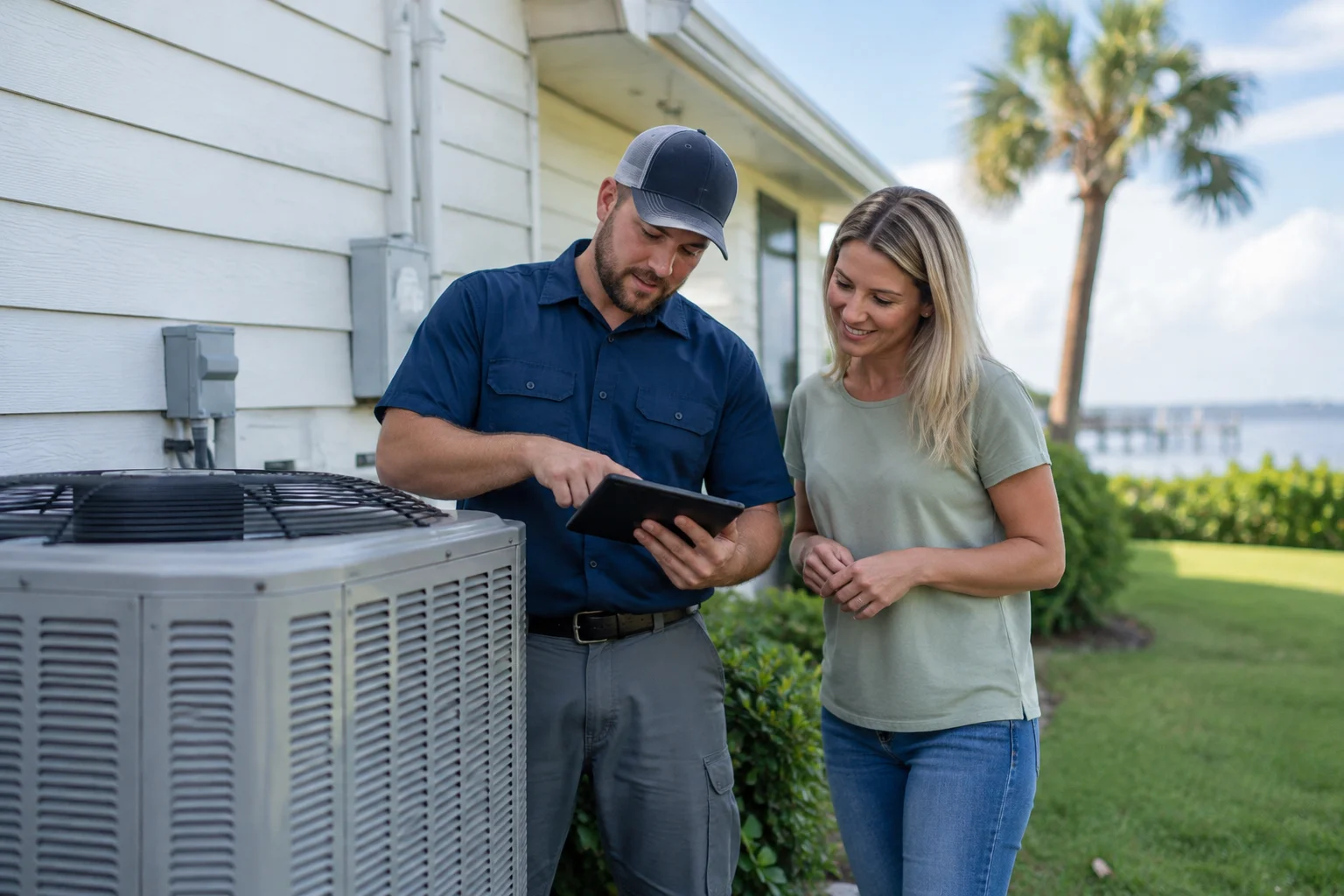
A real inspection is more than a quick look at the thermostat. It should evaluate the parts that affect performance, safety, and reliability. For 30A homeowners, the goal is to spot coastal wear early and confirm that the system is prepared for the long cooling season ahead.
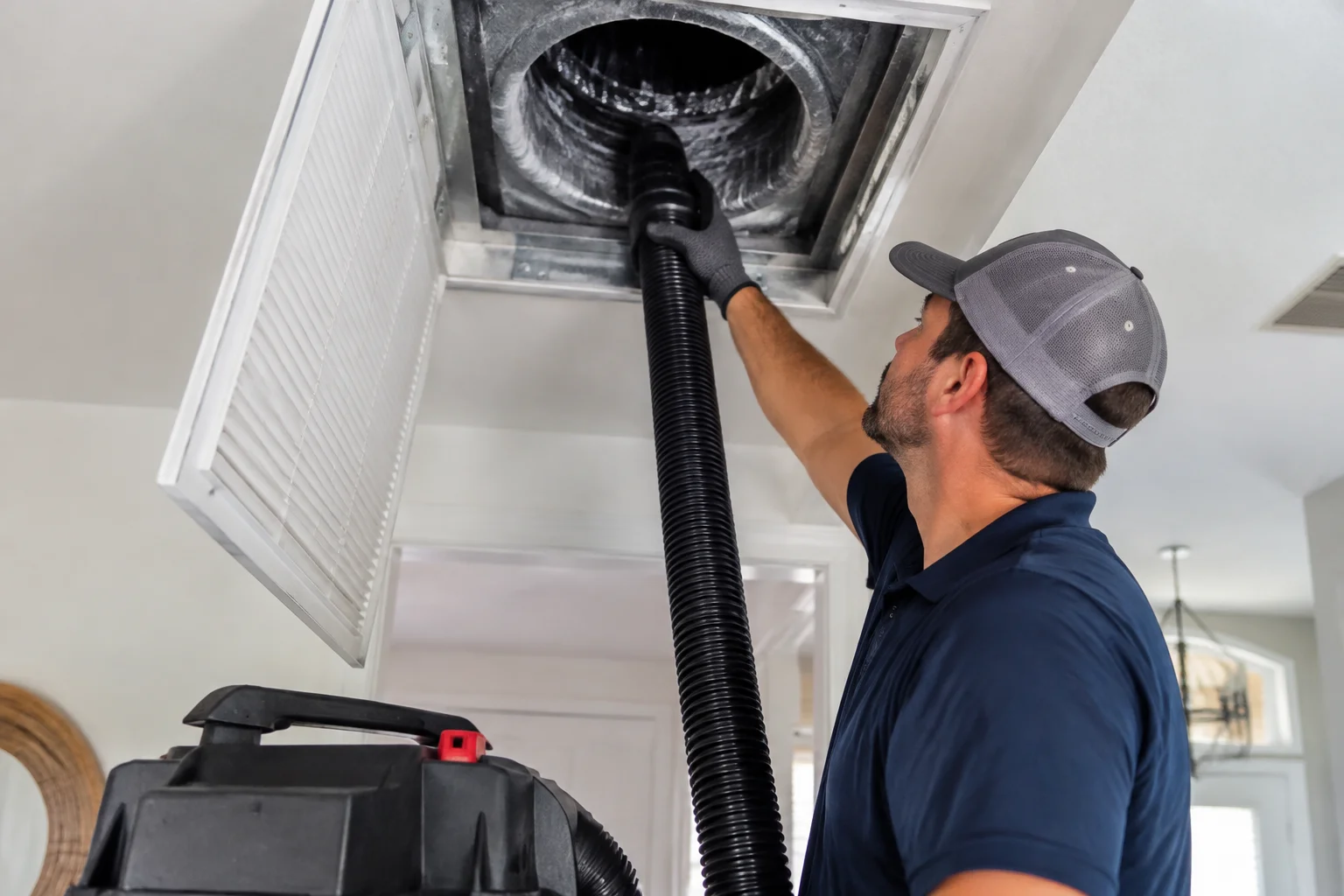
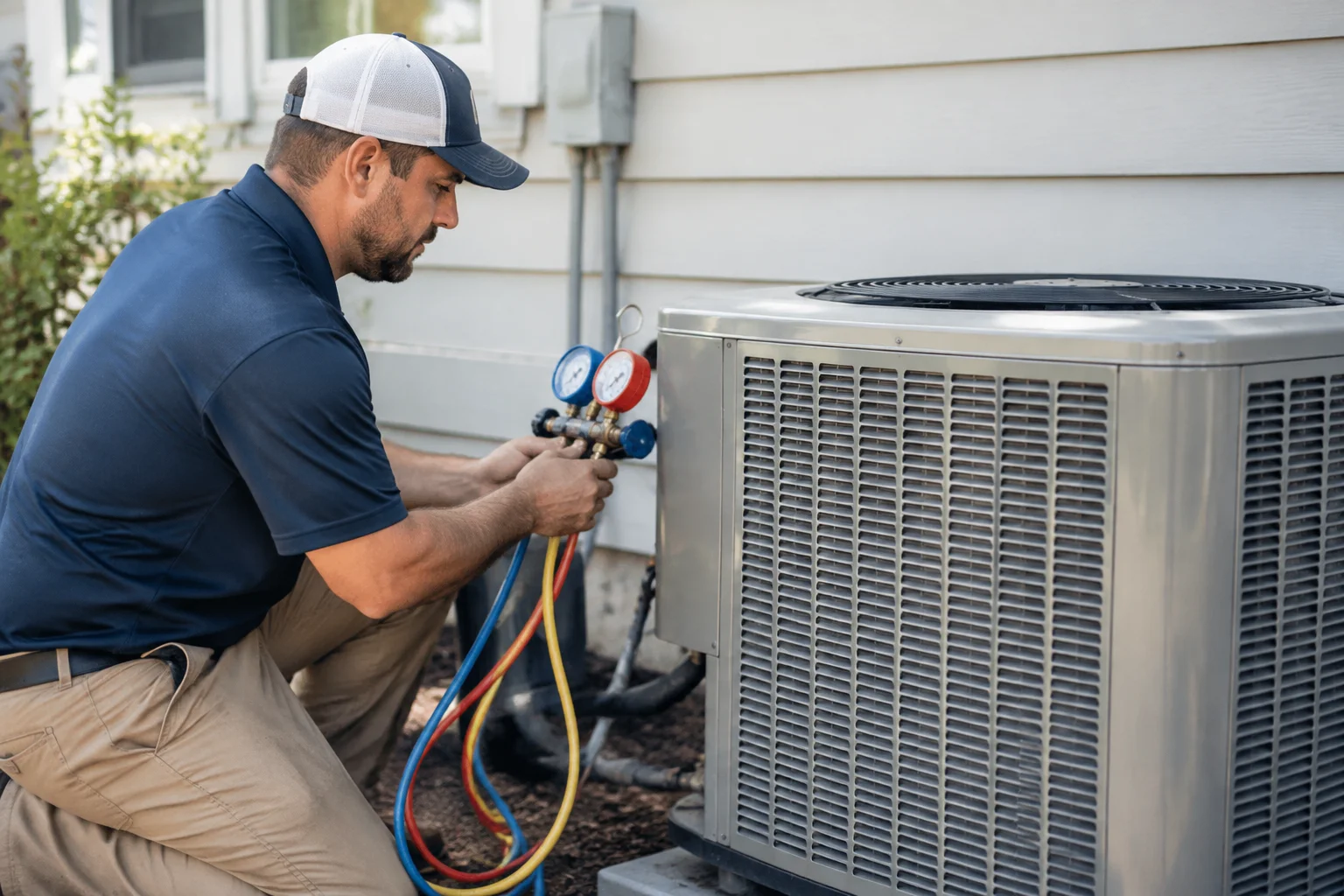
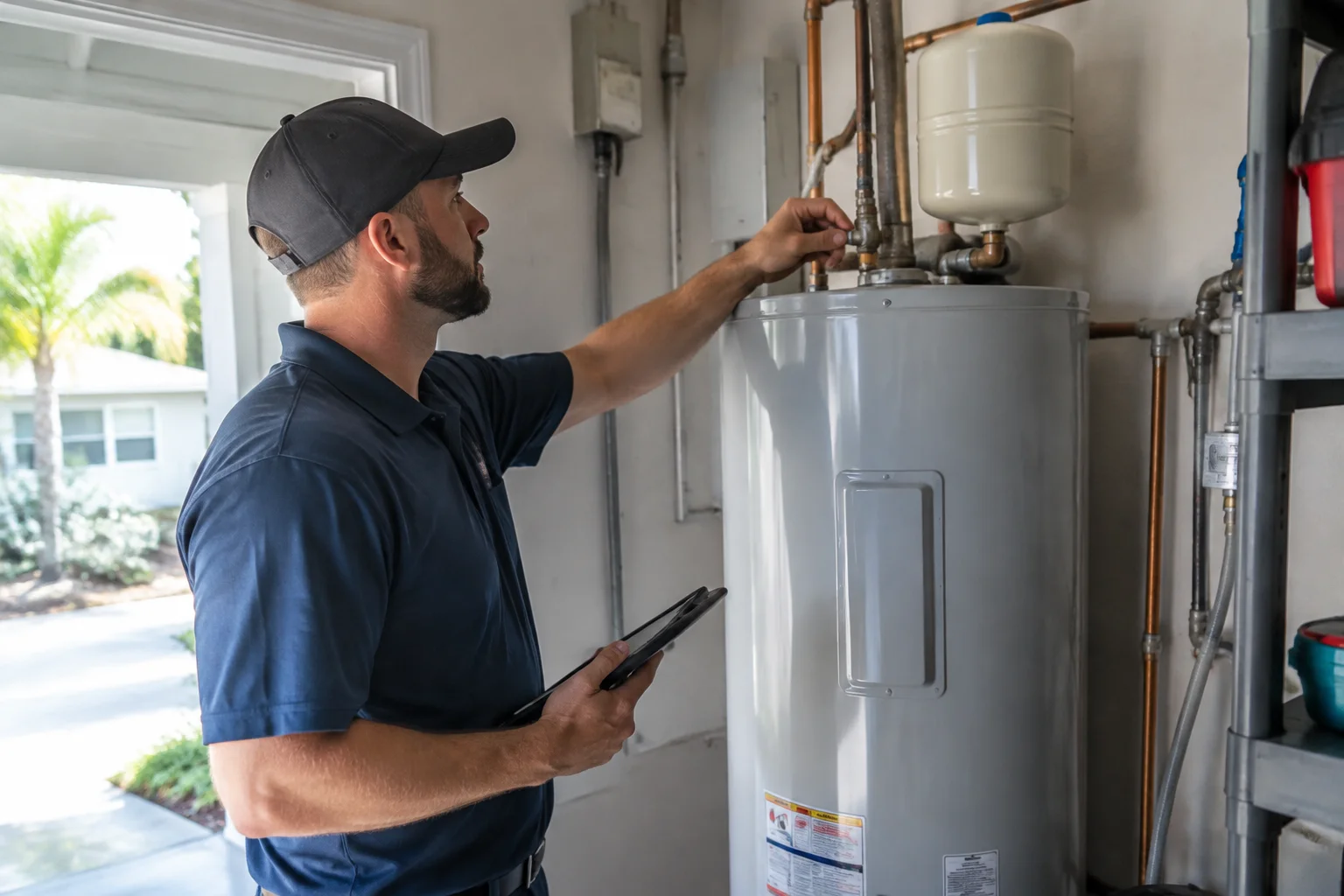
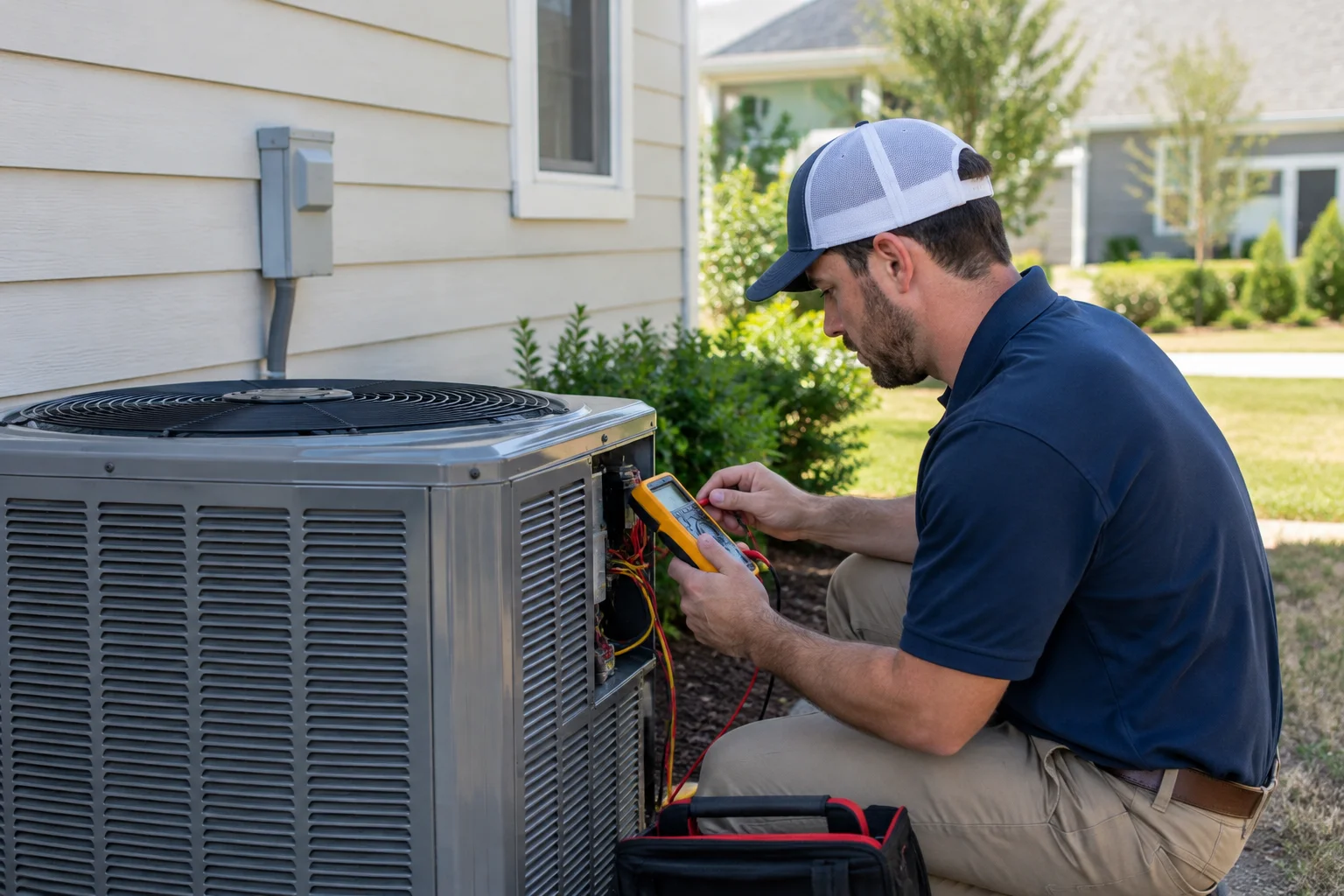
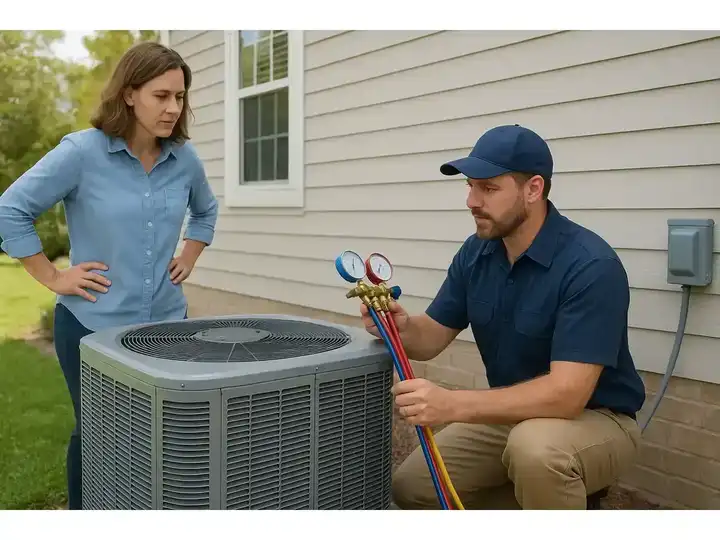
A detailed visit usually includes checking refrigerant levels, electrical connections, capacitors, contactors, filters, coils, blower components, the condensate drain, the thermostat, and overall system operation. The technician should also look for corrosion on exposed components, signs of restricted airflow, and evidence of past water intrusion.
That kind of detailed evaluation is especially useful before peak season, after a storm, before listing a property for rent, or before closing on a home. It can also help owners decide whether a system is worth repairing or whether a planned air conditioning installation may be the better long term move.
How coastal weather affects AC performance
30A’s climate creates a few specific issues that homeowners should keep in mind. Salt in the air can corrode outdoor coils and electrical parts. High humidity can make the system work harder to remove moisture from indoor air. Heavy rain and storm events can affect drainage, flood equipment pads, or expose hidden leaks. Even sand and debris around an outdoor unit can reduce airflow and make the system less efficient.
Because of these conditions, systems in coastal Walton County often benefit from more frequent attention than systems in milder climates. A seasonal inspection gives the technician a chance to catch corrosion, clear drainage paths, and confirm the unit is ready for the demands of the next stretch of hot weather.
Simple maintenance habits that help between inspections
Homeowners can do a few basic things to reduce strain on the system between professional visits. Replace filters on schedule, keep the outdoor unit clear of leaves and debris, and make sure furniture or storage is not blocking indoor vents. If a thermostat seems off, check the settings before assuming the equipment has failed.
It also helps to watch for changes in performance. If the system starts running longer, sounds different, or struggles on humid days, do not wait for a full breakdown. Early attention can prevent a much larger repair later. If the issue is tied to a worn component or a failing system, air conditioning repair may be needed sooner rather than later.
For property owners with seasonal occupancy, it is smart to test the system before guests arrive or before a long vacancy ends. That small step can prevent uncomfortable surprises and protect your investment.
Why local service matters in 30A
Not every HVAC problem looks the same in a coastal market. A technician who works regularly in 30A understands how salt exposure, humidity, and rental turnover affect equipment over time. That local experience matters when deciding whether a system needs cleaning, repair, replacement, or a more targeted fix.
Local service also matters for response time. In peak summer, a cooling issue in a beach home can become a major disruption quickly. Working with a team that serves the 30A area and Walton County means faster scheduling, better familiarity with common home layouts, and recommendations that fit the local environment.
That is also useful for owners managing multiple properties or planning upgrades. Home performance, energy use, and system longevity all depend on making the right decisions early. For readers interested in broader HVAC planning, How 30A Homes Can Stay Ahead of HVAC Emergencies During Seasonal Stress offers a helpful look at staying ahead of peak demand, and Making HVAC Upgrades Easier to Manage in 30A, FL covers practical planning for future improvements.
Inspection timing that makes sense for homeowners
There is no single perfect schedule for every home, but many 30A properties benefit from an inspection before the hottest part of the year and again if the system has been through a major storm, long vacancy, or repeated repair calls. If your home is older, if the AC has not been serviced in a while, or if indoor comfort has started to change, it is worth scheduling sooner.
Rental properties often need tighter oversight because guests may not report small issues right away. A pre season inspection can help reduce service interruptions and protect the property from avoidable damage. Commercial owners in the area also face similar concerns, especially in coastal buildings where wear shows up faster. For those situations, related reading like Keeping Commercial HVAC Systems Reliable in 30A, FL Starts With Better Installation and Keeping 30A Commercial HVAC Systems Ahead of Coastal Wear and Tear can be helpful.
A better inspection protects comfort and your budget
Air conditioning in 30A is not a luxury. It is part of keeping a home livable, efficient, and protected from humidity related damage. A careful inspection helps homeowners catch corrosion, airflow issues, drainage problems, and failing parts before they become expensive emergencies. It also gives you a better sense of how your system is handling the realities of coastal Walton County.
For dependable local service, schedule an air conditioning inspection in 30A, FL with A Superior Mechanical and keep your cooling system ready for the season ahead.
Find Air Conditioning Inspection in 30A, FL
If you need Air Conditioning Inspection in 30A, FL, visit our local service page or contact A Superior Mechanical today.
Map of 30A, FL
Frequently Asked Questions
How often should a home in 30A have an air conditioning inspection?
Most homes benefit from at least one professional inspection each year, and coastal properties may need attention more often if they are vacation homes, older systems, or have a history of drainage or corrosion issues.
What problems are most common in 30A AC systems?
Homeowners in 30A often deal with salt-related corrosion, clogged condensate drains, dirty coils, weak airflow, and electrical wear caused by long cooling seasons and high humidity.
Can an inspection help lower cooling costs?
Yes. A well timed inspection can uncover dirty components, airflow restrictions, refrigerant issues, and other problems that make the system work harder and use more energy.
Should I inspect my AC before renting out my home?
Yes. A pre season inspection is a smart step for vacation rentals and second homes because it helps reduce guest complaints, emergency calls, and avoidable damage during peak occupancy.
Related Articles
Photo Gallery