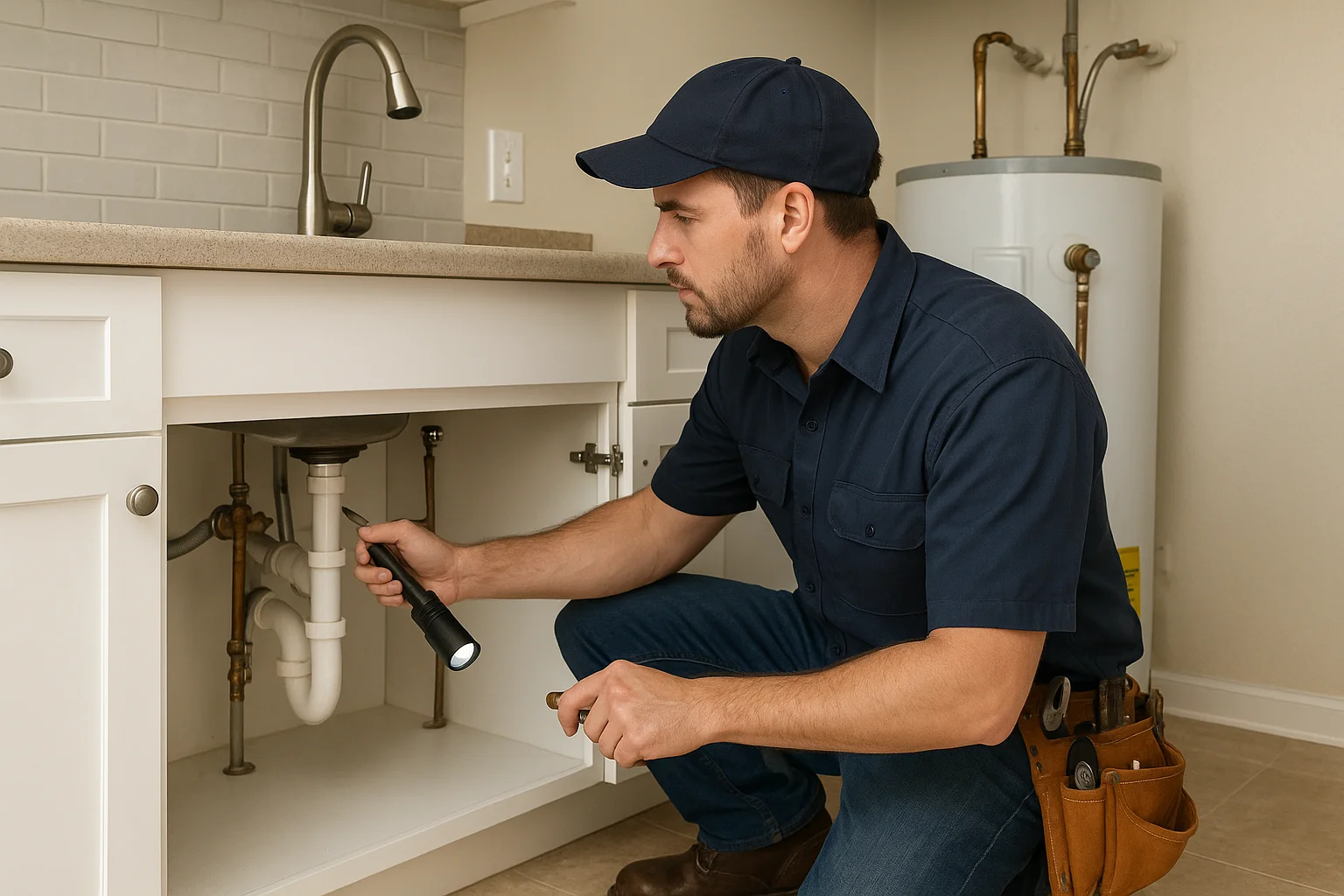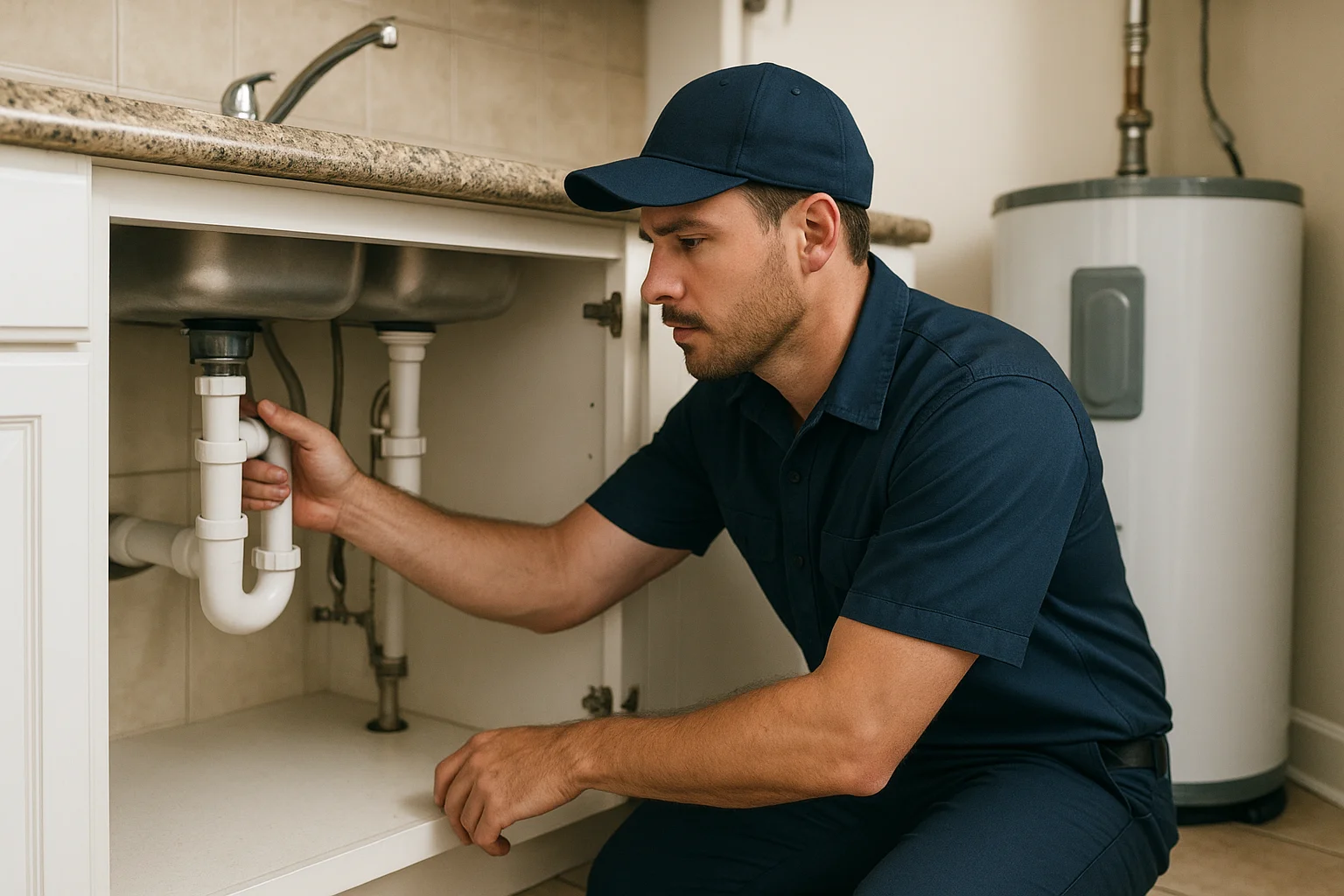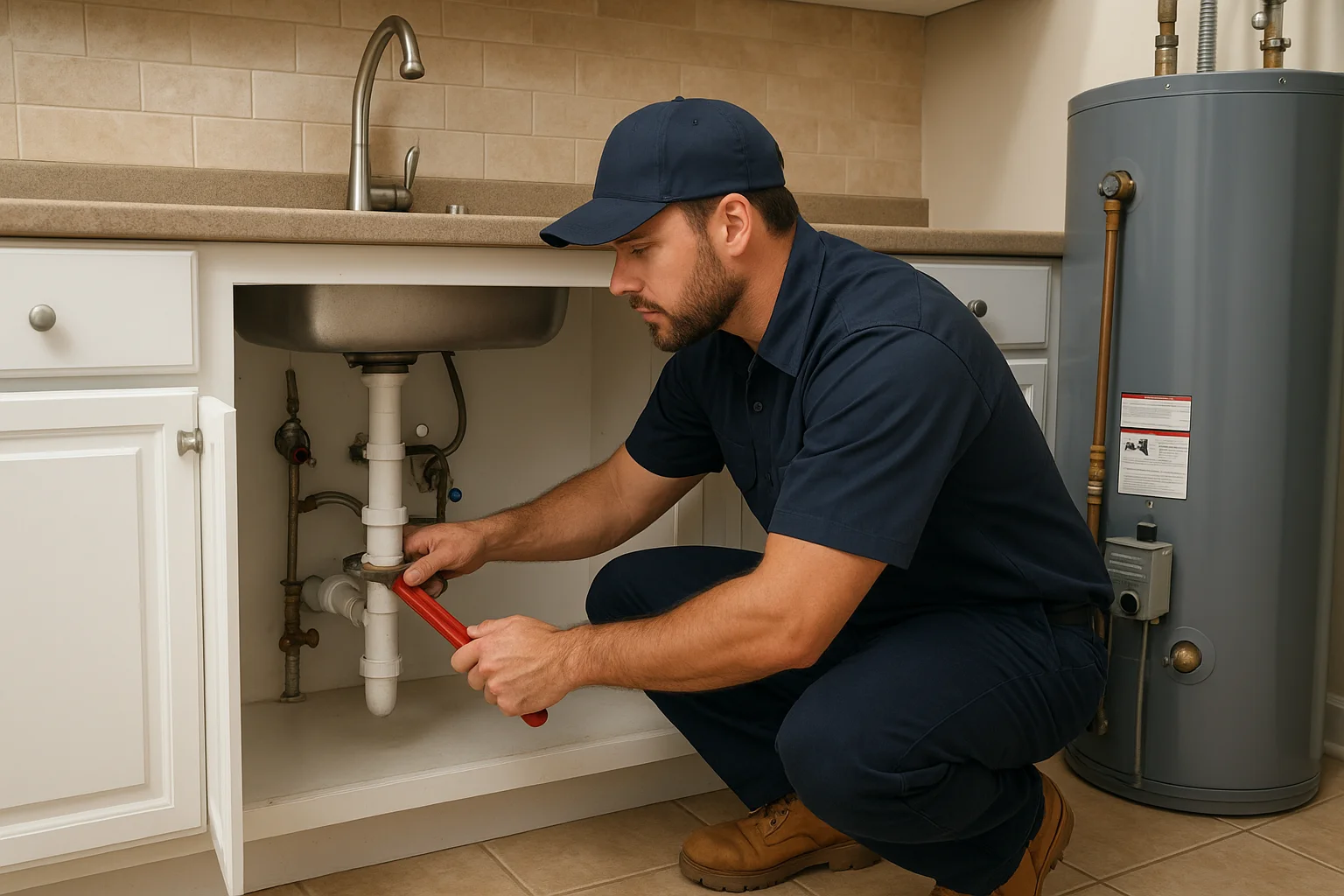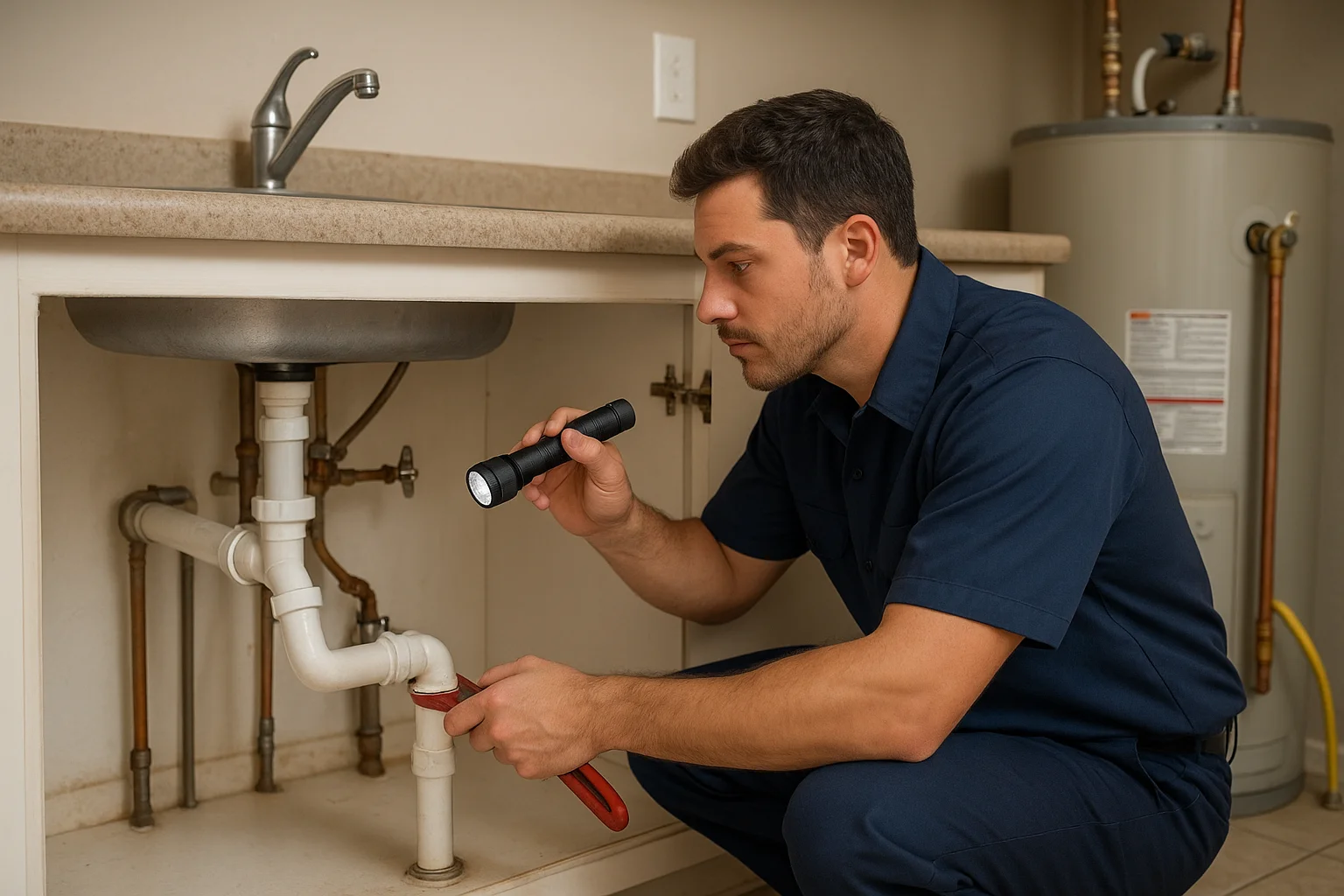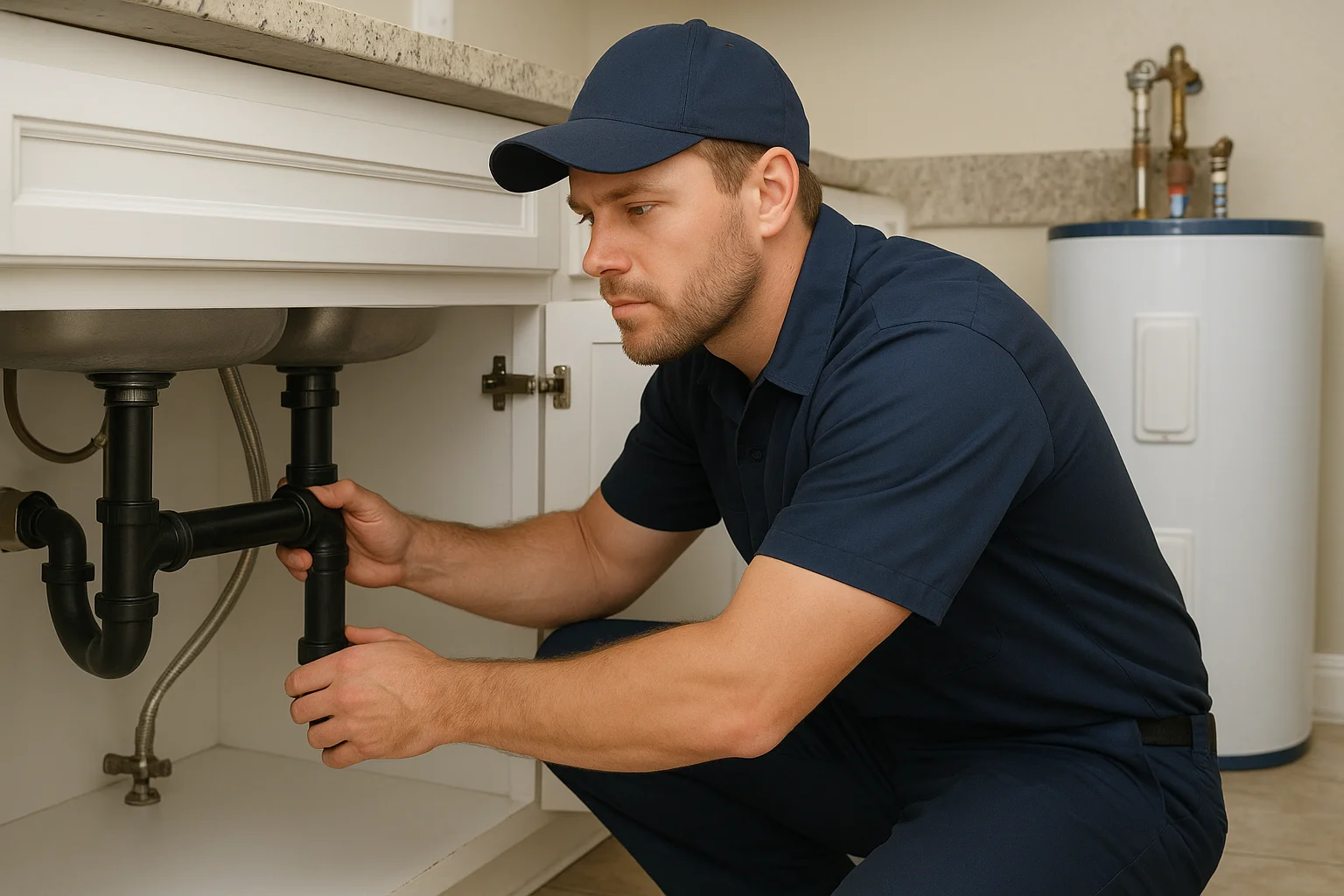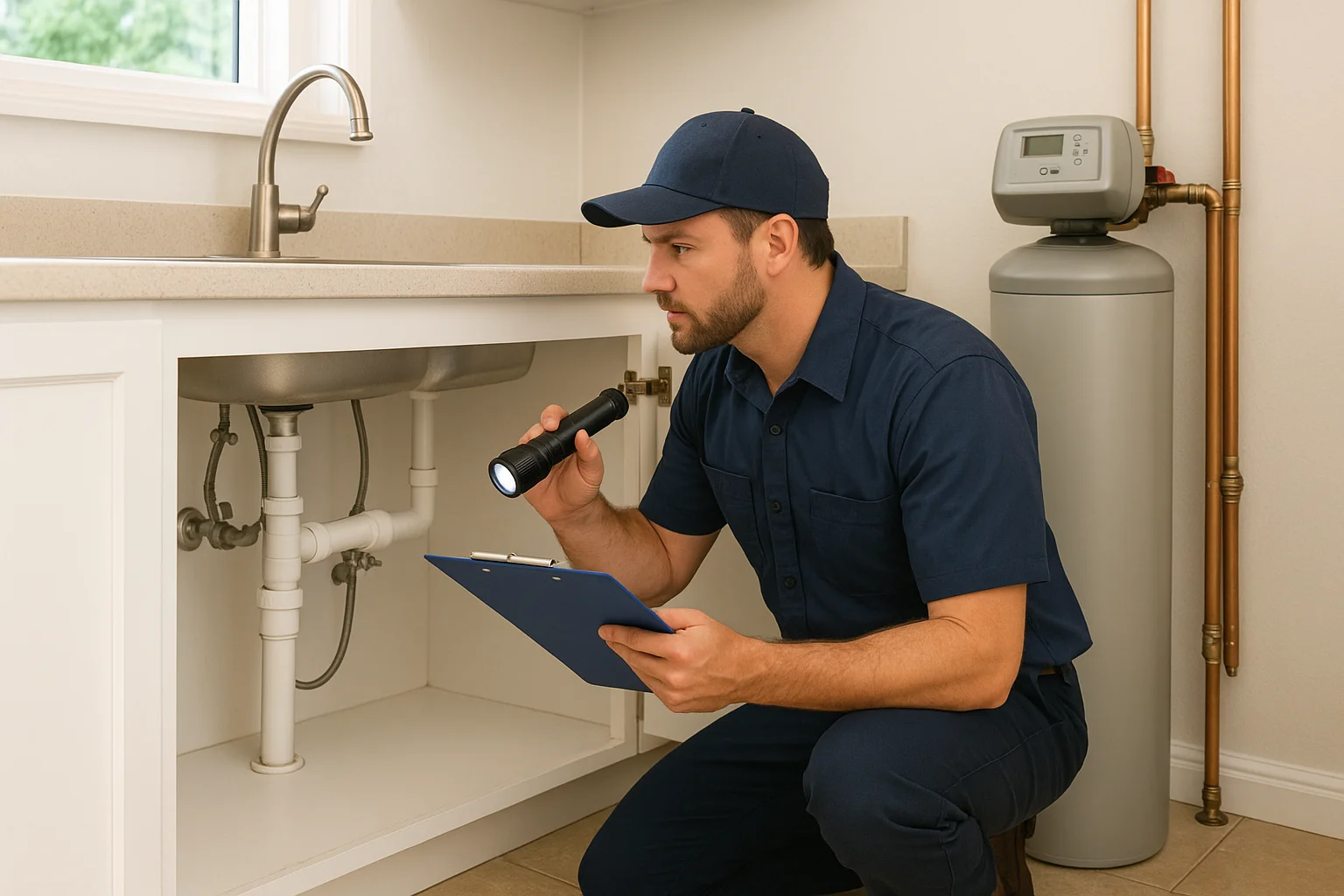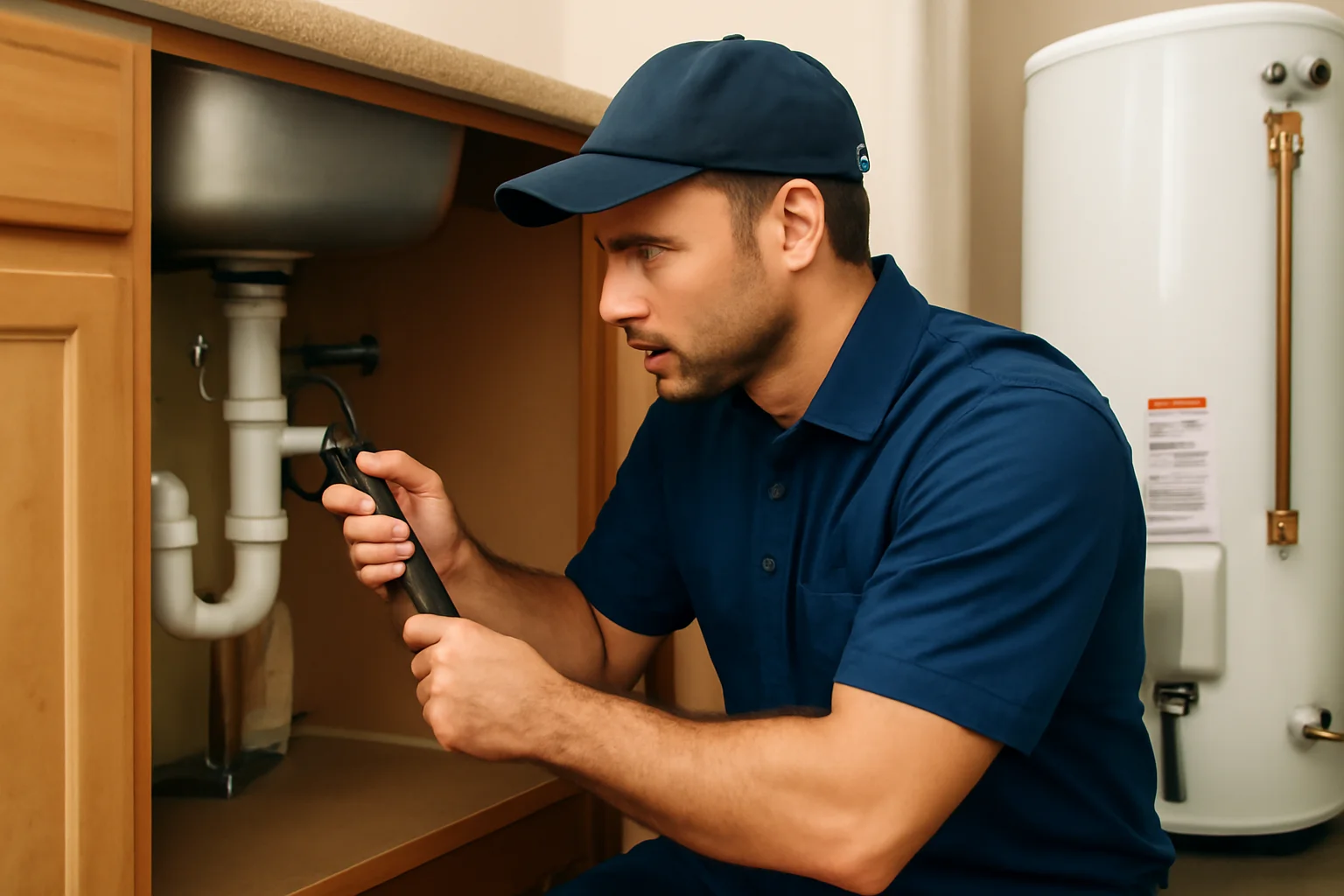
Families in Callaway rely on steady hot water for showers, laundry, dishwashing, and everyday comfort. When a water heater repair problem starts small, it can still grow into a leak, a damaged drain area, or even water intrusion that affects floors, baseboards, and nearby plumbing. This guide focuses on practical water damage prevention and repair planning for homeowners searching for a plumber near me in Callaway, FL.
Because local homes often share similar plumbing layouts, water use patterns, and maintenance challenges, the fixes that work here tend to be the ones that address the whole system around the water heater. That includes pressure, pipe condition, drains, fixtures, and how your water behaves in Bay County.
Why water heater repairs matter for water damage prevention in Callaway homes
Your water heater is connected to a network of pipes, valves, and drains. A leak from the tank, a failing temperature and pressure relief valve, loose pipe fittings, or a corroded supply line can release water where you might not notice it right away. In Callaway homes, that risk increases when:
- Water use is high: Families running back-to-back showers, laundry, and dishwashing can push a struggling heater to fail faster.
- Water pressure fluctuates: Pressure swings can stress valves, connections, and the heater’s internal components.
- Hard water and mineral buildup are present: Over time, scale can reduce efficiency and contribute to premature tank wear.
- Space is tight: Many homes place heaters in utility rooms, garages, or near slab edges where leaks can spread before you see them.
Even a “slow seep” can cause swelling drywall, warped cabinet bottoms, and hidden damage. That is why homeowners planning water heater repairs should think beyond “hot water is off.” The goal is to stop leaks early and keep the surrounding plumbing stable.
Common water heater problems that lead to leaks and costly repairs
1) Corrosion and pinhole leaks in tank-style heaters
Traditional tank water heaters can develop corrosion at seams or create pinhole leaks. You may notice dampness around the base, rust-colored residue, or a puddle after the heater cycles. If you have a basement or slab-adjacent utility area, water can travel farther than you expect.
2) Temperature and pressure relief valve issues
The T&P valve is designed to protect the tank if pressure or temperature gets too high. A valve that drips, leaks continuously, or discharges unexpectedly can indicate:
- Excess pressure
- Overheating due to thermostat problems
- Scale buildup preventing proper sealing
If you see signs of discharge near the heater, treat it as an emergency plumbing concern, especially if water is pooling near drains or electrical outlets.
3) Loose connections and failed supply lines
Sometimes the water heater is not the only issue. Corroded fittings, worn gaskets, or aging supply lines can leak at joints. Homeowners often assume the tank is responsible because it is the most visible component. A professional inspection checks the connections, shutoff valves, and pipe condition.
4) Sediment buildup causing overheating and premature failure
Over time, sediment can settle at the bottom of tank heaters. That can lead to:
- Reduced heating efficiency
- Rumbling noises
- Shorter heater life
- Increased risk of overheating and valve problems
Families using more hot water will sometimes notice the symptoms sooner, such as inconsistent temperature during peak use hours.
5) Tankless water heater flow or venting related problems
Tankless systems are designed for efficiency, but plumbing problems can still cause damage. If you notice water leaking from fittings, condensation near the unit, or performance issues like inconsistent hot water, the problem may involve the plumbing connections, pressure, or internal components. Tankless repairs still require careful leak detection and proper pressure checks.
Local factors in Callaway that affect repairs and maintenance planning
Callaway sits in a humid Gulf Coast environment where moisture can accumulate quickly. That matters because small leaks can become bigger problems when humidity is high and drying is slow. Local plumbing service also matters because the most common issues in Bay County homes often overlap:
- Hard water and scale can increase sediment in tanks and reduce efficiency.
- Seasonal humidity can make leaks look worse and cause faster deterioration of nearby materials.
- Home plumbing layouts may place heaters near slab edges or in utility areas where water spreads under flooring.
If your home has a history of mineral buildup, it is worth discussing water treatment options and maintenance routines. For homeowners who want fewer repairs long term, pairing water heater service with water quality planning can reduce stress on fixtures and pipes. You can explore related guidance here: A Callaway Homeowner’s Guide to Smarter Water Filtration and Fewer Plumbing Repairs and Why Water Treatment Makes Water Softening Work Better in Callaway Homes.
How to build a water damage prevention plan around water heater repairs
When you hire a plumber for water heater repair, you are not just purchasing a fix. You are building a plan that reduces the chance of repeat problems and limits damage if something fails again. Here is a homeowner-focused approach.
Step 1: Confirm the exact source of the leak
Many water damage incidents start with guessing. A puddle near a water heater can be caused by a supply line, a drain pan issue, or a valve discharge. Ask your plumber to check:
- All visible connections and shutoff valves
- The drain line routing for the T&P valve
- Corrosion patterns on piping
- Signs of moisture travel beyond the heater area
If the leak is intermittent, schedule an inspection when the heater is actively running or when you expect higher hot water demand. That timing can reveal pressure-related dripping or discharge behavior.
Step 2: Test water pressure and check for stress on pipes
Water pressure that runs too high can push fittings and valves beyond their design limits. Too low pressure can cause performance issues that lead to repeated cycling. A proper plumber will evaluate pressure and recommend adjustments if needed, which helps protect the heater and the surrounding plumbing.
Step 3: Inspect nearby drains and overflow pathways
Water heater leaks often end up in the nearest drain, but drains are not always ready for extra water. If a drain is partially clogged, water can back up or pool. When you are dealing with water heater repairs, it is smart to also consider nearby drainage concerns, especially if you have noticed slow draining or recurring dampness.
Homeowners who have seen a clogged drain repair issue in the past may want to review drain service options like clogged pipes and drain services. If you suspect a deeper blockage, sewer and main drain evaluations can prevent surprises during emergency plumbing concerns.
Step 4: Plan for hard water and sediment management
Hard water can contribute to scale buildup that affects heater efficiency and increases wear. A water heater service visit is a good time to ask about flushing schedules, sediment removal, and whether your household benefits from water treatment. If you are comparing filtration approaches, these reads can help you think through the options: Cleaner Water Starts at the Source in Callaway and Why Reverse Osmosis Systems Struggle in Callaway Homes and What Water Treatment Can Fix.
Step 5: Protect the area right away if a leak is suspected
If you see moisture, act quickly to limit water damage:
- Turn off the heater if the leak appears active or worsening.
- Keep the area dry and clear so a plumber can inspect without delay.
- Move valuables away from the utility space.
- Do not ignore warning signs, even if the heater still produces hot water.
For families, fast action can mean the difference between a small repair and a situation involving floors, drywall, and potential slab leak concerns.
Signs that your family should schedule water heater service soon
Some problems develop quietly. Use these signs as a practical checklist for planning plumbing repair rather than reacting after damage occurs.
Hot water behavior changes
- Water runs cold faster than usual
- Temperature swings during showers or laundry
- Hot water takes longer to arrive at fixtures
Physical warning signs near the heater
- Dampness around the base or around pipe joints
- Rust or mineral residue on fittings
- Dripping sounds, especially near the T&P valve
- Water pooling in the surrounding area after the heater runs
Plumbing system symptoms that often travel with water heater issues
- Water pressure that feels inconsistent across fixtures
- Toilet behavior changes, such as running toilet repair issues, especially when multiple fixtures run at once
- Strange odors or gurgling that could indicate drain line stress
If you are searching for water heater repair near me because hot water problems are disrupting family routines, it is better to address the root cause early. A small repair can prevent the need for water heater replacement near me.
When water heater replacement is the right decision
Not every failure can be repaired cost-effectively. For homeowners in Callaway, replacement planning often comes down to:
- Tank condition and extent of corrosion
- Repeated valve or connection failures
- Major sediment buildup that keeps affecting performance
- Persistent leaks that return after repairs
If the heater is old and leaks repeatedly, the “repair” can turn into a cycle of downtime and water damage risk. A professional evaluation can recommend whether repairs or replacement is the more dependable path for your household.
Emergency plumbing concerns: what to do when leaks escalate
Some situations require urgent action. Treat the following as emergency plumbing concerns:
- Active water discharge from the T&P valve
- Water spreading quickly in the utility area
- Water on the floor near electrical outlets or wiring
- Signs the leak is reaching under flooring or into adjacent rooms
In these cases, the priority is stopping water flow and limiting spread. A plumber can also assess whether the issue is localized to the heater or related to broader plumbing problems like broken pipe repair near me, burst pipe repair near me, or a hidden leak pathway.
How to coordinate water heater repairs with other plumbing maintenance
Families often discover multiple plumbing issues around the same time. A thorough plumber will look for connections between symptoms so you do not pay for repeated partial fixes.
Check fixtures and supply lines for related wear
If you are noticing faucet repair needs, inconsistent hot water at one sink, or recurring drips, it may indicate broader pipe wear or pressure issues that also affect the heater. Addressing these early supports long-term reliability.
Keep drains clear to reduce backup risk
Clogged drains can complicate leak cleanup and increase water damage if a drain line backs up. If you have slow drains or recurring blockages, consider sewer camera inspection when a simple drain cleaning does not resolve the issue. For day-to-day maintenance, clogged pipes and drain services can help keep water moving safely away from your home.
Understand sewer line health for long-term protection
When sewer or main drain issues create backups, the results can look unrelated to the water heater at first. That is why homeowners searching for main drain cleaning near me sometimes benefit from a full system approach. If you suspect recurring clogs, gurgling, or slow drains across multiple fixtures, a sewer evaluation can clarify whether the problem is local to one drain or deeper in the line.
Maintenance habits that help families avoid repeat water heater repairs
Good maintenance does not require advanced plumbing knowledge. It requires consistency and attention to what your system is telling you.
- Listen and observe: Pay attention to rumbling, dripping, and changes in heating time.
- Watch water pressure: If water pressure drops suddenly, it can affect heater performance and stress components.
- Keep the area accessible: Utility spaces should allow safe inspection and quick shutdown if needed.
- Use hot water responsibly during peak demand: Large simultaneous loads can stress a heater already dealing with sediment or valve wear.
If you have vacation rentals or multi-tenant needs, maintenance planning becomes even more important. Property managers can reduce service interruptions and damage risk with coordinated plumbing support through Property Management Plumbing Services.
Why local plumbers in Callaway make a difference
Water heater repairs are not one-size-fits-all. Local service matters because plumbers understand the plumbing realities of Bay County homes, including common water quality factors like hard water, the likelihood of mineral buildup, and the way humidity affects leak detection and cleanup. Local professionals also know how to prioritize the most likely failure points in typical home layouts.
When you are searching for plumbing services near me, focus on a team that can do more than replace parts. Look for providers that:
- Diagnose the leak source carefully
- Check pressure and valve function
- Evaluate nearby drains and pipe condition
- Help you plan repairs or replacement based on your household’s water use
For families looking for dependable support, A Superior Mechanical offers professional water heater repairs in Callaway, FL and can help you protect your home from water damage through thorough inspections and reliable repairs. If you want to explore broader plumbing support across the area, visit the Callaway service page and Bay County plumbing service area for additional options.
Questions homeowners often ask before booking water heater repair
How quickly should we schedule service?
If you see active moisture, rust, or valve discharge, schedule promptly. If hot water performance is degrading but there is no visible leak, still book soon to prevent internal wear from escalating.
Will repairs stop the leak for good?
Repairs can be long-lasting when the plumber identifies the true cause, such as a failing valve, corroded fittings, or sediment-driven overheating. If the leak source is not corrected fully, the problem can return.
Do we need drain cleaning too?
Not always, but if the leak involves water traveling toward a drain area, or if you have slow drains, it is smart to check. A clogged drain repair near me search often becomes necessary when a small leak turns into a backup issue.
Can hard water make the problem worse?
Yes. Hard water and mineral buildup can increase sediment, reduce efficiency, and contribute to wear over time. Water heater service plus water quality planning can reduce repeat issues.
Find Water Heater Repairs in Callaway, FL
If you need Water Heater Repairs in Callaway, FL, visit our local service page or contact A Superior Mechanical today.
Map of Callaway, FL
Frequently Asked Questions
What are the first signs of a water heater leak in a Callaway home?
Look for dampness around the base, rust or mineral residue on fittings, dripping near the temperature and pressure relief valve, or water pooling after the heater runs. If you notice any of these, schedule water heater service quickly to limit water damage.
Can water pressure problems cause a water heater to fail or leak?
Yes. Pressure that runs too high can stress valves, fittings, and internal components. A plumber can test water pressure and inspect connections so repairs address the underlying cause, not just the symptom.
When should I consider water heater replacement instead of repair?
Replacement is often the better option when corrosion is extensive, leaks keep returning after repairs, sediment buildup is severe, or the heater is aging and repeatedly triggers valve or performance problems. A professional inspection can help you decide based on repair history and tank condition.
If the leak seems small, is it still worth calling a plumber near me?
Yes. Slow leaks can spread under flooring or into nearby areas before you notice them. Quick diagnosis can prevent larger repairs, especially when humidity and slab-adjacent layouts increase the risk of hidden water intrusion.
Should water heater repairs include drain or sewer line checks?
Often, yes. If water is reaching a drain area, or if you have recurring slow drains and backups, checking drainage helps prevent secondary damage. In some cases, sewer inspection or camera evaluation is recommended to rule out deeper line issues.
Related Articles
Photo Gallery