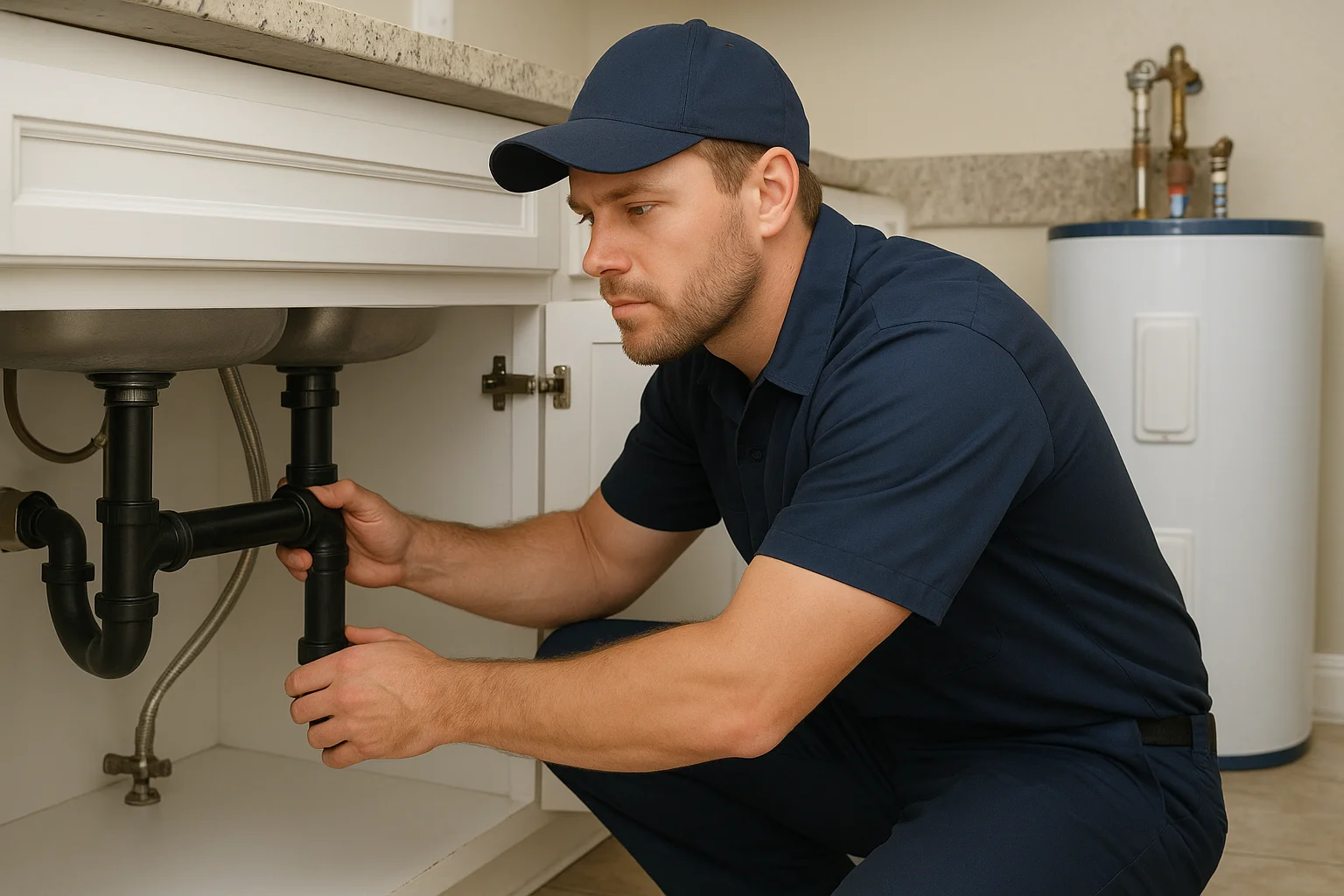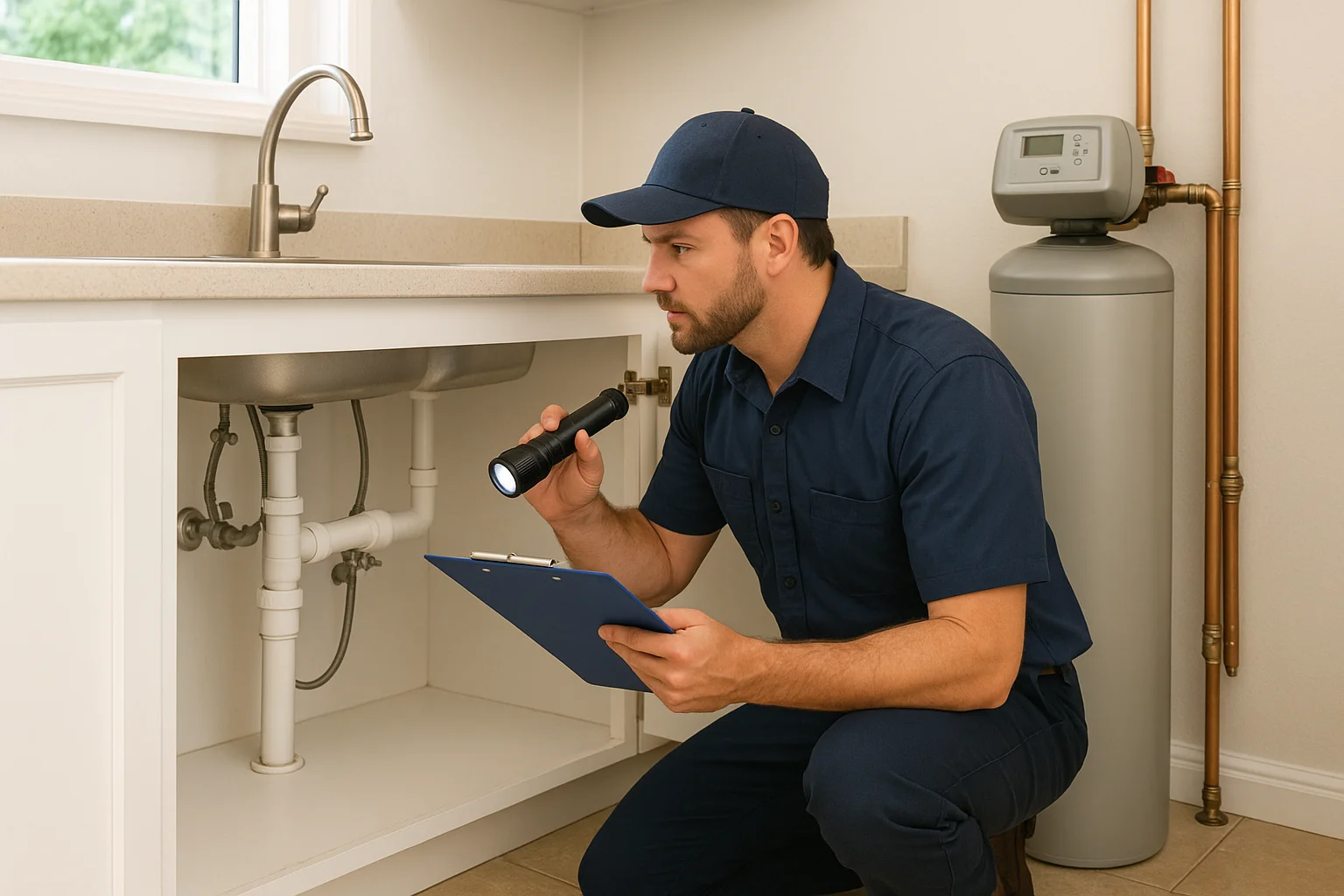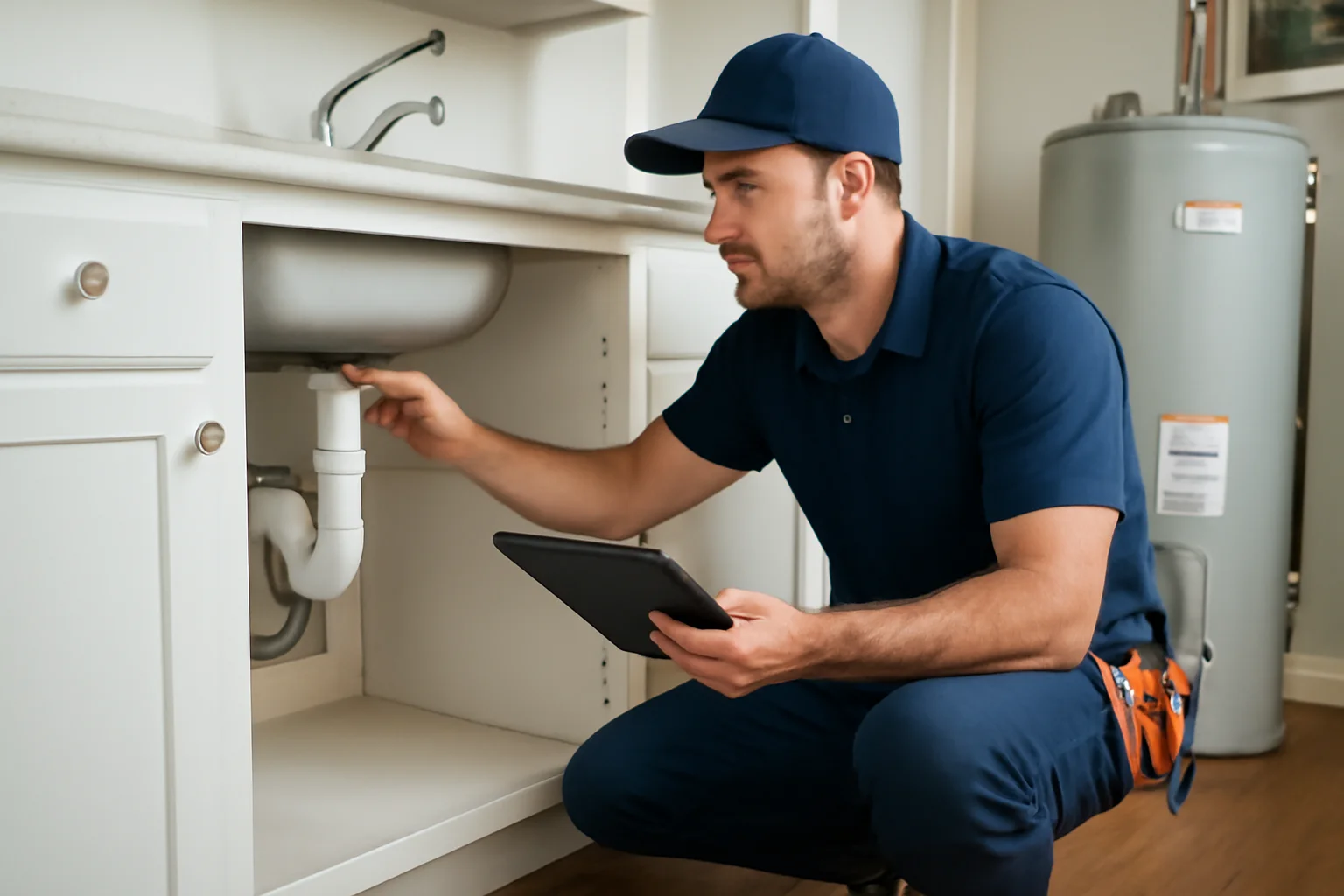
Springfield, FL homes can be tough on plumbing. Humid weather, shifting ground around the foundation, and hard water that coats pipes all add up over time. When leaks stay hidden, they do not just waste water. They can undermine slab foundations, damage subflooring, and turn a small plumbing problem into an emergency plumbing situation.
A Superior Mechanical provides leak detection and slab leak repair in Springfield, FL using proven diagnostics to locate hidden moisture and pressure changes before they spread. This guide covers practical prevention steps so you can keep water flowing where it should, keep drains and pipes in shape, and avoid the kind of urgent “plumber near me” call that happens too late.
Why slab leaks are different from typical plumbing leaks
Most homeowners recognize a dripping faucet or a leaking toilet. Those leaks show themselves. A slab leak is different. The leak typically occurs in pressurized water lines that run through or under a concrete slab. The water may travel under the surface before it appears as damp flooring, persistent odors, or unexplained increases in water use.
In Springfield homes, slab leaks can be harder to spot because daily life masks early signs. Water use patterns blend into normal showers, laundry, irrigation, and dishwashing. By the time the problem becomes obvious, the leak may have already caused:
- Moisture intrusion near the foundation
- Damage to flooring, cabinets, and drywall
- Soil erosion under the slab
- Higher utility bills from continuous water loss
- Pressure drops that affect fixtures and appliances
Leak detection is how you catch these issues before they become emergency leak repair near me scenarios.
Start with what you can measure: water use, water pressure, and fixture behavior
Smarter plumbing maintenance near me starts with simple checks that help you notice problems early. You do not need special tools to spot suspicious patterns.
Watch for unexplained water spikes
Compare your water bill to your usual usage. If your household habits have not changed but your bill rises, investigate. A slab leak can cause a steady loss that adds up even if you do not notice wet spots.
If you have access to a water meter, try this basic test:
- Turn off all water inside the home (no showers, no toilets refilling, no running faucets).
- Wait 30 to 60 minutes without using water.
- Check the meter reading. If it changes, water is still moving somewhere.
This is not a final diagnosis, but it is a strong reason to schedule home plumbing inspection near me level troubleshooting with a professional.
Notice pressure changes at sinks, showers, and toilets
Many slab leaks create pressure fluctuations. You might feel it as:
- Water pressure dropping when multiple fixtures run
- Hot water taking longer to arrive at faucets
- Toilets that seem to run more often
- Air in lines that causes sputtering
Hard water can also contribute to scale buildup in water heaters and fixtures, but pressure changes combined with higher water use point to a leak that needs leak detection near me style diagnostics.
Track “quiet” signs around fixtures
Some leaks do not gush, they seep. Pay attention to:
- Moisture around baseboards or under sinks
- Carpet that stays damp or smells musty
- Cracks in drywall near plumbing runs
- Recurring dampness after the home has been dry
- Water pooling near an exterior wall
Also consider how your plumbing is used. Springfield families and rentals often have consistent schedules, so changes stand out. Vacation rentals can be especially vulnerable because plumbing may sit unused between stays. When guests return and water use resumes, a hidden leak can accelerate quickly.
Common causes of slab leaks in Springfield homes
Understanding what drives pipe failure helps you focus maintenance where it matters. While every home is different, several causes show up often in coastal Florida conditions and in long-term residential plumbing.
Pipe aging and corrosion
Older plumbing materials can corrode over time. Even if a line looks fine on the outside, internal wear can create weak spots that eventually leak under the slab.
Shifting ground and foundation movement
Springfield’s climate includes humid stretches, periodic heavy rain, and seasonal temperature swings. Soil moisture changes can affect how ground settles. Over time, that movement can stress water lines embedded under concrete.
Water hammer and sudden pressure events
Water hammer is that banging sound you sometimes hear when a faucet shuts quickly or a toilet valve closes. It can stress pipes, especially if pressure surges repeat. A small amount of stress can contribute to eventual failure.
Hard water and scale buildup
Hard water is common in many Florida areas. Scale buildup can restrict flow and increase pressure inside pipes. That added stress can contribute to leaks, especially in older supply lines and behind fixtures.
Prevent hidden leaks by keeping drains, pipes, and fixtures healthy
Leak detection is essential, but prevention also means protecting the rest of your plumbing system. When drains and sewer lines clog or back up, pressure can shift throughout the plumbing. That can aggravate existing issues and create new ones that homeowners often mistake for “mystery leaks.”
Keep drains flowing before clogs force pressure
When a sink or shower drain partially clogs, water backs up and can overflow into places it should not. Over time, that can affect traps, supply connections, and nearby flooring. If you are searching for main drain cleaning near me because slow drains are becoming a pattern, you are already thinking in the right direction.
Regular drain cleaning helps reduce the chance of:
- Backups that push waste toward cleanouts
- Standing water that weakens surrounding materials
- Stress on venting systems
- Emergency drain cleaning near me calls
For homeowners with older sewer lines, small issues can grow quietly. If you suspect recurring backups, consider sewer camera inspections.
Use sewer camera inspections to catch problems early
Sometimes what looks like a leak is actually a sewer line issue. A failing sewer line can create odors, slow drains, and wet areas near cleanouts. Springfield homeowners who want to prevent surprises should consider sewer camera inspections before small plumbing problems grow. A camera helps confirm what is happening inside the pipe rather than guessing based on symptoms.
Do not ignore fixture leaks that can lead to bigger plumbing repairs
A slow leak at a faucet or toilet might seem minor, but it can increase water use and create constant moisture. That moisture can affect surrounding materials and can also mask a slab leak by confusing your water use patterns.
Common maintenance items include:
- Toilet repair for flappers, fill valves, and worn seals
- Faucet repair for worn cartridges and loose connections
- Garbage disposal repair when leaks appear under the sink
- Water heater service for pressure relief valve issues and signs of internal wear
If you are dealing with a persistent drip, the best time to address it is before it becomes a plumbing repair near me emergency.
How professionals perform leak detection for slab leaks
Homeowners often ask what “leak detection” really means. The goal is to find the source without tearing up half the home. A Superior Mechanical focuses on accurate diagnostics, which may include:
- Listening techniques to identify where water movement is occurring
- Moisture and temperature checks to pinpoint affected areas
- Pressure testing to identify whether leaks exist in pressurized lines
- Using specialized tools to confirm the location before repair
This approach matters because slab leak repair is not one-size-fits-all. The best repair strategy depends on where the leak is, how the plumbing is routed, and how much damage has already occurred.
Smart maintenance habits that reduce slab leak risk
You can lower your odds of emergency plumbing concerns by building a routine around the systems that most often trigger hidden leaks.
Set a seasonal plumbing maintenance schedule
In Springfield’s humid climate, moisture issues can accelerate. Consider a seasonal check that includes:
- Inspecting visible supply lines under sinks for dampness
- Checking toilets for silent running and water level changes
- Reviewing water pressure consistency at multiple fixtures
- Inspecting around water heater connections and drains
- Confirming that vents are not blocked
If you have a rental property, add an extra check between tenant turnovers. Water use patterns change quickly, and leaks can develop during periods of vacancy or sudden heavy use.
Keep water heater performance strong
A water heater that struggles can contribute to pressure problems and can worsen plumbing stress. Homeowners searching for smarter water heater installation are often trying to prevent both comfort issues and plumbing failures.
During water heater service, a technician can check for:
- Signs of leaking around the unit
- Proper temperature and pressure relief valve function
- Drain line condition
- Evidence of internal wear or corrosion
If you are planning upgrades, homeowners looking for water heater replacement in Springfield should also ask about how the new unit will be installed to reduce stress on connected plumbing lines.
Address water pressure problems early
If you suspect too much pressure, do not ignore it. Excess pressure can stress pipes and increase the chance of failure. A professional can evaluate pressure and recommend adjustments. This is one of the most practical steps for preventing pipe leak repair near me emergencies.
Know the “emergency” threshold for leak detection and slab leaks
Not every leak requires immediate action, but some situations should be treated as urgent. Consider contacting an emergency plumber or scheduling prompt leak repair when you notice:
- Water meter movement when no water is being used
- Rapidly increasing water bills
- Damp flooring, bubbling paint, or new cracks near walls
- Hot water pressure issues that appear suddenly
- Signs of moisture near the foundation after storms
- Water pooling where plumbing lines run
Waiting can turn a manageable leak into a larger repair and more disruption for your home.
What to do right now if you suspect a slab leak
If you suspect a hidden leak, you can take a few steps before a technician arrives. These actions can help protect your home and improve the accuracy of diagnostics.
- Stop using water if the leak appears active or worsening.
- Check if the water meter is still moving when the home is idle.
- Look for new moisture near baseboards, under sinks, and around exterior walls.
- Take photos of any damp areas or changes you notice.
- Avoid unnecessary drain use if you suspect related sewer line issues.
Then schedule professional leak detection. For many homeowners, the fastest path to clarity is a direct appointment with local experts who understand Springfield plumbing layouts and common failure patterns.
Why local plumbing service matters in Bay County
Plumbing problems are rarely just “plumbing.” In Springfield, local soil conditions, common construction practices, and water chemistry influence how leaks develop and how repairs perform. A local plumbing team also understands the practical realities of homeowners dealing with:
- Homes built with different pipe routing under slabs
- Hard water effects on fixtures and supply lines
- Storm-driven moisture changes that can reveal leaks faster
- Rental properties that experience varied occupancy schedules
For help that is specific to your area, review the services available through our Springfield service area and related plumbing options in Bay County.
Pair leak detection with the right repairs and upgrades
Once a leak is found, the next step is making sure the repair addresses the root cause. Depending on the situation, homeowners may need targeted pipe repair, fixture replacement, or related plumbing upgrades.
If you are planning broader improvements, consider:
- Plumbing Fixture Replacement for aging faucets, toilets, and other components that can contribute to ongoing leaks.
- Plumbing Financing if you are balancing leak repair with other home maintenance needs.
- Sewer and Drain Services when clogs or sewer line concerns overlap with moisture and odor complaints.
For business owners or commercial properties in the area, plumbing issues can also escalate quickly. If your building has frequent water use, consider reading what Springfield homeowners should know about commercial plumbing so you can manage risk before it turns into downtime.
How to avoid “plumber near me” emergencies by building a leak detection routine
Emergency plumbing calls often happen when homeowners have delayed investigation or when leaks were too hidden to notice. You can reduce that risk by combining observation with professional diagnostics.
Here is a practical routine you can follow:
- Check your water bill trends monthly and investigate unexplained increases.
- Monitor water pressure at a few key fixtures, especially after storms.
- Do a meter check when you suspect a leak and the home is idle.
- Keep drains clear with timely cleaning so pressure does not build up in the system.
- Schedule leak detection and slab leak evaluation when you notice damp areas or persistent pressure changes.
For Springfield homeowners, this approach helps protect the foundation, reduce water waste, and keep plumbing repair near me searches from turning into emergency leak repair near me situations.
Find Leak Detection and Slab Leak in Springfield, FL
If you need Leak Detection and Slab Leak in Springfield, FL, visit our local service page or contact A Superior Mechanical today.
Map of Springfield, FL
Frequently Asked Questions
How can I tell if I have a slab leak instead of a toilet or faucet leak?
Start with water use. If your water meter moves when no fixtures are running and you see pressure changes or recurring damp spots near the foundation, a slab leak becomes more likely. A pro can confirm with pressure testing and targeted diagnostics.
What are the earliest signs of a slab leak in Springfield, FL homes?
Common early signs include unexplained increases in water bills, subtle water pressure drops, musty odors, damp flooring or baseboards, and new cracks or bubbling paint near wall areas. Sometimes the leak is only visible after rain or higher water use.
Can hard water cause slab leaks?
Hard water typically contributes to scale buildup and increased stress on plumbing components. While it may not directly “create” a slab leak by itself, it can reduce pipe life and worsen wear, making leaks more likely over time.
Should I use a DIY method to find a hidden leak under my slab?
DIY checks can help you notice symptoms, like monitoring water meter movement or inspecting visible plumbing. But locating a slab leak accurately usually requires professional leak detection tools and pressure testing to avoid unnecessary demolition.
When should I treat a suspected leak as an emergency?
Call for urgent assistance if the water meter keeps moving when the home is idle, if damp areas are spreading quickly, or if you notice foundation moisture, severe pressure loss, or signs of active water intrusion after storms.
Related Articles
- Keeping Springfield Drains Clear Before Small Plumbing Problems Spread
- Why Springfield Families Benefit from Sewer Camera Inspections Before Small Plumbing Problems Grow
- What Springfield Homeowners Should Know About Commercial Plumbing Before a Small Issue Spreads
- A Springfield Homeowner’s Guide to Smarter Water Heater Installation and Fewer Plumbing Surprises
Photo Gallery