Toilet problems rarely arrive politely. One day everything feels fine, and the next you notice a slow water trickle, a weak flush, or a bathroom floor that looks slightly damp. Pretty Bayou, FL homes rely on steady plumbing performance for daily routines, guest stays, and rental turnover. The good news is that many toilet issues show up early if you know what to watch for.
This guide covers practical, homeowner friendly steps for toilet repair and replacement in Pretty Bayou, plus the related plumbing checks that help prevent bigger drain, pipe, and sewer line problems. If you have been searching for a “plumber near me” because your toilet is acting up, the tips below can help you spot the cause faster and protect your plumbing system before it gets expensive.
Why early toilet problems matter in Pretty Bayou
Pretty Bayou sits in Bay County, where humidity and seasonal weather swings can affect water use patterns inside homes. When toilets start running longer, flushing weaker, or leaking behind the scenes, the impact is not just annoying. It can raise your water bill and push more wastewater through drains, pipes, and sewer lines than your system was designed for.
Toilets also connect to the rest of your plumbing network. A failing flapper can waste water and keep the tank refilling. A partially blocked trapway can encourage clogs. A worn wax ring can allow sewer gas or moisture to seep into the bathroom floor. Over time, small failures can become emergency plumbing concerns, especially if you notice pooling water, repeated backups, or signs of leaks near supply lines and the base.
Smart “watch list” signs for toilet repair before it worsens
Use these checks as part of routine plumbing maintenance near me style habits, even if you do not call a plumber right away. Most homeowners can identify the early stage if they pay attention to sound, water levels, and how the toilet performs.
1) The toilet runs after it flushes
A running toilet often points to a fill valve or flapper issue. If the tank keeps refilling or you hear a steady trickle after the flush cycle ends, the problem is not “normal.” In many cases, the flapper does not seal fully, or the float level needs adjustment. Hard water can also contribute to mineral buildup on internal parts, which is common in many Florida water systems and can accelerate wear.
What to do: Note whether the running starts immediately after flushing or several minutes later. If you can safely remove the tank lid and observe the water level, check whether the water stops at the expected height. If the tank refills too high, it can keep water moving into the bowl.
2) Water level in the bowl drops slowly
If the water in the bowl lowers over time, you may be dealing with a leaking flapper, a worn seal, or a problem that allows water to slip into the toilet base or drain line. This can also be a sign that the toilet is not completing the flush properly, which may lead to clogged toilet repair issues.
What to do: Add a few drops of food coloring to the tank (do not flush). Wait 10 to 15 minutes. If color appears in the bowl, the tank seal is likely leaking and toilet repair is the right move.
3) Weak or inconsistent flushing
Weak flushing can come from a clogged rim jet, a failing flapper, low tank water level, or a drain line issue. If your toilet flushes well some days and struggles others, look for partial blockages or mineral buildup that changes flow patterns.
What to do: Pay attention to whether the bowl clears on the first flush. If not, avoid repeated plunging that can push waste deeper. That is when “clogged toilet repair near me” searches often turn into bigger drain cleaning needs.
4) Frequent clogs or “almost clogs”
Toilet clogs that happen repeatedly are not just a toilet problem. They can indicate a main drain issue, a developing blockage in the sewer line, or a venting problem that restricts flow. In homes with older plumbing or tree roots near sewer lines, backups can become more frequent during certain seasons.
What to do: If the toilet clogs after normal use, schedule a professional inspection. A plumber can check the drain path and help avoid repeated attempts that worsen the blockage.
5) Water around the base, wobbling, or a soft floor
A leaking toilet base can be subtle at first. You might notice dampness after flushing, a slight odor, or a bathroom floor that feels softer than it used to. A loose toilet can also cause a wax ring failure, which may lead to sewer gas, moisture intrusion, and costly flooring repairs.
What to do: If the toilet rocks, stop using it for heavy loads and consider replacement or repair. If you suspect a slab leak repair near me type scenario because water seems to come from below or near a wall, do not delay. Water intrusion can travel under flooring.
Common causes behind Pretty Bayou toilet problems
Knowing the usual culprits helps you explain the issue clearly when you call and helps your plumber arrive prepared with the right parts.
Hard water and mineral buildup
In areas where hard water is common, mineral deposits can build up on valves, flappers, and flush pathways. That buildup can cause weak flushing, running toilets, and parts that do not seal correctly. If you have been reading about the impact of hard water on local plumbing, this is a smart follow up: Pretty Bayou Homes and the Real Cost of Hard Water: How Reverse Osmosis Helps Protect Plumbing.
Wear from everyday water use
Frequent flushing, older tank components, and inconsistent water supply pressure can speed up wear. Toilets are designed for steady cycles, not long refilling times or repeated partial flushes.
If you want a deeper look at how everyday plumbing wear affects water systems, see How Plumbing Wear and Tear Shapes Water Purification in Pretty Bayou Homes.
Water pressure changes
Toilets need the right pressure to fill properly. If the fill valve is struggling, the tank may not reach the correct level, leading to weak flushes. Pressure issues can also affect other fixtures, so it helps to notice whether faucets and showers are acting differently at the same time.
Drain line and venting problems
Sometimes the toilet is doing its job, but the drain system cannot handle it. Slow draining after flushing, gurgling sounds, and repeated clogs can signal a venting issue or a blockage further down the line. That is where drain cleaning and sewer line help become part of the conversation.
If your toilet is tied to recurring sewer backup problems, the right service focus matters. You can also explore Sewer Repair & Maintenance for help that goes beyond the toilet bowl.
DIY checks that are safe and useful before calling a plumber
You do not need to be a plumber to do a few smart checks. These actions can narrow the cause and reduce “trial and error” that sometimes makes problems worse.
Confirm the shutoff valve is fully open
Find the toilet’s supply shutoff behind or near the toilet. If it is partially closed, the tank can fill slowly and cause weak flushing. Turn it fully on and test another flush.
Inspect the flapper and chain alignment
If the flapper is warped, the seal may fail. The chain should allow the flapper to close fully without being too tight or too loose. Replace worn parts rather than forcing adjustments that do not hold.
Check the tank water level
After the tank refills, look at the water line relative to the marked fill level. Too low can cause weak flushes. Too high can lead to running water into the overflow tube.
Test whether the problem is only the toilet or the whole bathroom
If the toilet is the only fixture acting up, the issue is likely internal to the toilet or its immediate connection. If multiple drains gurgle or drain slowly, you may have a broader drain problem. In that case, searching “main drain cleaning near me” or “bathroom drain cleaning near me” is often the next step.
When toilet replacement makes more sense than repeated repairs
Toilet replacement is not always the default, but it can be the better long term choice for certain situations common in older Pretty Bayou homes.
Frequent repairs with no lasting fix
If you replace parts and the toilet still runs, clogs, or leaks within months, the underlying cause may be deeper. A worn internal structure, a failing seal at the base, or a drain connection problem can keep coming back.
Cracked tank or persistent base leaks
A cracked porcelain tank or repeated wax ring failures are strong signs replacement is the practical path. Base leaks can damage floors over time and can be hard to fully correct without addressing the toilet set and seal properly.
Water use is too high
Older toilets often use more water per flush. If your household has higher daily water use, or you notice rising bills, an efficient model can reduce ongoing strain on drains and sewer lines. If you are also considering broader home water improvements, it can help to review Planning for Better Water in Pretty Bayou Starts Before the First Spot Shows Up.
How to choose a replacement toilet that fits your plumbing
A “good deal” toilet can still cause problems if it does not match your plumbing setup. A local professional can help you select the right size, rough in, and flushing performance for your home.
Match the rough in and bowl style
Most installations depend on the rough in distance. The wrong fit can lead to leaks around the base or poor alignment with the flange.
Choose a model that handles your household load
Comfort height, tank capacity, and flush technology matter. In homes with larger households, frequent guest use, or rentals, you want reliable flushing that does not require repeat attempts.
Plan for proper sealing and anchoring
Replacement success depends on more than the toilet itself. The flange condition, the seal, and correct anchoring affect whether you will see leaks again. Proper installation helps prevent the kind of dampness that turns into expensive bathroom repairs.
Prevent clogs and backups with smart toilet habits
Toilet repair is easier when you reduce how often the toilet gets put under stress. These habits help protect drains, pipes, fixtures, and the sewer system.
Use the right products and avoid “flushable” surprises
Even products marketed as flushable can cause trouble in older sewer lines. Stick to toilet paper meant for sewer systems and avoid flushing wipes, paper towels, and anything that does not break down quickly.
Stop using the toilet as a disposal
Small objects can clog the trapway and create recurring problems. If you suspect a clog forming, address it early rather than waiting for a backup.
Watch for gurgling and slow drains
Gurgling sounds after flushing can indicate trapped air or a partial blockage in the drain path. Slow draining can also point to a developing clog that will eventually require professional drain cleaning near me service.
Why leaks and backups can become emergency plumbing concerns
Most toilet issues start small, but some escalate quickly. If you see pooling water, strong sewer odors, or repeated backups that affect multiple fixtures, treat it as an urgent issue. Emergency plumbing concerns often involve the supply line, the toilet base seal, or a blockage further down the line that can overflow or damage floors.
If your home also has a water heater that is aging, pay attention to overall plumbing performance. While water heaters are not the same as toilet systems, plumbing problems can overlap in older homes. If you are already scheduling plumbing maintenance, you may want to review Water Heater Maintenance and Water Heater Replacement as part of a broader reliability plan.
How a professional plumber diagnoses toilet issues in Pretty Bayou
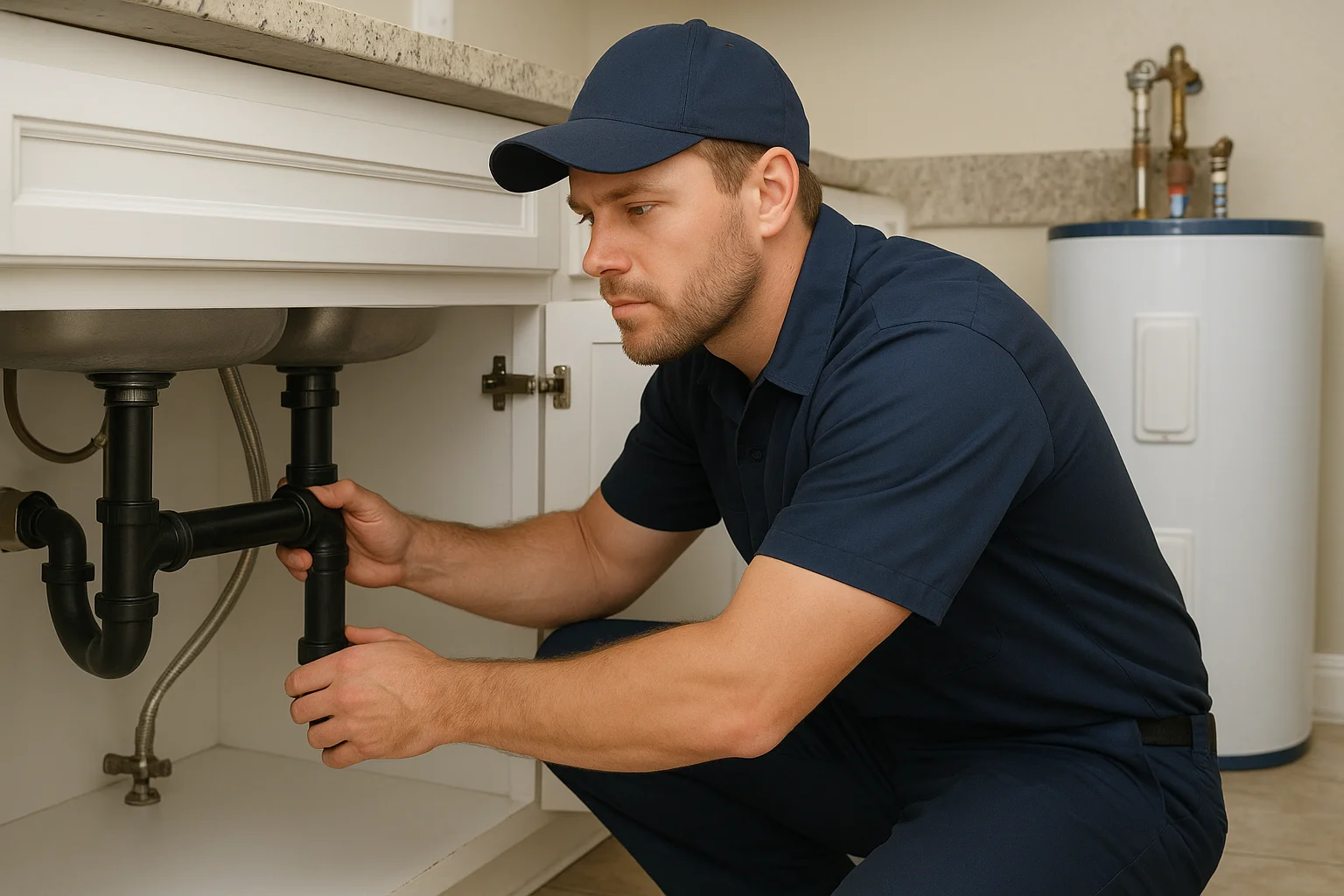
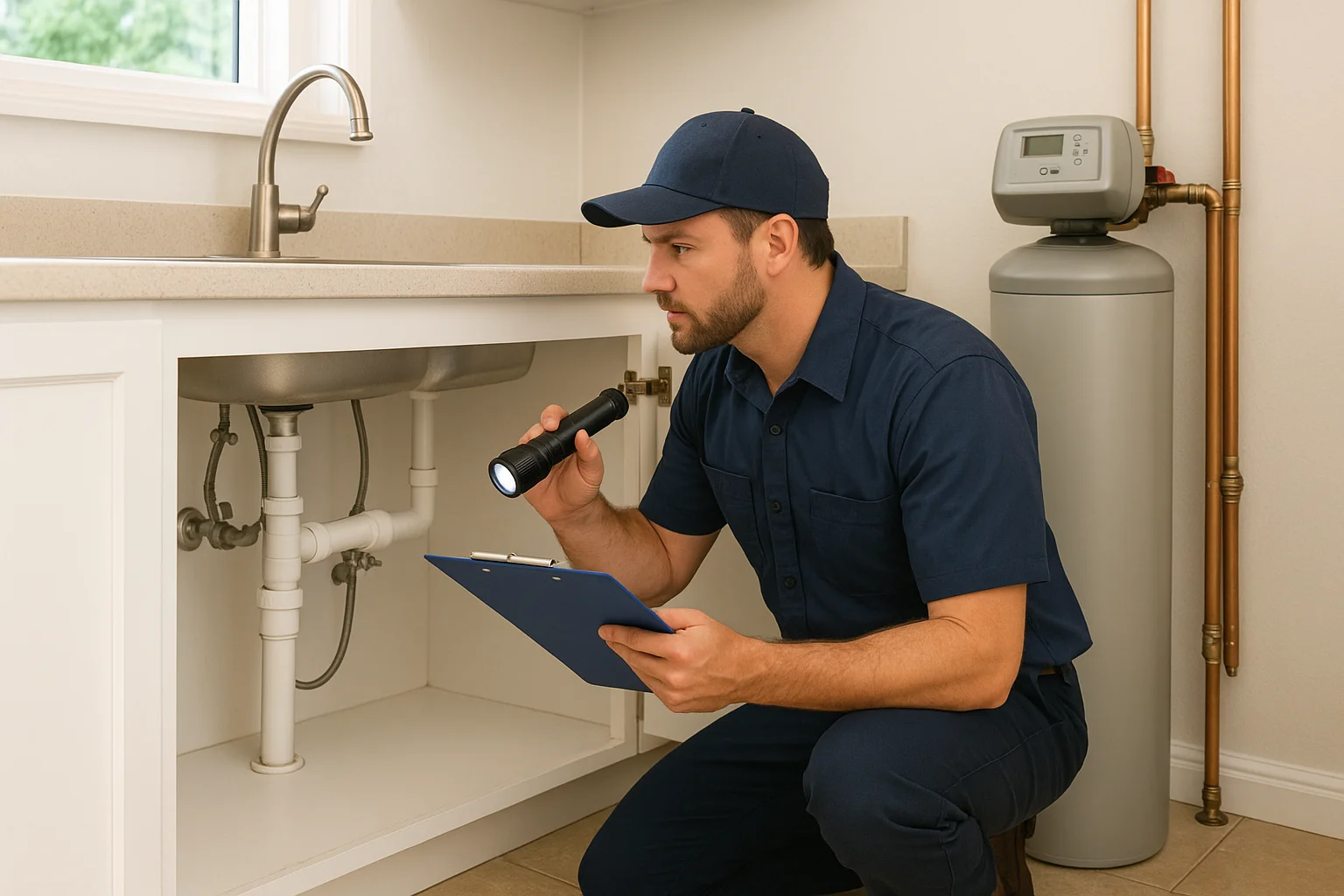
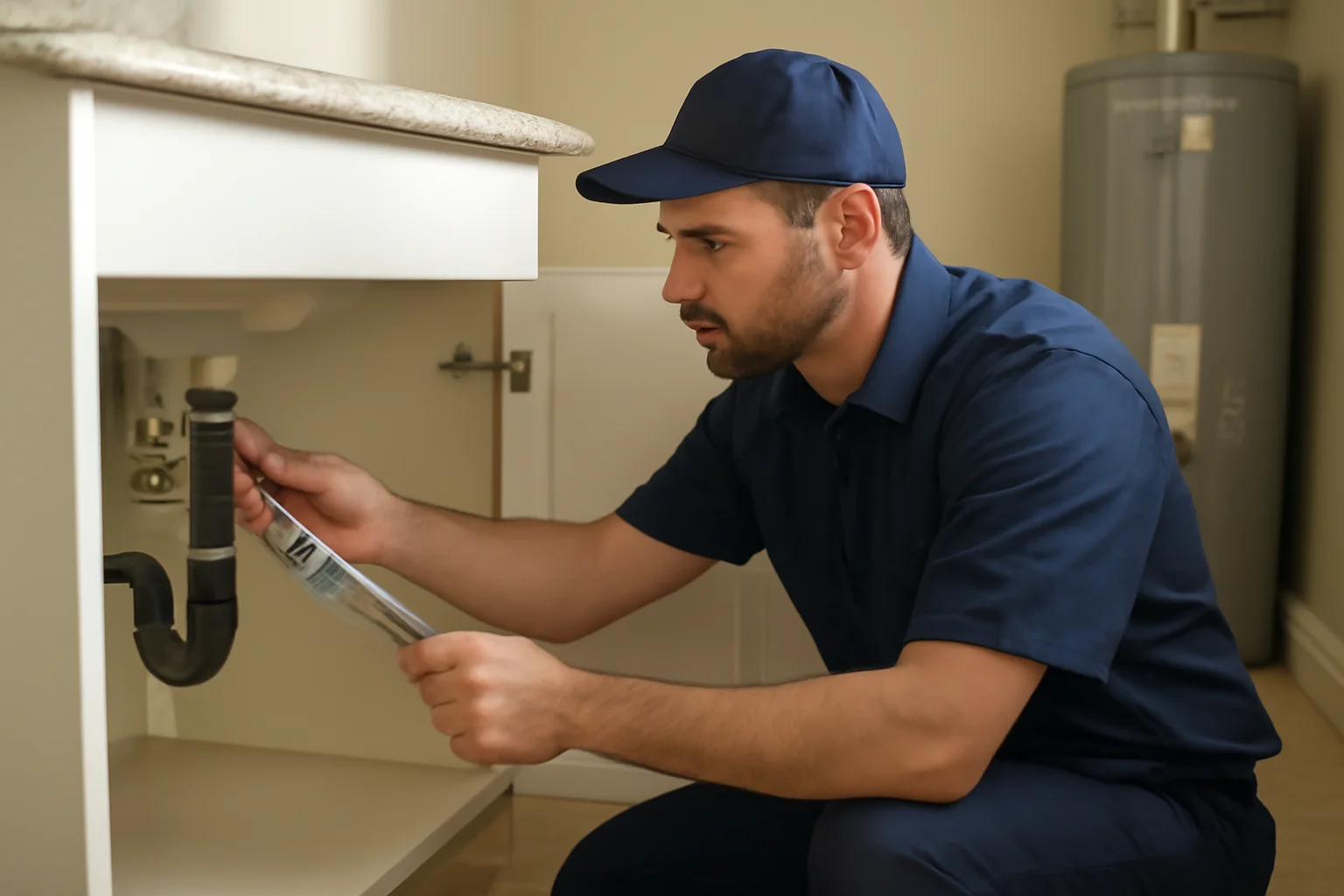
When you call A Superior Mechanical for toilet repair and replacement, the goal is to identify the real cause, not just swap parts until something sticks. A technician typically checks the tank components, supply line condition, bowl-to-drain connection, and signs of leaks. If the issue suggests a drain or sewer line problem, the approach shifts toward inspection and cleaning rather than repeated toilet-only repairs.
That matters because a weak flush can be internal to the toilet, but it can also signal a clogged drain path. Likewise, a “toilet leak” might be a base seal failure, a supply connection issue, or a hidden leak that needs slab or pipe repair attention.
Build a local maintenance rhythm for everyday reliability
You do not need to overhaul your home each season. A simple routine can catch early warning signs before they become “same day toilet repair near me” emergencies.
Monthly checks homeowners can do
Listen for running water after flush cycles. Look for water marks around the base. Check whether the toilet flush clears the bowl on the first attempt. If you hear new gurgling or notice slow drainage, act early.
Seasonal reminders for Pretty Bayou households
As weather patterns shift and household water use changes, pay attention to water pressure consistency and fixture performance. If you notice faucets filling more slowly or showers losing pressure, that can affect toilet fill cycles too.
When to schedule preventive service
If you already know your home has hard water, older pipes, or a history of clogs, preventive planning is often cheaper than repeated emergency fixes. A professional can help you map out a maintenance approach for drains and sewer lines, including when to consider sewer inspection near me style evaluations.
Where to get help fast in Pretty Bayou
If your toilet is leaking, not flushing properly, backing up, or causing recurring clogs, you want a plumber who understands local plumbing realities in Bay County. Start with the right service page for the job: A Superior Mechanical in Pretty Bayou. Then, for toilet specific needs, use toilet repair and replacement so your request matches what you need.
If the symptoms point beyond the bowl, it also helps to explore related services like Sewer Repair & Maintenance or drain focused help such as professional drain cleaning near me services when clogs become a pattern.
Find Toilet Repair & Replacement in Pretty Bayou, FL
If you need Toilet Repair & Replacement in Pretty Bayou, FL, visit our local service page or contact A Superior Mechanical today.
Map of Pretty Bayou, FL
Frequently Asked Questions
What is the most common cause of a running toilet?
Most running toilets are caused by a flapper that does not seal fully or a fill valve that is set incorrectly or worn out. Hard water can also contribute to mineral buildup that prevents parts from closing tightly.
How can I tell if my toilet leak is from the tank or the base?
If water appears in the bowl after the tank sits, the leak is usually from the tank flapper. If the floor around the base is damp or the toilet rocks, the issue is more likely a worn wax ring or a faulty connection at the toilet flange.
When should I replace a toilet instead of repairing it?
Replacement is often the better choice when the tank is cracked, the base keeps leaking after repairs, the toilet is outdated and uses much more water than you need, or repeated fixes do not resolve weak flushing or recurring clogs.
Why does my toilet clog even when I use it normally?
Frequent clogs can indicate a partial blockage in the drain line, a venting problem, or an issue deeper in the sewer line. If you are dealing with recurring problems, professional inspection and drain cleaning are usually more effective than repeated plunging.
Can hard water affect toilet performance in Pretty Bayou?
Yes. Hard water can leave mineral deposits on flappers, fill valves, and flush pathways, which can lead to weak flushes, running toilets, and parts that wear out faster. A local plumbing service can help diagnose and recommend the right repair or replacement approach.
Related Articles
- Pretty Bayou Homes and the Real Cost of Hard Water: How Reverse Osmosis Helps Protect Plumbing
- How Plumbing Wear and Tear Shapes Water Purification in Pretty Bayou Homes
- Planning for Better Water in Pretty Bayou Starts Before the First Spot Shows Up
- Keeping a Water Heater Reliable in Pretty Bayou Starts with the Small Stuff
Photo Gallery