Walk into a Springfield, FL home after a few weeks of hard water and you can often tell. Glassware looks a little hazy. Shower doors show stubborn spots. Faucets and showerheads start to look rough around the edges. Even your skin and hair can feel different after bathing.
Water softening is one of the most practical water treatment options for local property owners dealing with hard water. When it is done correctly, it helps protect plumbing and appliances from scale buildup, improves how soap performs, and supports better water for drinking and cooking. If you are searching for water treatment near me or water filtration near me, this guide will help you understand what is happening in your water and what to consider for your home water purification plan.
Why Springfield water often calls for softening
Many homes in Bay County, Florida, rely on municipal or well water sources that can carry minerals such as calcium and magnesium. When those minerals are high, water becomes “hard.” Hard water is not usually a health danger, but it does cause ongoing problems that add up fast in everyday life.
In Springfield, local homes often see the effects of hard water in bathrooms and kitchens where water is used repeatedly. Warm temperatures and regular water flow can also make scale buildup around faucets and showerheads more noticeable over time. The result is a cycle: hard water deposits build up, fixtures look worn, appliances run less efficiently, and household cleaning becomes more work.
If you are comparing options like whole home water filtration near me versus a dedicated softener, it helps to know what each system is designed to do. Softening targets mineral hardness. Whole home water filtration focuses on other contaminants and improves overall cleanliness of water throughout the home. Many Springfield households benefit from combining approaches for cleaner, more comfortable water.
The everyday signs hard water shows up in Springfield homes
Hard water leaves clues you can spot without lab tests. Here are common signs Springfield homeowners report, especially after the water heater and plumbing have been in use for a while.
Hard water spots on glass, dishes, and fixtures
One of the first things families notice is hard water spots on glass. Glasses can look cloudy even after rinsing. Dishes can come out with a dull film. You may also see scale buildup around faucets, especially near aerators and handles. Shower doors and tile grout can show the same mineral staining.
Scale buildup around faucets and showerheads
Over time, minerals deposit where water evaporates or where water flow slows. That is why you might see scale buildup on faucets, clogged showerheads, or rough buildup around plumbing joints. If you ever notice water pressure changes after cleaning, scale may be restricting flow paths.
Dry skin or dull hair after bathing
Hard water can make it harder for soap to break down and rinse away. Many homeowners describe dry skin from hard water and hair that feels dull or less manageable after showers. It is not just comfort. When soap does not rinse well, residue can build up on skin, towels, and shower surfaces.
Soap that does not lather or rinse well
If your shampoo, hand soap, or laundry detergent seems to “sit” on surfaces, it can be a sign that soap is reacting with hardness minerals. You may notice soap that does not lather or rinses poorly, leaving a film on skin and laundry.
Metallic, chlorinated, or unpleasant taste and odor concerns
Some households also report metallic tasting water or water that tastes chlorinated. While softeners are primarily for hardness, water treatment plans may also include filtration steps to improve taste and reduce odor. If you are dealing with “off” flavors, you are not alone, and a proper water treatment assessment is the right starting point.
Cloudy ice cubes and poor tasting coffee or cooking water
Another common clue is cloudy ice cubes. Ice can look milky when dissolved minerals or particulates are present. The same water issues can show up in the kitchen. Poor tasting coffee and cooking water, or a film on pots, can be an indicator that your water needs more than basic filtration.
Visible sediment, discoloration, and odor
If you ever see sediment, discoloration, or notice odor changes, do not ignore it. Sediment can also contribute to appliance wear and plumbing buildup. A clean water systems approach may include sediment filtration, softening, and additional treatment depending on your water profile.
How water softening works, in plain language
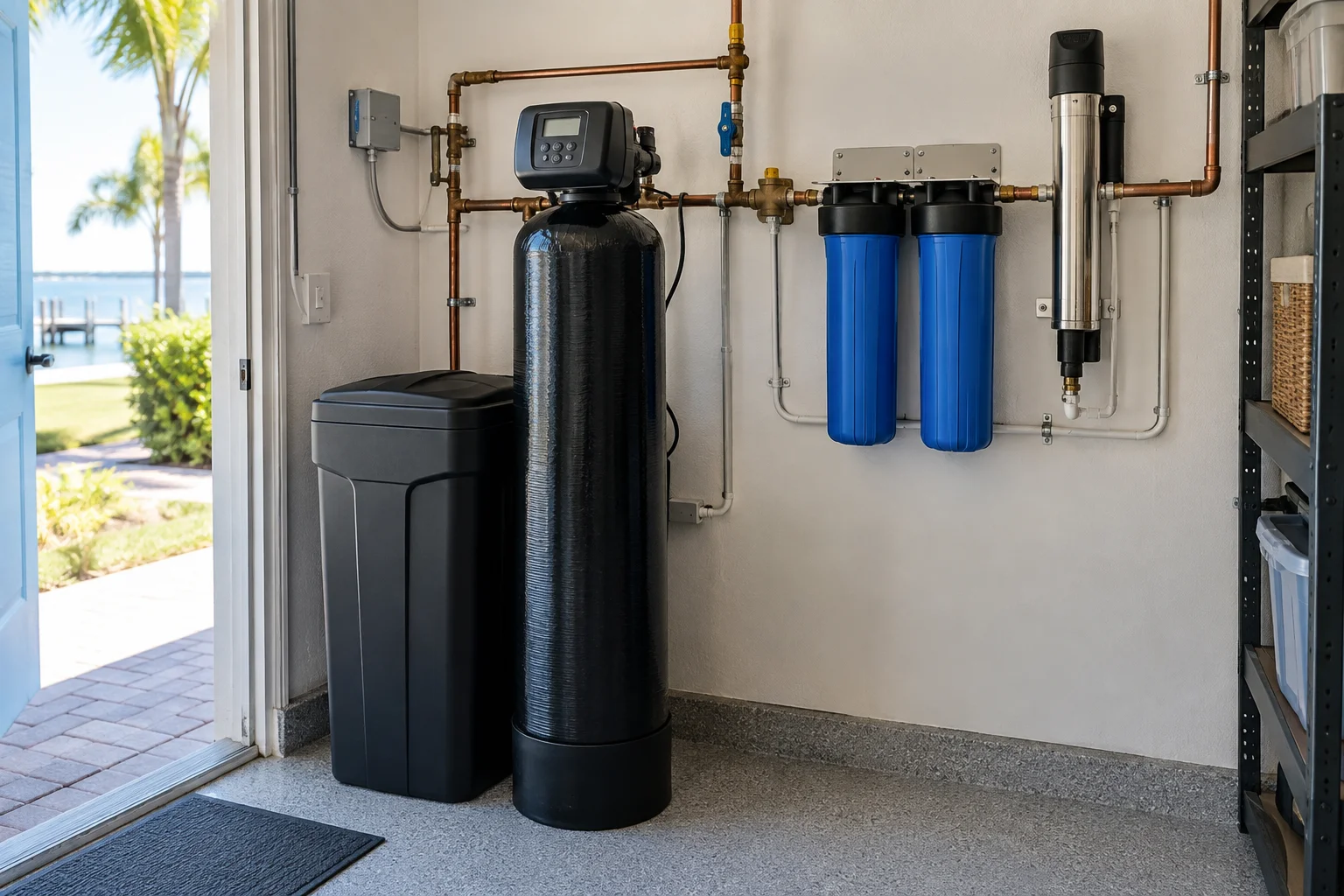
Water softening changes how hardness minerals behave. Instead of letting calcium and magnesium form scale deposits, a softener uses a process that replaces those minerals with sodium or potassium ions. The exact setup depends on the system design, but the goal stays the same: reduce hardness so your home experiences fewer mineral deposits.
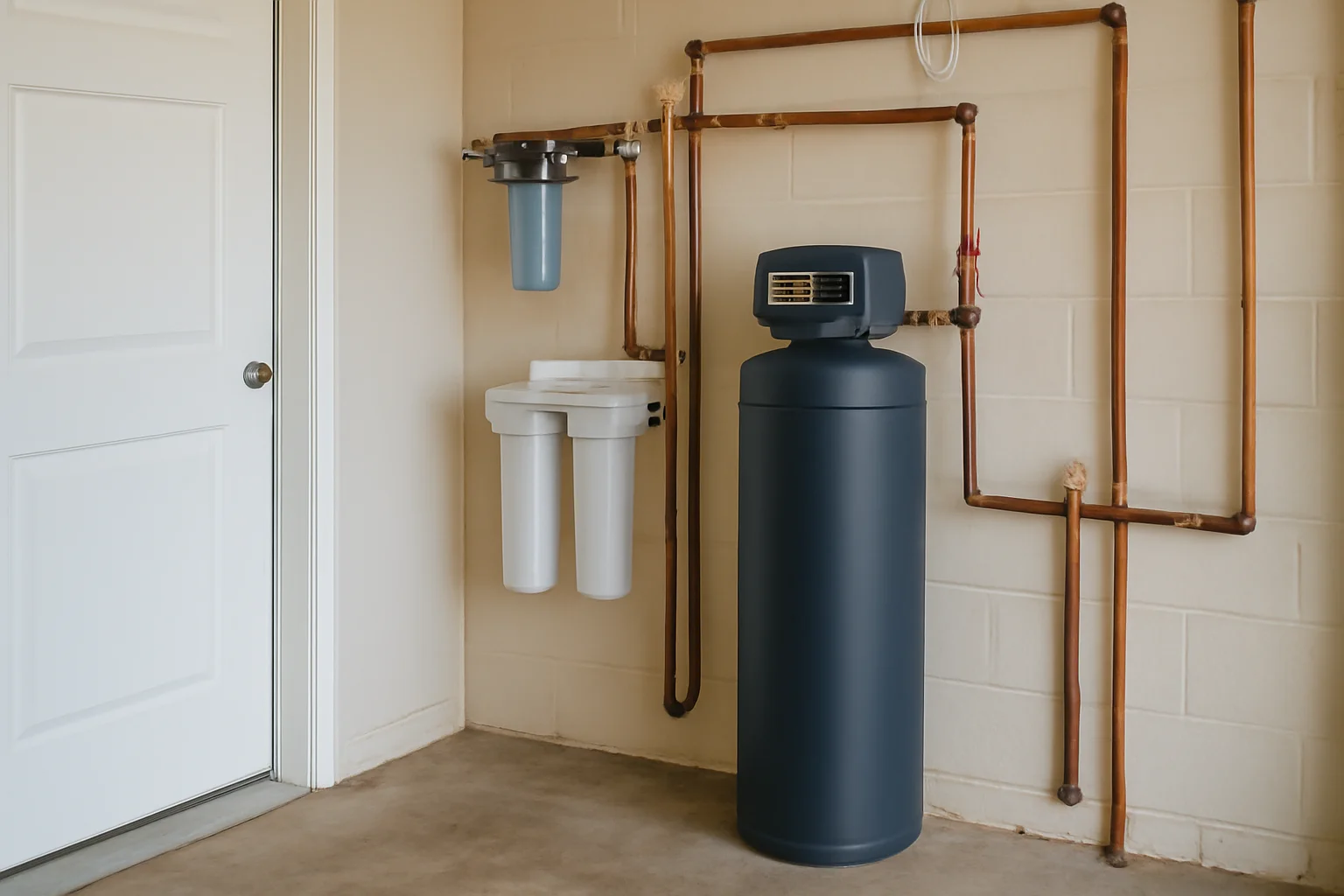
When you choose AO Smith water softener solutions through a qualified local provider, you can expect a system built for long-term performance and serviceable components. The important part is matching the system size and settings to your household water use and hardness level.
What a properly sized softener can protect
When hard water treatment becomes part of protecting fixtures and appliances, you typically see improvements in:
- Appliance lifespan, since scale can reduce efficiency in water heaters and other hot water dependent equipment
- Plumbing performance, since scale buildup can narrow passages over time
- Cleaning effort, since soap does not have to fight as much mineral hardness
- Fixture appearance, since scale buildup around faucets and showerheads slows down
Softening versus reverse osmosis and whole home water filtration
Homeowners often ask whether they should choose water softening, reverse osmosis, or whole home water filtration. The most helpful answer is that many homes benefit from the right combination, depending on what is in your water and what problems you are seeing.
Water softening focuses on hardness
Softening reduces scale and improves how soap and detergent work. It is usually the core solution for households dealing with hard water spots on glass, scale buildup on faucets, and dry skin from hard water.
Reverse osmosis improves drinking and cooking water
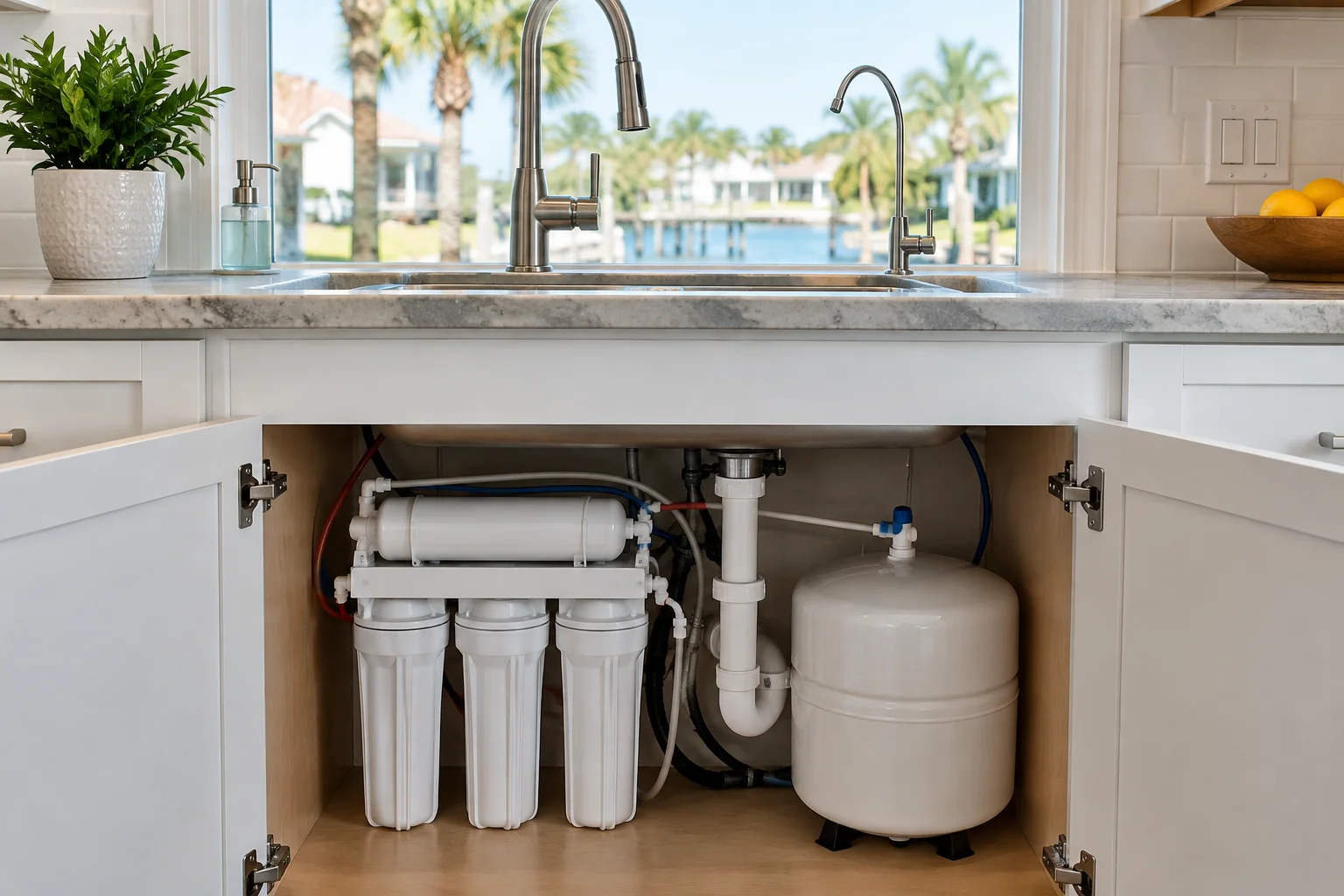
Reverse osmosis systems are commonly used for kitchen drinking water because they can remove a wide range of dissolved impurities. If your family notices metallic tasting water, cloudy ice cubes, or poor tasting coffee and cooking water, reverse osmosis can help make the kitchen experience more enjoyable.
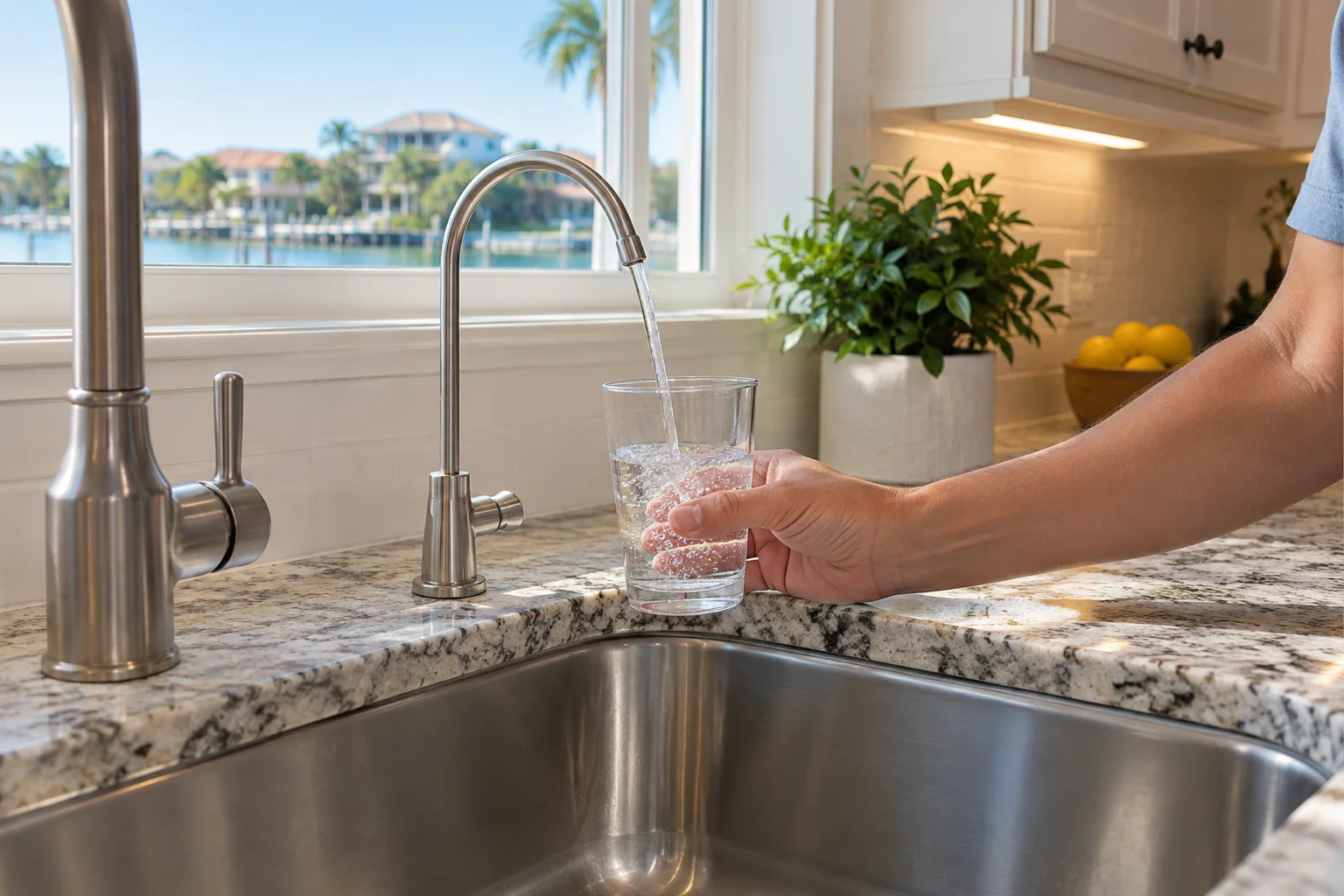
Many Springfield families set up a reverse osmosis tap at the sink for drinking and cooking while using softening and other filtration elsewhere in the home.
Whole home water filtration supports clean water systems throughout the house
Whole home water filtration can help reduce sediment and other contaminants before water reaches fixtures, laundry, and appliances. That is often a good match for homeowners searching for clean water systems near me, especially when they want consistent water quality across bathrooms and kitchens.
If you are exploring options, you can review the approach on our water filtration and reverse osmosis water softeners page. It is a helpful place to see how different systems can work together.
What better water looks like inside a Springfield kitchen and bathroom
Water treatment is not just a technical topic. It shows up in daily routines.
Drinking water and cooking water that tastes cleaner
Picture a typical Springfield weeknight: someone fills a glass, pours coffee, or starts pasta with water from the kitchen tap. When you have better water for drinking and cooking, you are more likely to notice that coffee tastes less bitter or “off,” and food water does not leave residue behind. If you have been dealing with metallic tasting water or unpleasant taste, a combined approach that includes softening and filtration can make a noticeable difference.
Dishwashing that does not leave a film
Hard water spots on glass and dull dishes can make even a clean dishwasher feel like it is not doing the job. With reduced hardness, you are more likely to see clearer glassware and easier cleanup. Families often report that it takes less re-washing and less scrubbing.
Bathing comfort and laundry that feels fresher
When soap does not fight hard water minerals, shampoo and body wash can rinse more cleanly. That can mean less dry skin and hair that feels more manageable. Laundry can also improve because detergent can work more effectively, and towels may feel less stiff.
Fixtures that stay cleaner longer
Scale buildup around faucets, showerheads, and shower doors is one of those issues that seems never-ending. Softening can slow scale formation, so fixtures stay cleaner between wipe downs. You may also find that routine cleaning requires less effort.
Why local water treatment service matters in Springfield, FL
Water treatment is not one-size-fits-all. Your household plumbing layout, water usage, and local water conditions all influence the right system. Springfield homes can vary widely in plumbing age, water heater type, and how much hot water the household uses.
A local provider can help you choose equipment that matches your needs and can also support ongoing service. That includes verifying settings, monitoring performance, and making sure the system continues to run efficiently.
If you want to explore water softening options for your area, you can read more about our service on our Springfield water softening page, or browse the wider service area at the Bay County water treatment coverage and the Springfield service area overview.
Choosing an AO Smith water softener and the right system setup
Many Springfield homeowners choose AO Smith water filtration and softening solutions because the equipment is designed for residential performance and serviceability. Still, the best results depend on correct sizing and installation.
System size and household water use
A softener that is too small may regenerate too often or fail to keep up with demand. A unit that is oversized can also be inefficient. The right system size is based on your water hardness, plumbing configuration, and household usage patterns such as laundry frequency and hot water demand.
Proper installation protects performance
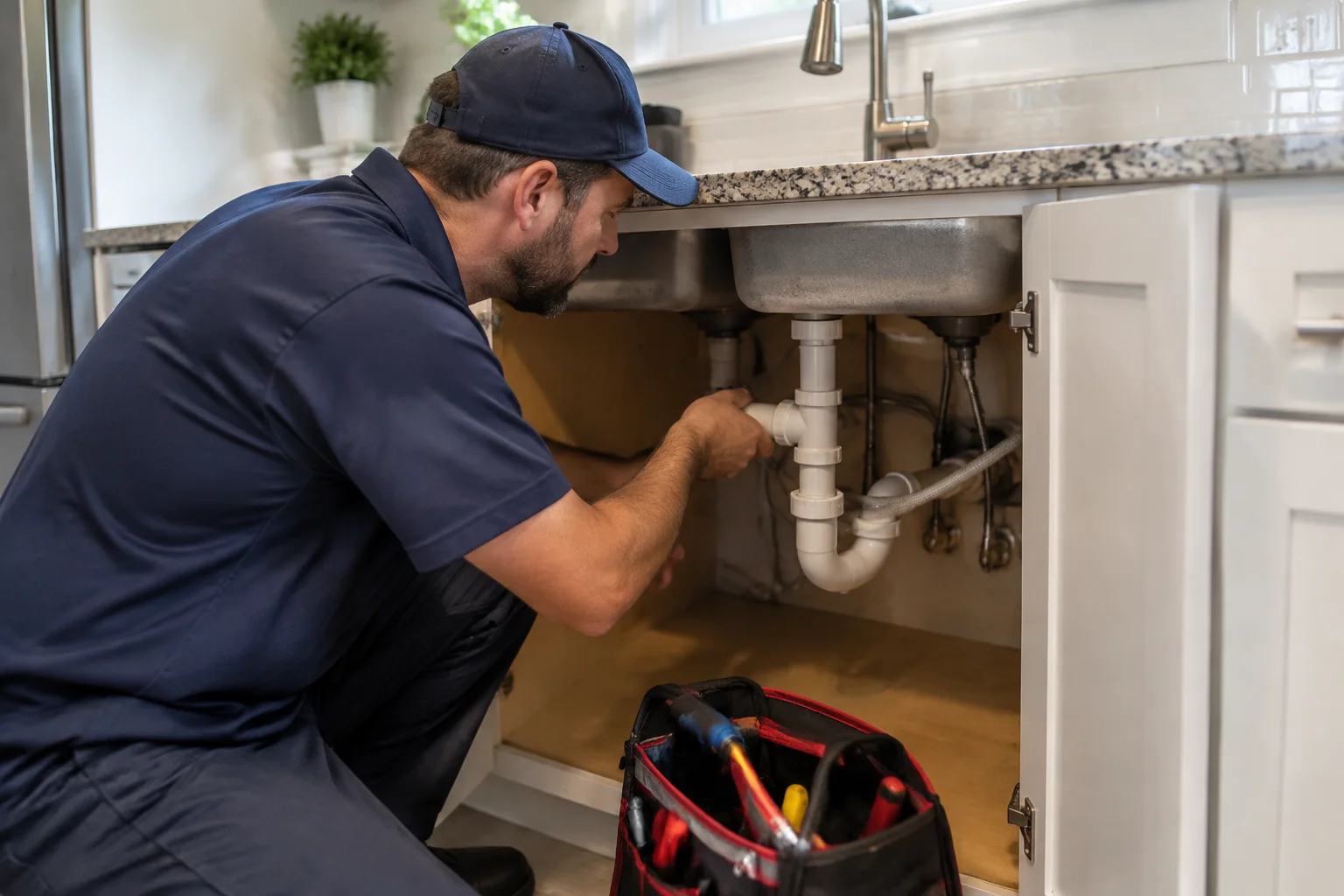
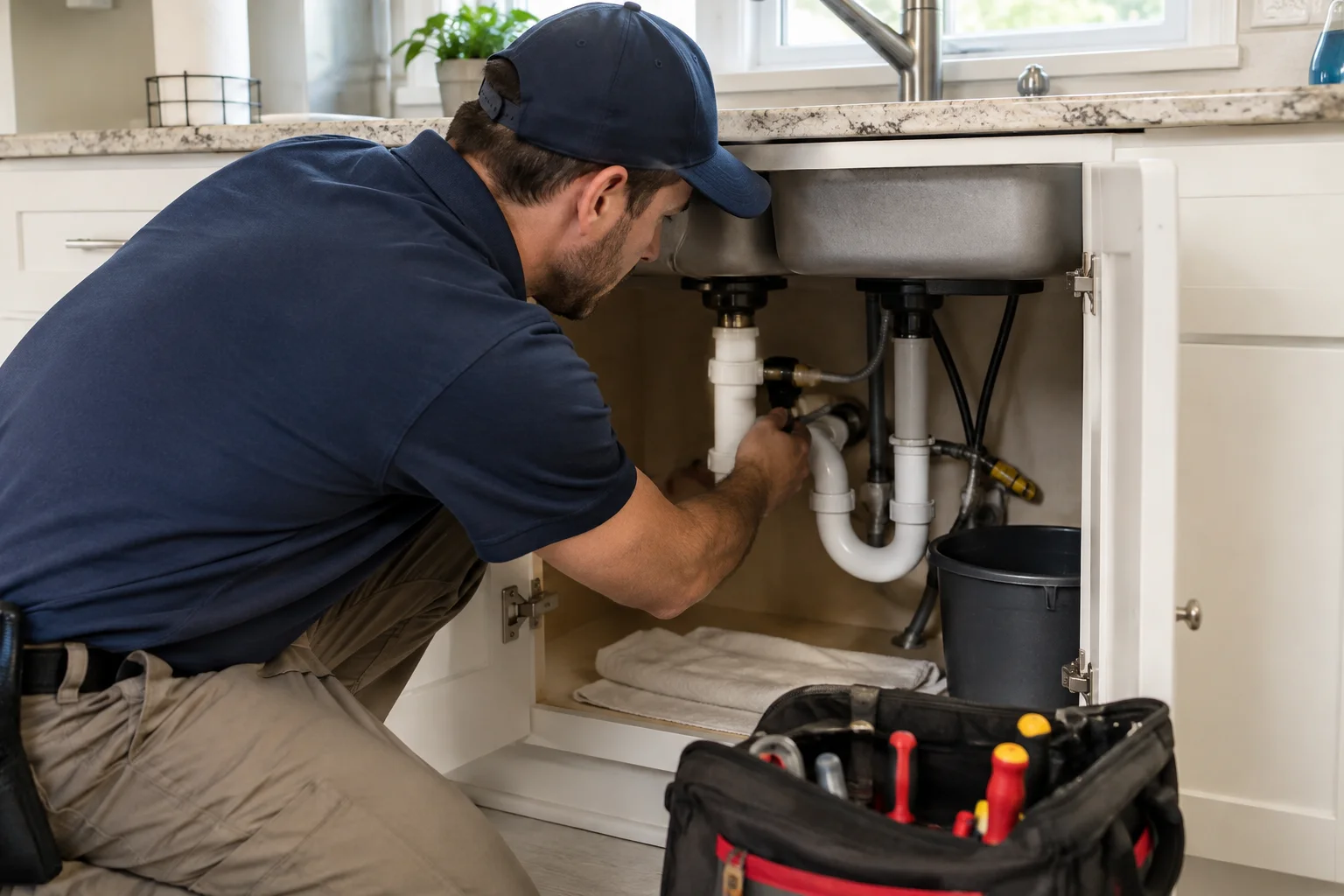
Installation details matter. Correct plumbing connections, bypass setup, drain line routing, and programming settings can affect how the softener performs over time. A professional installation also helps protect your home from leaks and ensures the system operates safely.
Maintenance keeps water quality consistent
Even the best equipment needs regular care. Salt levels, regeneration timing, and filter components (when included in a full water treatment plan) should be monitored. Homeowners can take simple steps, like keeping the system supplied with the right salt type, but professional service helps catch issues early.
Maintenance and prevention: keeping scale under control
You can reduce hard water effects even before a full system is installed. These habits help, but they do not replace proper water softening when hardness is the root cause.
Watch for early buildup
When you see the first hints of hazy glass or rough spots around faucets, address the problem. Waiting until scale buildup becomes heavy can make cleaning harder and can increase strain on appliances.
Use cleaning methods that do not damage surfaces
For fixtures and shower doors, use cleaners appropriate for mineral deposits and safe for the surface finish. Harsh methods can damage coatings and finishes, especially on newer fixtures.
Test water as part of a clean water plan
If you notice metallic or chlorinated taste, cloudy ice, or odor changes, ask about water testing. A water treatment assessment helps determine whether you need water softening, whole home water filtration, reverse osmosis, or a combination.
Plan for appliance protection
Hard water can wear appliances out faster. If your water heater, dishwasher, or coffee maker seems to need repairs sooner than expected, scale buildup may be part of the story. Softening and filtration can help reduce the mineral load that accelerates wear.
When to call A Superior Mechanical for water softening service
Call a professional when you see multiple hard water indicators at the same time, or when you suspect water quality issues beyond hardness. A Superior Mechanical can help Springfield homeowners select and maintain the right system based on the problems you are experiencing.
Clear reasons to schedule service
- Hard water spots on glass persist even after careful rinsing
- Scale buildup around faucets and showerheads keeps returning quickly
- Your family reports dry skin from hard water or dull hair after bathing
- Soap does not lather or laundry feels coated
- You notice cloudy ice cubes, metallic tasting water, or poor tasting coffee and cooking water
- There is visible sediment, discoloration, or odor concerns
For homeowners searching for water softener service or clean water systems near me, the fastest path is an evaluation that considers both hardness and taste or contaminant concerns. That is where combining water softening with whole home water filtration near me or reverse osmosis installation can make sense.
Common questions Springfield homeowners ask about softening
Many questions come up once families start noticing hard water in the bathroom and kitchen. Here are a few that help homeowners plan the next step.
Will a softener eliminate every taste and odor issue?
Softening targets hardness. If you also have metallic, chlorinated, or unpleasant taste concerns, you may need additional filtration. A professional water treatment plan can include AO Smith water filtration options and reverse osmosis for drinking water.
Can I still use my current fixtures and appliances?
Yes. Softening helps reduce ongoing scale buildup. If fixtures already have heavy mineral deposits, cleaning may be needed, but the goal is to prevent the problem from accelerating.
Is whole home water filtration worth it?
For many Springfield households, it can be. Whole home water filtration near me searches often come from homeowners who want consistent water quality across showers, laundry, and kitchen use. It can also complement softening for a more complete clean water systems approach.
If you are building a whole home water purification plan, it can help to review our water filtration and reverse osmosis water softeners resources and then discuss your needs with a local water treatment professional.
And if you want to understand how local service coverage works across the area, visit the Springfield service area page or our Bay County coverage.
While this article focuses on water treatment, homeowners often find that better water and better maintenance go together. If you are also dealing with plumbing issues, you may find it useful to read Keeping Springfield Drains Clear Before Small Plumbing Problems Spread and Why Springfield Families Benefit from Sewer Camera Inspections Before Small Plumbing Problems Grow. Those articles can help you protect your home from problems that show up after water and minerals have been causing stress for a while.
For households with older plumbing or frequent hot water use, pairing water softening with smart water heater planning is also a good idea. You can explore A Springfield Homeowner’s Guide to Smarter Water Heater Installation and Fewer Plumbing Surprises to reduce surprises and protect performance.