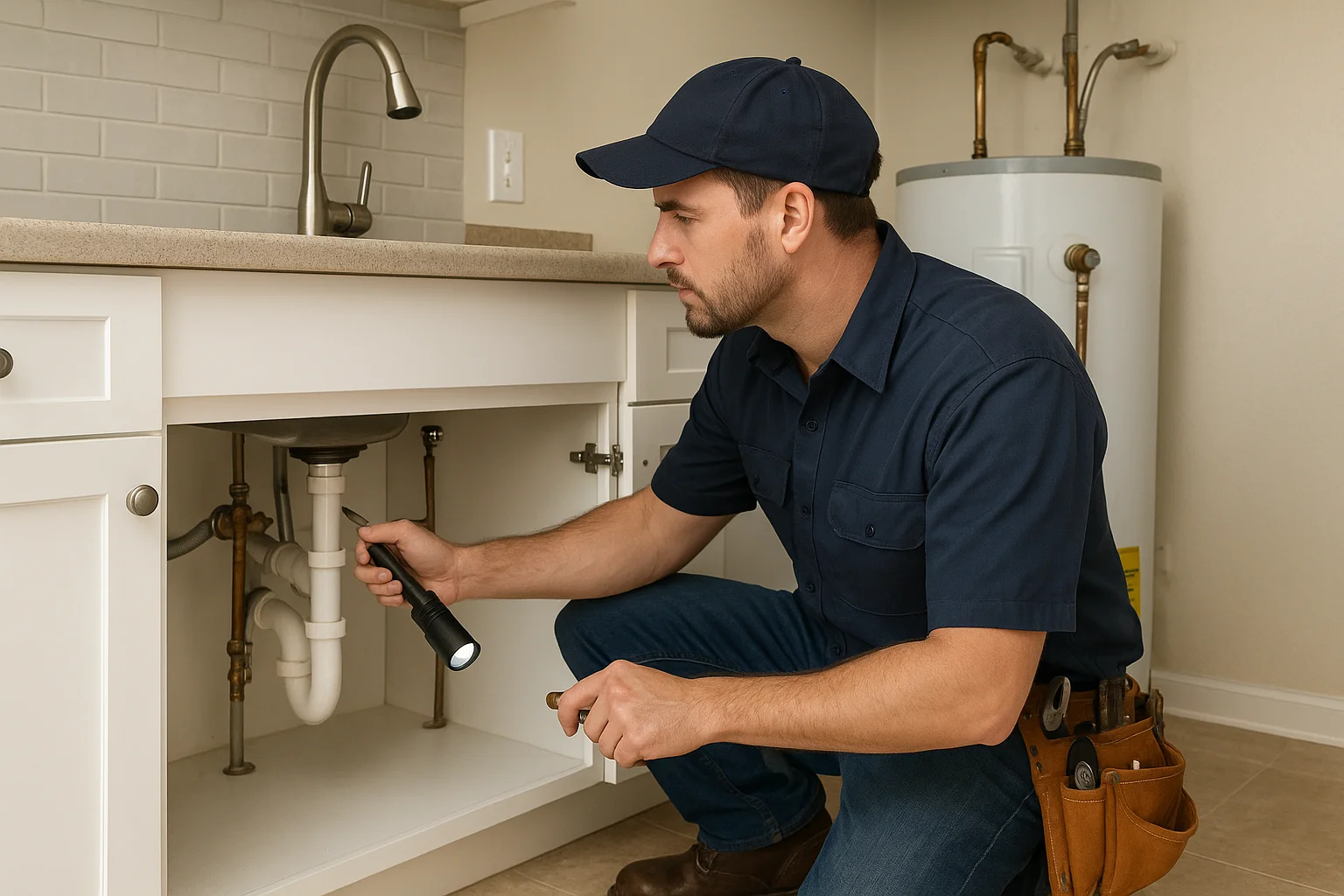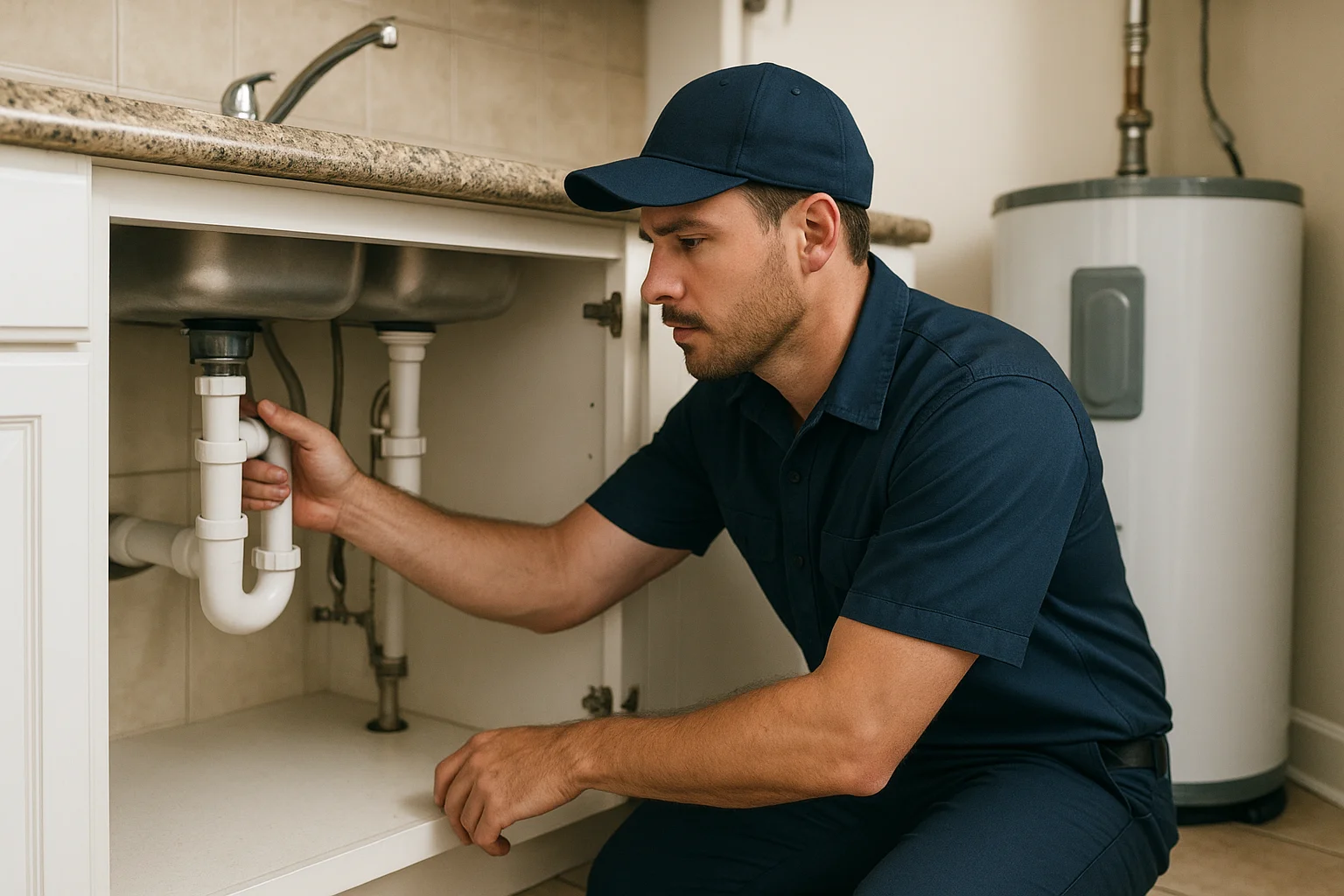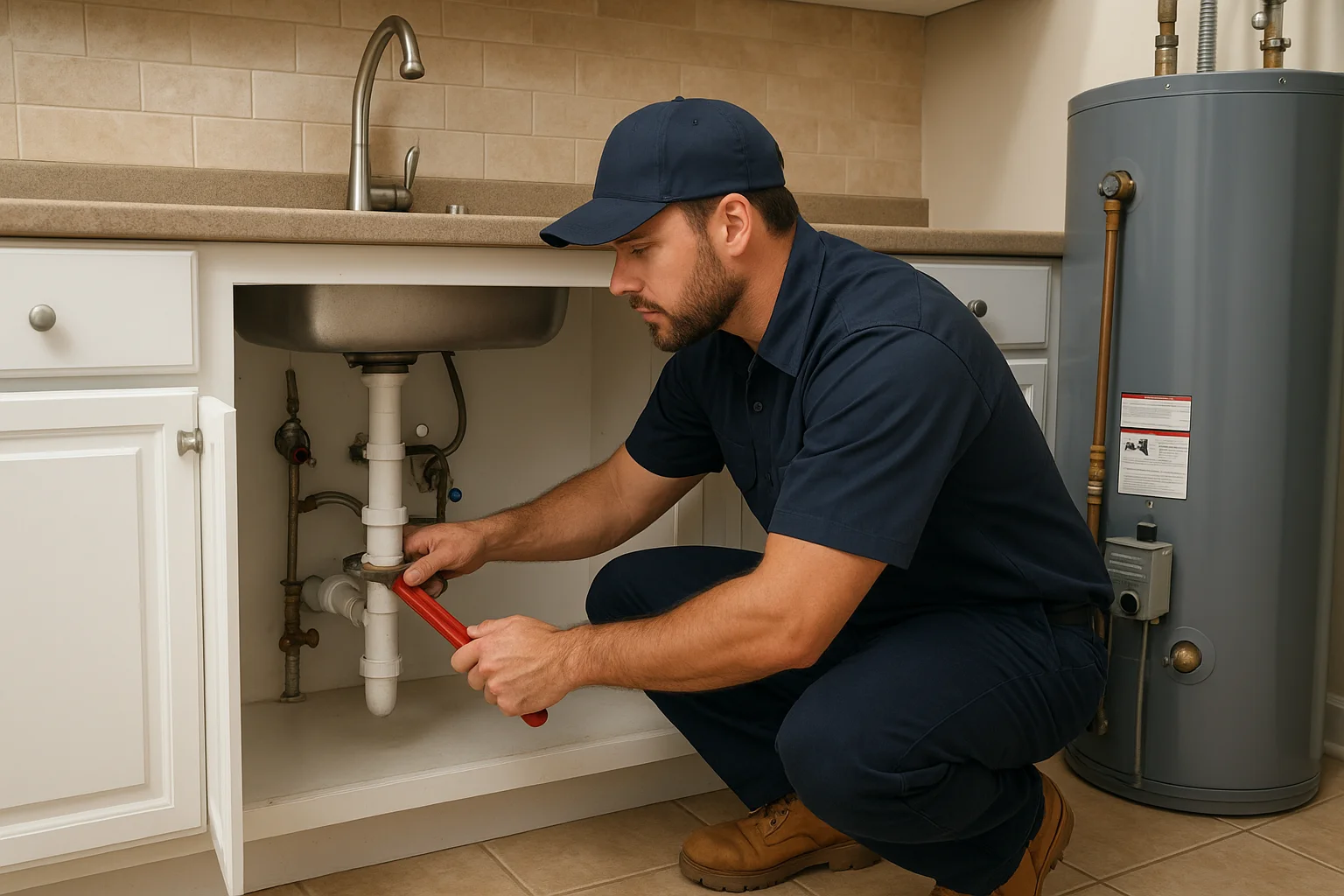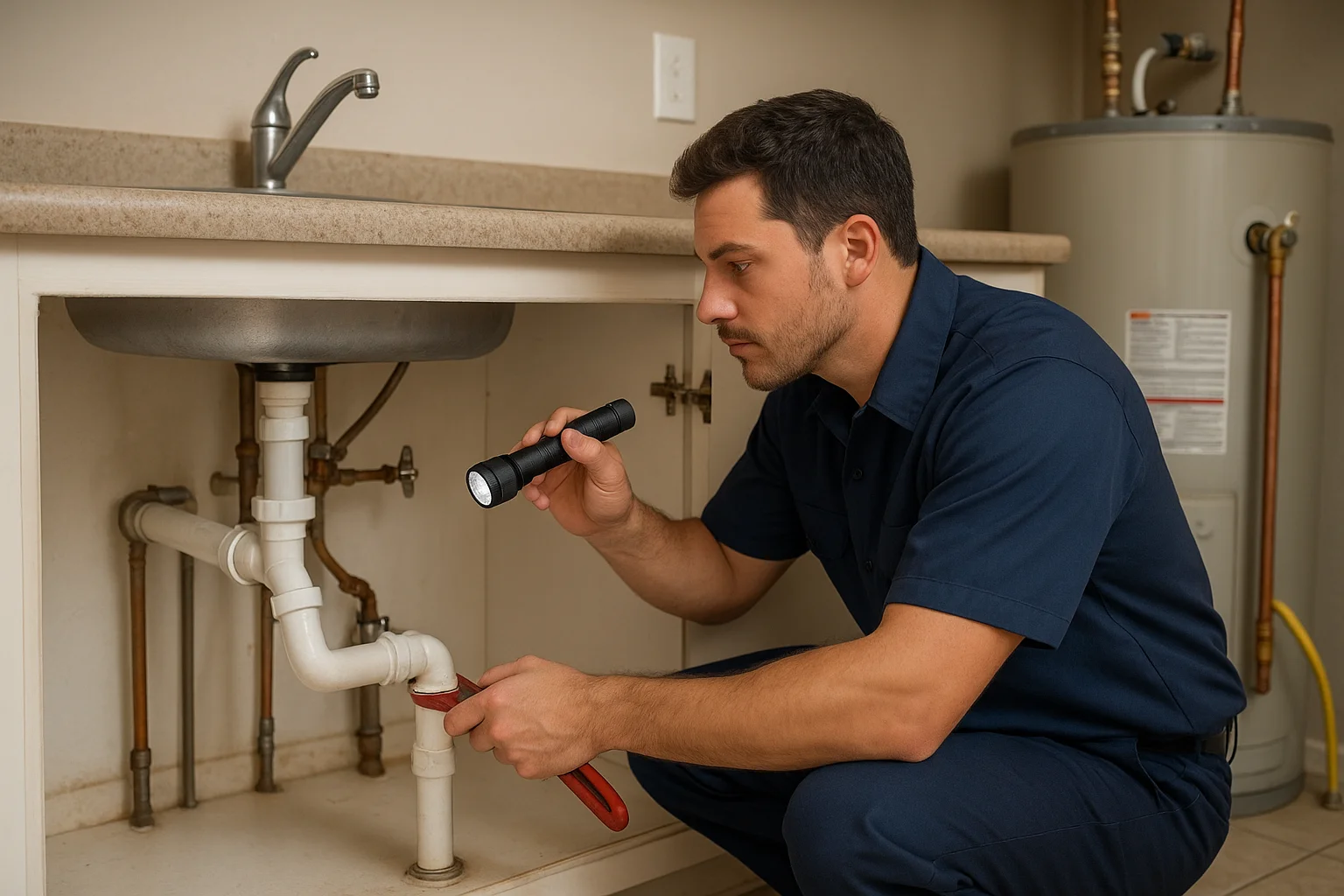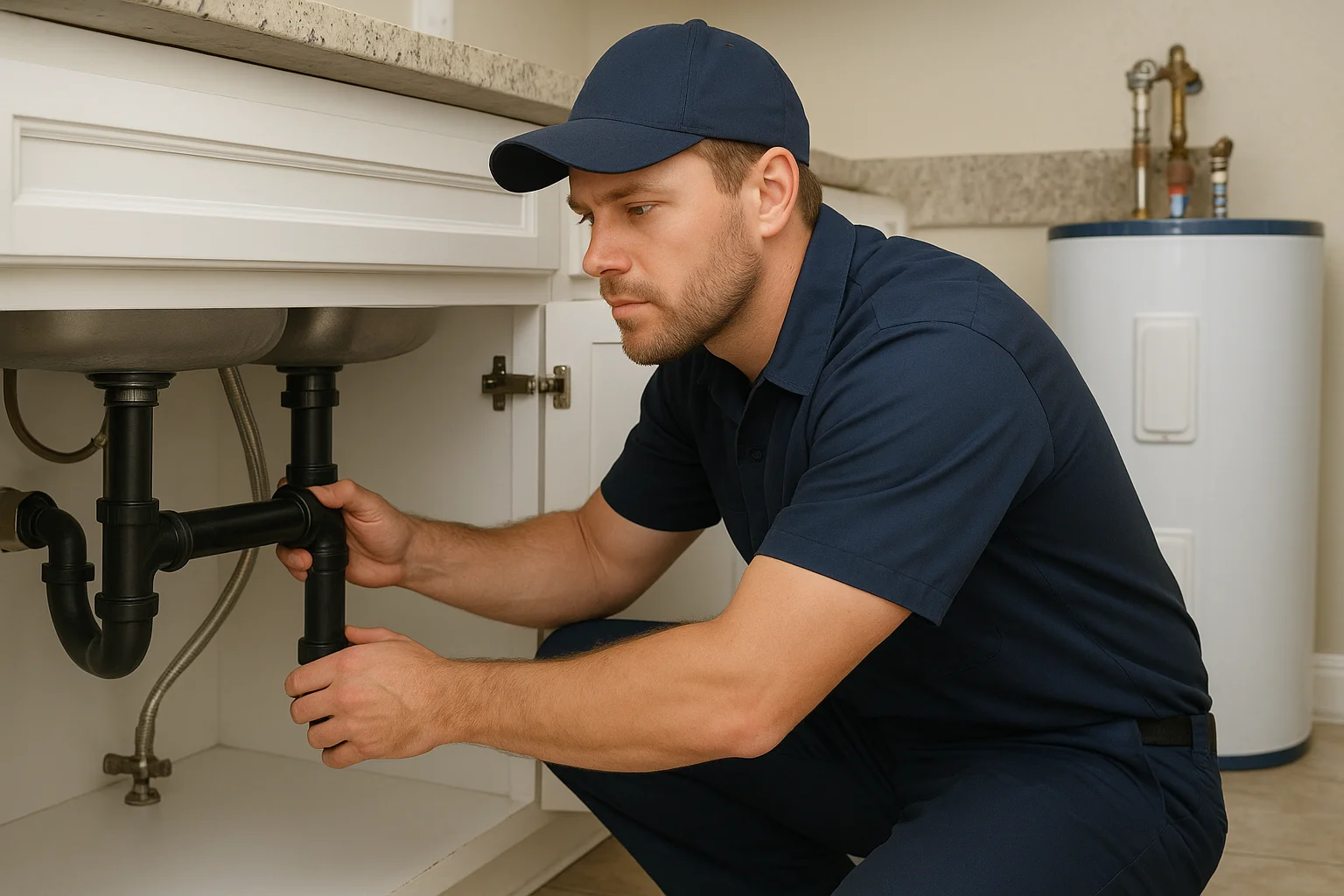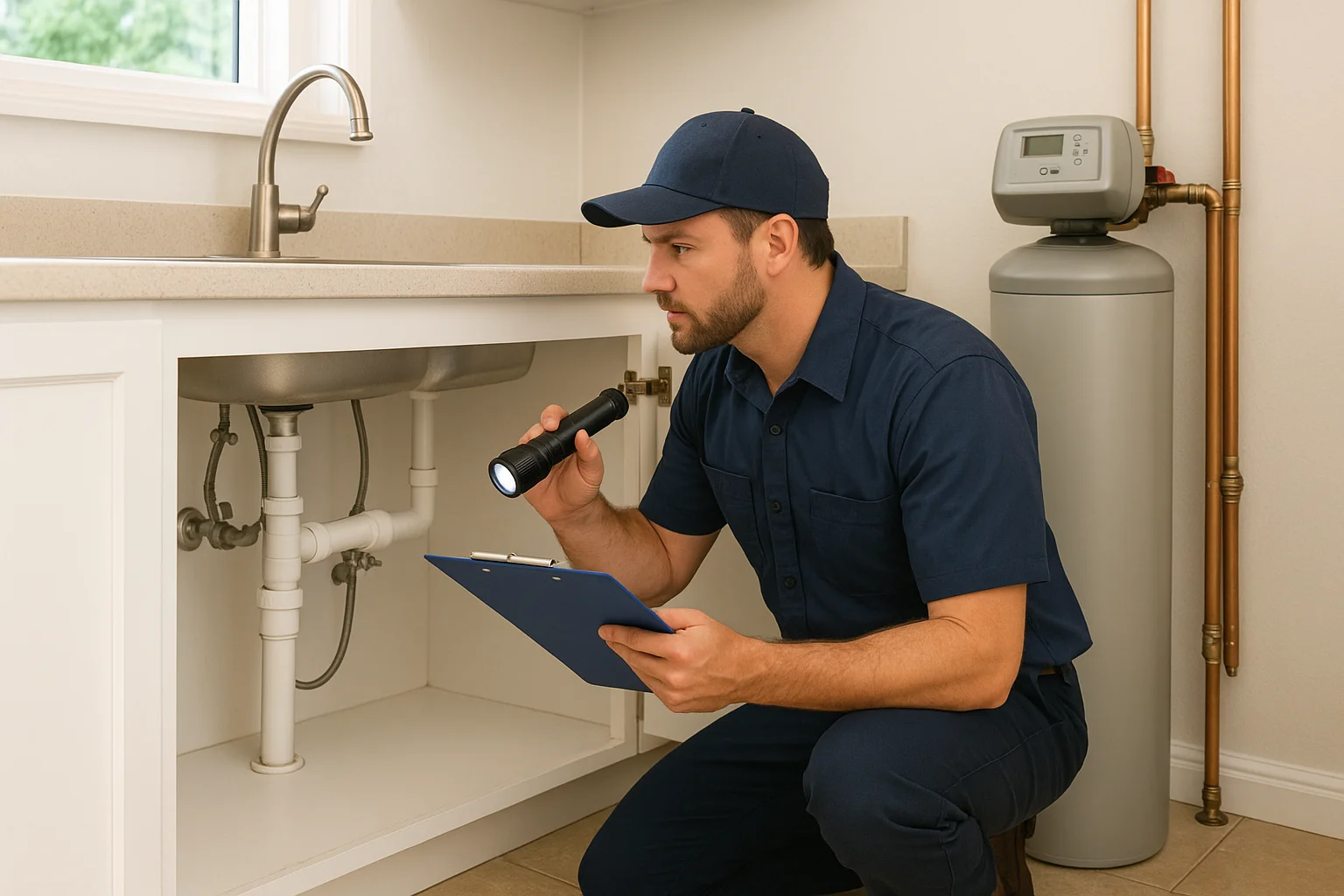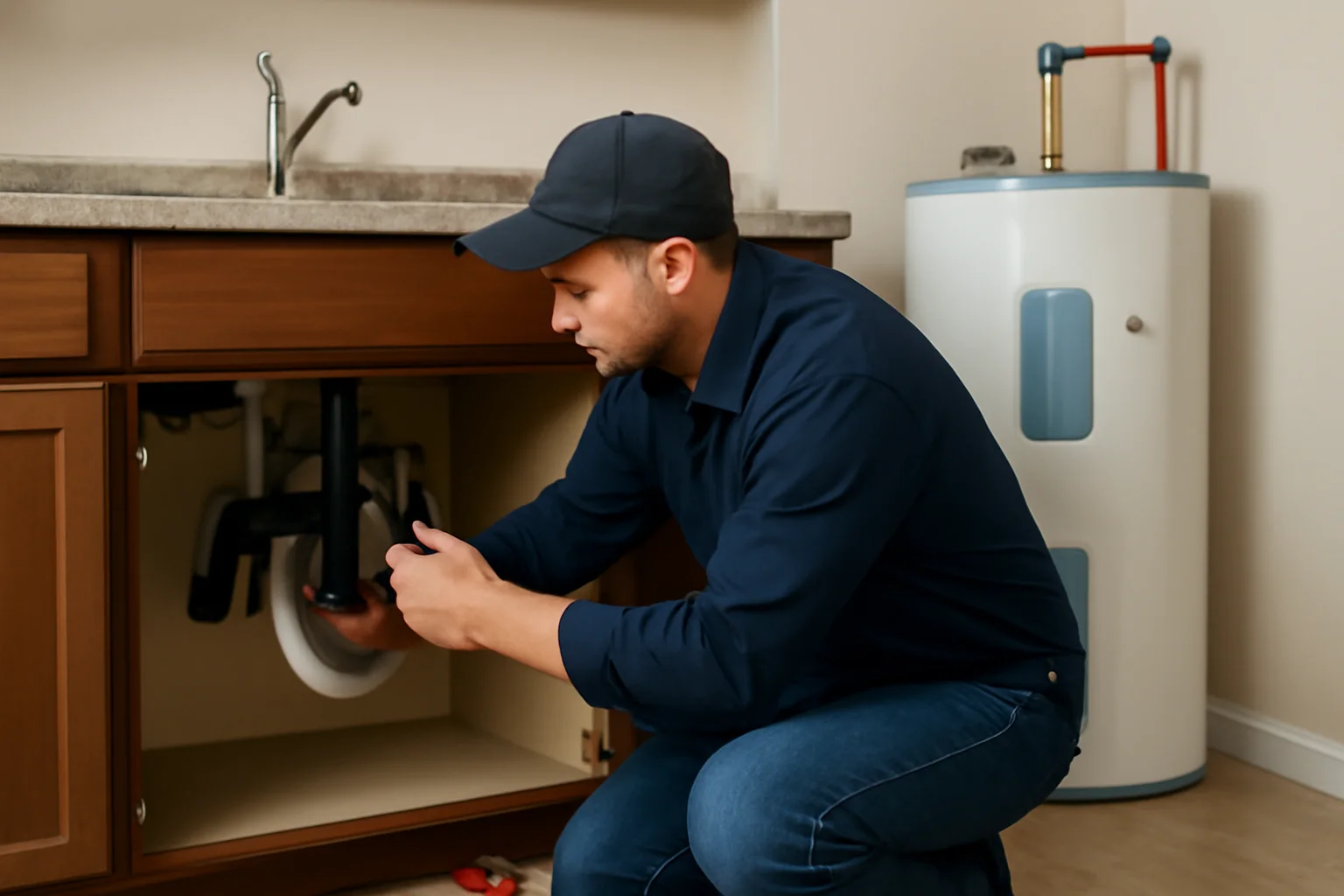
Bluewater Bay homes sit in a humid, coastal climate where plumbing gets tested every day. Salt air, hard water, and heavy seasonal water use can wear out washers, corrode fittings, and clog drains. When a fixture starts acting up, replacement can be more than a cosmetic upgrade. It is also a chance to reduce leaks, improve water pressure, and prevent drain and sewer line problems from turning into emergency plumbing concerns.
This guide covers what homeowners in Bluewater Bay, FL should know about plumbing fixture replacement, including common failure causes, how replacement affects drains and pipes, and how to plan the job with a local plumber near you.
Why fixture replacement matters in Bluewater Bay
Plumbing fixtures are the visible end of a bigger system. Under every toilet, sink, and shower handle are connections to supply lines, shutoff valves, drains, and sometimes venting. When those connections degrade, the fixture becomes the first thing you notice, even if the underlying issue is in the pipework.
In Bluewater Bay and across Okaloosa County, many homes deal with hard water. Mineral buildup can clog aerators, reduce water pressure, and accelerate wear on valves and cartridges. Over time, that can lead to dripping faucets, slow toilet fills, weak shower flow, and recurring leaks around bases and supply lines.
Replacement also helps when your household water use changes. More people in the home, more laundry, and more showers during warm Florida months can stress older plumbing and make small problems show up faster. If you are researching “plumber near me” because a fixture is acting strange, it is smart to think beyond the handle and consider the entire connection.
Common fixture problems that often point to deeper plumbing issues
Not every fixture problem requires replacement, but many do. Here are some of the most common issues Bluewater Bay homeowners run into and what they may indicate.
Toilet that runs, rocks, or leaks at the base
A toilet that runs can be a worn flapper, but it can also be a fill valve issue or a supply line problem. A toilet that wobbles or leaks at the base can mean a failed wax ring, a cracked flange, or shifting on older flooring. If you notice recurring moisture, do not just keep tightening bolts. Water can travel behind finishes and contribute to subfloor damage.
If you are searching for “toilet repair near me” and the issue keeps coming back after minor adjustments, fixture replacement plus a proper seal and flange check may be the safer long-term fix. This matters even more in homes with older slab or floor structures, where leaks can become harder to detect.
Faucets that drip or won’t shut off fully
Dripping faucets are often cartridge or washer wear. In hard water areas, mineral deposits can also prevent smooth valve sealing, leading to constant seepage. A slow drip might seem minor, but it can waste significant water over time and can contribute to water pressure swings at other fixtures.
When replacing a faucet, a pro will also check the condition of supply lines and shutoff valves. If the shutoffs are stiff or corroded, replacement may be paired with waterline replacement to avoid a future failure.
Shower issues: weak flow, inconsistent temperature, or clogged drains
Shower problems can come from the fixture itself or from the plumbing behind it. A weak spray might be caused by a clogged showerhead, mineral buildup in the valve, or low pressure from supply line restrictions. A shower that drains slowly can be a clogged drain, a venting issue, or hair and soap buildup.
If you are dealing with a “shower drain clog repair near me” search turning into a recurring problem, fixture replacement alone may not solve the drainage side. In many cases, the right approach is to address the drain and confirm the water flow path before installing the new shower trim.
Sinks and garbage disposals that drain poorly
Slow sink drains and disposal issues are common in kitchens where food particles and grease build up. A disposal that hums but will not turn can signal a jam, while recurring clogs can point to improper drain maintenance or a partially blocked main drain line.
For households experiencing “garbage disposal repair near me” or “clogged drain repair near me,” it helps to inspect the full route from the sink to the main line. That is where leak detection and slab leak repair can also matter, because water escaping in hidden areas can worsen surrounding moisture and create conditions that accelerate corrosion.
What to expect during fixture replacement in a Bluewater Bay home
A smooth replacement is not just about swapping the fixture. It is about matching the new part to your plumbing system and confirming that the connections are correct. Here is how a professional typically approaches the job.
1) Inspection of the existing plumbing connections
Before installing a new toilet, faucet, shower fixture, sink, or disposal, a plumber near you should inspect supply lines, shutoff valves, drain connections, and the condition of the mounting surface. If a shutoff valve is failing, it is often replaced during the same visit to prevent emergency shutoff problems later.
2) Confirming water pressure and flow
Bluewater Bay homeowners sometimes notice that a new fixture “does not work right” when the real issue is water pressure. Water pressure affects flow rate, shower performance, and even how toilets complete their fill cycle. A local pro will check pressure and ensure the fixture’s flow requirements match your system.
If your household also has hot water performance issues, you may need to coordinate plumbing fixture replacement with water heater replacement or service. Hot water heater problems can show up as weak flow or inconsistent temperature at the shower, which can be mistaken for a valve issue.
3) Proper sealing and alignment of drains and supply lines
Toilets require a correct seal at the flange. Faucets and shower fixtures require tight, leak-resistant connections. Disposals need correct mounting and plumbing connections that prevent backflow and drain leaks.
When fixtures are installed without proper alignment or without addressing deteriorated parts, leaks can develop slowly. Those leaks can become harder to spot and may contribute to slab leak concerns depending on your home’s layout.
4) Testing for leaks and confirming drainage
A quality install includes testing. That means running water, checking under sinks and around toilets, and verifying that drains clear appropriately. For kitchen sinks and bathroom drains, it also helps to confirm the venting is not compromised, since vent problems can cause gurgling and slow drainage.
Fixture replacement and your drain system: the part homeowners forget
Many people focus on the visible fixture and overlook what happens to drains, vents, and nearby pipes during replacement. But fixture upgrades can expose existing drain issues.
For example, when replacing a sink, the plumber may need to disconnect the drain assembly and check for buildup or corrosion. When replacing a toilet, the old wax ring may have been compensating for an imperfect flange. When installing a new shower valve or trim, the plumber may confirm that the drain line is clear enough to handle typical usage.
In homes where drainage has been slow for months, a new fixture can still drain poorly. If you are dealing with “main drain cleaning near me” or recurring clogs, consider addressing the drain line before or during fixture replacement. That helps prevent repeated calls for plumbing repair right after the upgrade.
Hard water, corrosion, and why local maintenance helps
Hard water is a frequent culprit behind fixture wear in Bluewater Bay. Mineral buildup can clog aerators, seize valve parts, and reduce performance over time. It can also contribute to scaling inside pipes, which may lead to reduced water pressure and more frequent plumbing repair.
Corrosion is another factor, especially in older homes or homes with older supply lines. When you replace a fixture, the plumber should check the condition of visible connections and recommend repairs if parts are near failure. This is also why preventative steps matter.
If you want a broader approach to reducing plumbing surprises, you may find this helpful: Cleaner Water, Fewer Plumbing Surprises: A Bluewater Bay Guide to Home Purification.
Planning the upgrade: budget, parts, and timelines
Fixture replacement costs vary depending on what you are replacing and whether there are hidden issues. The best way to avoid surprises is to plan for a realistic scope.
Budget for more than the fixture
Homeowners often price the toilet, faucet, or shower trim and assume that is the full cost. In reality, labor may increase if shutoff valves need replacement, if drain parts are corroded, or if the mounting surface needs repair. In some cases, fixture replacement includes small pipe repairs or coordination with plumbing installation work.
Timeline considerations in Florida humidity
Humidity can slow drying after repairs and can make small leaks more noticeable. If a leak has been active for a while, there may be moisture in cabinetry or around flooring. That can affect how long it takes to complete the job and how soon you can use the fixture normally.
Choose compatible parts for your existing plumbing
Not every “universal” fixture fits every system. Thread sizes, valve types, and drain rough-ins matter. A professional will match the new fixture to your home’s plumbing to avoid repeated visits.
When fixture replacement becomes urgent plumbing repair
Most fixture replacements are planned upgrades. But sometimes you need fast action because a plumbing problem is escalating.
Emergency signs to take seriously
- Water leaking continuously under a sink, around a toilet base, or from a supply connection
- A sudden burst pipe repair situation, especially if water is pooling near walls or under cabinets
- Sewer backup repair concerns, such as foul odors, gurgling drains, or waste backing up into tubs or toilets
- Severe clogs that prevent toilets or sinks from draining at all
If you are searching for “emergency plumber near me” because of a burst pipe, a growing leak, or signs of sewer backup, do not wait for a scheduled appointment. Contact a local plumbing pro right away so the problem does not spread.
How to prevent recurring fixture and drainage problems
Maintenance habits can extend the life of new fixtures and protect drains and pipes.
Use fixtures gently and avoid damaging components
Over tightening connections can damage seals. Slamming toilet tank lids can wear internal components. For faucets, avoid forcing handles when they feel stuck.
Watch water pressure and hot water performance
Sudden changes in water pressure can indicate a valve issue, a supply line restriction, or a bigger plumbing problem. If you notice pressure drops at multiple fixtures, it is worth scheduling plumbing repair before the issue worsens.
Keep drains clear before clogs become routine
Hair, soap residue, grease, and food particles build up over time. That is why regular drain maintenance matters. If you have recurring clogs, it may be time to plan professional drain cleaning rather than relying on store-bought chemicals.
For ongoing issues, you can also read: Staying Ahead of Plumbing Problems in Bluewater Bay Homes.
Know when a problem is really a sewer line or main drain issue
Sometimes a “fixture clog” is actually a main drain or sewer line problem. If you notice multiple drains slowing at once, recurring backups, or gurgling sounds, you may need sewer line repair. Homeowners searching for “sewer line repair near me” often discover that the right fix involves more than unclogging a single drain.
For guidance on broader system issues, explore the service options at /service-areas/okaloosa-county and then choose the right Bluewater Bay service page such as leak detection and slab leak repair.
Choosing A Superior Mechanical for fixture replacement in Bluewater Bay
Fixture replacement is one of those projects where the details matter. A quality installation protects your home from leaks, supports reliable water pressure, and keeps drains working the way they should. A Superior Mechanical focuses on plumbing solutions for homes, rentals, and commercial properties across Bluewater Bay and Okaloosa County.
If you are comparing options or searching “affordable plumber near me,” look for a team that explains the full scope, checks connections, and tests the system after installation. That approach reduces the chance of problems showing up weeks later.
For homeowners who want a direct service page, start here: plumbing fixture replacement in Bluewater Bay. If you want to understand the broader service area, visit the Bluewater Bay plumbing service area.
And if your home is also dealing with water quality or hard water concerns, pairing fixture upgrades with water purification planning can help reduce mineral buildup and extend fixture life. This is especially relevant in coastal Florida conditions.
If you are not limited to Bluewater Bay, you may also find this related resource useful: A Smarter Way to Handle Plumbing Fixture Replacement in Wright, FL.
Find Plumbing Fixture Replacement in Bluewater Bay, FL
If you need Plumbing Fixture Replacement in Bluewater Bay, FL, visit our local service page or contact A Superior Mechanical today.
Map of Bluewater Bay, FL
Frequently Asked Questions
How do I know if I need plumbing fixture replacement or just plumbing repair?
If the leak is coming from a worn part like a faucet cartridge or toilet flapper, repair may be enough. If the fixture base is leaking, the flange is damaged, or connections are corroded, replacement is often the more reliable long-term fix.
Will replacing a toilet or faucet improve water pressure?
A new fixture can help if the old one is clogged with mineral buildup or has a restricted aerator. If the pressure problem is caused by supply line issues or valve wear, the right solution may include additional plumbing repair.
Can a new sink or shower still drain slowly after fixture replacement?
Yes. Slow drainage can be caused by clogs in the drain line, venting problems, or buildup deeper in the pipes. If you have recurring clogs, ask about drain cleaning and how the plumber will confirm the system is clear.
What should I do if I suspect a slab leak or hidden leak near plumbing fixtures?
Stop using the affected water source if possible, watch for water pooling or damp drywall, and contact a plumber for leak detection. Hidden leaks can worsen quickly and may require specialized repair.
When is it appropriate to call an emergency plumber near me?
Call for emergency help if you have a burst pipe, active flooding, sewer backup signs, or a total drain blockage that prevents toilets or sinks from working. Fast action helps limit damage to floors, cabinets, and nearby plumbing.
Related Articles
Photo Gallery