Reverse osmosis (RO) systems are popular for homeowners in Camp Creek, FL who want cleaner, better tasting drinking water and safer water for cooking. When an RO system is working correctly, it should produce clear water, reduce unpleasant tastes, and help protect your appliances from some mineral and sediment issues. But when something changes, the warning signs are often visible right in your kitchen, bathroom, and laundry room.
This guide covers common water quality warning signs connected to reverse osmosis systems, what they usually mean, and which fixes make sense for local homes. If you are searching for water treatment near me or clean water systems near me, the best starting point is understanding what your RO system is telling you.
Why Camp Creek homes notice RO water quality changes fast
Camp Creek sits in Walton County, where many homes rely on municipal or blended sources that can vary in mineral content and treatment chemistry. Even when the water supply is generally safe, hardness minerals, sediment, and taste or odor compounds can show up in everyday life. With RO, the system is designed to reduce many of those issues for drinking and cooking water. That means changes in performance show up quickly in:
Kitchen drinking water, cooking water, filtered water for coffee and cooking, ice, and how your whole household experiences water at fixtures, showers, and appliances.
It also means RO maintenance matters. Filters and membranes are consumable components. When they drift out of range, water can look, smell, and taste different, and performance can drop.
Warning sign 1: Metallic, chlorinated, or unpleasant taste and odor
The most obvious RO warning sign is taste. If your RO drinking water starts tasting metallic, overly chlorinated, or simply “off,” the cause is often related to the pretreatment filters or the RO membrane.
Common causes include:
- Carbon filter saturation: RO systems typically use carbon filtration to reduce chlorine taste and odor. When the carbon is spent, those compounds can pass through.
- Membrane decline: A tired membrane can reduce contaminant rejection, which may change both taste and odor.
- Low system pressure or flow issues: If the system is not moving water correctly, it can struggle to perform as designed.
Family kitchen scenes usually make this easy to spot. Someone pours a glass for the kids, makes a pot of coffee, or fills a kettle for cooking, and suddenly the flavor is not right. That is a cue to check the RO system, not just “learn to live with it.”
Warning sign 2: Cloudy ice cubes or cloudy drinking water
Cloudy ice cubes can be caused by air bubbles, but persistent cloudiness often points to filtration problems. With RO, cloudy ice can show up when:
- There is visible sediment or fines: A failing sediment filter or membrane can allow particles to reach the faucet.
- Pressure or storage tank issues: If the system is not cycling properly, water quality can fluctuate.
- Sanitization is overdue: Biofilm and microbial growth can occur in neglected systems, especially if the system sits unused for longer periods.
Homeowners often notice this alongside other issues such as discoloration or a musty smell. If you are seeing cloudy ice cubes consistently, it is time to have the RO system inspected and serviced.
Warning sign 3: Visible sediment, discoloration, and odor concerns
RO systems are designed to produce clear water at the point of use. If you see sediment or discoloration, do not assume it is harmless. Visible issues can indicate:
- Spent pre-filters: Sediment filters protect the membrane. When they are clogged or worn out, particles can pass.
- Membrane stress or failure: A weakened membrane can reduce water clarity and increase contaminants.
- Improper installation or aging components: Tubing, fittings, and valves can wear over time.
For homeowners searching for home water purification near me, it is worth remembering that RO is not a “set it and forget it” product. The system is only as reliable as its maintenance schedule and component health.
Warning sign 4: Soap that does not lather or rinse well
Soap performance is one of the earliest clues that water hardness is affecting your home. Even if your RO system is only supplying drinking water at the kitchen sink, hard water can still be present throughout the rest of the plumbing. When soap does not lather or rinses poorly, you may be dealing with hard water scale and mineral buildup.
In Camp Creek homes, this often shows up in daily routines:
- Bathing: Dry skin from hard water and dull hair after bathing are common complaints.
- Shaving and hair care: Hair can feel rough, and products may not rinse clean.
- Laundry: Clothes may feel less fresh, and stains can cling.
RO alone does not replace whole-house hardness control. If you are dealing with dry skin from hard water, a water softener service may be the missing piece. Many households pair solutions, such as an RO drinking water system plus water softening or whole home water filtration.
Warning sign 5: Hard water spots on glass, dishes, and fixtures
Hard water spots are not just cosmetic. They are mineral deposits that build up when water evaporates on surfaces. If you notice persistent spots on glassware, dishes, shower doors, faucets, and plumbing fixtures, scale buildup is likely happening throughout the home.
Look for:
- White rings on glasses and mugs
- Spotting on showerheads and faucet aerators
- Scale buildup around faucets and plumbing
When hard water is present, appliances can wear faster. You may see reduced performance in water heaters, coffee makers, and other equipment that relies on steady water flow. When hard water treatment becomes part of protecting fixtures and appliances, you prevent the “slow damage” that shows up months later.
Warning sign 6: Scale buildup around faucets, showerheads, and plumbing
Scale is the physical evidence that minerals are precipitating out of water. It often forms at the hottest points and places where water is sprayed or aerated. If you are cleaning showerheads more often or finding mineral crust near faucets, the water quality issue is not limited to drinking water.
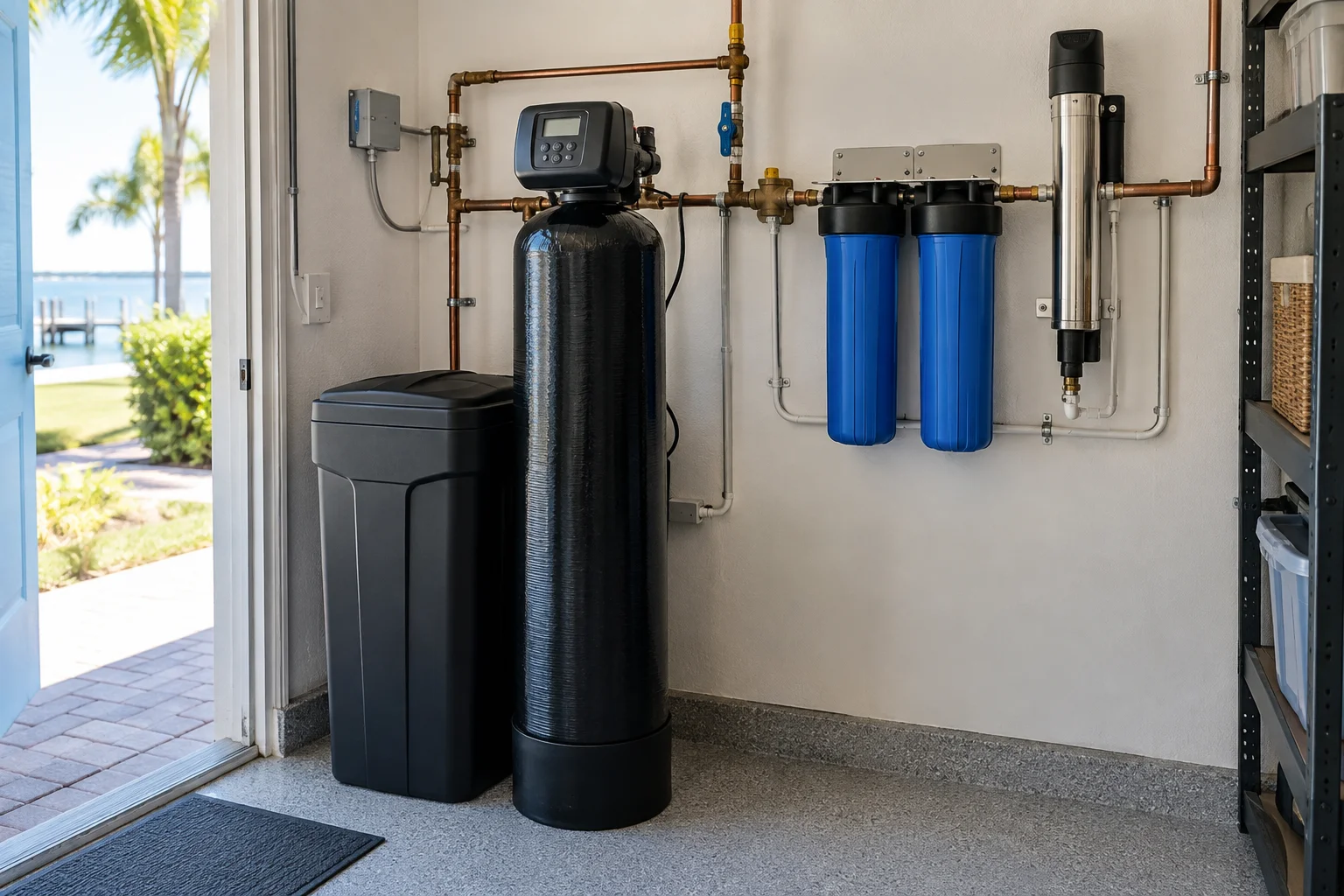
RO systems typically treat only the drinking water line. Whole home water filtration and water softening target the minerals and particulates that affect the entire plumbing network.
If you are also seeing RO warning signs such as taste and cloudy ice cubes, you may be dealing with more than one issue at the same time. A professional inspection helps sort out what is happening at the point of use versus throughout the home.
Warning sign 7: Poor tasting coffee and cooking water
Camp Creek homeowners often judge water quality by how it performs in a kettle or espresso machine. When filtered water for coffee and cooking starts tasting flat, bitter, or “chemical,” it is often tied to RO performance.
Common contributors include:
- Carbon filter exhaustion leading to stronger chlorine taste
- Membrane decline reducing contaminant rejection
- Inconsistent water flow that changes how the system concentrates and filters
If coffee tastes off, try running a small amount of RO water and check whether the taste quickly improves or stays the same. Either way, consistent poor taste is a strong signal for servicing the RO components.
Warning sign 8: Appliances wearing out faster
When water quality problems are active, appliances can show it. Homeowners may notice:
- Water heater recovery issues
- Reduced efficiency in steam irons and kettles
- Clogging or scale build-up in small appliances
This is where water treatment becomes a budget issue, not just a comfort issue. If you are seeing scale buildup around faucets and showerheads, those same minerals can shorten system life inside appliances.
For related plumbing system longevity, you may find it helpful to read A Practical Guide to Water Heater Replacement in Camp Creek, FL and the Plumbing Problems That Shorten System Life.
Warning sign 9: RO water quality changes after filter replacements or plumbing work
Sometimes the warning sign is timing. After an RO filter change, after a plumbing repair, or after a period of no use, water may taste different or appear cloudy.
This can happen due to:
- Not flushing the system properly after maintenance
- Incorrect filter order or installation
- Air in the line causing temporary cloudiness
- Damaged tubing or fittings letting water bypass filtration
If you have recently had work done and the RO performance dropped, a technician can verify pressure, flow, and component fit.
What typically causes RO problems behind the scenes
Most RO warning signs trace back to a short list of root causes. In Camp Creek homes, the most common include:
- Clogged pre-filters: Sediment and carbon filters protect the RO membrane. When they clog or exhaust, water quality changes quickly.
- Membrane aging: Over time, membranes lose effectiveness. That can show up as taste changes, cloudiness, or reduced water clarity.
- Low water pressure: RO systems need proper pressure to reject contaminants effectively.
- Biofilm or sanitization needs: Neglected systems can develop odors or taste changes.
- Storage tank and pressure issues: If the RO storage tank is not cycling correctly, water quality can fluctuate.
Because RO systems are connected to the home’s water supply, local water conditions matter. A service team that understands Walton County water treatment realities can recommend the right maintenance intervals and component types.
How to respond: simple checks homeowners can do safely
You can take a few steps before calling for water treatment near me. These are not replacements for professional service, but they can help you describe the issue accurately.
Check the RO faucet output
Look at clarity, check for sediment, and notice taste or odor. If your ice is cloudy, compare ice made from RO water versus tap water.
Compare performance over time
Does the water taste off immediately, or only after the system has been sitting? Does cloudiness happen every time or only after the first draw?
Review maintenance history
When were the pre-filters and membrane last replaced? How long has it been since the system was sanitized? If you do not know, a technician can check the system and recommend next steps.
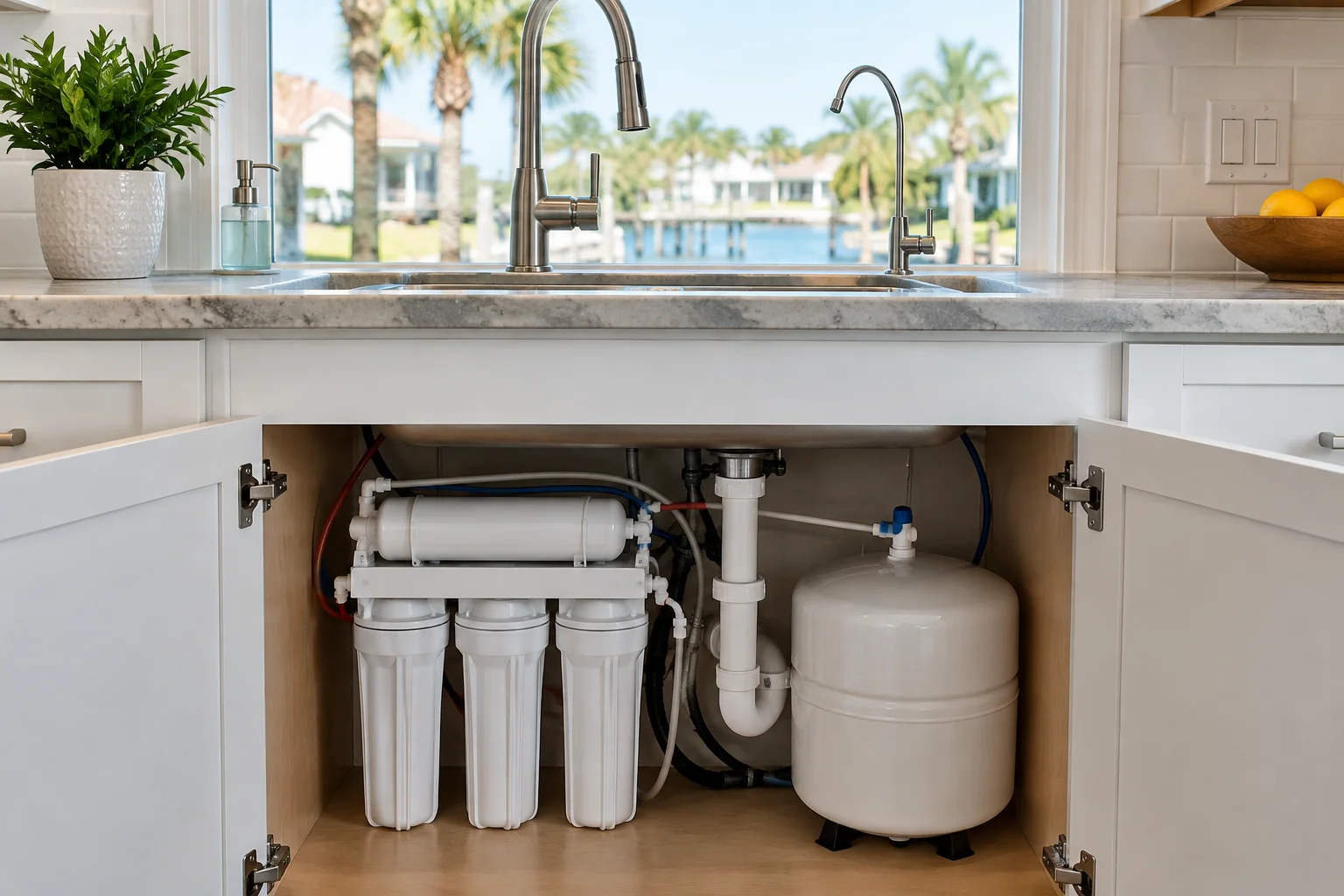
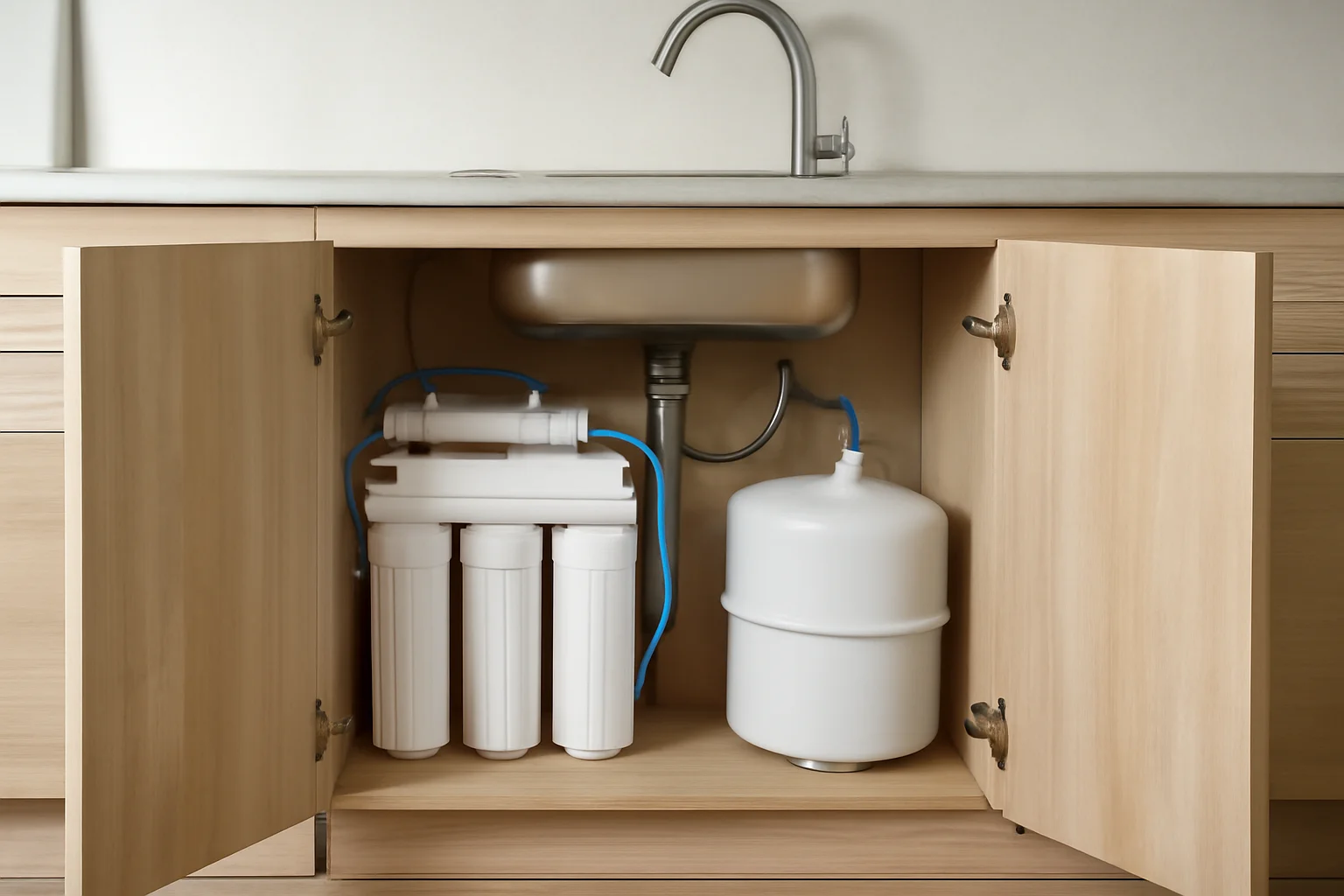
Inspect for leaks under the sink
Small leaks can affect pressure and system performance. If you notice dampness, wet cabinetry, or mineral residue under the unit, stop using the system and request an inspection.
Solutions that match the warning sign
The right fix depends on what you are seeing. Here are common corrective actions tied to the warning signs homeowners report in Camp Creek.
Replace spent pre-filters and carbon cartridges
If you are dealing with metallic, chlorinated, or unpleasant taste, carbon filtration is often the first suspect. A sediment filter that is overdue can also lead to visible sediment and cloudy ice cubes.
Service or replace the RO membrane
If taste changes persist after filter replacement, or if water clarity declines, the membrane may be aging. Membrane performance affects how effectively the system reduces contaminants and improves drinking water quality.
Sanitize and verify system operation
Odor and taste concerns that come and go, or cloudiness that persists, can point to sanitization needs. Verification of pressure and flow is also important so the RO system runs within its intended operating range.
Add whole home water filtration or water softening when the problem is everywhere
RO is a point-of-use system for drinking and cooking water. If you are seeing soap that does not lather or rinse well, hard water spots on glass and dishes, and scale buildup around faucets, you likely need hardness control and whole home filtration.
Many homeowners choose:
- Water softening: Helps reduce scale buildup and supports better bathing comfort, including fewer complaints about dry skin from hard water.
- Whole home water filter: Helps reduce sediment and improves water quality throughout the home.
- Combined approaches: An RO drinking water system plus whole home water filtration or an AO Smith water softener approach for overall protection.
AO Smith water filtration and AO Smith water softener options are often considered because they are designed for dependable performance when paired with the right maintenance plan.
Why maintenance is not optional for RO drinking water systems
RO systems can look small, but they are doing complex work. When filters and membranes age, the system may still produce water, but it may not be the same quality. That is why homeowners in Camp Creek who want better drinking water for their family kitchen scenes should treat RO maintenance as part of their home water purification routine.
Routine service typically includes checking component condition, verifying system operation, and replacing filters on schedule. If you are searching for clean water systems near me, you want a provider who does more than swap parts. You want someone who understands how RO performance ties into taste, clarity, and everyday water use.
If you want to explore installation and servicing options, you can review our RO service area page here: /service-areas/walton-county/camp-creek/reverse-osmosis-systems-ccfl.
For broader options across the home, start with the main water filtration landing page: /water-filtration-ro-water-softeners.
And if you are comparing services across the region, the Camp Creek service area overview is here: /service-areas/walton-county/camp-creek, with county coverage at /service-areas/walton-county.
Prevention steps to keep RO water tasting clean
Some problems are preventable with simple habits and timely service.
- Follow the filter replacement schedule: Even if the water “seems fine,” performance can be drifting.
- Sanitize when recommended: Especially if the system was unused for a while.
- Don’t ignore pressure changes: If your household water pressure drops, RO performance can suffer.
- Consider whole home water filtration for scale issues: If you are cleaning showerheads and faucets constantly, RO alone will not solve that.
- Watch for early household clues: Soap behavior, hard water spots, and dull hair can signal hardness problems that affect the whole plumbing system.
When hard water treatment and RO drinking water system service work together, everyday life improves. Kids drink water that tastes right. Coffee and cooking water are consistent. Bathing feels better. Laundry comes out cleaner with fewer residue issues.
When to call A Superior Mechanical for RO service in Camp Creek
Some RO issues are minor and temporary, but others should not be ignored. Call for professional water treatment near me service if you notice:
- Persistent unpleasant taste or odor from RO drinking water
- Cloudy ice cubes or repeatedly cloudy water
- Visible sediment or discoloration
- Hard water symptoms throughout the home such as scale buildup around faucets, showerheads, and plumbing
- Dry skin from hard water or dull hair after bathing that does not improve
- Appliance scale that suggests minerals are building up faster than expected
A Superior Mechanical helps Camp Creek homeowners protect drinking water quality and overall plumbing comfort with reverse osmosis systems and complementary water treatment options. If you want a clean water systems near me approach that includes both point-of-use RO and whole home solutions like water softening and AO Smith water filtration, schedule an inspection through our Camp Creek RO service page.
Find Reverse Osmosis Systems in Camp Creek, FL
If you need Reverse Osmosis Systems in Camp Creek, FL, visit our local service page or contact A Superior Mechanical today.
For a broader look at whole-home water filtration, reverse osmosis, and water softener options, visit our water filtration, RO, and water softener page.
Map of Camp Creek, FL
Frequently Asked Questions
Why does my reverse osmosis water taste chlorinated or metallic?
That usually points to spent carbon filtration, reduced RO membrane performance, or low pressure and flow. When the pretreatment filters exhaust, chlorine taste and odor can slip through, and an aging membrane can change rejection and flavor.
Is cloudy ice cubes from RO water always an emergency?
Not always, but consistent cloudiness is a warning sign. It can come from air in the line, but if it persists, it can also indicate sediment, membrane decline, or sanitization needs.
Can reverse osmosis fix hard water spots and scale buildup around faucets?
Usually not. RO typically treats only the drinking water line. Hard water spots on glass, scale buildup around faucets and showerheads, and dry skin from hard water often require water softening and/or whole home water filtration.
How often should an RO system be serviced in Camp Creek, FL?
Service intervals depend on your water conditions and the system design, but pre-filters and carbon cartridges typically need replacement on a schedule, and the membrane is replaced when performance declines. A technician can confirm the right timeline after inspection.
Related Articles
- A Practical Guide to Water Heater Replacement in Camp Creek, FL and the Plumbing Problems That Shorten System Life
- How Better Plumbing Management Protects Camp Creek Homes
- What Camp Creek Homeowners Often Miss During Plumbing Installation
- Why Plumbing Replacement Should Move Up the Priority List in Camp Creek Homes
Photo Gallery