Reverse osmosis (RO) is built for one job: turning questionable tap water into clean, better-tasting drinking water. When it is working well, you notice it in everyday moments like a glass of water at the kitchen counter, better filtered water for coffee and cooking, and a smoother bathing experience for the whole family. In Parker, FL, RO systems also help homeowners manage common water issues that show up in fixtures and appliances, especially when local water conditions lean toward hardness and mineral content.
But RO systems are mechanical and they rely on filters and membranes that wear out, clog, or lose performance. Catching water quality warning signs early can help you avoid cloudy water, unpleasant taste, sediment in household water, and the kind of scale buildup around faucets and showerheads that stains glass and shortens appliance life.
How RO systems protect drinking water in Parker homes
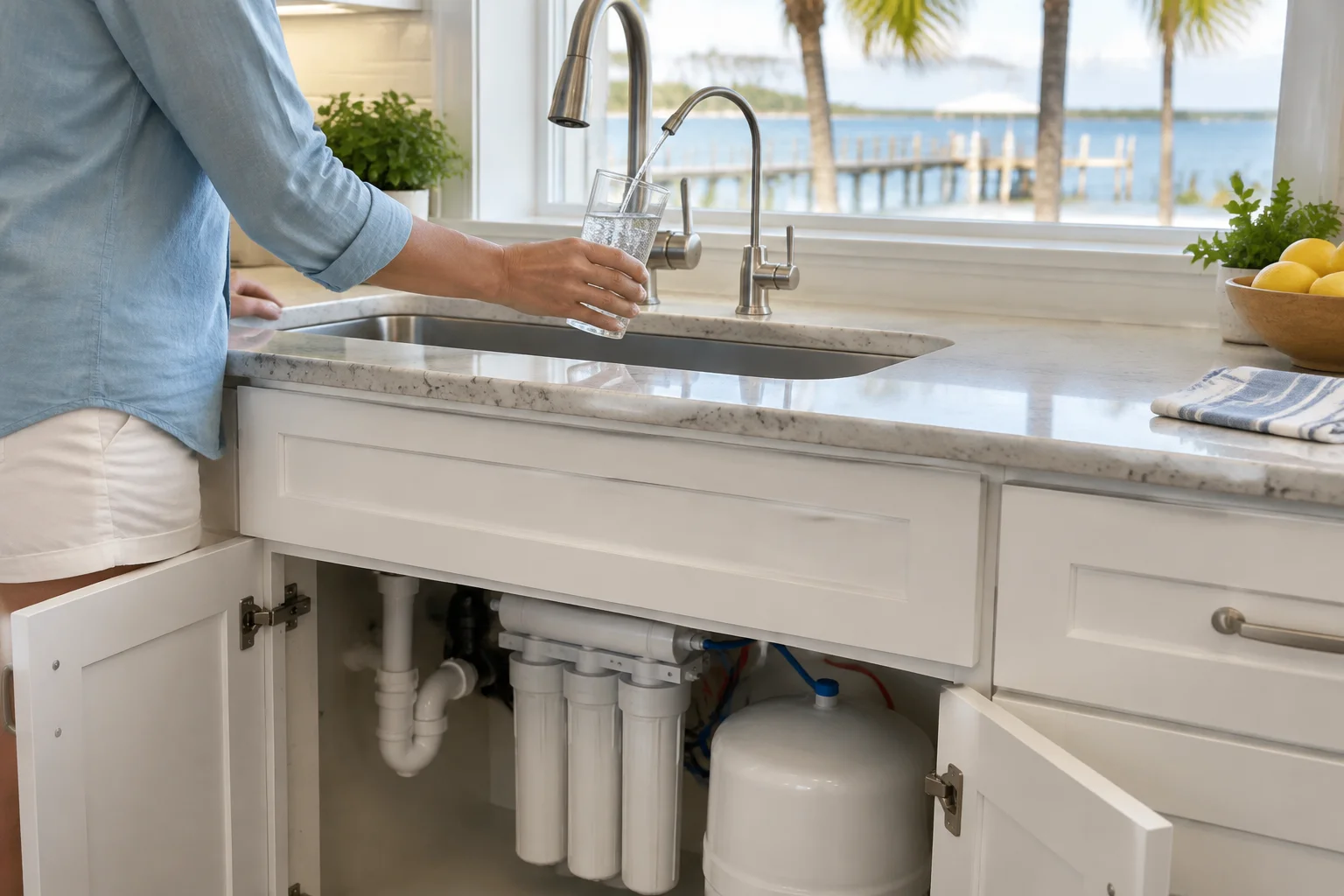
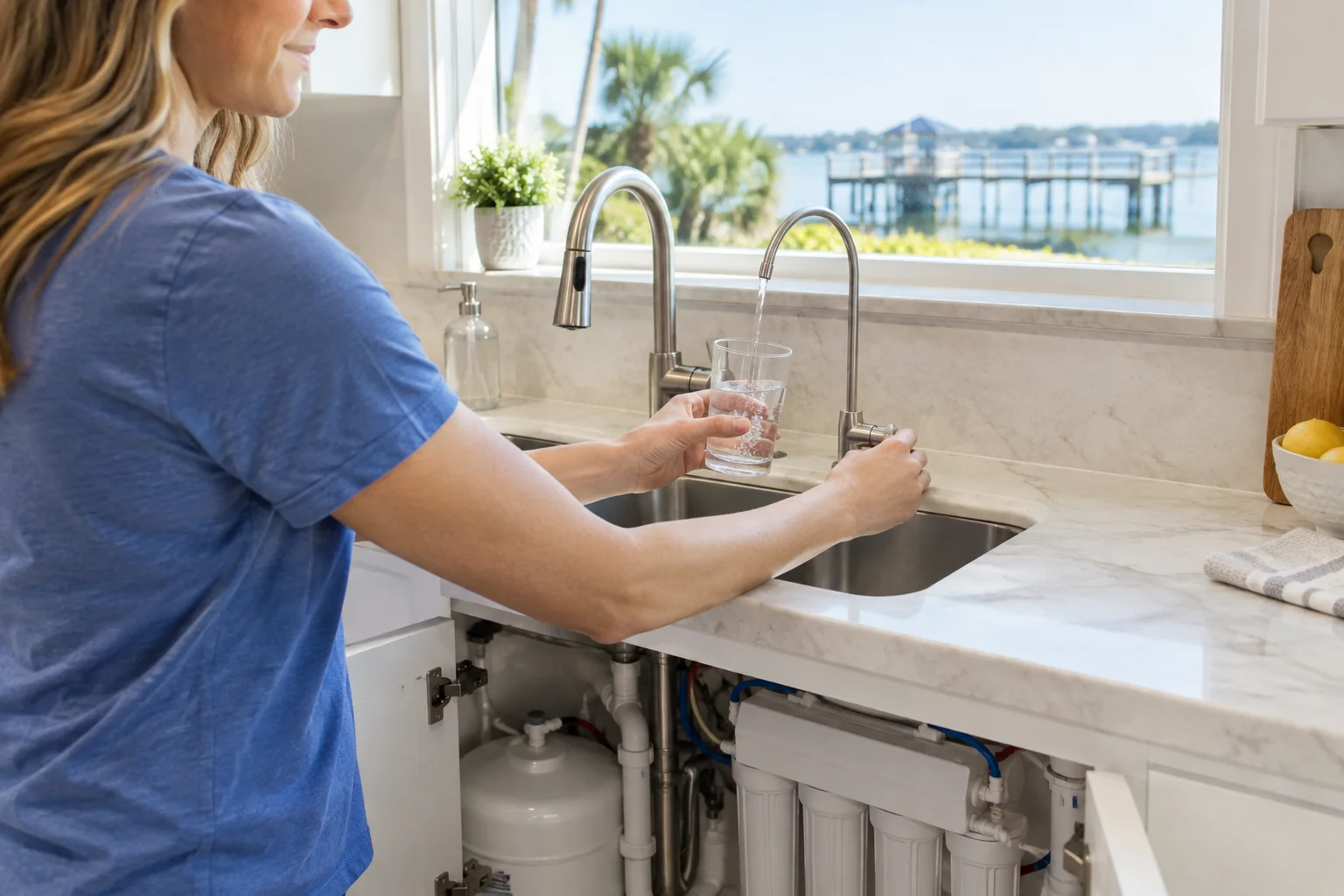
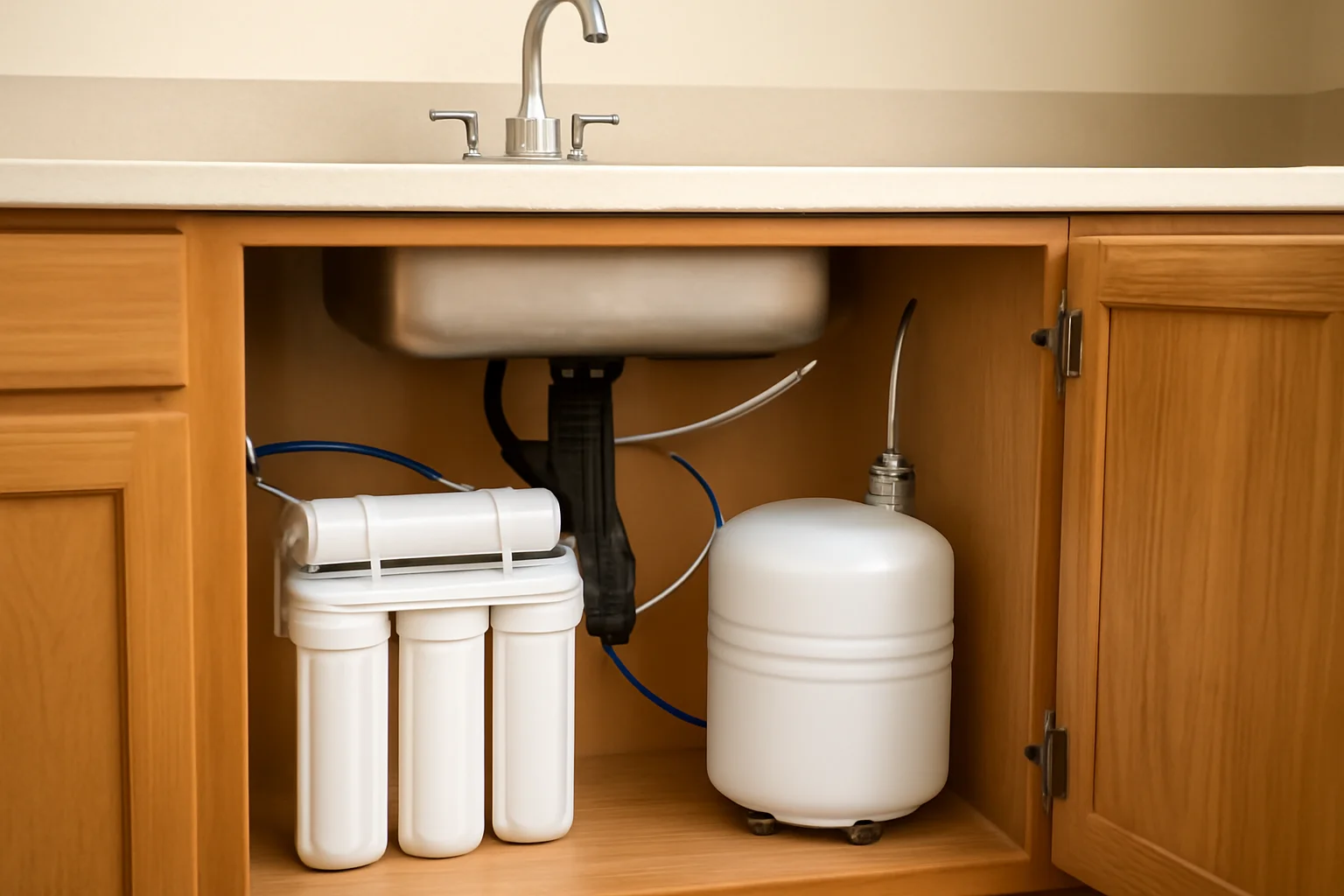
Most residential RO drinking water systems use multiple stages. Prefiltration helps protect the membrane from sediment and chlorine. The RO membrane does the heavy lifting by removing dissolved solids. A post-filter and storage tank (or a demand system) then deliver RO drinking water that is meant to taste fresh and look clear.
When homeowners notice changes, it is often because one stage is no longer doing its job. Sometimes it is a filter that needs replacement. Other times it is a membrane that is aging or fouled. Less often, it is an installation issue or a water pressure problem that affects system performance.
If you are searching for water filtration near me, it helps to know what “good” should feel like in your home. Clean RO drinking water should have a neutral, pleasant taste. Ice cubes should stay clear. Your coffee and cooking water should not taste off. And you should not see new sediment or discoloration showing up in glassware, especially when you are using RO for drinking and cooking.
Water quality warning signs connected to reverse osmosis systems
Below are the most common RO warning signs homeowners in Parker notice. Some are small at first. Others show up quickly and can point to membrane or filter issues.
1) Metallic, chlorinated, or unpleasant taste
One of the first clues is taste. If RO water starts tasting metallic, “chlorinated,” or just unpleasant, it can indicate that the prefilters are no longer removing chlorine or taste and odor compounds effectively. In that case, the membrane may also be working harder than it should.
For families who rely on filtered water for coffee and cooking, this is a big deal. Poor tasting coffee water can make even high-quality beans taste flat or bitter. Cooking water that tastes off can also change the flavor of soups, rice, and sauces.
2) Cloudy ice cubes or hazy drinking water
Clear water looks simple, but clarity is a real performance indicator. Cloudy ice cubes can happen when water has dissolved solids, fine sediment, or air related to pressure and filtration. When RO systems lose performance, homeowners sometimes see cloudy ice cubes or water that looks hazy in the glass.
If you are seeing sediment in household water or noticing discoloration in drinking glasses, do not assume it is “just your eyes.” It is worth checking the RO system stages, especially the prefilters and post-filter.
3) Visible sediment, discoloration, or odor concerns
RO should deliver clean, consistent water. Visible sediment or discoloration in the RO output can mean the system is bypassing filtration, a filter is failing, or the membrane is no longer filtering properly. Odor concerns can also point to carbon stage exhaustion or contamination in the system.
In everyday kitchen scenes, this can show up as a faint film on drinking glasses, water that looks different from day to day, or a smell that lingers in a water pitcher.
4) Soap that does not lather or rinse well
RO is not a whole-home water softening solution by itself. Many Parker homes still need hard water management for bathing, laundry, and fixtures. When RO performance drops, some homeowners also notice that soap does not lather or rinse well, especially if they are comparing RO water use to other household water.
Even if your RO system is only for drinking and cooking, changes in the water you use around the house can still affect how skin and hair feel. If you notice that soap does not lather or leaves residue, it is often a clue that hardness and mineral scale are building up in plumbing and on fixtures.
5) Dry skin or dull hair after bathing
Water quality shows up fast on skin and hair. When hardness is high or when scale buildup affects how water interacts with soaps and shampoos, you may feel dryness, irritation, or hair that looks dull. While RO can improve drinking water quality, whole-home hard water issues typically require water softening or whole home water filtration to protect bathing and laundry results.
6) Hard water spots on glass, dishes, and fixtures
Hard water spots on glass and dishes are classic signs of mineral content and scale formation. If you are seeing new spots that keep coming back after wiping, it can mean hardness is not being managed well. Over time, scale buildup can also affect faucets and showerheads.
When hard water treatment becomes part of protecting fixtures and appliances, homeowners often notice fewer mineral stains and less buildup in areas that see daily water use.
7) Scale buildup around faucets, showerheads, and plumbing
Scale buildup on faucets and showerheads is more than an eyesore. It can reduce water flow, increase maintenance, and contribute to premature wear in plumbing components. If you also notice that RO water seems off, it may be a sign that the system needs service, while the rest of the home still needs hard water protection.
In Parker, where many homes deal with mineral-driven water issues, scale can show up quickly on high-use fixtures. It is worth separating what RO is doing for drinking water from what whole home water filtration and water softening are doing for the rest of the home.
8) Appliances wearing out faster
Dishwashers, water heaters, coffee makers, and even laundry equipment can suffer when scale builds up inside. If appliances are wearing out faster than you would expect, it can be a sign that mineral management is not keeping up.
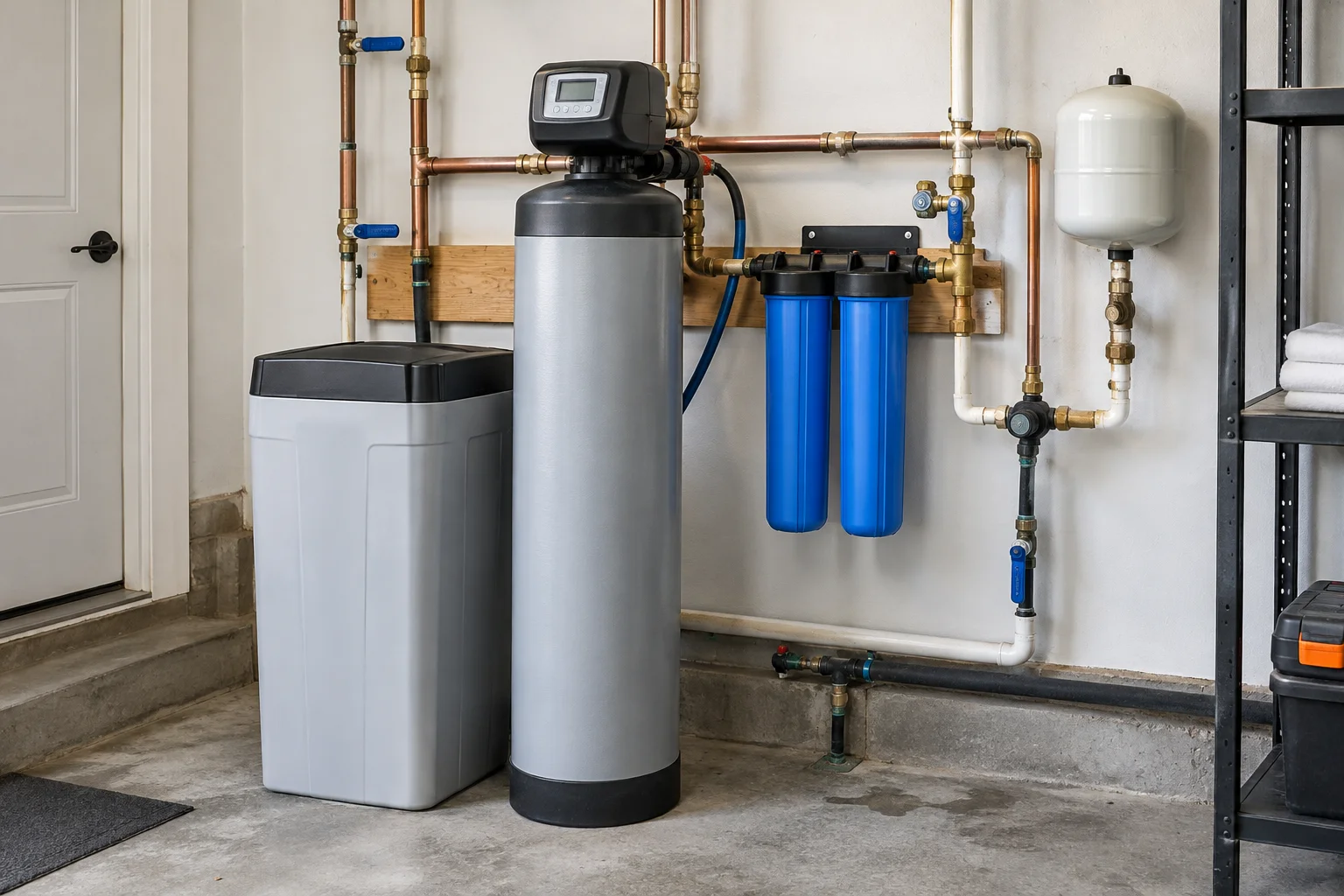
RO helps protect drinking water quality, but it does not replace the type of protection that whole-home systems provide. Many homeowners use RO drinking water alongside a water softener or whole home water filtration to reduce scale formation throughout the house.
9) Poor performance and flow changes
Some RO problems show up as reduced flow from the drinking faucet or a system that seems to recover slowly. While a slow recovery can happen with storage tanks, it can also happen when a membrane is fouled or when filters are clogged.
If your RO system is struggling to produce water, it is time to check the system rather than waiting for taste issues to get worse.
Why RO systems in Parker can develop problems
Reverse osmosis systems can lose performance for several reasons. Understanding the “why” helps homeowners protect their investment and avoid repeat issues.
Prefilters clogging from sediment and particulates
If your water has sediment in household water or fine particles, the prefilters can load up over time. When that happens, the membrane can foul faster. You may notice taste and odor changes first, followed by cloudy water or sediment concerns.
Chlorine and taste and odor compounds exhausting carbon stages
Many RO systems include carbon filtration to reduce chlorine taste in water. When carbon stages are exhausted, the RO output can pick up a chlorinated or unpleasant taste. That is also a risk factor for membrane longevity, since chlorine can degrade membranes depending on the system design.
Membrane aging and reduced rejection
RO membranes do wear out. As they age, the system may not remove dissolved solids as effectively. Homeowners can see cloudy ice cubes, changes in taste, and a feeling that the water is not as “clean” as it used to be.
Local water conditions and hard water effects
Parker homes can experience water quality challenges that show up as hard water spots on glass, scale buildup on fixtures, and mineral deposits in appliances. Even when you have RO for drinking water, the rest of the home can still be affected.
That is why water treatment service matters locally. A system that is right for Parker is not just about RO. It is also about pairing RO with water softening or whole home water filtration when hardness and scale are part of the picture.
Quick home checks homeowners can do before calling for service
You do not need lab equipment to notice performance drift. A few simple checks can help you describe the problem clearly when you contact a professional.
Compare taste and clarity
Take a glass of RO water and compare it to a glass of untreated tap water. Note taste differences, odors, and clarity. If RO water is cloudy or has a strong chlorine taste in water, it is a strong signal that filtration stages are failing.
Inspect ice cubes
Use the freezer tray you normally use for ice. If you see cloudy ice cubes from RO water, it can point to sediment or filtration loss. If ice from tap water is clear but RO ice is not, the issue is likely in the RO system.
Look at the drinking faucet and storage area
Check for moisture around fittings under the sink and watch for unusual leaks. Some RO issues are performance related, but leaks can also affect pressure and output.
Track how often you notice scale on nearby fixtures
If you are seeing new scale buildup on faucets, showerheads, and plumbing, consider whether your home also needs water softening or whole home water filtration. RO drinking water does not prevent mineral scale in showerheads and appliances.
How to prevent RO water quality problems in Parker
Prevention is mainly about maintenance intervals, correct parts, and system health checks. When homeowners stay proactive, they usually avoid the “sudden bad water” moment.
Replace RO filters and cartridges on schedule
RO systems depend on prefilters and carbon stages to protect the membrane. When those components are overdue, taste and odor concerns often show up first. Scheduling service before filters fully exhaust helps keep RO drinking water consistent.
Test water quality periodically
Even if the taste seems “mostly fine,” RO performance can drift. A professional can help verify output quality and system rejection. This is especially useful for homeowners who want reliable filtered water for coffee and cooking.
Consider pairing RO with whole home water filtration or water softening
If you are dealing with hard water spots on glass, soap that does not lather, or scale buildup on faucets and showerheads, you may need more than RO for drinking water. Whole home water filtration near me searches often lead homeowners to systems that reduce sediment and improve water across the house, while water softening targets hardness to reduce scale formation.
Many families in Parker choose a layered approach: RO drinking water for the kitchen and bathrooms, plus whole home water filtration or water softening to protect laundry, fixtures, and appliances.
Use the right system for your household needs
Home size, water usage, and the type of RO system matter. Some homes want an RO drinking water system for a single faucet. Others prefer configurations that support higher demand. AO Smith water filtration solutions can be a strong fit for homeowners who want dependable RO performance when matched with proper installation and service.
Why AO Smith RO and professional service can make a difference
RO systems work best when the right components are installed correctly and maintained on schedule. AO Smith water filtration is designed for consistent performance, but even the best system will not deliver clean water if it is overdue for service or if the stages are not appropriate for your water conditions.
A Superior Mechanical focuses on reverse osmosis system installation and ongoing service in Parker, FL and across Bay County. If you are looking for clean water systems near me, it helps to work with a team that can evaluate your water quality, recommend the right setup, and service it before small changes turn into bigger issues.
You can review our reverse osmosis system options here: /service-areas/bay-county/parker/reverse-osmosis-systems-pbc. For broader options that support cleaner water across the home, explore /water-filtration-ro-water-softeners. If you want to see service coverage across the area, visit /service-areas/bay-county/parker and /service-areas/bay-county.
Everyday life improvements you can expect from better water
When reverse osmosis and other water treatment components are performing well, homeowners tend to notice changes in daily routines rather than just in test results.
Kitchen and family coffee moments
Think about the morning routine. A reliable RO drinking water system can help you enjoy better filtered water for coffee and cooking. You may notice coffee tastes cleaner and less bitter, and cooking water feels more consistent for pasta, rice, and soups.
Drinking water that feels clean and refreshing
Good RO water should taste neutral and fresh. When taste and odor concerns show up, it can be hard to keep water pitchers full and encourage everyone to drink more.
Bathing and laundry comfort
Dry skin or dull hair after bathing often pushes families to look beyond the kitchen. If hardness is part of the problem, whole home water filtration or water softening can improve how soap rinses and how hair feels after showers.
Fewer mineral stains and less scrubbing
Hard water spots on glass and scale buildup on fixtures can turn weekly cleaning into a chore. When water treatment becomes part of protecting fixtures and appliances, you typically see less buildup and fewer surprise replacements.
When to call A Superior Mechanical for RO service in Parker
Some issues are easy to ignore until they become expensive. Call a professional when you notice any of the following:
Persistent taste changes such as metallic or chlorinated flavors coming from the RO drinking faucet.
Cloudy ice cubes or visibly hazy RO water that does not match your normal baseline.
Sediment or discoloration that shows up in drinking glasses or the RO output.
Reduced output from the RO system, slower recovery, or inconsistent flow.
Hard water symptoms across the house like soap that does not lather, dry skin, hard water spots on glass, or scale buildup around faucets and showerheads.
RO service can also be part of a broader plan for whole house water filtration. If you are trying to make better drinking water a long-term habit, it helps to get the system checked before filters and membranes reach the point where the water quality drops sharply.
If you want to connect water quality to broader home protection, these reads may help: /news/cleaner-water-fewer-plumbing-surprises-in-parker-homes and /news/why-earlier-plumbing-replacement-can-save-parker-homes-from-bigger-repairs.
For homeowners thinking about maintenance and avoiding larger issues later, these can also be useful: /news/how-everyday-plumbing-wear-creates-bigger-water-leak-repairs-in-parker-homes and /news/plumbing-maintenance-in-parker-fl-and-the-small-problems-that-turn-into-water-damage.
Frequently overlooked causes that can look like “bad RO water”
Sometimes the RO system is not the only factor. Homeowners can see water quality changes for reasons that overlap with RO performance.
Air and pressure changes
Fluctuations in water pressure can affect how water moves through the RO system and how quickly it produces. If you notice changes after plumbing work or during heavy household water use, it can be related to pressure and flow.
Clogged lines or debris in the system
If sediment has made it past prefiltration, it can cause performance issues that show up as cloudiness or taste changes. This is another reason scheduled service matters.
Using RO water for the wrong goal
RO is typically designed for drinking and cooking. If you use RO water for whole-house needs without the right supporting treatment, you may still experience hard water spots on glass, soap that does not lather, or scale buildup around fixtures. That is where water softening and whole home water filtration can help.
Choosing the right next step: RO, softening, or whole home filtration
Homeowners searching for water filtration near me often want one solution that covers everything. The truth is that different water problems require different tools. If your main concern is chlorine taste in water and better filtered water for coffee and cooking, RO drinking water is a strong focus.
If you are dealing with hard water spots on glass, scale buildup around faucets, and dry skin or dull hair after bathing, you may need water softening or whole home water filtration to protect the rest of the home.
A Superior Mechanical can help you map your symptoms to the right clean water systems. That may mean RO drinking water for the kitchen plus whole home water filtration near me style solutions for broader protection. When the goal is whole home water filtration, the best results usually come from matching the system design to Parker’s local water realities.
For homeowners who want to review options and service coverage, use these pages as a starting point: /water-filtration-ro-water-softeners, /service-areas/bay-county/parker, and /service-areas/bay-county.
Find Reverse Osmosis Systems in Parker, FL
If you need Reverse Osmosis Systems in Parker, FL, visit our local service page or contact A Superior Mechanical today.
For a broader look at whole-home water filtration, reverse osmosis, and water softener options, visit our water filtration, RO, and water softener page.
Map of Parker, FL
Frequently Asked Questions
How often should I replace filters in a reverse osmosis system?
Most RO systems need filter changes on a schedule based on water use and water conditions. A Superior Mechanical can recommend intervals after checking your system and explaining what is happening with your RO stages, especially if you notice taste or cloudiness.
Can a failing reverse osmosis system cause cloudy ice cubes?
Yes. Cloudy ice cubes can happen when RO performance drops and fine sediment or dissolved solids are not being removed as well. If your RO water looks hazy or your ice changes, it is a good time to have the system serviced.
Is reverse osmosis the same as water softening?
No. RO drinking water systems focus on dissolved solids and taste for drinking and cooking. Water softening targets hardness minerals that lead to scale buildup on fixtures, soap residue, and hard water spots on glass.
What does metallic or chlorinated taste in RO water usually mean?
It often points to exhausted prefilters or carbon stages that are no longer reducing chlorine taste in water and odor compounds. It can also signal that the membrane is aging or that the system is not filtering properly.
Should I call a professional if my RO water tastes slightly different?
If the change persists, it is worth getting a check. Small shifts in taste and clarity can mean filters or the membrane are nearing failure. Professional service helps restore clean water systems and prevents bigger problems later.
Related Articles
Photo Gallery