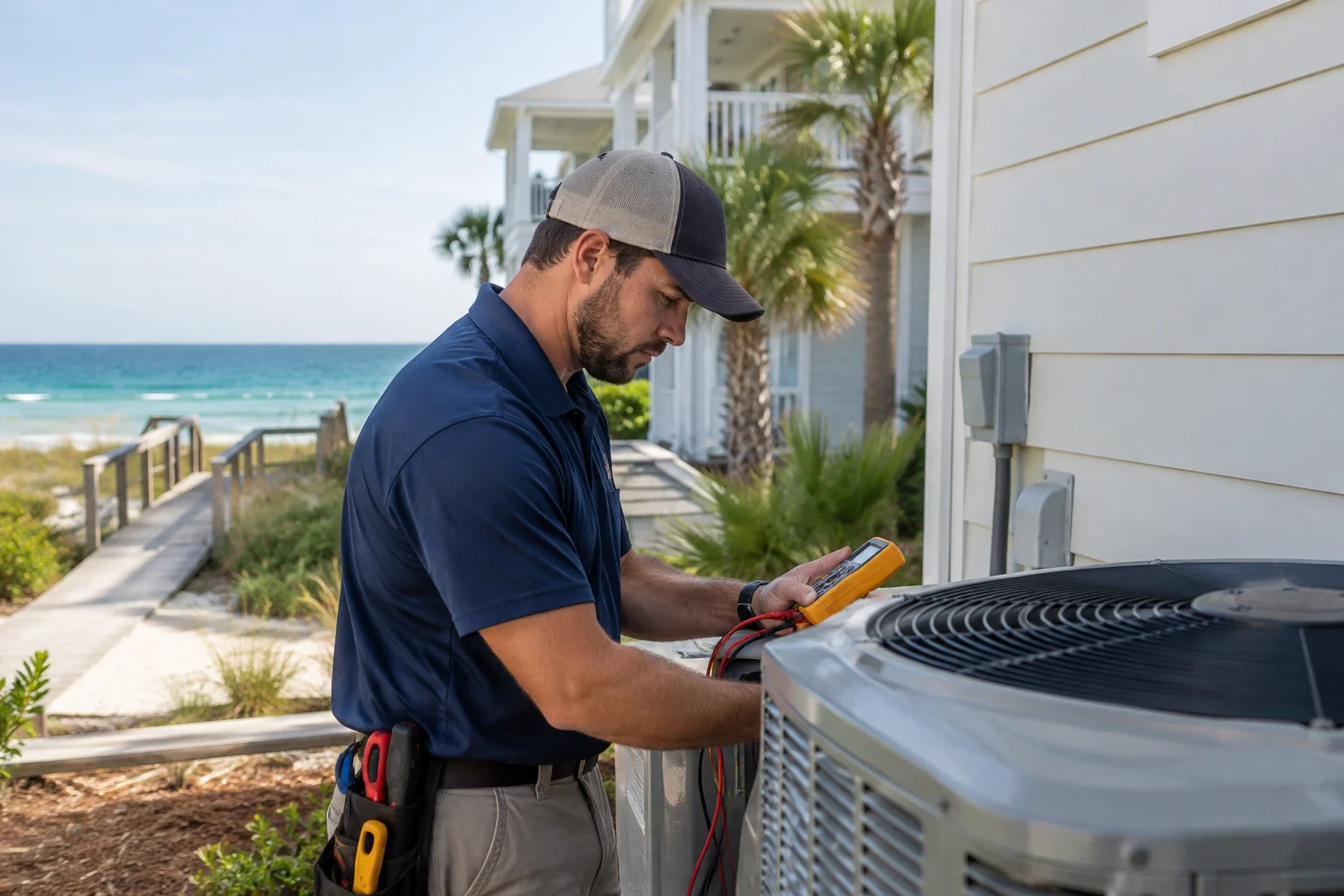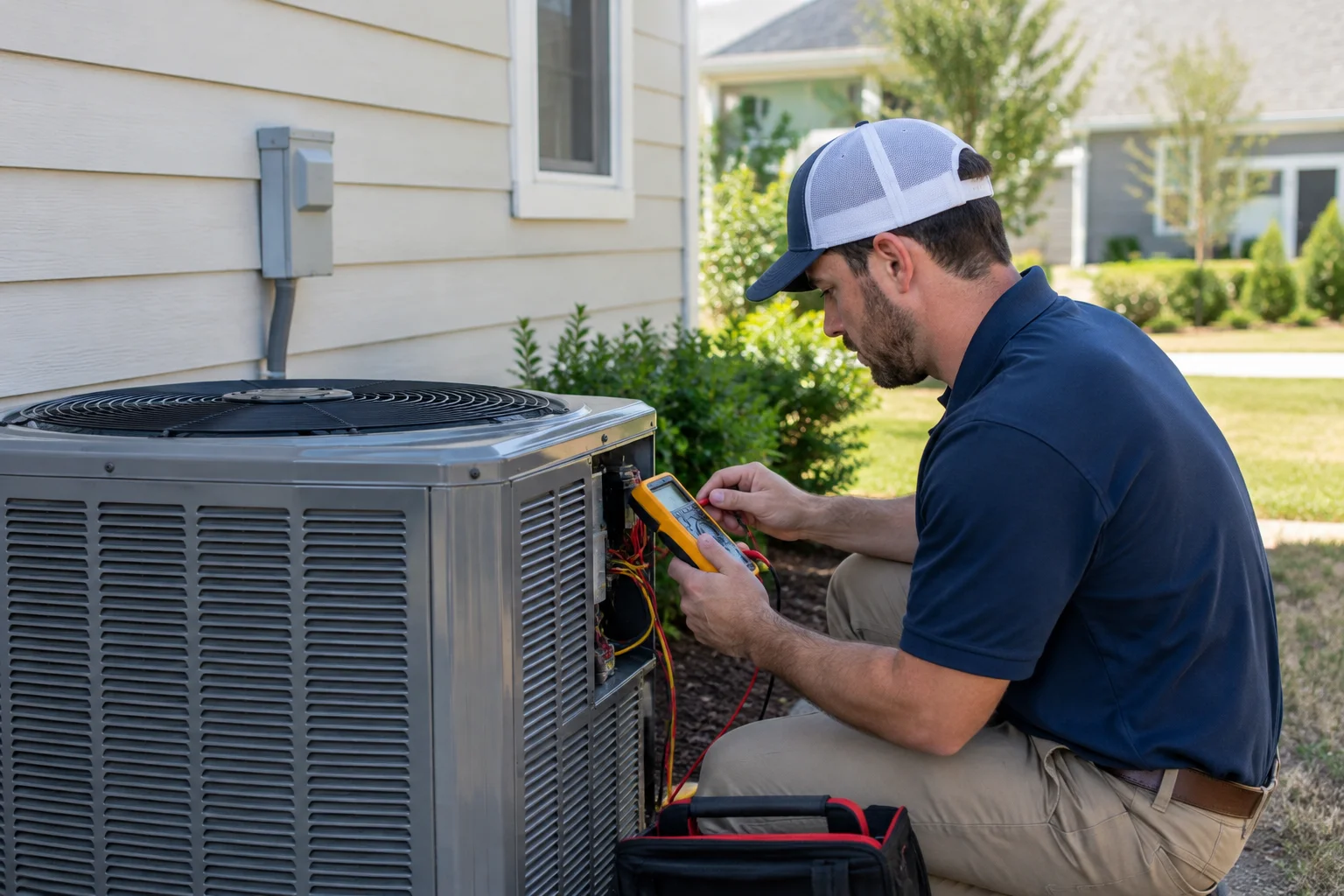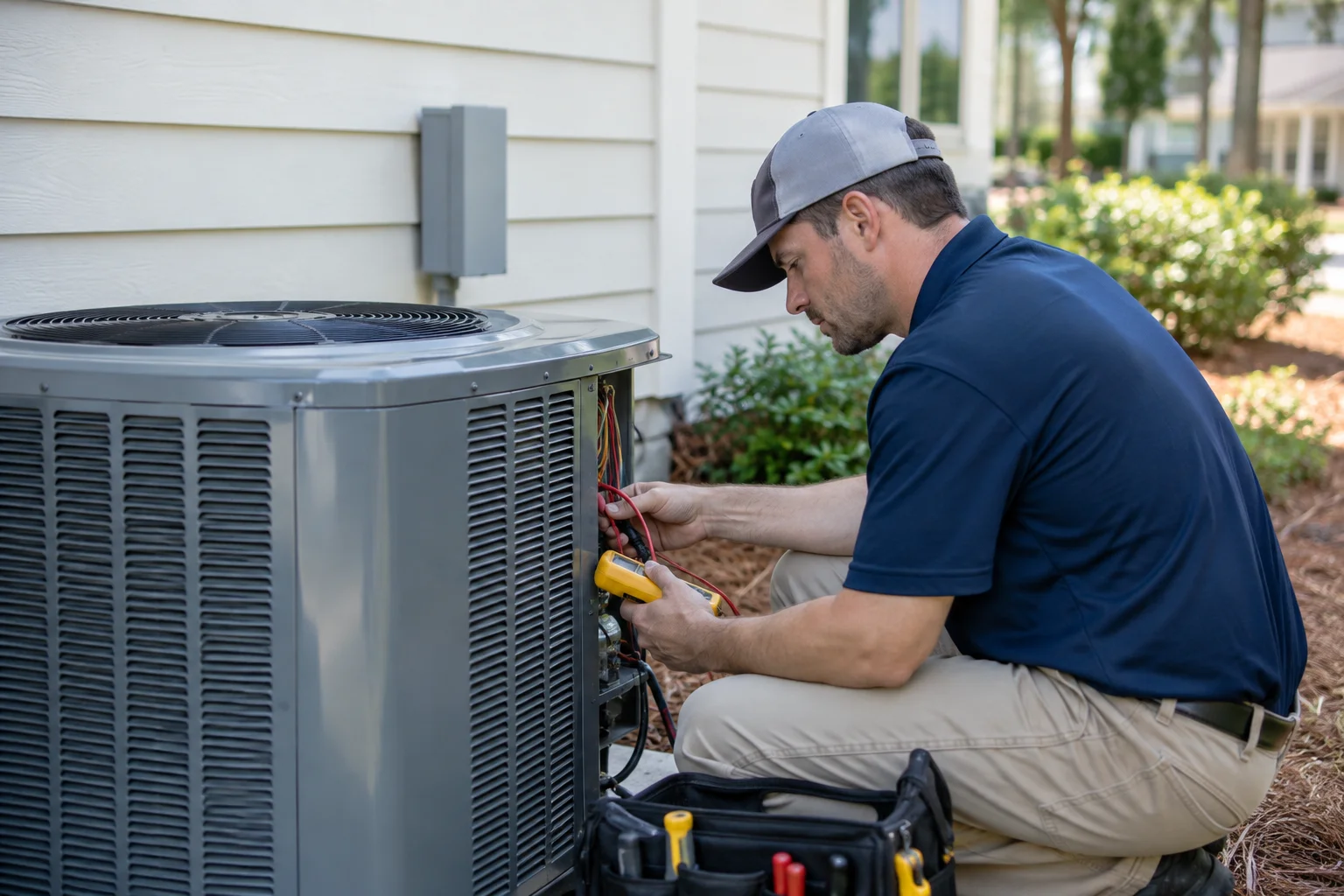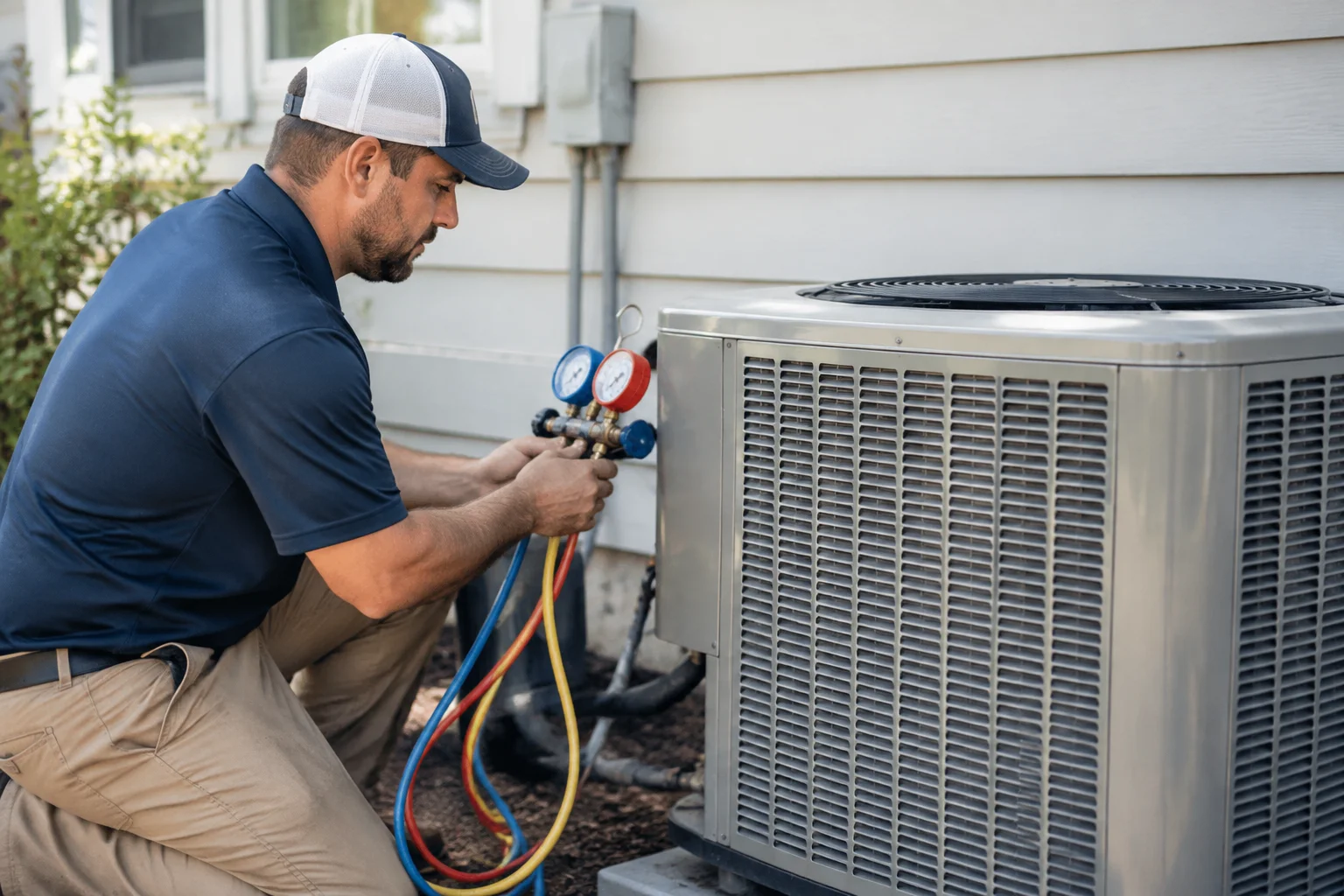
A home can reach the thermostat setting and still feel uncomfortable. One bedroom stays warm, the hallway feels chilly, and towels never seem to dry. In Panama City, those problems often involve more than the age of the air conditioner. Equipment sizing, ductwork, moisture removal, and controls all influence how a home feels.
Planning air conditioning systems in Panama City, FL means looking at the entire house, not just replacing the outdoor unit. A Superior Mechanical provides air conditioning system installation, replacement, and design with that broader picture in mind. Here is how homeowners can approach cooling decisions before discomfort becomes an urgent repair.
Coastal Comfort Requires More Than Cooling Capacity
Panama City has a long cooling season, substantial humidity, and coastal weather that puts equipment under pressure. Air conditioners must remove heat and moisture, while outdoor condensers face rain, debris, and varying levels of salt exposure. During storms, windblown vegetation can restrict airflow around equipment or damage components.
Older homes may have leaky return ducts, limited insulation, or additions connected to ductwork that was never resized. Newer homes can have different challenges, including tighter construction that requires deliberate ventilation and moisture management. Neither age nor square footage alone tells you what equipment a home needs.
Local HVAC service matters because these conditions affect design and maintenance decisions. Across Bay County, exposure, building construction, and occupancy patterns vary. A shaded primary residence and a frequently vacant rental may need different thermostat strategies, even with similar floor plans.
Start With a Load Calculation, Not the Old Equipment Label
For homeowners searching for central AC installation near me, the most useful first question is how the contractor will determine capacity. Copying the existing system size can carry an old mistake into a new installation. Larger equipment is not automatically better, particularly in humid weather.
What a Proper Sizing Assessment Includes
A residential load calculation, commonly performed using ACCA Manual J methods, considers insulation, windows, orientation, air leakage, ceiling height, and other building characteristics. Equipment selection should account for both sensible cooling, which lowers temperature, and latent cooling, which removes moisture. A matching indoor coil and outdoor unit also matter.
An oversized single-stage system may satisfy the thermostat quickly without running long enough to remove adequate moisture. An undersized system may struggle during peak heat. However, long operation alone does not prove undersizing. Variable-capacity equipment is often designed to run longer at lower output.
Include Remodels and Additions in the Plan
Enclosed porches, converted garages, and new bedrooms change the cooling load. Extending a branch duct without checking system capacity and airflow can leave both the original house and the addition uncomfortable. Depending on the space, a duct redesign, properly engineered zoning, or a ductless mini split may be the better solution.
Follow the Air From the Air Handler to Every Room
The outdoor condenser gets much of the attention, but the air handler, blower, evaporator coil, and ductwork determine how cooling reaches the living space. Weak airflow can increase operating costs, create uneven temperatures, and contribute to coil icing. Replacing equipment without investigating airflow may leave the original complaint unresolved.
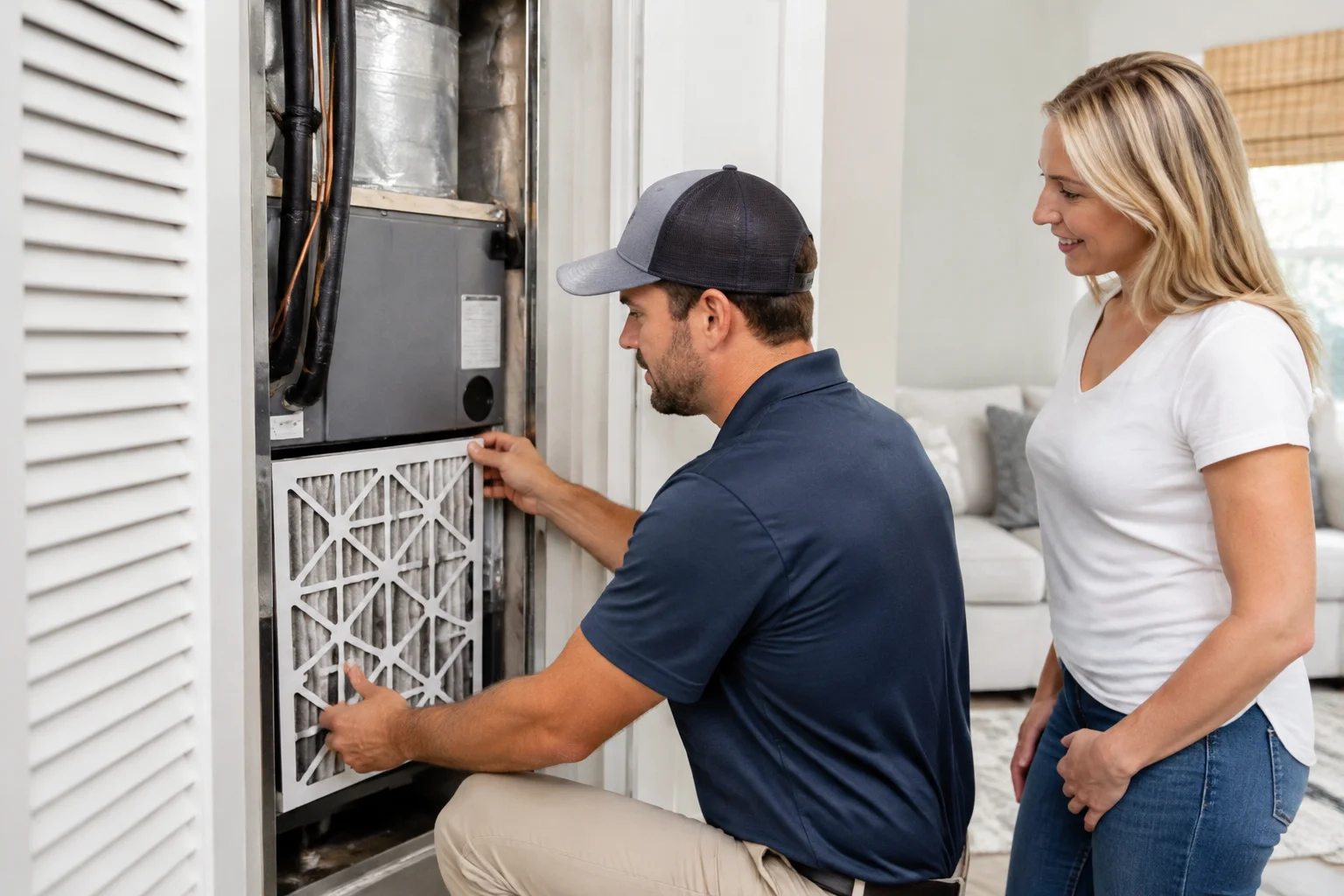
Start with simple observations. Check whether supply vents are open and unobstructed, return grilles are clear, and the filter fits correctly. Note whether a bedroom gets warmer with its door closed. That can point to a restricted return-air path rather than insufficient cooling capacity.
A technician can measure static pressure, evaluate blower settings, and inspect accessible ducts for leakage, damage, or poor connections. Ductwork repair and duct sealing may be needed where conditioned air escapes into an attic or hot, humid air enters a return duct. Duct insulation also deserves attention because cold surfaces can collect condensation.
Cleaning is a separate issue from sealing or resizing. Duct cleaning in Panama City may be appropriate when an inspection identifies substantial contamination, but it cannot fix undersized ducts or broken connections. This guide to planning duct cleaning in Panama City homes explains how to approach the air path more thoughtfully.
Address Humidity Without Overcooling the House
If rooms feel sticky at a normal temperature setting, lowering the thermostat may make them colder without resolving the underlying moisture problem. A practical indoor relative humidity target is often around 40 to 50 percent, with sustained levels above 60 percent warranting investigation. A separate hygrometer can help reveal patterns.
Possible causes include oversized equipment, incorrect blower airflow, leaky return ducts, outdoor air infiltration, or an evaporator coil that is not performing correctly. Frequent door openings and bathroom exhaust fans that do not discharge outdoors can add to the moisture burden. Drainage problems also need attention.
For many systems, using the thermostat's auto fan setting rather than continuous fan operation helps limit moisture re-evaporation from a wet coil between cooling cycles. Follow equipment-specific recommendations. If humidity remains high after system and building issues are corrected, a properly sized whole-home dehumidifier may help without requiring excessive cooling.
Match Equipment and Controls to How You Live
Central Air, Heat Pumps, and Mini Splits
Central air conditioning works well when a home has sound, appropriately sized ductwork. A heat pump can provide both cooling and heating, making it a practical option for Panama City's climate. Ductless mini splits can serve additions, detached workspaces, or rooms where installing ducts would be difficult.
Each approach has maintenance needs. Mini splits still require filter care, coil cleaning, and reliable condensate drainage. Heat pumps need checks in both operating modes. Homeowners searching for heat pump repair near me should describe whether the problem occurs during cooling, heating, or both, since that information helps narrow the diagnosis.
Homes with furnaces need separate attention to the heating equipment, even when cooling dominates annual use. Furnace service should address safe operation, applicable combustion components, and blower performance. Schedule heating repair before the first cold spell rather than assuming reliable summer cooling guarantees reliable heat.
Thermostats Should Support the Equipment
Thermostat installation involves more than connecting a screen. Controls must match the system's stages, heat pump functions, and any humidity accessories. Placement matters too: sunlight, nearby supply vents, or a warm hallway can distort readings. Review heating control system options when updating controls, especially for equipment that handles both seasons.
Repair Symptoms That Deserve a Closer Look
Homeowners searching for AC repair near me often report warm air, unusual noises, weak airflow, water around the air handler, or repeated shutdowns. Those symptoms overlap. A dirty filter, failed blower component, refrigerant leak, and electrical control problem can produce similar comfort complaints, so testing should come before parts replacement.
Ice on the evaporator coil or refrigerant lines is not normal. Turn cooling off and arrange service rather than continuing to operate the system or chipping away ice. Restricted airflow and low refrigerant are possible causes. Refrigerant is not normally consumed; a low charge calls for leak evaluation, not an assumption that routine topping off is sufficient.
An air conditioning inspection can help separate a repairable component issue from a larger equipment or duct problem. Ask for findings that explain the recommendation, such as airflow measurements, leak evidence, or component test results. Age matters, but it should not be the only reason offered for replacement.
A Maintenance Routine That Fits Panama City Weather
Schedule professional HVAC maintenance before heavy seasonal demand when possible. During a visit, the technician can assess coil condition, condensate drainage, electrical components, blower operation, and refrigerant performance as appropriate. A spring appointment also gives you time to address developing problems before the hottest weather arrives.
Manage Filters and Drain Lines
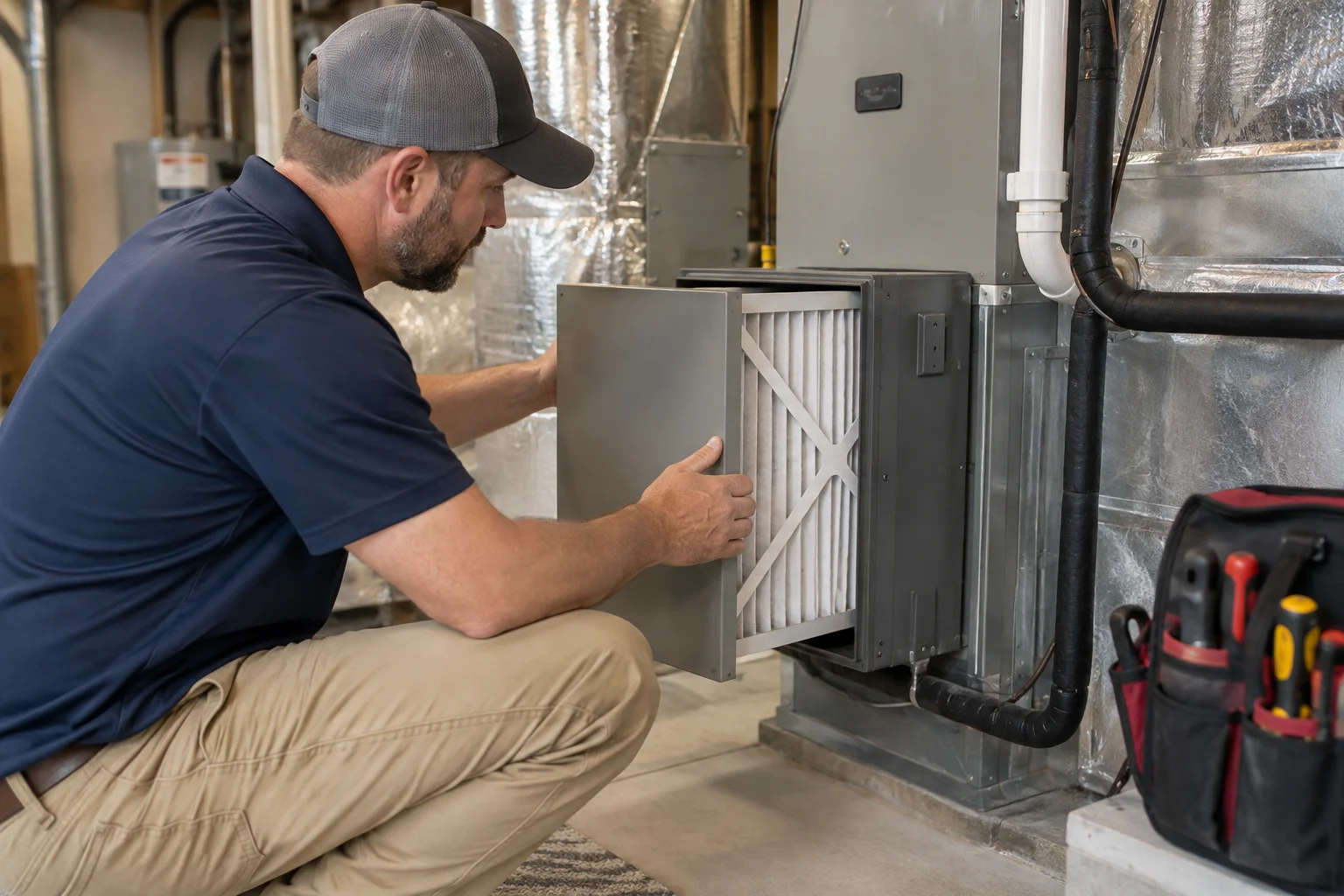
Check filters monthly at first, then adjust the replacement interval to actual buildup and manufacturer guidance. Pets, remodeling dust, and heavy use can shorten filter life. Use a filter rating the system can accommodate because an overly restrictive filter can reduce airflow.
Condensate drain lines need attention in a humid climate. Ask the technician to inspect the drain, pan, and any installed overflow safety switches. Water stains near an air handler should be investigated promptly. Avoid pouring unapproved chemicals into the drain or assuming a safety switch eliminates the need for maintenance.
Protect Outdoor Equipment
Keep vegetation and stored items outside the manufacturer's required clearance around the condenser. Have salt exposure and coil corrosion evaluated, especially at more exposed properties. Follow manufacturer instructions for cleaning, and never use a pressure washer on delicate fins. Do not cover a running outdoor unit.
When comparing an AC tune up near me appointment or a service plan, ask what is included and whether cleaning, diagnostics, and follow-up repairs are priced separately. After storms, check the surrounding area from a safe distance. Do not operate equipment that has been submerged until qualified professionals have evaluated it.
Improve Efficiency Without Sacrificing Indoor Air Quality
Efficiency begins with appropriate sizing, verified installation, and a sound air distribution system. Compare SEER2 ratings within suitable equipment options, but do not expect a rating alone to predict your bill. Duct leakage, thermostat habits, insulation, and maintenance all affect actual energy use.
Use modest thermostat adjustments when the house is empty, while keeping humidity under control. Avoid closing numerous supply vents to force air elsewhere, since that can increase duct pressure and disrupt airflow. Window shading and sealing unintended air leaks can reduce cooling demand without asking the equipment to work harder.
For indoor air quality concerns, begin with moisture control, source reduction, appropriate ventilation, and compatible filtration. Air purifier installation may address certain airborne particles, depending on the technology, but it does not repair mold-damaged materials or stop water intrusion. Ask what specific pollutant a proposed product is designed to reduce.
Have a Plan for Cooling Emergencies and Replacement
A cooling failure during extreme heat deserves prompt attention, particularly where older adults, infants, or medically vulnerable people live. Move to a cooler location if indoor conditions become unsafe. Smoke, sparking, or a burning odor requires stopping operation if safe; active fire or immediate danger calls for emergency services. Avoid repeatedly resetting a tripped breaker.
Keep the equipment model numbers, recent service history, and a description of the symptoms available. Read more about why timely HVAC response matters in Panama City homes before a breakdown leaves you making rushed decisions.
If replacement is approaching, ask A Superior Mechanical to review capacity, duct condition, humidity performance, controls, and installation requirements together. Explore HVAC service in Panama City and arrange a system assessment while your equipment still operates. Planning ahead gives you room to compare solutions that address your home's actual comfort problems.
Find Air Conditioning Systems in Panama City, FL
If you need Air Conditioning Systems in Panama City, FL, visit our local service page or contact A Superior Mechanical today.
Map of Panama City, FL
Frequently Asked Questions
How is the right air conditioning system size determined for a Panama City home?
A contractor should perform a load calculation that accounts for insulation, windows, orientation, air leakage, ceiling height, and local design conditions. Square footage and the existing equipment size are not enough. The selection should also address moisture removal, duct capacity, and any remodels or additions.
Why does my home feel humid even when the AC reaches the thermostat setting?
Possible causes include oversized equipment, short cycles, incorrect blower airflow, leaky return ducts, or excess outdoor moisture entering the house. A technician should evaluate system performance and building conditions before recommending larger equipment or a dehumidifier. A hygrometer can help track whether indoor humidity stays elevated.
Should ductwork be inspected before replacing an air conditioner?
Yes. Leaking, damaged, poorly insulated, or undersized ducts can limit the performance of a new system. An inspection and airflow assessment can identify whether duct sealing, repairs, or design changes should be included in the replacement project.
Related Articles
Photo Gallery