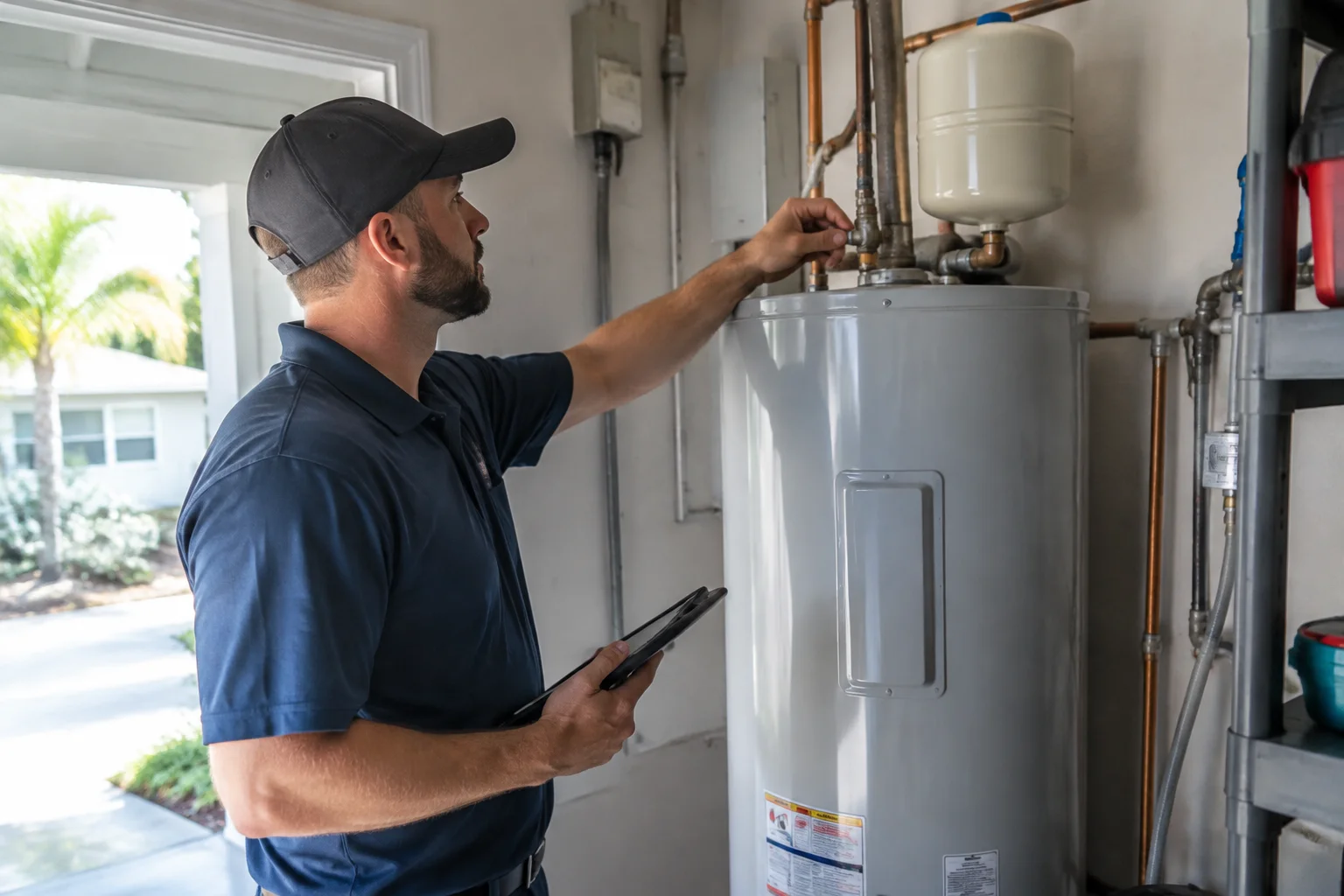
A water heater rarely gets much attention until a shower turns cold or water appears beneath the tank. In Blue Mountain Beach, busy beach weekends, visiting family, and vacation rental turnovers can make those interruptions especially inconvenient. A little attention between service visits helps you catch trouble before it damages flooring or leaves the house without hot water.
Good water heater maintenance also means looking beyond the appliance. Supply pipes, water pressure, shutoff valves, fixtures, and drainage all affect how your plumbing performs. For homeowners in Blue Mountain Beach, FL, the most useful maintenance plan connects those pieces rather than treating every symptom as a separate problem.
How coastal living shapes your maintenance needs
Blue Mountain Beach homes range from older cottages to newer houses with multiple bathrooms and high hot water demand. A system serving two people most weeks may suddenly need to handle consecutive showers, laundry, and dishwashing when guests arrive. That change can reveal limited capacity, slow recovery, or existing sediment buildup.
Walton County's humid coastal climate also makes moisture worth investigating carefully. Condensation can sometimes resemble a leak, while damp utility spaces and salt exposure may contribute to corrosion on exposed metal components. Neither condition proves that a tank is failing. A local plumber can distinguish environmental moisture from leaking connections, valve problems, or tank deterioration.
Seasonal occupancy matters, too. A house that sits unused for stretches needs an appropriate return-to-service plan, not just a quick temperature adjustment. A Superior Mechanical provides water heater maintenance in Blue Mountain Beach for tank, tankless, gas, and electric systems, with service needs guided by the equipment and household use.
Start with a simple visual check
Once a month, look around the heater without removing covers or touching hot components. The area should be accessible, with no stored items obstructing valves, ventilation, or service space. Notice whether anything has changed since your last check, including new staining, dampness, unusual sounds, or a longer wait for hot water.
Look at connections, valves, and the drain pan
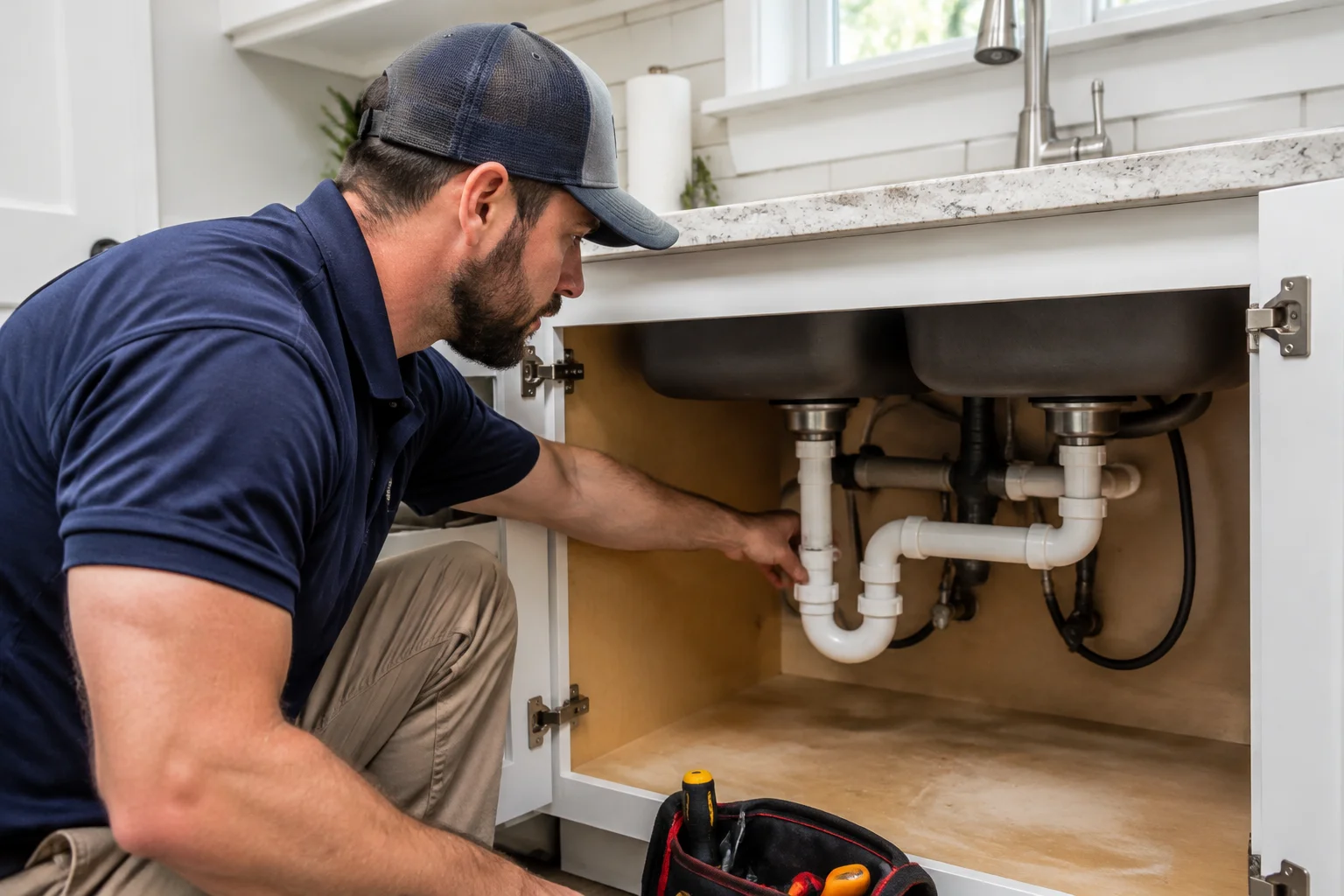
Check visible supply connections for moisture, rust streaks, or crusty deposits. Examine the area around the drain valve and the base of the tank. If the heater has a drain pan, standing water deserves attention even if the floor remains dry. A pan may limit damage, but it does not fix a leak or guarantee protection against a major failure.
Keep the temperature and pressure relief valve discharge opening unobstructed. Never cap it, plug it, or reroute it into an unsafe location. Dripping from that pipe can indicate excessive pressure, thermal expansion, or a valve problem. Have a plumber identify the cause rather than treating the discharge as a nuisance.
Separate a repairable leak from a failing tank
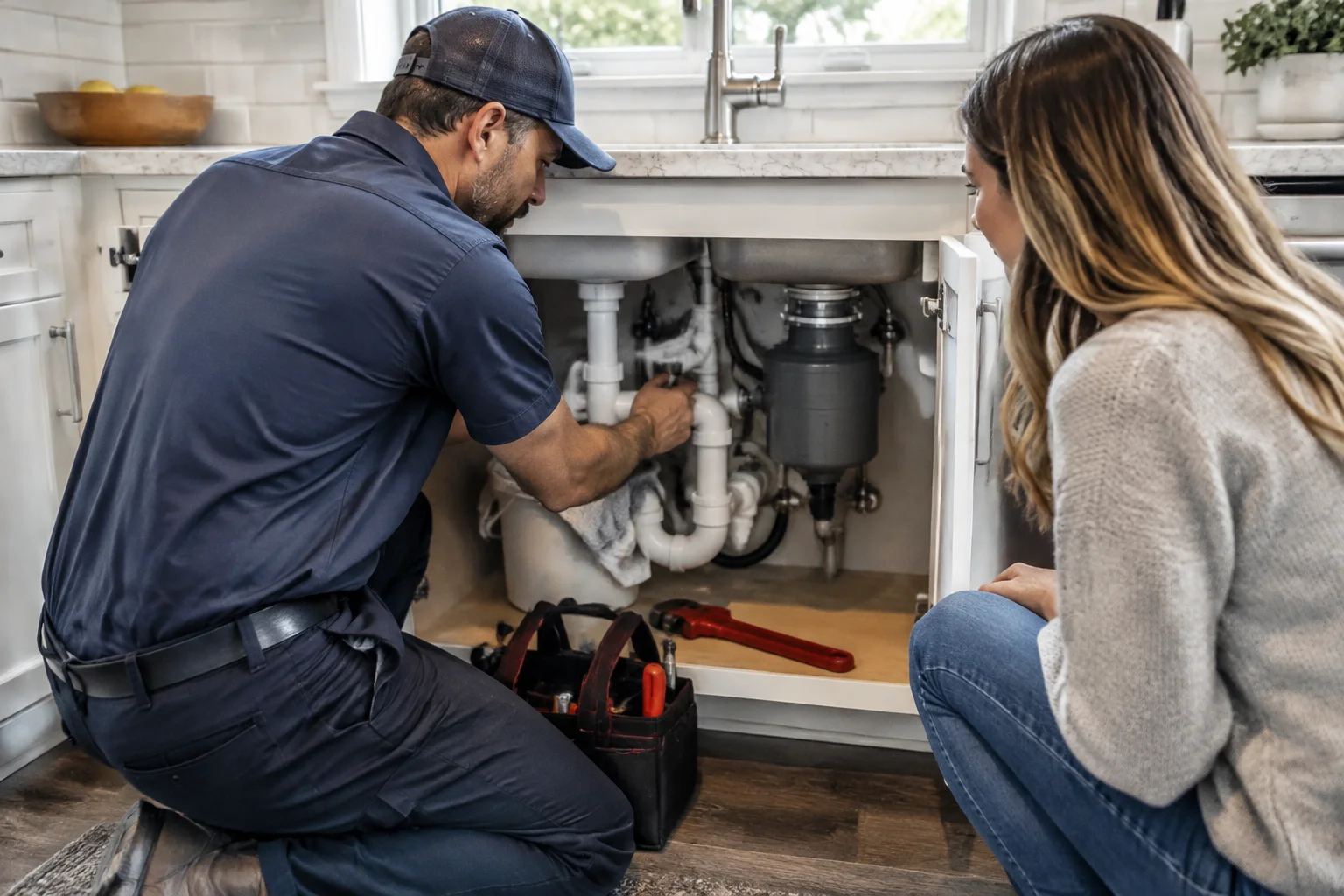
A loose connection or leaking service valve may be repairable. Water escaping through a corroded storage tank generally means replacement is necessary. Avoid assuming that every puddle comes from the tank itself, because nearby plumbing can leak into the same area. Homeowners searching for water leak repair near me should describe where the water appears and whether it changes during hot water use.
For a broader look at moisture around fixtures and supply lines, read Small Leaks, Big Stakes: Plumbing Care in Blue Mountain Beach. Catching a slow connection leak can prevent damage to cabinets, walls, and flooring.
Sediment and hard water need different solutions
Minerals naturally present in water can leave scale inside plumbing equipment. Sediment can also accumulate in a storage tank, reducing usable capacity and interfering with heat transfer. Popping or rumbling during heating may suggest buildup, but noise alone does not establish the cause. A plumbing inspection should consider the heater's age, water quality, and service history.
Tank flushing should follow the manufacturer's guidance
Many storage water heaters benefit from periodic flushing, often annually, but the appropriate schedule depends on the model, water conditions, and use. Neglected equipment may need extra care because an aging drain valve can clog or fail to reseal. Hot discharge water also presents a burn hazard and must be directed to a suitable location.
A professional maintenance visit can include evaluating sediment, checking accessible connections, and inspecting a sacrificial anode rod where the tank design allows. That rod helps protect the tank from corrosion and may eventually need replacement. Ask which tasks apply to your model rather than assuming every heater has the same service requirements.
Tankless units need scale control, too
Tankless equipment has no large storage tank to flush, but mineral scale can collect in its heat exchanger. Descaling intervals depend on manufacturer recommendations, measured hardness, and demand. A plumber can check service valves, clean applicable inlet screens, and assess flow problems while following the equipment's required procedure.
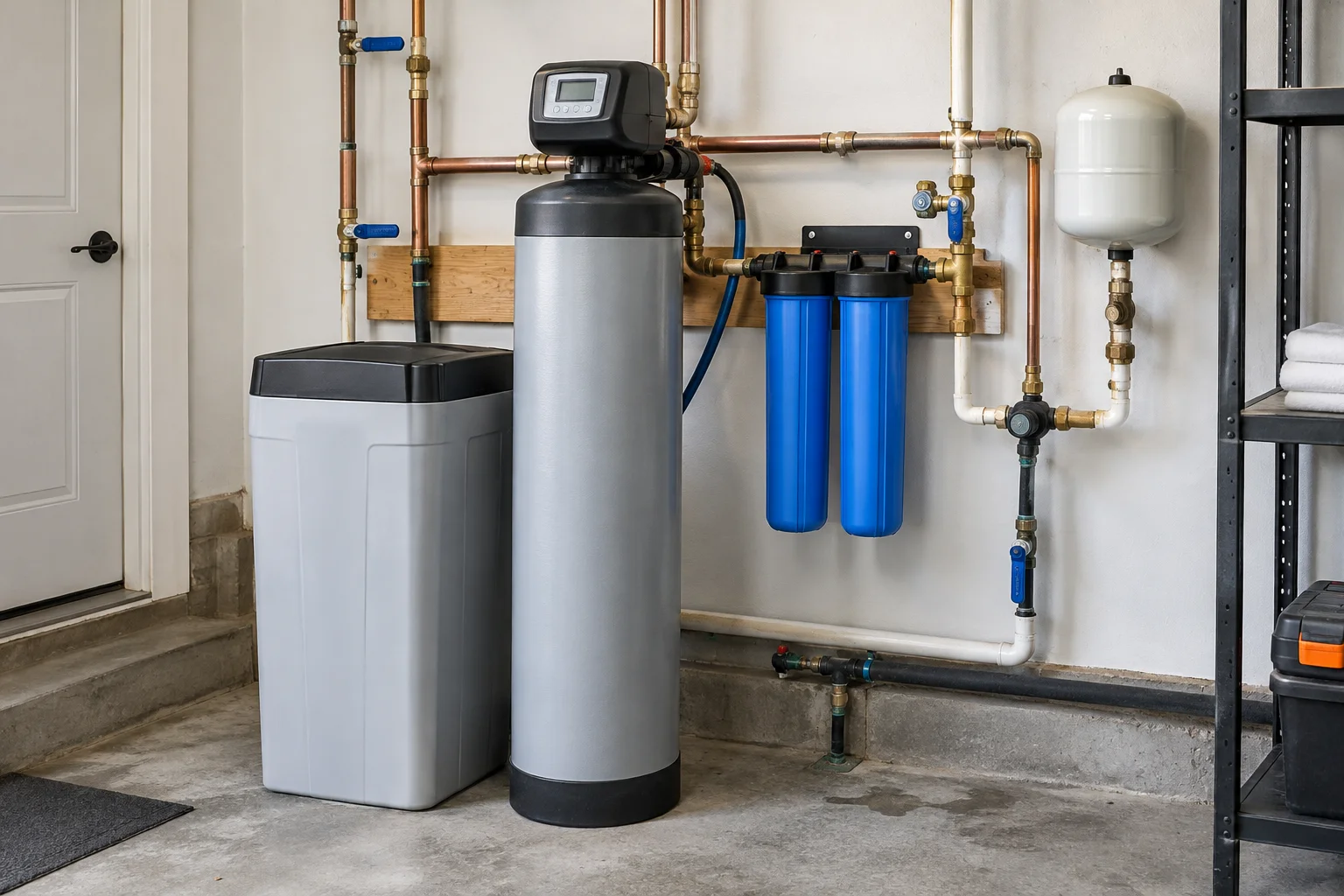
Do not assume every Blue Mountain Beach home has the same hardness level. Testing helps determine whether water softening would benefit your plumbing. A kitchen reverse osmosis system generally treats drinking water at a specific outlet; it does not replace whole-home scale management for the water heater.
Water pressure can shorten the life of plumbing components
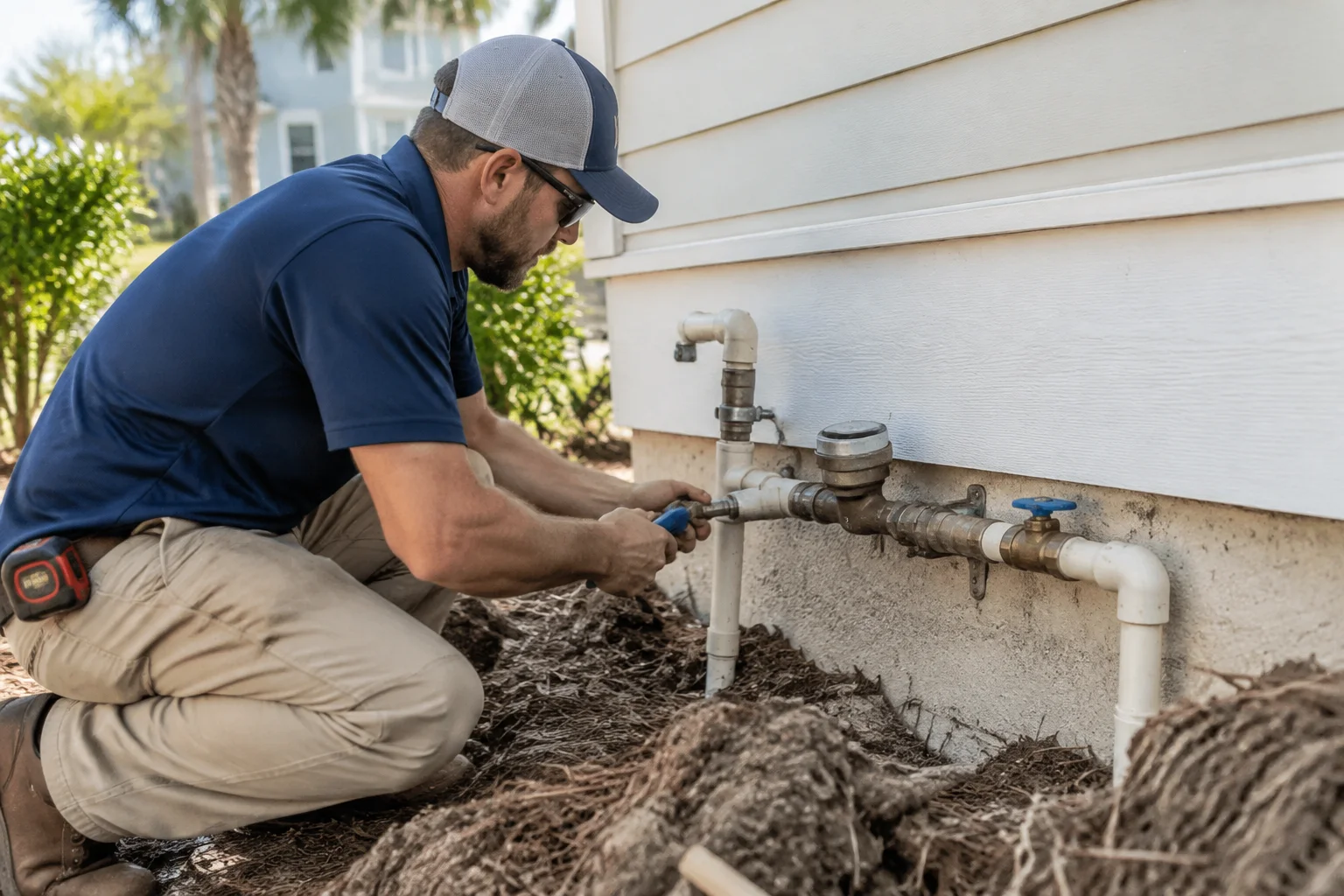
Strong shower pressure may feel convenient, but excessive supply pressure stresses pipes, fixture connections, and appliances. A plumber can measure pressure and evaluate the pressure-reducing valve if one is installed. Static pressure above 80 psi generally requires pressure regulation under applicable plumbing requirements, although the full diagnosis should account for pressure fluctuations and system design.
Thermal expansion is a related but separate issue. Water expands as it heats. In a closed plumbing system, that expansion needs an approved means of control, often a properly sized and charged expansion tank. Repeated relief valve discharge or pressure changes during heating deserve investigation. Replacing a dripping valve without correcting the pressure problem may leave the underlying risk in place.
Follow hot water problems through the pipes and fixtures
If only one shower runs lukewarm while other fixtures receive hot water normally, the shower valve may be the problem. Low hot water flow at a single faucet can point to a clogged aerator or cartridge. If multiple fixtures lose hot water together, the heater, a mixing valve, or a broader supply issue becomes more likely.
Record which fixtures are affected and whether the issue occurs immediately or after several minutes. That information helps a plumber distinguish faucet repair from water heater service. A running toilet usually wastes cold water rather than hot water, but toilet repair still belongs on the maintenance list because continuous water loss can obscure other changes in household consumption.
Do not overlook concealed hot water leaks
An unexplained water bill increase, unusually frequent heating cycles, or a warm area on the floor can justify investigating a hidden hot water pipe leak. In slab-on-grade homes, a slab leak may occur beneath the foundation. These clues are not proof, so leak detection should come before opening flooring or walls.
If you are searching for pipe leak repair near me, mention any meter movement with fixtures off and any recent changes in hot water availability. A plumber can isolate the affected line and discuss repair options based on pipe condition and accessibility. Replacing the heater will not solve a leaking distribution pipe.
Drains and sewer lines belong in the same maintenance plan
A slow shower drain does not usually cause water heater trouble. Still, hot water service and drainage work together every time someone bathes, washes dishes, or runs laundry. Hair, soap residue, grease, and food debris can restrict drains even when the heater is operating normally.
Use drain screens where practical, dispose of cooking grease in the trash after cooling, and avoid using chemical drain cleaners as routine maintenance. Professional drain cleaning is appropriate when a clog persists or repeatedly returns. Hot water alone is not a dependable solution for a grease-blocked kitchen drain.
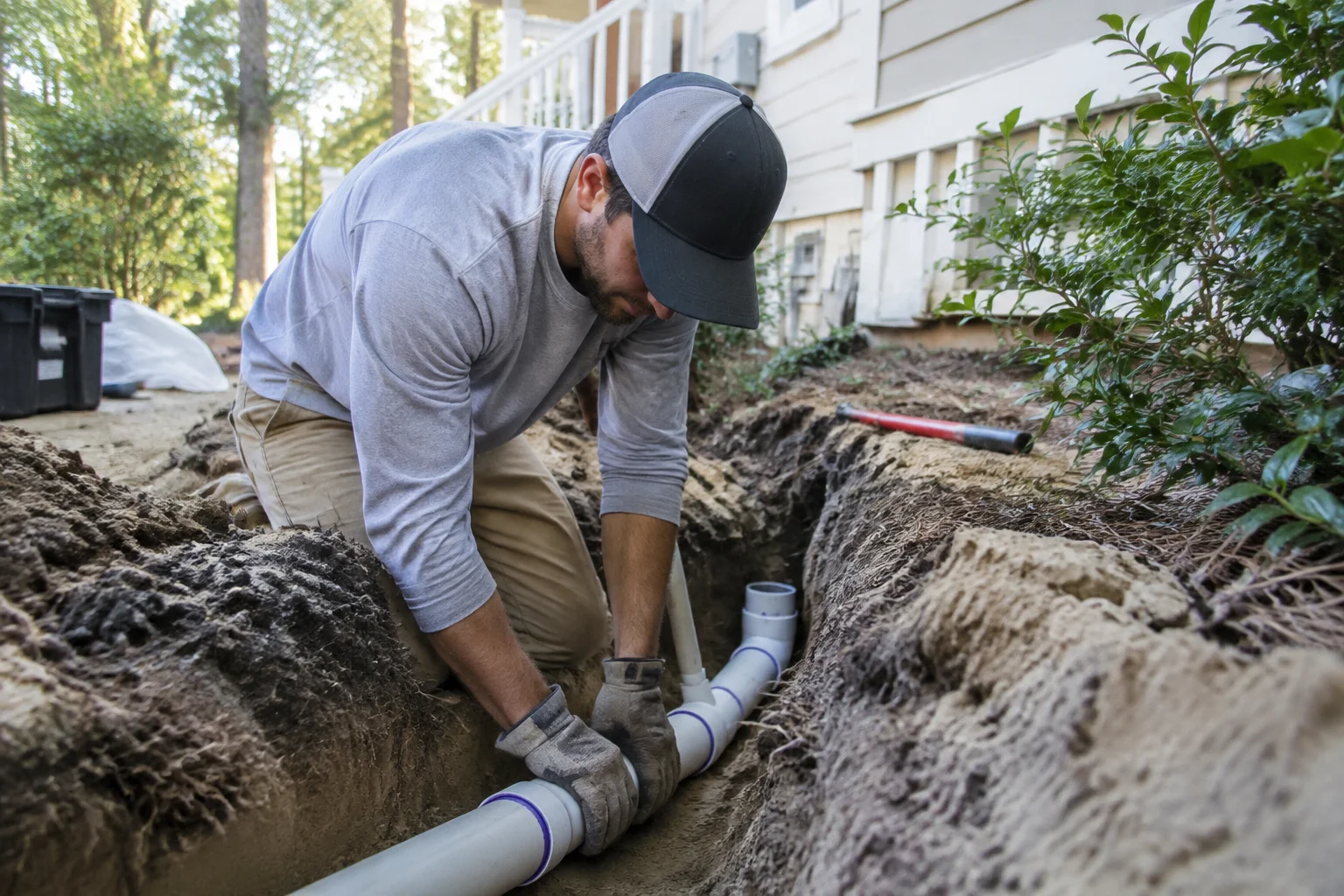
Several slow fixtures, toilet bubbling, or wastewater appearing in a tub may indicate a shared drain or sewer restriction. A sewer backup repair near me search becomes urgent when sewage enters the home. Stop using affected plumbing and arrange help rather than continuing to flush toilets or run appliances.
Recurring problems may warrant sewer repair and maintenance, with inspection used to guide the work. This guide to sewer camera inspections in Blue Mountain Beach explains how a camera can help identify visible obstructions and pipe defects.
Build a maintenance routine around actual household use
Schedule professional service according to the manufacturer's instructions, then adjust with your plumber for water quality, heavy use, or prior problems. For a vacation home, arrange checks before the busiest occupancy period. Keep a record of the model, installation date, maintenance visits, and repairs so developing patterns are easier to recognize.
Around 120 degrees Fahrenheit is a common residential temperature setting that can reduce scald risk and standby energy use, but household health needs and system design may require different storage and delivery arrangements. Ask about safe temperature control and mixing valves. Turning the thermostat higher is not a sound substitute for correcting inadequate capacity or a faulty component.
Before a long absence, follow the manufacturer's instructions for vacation settings or shutdown. Do not drain or disable equipment without a plan for safe restart. An electric storage heater must be completely filled and purged of air before power is restored. Broader habits in this Blue Mountain Beach plumbing maintenance guide can help keep fixtures and supply lines on the same schedule.
Know which problems cannot wait
Active flooding, a suddenly leaking tank, steam, or dangerously hot water requires prompt attention. Keep clear of wet electrical equipment. If safely accessible, stop the water supply and shut down the heater's energy source according to its instructions. If the area is unsafe or you are unsure how to proceed, step away and request emergency plumbing help.
If you smell gas, leave the home without operating switches, using flames, or attempting repairs. Contact the gas utility or emergency services from a safe location. Do not restart the equipment until it has been cleared for use.
Older equipment with repeated repairs, tank corrosion, or inadequate capacity may need replacement rather than more maintenance. Homeowners searching for water heater replacement near me should compare sizing, installation requirements, and serviceability, not just purchase price. Proper plumbing installation includes evaluating connections, pressure control, drainage protection, and applicable code requirements.
Get service that considers the whole home
When scheduling with A Superior Mechanical, explain the symptoms, the heater type, and whether the home is occupied year-round or seasonally. Share photos of visible leaks if you can take them safely. These details help focus the inspection on the right plumbing components.
Explore plumbing service in Blue Mountain Beach or the company's Walton County service area to plan local care. A maintenance visit is a practical opportunity to address minor leaks, review water pressure, and keep reliable hot water available before the next busy week.
Find Water Heater Maintenance in Blue Mountain Beach, FL
If you need Water Heater Maintenance in Blue Mountain Beach, FL, visit our local service page or contact A Superior Mechanical today.
Map of Blue Mountain Beach, FL
Frequently Asked Questions
How often should a water heater be serviced in Blue Mountain Beach?
Annual service is a common starting point, but follow your manufacturer's maintenance schedule. Water hardness, household demand, equipment type, and previous sediment or scale problems may justify a different interval. Seasonal homes should also have an appropriate shutdown and return-to-service plan.
Does water beneath a water heater always mean it needs replacement?
No. Water may come from a supply connection, drain valve, relief valve discharge, condensation, or nearby plumbing. A leaking connection may be repairable, while a corroded storage tank that leaks generally requires replacement. Have the source identified promptly, and never block a relief valve discharge pipe.
Will a water softener eliminate water heater maintenance?
No. A properly selected softener can reduce hardness-related scale, but it does not eliminate inspections, pressure checks, anode evaluation where applicable, or manufacturer-required service. Test the water first and have a plumber recommend treatment and maintenance suited to your equipment.
Related Articles
Photo Gallery