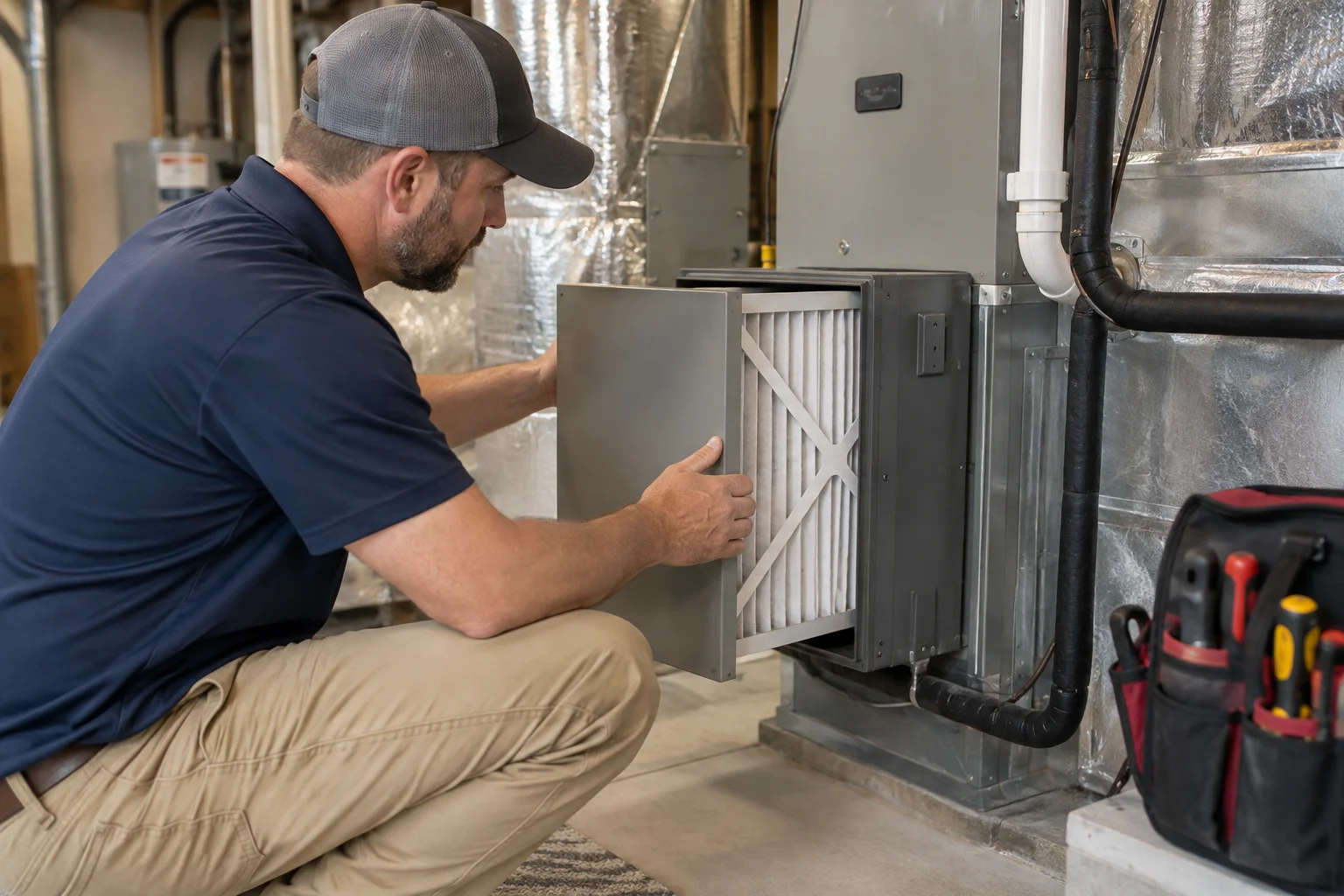
A thermostat can say 74 degrees while the house still feels sticky. Towels take too long to dry, a bedroom smells musty, and lowering the temperature only makes the living room colder. In Valparaiso, that mismatch often means temperature control and moisture removal are not working together.
Whole home dehumidification gives moisture control its own job instead of asking the air conditioner to handle everything. A Superior Mechanical provides whole home dehumidification in Valparaiso, FL. A sound plan starts with understanding the home, checking HVAC performance, and choosing an installation that supports airflow, comfort, and dependable drainage.
Why Valparaiso Homes Can Feel Damp Even With the AC Running
Valparaiso's humid coastal climate creates a steady moisture challenge. Outdoor air enters through doors, building leaks, and ventilation systems. Cooking, showers, and laundry add moisture indoors. During hot weather, an air conditioner removes some of that moisture as air passes over its cold evaporator coil.
The trouble often appears during rainy stretches and milder weather. The house may not need much cooling, so the AC shuts off before removing enough moisture. Storms can also introduce water through roof or envelope damage, creating a problem that HVAC equipment alone cannot solve.
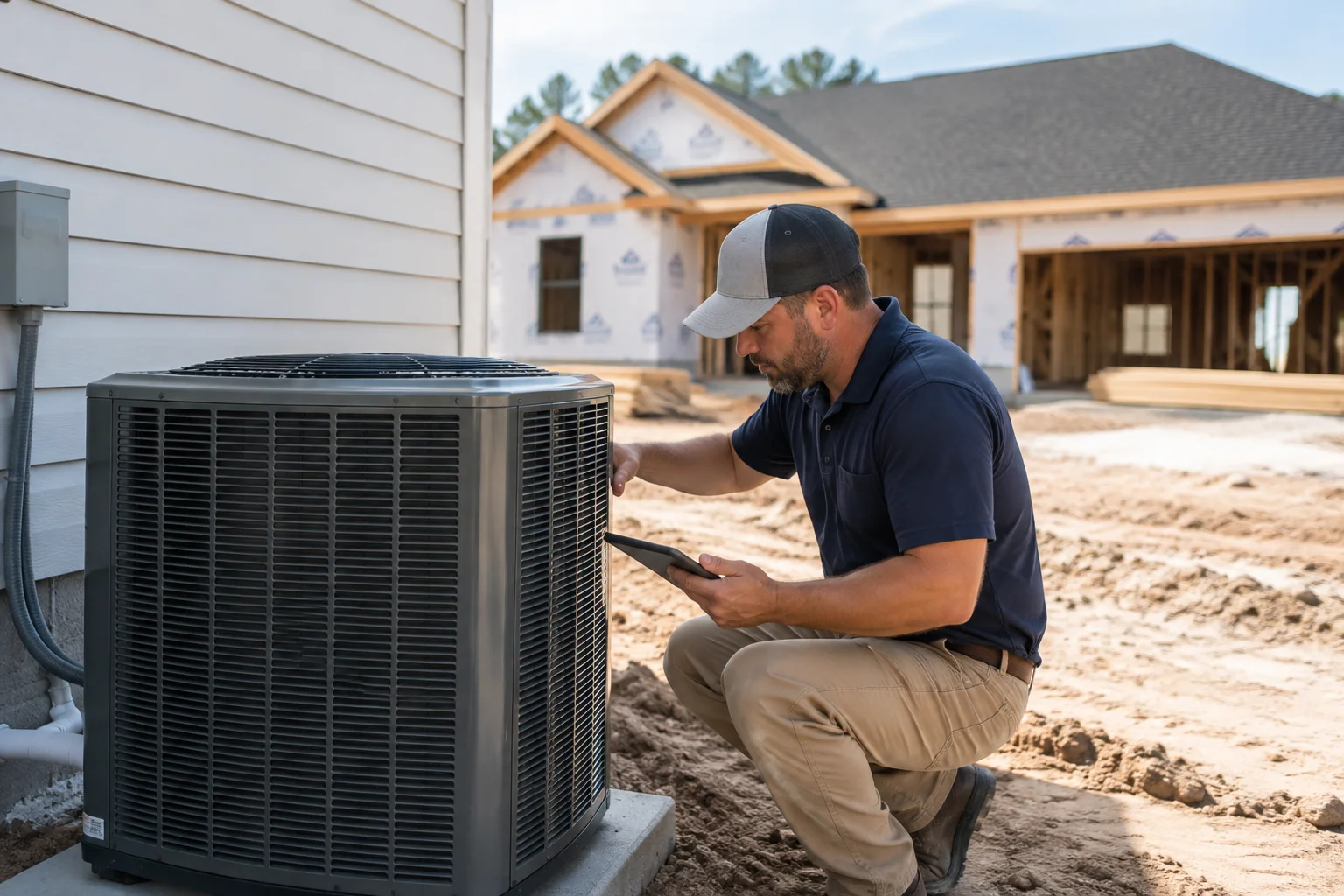
Salt air adds another consideration for nearby outdoor units. Corrosion on condensers and other exposed components can affect reliability over time. Local service matters because moisture control depends on both indoor conditions and the condition of equipment working in coastal weather.
A practical indoor humidity target
For many homes, an indoor relative humidity setting around 45 to 55 percent is a useful starting point. Aim to stay below 60 percent without making the house unnecessarily dry. The best setting depends on comfort, building conditions, and equipment capabilities.
Use a reliable hygrometer to check several rooms over a few days. Keep it away from supply vents, direct sunlight, and bathroom steam. One reading right after a shower tells less than a pattern of elevated humidity throughout the house.
Read the Symptoms Before Choosing Equipment
Persistent clamminess, musty closets, slow drying fabrics, and condensation on cold surfaces deserve attention. Uneven comfort is another clue: one room may feel damp while another feels cold. These symptoms can point to excess moisture, weak airflow, or both.
They do not automatically prove that a dehumidifier is the only answer. A damp ceiling near an air handler might involve a condensate drain problem. Moisture concentrated near a window could reflect an envelope leak. A musty odor can have several sources and should not be treated as a diagnosis of mold.
Homeowners searching for AC repair near me because the house feels uncomfortable should mention humidity alongside temperature. Tell the technician which rooms are affected, whether symptoms follow rain, and whether the system cycles frequently. That information helps separate cooling repairs from a broader moisture control need.
Check Cooling Performance and Airflow First
Filters, coils, and refrigerant problems
A dirty filter or blocked evaporator coil restricts airflow and can contribute to freezing. Refrigerant leaks can also reduce cooling performance and cause coil icing. Neither issue should be covered up by installing additional moisture removal equipment. A technician should identify the cause and complete the appropriate air conditioning repair.
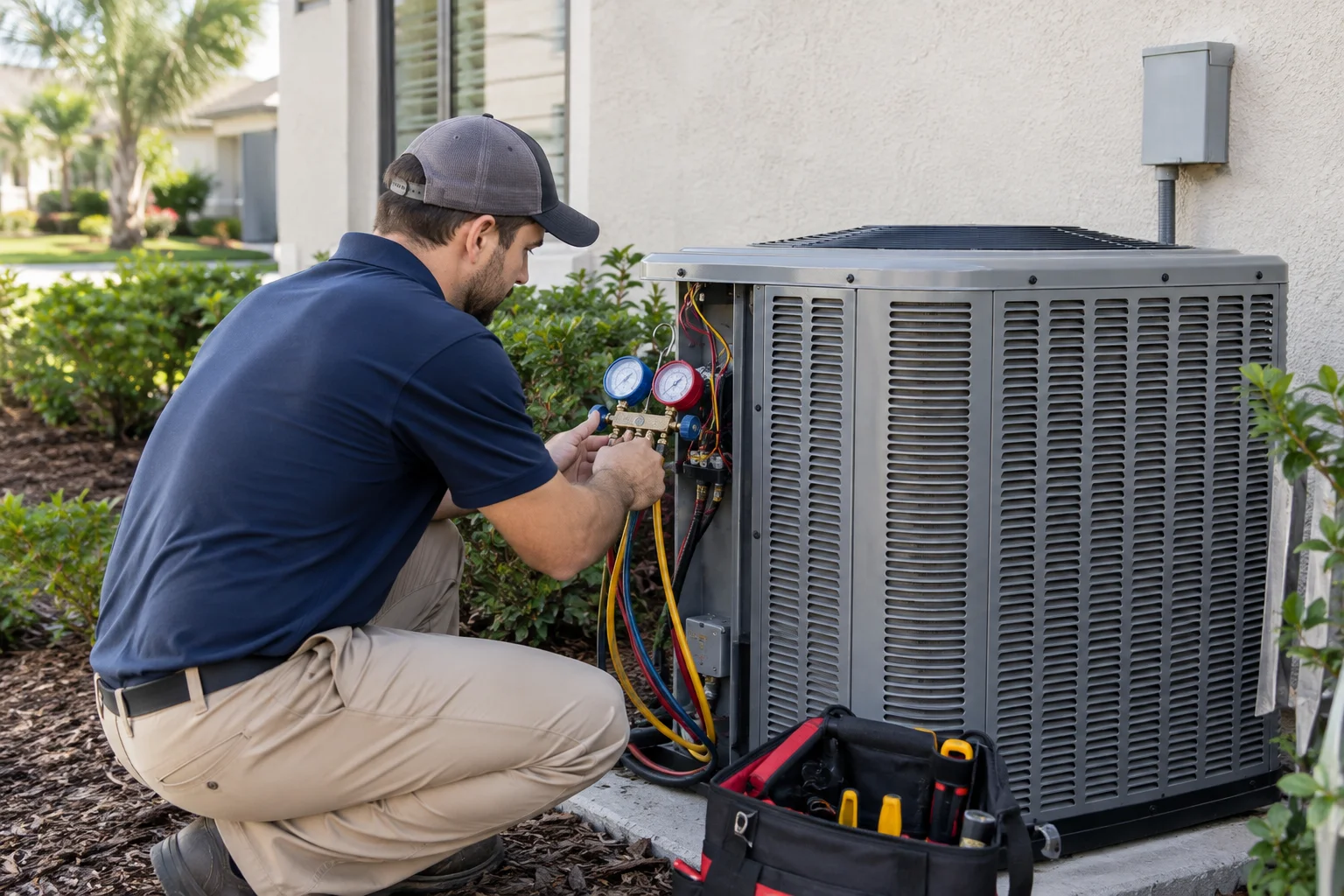
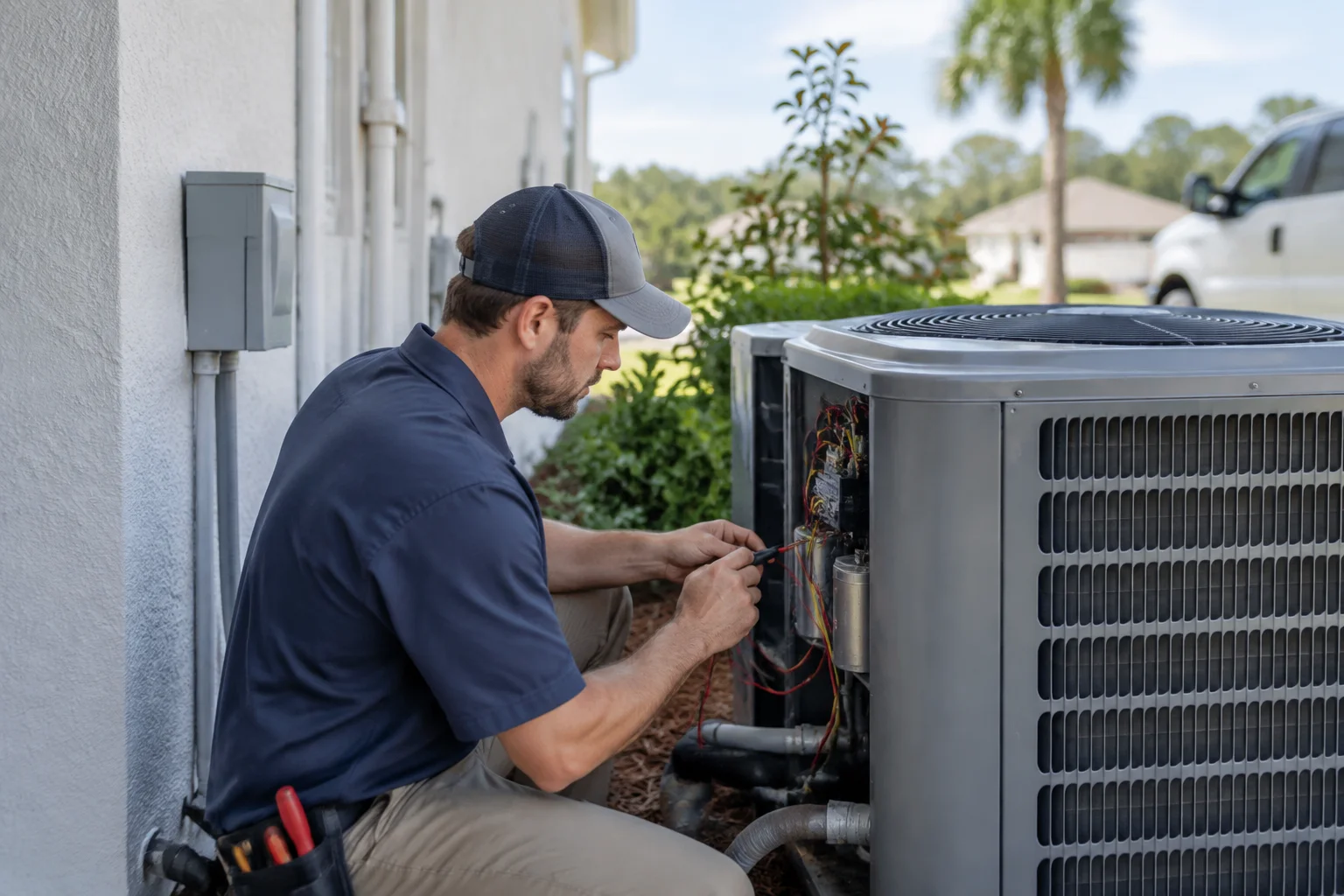
The inspection should include the air handler, blower, indoor coil, outdoor condenser, and condensate drain lines. Refrigerant is not a routine consumable; a low charge warrants evaluation for leakage or another charging issue. Proper airflow and refrigerant charge help the AC perform as designed.
Duct leakage and room pressure
Leaky return ductwork in an unconditioned attic can pull hot, humid air into the system. Supply leaks waste conditioned air and may contribute to pressure imbalances. Disconnected ducts, crushed flexible duct runs, and inadequate return paths can leave individual rooms uncomfortable even when the central thermostat is satisfied.
A duct inspection in Valparaiso helps identify whether ductwork repair, duct sealing, or changes to return airflow belong in the plan. If an air duct repair near me search started with a damp back bedroom, ask about return paths as well as supply vents.
Keep registers unobstructed and avoid closing multiple vents to push air elsewhere. That approach can increase system resistance rather than solve the underlying problem.
How a Whole Home Dehumidifier Fits Into the HVAC System
A whole home dehumidifier draws moisture from indoor air and sends the collected water to a drain. Depending on its design, it can use dedicated ductwork or an approved connection to the central HVAC system. Unlike cooling alone, it can respond to a humidity call when the thermostat does not need a lower temperature.
That independence is particularly useful during Valparaiso's humid shoulder seasons. It also means installation details matter. The equipment releases some heat into the air, uses electricity, and needs the right airflow to deliver its rated performance.
Size it for the moisture load
Square footage is only one part of sizing. Ceiling height, air leakage, occupancy, outdoor ventilation, and indoor moisture sources all affect capacity needs. Oversizing is not a substitute for evaluating the building, and undersizing may leave the equipment running without reaching the desired humidity.
An installer should also consider actual operating conditions rather than relying only on a headline water removal rating. Ask how the proposed capacity matches your home and where the humidity sensor will be located.
Plan controls, ducts, and drainage together
The duct arrangement must follow manufacturer requirements and account for pressure relationships with the air handler. Some configurations require coordination with the HVAC blower. Poor integration can create short circuits in airflow or distribute dry air unevenly.
A dedicated humidistat or compatible thermostat can control moisture removal. During thermostat installation, confirm that the controls actually support the intended dehumidification function. A smart thermostat that displays humidity does not necessarily control a separate dehumidifier.
Drainage deserves equal attention. The installation needs an approved condensate route, service access, and overflow protection where required or appropriate. A dependable system should remove moisture without creating a new water damage risk.
Different Homes Need Different Moisture Strategies
Older homes and remodeled spaces
Older Valparaiso homes may have aging duct insulation, leaky return connections, or uneven air distribution. Remodels can change those conditions unexpectedly. New windows may reduce leakage, while a larger kitchen or changed floor plan may alter ventilation and airflow needs.
Additions deserve their own load review. Extending an existing duct into a new room does not establish that the system has enough capacity or that the room has an adequate return path.
Newer construction and mini split additions
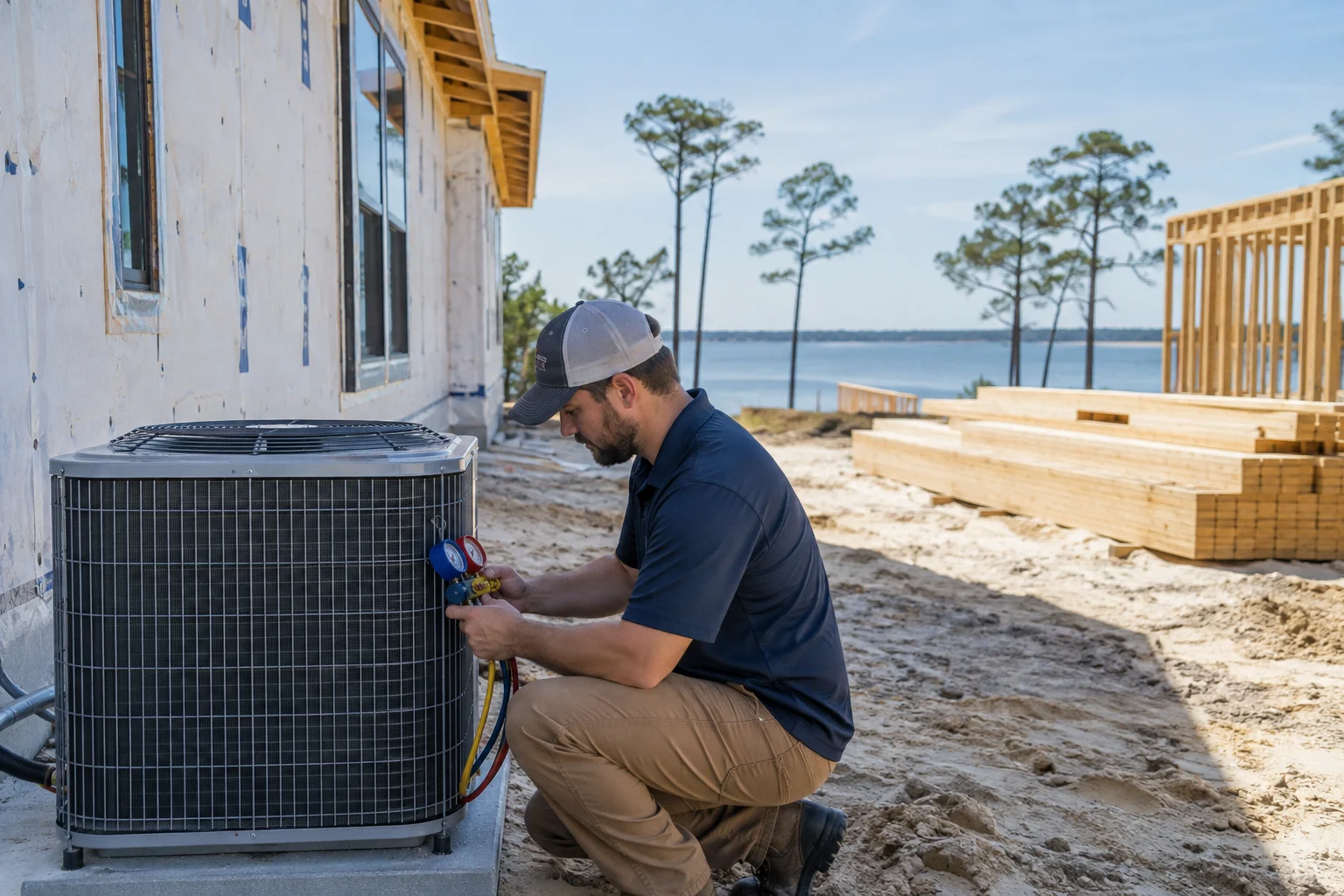
Newer homes with tighter envelopes may have lower cooling loads but still need ventilation and dedicated humidity control. During new construction air conditioning planning, address moisture removal, ventilation, equipment sizing, and drain access before finishes limit the options.
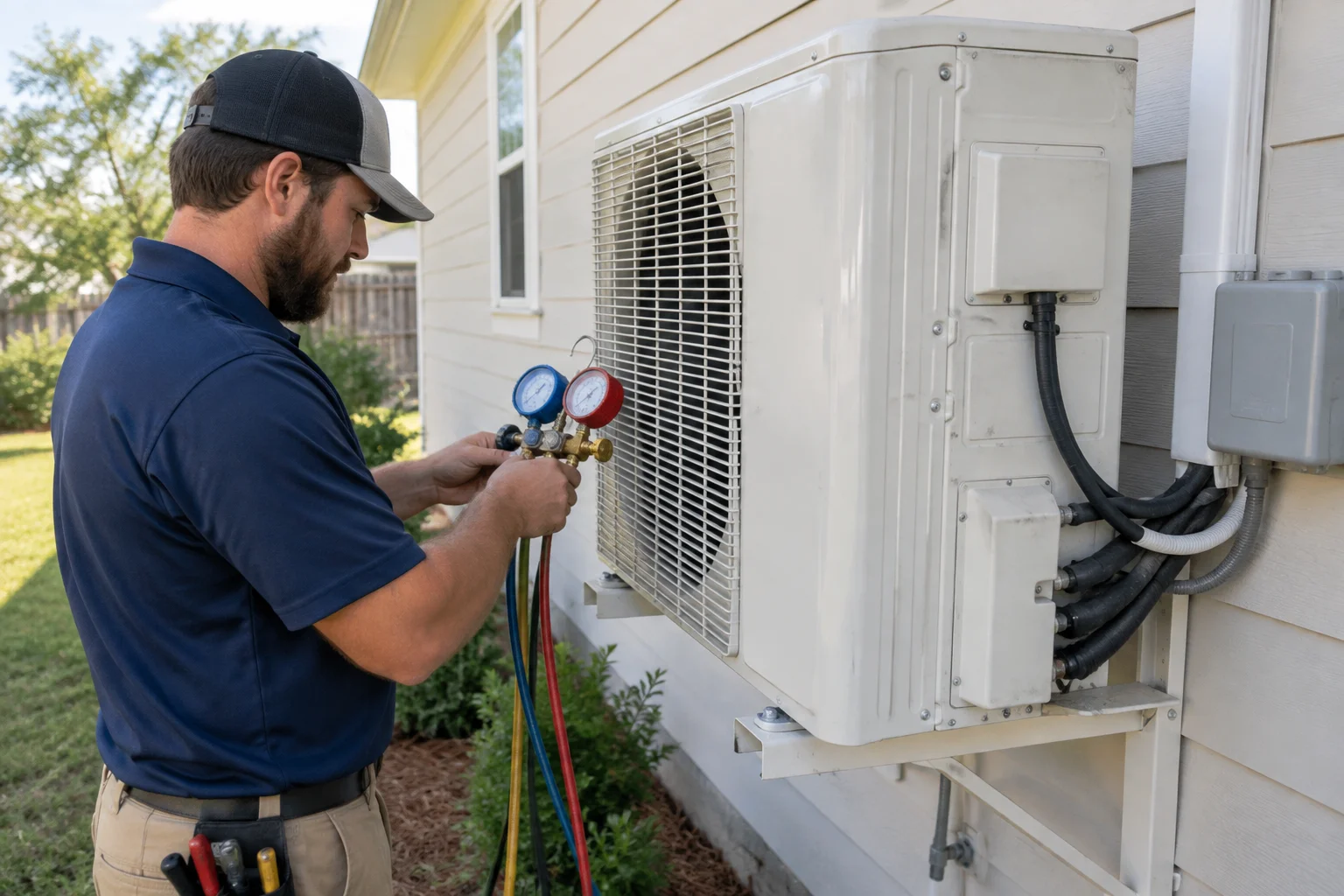
For additions or rooms served by ductless mini splits, remember that dry mode is not always equivalent to whole home humidity control. Performance varies by equipment and operating conditions. A ducted dehumidifier also needs a planned air path to serve spaces isolated behind closed doors.
Humidity Control Supports Indoor Air Quality, but Has Limits
Keeping moisture under control helps reduce conditions that favor mold growth and dust mites. It can also make closets, bedding, and upholstered furniture feel less damp. However, dehumidification does not remove every airborne pollutant, repair water damage, or remediate existing mold.
Filtration serves a different purpose. A media air cleaner may help capture particles when properly selected for the blower and duct system. Installing an overly restrictive filter without checking airflow can create another comfort problem. Evaluate indoor air quality improvements as complementary tools rather than interchangeable fixes.
If moisture is coming from an active building or household water leak, repair that source first. The Valparaiso guide to leak prevention offers related background when the moisture source is outside the HVAC system.
Maintenance That Prevents a Return to Sticky Rooms
Check HVAC and dehumidifier filters at the intervals specified by their manufacturers, adjusting inspections for pets, dust, and heavy use. Keep return grilles clear, watch for water near the air handler, and note changes in humidity readings. A sudden increase may indicate a service issue rather than a need to lower the humidity setting.
Professional maintenance should include applicable coil, blower, airflow, control, and condensate checks. Duct insulation and accessible connections also deserve attention. Avoid pouring chemicals into drain lines unless the equipment manufacturer or servicing contractor recommends that method.
Schedule cooling maintenance before peak summer demand when possible. A preventive HVAC maintenance near me search is most useful when it leads to a visit that addresses your specific moisture complaints, not just thermostat operation.
Heat pumps need attention through both cooling and heating seasons. Homes with furnaces also benefit from seasonal furnace service and safety checks. Heating repair and heat pump repair remain separate diagnostic needs; a dehumidifier cannot correct a failing blower, ignition problem, or faulty reversing valve.
Comfort and Efficiency Without Overcooling
Lowering the thermostat repeatedly is an expensive way to chase dampness. Once moisture is controlled, many homeowners feel comfortable without keeping rooms as cold. Still, a dehumidifier adds electrical consumption, so energy savings are not guaranteed. Results depend on the existing system, setpoints, building leakage, and usage.
Use the central fan's auto setting unless your equipment's operating instructions call for something different. Continuous fan operation can re-evaporate moisture from a wet cooling coil in some systems. Variable speed equipment and integrated controls may need a more specific setup.
Use kitchen and bathroom exhaust fans appropriately, make sure clothes dryers vent outdoors, and address unnecessary outdoor air leakage without disabling required ventilation. These steps reduce the moisture load the HVAC system must manage.
Know Which Problems Need Prompt HVAC Service
Water overflowing near the air handler, ice on refrigerant lines, a stopped blower, or a sudden loss of cooling requires prompt attention. Turn cooling off if the coil is frozen and arrange service rather than repeatedly restarting it. Keep away from equipment affected by standing water, storm flooding, burning odors, or sparking.
An emergency AC repair near me search may be appropriate when cooling fails during dangerous heat, especially with vulnerable occupants. Move to a safe, cooler location if needed. For a suspected gas leak, leave the home and contact the gas utility or emergency services from outside.
Build a Valparaiso Humidity Plan Around the House You Have
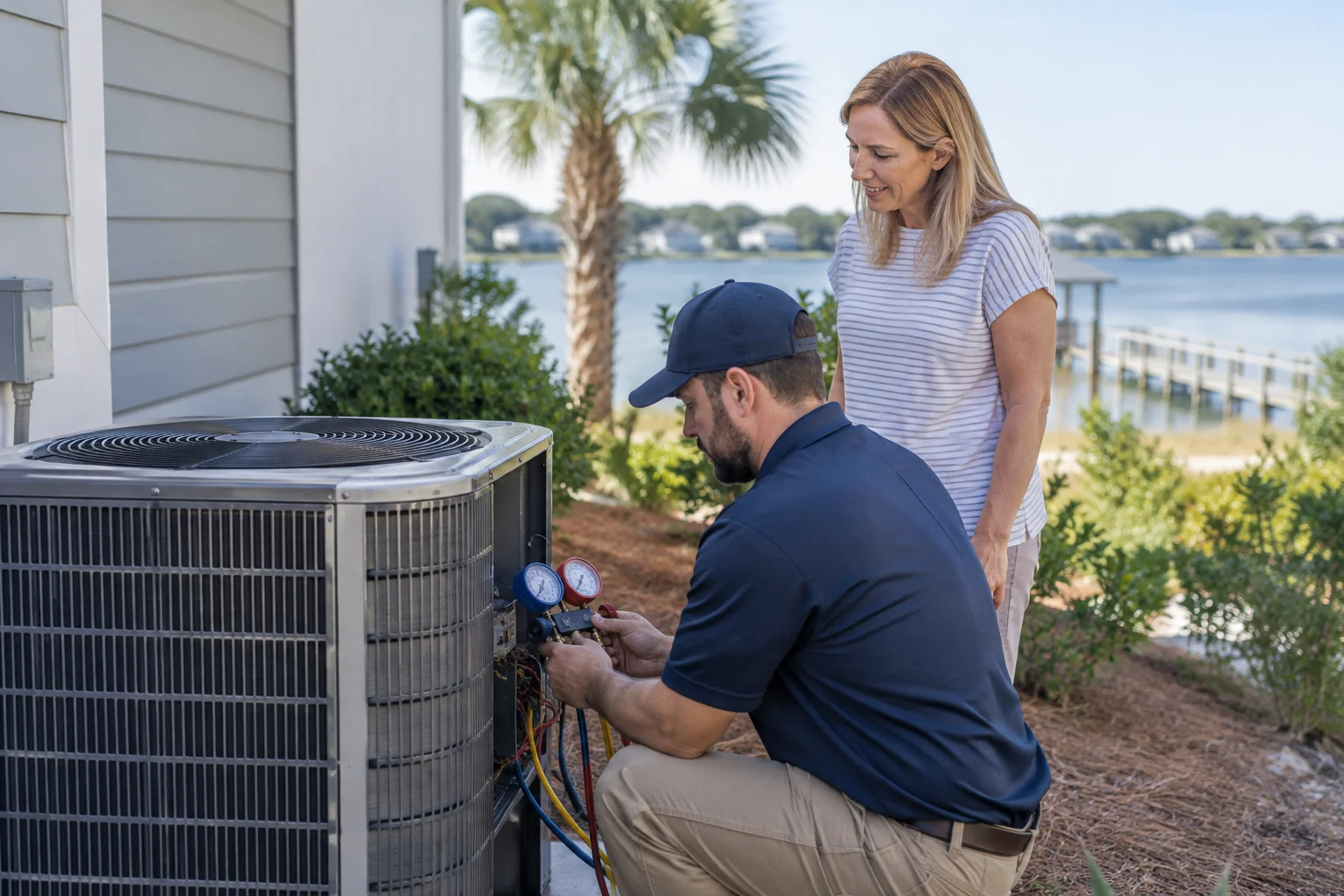
Bring humidity readings, thermostat settings, and room specific observations to your service appointment. Ask whether the recommendation includes airflow testing, duct repairs, drainage safeguards, and control setup. Clear answers make it easier to distinguish an equipment problem from a building moisture problem.
A Superior Mechanical offers HVAC services in Valparaiso within its Okaloosa County service area. Request a whole home dehumidification evaluation that considers your cooling system, home layout, and coastal conditions together, so moisture control fits the way your home actually operates.
Find Whole Home Dehumidification in Valparaiso, FL
If you need Whole Home Dehumidification in Valparaiso, FL, visit our local service page or contact A Superior Mechanical today.
Map of Valparaiso, FL
Frequently Asked Questions
Do I need whole home dehumidification if my air conditioner cools well?
Possibly. An air conditioner can reach the thermostat setting before removing enough moisture, especially during mild, humid weather. If indoor relative humidity repeatedly stays above 60 percent, have a professional check cooling performance, airflow, duct leakage, and moisture sources before recommending a dehumidifier.
Can a whole home dehumidifier work with a heat pump or mini splits?
Yes, with an appropriate design. A dehumidifier can be integrated with a compatible ducted heat pump system or installed with dedicated ductwork. In homes with mini splits, the installer must plan how air will move between the dehumidifier and the rooms being served.
Will whole home dehumidification lower my energy bill?
Not necessarily. Better humidity control may let you stay comfortable at a higher cooling temperature, but the dehumidifier also uses electricity and adds some heat indoors. Overall energy use depends on equipment efficiency, controls, duct condition, building leakage, and your comfort settings.
Related Articles
- Valparaiso’s Waterline Playbook: Leaks, Drains, Pipes, and Prevention
- A Smarter Electrical Replacement Plan for Valparaiso Homes
- Cleaner Everyday Water in Valparaiso: Matching Reverse Osmosis With Solutions for Taste, Odor, Spots, and Scale
- Smarter Plumbing for Valparaiso Homes: Leaks, Drains, Pipes, and Prevention
Photo Gallery