A backup generator can keep essential parts of a Camp Creek home running during an outage, but its performance depends on the electrical system behind it. The panel, transfer equipment, wiring, and connected circuits all need to work together. Installing a larger generator will not fix a damaged breaker, a loose connection, or an overloaded circuit.
For homeowners considering power backup generators in Camp Creek, FL, planning should begin with an electrical assessment. A Superior Mechanical helps homeowners connect generator installation and maintenance with the panel, circuit, and safety work that makes backup power dependable.
Coastal Weather Changes the Backup Power Conversation
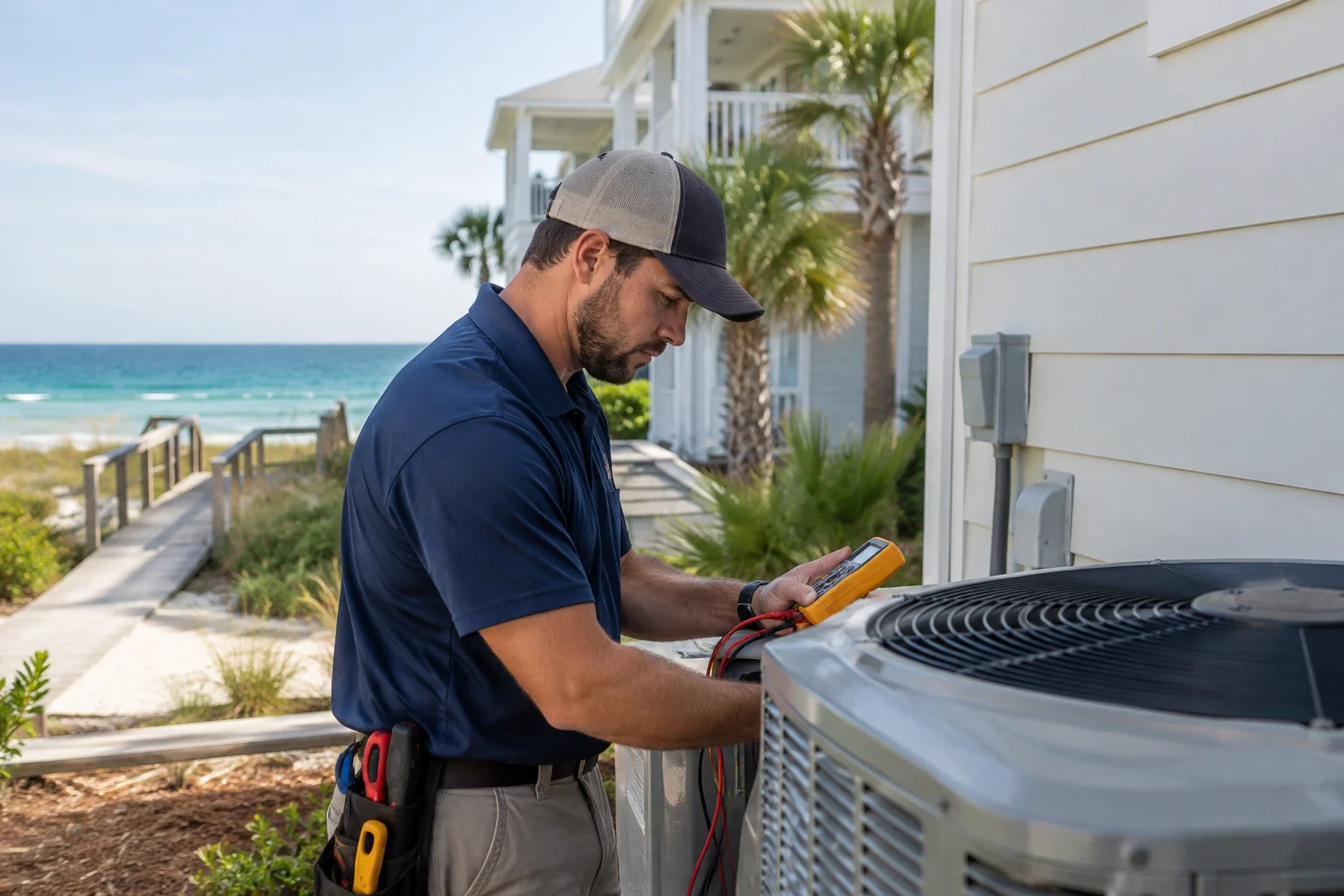
Camp Creek properties face humid conditions, coastal air, thunderstorms, and tropical weather. Wind and falling debris can interrupt utility service, while moisture and salt exposure can accelerate corrosion on outdoor electrical equipment. A generator installation must account for both outages and the environment where the equipment will operate.
Older homes may have limited panel capacity, incomplete circuit labels, or wiring altered during previous renovations. Newer homes often have greater power demand from electric cooking, multiple refrigerators, pool equipment, and EV chargers. Remodels and additions can change the load substantially, even when the original electrical service still looks adequate.
Local electrical service matters because equipment placement, flood exposure, outdoor materials, and permitting need attention before installation. A contractor serving Camp Creek homes and properties can evaluate these issues together rather than treating the generator as a standalone appliance.
Decide What Must Stay On Before Choosing a Generator
Build an essential circuit list
Start with the loads that protect your household and property: refrigeration, selected lighting, communications equipment, security systems, and any medically necessary equipment. Depending on the property, a sewage lift pump or other critical pump may also need consideration. Medical equipment users should maintain a separate emergency plan rather than relying on a generator alone.
Then identify convenience loads, such as laundry equipment, an electric range, ceiling fans, and additional outlets. Separate priorities from equipment that can wait until utility power returns. This helps an electrician design an essential circuit arrangement or a managed whole home system without oversizing unnecessarily.
Account for startup demand and future changes
Motors can draw much more power while starting than during normal operation. Generator sizing must consider those demands along with simultaneous loads, voltage requirements, and manufacturer specifications. Floor area alone is not a reliable sizing method.
If you expect an addition, workshop, spa, or EV charger installation, mention it early. Homeowners searching for standby generator installation near me should ask whether the proposal includes a documented load evaluation and load management strategy, not just a generator rating.
The Panel Determines How Backup Power Reaches Your Home
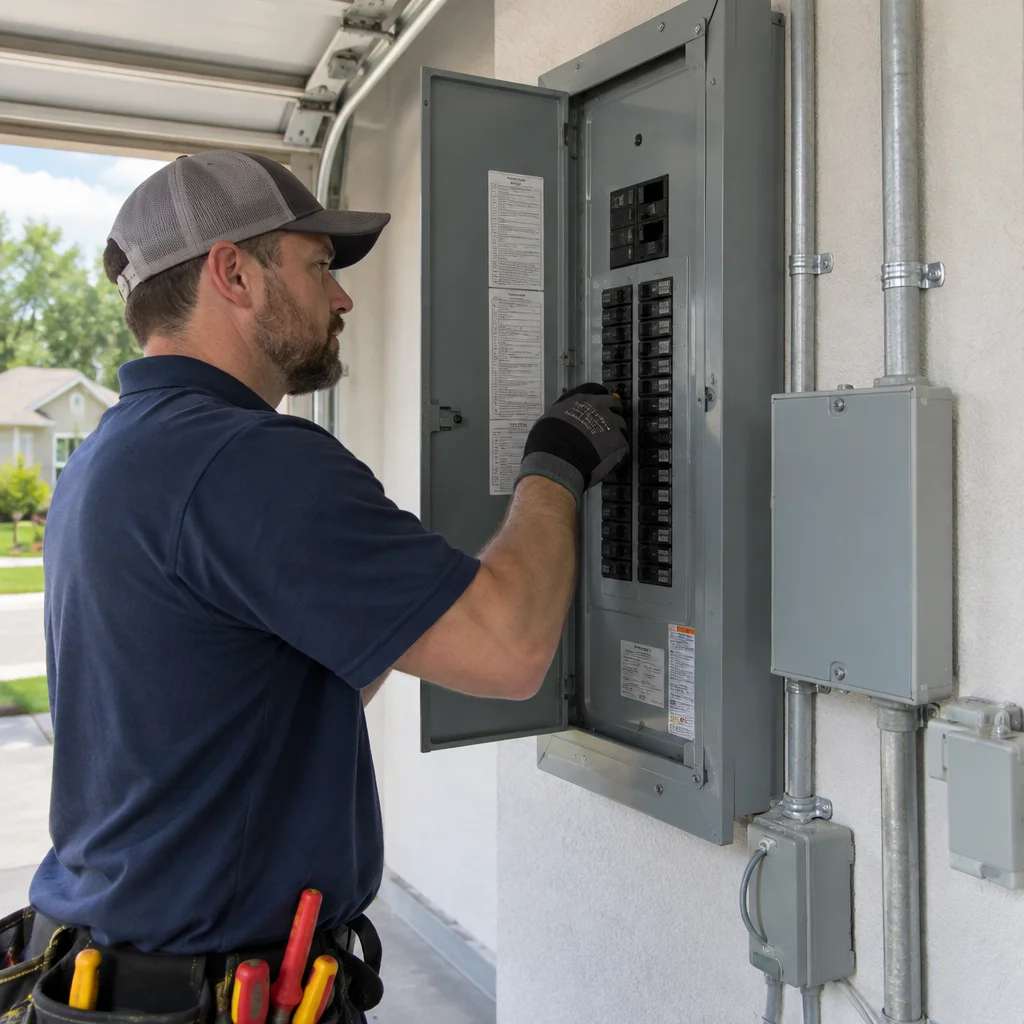
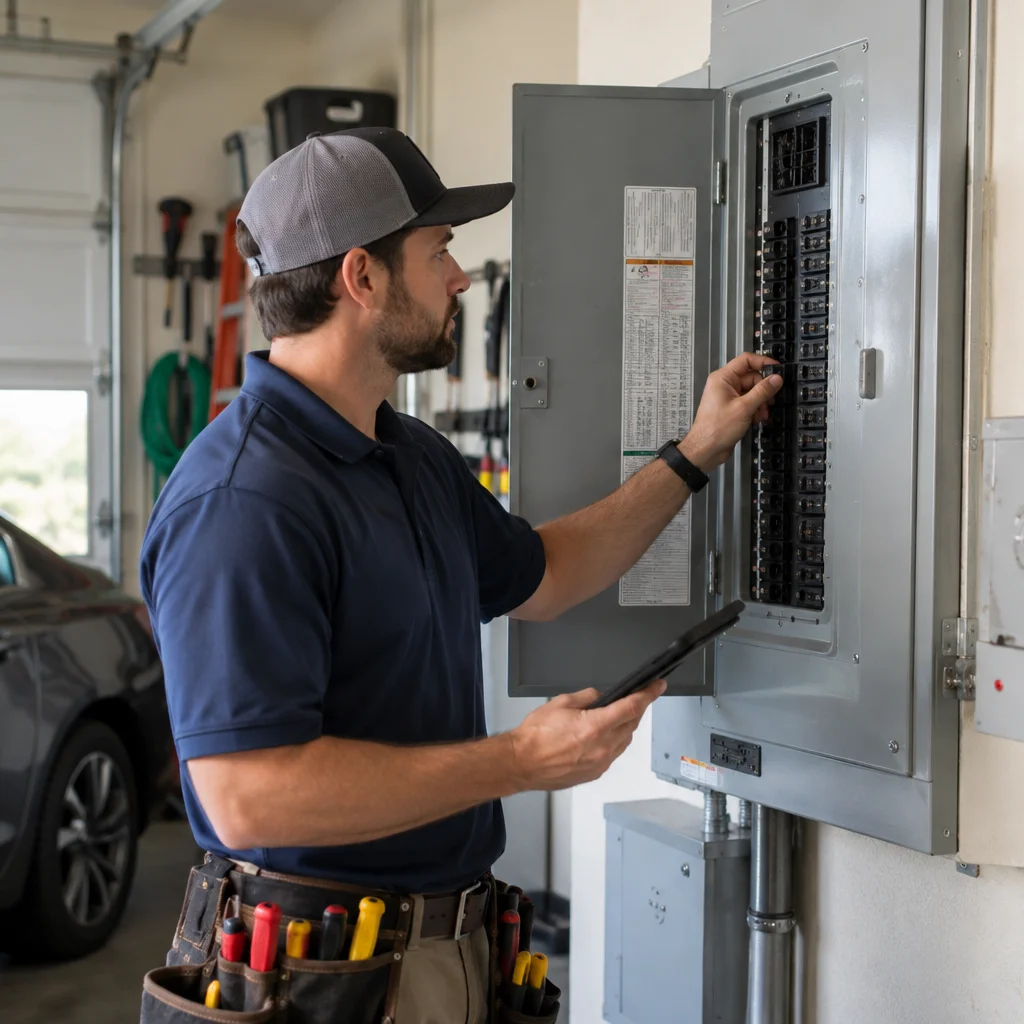
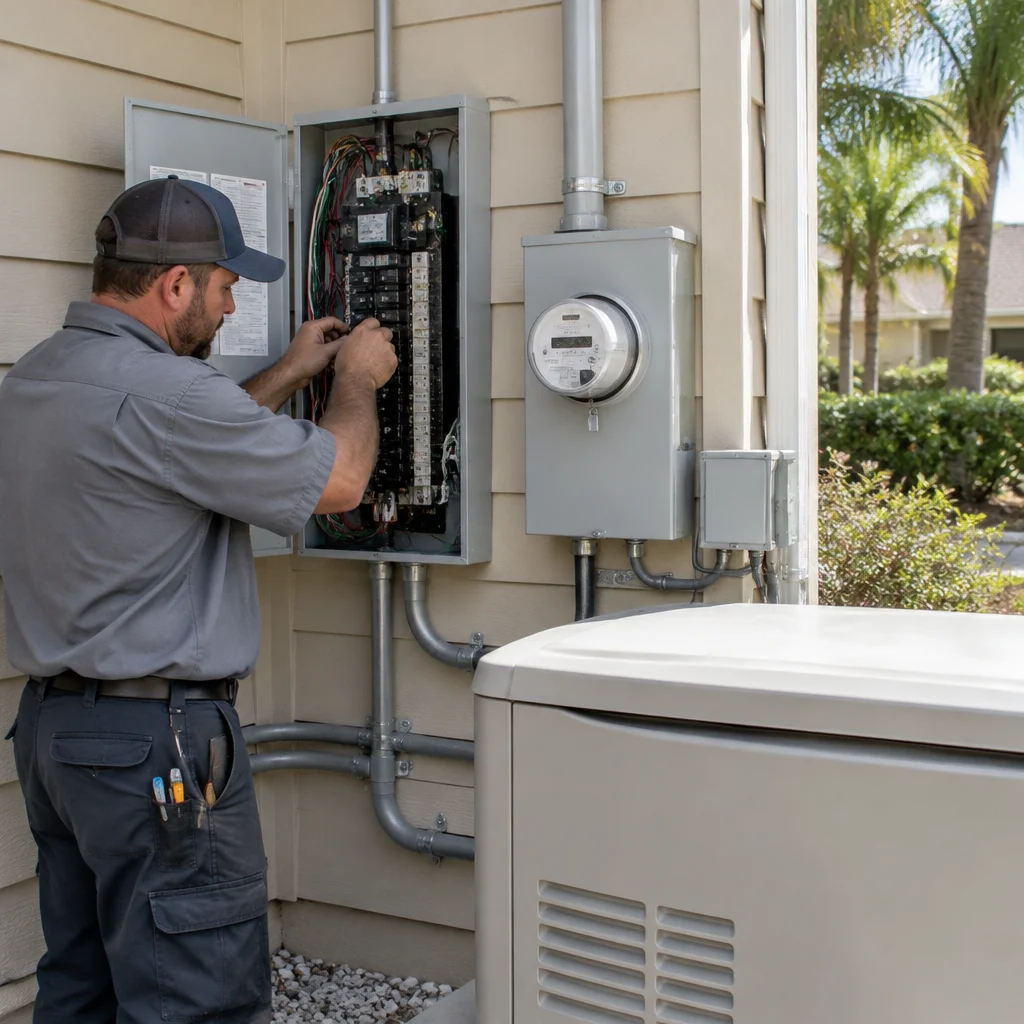
Your panel distributes power through breakers that protect branch circuit wiring. Before connecting a generator, an electrician should evaluate the panel's condition, rating, available spaces, circuit arrangement, and compatibility with the proposed transfer equipment. Visible rust, damaged components, overheating, or improper modifications may require electrical repair or replacement first.
A 200 amp service does not automatically require a generator capable of carrying every possible load at once. Likewise, a smaller service does not automatically need an upgrade to support backup power. The right approach depends on calculated demand, equipment condition, and how loads will be controlled.
If a search for electrical panel replacement near me brought you here, ask whether the concern is capacity, physical damage, obsolete equipment, or the generator connection itself. Each issue has a different solution. A Superior Mechanical's circuit breaker panel and rewiring services can be part of a coordinated electrical plan.
Resolve breaker problems instead of working around them
A breaker that repeatedly trips may be responding to an overload, short circuit, ground fault, or equipment problem. Breaker repair often means diagnosing the circuit and replacing a defective breaker with an approved compatible unit, not attempting to repair its internal mechanism. Installing a larger breaker without verifying conductor capacity is unsafe.
Frequent trips, buzzing, heat, and unexplained flickering deserve attention before generator installation. The guide to electrical safety clues Camp Creek homeowners should never ignore explains why seemingly small symptoms can justify a professional inspection.
Transfer Equipment Keeps Generator Power Separate
A permanently connected standby generator typically uses an automatic transfer switch to move designated loads between utility and generator power. Proper transfer equipment prevents the two sources from being connected unintentionally and helps protect utility workers, occupants, and equipment from backfeeding hazards.
For some portable generator arrangements, an electrician may design a system using a listed inlet and approved transfer equipment or a compatible listed panel interlock where permitted. These arrangements have specific operating procedures and limitations. A generator must never feed a home through a wall receptacle or a cord with exposed energized male ends.
Grounding, neutral switching, and bonding depend on the equipment and system configuration. Adding a ground rod is not a substitute for proper design. Leave these decisions, conductor sizing, terminations, and required code corrections to a qualified electrical contractor.
Wiring and Outlets Need Their Own Inspection
Backup power travels through the same branch circuit wiring your home uses every day. Loose terminations, deteriorated insulation, damaged boxes, and overloaded circuits remain hazards regardless of the power source. Generator planning is a useful opportunity to identify these problems before storm season adds urgency.
An electrician should check whether essential appliances share circuits with other heavy loads. Dedicated circuits may be appropriate or required for specific equipment. Outdoor outlets and receptacles in locations requiring GFCI protection should have suitable protection and covers for their environment. Required GFCI protection should never be bypassed to keep equipment running on generator power.
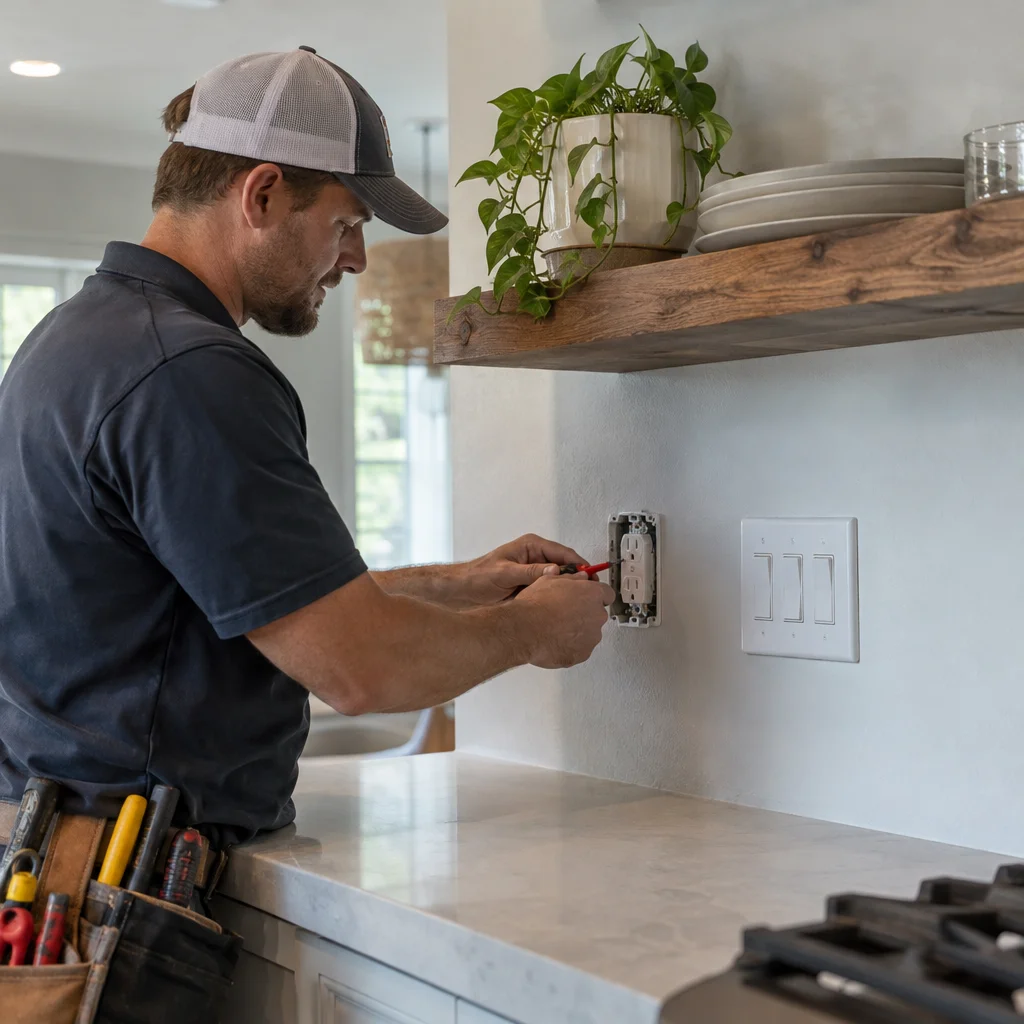
If an outlet repair near me search starts with a warm receptacle, intermittent power, or a plug that fits loosely, the issue may extend beyond the outlet itself. Wiring repair may be necessary, particularly where moisture, corrosion, or previous alterations have affected the circuit.
The article on planning panel, wiring, and outlet replacement in Camp Creek offers additional context for coordinating repairs with a larger electrical project.
Plan Lighting, Switches, and Comfort Loads Deliberately
Reliable backup lighting should cover stairs, hallways, entrances, and essential work areas. LED lighting can reduce generator demand, but damaged switches, incompatible dimmers, and loose fixtures still need correction. Lighting installation during a remodel is also a chance to place essential fixtures on circuits included in the backup plan.
Ceiling fans can provide useful air movement with relatively modest demand, depending on the model. They still require secure mounting, suitable electrical boxes, and sound wiring. If a fan wobbles, hums, or has unreliable controls, consider professional ceiling fan service rather than assuming generator power will improve its operation.
Coordinate Surge Protection and EV Charging
A generator provides an alternate power source, but it is not a substitute for surge protection. Properly selected panel surge protection can help reduce damage from certain transient voltage events. It cannot guarantee protection against every lightning event, including a direct strike. Sensitive electronics may also benefit from compatible point of use protection.
Grounding and bonding should be evaluated alongside surge protection. Damaged service connections or problems around the meter enclosure require professional assessment and may involve utility coordination. Homeowners should never open meter equipment or attempt service conductor repairs.
EV charging deserves separate load planning because a Level 2 charger can represent a substantial continuous load. Some systems can pause or limit charging while the generator operates. An electrician should coordinate the charger circuit, load controls, and generator capacity so vehicle charging does not displace essential household loads.
Generator Placement and Carbon Monoxide Safety
Standby generator placement must follow manufacturer instructions and applicable requirements for openings, combustibles, ventilation, service access, and exhaust. Coastal drainage patterns and potential flood exposure also matter. Do not enclose a generator to hide it or reduce noise unless the enclosure is specifically approved for that equipment.
Portable generators must operate outdoors, at least 20 feet from doors, windows, and vents, with exhaust directed away from buildings. Never operate one in a garage, even with the door open. Keep the equipment dry using a manufacturer-approved operating solution without restricting ventilation or creating an enclosure.
Working carbon monoxide alarms are essential wherever fuel-burning generators could expose occupants to exhaust. Include smoke detector installation or replacement in the safety assessment when alarms are missing, outdated, or not functioning. Follow alarm manufacturer instructions and applicable placement requirements.
Maintenance Prevents More Than Starting Problems
Generator maintenance should follow the manufacturer's schedule for oil, filters, batteries, exercise cycles, and operating hours. Electrical maintenance should also address transfer equipment, connections, corrosion, enclosure condition, and changes in household demand. An exercise cycle alone does not prove the system can transfer and carry its intended loads.
Keep vegetation and stored items clear of required equipment access areas. From a safe distance, watch for damaged conduit, rust, pest activity, or signs of water intrusion. Do not remove electrical covers or reach into equipment, even when utility power is off, because a standby generator can start automatically.
For vacation rentals, leave clear outage instructions and an emergency contact. Guests should not adjust transfer equipment or troubleshoot electrical faults. Property managers coordinating maintenance across Walton County should maintain service records and update backup plans whenever appliances or circuits change.
Electrical Concerns That Should Not Wait
Smoke, sparks, burning odors, shocks, or a hot panel warrant immediate attention. Keep people away from the equipment. If there is fire, active arcing, or immediate danger, leave the area and call 911. Treat downed lines and nearby water as energized and notify the utility.
After flooding, do not energize wet electrical equipment or start a connected generator until qualified professionals have evaluated the system. An emergency electrician can assess property-side damage, while utility-owned equipment requires utility involvement. Do not repeatedly reset a breaker that trips again immediately.
Put the Electrical Assessment Ahead of the Equipment Order
When comparing an electrical inspection near me, ask whether the scope includes panel condition, circuit priorities, grounding, transfer equipment, outdoor exposure, and permit requirements. Request a clear explanation of necessary repairs, optional improvements, and how the completed system will be tested.
A Superior Mechanical provides generator installation, replacement, maintenance, and electrical integration in Camp Creek. Schedule a backup power assessment to build a plan around your home's actual circuits, essential loads, and future needs before the next outage.
Find Power Backup Generators in Camp Creek, FL
If you need Power Backup Generators in Camp Creek, FL, visit our local service page or contact A Superior Mechanical today.
Map of Camp Creek, FL
Frequently Asked Questions
Do I need a panel upgrade before installing a backup generator?
Not necessarily. An electrician should evaluate the panel's condition, electrical demand, and compatibility with the transfer equipment. Some homes can use the existing panel with an essential circuit arrangement or load management. Damaged, unsuitable, or undersized equipment may require replacement or an upgrade.
Can a standby generator power my EV charger during an outage?
It may be possible if the generator and electrical system are designed for that load. EV charging can consume a substantial share of available capacity, so load management may pause or limit charging to preserve power for essential circuits. Have the installer evaluate the charger along with other simultaneous loads.
How often should a backup generator receive maintenance in Camp Creek?
Follow the manufacturer's calendar and operating-hour maintenance schedule, including any service required after extended operation. Coastal exposure can justify additional checks for corrosion, moisture intrusion, and enclosure damage. Professional service should evaluate the transfer system and electrical connections as well as the engine and starting battery.
Related Articles
- Electrical Safety Clues Camp Creek Homeowners Should Never Ignore
- Smart Electrical Planning for Camp Creek Homes Facing Panels, Wiring, and Outlet Replacement
- A Practical Plumbing Plan for Camp Creek Homes: Leaks, Drains, and Everyday Prevention
- Keeping Camp Creek Drains Moving: A Homeowner’s Guide to Reliable Sewer Service
Photo Gallery