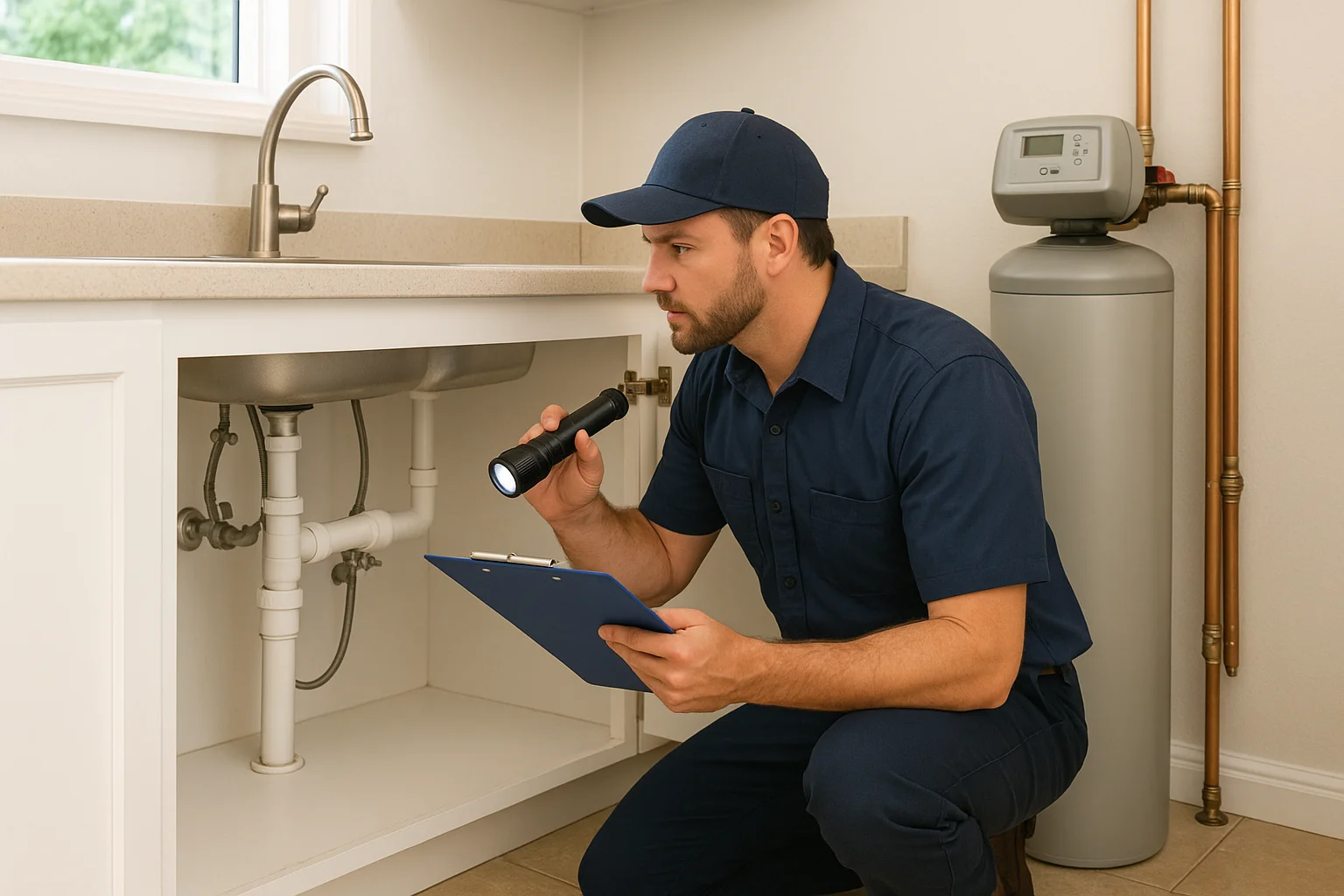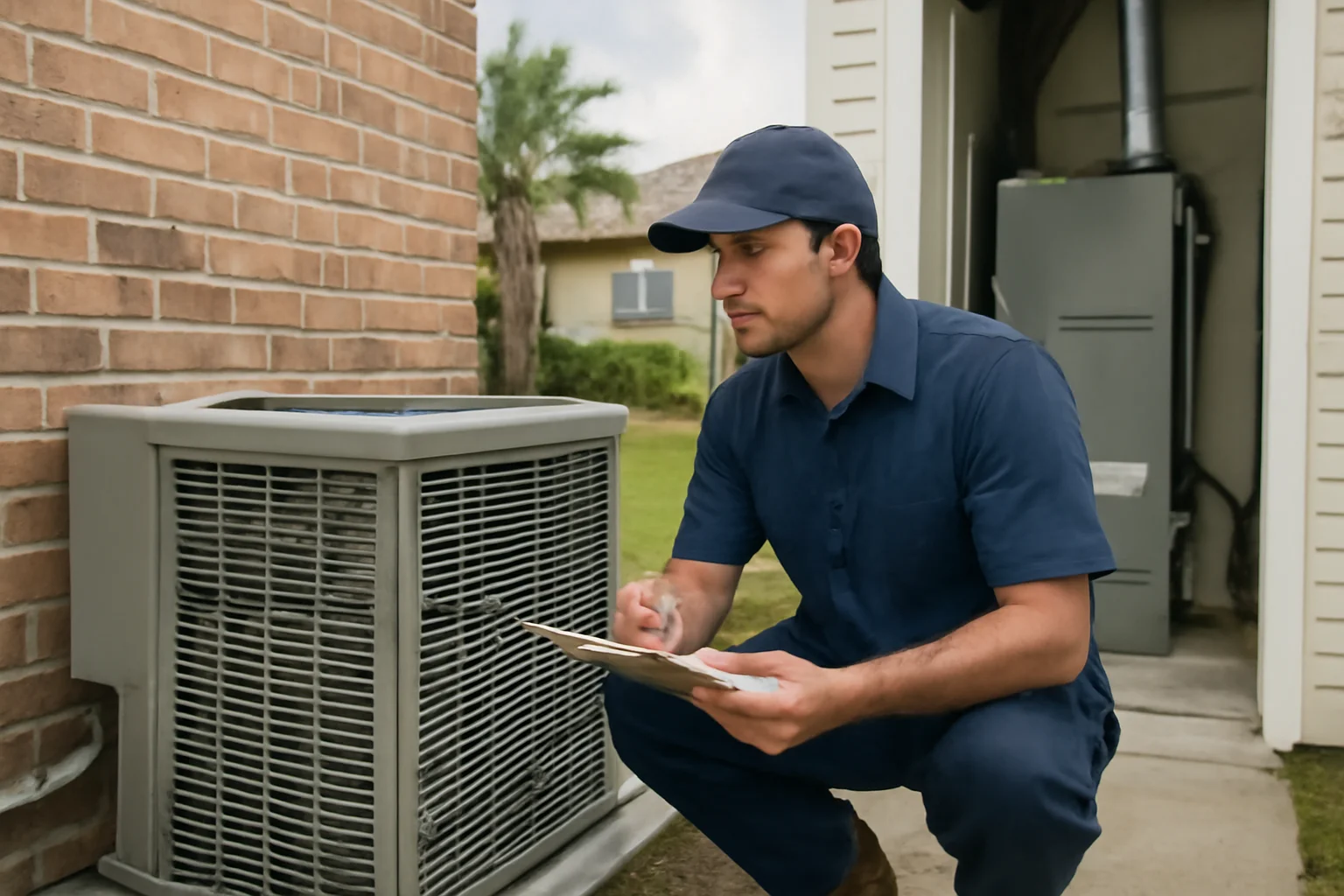
Freeport, FL has the kind of humidity that never really takes a day off. Between summer heat, salt air from the coast, and older home construction, excess moisture can build up in walls, crawl spaces, and even inside ductwork. That is why whole home dehumidifiers in Freeport, FL have become a go-to comfort upgrade for homeowners and property managers who want steadier indoor air quality and fewer HVAC headaches.
But when a whole home dehumidifier is connected to your heating and cooling system, it also changes how your HVAC equipment behaves. Some common HVAC warning signs can point to a humidity control issue, not just an air conditioner or heat pump problem. Knowing what to watch for can help you avoid emergency cooling concerns, protect your refrigerant systems, and reduce strain on airflow and condensate drainage.
Why humidity control changes how your HVAC system works
In Freeport’s warm, humid climate, moisture moves into the home through air leaks, daily living, and the natural pressure differences between indoor and outdoor air. Your HVAC system removes some moisture during cooling, but it is not always enough to keep humidity in the ideal comfort range. A whole home dehumidifier helps by pulling moisture from the air and handling it through condensate drainage.
When the dehumidifier is integrated with the home’s air distribution, it relies on:
- Airflow through ductwork and returns so the unit can sense and treat humidity correctly.
- Proper condensate drainage so water does not back up or create overflow risk.
- Clean filters and functioning blower operation so the system can move air without overworking.
- Thermostats and controls that coordinate run times and fan behavior.
- Refrigerant systems that stay within normal operating conditions when the HVAC is cycling as expected.
That is why a dehumidifier can be the “root” of an HVAC symptom. If humidity is not being controlled correctly, your AC repair needs may show up as comfort complaints, airflow problems, or repeated cycling rather than obvious water leaks.
HVAC warning signs that often connect back to whole home dehumidifiers
Some warning signs look like typical air conditioning issues. The difference is that they may be more frequent during humid weather, or they may appear after the dehumidifier was installed, serviced, or adjusted.
1) The house feels clammy even when the thermostat is set low
Many homeowners assume “cooler air” automatically means “dry air.” In Freeport, that is not always true. If the dehumidifier is underperforming, humidity can stay high while temperatures still seem acceptable. You may notice:
- Sticky indoor air
- Condensation on windows
- Musty odors in closets or near returns
This can also increase strain on your AC or heat pump. When the system has to work harder to maintain comfort, it can lead to more frequent starts and longer run times.
2) Short cycling or frequent on and off cycles
Short cycling can happen for several reasons, including airflow restrictions, thermostat settings, or control coordination issues. With a whole home dehumidifier connected to the HVAC operation, poor humidity control can contribute to repeated demand changes. You might see:
- Frequent compressor starts
- Blower running in unusual patterns
- Comfort that never fully stabilizes
Short cycling is a common pathway to wear and tear. It also increases energy use because the system spends more time in startup conditions.
3) Higher energy use during peak humidity weeks
When humidity is managed inconsistently, your HVAC may run longer than expected to maintain temperature comfort. Even if the dehumidifier is operating, issues like clogged filters, restricted returns, or drainage problems can reduce overall effectiveness. The result can be higher energy use and a system that feels “always on.”
If you notice a pattern that lines up with rainy stretches or coastal humidity surges, it is worth checking both the dehumidifier setup and the HVAC airflow path.
4) Water-related clues: gurgling, slow draining, or damp spots
Condensate drainage is central to a dehumidifier’s job. If drainage is partially blocked or the line is misrouted, you may notice:
- Gurgling sounds near the unit or near a drain line
- Slow water removal
- Damp drywall, crawl space moisture, or wet insulation
Water issues can become more than a comfort problem. Excess moisture can affect indoor air quality services needs, increase mold risk, and damage nearby components. If you see any signs of overflow or repeated wetness, it is time to contact a licensed HVAC contractor near me for an inspection.
5) Uneven airflow or “cold rooms” paired with humidity complaints
Many Freeport homes have ductwork that is older, undersized, or not balanced for today’s comfort expectations. When airflow is weak in certain zones, the dehumidifier may not be sensing or treating the air effectively. You can end up with:
- Hot spots or cool spots
- Returns that feel weak
- Humidity that stays higher in specific rooms
This is where duct inspection near me and air conditioning inspection near me can make a difference. A professional can check whether the airflow path supports both temperature and humidity control.
6) Strange smells that get worse after the dehumidifier runs
Musty odors can come from moisture trapped in ductwork, dirty coils, or microbial growth in areas that stay damp. If the smell increases when the system operates, it may indicate that the humidity control cycle is not removing moisture as intended.
Indoor air quality is closely tied to humidity. When moisture is reduced, it becomes harder for contaminants to thrive. When moisture is not reduced, homeowners often notice odors, allergy flare-ups, or poor comfort.
7) Thermostat behavior does not match comfort needs
Thermostats and dehumidifier controls can interact. If settings are mismatched or the thermostat’s fan schedule is not coordinating with dehumidification, you may see issues like:
- Fan running too little to move treated air
- Fan running too much, causing comfort swings
- Temperature setpoints that do not align with humidity targets
If you are considering thermostat installation near me or smart thermostat updates, it is smart to have a professional ensure the HVAC and dehumidifier controls work together safely and predictably.
Common causes in Freeport homes: humidity, airflow, and salt air
Freeport’s climate is a big part of the story. But the root causes of HVAC warning signs are usually practical: airflow, drainage, filtration, and control settings.
Airflow restrictions from filters and ductwork
Whole home dehumidifiers depend on moving air through the system. When filters are dirty or ductwork has restrictions, airflow drops. That can reduce dehumidification effectiveness and increase HVAC strain. Homeowners often overlook filter maintenance during the cooler months, then see problems return when humidity spikes.
Drain line clogs or condensate drainage issues
In humid seasons, condensate production increases. If drainage is restricted, water can accumulate and create secondary problems like damp odors or moisture in nearby areas. Even small blockages can matter when the system is working harder.
Coastal salt air and debris on HVAC components
Freeport’s salt air can contribute to corrosion and buildup on outdoor units and nearby surfaces. While dehumidifiers are typically indoor systems, the overall HVAC performance is still affected. If outdoor airflow is reduced or the system is operating under stress, comfort and humidity control can become harder to maintain.
Control coordination problems after adjustments or seasonal changes
Many homeowners change thermostat settings for summer comfort and forget to revisit humidity-related behavior. If the HVAC and dehumidifier are not coordinated, the system may not run when humidity needs it most, or it may run in a way that does not effectively distribute treated air.
Insufficient return air or poorly balanced ductwork
Some homes have returns that are too small, blocked by furniture, or located in areas that do not reflect the true humidity load of the home. When return air is limited, the dehumidifier and HVAC can lose efficiency.
Simple habits that prevent HVAC issues tied to dehumidifiers
These habits are low effort and can reduce the likelihood of mid-summer breakdowns, emergency cooling concerns, and repeated service calls.
Keep up with filter changes and airflow basics
A dirty filter restricts airflow and can reduce both cooling performance and dehumidifier effectiveness. Use the filter size and type recommended for your system, and replace it on schedule. Also, keep return vents unobstructed. It sounds basic, but it is one of the most common fixes behind “mysterious” humidity problems.
Watch for moisture patterns, not just temperature
If you only track the thermostat, you can miss what humidity is doing. Pay attention to:
- Condensation on windows
- Drywall seams that feel damp
- Musty smells in closets, bathrooms, and near returns
These clues help you identify whether the dehumidifier is effectively handling condensate drainage and whether airflow is moving treated air throughout the home.
Run the system with realistic setpoints during peak humidity
During the hottest, muggiest stretches, avoid sudden temperature swings. Setpoints that are too aggressive can lead to repeated cycling while humidity control remains inconsistent. A professional HVAC company near me can help you find a comfortable approach for your home’s layout and insulation.
Check that drain lines are staying clear
You do not need to perform plumbing work, but you can look for warning clues like water pooling, wet areas, or unusual sounds. If you hear gurgling or notice dampness, stop operating the system and schedule an inspection.
Schedule preventive HVAC maintenance before humidity season peaks
Preventive maintenance is where HVAC problems are less likely to become urgent. A proper visit can include coil and airflow checks, thermostat and control review, and ductwork considerations. If you want to strengthen maintenance habits, review how maintenance supports performance and reliability in local conditions with this guide to efficient maintenance in Freeport. Even though that article focuses on commercial systems, the airflow and humidity principles apply to homes too.
When homeowners should call for professional service
Some issues are safe to monitor, but others deserve a professional evaluation right away. Call A Superior Mechanical for an inspection if you notice:
- Repeated clammy comfort complaints despite normal AC operation
- Any sign of condensate overflow, water intrusion, or persistent damp spots
- Frequent short cycling or unusual blower behavior
- Burning smells, strong musty odors, or visible mold growth
- Airflow that seems to be getting weaker over time
Professionals can evaluate how the dehumidifier and HVAC controls coordinate, check airflow through ductwork, and review the condensate drainage path. They can also confirm whether the refrigerant systems are operating normally, without guessing from symptoms alone. That matters because humidity problems can overlap with cooling issues, and the safest repair plan depends on what is happening in person.
How inspections typically help: airflow, ductwork, and indoor air quality
When homeowners search for AC repair near me or air conditioning inspection near me because humidity and comfort are off, a good inspection should connect the dots. Look for a service process that includes:
- Airflow review across returns, supply registers, and the path the dehumidifier uses.
- Duct inspection near me style checks for leaks, restrictions, and imbalance that can prevent effective circulation.
- Assessment of condensate drainage routes and signs of blockage or improper venting.
- Thermostat and control checks to confirm the system runs when it should.
If ductwork is involved, you may also hear about installation details that get missed. The takeaway applies to existing homes too: small airflow and sealing issues can create big humidity and comfort problems.
Related upgrades that pair well with whole home dehumidifiers
Whole home dehumidifiers work best when the HVAC system and ductwork support steady airflow. Depending on your home, these upgrades can improve results.
Smart thermostats and humidity-aware control
If you are considering changes to your thermostat, explore smart thermostats. The goal is better coordination between temperature comfort and humidity behavior. A licensed HVAC contractor near me can help verify compatibility and safe installation.
Air conditioning maintenance and tune ups
Regular tune ups help keep airflow, refrigerant systems, and controls operating within expected ranges. For homeowners who want to reduce the chances of needing emergency cooling, air conditioning maintenance is often the most practical step.
Emergency cooling planning for real Florida weather
When humidity is high, HVAC failures can feel more urgent. If your household has medical needs, a vacation rental schedule, or you simply cannot risk losing cooling, consider reviewing emergency HVAC services so you are not scrambling during peak heat.
Ductwork improvements and duct cleaning considerations
Some homeowners ask about duct cleaning near me. Duct cleaning is not a cure-all, but duct inspection and cleaning decisions should be based on what is found during an air quality and airflow evaluation. If moisture is being managed incorrectly, airflow problems can also affect indoor air quality.
Choosing the right approach for replacement and system replacement decisions
Sometimes, a dehumidifier connected to an HVAC system needs replacement due to age, repeated service issues, or changing comfort needs. However, it is not smart to assume that replacement is the correct solution based on symptoms alone.
For homeowners searching for HVAC replacement near me, the best next step is an in-person professional evaluation. A technician can assess how the HVAC and whole home dehumidifier are currently operating, verify whether airflow and condensate drainage are functioning correctly, and determine whether the issue is best handled through service, adjustments, ductwork work, or system replacement.
If you are also planning a financing decision, you may find this homeowner’s guide to HVAC financing helpful for budgeting responsibly.
Why local service matters in Walton County and Freeport
Every coastal and near-coastal area has its own comfort challenges, but Freeport’s combination of heat, humidity, and salt air makes moisture management a year-round priority. Local technicians understand the types of ductwork layouts found in Walton County homes, the common airflow problems that show up during summer, and how humidity-related comfort issues can escalate into indoor air quality concerns.
If you are looking for whole home dehumidifier installation and service in Freeport, start with A Superior Mechanical’s whole home dehumidifier service. You can also browse broader service coverage on the Freeport city page or explore options across Walton County.
Managing humidity is not just about comfort. It is about protecting airflow, supporting refrigerant systems, keeping condensate drainage working reliably, and preventing the kind of escalating issues that can interrupt cooling when you need it most.
Find Whole Home Dehumidifiers in Freeport, FL
If you need Whole Home Dehumidifiers in Freeport, FL, visit our local service page or contact A Superior Mechanical today.
Map of Freeport, FL
Frequently Asked Questions
Can a whole home dehumidifier cause HVAC short cycling?
It can contribute indirectly. If the dehumidifier is not coordinating correctly with the HVAC controls, or if airflow is restricted through ductwork and returns, the system may cycle more frequently to meet temperature and humidity demands. A local HVAC inspection can confirm the actual cause.
What should I check first if my home feels humid even with the AC running?
Start with simple airflow and moisture checks: confirm return vents are not blocked, filters are clean, and you are not seeing window condensation or musty odors. If humidity stays high, schedule an air conditioning inspection near me to evaluate the dehumidifier performance, ductwork airflow, and condensate drainage.
How do I know if condensate drainage is the problem?
Look for warning signs like gurgling sounds, slow draining, damp spots near the unit, or water pooling in nearby areas. If you notice any overflow risk or repeated wetness, stop and contact a licensed HVAC contractor to inspect the drainage path.
Are thermostat settings related to dehumidifier performance?
Yes. Thermostats and humidity controls can interact, especially when the dehumidifier is connected to the HVAC operation. A professional can review your settings and fan behavior to help ensure the system runs long enough to treat and distribute air properly.
Do I need duct cleaning if I have a whole home dehumidifier?
Not automatically. Duct cleaning decisions should be based on what an inspection finds, including airflow issues and indoor air quality concerns. If humidity is causing moisture buildup, addressing airflow and moisture control first is often the priority.
Related Articles
- Why Efficient Heating and Cooling Starts With Commercial HVAC Maintenance in Freeport, FL
- The Details That Get Missed in Commercial HVAC Installation in Freeport, FL
- A Homeowner’s Guide to HVAC Financing and Why It Matters in Freeport, FL
- Staying Ahead of Commercial HVAC Problems in Freeport, FL: A Practical Guide for More Reliable Buildings
Photo Gallery