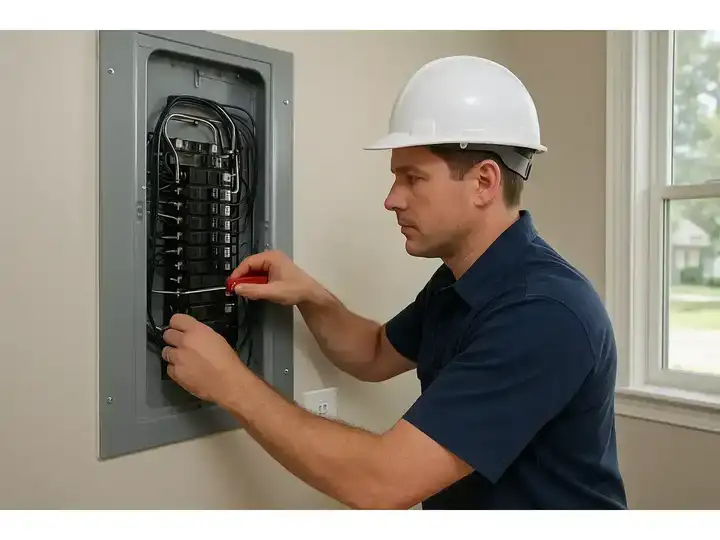
Bluewater Bay homeowners know that power interruptions are not just inconvenient. In a coastal community with storm season, humidity, and a mix of older and newer homes, a short outage can affect everything from lighting and refrigeration to internet service, garage doors, and security systems. A battery backup system gives local homes a cleaner, quieter way to stay powered when the grid goes down.
For homeowners comparing options from an electrician in Bluewater Bay, battery storage is worth a closer look because it supports the parts of the home that matter most. It can keep critical circuits online, reduce disruption during storms, and help protect sensitive electronics from sudden power loss. For many families, it is also a practical step toward better energy control and a more resilient electrical setup.
Why Bluewater Bay homes benefit from backup power
Bluewater Bay sits in a part of Okaloosa County where coastal weather can bring sudden outages, voltage swings, and storm related electrical issues. Even when a storm does not cause major damage, a brief interruption can trip breakers, reset appliances, or leave a home without air circulation, lighting, or internet during an uncomfortable stretch of weather. That matters in homes with children, older adults, medical devices, or work from home setups.
Battery backup systems are especially useful in homes that already have high electrical demand. Modern households often run multiple TVs, computers, chargers, refrigerators, ceiling fans, security systems, and smart home devices at once. Add an EV charger, a remodeled kitchen, or an addition with new lighting and outlets, and the load on the electrical system rises quickly. A battery system helps bridge the gap when utility power fails, while also giving homeowners more control over how backup energy is used.
How battery backup systems fit into the electrical system
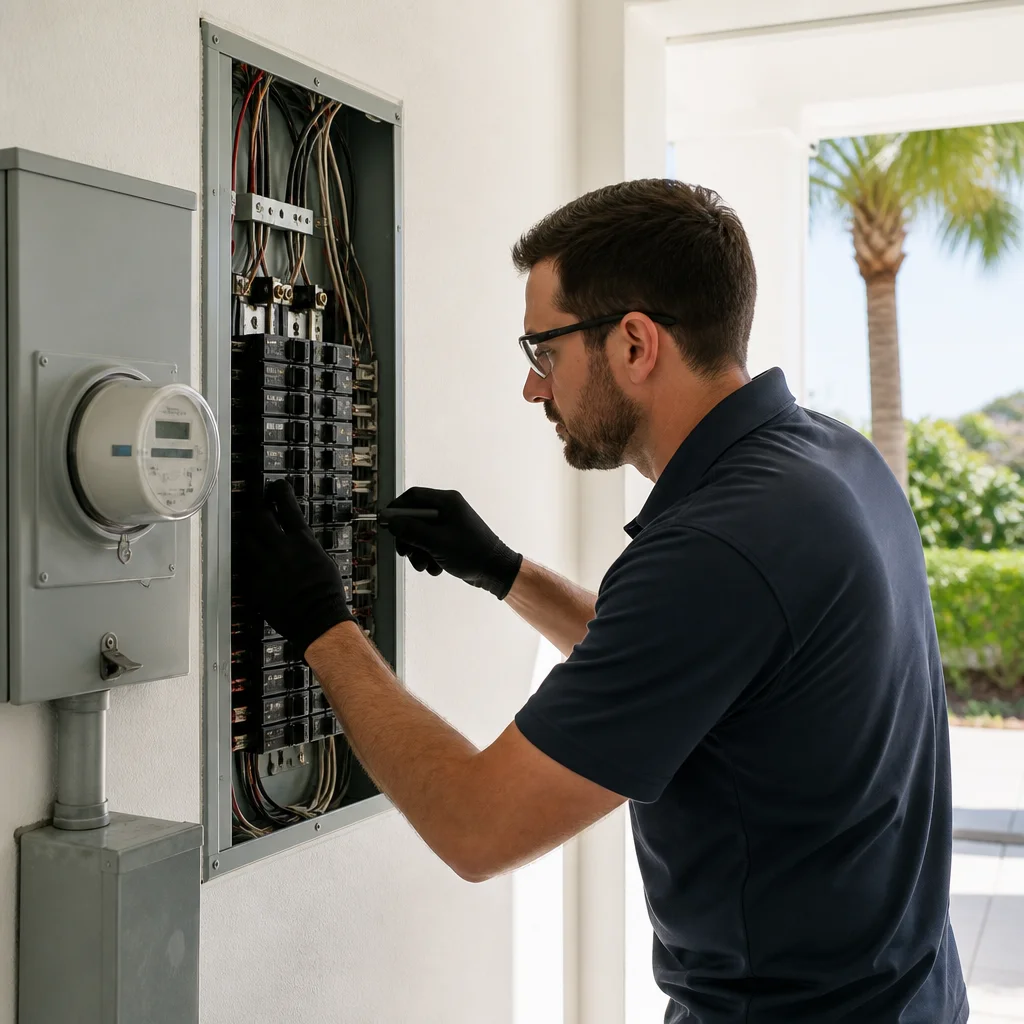
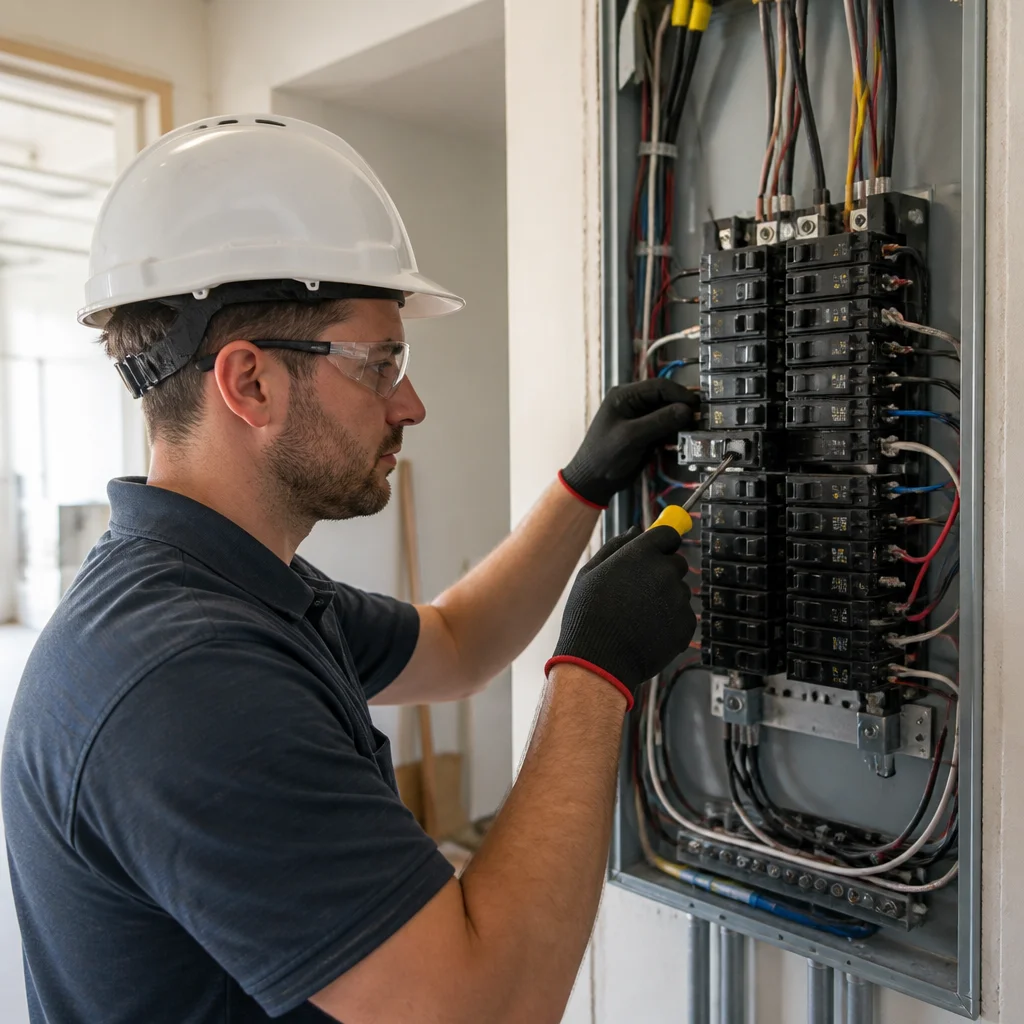
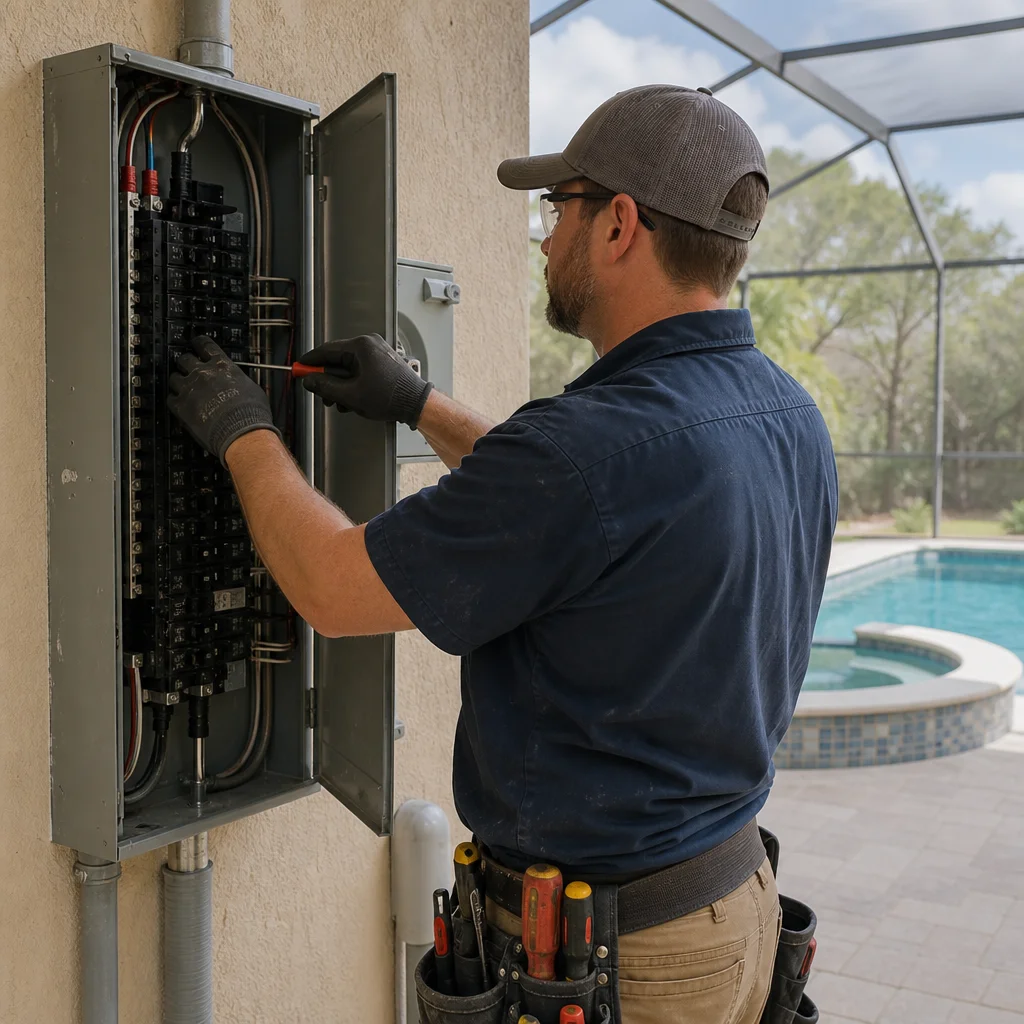
A battery backup system is not just a box of stored energy. It has to connect properly to the home’s panel, breakers, grounding, and selected circuits. That is why professional installation matters. A qualified technician will look at the panel size, available capacity, wire condition, and whether the home needs panel upgrades, breaker repair, or dedicated circuits before the battery system is added.
In many Bluewater Bay homes, the right setup starts with a careful electrical inspection. Older homes may need circuit breaker panels and rewiring before any major backup system can be installed safely. Newer homes may already have better capacity, but they can still need code corrections, grounding checks, or load balancing to support the battery and the circuits it will serve.
What a battery backup can support
Most homeowners use battery backup systems to keep essential loads running. That can include refrigerators, selected outlets, lighting, Wi Fi equipment, smoke detectors, garage door openers, and ceiling fans. Some systems can also support sump pumps, medical equipment, or a home office. The exact design depends on the panel, battery size, and the homeowner’s priorities.
If you want backup power for specific rooms or appliances, the electrician may recommend dedicated circuits, outlet upgrades, or device upgrades before installation. That is common when older outlets are worn, when GFCI protection is missing in required areas, or when the home needs better distribution for critical loads.
Common electrical issues that make backup power more important
Battery backup systems often become part of a larger electrical conversation. Homeowners searching for electrical replacement or home rewiring near me are sometimes dealing with the same issues that make outages more frustrating, such as overloaded circuits, aging wiring, or poor panel capacity. A home with frequent breaker trips, warm outlets, flickering lights, or a burning smell should be inspected right away.
Storm season can also expose weak points. After lightning, utility surges, or heavy winds, some homeowners need storm electrical repair, service mast repair, or surge protection before they can safely add new equipment. If an outlet repair near me search points to a bigger wiring issue, the problem may be deeper than the outlet itself. A battery backup system works best when the home’s electrical base is sound.
Signs the electrical system needs attention first
Before installing backup storage, it helps to look for warning signs that the electrical system needs repair or evaluation. These include frequent breaker trips, buzzing panels, discolored outlets, lights that dim when appliances start, loose switches, or outlets that do not hold plugs securely. A homeowner may also notice that the panel feels crowded or that older wiring no longer matches the home’s current power demand.
In those cases, an electrical company near me search should lead to a licensed professional who can check the panel, grounding, and branch circuits before recommending battery storage. That is especially important in homes with additions, remodeled kitchens, or upgraded bathrooms that added new lighting and outlets without a full system review.
Battery backup versus generator options
Many homeowners compare battery systems with generator installation. Both can provide backup power, but they work differently. A standby generator can run longer during extended outages, while a battery system offers quiet operation, fast transfer, and no fuel storage. In a coastal neighborhood where noise and maintenance are concerns, many families appreciate the simplicity of a battery system.
For some homes, the best answer is a hybrid approach. Battery storage can handle short outages and sensitive electronics, while a generator covers longer interruptions. If you are researching battery backup systems in Bluewater Bay, FL, it helps to compare the home’s load needs, expected outage duration, and available electrical capacity before deciding. The right setup depends on how the home is used, not just on the equipment itself.
Why local homes need code compliant installation
Battery systems must be installed to current electrical code, and that includes proper disconnects, grounding, labeling, and safe integration with the panel. Homes in Bluewater Bay may also need updates to meet current safety standards for GFCI protection, smoke detector installation, and surge protection. A system that is not installed correctly can create nuisance trips, overloads, or unsafe backfeed conditions.
That is why homeowners looking for local electrical service in Bluewater Bay should work with a contractor who understands both the equipment and the local housing stock. Coastal homes often face more corrosion and wear on outdoor components, and older panels or devices may not be ready for modern backup integration without repairs or replacement.
Local weather and electrical wear
Humidity, salt air, and storm activity can shorten the life of electrical parts over time. Outdoor outlets, service equipment, and connections near the garage or patio may corrode faster than expected. That is one reason whole home surge protection is often recommended alongside battery systems. A surge protector can help shield the panel and connected appliances from lightning related spikes and utility fluctuations.
Homeowners who already searched for surge protector installation near me often end up asking about batteries too, because both services improve resilience. Together, they help protect lighting, appliances, electronics, and sensitive controls from sudden damage.
Battery backup and the rest of the home electrical plan
A battery system works best when it fits into the bigger electrical plan for the house. That includes lighting installation, outlet repair, breaker repair, and any planned upgrades for EV chargers or kitchen appliances. If a homeowner is adding a garage charger, the electrician may recommend device upgrades or a dedicated circuit installation near me approach so the new load does not compete with essential backup circuits.
Bluewater Bay remodels and additions can also create hidden load issues. A finished bonus room, new recessed lighting, or bathroom lighting installation may seem minor, but each addition changes how power moves through the home. If the panel is already near capacity, a battery backup system should be paired with an inspection to confirm the home can support the new setup safely.
Electrical maintenance that supports backup readiness
Routine electrical maintenance helps keep backup systems dependable. That may include testing breakers, checking outlet condition, inspecting smoke detectors, verifying GFCI operation, and reviewing the panel for signs of heat or corrosion. It is also smart to test the battery system itself so homeowners know which circuits stay live during an outage.
For homeowners who want a broader safety review, a home safety inspection electrician near me search can be a smart starting point. A proper inspection can uncover worn wiring, overloaded circuits, damaged switches, or a panel that needs attention before storm season arrives.
When to bring in a professional
Battery backup systems are not a DIY project. The installation involves stored energy, panel connections, code compliance, and load calculations that should be handled by a licensed electrician. If the home has old wiring, a crowded electrical panel, or signs of overheating, the project may require repairs before the battery can be installed. That is common in homes where homeowners are also looking for electrical troubleshooting near me or electrical code inspection near me services.
A professional can also help homeowners decide whether a battery system should be paired with generator installation, panel replacement, or whole home surge protection. In some cases, the safest path is to repair the existing electrical system first, then add backup power once the home is ready. That approach protects the investment and reduces the chance of future problems.
Choosing a backup system that matches the home
Every Bluewater Bay home has different needs. A small home with efficient appliances may only need a modest battery to support lights, refrigeration, and communications. A larger home with an EV charger, multiple HVAC controls, and a home office may need a more robust design. The right system depends on the panel, the circuits being backed up, and how long the homeowner wants to ride through an outage.
That is where a local electrician familiar with Okaloosa County homes matters. A Superior Mechanical understands the realities of coastal weather, storm related outages, older wiring, and the power demands of modern households. Whether the project involves electrical inspections, panel upgrades, breaker repair, outlet repair, lighting installation, or battery storage, the goal is the same: make the home safer, more reliable, and better prepared for the next outage.
Homeowners comparing options across Okaloosa County can benefit from a plan that looks beyond the battery itself. A strong electrical system, proper grounding, code compliant installation, and well chosen backup circuits all work together. For homes that need dependable protection during storms and outages, battery backup systems are becoming a practical part of local electrical planning.
Find Battery Backup Systems in Bluewater Bay, FL
If you need Battery Backup Systems in Bluewater Bay, FL, visit our local service page or contact A Superior Mechanical today.
Map of Bluewater Bay, FL
Frequently Asked Questions
How does a battery backup system help during outages in Bluewater Bay?
It stores energy and automatically supplies selected circuits when utility power fails. That can keep lights, refrigeration, Wi Fi, outlets, and other essential loads running during storms or brief outages.
Do I need a panel upgrade before installing battery backup?
Not always, but many homes do need an inspection first. If the panel is full, outdated, or showing signs of wear, a panel upgrade or rewiring may be recommended before battery storage is added.
Can battery backup systems work with solar panels or a generator?
Yes. Many systems can be paired with solar integration, and some homes also use a standby generator for longer outages. A licensed electrician can help design the right setup for the home’s needs.
What electrical problems should be fixed before adding backup power?
Frequent breaker trips, damaged outlets, missing GFCI protection, old wiring, poor grounding, and panel corrosion should be addressed first. Backup equipment works best on a safe, code compliant system.
Related Articles
Photo Gallery