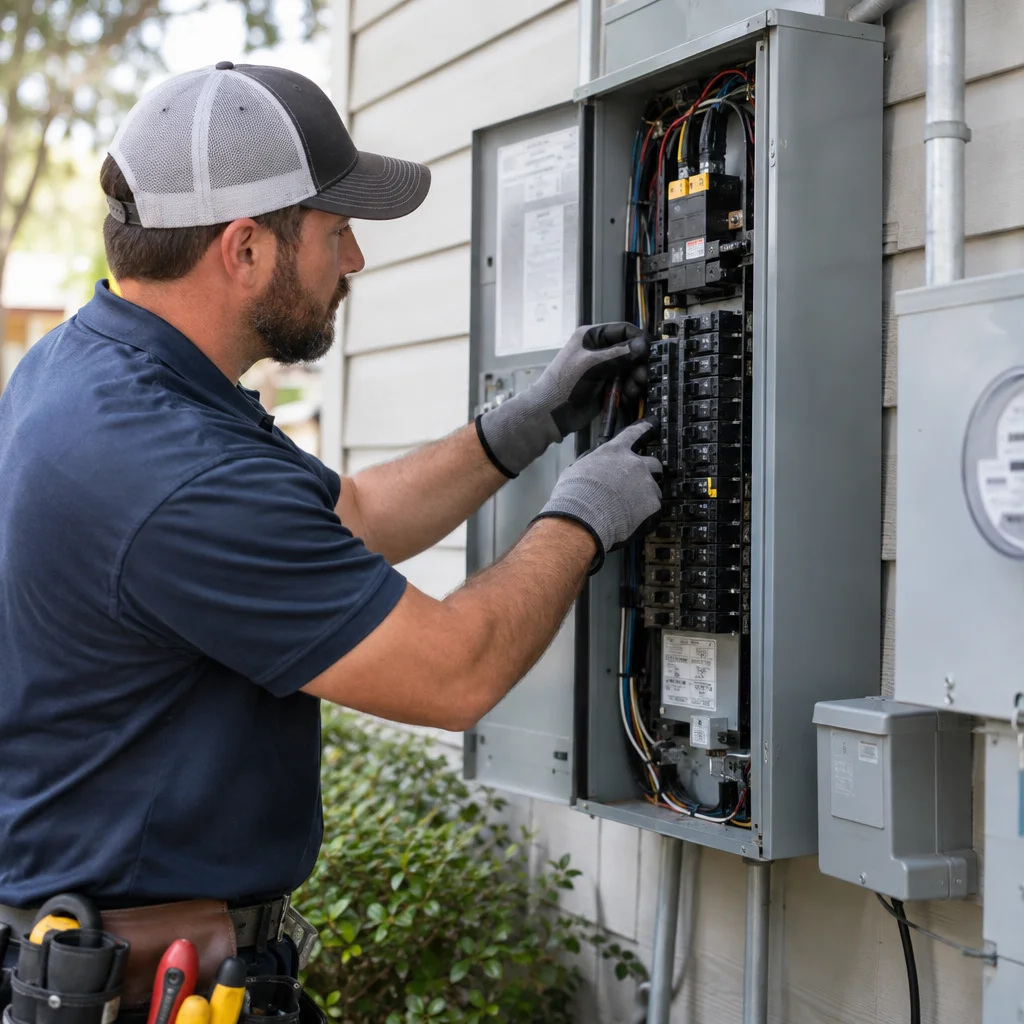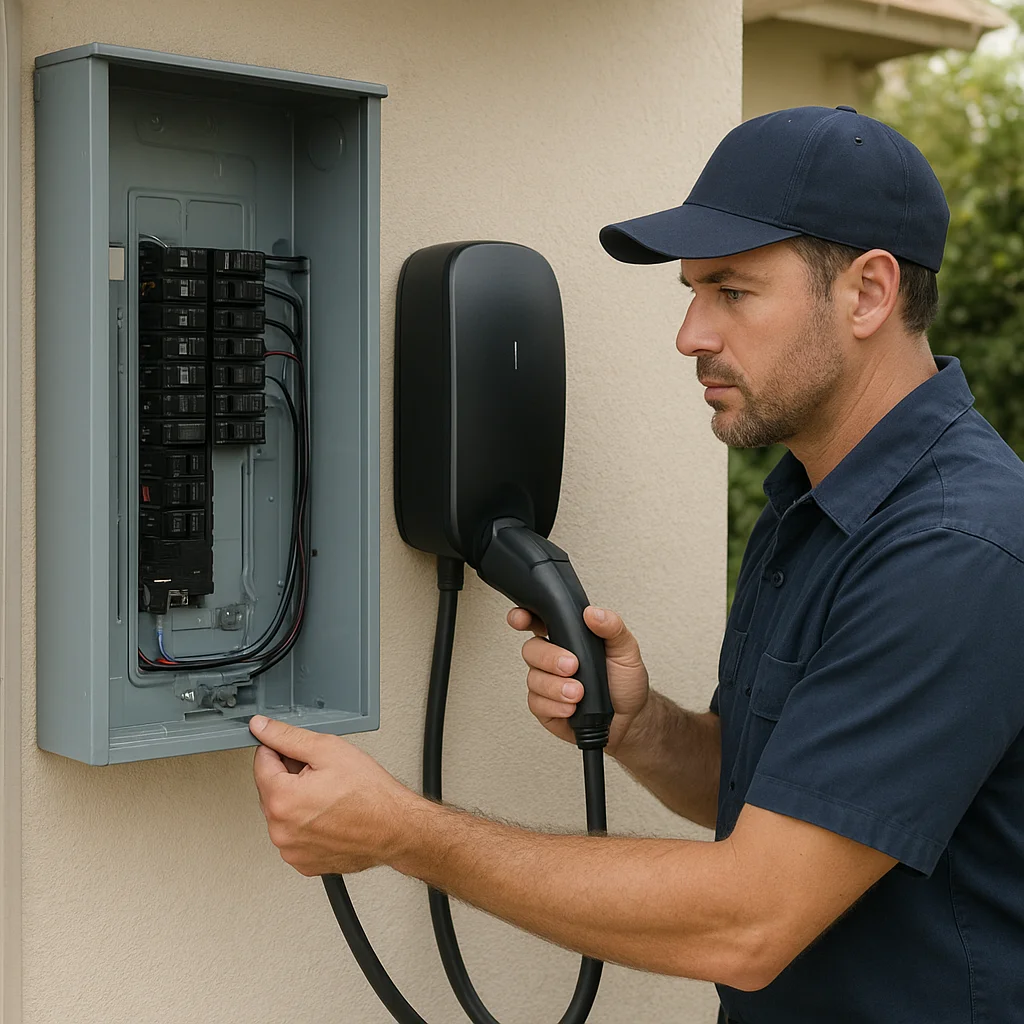
Laguna Beach homeowners are adding EV chargers faster than ever, but the installation process is not always as simple as mounting a unit and plugging it in. Coastal weather, older electrical systems, remodels, and higher power demand can all affect how well an EV charger performs. A safe installation depends on the home’s panel, wiring, grounding, and breaker capacity as much as the charger itself.
For homeowners comparing options for EV charger installation in Laguna Beach, FL, the biggest issue is usually not the charger. It is the condition of the electrical system behind it. A charger that works well in one house may overload another home with aging wiring, undersized circuits, or a panel that is already near capacity.
That is why local electrical service matters. Homes in Laguna Beach and across Bay County often face salt air corrosion, storm related surges, and wear from years of upgrades done in stages. A careful inspection helps prevent expensive repairs later, especially when the project involves a dedicated circuit, GFCI protection, or a panel upgrade.
Why older homes in Laguna Beach can create EV charging problems
Older homes often have electrical systems that were never designed for today’s demand. Many were built before EVs, large kitchen appliances, home offices, and modern HVAC equipment were common. That means the panel may not have enough available amperage for a Level 2 charger, even if the home still seems to work fine for everyday use.
One common issue is an outdated panel with limited space for a new breaker. Another is aging wiring that cannot safely carry the load of a continuous charging circuit. In some homes, the electrician may find aluminum branch wiring, worn connections, or previous patchwork repairs that need correction before the charger can be installed.
Older coastal homes can also show signs of corrosion at outlets, switches, and outdoor connections. Moisture in the air can accelerate wear, especially around garages, carports, and exterior walls. If a charger is installed without checking those conditions first, the result can be nuisance tripping, heat at the breaker, or damage that leads to electrical repair later.
Clues the system may need more than a simple charger install
Flickering lights when large appliances start, breakers that trip without a clear reason, warm outlets, or a panel that already looks crowded are all warning signs. Homeowners searching for electrical inspections and code updates often discover that the real need is a safer charging setup, not just a new device.
If the home has older branch circuits, outdated grounding, or a panel that has not been serviced in years, a charger can expose those weaknesses quickly. That is especially true in homes that have had additions, garage conversions, or other remodels where the wiring was expanded in phases.
Newer homes can still have EV charger issues
Newer construction usually has better wiring and more capacity, but that does not guarantee a smooth installation. Some newer homes are already loaded with high demand equipment, including electric ranges, heat pumps, tankless water heaters, ceiling fan wiring, and smart home systems. When all of that is combined with an EV charger, the panel may still need an upgrade or load calculation.
Another common issue is that a newer home may have the right panel size but not the right circuit layout. The charger may need a dedicated circuit, a different breaker type, or a specific location that keeps the run short and efficient. In some cases, the garage or driveway setup requires conduit work, weather resistant equipment, or a better grounding path to meet code.
Newer homes in Laguna Beach also need attention to surge protection. Thunderstorms, utility fluctuations, and coastal weather can affect sensitive electronics and charging equipment. A surge event can damage a charger, the EV itself, or other devices in the home if protection is not in place.
Why a new home still needs a real electrical review
Even a recently built house can have issues after a rushed remodel, a builder grade installation, or a change in how the home is used. Vacation rentals, home offices, and added appliances can change the electrical load quickly. That is why many homeowners search for an electrical panel upgrade near me when they are planning an EV charger, even if the house is not especially old.
A proper review checks the panel, breaker sizing, wire gauge, grounding, and available capacity before any equipment goes in. That reduces the chance of repeated breaker trips, overheated conductors, or code problems that could require the installation to be redone.
Local weather and storm conditions matter more than many homeowners expect
Laguna Beach weather can be hard on electrical equipment. Salt air, humidity, wind driven rain, and storm related power surges all increase the need for durable materials and careful installation. Outdoor charging locations are especially vulnerable if the receptacle, conduit, or disconnect is not rated for the environment.
That is one reason homeowners often pair charger projects with smart electrical upgrades that fit Laguna Beach homes before problems start. A charger installation can be a good time to improve surge protection, update outlets, repair worn breakers, or address old wiring before it turns into a bigger problem.
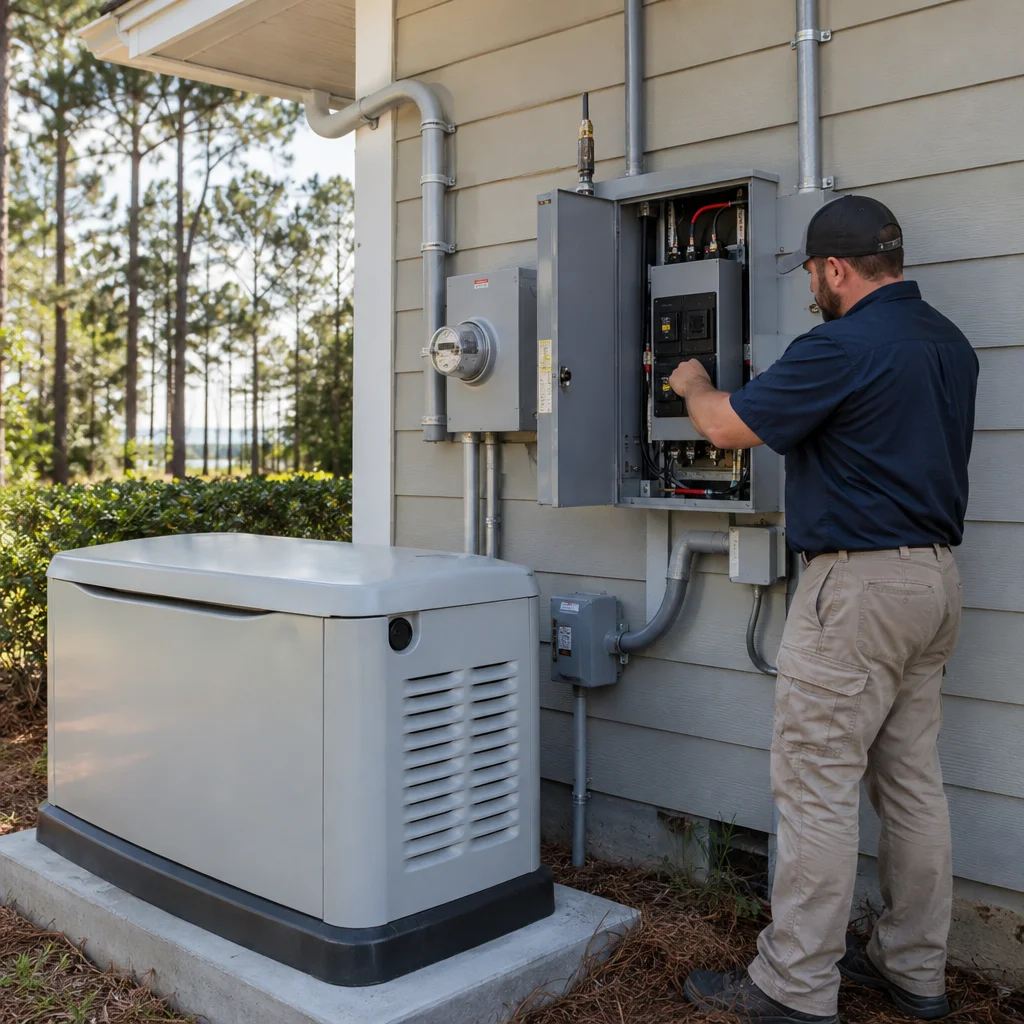
Storm planning also matters for homes that rely on backup power. Some owners ask about whole home generator installation near me or a portable generator hookup near me after a storm exposes weak points in the electrical system. While a generator does not directly charge an EV in every situation, the overall electrical design should support safe power management during outages.
What makes EV charger installation fail or cost more later
Most expensive EV charger problems start with shortcuts. A charger installed on the wrong circuit, in the wrong location, or without enough capacity can create heat and stress inside the panel. Over time, that can damage breakers, loosen connections, and create repair costs that are far higher than doing the job correctly the first time.
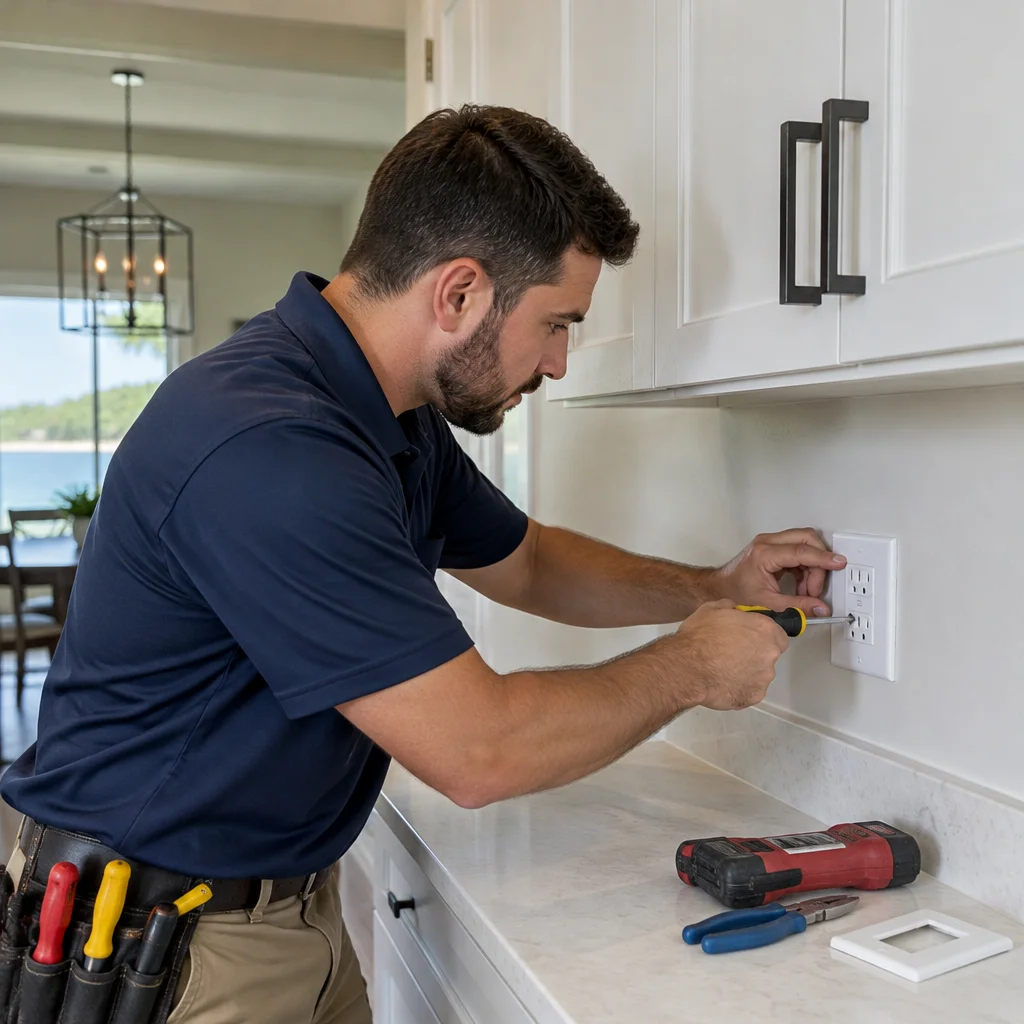
Another common problem is using an existing outlet that was never meant for continuous EV charging. A standard receptacle may work briefly, but repeated charging loads can wear it down. That is why homeowners searching for GFCI outlet installation near me or outlet repair near me sometimes uncover a larger issue with the circuit itself.
Loose connections, undersized conductors, poor grounding, and missing code clearances can all lead to heat buildup. In severe cases, the charger may trip constantly or stop charging altogether. A bad installation can also affect nearby lighting, garage doors, ceiling fans, or other circuits if the electrical system is already strained.
Safety steps that help prevent repairs
Start with a load calculation before choosing the charger size. A Level 2 charger is often the best fit for daily use, but only if the home can support it. The electrician should verify panel capacity, breaker type, conductor size, and the route from the panel to the charging location.
Use a dedicated circuit for the charger whenever possible. Keep all exterior equipment weather rated, and make sure grounding and bonding are correct. If the home has any signs of corrosion, heat damage, or frequent tripping, address those problems before adding new load.
It also helps to coordinate the charger project with other needed electrical work. Homeowners who are already considering why electrical replacement matters in Laguna Beach homes may benefit from upgrading the panel, replacing worn breakers, or correcting old wiring at the same time.
When EV charging points to bigger electrical issues
Sometimes the charger is not the real problem. If the panel trips when the charger runs, the home may already have a hidden issue such as damaged wiring, poor grounding, or aging components. In older homes, that can also point to a need for old wiring replacement near me or even knob and tube wiring replacement near me in rare cases.
Some repairs are more urgent. A burning smell at the panel, a breaker that feels hot, sparks at an outlet, or repeated power loss should be treated as an emergency electrical concern. If that happens, homeowners should look for an emergency electrician near me rather than continue charging the vehicle.
Other projects can be handled during the same service visit. A homeowner may also need breaker panel repair near me, home rewiring near me, or electrical code inspection near me if the system is behind current standards.
How Laguna Beach homeowners can plan a safer installation
Before installing an EV charger, it helps to look at the whole electrical picture. That includes the panel, the age of the wiring, the condition of outlets and switches, the grounding system, and whether the home has other high demand equipment. Homes with additions or recent remodels should be checked carefully because past work may not match current code.
This is also a good time to think about other electrical improvements. Some homeowners bundle charger work with led lighting installation near me, security lighting installation near me, or ceiling fan installation near me to make the most of the electrician visit. Others use the opportunity to improve garage lighting, add surge protection, or update smoke detector wiring for better safety.
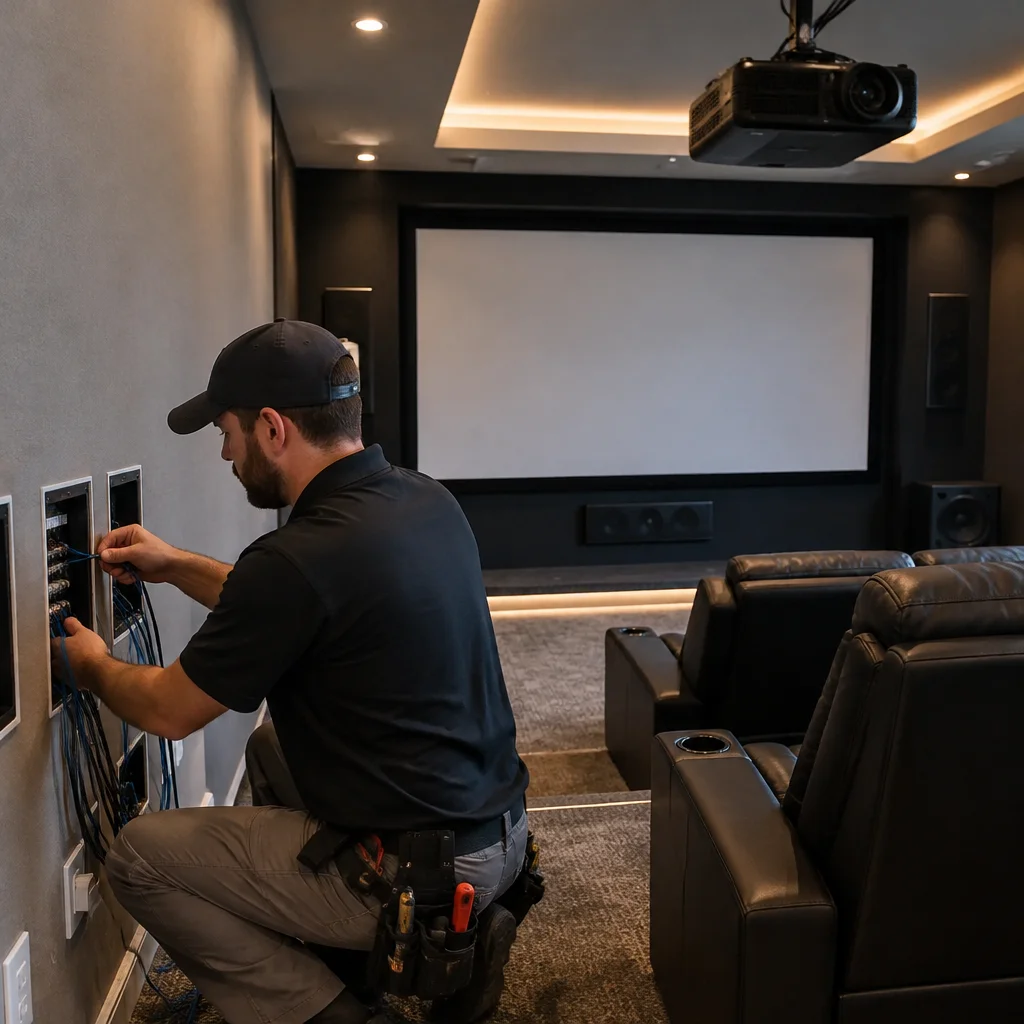
For homes that also need networking or entertainment upgrades, it may make sense to coordinate with data network cabling or home theater and AV wiring. Planning several electrical projects together can reduce labor costs and limit the number of times walls, ceilings, or conduit runs need to be opened.
Why local electricians are worth it for EV charger work
Local experience matters because Laguna Beach homes are not all built the same. A service call for a charger in a coastal home near the water can be very different from a newer inland property or a vacation rental with higher turnover. A local electrician understands how salt air affects outdoor components, how storm season changes priorities, and how to size service for real household use.
That is especially important for homeowners searching for an electrical contractor near me who can handle not just the charger, but the whole electrical setup behind it. Whether the project involves a panel upgrade, breaker repair, outlet repair, lighting installation, or generator planning, the goal is the same: safe power that works without constant maintenance.
For reliable EV charger installation in Laguna Beach, homeowners should expect a system check, clear recommendations, and code compliant work that fits the home’s actual electrical capacity. A charger should make daily life easier, not create new repair bills.
When the installation is done right, the home is ready for today’s EV demand and better prepared for future upgrades too.
Find EV Charger Installation in Laguna Beach, FL
If you need EV Charger Installation in Laguna Beach, FL, visit our local service page or contact A Superior Mechanical today.
Map of Laguna Beach, FL
Frequently Asked Questions
Do older Laguna Beach homes usually need a panel upgrade before EV charger installation?
Often, yes. Older homes may not have enough available amperage, breaker space, or wiring capacity for a Level 2 charger. A load calculation and panel inspection help determine whether a panel upgrade is needed.
Can a newer home still have problems with EV charger installation?
Yes. Newer homes can still run into issues if the panel is already heavily loaded, the circuit layout is not ideal, or the installation must account for outdoor weather exposure and surge protection.
Why is a dedicated circuit important for an EV charger?
An EV charger draws power for long periods, so it should usually have its own dedicated circuit. That helps reduce breaker trips, heat buildup, and wear on outlets and wiring.
What should I check before installing an EV charger in a coastal home?
Check the panel, grounding, breaker condition, wire size, and any corrosion around outlets or exterior equipment. In Laguna Beach, salt air and storms can make those details more important than in inland areas.
Related Articles
Photo Gallery