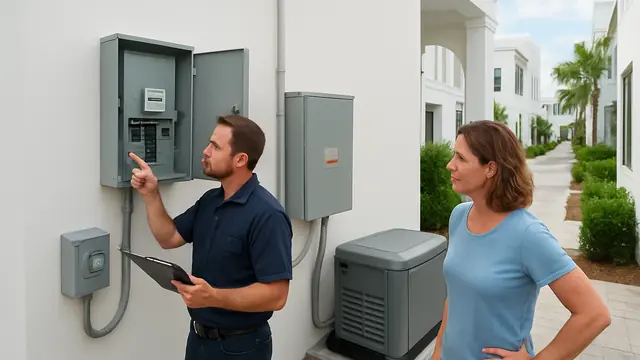
Do not remove an electrical panel cover, touch exposed conductors, bypass protection, or repeatedly reset a fault. Keep clear of smoke, sparks, burning odors, hot equipment, standing water near electricity, and downed lines, then call qualified help.
Your property manager calls between check-out and check-in: the kitchen outlets have stopped working, a bedroom light flickers, and the smart thermostat went offline overnight. The next guests arrive soon, but no one knows whether the problem is a tripped safety device, a failed outlet, or something more serious.
The symptom most likely means a circuit has tripped, a connection has loosened, moisture has affected an outdoor or bathroom circuit, or one appliance is creating an electrical fault. The safe first step is to unplug the device involved, keep guests away from any warm or damaged outlet, and reset a breaker or GFCI only once when there is no smoke, burning odor, buzzing, water, or visible damage. If protection trips again, leave the circuit off.
Vacation rentals receive concentrated use. Guests may run several appliances and chargers at once, move lamps, connect power strips, or ignore a loose outlet because the stay is brief. The most common electrical problems for vacation rentals in Alys Beach should be treated as maintenance issues, not temporary inconveniences.
Electrical Problems Rental Owners See Most Often
Dead Kitchen or Bathroom Outlets
When several outlets suddenly stop working, the cause may be a tripped GFCI. A ground-fault circuit interrupter monitors electrical current and shuts power off when some of that current appears to be escaping along an unsafe path.
The reset device may be in another room or exterior location on the same circuit. If it will not reset after appliances are unplugged, the device may be worn, wet, or affected by a downstream fault.
Breakers That Trip During Normal Guest Use
A circuit overload occurs when equipment draws more current than the circuit is designed to carry. Countertop appliances, hair dryers, and portable devices used together are common triggers.
A breaker that trips immediately may indicate a short circuit or ground fault rather than a simple overload. Repeated resetting is not a repair and can make diagnosis harder.
Switches, Dimmers, and Receptacles That Feel Loose
Frequent use can crack faceplates, loosen plugs, and make dimmers buzz or operate inconsistently.
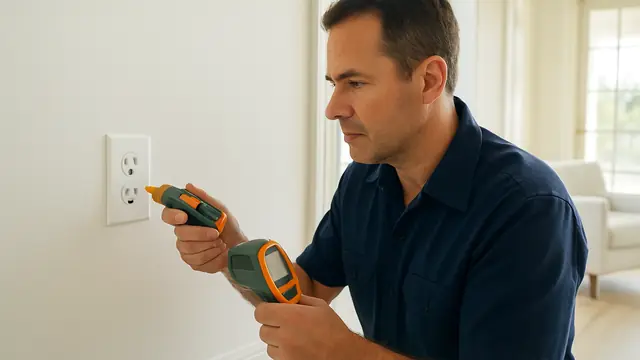
A loose plug connection can create resistance. Resistance produces heat, and heat can damage the receptacle and nearby wiring. Any outlet with discoloration, melting, warmth, crackling, or a burned smell should be taken out of use immediately.
Lighting That Flickers, Pulses, or Dims
One unstable lamp may need a new bulb. Several lights flickering together may point to a loose circuit connection, a failing dimmer, an overloaded circuit, or a problem affecting the electrical service.
Notice whether flickering begins when an appliance starts or affects several rooms. A short video can help document an intermittent problem.
Problems With Smart Devices and Low-Voltage Controls
Smart locks, thermostats, cameras, and lighting controls can fail because of lost power, a weak transformer, wiring, or communication problems. Verify power before assuming the failure is software-related.
Outdoor Fixtures and Receptacles
Exterior equipment is exposed to humidity, rain, and normal weathering. A failed gasket, broken in-use cover, damaged box, or corroded connection can trip GFCI protection or leave equipment unsafe.
Visually inspect exterior fixtures during turnovers. Never open wet equipment or try to dry energized parts.
Safe Checks Before Calling an Electrician
- Identify what stopped working and what was operating. Unplug portable devices from the affected circuit.
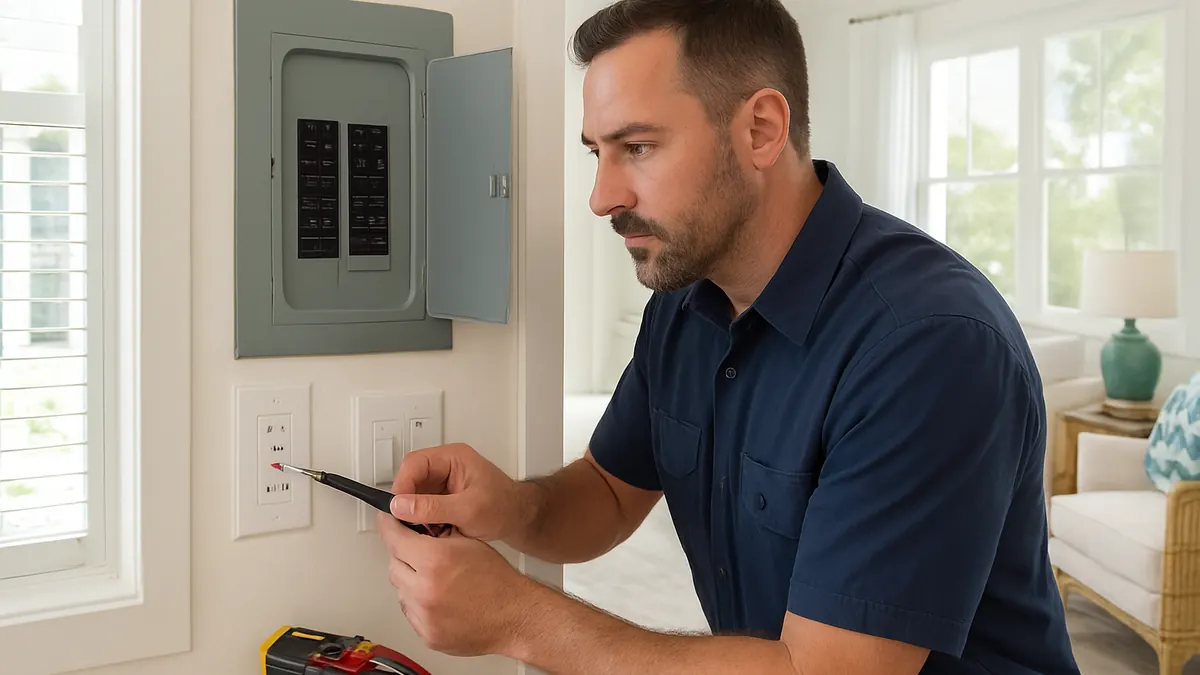
- A breaker may be reset once by moving it fully to "off" and then to "on." A GFCI may be reset once after connected devices are unplugged. If either trips again, leave it off.
- You may replace a bulb, inspect a lamp cord, and confirm a smart device is plugged in. Heat, odor, buzzing, water, sparks, or discoloration require urgent service.
What Owners and Maintenance Staff Should Not Do
Do not remove an electrical panel cover or reach inside a panel. Do not replace a breaker with a higher-amperage model, bridge a GFCI, install adapters that defeat grounding, or continue using a damaged extension cord.
Avoid replacing switches or receptacles without proper qualifications. Hidden mistakes can leave loose conductors, missing grounding, or incorrect protection.
Do not instruct a guest to investigate electrical equipment beyond a simple reset. Guests should never be asked to handle a hot panel, wet outlet, exposed wire, or smoking device.
When the Electrical Problem Is Urgent
Treat the problem as urgent when there is smoke, a burning smell, visible sparking, melted plastic, a hot outlet or panel, repeated trips, electrical shocks, or buzzing inside a wall.
Water leaking near electrical equipment also requires immediate action. Turn off power only if the panel can be reached without entering water or contacting damaged equipment. Call emergency services for an active fire or immediate threat.
Unexpected brightening and dimming, partial power loss, or service damage should be evaluated quickly.
How a Licensed Electrician Finds the Cause
Diagnosis starts with the timeline: which rooms were affected, what equipment was operating, whether weather or water exposure was involved, and whether the issue has occurred before.
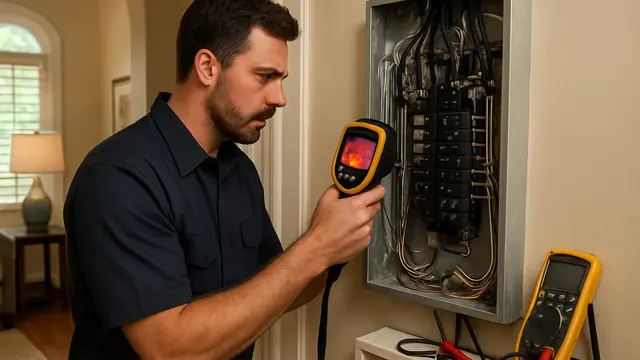
The electrician may test voltage, current, grounding, polarity, GFCI response, and breaker operation, then inspect selected devices for damaged connections.
For intermittent problems, appliances and circuit load may be tested individually to separate a failed device from wiring, capacity, panel, or service concerns.
Repair Choices From Simple to More Involved
A repair may begin with removing a defective appliance, replacing one damaged receptacle, installing a correct weather cover, or replacing a failed GFCI, switch, dimmer, transformer, or power supply.
Loose connections may be corrected at the affected device or junction point. If normal guest use repeatedly overloads a circuit, appliances may be redistributed or a dedicated circuit may be added.
More extensive work may include replacing damaged cable, correcting outdoor boxes, or repairing panel connections. Panel replacement should follow documented condition, damage, compatibility, or capacity concerns.
Factors That Influence Repair Cost
- Cost depends on accessibility, affected devices, diagnostic time, and whether the fault is inside finished construction or specialized equipment.
- Wiring condition, panel compatibility, permits, device type, and scheduling around occupancy also matter.
- A clear diagnosis is essential because a dead outlet and a hidden damaged circuit can initially look identical.
Preventing Electrical Interruptions Between Guests
Use a turnover checklist to test GFCIs, operate lights and switches, check exterior covers, and look for loose plugs, warm devices, or damaged cords.
Keep the panel directory accurate, label property controls, provide charging locations, and remove questionable power strips.
Track every complaint by room and symptom. A single flicker may be a bulb; repeated reports from the same area suggest a connection or circuit issue. Arrange an electrical review after renovations, new appliances, or other changes that increase electrical demand.
Protect the Rental Before the Next Check-In
The most common electrical problems for vacation rentals in Alys Beach can begin as a dead outlet, flickering light, offline control, or tripped breaker. Quick but limited safety checks are appropriate; repeated resets and improvised repairs are not. Leave the circuit off when the problem returns and arrange diagnosis before another guest depends on the affected equipment.
About this guide: This resource provides general homeowner education, not a remote diagnosis. Actual conditions, code requirements, equipment, and safe repair options must be evaluated at the property.