Do not remove an electrical panel cover, touch exposed conductors, bypass protection, or repeatedly reset a fault. Keep clear of smoke, sparks, burning odors, hot equipment, standing water near electricity, and downed lines, then call qualified help.
The lights in your Blue Mountain Beach home seem normal most of the day, but they blink when the washing machine changes cycles, dim when the refrigerator starts, or pulse in the evening for no obvious reason. You may have replaced a bulb, only to see the problem return. That is frustrating, especially when you cannot tell whether the symptom is harmless or a warning of an electrical failure.
Flickering lights are caused by unstable power reaching the lamp. The source can be as simple as a loose bulb or as serious as a deteriorated neutral connection. Your first safe step is to stop using anything that creates heat, a burning odor, buzzing, sparks, or dramatic brightness changes. If one appliance clearly causes the flickering, turn it off until the circuit can be evaluated.
Start by Identifying the Flicker Pattern
A useful diagnosis begins with three questions:
- Is one light affected or several?
- Does it happen when a specific appliance starts?
- Do the lights merely dim, or do they become unusually bright?
One light usually points to the bulb, fixture, switch, or dimmer. Several affected circuits may involve the panel, main neutral, service, or utility power.
A slight dip when a motor starts may result from inrush current, the brief surge needed to begin turning. Repeated flashing, severe dimming, or brightening is more concerning.
Why Lights Flicker in Blue Mountain Beach
Defective or Improperly Installed Bulb
LED bulbs contain electronic parts that can fail. A loose, oversized, or improperly enclosed bulb may also operate intermittently.
Loose Socket or Fixture Wiring
A worn socket or loose connection inside the fixture can flicker with vibration, fan operation, or heat expansion.
Dimmer and LED Incompatibility
An older dimmer may not operate an LED driver correctly, causing flashing, humming, or unstable low-level dimming.
Overloaded or Shared Circuit
A shared circuit may experience voltage drop, meaning less electrical pressure reaches the lights. Heavy loads or loose connections can worsen it.
Failing Appliance or Motor
A worn refrigerator compressor, pump, air-conditioning component, or motor may draw excessive starting current.
Loose Neutral or Main Connection
A neutral conductor that is not secure can cause lights on different circuits to behave unpredictably. Some may dim while others become brighter. This deserves immediate professional attention because abnormal voltage can damage electronics and create overheating.
Utility Supply Fluctuation
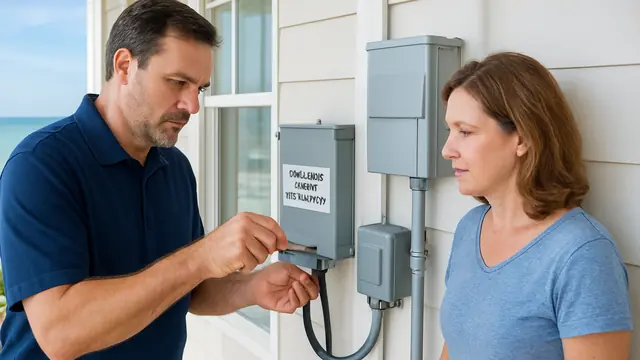
The problem may originate in utility equipment or the incoming service. Testing can determine whether the fault is inside or outside the property.
Safe Checks Before Scheduling Service
- Collect information without taking electrical equipment apart.
- Turn the light off and let the bulb cool. Confirm it matches the fixture and dimmer, then try a compatible known-good bulb.
- Notice whether flickering begins at a particular dimmer position. If the light is stable at full brightness but flickers near the bottom, compatibility is a likely factor.
- List appliances running when the flicker occurs. Turn off portable high-demand loads, but do not open hardwired equipment.
- Look at breaker handles through the closed panel door. One reset may be reasonable without damage signs, but repeated trips require diagnosis.
- Determine whether every room is affected using normal switches and lamps. Never touch damaged devices or insert improvised tools into outlets.
What Not to Attempt
Do not remove the electrical panel cover. Even with the main breaker off, incoming service conductors may remain energized.
Do not tighten panel or meter connections or install a different or larger breaker. Panels require specifically listed components.
Do not bypass a dimmer, splice wires outside a junction box, or use tape as the primary repair. Do not keep operating an appliance that causes strong flickering and a humming or labored sound.
A surge protector cannot repair a loose connection or overloaded circuit.
Warning Signs That Make the Problem Urgent
Arrange prompt service when the symptom is widespread, severe, or combined with evidence of heat or arcing:
- Brightening and dimming on different circuits
- Crackling from a switch, outlet, fixture, or panel
- A burned smell
- Brown marks or melted plastic
- Warm switch plates or breaker surfaces
- Repeated breaker trips
- Appliances shutting off and restarting
- Tingling from metal fixtures or appliances
- Flickering after water entry
- Visible sparks or smoke
Turn off the affected circuit when safe. Leave the property and call emergency services for smoke, fire, or active arcing.
How an Electrician Diagnoses Flickering Lights
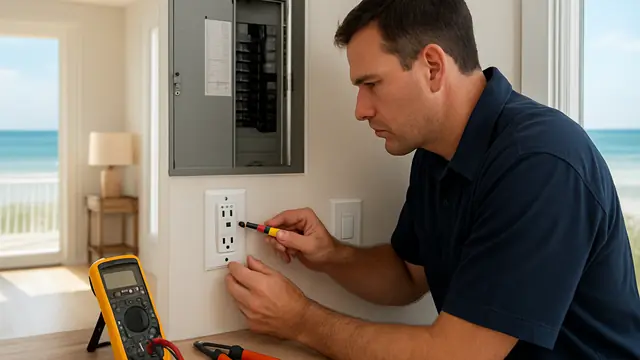
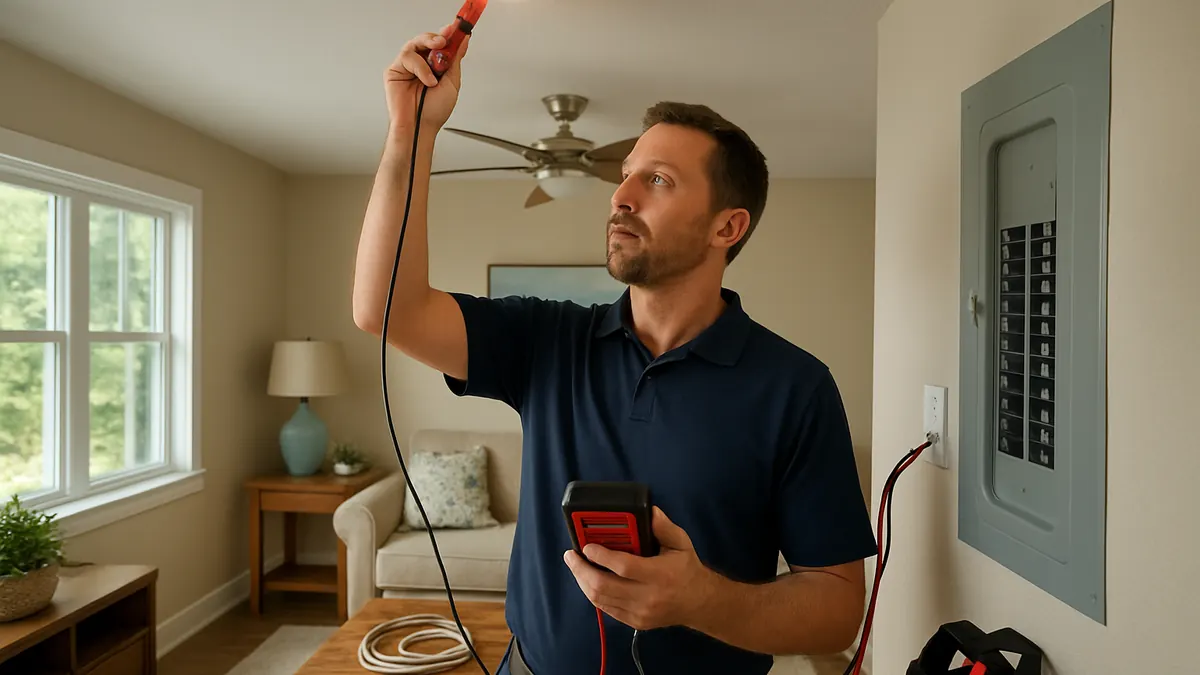
A licensed electrician will recreate the conditions that produce the symptom. That may involve operating the appliance that triggers the flicker while measuring voltage and current.
- The inspection may move from the lamp through the switch, circuit, breaker, panel, feeder, and service. This prevents unnecessary replacement.
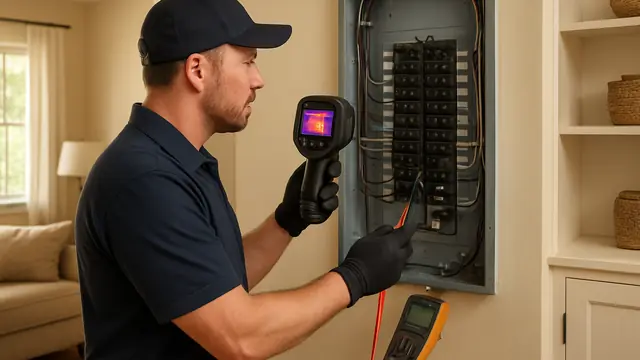
- Voltage, current, and thermal testing can identify instability, overload, or a hidden hot connection. The electrician also checks conductor size and circuit loading.
- If the issue appears before the main panel, utility involvement may be recommended. The correct repair depends on the exact location of the voltage disturbance.
Repair Options From Least Invasive to Most Extensive
A failed or incompatible bulb is replaced first. An LED-rated dimmer may be installed when the control and lamp do not work together.
A worn socket, switch, or fixture can be replaced, while loose or heat-damaged connections can be properly repaired.
When an appliance is the cause, the equipment may need repair, a dedicated circuit, or both. If a general-use circuit is overloaded, loads can be redistributed or a new branch circuit can be installed.
A damaged breaker may be replaced after testing confirms the circuit is safe. Panel connections, neutral bars, feeders, or service conductors may require repair or replacement when they are overheated, loose, or physically damaged.
Panel or service replacement is appropriate only when repair is unsafe, capacity is inadequate, or damage prevents reliable operation.
Cost Factors Homeowners Should Understand
- Diagnostic difficulty is a major cost factor. A constant fixture problem is easier to locate than an occasional flicker.
- Cost also depends on fixture access, LED components, dimmer type, panel condition, concealed wiring, appliance testing, and whether finishes must be opened.
- Permits, utility coordination, response timing, and parts availability may affect extensive work. The recommendation should clearly match the diagnosis.
Prevention and Ongoing Maintenance
Match bulbs and dimmers to fixture requirements, and avoid combining several high-demand portable appliances on one circuit.
Confirm circuit requirements before installing large equipment. Keep the panel directory current and address buzzing, warmth, trips, or brightness changes early.
After renovations, confirm connections remain in accessible approved boxes. Ask property managers to record the room, appliance use, breaker activity, odor, and noise when flickering occurs.
Do Not Ignore a Repeating Pattern
When you are wondering, "Why are my lights flickering in Blue Mountain Beach?" the answer depends on scope, timing, and severity. A single unstable lamp may need a bulb or dimmer correction. Multi-room flickering, strong brightness changes, heat, odor, buzzing, or repeated breaker trips require a licensed electrician. Proper testing identifies the actual cause and allows the repair to begin with the least invasive safe option.
About this guide: This resource provides general homeowner education, not a remote diagnosis. Actual conditions, code requirements, equipment, and safe repair options must be evaluated at the property.