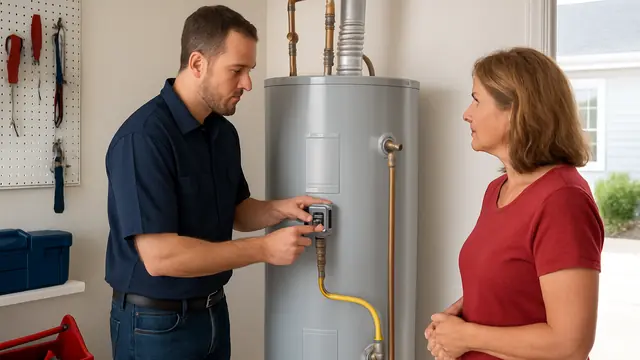
Stop and call for qualified help when plumbing water is near electrical equipment, sewage is entering occupied space, gas or burning odors are present, or a repair would require opening pressurized piping.
A damp utility closet can be easy to dismiss. You may notice a faint water mark near the baseboard, a rust-colored trail below a pipe, or a small amount of water in the heater pan. Then the moisture returns after the next shower or laundry cycle.
If your water heater is leaking in Alys Beach, do not assume the problem is harmless just because the puddle is small. Water can travel behind finished surfaces, under flooring, or along piping before it becomes visible.
The safest first move is to stop using hot water and inspect from a distance. If water is flowing and the cold-water shutoff valve is accessible without stepping into water, close it. Keep electrical devices away from the wet area. If you smell gas, leave the area and contact the gas utility or emergency services.
What the Location of the Water Can Tell You
Where you see water provides clues, but it does not always reveal the true source.
Water at the Top of the Heater
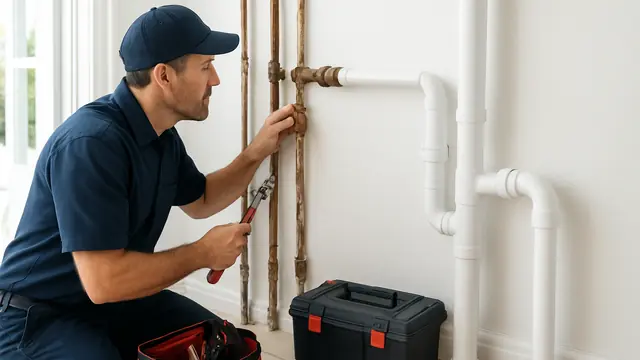
Moisture near the top usually points toward hot- or cold-water connections, a shutoff valve, a union, or nearby piping. The leak may be very small and only appear when pressure changes.
Because gravity carries water downward, a top leak may eventually collect in the drain pan and look like a bottom leak.
Water From the Side
Water running from a side opening may come from the temperature and pressure relief valve. This safety valve opens when conditions inside the tank become unsafe.
It may also leak because the valve is worn, because system pressure is too high, or because heated water is expanding without adequate pressure control.
Water Near the Bottom
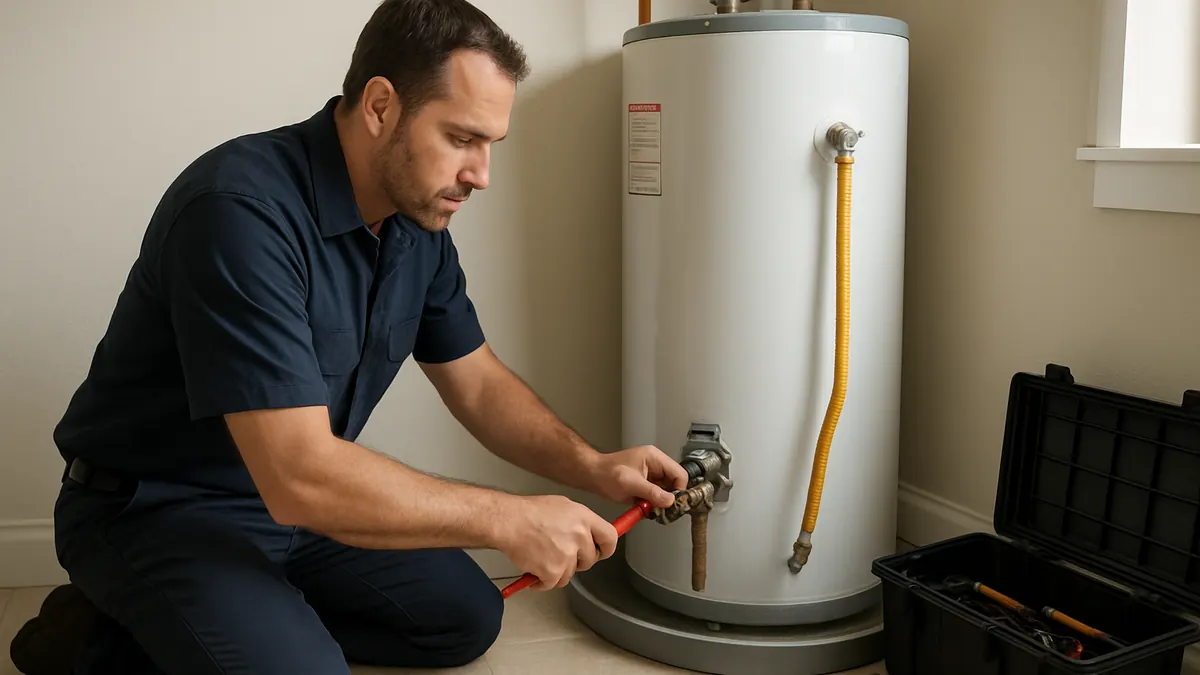
A drain valve can drip after service or as its seal deteriorates. Water can also emerge from beneath the outer jacket when the inner storage tank has corroded.
A plumber must distinguish between these conditions because replacing a drain valve is a focused repair, while an internally leaking tank generally requires replacement.
Why Is My Water Heater Leaking in Alys Beach?
Several causes are common.
A threaded fitting may have loosened. A connector gasket may have worn out. A valve may no longer close fully. The T&P valve may be responding to pressure or temperature. Sediment may have contributed to overheating or uneven operation. The tank lining may have deteriorated with age.
Nearby plumbing can also leak into the same area. The goal is to trace moisture back to the component that failed.
Safe Homeowner Checks
- Use a flashlight and look without removing panels or insulation.
- Check whether the top piping is dry. Look for white or greenish mineral deposits around joints, rust staining, water tracks, or droplets forming on valves.
- Inspect the end of the T&P discharge pipe. If it is wet, note whether water is dripping continuously or only after the heater operates.
- Look at the drain valve. A dry tissue held below it can reveal a slow drip.
- Check the drain pan, but do not assume water in the pan means the tank is leaking. The pan is designed to catch water from several possible sources.
Do Not Make These Repairs Yourself
Do not plug or cap a relief-valve discharge line. A dripping safety valve is a warning that needs diagnosis, not elimination.
Do not open access panels on an electric heater while the power is on. Do not touch wiring in a damp area.
Do not drain a tank without understanding how to shut off the energy source, water supply, and pressure safely. Improper draining can damage heating elements or create burn hazards.
Do not attempt to replace a gas control, burner component, or vent connection unless you are qualified and authorized to perform that work.
Do not rely on a pan or towels as a long-term solution. Containing water does not stop corrosion, pressure problems, or hidden damage.
When a Water Heater Leak Becomes an Emergency
- A slow drip becomes urgent when the rate increases, when water reaches finished flooring, or when moisture is near electrical equipment.
- Call promptly if the relief valve releases hot water repeatedly, the heater makes loud banging sounds, the water is scalding, or the tank appears swollen or distorted.
- A gas odor, soot near the burner area, or signs of improper venting require immediate attention. Leave the area if gas is suspected.
- Any leak in an upper-level mechanical space deserves fast action because water can move into ceilings and walls below.
The Professional Diagnostic Process
A licensed plumber starts with visual tracing. The tank and surrounding area may be dried so fresh moisture can reveal the source.
Water pressure may be measured with a gauge. If pressure is excessive, the plumber will inspect the pressure regulator and any expansion-control components.
The T&P valve may be evaluated for proper operation and evidence of repeated discharge. The plumber will also inspect the drain valve, top connections, recirculation components if present, and the tank jacket.
Electric elements and thermostats or gas burners and venting may also be inspected. The plumber then considers the heater's age, condition, and installation before recommending repair or replacement.
Repair Choices From Smallest to Largest
The least invasive solution may be resealing a threaded connection or replacing a connector.
A worn shutoff valve can be replaced. A leaking drain valve may be serviced. A defective T&P valve can be replaced after the cause of discharge is identified.
If the tank itself has failed, replacement is the reliable option. A homeowner may choose a similar tank size, a more efficient storage model, or a tankless system after reviewing demand, available space, gas or electrical capacity, venting, and installation requirements.
Factors That Influence Cost
Cost is affected by access, heater type, tank capacity, fuel source, and the failed component.
A visible connector leak is generally simpler than a tank replacement inside a finished cabinet or compact service area. Additional work may be needed if the drain pan, platform, shutoff valve, expansion tank, vent, electrical disconnect, or surrounding piping is damaged or outdated.
Maintenance That Reduces Leak Risk
Schedule periodic visual inspections. Look for corrosion, moisture, loose connections, and discharge from the relief line.
Have water pressure checked if valves, connectors, or fixtures fail repeatedly.
Ask a plumber whether flushing is appropriate for your specific heater. Flushing can help control sediment in some tanks, but service decisions should account for the unit's age and condition.
Leak alarms and automatic shutoff devices can also provide valuable protection when the home is unoccupied.
Resolve the Leak Before It Spreads
When you ask, "Why is my water heater leaking in Alys Beach?" focus first on the exact source. A loose connector and a corroded tank can create similar puddles but require very different solutions. Prompt diagnosis protects the heater, the surrounding finishes, and the areas below or beside the equipment.
About this guide: This resource provides general homeowner education, not a remote diagnosis. Actual conditions, code requirements, equipment, and safe repair options must be evaluated at the property.