Stop and call for qualified help when plumbing water is near electrical equipment, sewage is entering occupied space, gas or burning odors are present, or a repair would require opening pressurized piping.
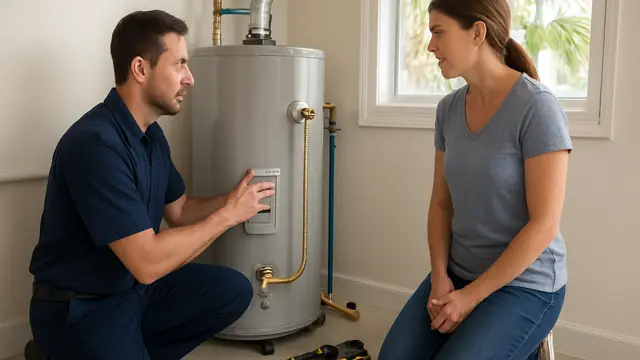
You may discover the leak while preparing for guests, returning to a second home, cleaning between stays, or simply walking past the water heater in your primary residence. The floor is wet, the tank has a rusty streak, or a pipe is dripping even though no hot water is being used. When you ask, "Why is my water heater leaking in Panama City Beach?" the most important fact is not the size of the puddle. It is the exact point where the water begins.
Move belongings away from the area. If water is flowing and the cold-water supply valve is safely accessible, close it. Turn off an electric heater at the breaker only when the panel and floor are dry. If you smell gas, leave the property and contact the gas utility or emergency services.
Determine Whether the Leak Is Continuous or Intermittent
A continuous leak may come from a pressurized connection or a hole in the tank. Leakage after heavy hot-water use may involve pressure, temperature, condensation, or an element gasket. Dry the area before assuming the heater must be replaced because water can travel down the tank jacket.
Why Is My Water Heater Leaking in Panama City Beach?
The Inlet, Outlet, or Shutoff Valve Is Dripping
The cold-water inlet and hot-water outlet are commonly located at the top of a tank-style heater. Flexible lines, threaded fittings, unions, and shutoff valves can leak as seals age or connections corrode.
The Temperature-and-Pressure Relief Valve Is Discharging
The temperature-and-pressure relief valve, known as the T&P valve, protects the tank from unsafe heat or pressure. Water from its discharge pipe may indicate a worn valve, excessive water pressure, overheating, or thermal expansion.
Thermal expansion occurs when water increases in volume as it heats. In a closed plumbing system, that expansion can raise pressure unless it is properly controlled.
Never cap the T&P valve, plug its pipe, or hold the valve closed.
The Drain Valve Is Seeping
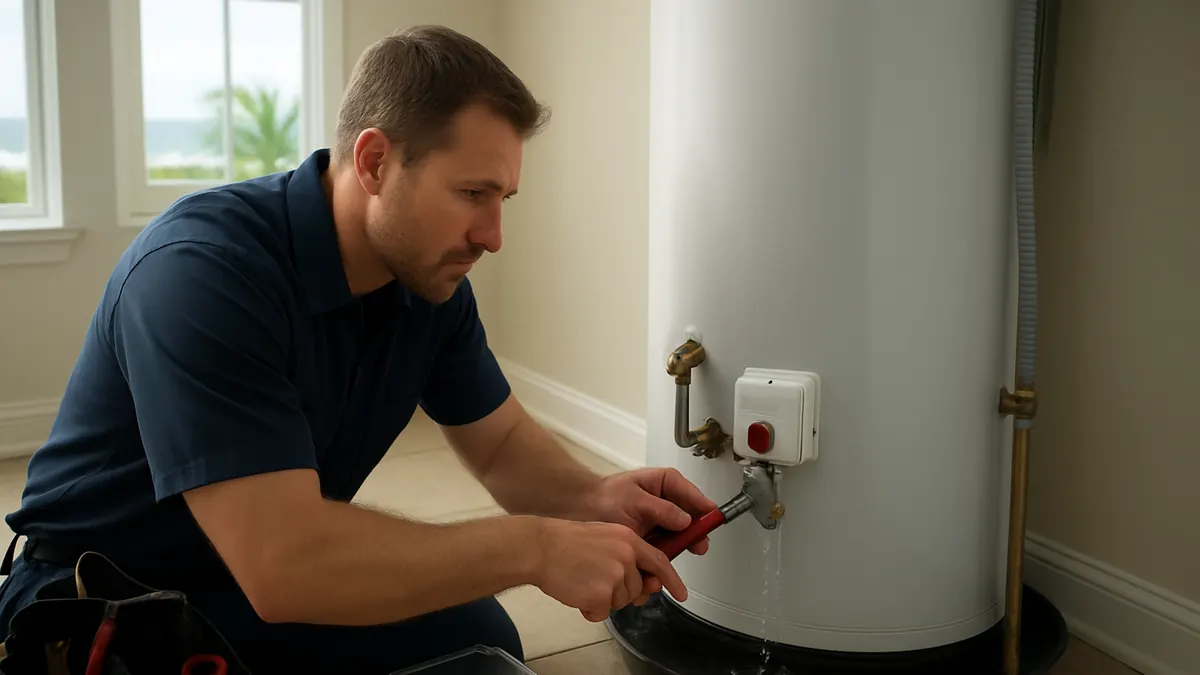
The drain valve near the bottom is used to empty or flush the tank. It can leak if sediment prevents a complete seal, the valve was not fully closed, or its internal parts have deteriorated.
Condensation Is Being Mistaken for a Leak
Condensation can sometimes form when cold water enters the tank or when a gas heater operates during a long recovery cycle. Repeated puddling or water that continues after the cycle should not be dismissed as normal.
The Inner Tank Has Corroded
Tank-style water heaters have a steel vessel protected by a lining and an anode rod. The anode rod deteriorates to help protect the tank, but corrosion can eventually create a hole.
Water emerging through the shell or bottom seam usually means the pressure vessel has failed and requires replacement.
Safe Checks for an Occupied or Unoccupied Property
- Dry all visible surfaces and place paper towels beneath the top connections, drain valve, and T&P discharge pipe. Check which towel becomes wet first.
- Look above the heater for another source. A plumbing line, air-conditioning drain, washing-machine hose, or nearby fixture may send water toward the unit.
- Record the time the leak appears and whether hot water was recently used.
- Keep the inspection visual. Do not reach behind a wet electric unit or touch hot venting.
What the Homeowner Should Not Attempt
Do not apply epoxy, tape, caulk, or stop-leak chemicals to the tank body. These do not restore the strength of corroded steel.
Do not repeatedly reset a tripped breaker. A wet connection or failed element may create an electrical hazard.
Do not open a drain valve while the tank is hot and pressurized unless you understand the proper shutdown procedure. Do not alter gas piping, burner components, thermostats, or venting.
Do not disable the T&P valve. Its discharge must be diagnosed, not silenced.
Signs That Require Urgent Service
Treat the leak as urgent when water is flowing continuously, entering finished rooms, reaching electrical equipment, or damaging cabinets, walls, or flooring.
A bulging tank, steam, unexpectedly scalding water, or forceful T&P discharge can indicate unsafe operating conditions.
A gas odor, soot, scorch marks, or a displaced vent connector requires immediate attention. Leave the property if gas is suspected. Keep an electric heater off when water has reached its wiring or controls.
How a Licensed Plumber Diagnoses the Leak
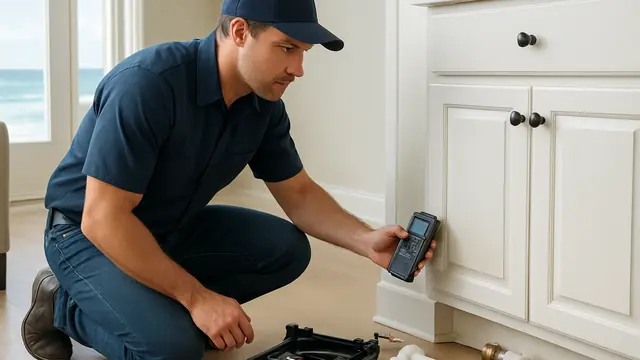
The technician verifies that the heater is responsible by drying and observing each connection under normal pressure.
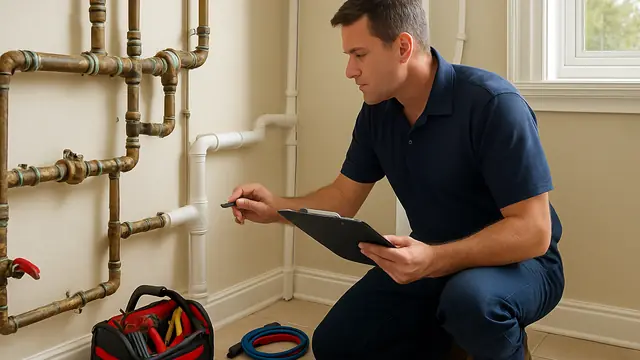
The plumber checks the inlet, outlet, shutoff valve, T&P valve, drain valve, tank jacket, and nearby plumbing.
If the relief valve is involved, water pressure and actual temperature may be measured. The technician may observe whether pressure rises during a heating cycle and inspect any expansion-control equipment.
Electric heaters may require testing of elements, thermostats, wiring, and gaskets. Gas heaters may require inspection of the burner, ignition system, controls, venting, and combustion area.
Repair Options Beginning With the Least Disruptive
A leaking supply connector, union, fitting, or shutoff valve may be replaced without replacing the heater. A drain valve may also be replaced if the tank opening remains intact.
An electric-element gasket can sometimes be replaced after the unit is safely isolated and drained to the appropriate level. A faulty T&P valve may be replaced after pressure and temperature causes are ruled out.
If excessive pressure or thermal expansion is causing discharge, the repair may involve a pressure regulator, expansion tank, or related plumbing correction.
A leaking inner tank requires replacement. The homeowner can compare a conventional tank heater with a tankless system when the property's hot-water demand, utility capacity, space, and maintenance needs make that comparison appropriate.
Typical Factors Affecting Cost
Repair cost depends on the source, part, access, and diagnostic time. A connector replacement differs from pressure testing or gasket repair.
Replacement cost can be affected by heater capacity, fuel type, efficiency, venting, electrical or gas modifications, piping changes, drain-pan arrangements, permits, disposal, and corrections to an unsafe installation.
Access also affects labor.
Prevention and Maintenance Guidance
Inspect the heater area regularly, including during periods when the property has not been occupied. Look for rust trails, mineral deposits, damp flooring, or staining near valves and fittings.
Follow the manufacturer's instructions for flushing, anode-rod inspection, thermostat settings, burner service, venting, and electrical checks.
Keep the area visible. A water alarm or professionally installed automatic shutoff device may help limit damage, particularly when a property is sometimes vacant.
Get the Source Confirmed Before the Damage Grows
When you ask, "Why is my water heater leaking in Panama City Beach?" remember that the puddle alone cannot identify the repair. A connector, valve, gasket, or pressure issue may be corrected without replacing the unit. Water escaping through the tank itself generally means replacement is required.
Limit the water safely, avoid temporary patches, and arrange a professional diagnosis before the leak disrupts the property or damages surrounding materials.
About this guide: This resource provides general homeowner education, not a remote diagnosis. Actual conditions, code requirements, equipment, and safe repair options must be evaluated at the property.