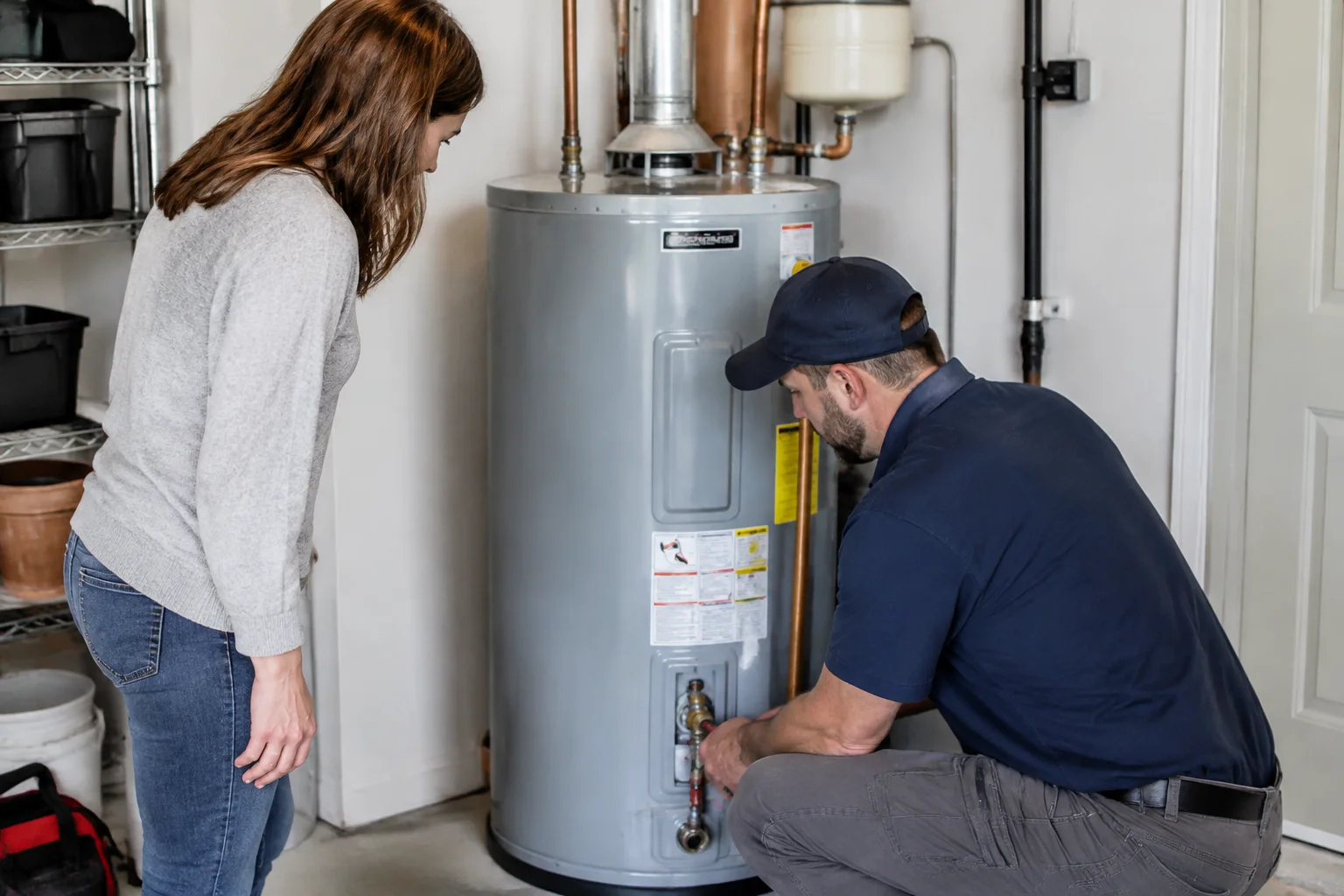
A water heater replacement often starts with a cold shower, a puddle, or a tank that cannot keep up with the household. But the equipment itself is only part of the job. Supply pipes, water pressure, shutoff valves, and drainage all influence how well a new system performs and how effectively your home is protected from leaks.
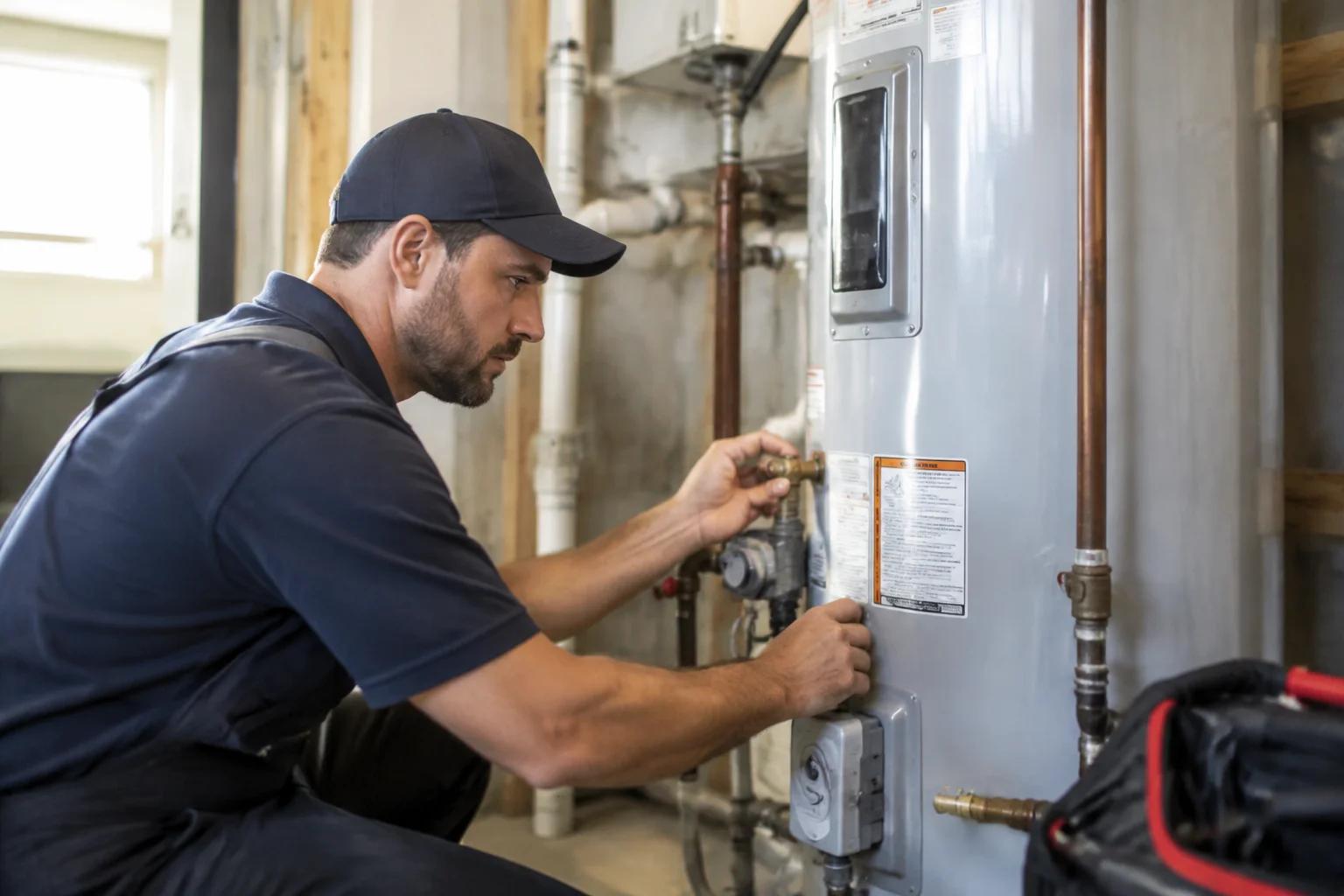
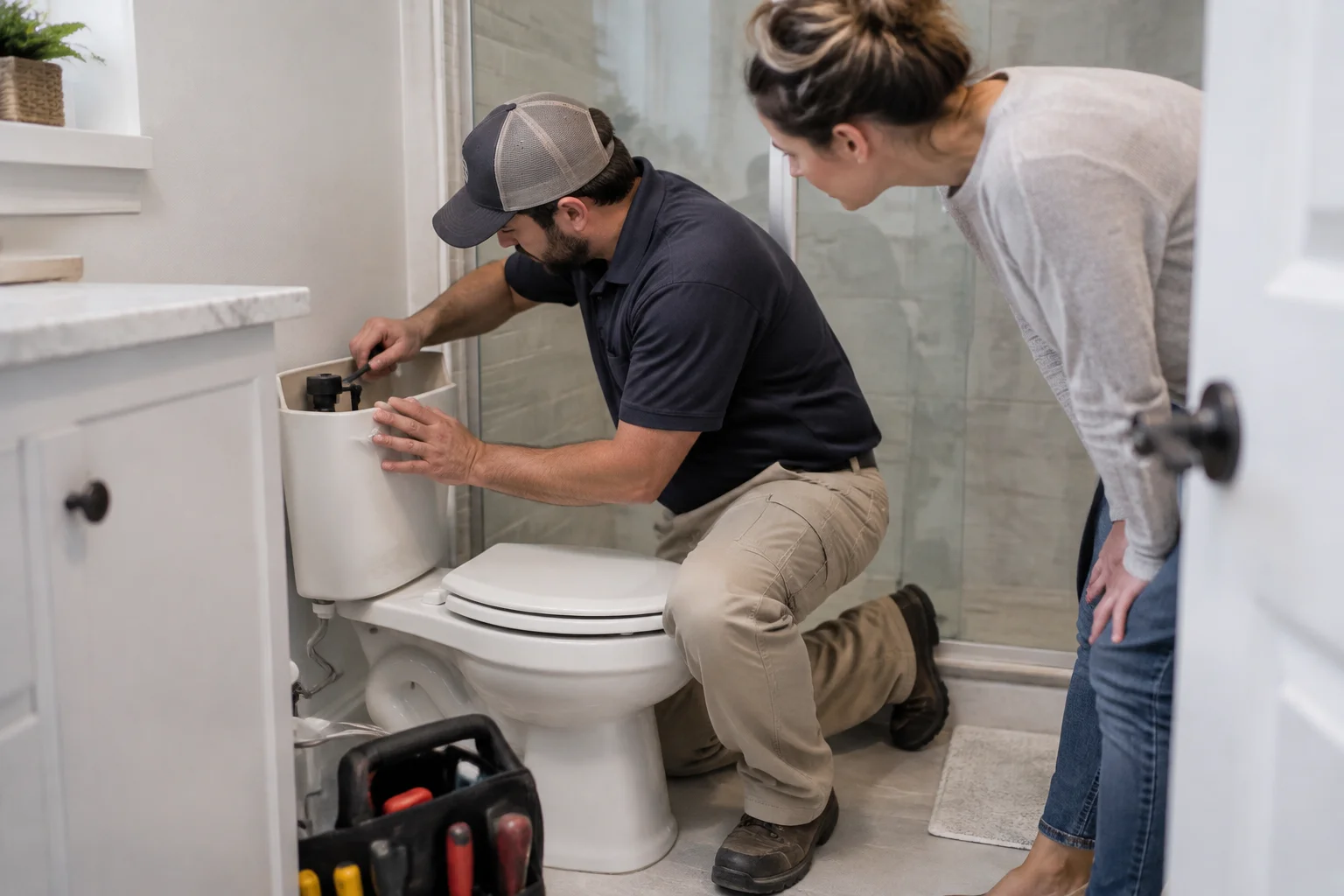
For homeowners planning water heater installation in Hammock Bay, FL, the best approach is to evaluate those connections before the old unit comes out. A Superior Mechanical provides professional water heater installation in Hammock Bay, with licensed plumbers installing tank and tankless systems. Here is what deserves attention before, during, and after that work.
Start With the Household, Not the Old Tank Label
Replacing a water heater with the same size may be appropriate, but it should not be automatic. Household needs change. An extra bathroom, frequent overnight guests, or several showers running close together can expose a capacity problem that was less noticeable years ago.
In Hammock Bay homes and rentals, the busiest hour matters more than average daily use. Tell your plumber whether showers overlap with laundry or dishwasher cycles. Also mention long waits for hot water at distant fixtures. A larger heater will not necessarily solve delays caused by long pipe runs.
Match tank and tankless options to actual demand
For a storage water heater, first-hour delivery and recovery rate help determine whether the system can handle peak demand. For a tankless unit, sizing depends on simultaneous flow and the temperature rise needed. Incoming water temperature varies seasonally, even in Northwest Florida's relatively warm climate.
Homeowners searching for tankless water heater replacement near me should have the existing installation evaluated rather than assume any new model will fit. Water connections, service access, venting where applicable, and manufacturer requirements can differ. A conversion from a tank system may involve more planning than a straightforward replacement.
Find the Leak Before Replacing the Heater
Water around a heater does not automatically mean the tank has failed. A loose connection, leaking shutoff valve, nearby pipe, or relief valve discharge can leave a similar puddle. Condensation may also need to be distinguished from an active plumbing leak.
A leaking tank generally requires replacement, while an external connection may be repairable. If you are searching for water heater repair near me, ask for a diagnosis that identifies the source rather than treating every puddle as proof that the entire unit is finished.
Look beyond the utility closet
A water bill that rises without an obvious change in use deserves investigation. Listen for running toilets, check under sinks, and look for damp baseboards or discoloration around supply connections. A meter that continues registering flow when all water use is stopped can suggest a leak, although irrigation and automatic appliances must be accounted for.
In a slab-foundation home, an unexplained warm floor patch, persistent moisture, or the sound of water with fixtures off can justify slab leak testing. None of these observations proves a slab leak by itself. Professional plumbing repair in Hammock Bay should establish the source before flooring or concrete is disturbed.
Water Pressure Can Undermine a Good Installation
Strong shower pressure may feel desirable, but excessive pressure puts stress on supply lines, fixture cartridges, toilet fill valves, and water heater connections. Repeated drips or frequent fixture failures can be clues, although they also have other causes.
A plumber should measure pressure rather than estimate it from the kitchen faucet. If pressure exceeds applicable limits, a pressure-reducing valve may be needed. If one is already installed, its condition and settings deserve attention. Pressure can fluctuate, so intermittent problems may require monitoring rather than a single reading.
Account for thermal expansion
Water expands as it heats. In a closed plumbing system, a check valve, backflow device, or pressure-reducing valve may prevent that expanded water from moving back toward the supply. An appropriately sized and charged expansion tank or other approved control may be required.
Persistent dripping from the temperature and pressure relief valve should never be dismissed as normal operation. It can indicate an unsafe condition or a component problem. Never cap that valve or its discharge pipe. Have a plumber evaluate the system and correct the cause.
Give Leaks a Safe Path and an Early Warning
A drain pan can help protect a home when a heater is installed where leakage could damage finished areas. Its effectiveness depends on proper placement, a suitable drain connection where required, and an approved discharge location. A pan without a working drainage path offers only limited protection.
The pan drain and the temperature and pressure relief discharge are not interchangeable. Each has its own purpose and installation requirements. Relief discharge piping must remain unobstructed and terminate as required by applicable code and the manufacturer's instructions.
Leak alarms add another layer of protection, especially when a heater sits in a closet, garage corner, or another area that is not checked daily. An automatic shutoff system may further limit damage, but it does not replace correct piping or routine inspections. Ask which approach fits your layout and occupancy habits.
Slow Drains Need Their Own Diagnosis
A water heater supplies the pressurized side of the plumbing system. Sink, shower, and toilet drains carry wastewater away. Replacing the heater will not clear grease from a kitchen branch line, remove hair from a shower trap, or fix a damaged sewer pipe.
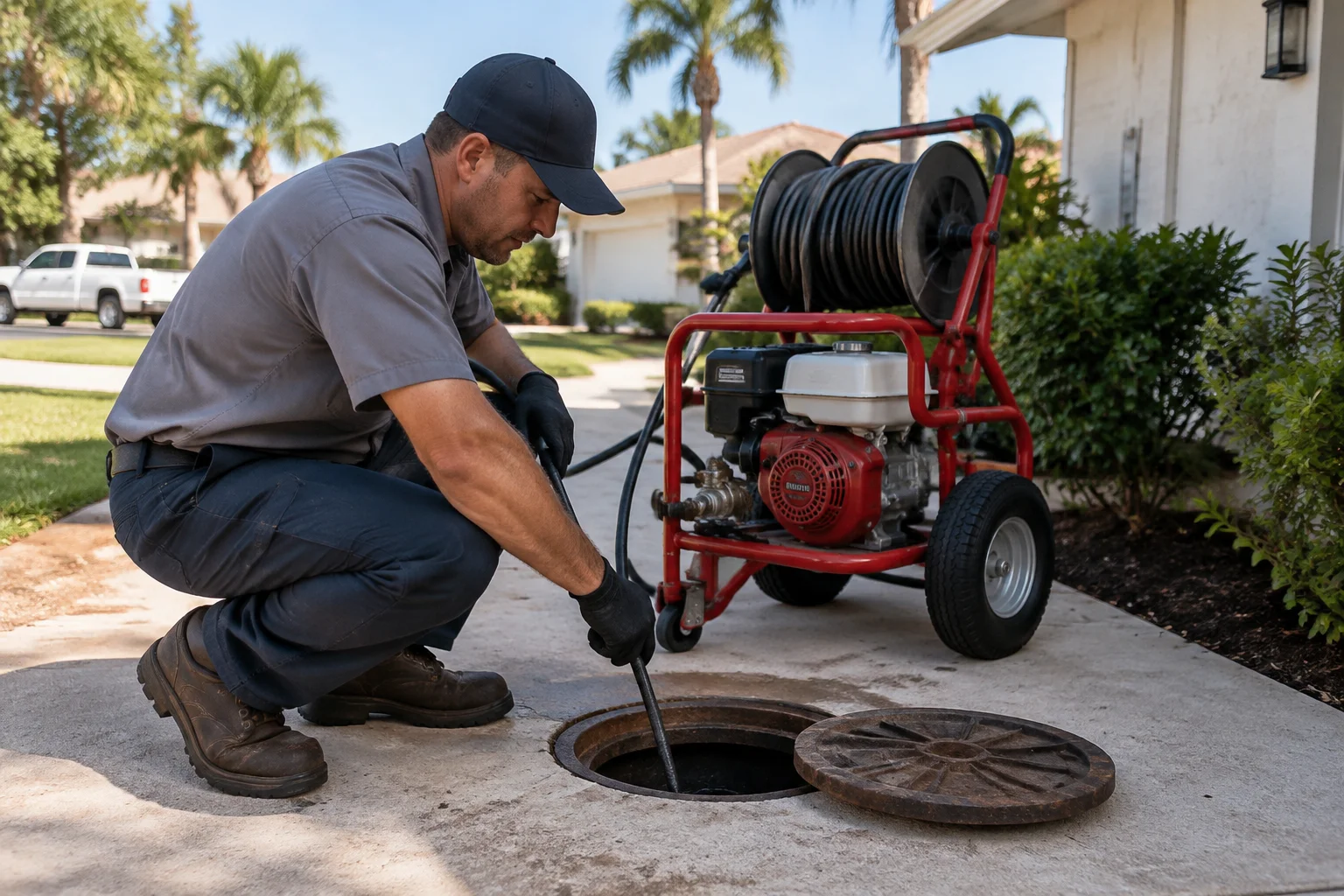
If one fixture drains slowly, the obstruction may be local. If several fixtures back up, a toilet gurgles when another fixture empties, or wastewater appears at a low drain, the problem may involve a shared line. Stop unnecessary water use during an active backup and arrange professional drain cleaning or sewer evaluation.
A sewer inspection near me search may be appropriate when backups recur, especially if previous clearing brought only temporary relief. A camera inspection can help locate visible defects or obstructions, sometimes after cleaning restores access. It is not automatically necessary for every slow drain.
Keep grease, wipes, and food scraps out of drains. Avoid pouring chemical drain cleaners into a blocked line before a plumber arrives, and disclose any products already used. These chemicals can create additional exposure risks during service.
Check the Pipes and Fixtures Connected to the Job
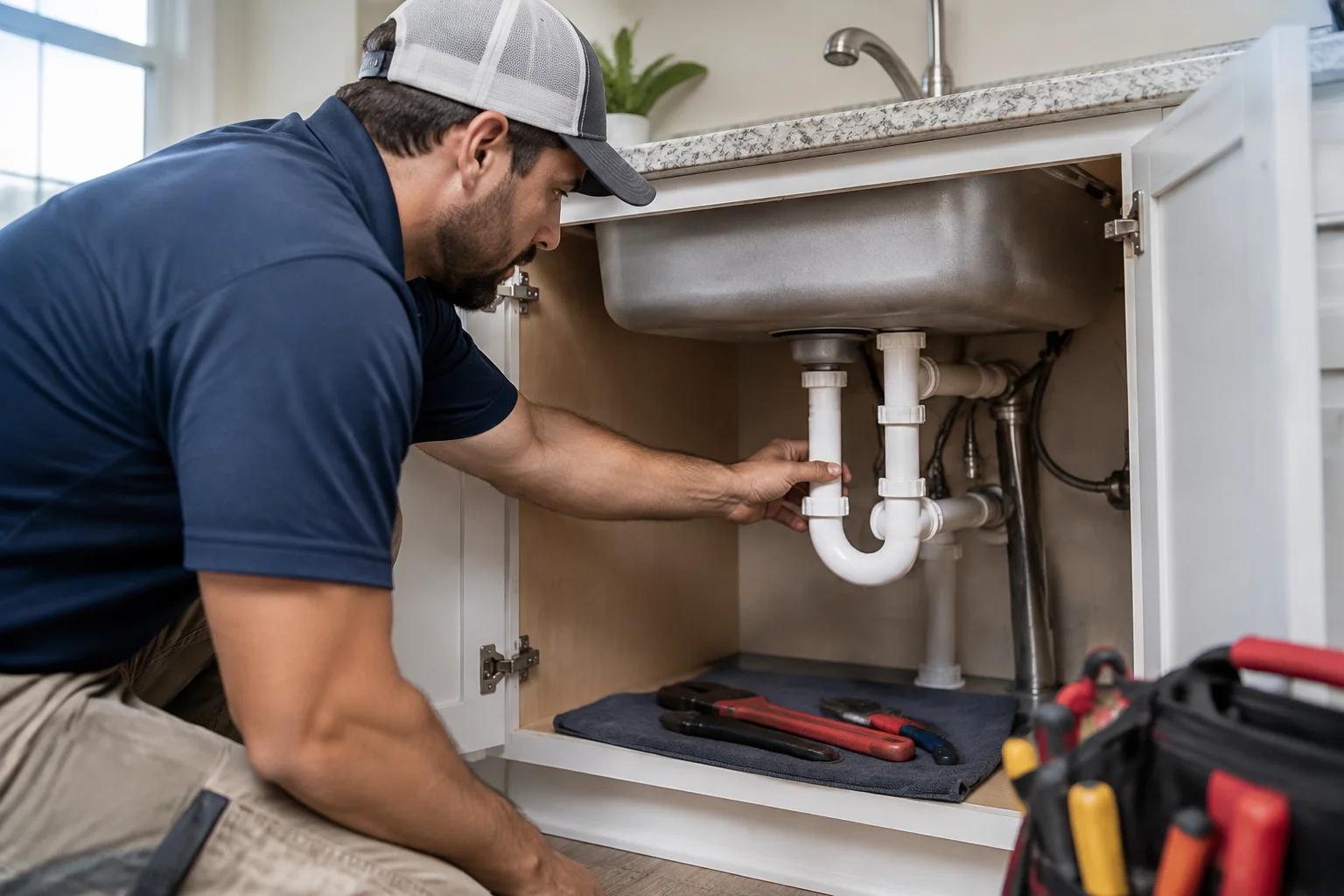
The installation visit is a useful opportunity to inspect accessible supply piping near the heater. Corroded fittings, unsupported lines, damaged insulation, and valves that no longer close properly should not simply be reconnected to new equipment.
Pipe materials also matter. Connections between different materials require compatible fittings and approved methods. Flexible connectors must be suitable for the application, properly routed, and installed without strain. Good workmanship includes leaving serviceable components accessible for future maintenance.
Elsewhere in the home, dripping hot-water faucets waste both water and the energy used to heat it. Running toilets generally waste cold water, but they can account for a surprising increase in overall consumption. Scheduling toilet repair or replacement can resolve that separate problem rather than leaving a high bill blamed on the heater.
If a bathroom remodel or utility-room change is planned, coordinate the heater location with new plumbing installation. Pipe routing, access, and fixture placement are easier to address before finishes are complete.
Hard Water Calls for Testing, Not Guesswork
White deposits on fixtures can suggest mineral content, but appearance alone does not establish the hardness of your home's water. Review available water-quality information or have the water tested before selecting treatment. Do not assume every Hammock Bay property has the same conditions.
When hardness is significant, scale can accumulate on heating surfaces and restrict passages in tankless equipment. Sediment can also collect in storage tanks. Maintenance needs depend on actual water conditions, water use, and the manufacturer's instructions.
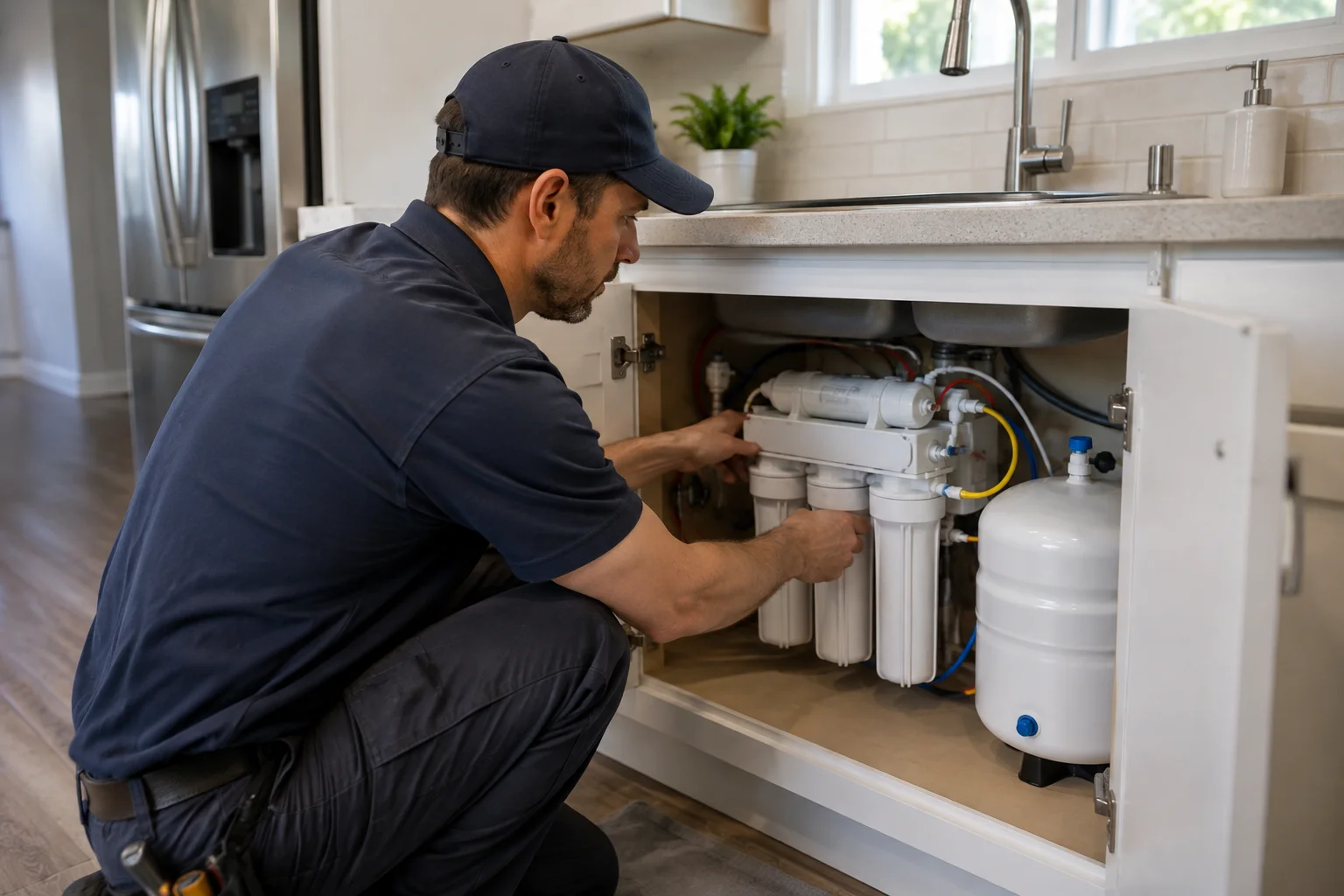
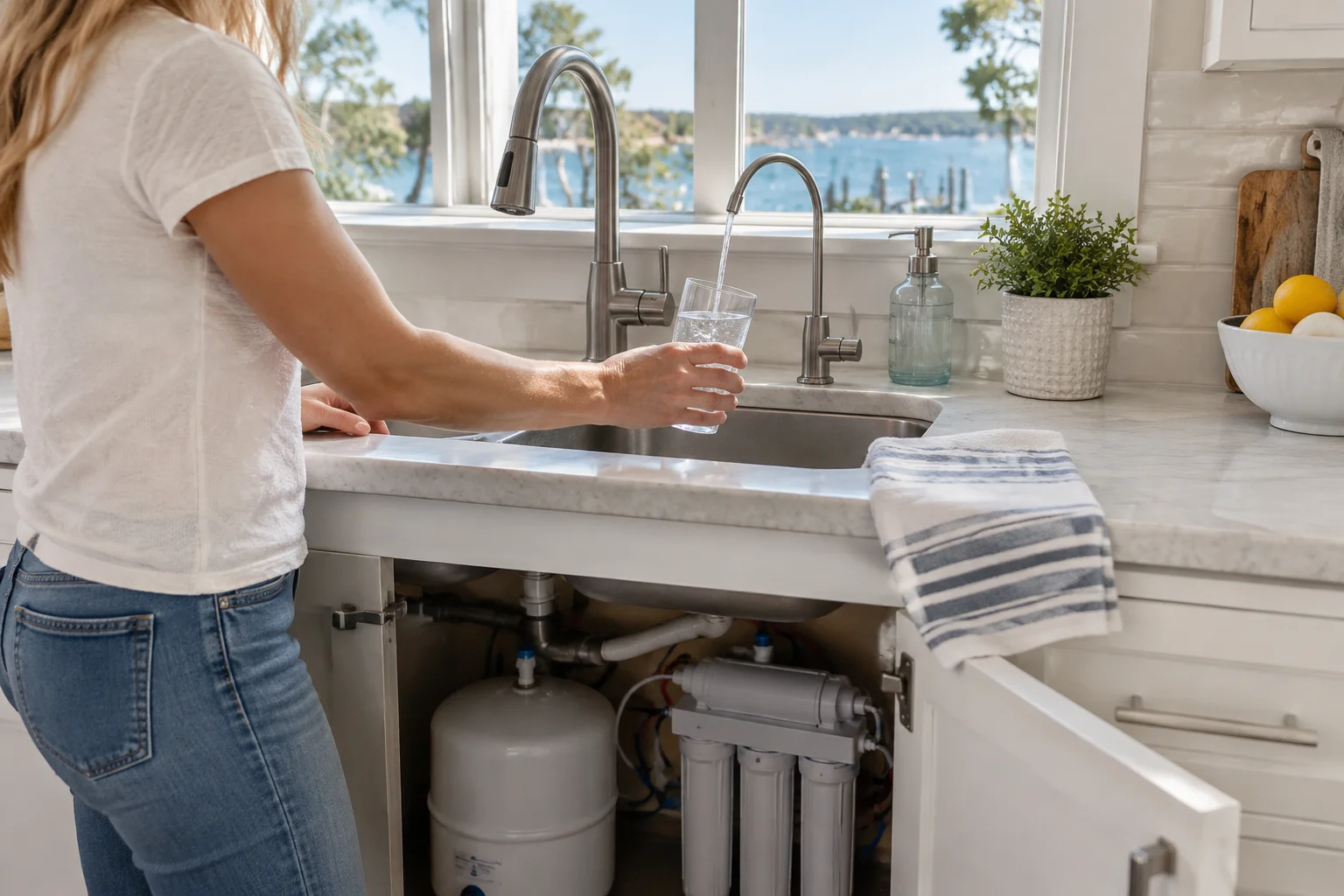
A standard sediment or carbon filter does not necessarily remove dissolved hardness minerals. Treatment should match the issue being addressed. For a homeowner-friendly discussion of everyday water concerns, read Clearer Glasses, Better Coffee: Water Filtration for Everyday Life in Hammock Bay. Discuss any proposed treatment with the installer so its maintenance and flow requirements are considered.
Plan Around Hammock Bay's Climate and Your Home's Layout
Hammock Bay's warm, humid weather makes it important to distinguish condensation from leaking pipes and to investigate moisture before it damages nearby materials. Summer storms can also highlight drainage problems around garages and utility spaces. Neither humidity nor outdoor rainfall should be used to explain away persistent indoor water without an inspection.
Northwest Florida also experiences occasional freezing conditions. Exposed piping and outdoor tankless installations need protection consistent with manufacturer requirements. Freeze-protection features may depend on power and do not necessarily protect every connected pipe.
Local service matters because installation decisions must fit the property, applicable permitting requirements, and local inspection procedures. A Superior Mechanical's Hammock Bay service information and Walton County service area page provide starting points for arranging plumbing help without assuming every home needs the same solution.
Make Maintenance Part of the Installation Plan
Before the installer leaves, ask where the water shutoff is, how to recognize abnormal discharge, and which maintenance tasks require professional service. Keep the model number, installation date, warranty details, and service records together.
Storage tank flushing, anode inspection where applicable, and tankless descaling should follow manufacturer guidance and actual operating conditions. Do not attempt to drain or service a hot, pressurized heater without the necessary knowledge. Temperature settings also require attention to scald prevention and household needs.
Between service visits, look for moisture, corrosion, damaged insulation, and changes in hot-water delivery. Scheduled plumbing maintenance can include the heater alongside fixtures and accessible piping. For a broader routine, use this guide to planning plumbing maintenance in Hammock Bay homes.
Know Which Problems Cannot Wait
Active flooding, a burst supply line, sewage backing into living spaces, or continuous relief-valve discharge needs prompt attention. If safe, close the appropriate water shutoff. Never touch wet electrical equipment or stand in water to reach controls. If you smell gas, leave the building and contact the gas utility or emergency services from a safe location.
When searching for a same day plumber near me, describe the actual conditions and confirm availability directly. Mention whether water is still flowing, whether sewage is involved, and whether the heater serves the entire home. Do not assume same-day replacement is possible before the system is assessed.
For a planned installation, contact A Superior Mechanical with the existing heater's age, location, fuel type, and the hot-water problems you have noticed. That information helps the plumber evaluate the whole job, including leaks, pressure, pipes, and drainage, rather than simply swapping equipment.
Find Water Heater Installation in Hammock Bay, FL
If you need Water Heater Installation in Hammock Bay, FL, visit our local service page or contact A Superior Mechanical today.
Map of Hammock Bay, FL
Frequently Asked Questions
Should plumbing leaks be repaired before a new water heater is installed?
Active leaks should be located and addressed before or as part of the installation. A leaking supply connection, excessive pressure, or a separate hot-water pipe leak can continue causing damage after the heater is replaced. A leaking tank itself generally requires replacement.
Does every Hammock Bay home need an expansion tank with a new water heater?
Not necessarily. Thermal expansion control depends on the plumbing system, applicable code, and equipment requirements. A plumber should determine whether the system is closed and select an approved solution. An expansion tank must be properly sized and charged to work correctly.
Will installing a tankless water heater fix slow drains or long waits for hot water?
It will not fix slow drains because those belong to the wastewater system. Tankless equipment also does not automatically eliminate the wait for hot water at distant fixtures. Pipe length, routing, and a properly designed recirculation system may need consideration.
Related Articles
- Planning Ahead for Plumbing Maintenance in Hammock Bay Homes
- A Practical Guide to Water Heater Installation in Seagrove Beach and the Plumbing Problems That Shorten System Life
- Clearer Glasses, Better Coffee: Water Filtration for Everyday Life in Hammock Bay
- Fewer Spots, Better Sips: Everyday Water Filtration in Hammock Bay, FL
Photo Gallery