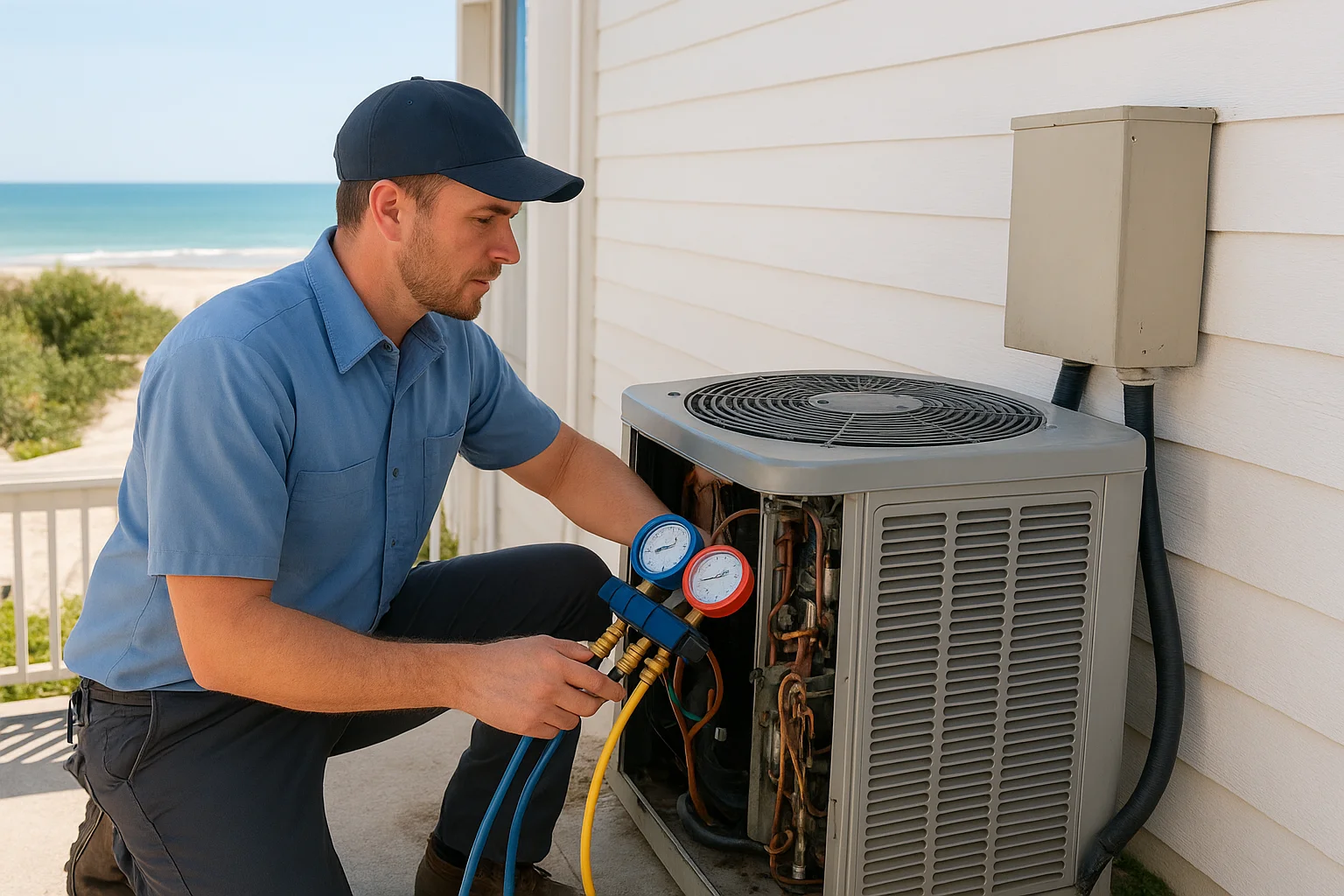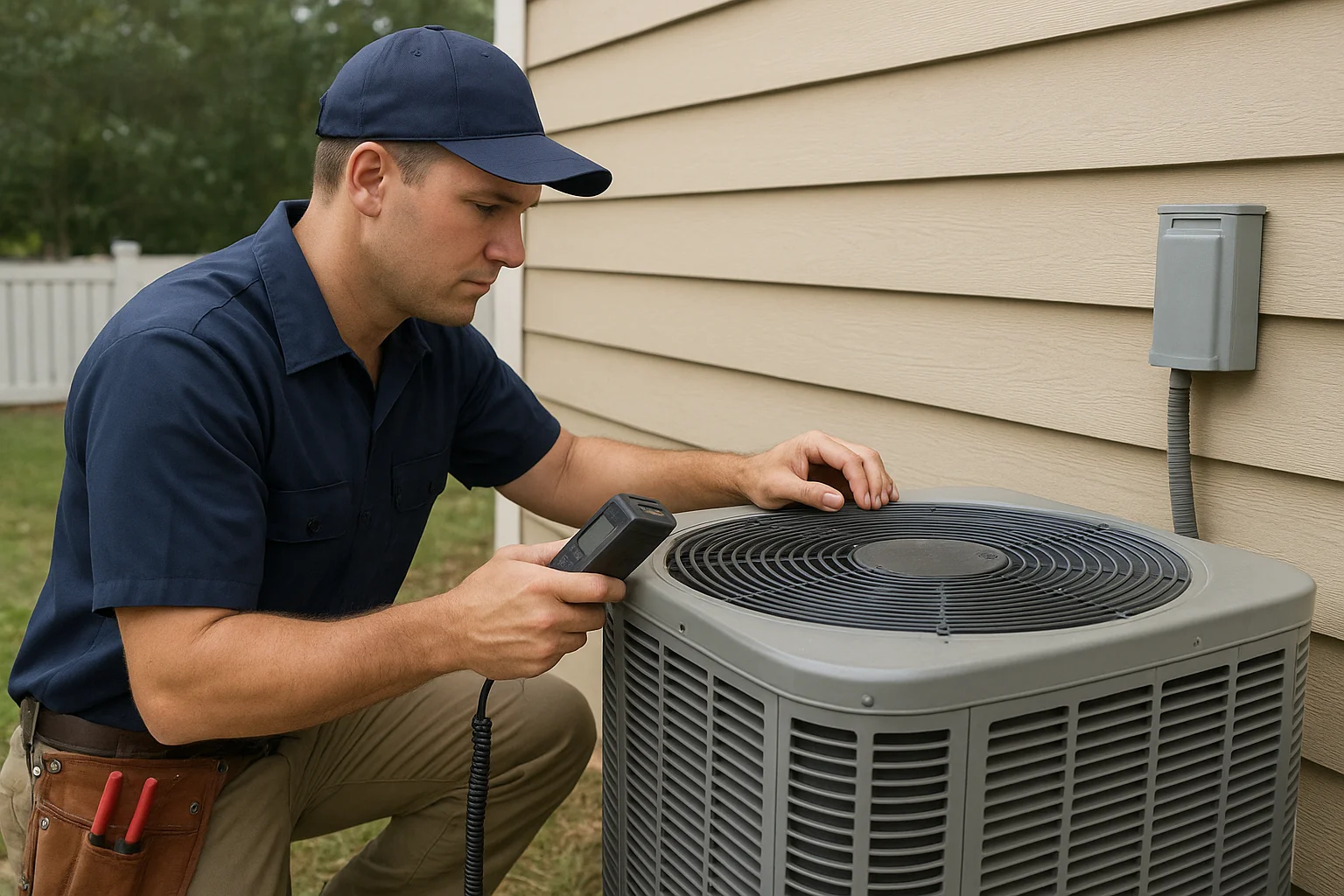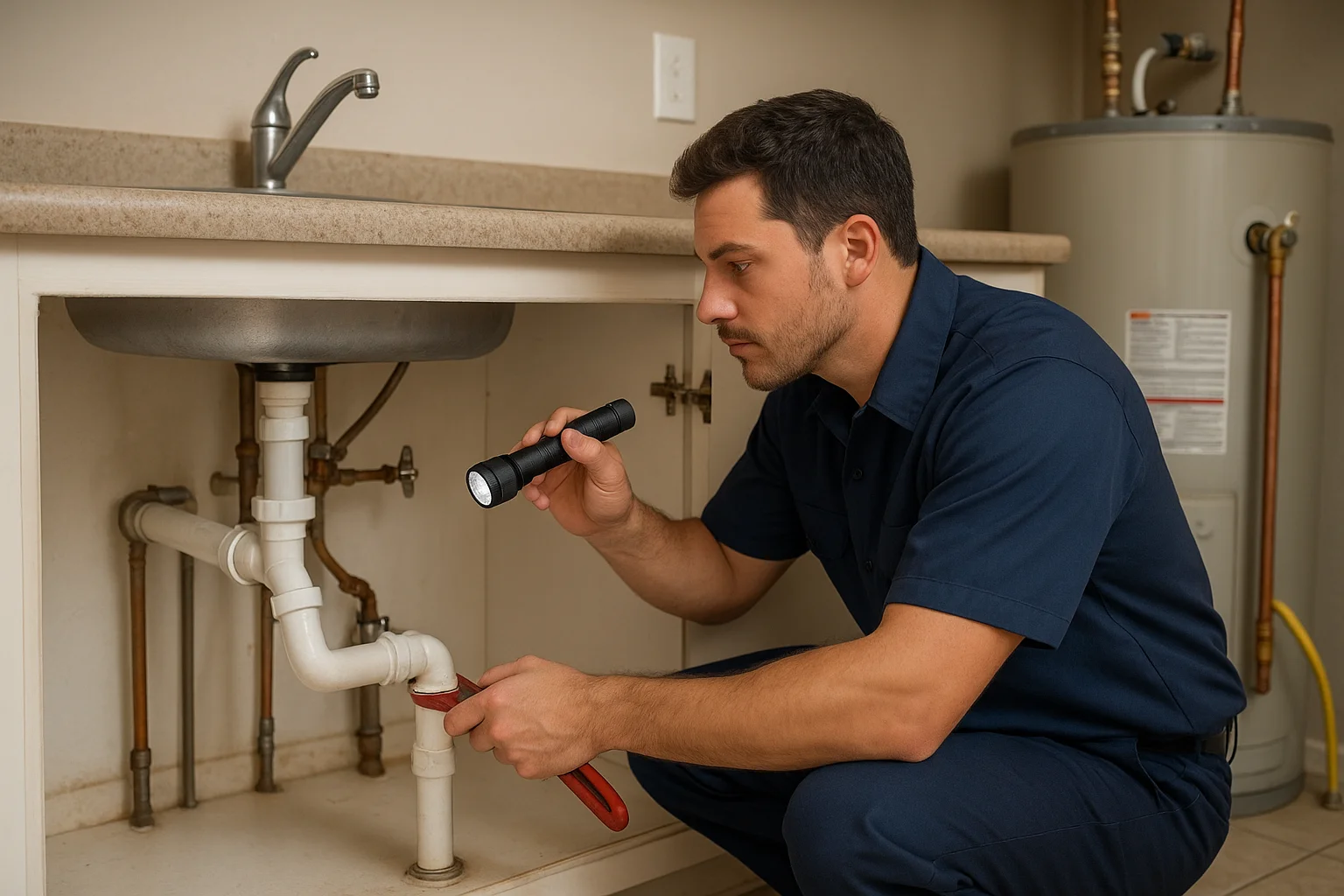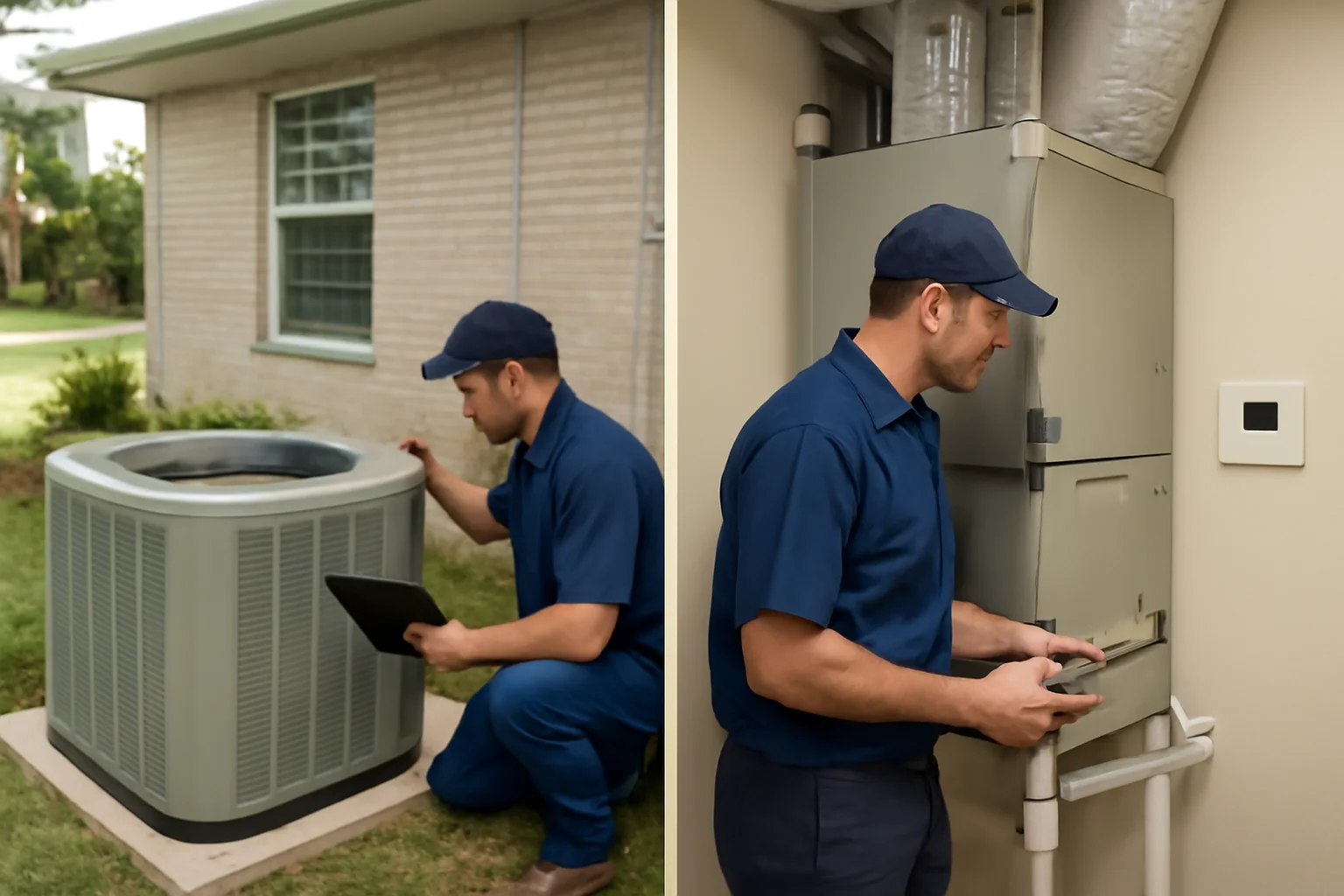
Bid-A-Wee, FL is a place where the weather does not ease up. Warm temperatures, frequent humidity, and salt air can stress HVAC systems and make indoor comfort feel harder to maintain. If you are planning for a geothermal energy system, the best time to think about heat and humidity management is before you need emergency cooling. A Superior Mechanical helps homeowners in Bid-A-Wee plan geothermal HVAC support around real local conditions, including airflow, condensate drainage, thermostat control, and indoor air quality.
Why geothermal planning matters more in Bid-A-Wee humidity
Geothermal systems move heat using the earth as a stable heat source. That can help reduce temperature swings compared with some traditional approaches. However, comfort in coastal Florida is not just about temperature. It is also about humidity levels, air circulation, and how well your home removes moisture during cooling season.
In Bid-A-Wee and across Bay County, the combination of summer heat, high outdoor humidity, and nearby salt air can increase the load on cooling and dehumidification. If your geothermal system is not sized and configured properly for your home, you may notice symptoms like:
- Rooms that feel clammy even when the thermostat is set to cool
- Condensation around indoor units or on nearby surfaces
- Uneven airflow, with some rooms feeling stuffy while others feel too cold
- Musty odors that suggest indoor air quality issues
- Frequent cycling that can stress refrigerant systems and components
Planning ahead means addressing the whole HVAC system, not just the geothermal loop. That includes ductwork performance, airflow balancing, condensate drainage, thermostat programming, and preventive HVAC maintenance.
Start with a whole-home comfort plan, not a single equipment choice
A geothermal energy system is part of an HVAC system. In Bid-A-Wee homes, you will want your plan to cover:
- Cooling and dehumidification goals for humid Florida summers
- Airflow routes through ductwork so conditioned air reaches each room
- Moisture removal through correct condensate drainage and drain line management
- Thermostat control that supports consistent operation and sensible humidity comfort
- Indoor air quality priorities, especially if anyone in the home has allergies or respiratory concerns
If you are comparing options, keep in mind that the “best” geothermal setup depends on your home’s layout, insulation levels, duct design, and existing comfort problems. That is why homeowners searching for a licensed HVAC contractor near me should look for professionals who evaluate airflow, ductwork, and comfort needs in person.
Humidity control: the comfort lever most homeowners overlook
Humidity management is where geothermal planning can make a noticeable difference. During cooling season, the system must remove moisture from indoor air while maintaining comfortable temperatures. If airflow is restricted, ductwork is poorly sealed, or indoor coils are not draining properly, the system can cool the air but still leave the home feeling damp.
Common humidity-related issues in the Bid-A-Wee area include:
- Condensate drainage problems that cause water to back up or overflow
- Coil contamination that reduces heat transfer and can affect moisture removal
- Airflow imbalance where some rooms do not get enough supply air
- Air leakage that brings in humid air and increases the cooling load
To plan ahead, discuss humidity control strategies with your geothermal HVAC service provider. That may include how your indoor unit and refrigerant systems will be configured, how condensate drainage will be verified, and what maintenance schedule will help keep moisture removal consistent.
If indoor humidity and comfort are already challenging in your home, consider pairing geothermal planning with indoor air quality services so you can address comfort plus air cleanliness.
Airflow and ductwork: where comfort is won or lost
Even a well-designed geothermal system can underperform if airflow through the home is not right. In Bid-A-Wee, where summer humidity is persistent, airflow problems can show up as uneven comfort, longer run times, and moisture lingering in ductwork or living spaces.
Planning should include a ductwork review. Homeowners often search for “duct inspection near me” or “duct cleaning near me” because they suspect airflow issues. For geothermal comfort, the goal is not just cleanliness. It is also performance.
A professional evaluation may look at:
- Supply and return air paths to confirm the system can move air as designed
- Air distribution balance so rooms cool and dehumidify evenly
- Duct sealing and insulation needs, especially in areas exposed to heat
- Signs of blockage or deterioration that can restrict airflow
When airflow is correct, your geothermal system can manage heat and humidity with fewer surprises. When airflow is restricted, refrigerant systems can be pushed harder to achieve temperature targets, which may increase wear and reduce comfort consistency.
Condensate drainage planning for coastal moisture
During cooling, indoor coils can produce condensate. That condensate must drain properly and safely. In a humid coastal climate like Bid-A-Wee, condensate drainage is a major part of preventing water damage and maintaining reliable cooling performance.
Planning ahead should include inspection and verification of the drainage path, including:
- Drain lines and fittings for proper slope and secure connections
- Clearance and routing so condensate cannot back up
- Signs of algae, buildup, or debris that can block drainage
- How the system will be monitored during routine maintenance
If you have seen water near an air handler or noticed a wet smell, do not assume it will fix itself. Moisture issues can affect indoor air quality and lead to comfort problems. A qualified HVAC contractor can evaluate condensate drainage as part of geothermal system planning and preventive HVAC maintenance.
Thermostats and control settings that support consistent comfort
A geothermal system is only as comfortable as the control strategy behind it. Thermostat installation and thermostat programming matter because they influence how the system cycles, how it responds to humidity, and how steady the indoor environment stays.
In Bid-A-Wee homes, homeowners often adjust thermostats frequently during hot weeks. If the thermostat is not set up to support the system’s operation, the home can swing between overcooling and under-dehumidifying. That can also increase how often the system runs.
When planning your geothermal setup, ask about:
- Appropriate thermostat installation near the right areas in the home
- Control schedules that match your daily routines
- How temperature set points interact with humidity comfort
- Whether your current thermostat is compatible with your planned system controls
If you are exploring better temperature management, you may also want to review heating control systems that can support smoother operation across seasons.
Refrigerant systems: plan for performance, not guesses
Geothermal HVAC systems rely on refrigerant systems to move heat between the indoor unit and the ground loop. Because refrigerant involves safety and regulatory requirements, homeowners should avoid DIY adjustments and should not rely on remote troubleshooting for refrigerant-related concerns.
In a planning conversation, you can still be proactive. For example, you can ask your HVAC contractor how the system will be commissioned and how ongoing preventive HVAC maintenance will help keep performance stable. If you ever notice unusual symptoms such as persistent comfort problems, abnormal noise, or signs of moisture where it should not be, an in-person evaluation is the right next step.
Planning ahead is about prevention and proper care, not guessing at refrigerant levels or diagnosing refrigerant issues without the right tools and现场 checks.
Salt air and coastal conditions: protect airflow components and indoor comfort
Bid-A-Wee is a coastal area influenced by salt air. While geothermal loop components are underground, the overall HVAC system still includes indoor units, air handlers, filters, and other parts that can be affected by moisture and airborne contaminants. Coastal conditions can also increase the importance of clean airflow pathways and reliable filtration.
To plan ahead for long-term comfort, focus on:
- Filter maintenance and replacement intervals that match local dust and humidity conditions
- Routine checks of airflow pathways and indoor coil cleanliness
- Indoor air quality priorities so the system supports healthier air, not just temperature control
This is also where professional preventive HVAC maintenance matters. When maintenance is delayed, airflow can drop, moisture removal can suffer, and you may end up searching for “AC repair near me” during the hottest weeks.
Energy use planning: how to think about operating cost responsibly
Geothermal systems are often chosen for efficiency and long-term comfort. In Bid-A-Wee, energy use planning should be based on how your home actually operates. Factors that influence energy use include insulation quality, duct performance, thermostat settings, and how well the system manages humidity.
Instead of focusing on broad claims, ask your contractor to explain how the geothermal system will be configured for your home. A good plan should connect:
- System sizing and airflow expectations
- Humidity control strategy
- Maintenance schedule for steady performance
- How your thermostat settings will affect run time and comfort
That approach helps you plan for predictable comfort even when outside temperatures and humidity are at their peak.
Preventive maintenance schedule for geothermal comfort
Preventive HVAC maintenance is the backbone of geothermal performance. It helps keep airflow stable, supports condensate drainage, and can prevent small issues from becoming emergency cooling concerns.
While every home and system differs, a practical geothermal maintenance plan in Bid-A-Wee typically includes:
- Inspection of airflow and duct performance indicators
- Verification of condensate drainage and drain line condition
- Filter checks and recommendations
- Indoor unit inspection for moisture-related issues
- Thermostat and control system review to confirm consistent operation
If you are planning a new geothermal installation, ask how maintenance will be scheduled around Florida seasons. If you are upgrading from an older system, also discuss what transitional setup is needed so comfort does not suffer during the first cooling season.
For homeowners who want a deeper look at maintenance and comfort, this article pairs well: How Preventive HVAC Service Supports Cleaner Indoor Air in Bid-A-Wee.
Planning for system replacement and upgrades without losing comfort
If your current HVAC system struggles with humidity, airflow, or reliability, you may be considering HVAC replacement options that include geothermal energy systems. Planning ahead means thinking about comfort during the transition, not just the end result.
Before replacement, an HVAC contractor should evaluate:
- Current ductwork performance and any airflow restrictions
- Existing indoor air quality concerns that may worsen during hot, humid months
- How the thermostat will be integrated into the new system
- Condensate drainage condition and how it will be handled with the new setup
Homeowners searching for “HVAC replacement near me” often want a quick answer. The best approach is a careful in-person assessment so the geothermal system can be matched to the home’s needs. That also reduces the odds of repeat service calls once the system is running.
Emergency cooling concerns: build a plan before the heat spikes
In Bid-A-Wee, the worst time to troubleshoot is when humidity and heat peak. An HVAC failure can turn into an emergency cooling concern quickly, especially if indoor humidity rises and comfort becomes difficult to maintain.
Ahead-of-time planning can reduce stress when something goes wrong. Consider these preparation steps:
- Know how your geothermal system behaves during cooling season so you can spot unusual changes
- Keep up with preventive HVAC maintenance before the hottest weeks
- Replace filters on schedule to support airflow and moisture removal
- Document thermostat settings and any recurring comfort issues
When problems do happen, choose a contractor who can handle urgent situations responsibly. Many homeowners search for “emergency AC repair near me” when comfort is at risk. A Superior Mechanical can help Bid-A-Wee homeowners with geothermal energy systems and HVAC service planning through the seasons.
For geothermal-specific support, you can review our service details here: geothermal-energy-systems-bidbcfl. For a broader view of local services, visit our Bid-A-Wee area page.
Questions to ask during your geothermal planning visit
If you are meeting with an HVAC contractor in Bid-A-Wee, these questions help you plan for heat and humidity management without guesswork:
- How will you evaluate airflow and ductwork performance before finalizing the geothermal plan?
- What steps will you take to verify condensate drainage for cooling season?
- How will the thermostat be configured so the system manages comfort consistently in humid weather?
- What preventive HVAC maintenance should I schedule, and how does it support humidity control and indoor air quality?
- What early warning signs should I watch for that could indicate airflow or moisture issues?
If your home has complex needs or you are exploring multi-zone comfort options, it can also help to ask about advanced system approaches like VRF multi-zone systems, especially when different areas require different comfort strategies.
Build confidence with local HVAC expertise
Geothermal planning is not just a technical decision. It is a comfort decision shaped by Bid-A-Wee’s climate, housing styles, and the day-to-day realities of humid summers. When you work with a local HVAC contractor who understands airflow, ductwork, condensate drainage, and indoor air quality, you get a system plan that fits your home instead of a one-size-fits-all approach.
If you are also working through current comfort troubles, it can help to read Comfort That Holds Up in Bid-A-Wee Starts With Timely AC Repair so you can connect maintenance and repair timing to long-term performance. And if you are comparing geothermal and other coastal-ready approaches, the planning concepts in Smart HVAC Planning for Rosemary Beach Homes can provide useful direction for airflow and coastal protection.
A Superior Mechanical is ready to help Bid-A-Wee homeowners plan geothermal energy systems for managing heat and humidity year-round. Whether you are planning for a new system or improving an existing HVAC setup, a professional, in-person evaluation helps ensure the geothermal system supports reliable cooling, effective moisture removal, and healthier indoor air.
If you are looking for HVAC help in Bay County, you can also explore service options across the region at /service-areas/bay-county.
Find Geothermal Energy Systems in Bid-A-Wee, FL
If you need Geothermal Energy Systems in Bid-A-Wee, FL, visit our local service page or contact A Superior Mechanical today.
Map of Bid-A-Wee, FL
Frequently Asked Questions
How does a geothermal system handle humidity in Bid-A-Wee, FL?
Geothermal cooling still needs to remove moisture from indoor air. Humidity comfort depends on airflow through ductwork, indoor coil performance, thermostat control, and proper condensate drainage. If any of those are off, the home can feel damp even when temperatures look correct.
What should I check about condensate drainage for geothermal cooling?
Have a technician inspect the drain line routing, slope, and connections, and confirm condensate can drain without backing up. In humid coastal weather, blocked or poorly routed drainage can lead to water issues and reduced comfort.
Can poor ductwork make geothermal comfort worse?
Yes. If airflow is restricted or uneven, the system may struggle to cool and dehumidify consistently. Planning should include duct inspection and airflow evaluation so conditioned air reaches each area properly.
Should I try to adjust refrigerant systems myself if comfort is off?
No. Refrigerant systems require proper tools, safety procedures, and an in-person evaluation. If you notice comfort problems or unusual symptoms, schedule a professional assessment rather than attempting DIY refrigerant changes.
What preventive HVAC maintenance helps geothermal systems last in Florida humidity?
Routine maintenance that supports airflow, indoor coil cleanliness, filter management, condensate drainage verification, and thermostat/control review helps geothermal systems perform reliably through humid summers and hot weather.
Related Articles
Photo Gallery