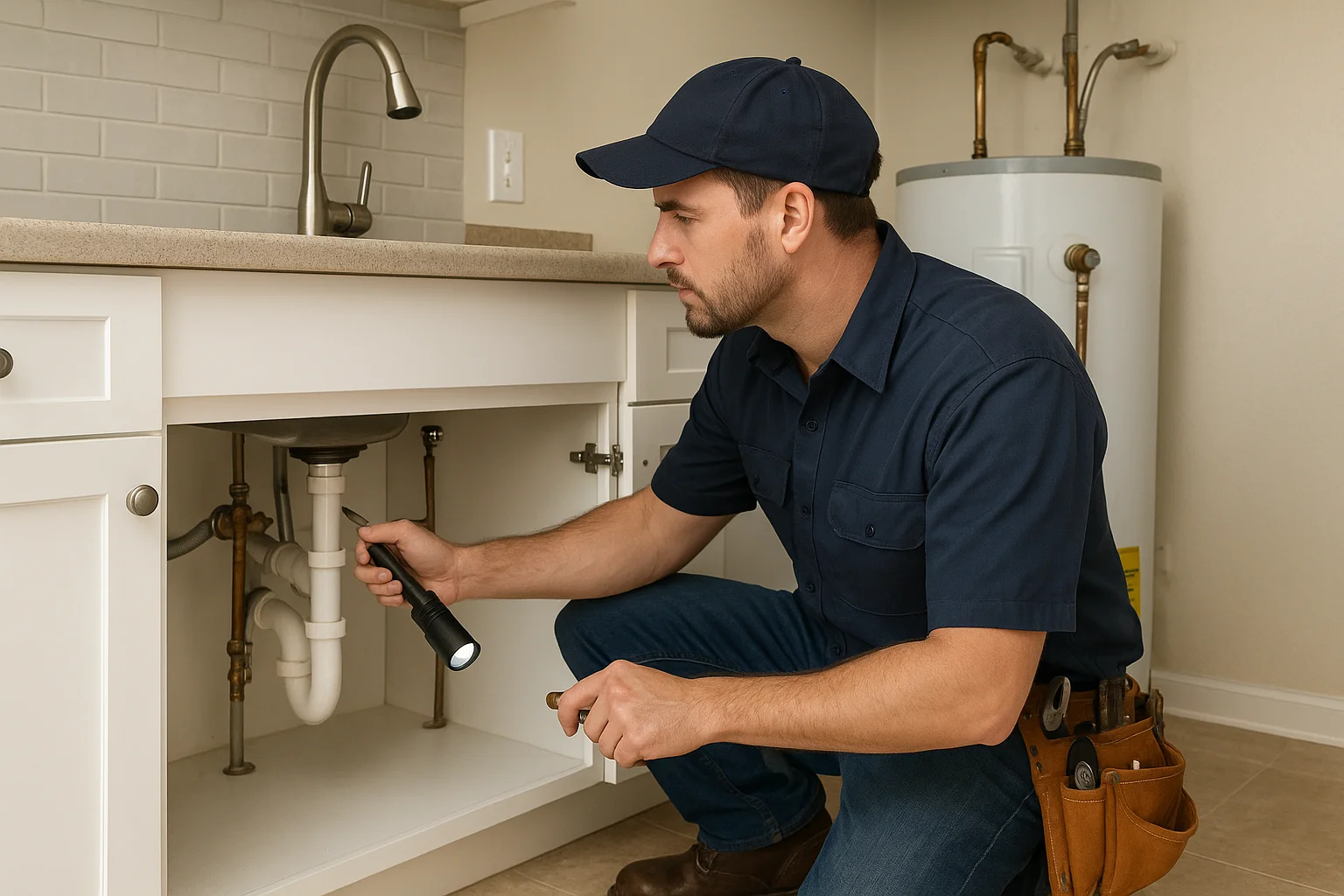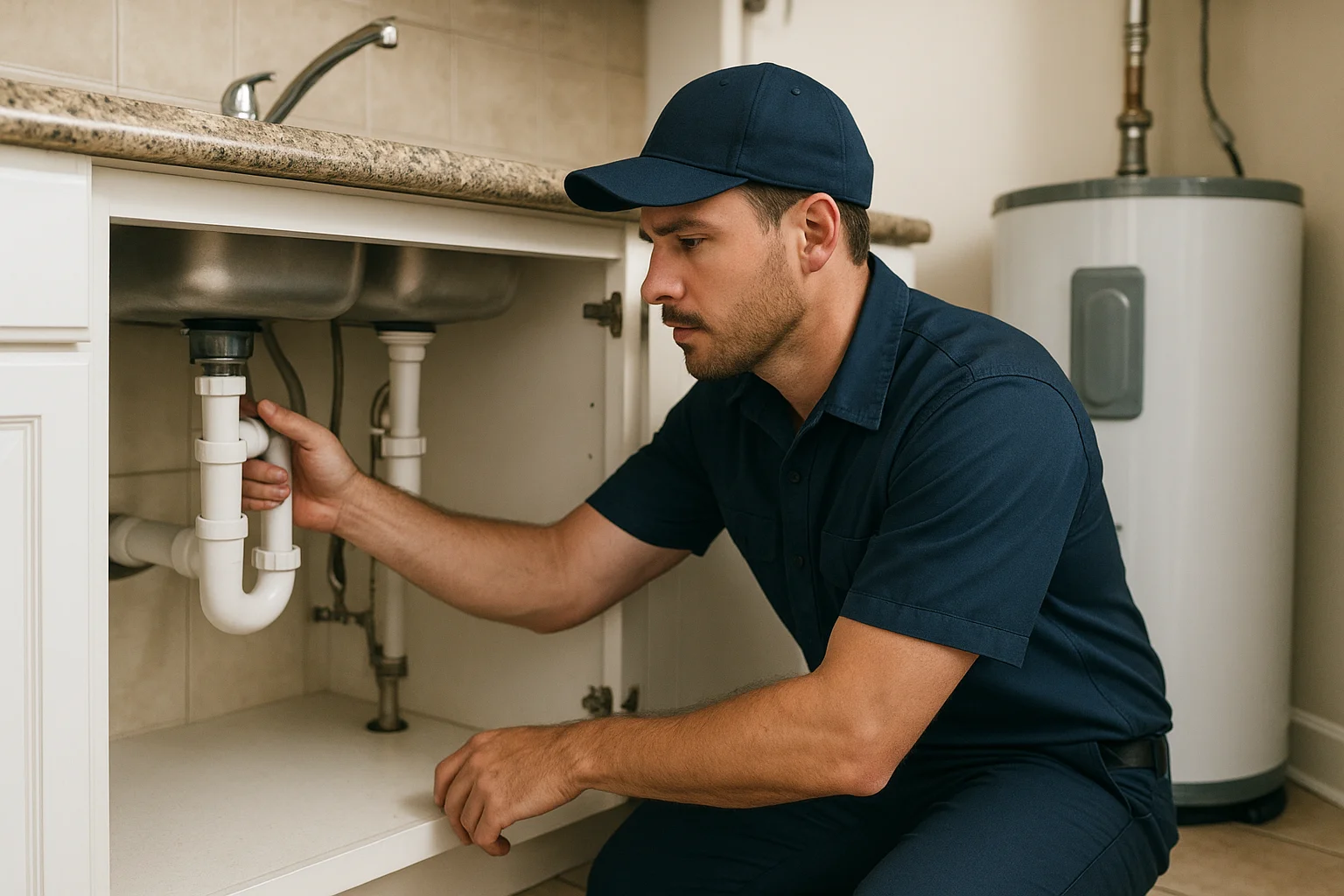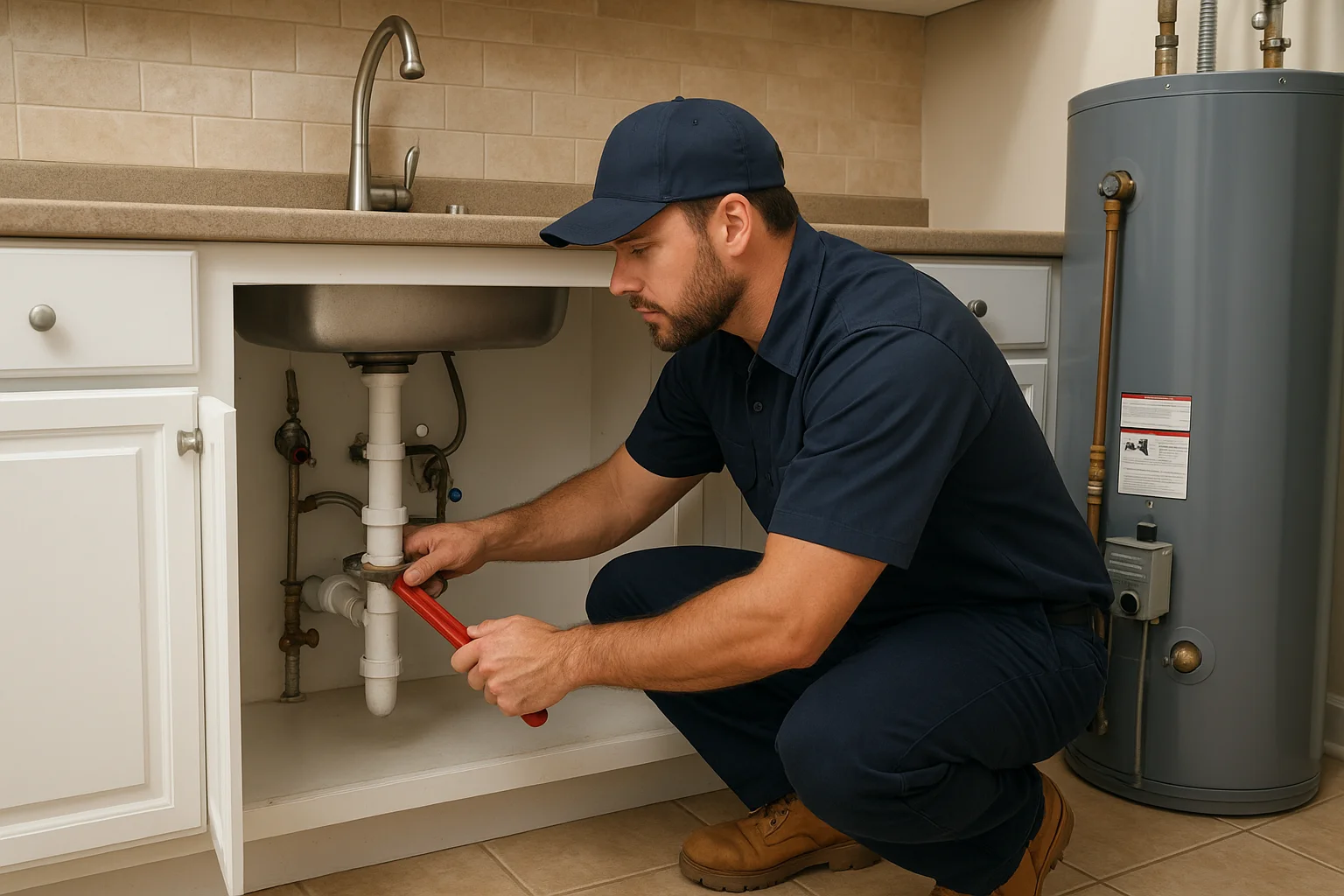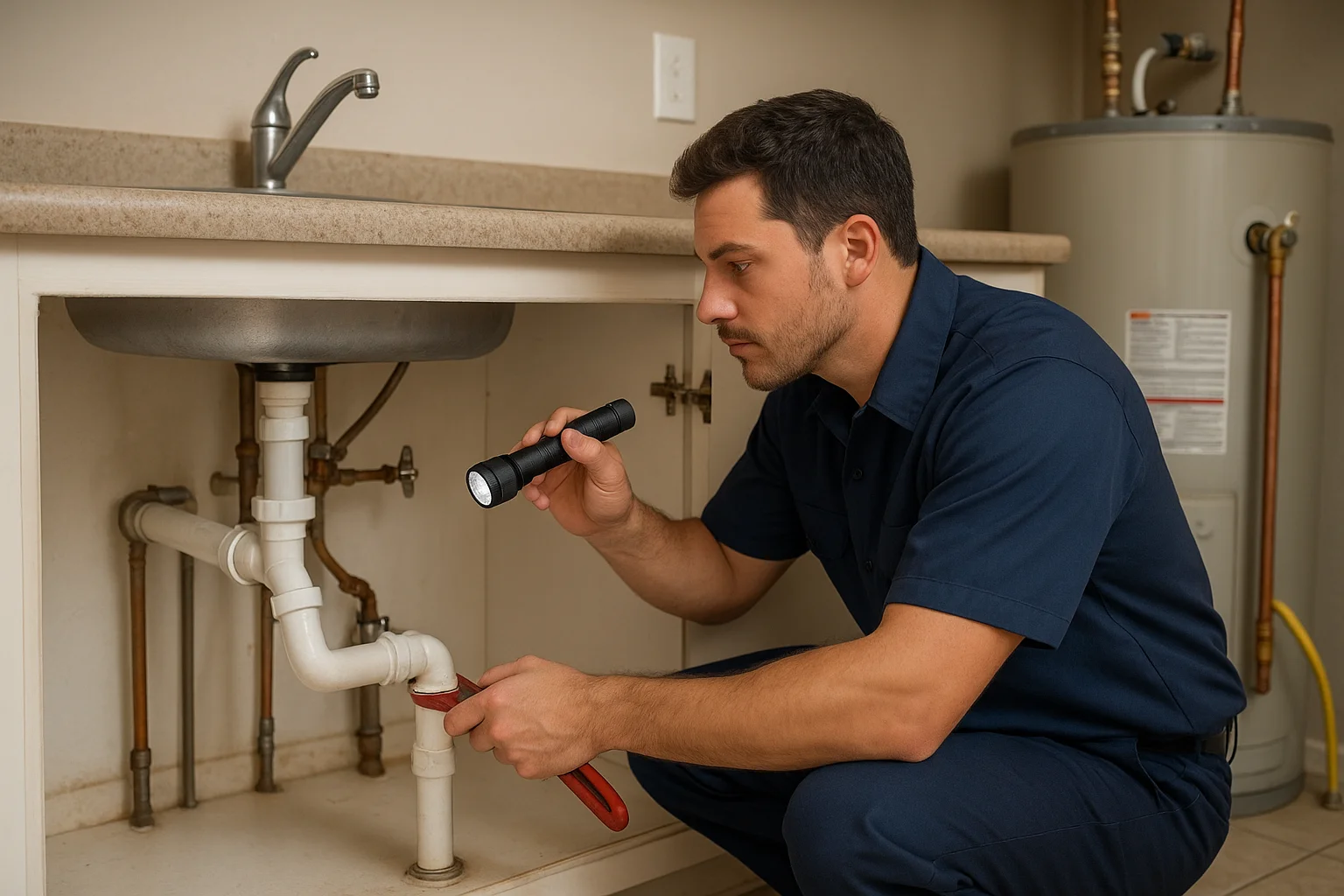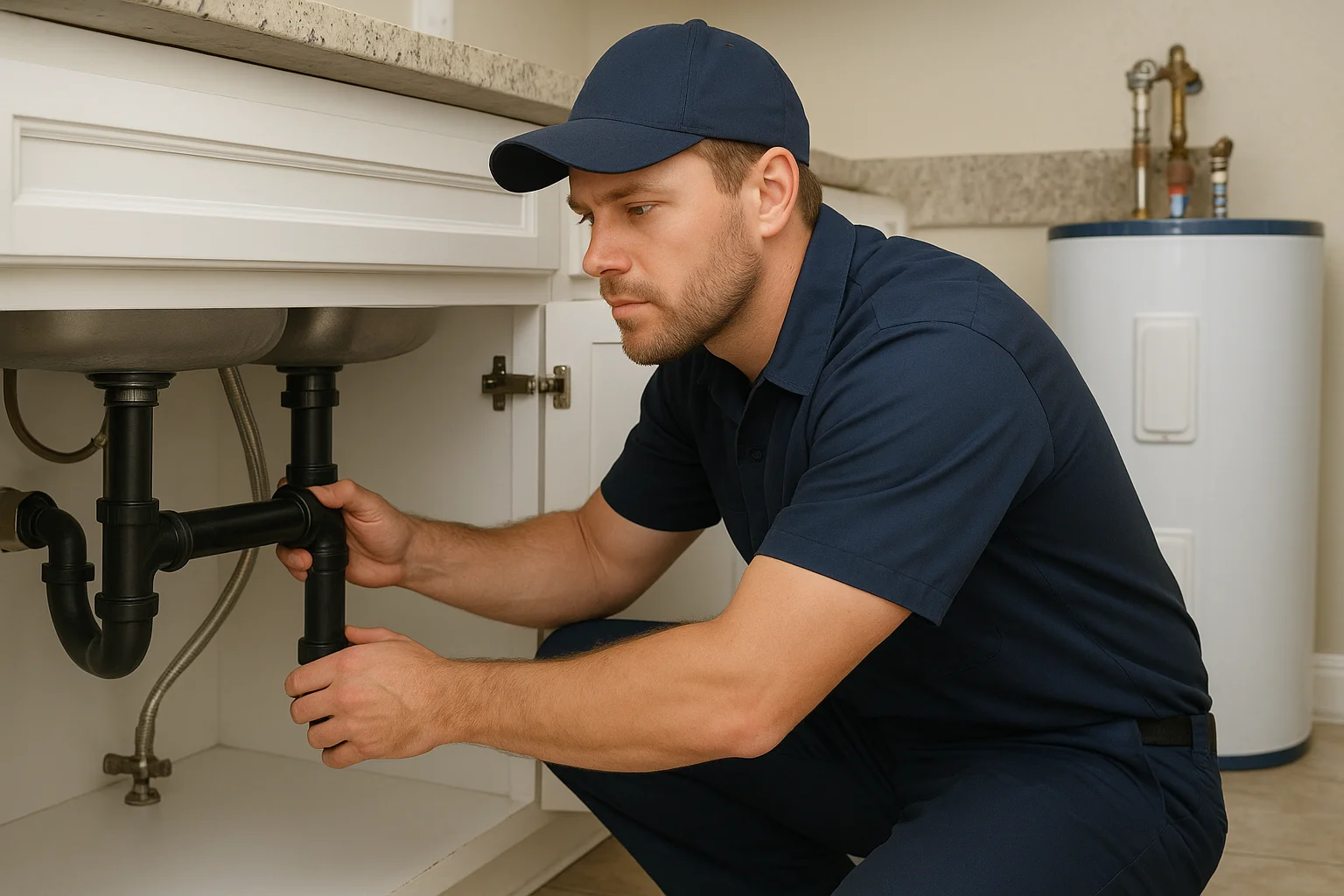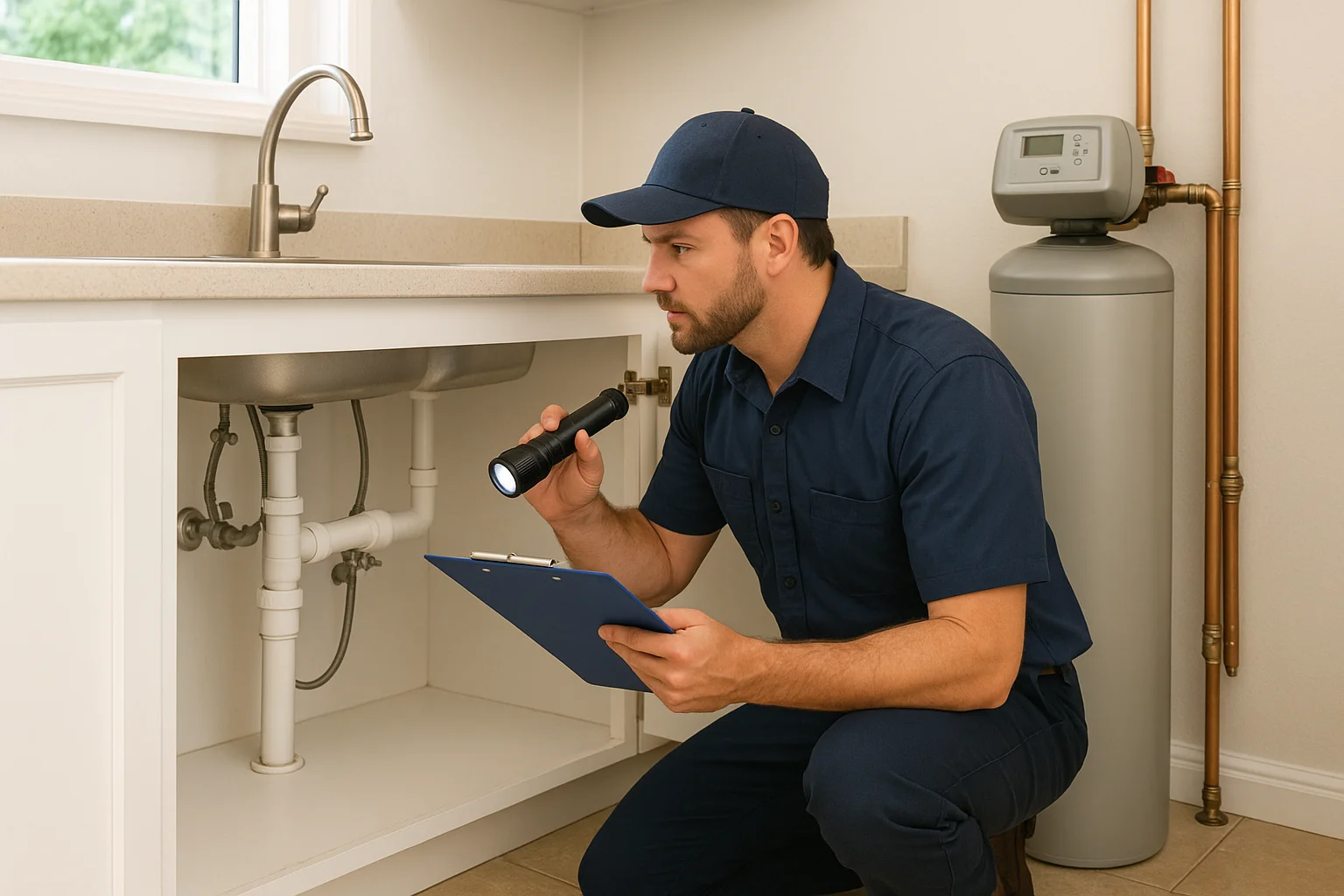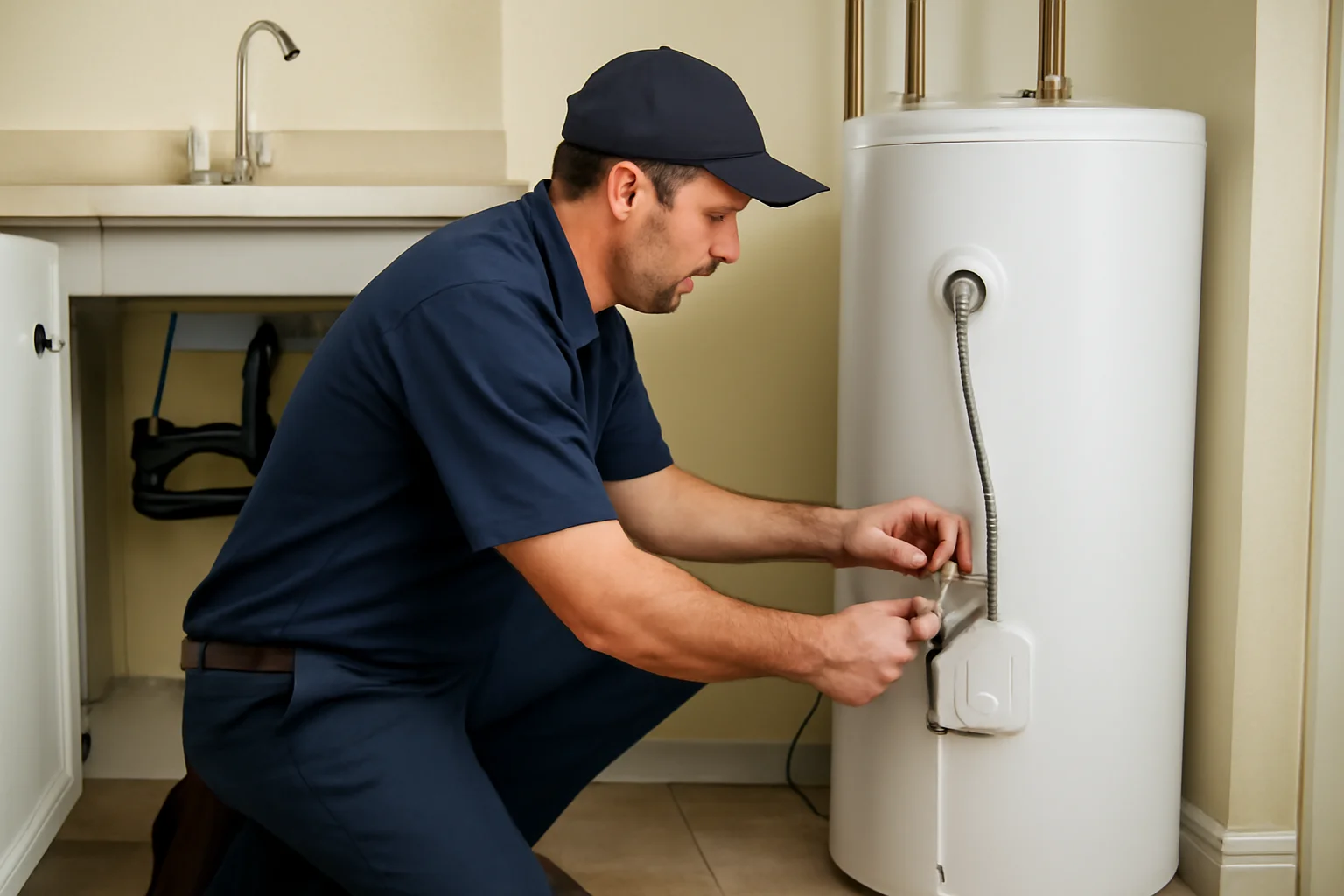
Living in Bluewater Bay, FL means your plumbing system works hard year-round. Warm, humid weather, frequent water use, and occasional heavy rain can all raise the stakes when a water heater begins to fail. Planning ahead for water heater services is one of the simplest ways to reduce the chance of leaks, water damage to floors and cabinets, and bigger problems like slab leaks.
If you have been searching for a plumber near me or water heater service in Bluewater Bay, this guide will help you think like a homeowner who wants to prevent damage, not just react to it.
Why planning ahead matters in Bluewater Bay homes
Water heaters are not just about hot showers. They connect to your home’s pipes, fixtures, drains, and water pressure. When something goes wrong, the failure can spread quickly. A small leak under a tank can turn into warped flooring, damaged baseboards, and mold. A failing seal can also affect pressure and hot water recovery, which may lead to unusual usage patterns like running fixtures longer than normal.
Bluewater Bay homes often include slabs, crawl spaces, and utility areas where leaks may go unnoticed for days. If you are dealing with hard water, mineral buildup can shorten a heater’s life and increase the likelihood of internal issues that later show up as external leaks or inconsistent heating.
Planning ahead also helps with the practical side of plumbing repair. Scheduling service before a failure is more predictable than arranging emergency plumber support when water is already pooling or a leak is damaging drywall.
Start with a home water-use and pressure check
Before you schedule service, take note of how your household uses water. In Bluewater Bay, many homes see high demand during busy morning routines, laundry days, and weekend guest visits. That demand can stress water heaters, especially older models.
Here’s what to track:
- Hot water recovery time: Do you run out of hot water faster than you used to?
- Temperature consistency: Does water swing from too hot to not hot enough?
- Water pressure changes: If pressure fluctuates, it can point to a broader plumbing issue that also affects the heater.
- Fixture performance: Are faucets or showerheads delivering weaker flow, or do they spit and sputter?
If you notice changes, consider a home plumbing inspection near me approach. A technician can check the heater, supply lines, pressure-related components, and nearby piping that connects to other parts of your system.
Know the common water heater failure points
Homeowners often assume water heater problems show up as no hot water. In reality, many issues start quietly. Understanding the usual failure points makes it easier to spot early warning signs.
Tank corrosion and sediment buildup
Over time, sediment collects at the bottom of tank heaters. With hard water, that buildup can be faster. Sediment reduces efficiency and can create hot spots that shorten the tank’s lifespan. It can also contribute to rumbling sounds and uneven heating.
Leaking valves, fittings, and connections
Some leaks are not the tank itself. Loose fittings, worn supply lines, failing drain valves, or a deteriorating pressure relief discharge line can drip water. Even small drips can become a bigger issue if they wet insulation or hide behind cabinets.
Pressure relief valve and discharge piping
A properly functioning pressure relief valve protects your home from excessive pressure. If it discharges repeatedly or leaks at the connection, it can indicate an underlying pressure problem. It may also lead to water dripping where it should not.
Vent and combustion concerns on gas models
Gas water heaters need proper venting. If venting is compromised, it can create safety concerns. While this article focuses on plumbing, venting still ties into water heater service planning because it affects safe operation.
Water damage prevention starts with a simple inspection routine
Planning ahead does not have to be complicated. You can do a quick routine check every few months, especially before hurricane season and after periods of heavy rain.
Look for:
- Moisture around the unit: Damp spots, rust streaks, or water pooling near the base.
- Signs under cabinets and nearby walls: Discoloration, swelling, or a musty smell.
- Drips from valves and hoses: Check the cold inlet, hot outlet, and any connected drain lines.
- Any “mystery” puddles: If you see water but cannot trace it, leaks can be hidden behind panels or under flooring.
If you are also seeing slow drains or recurring clogs, keep in mind that plumbing systems work together. A clogged drain can force water into nearby lines or create backflow concerns, and it can mask leak symptoms. That is why homeowners often benefit from pairing water heater service planning with broader plumbing maintenance.
Build a maintenance schedule that fits your household
Not every home needs the same plan, but most Bluewater Bay households can benefit from a structured approach.
For tank water heaters: plan for flushing and checks
A technician can recommend a water heater maintenance schedule based on your heater age, local water conditions, and usage. Regular inspection helps catch sediment buildup early, verify that connections are tight, and confirm that drain valves and relief components function properly.
For tankless systems: focus on scale and flow
Tankless heaters can deliver efficient hot water, but they are not immune to mineral buildup. Hard water can cause scale to form on internal components. Planning service helps keep flow rates stable and reduces the chance of sudden failures that leave you without hot water during high-demand times.
Coordinate service with other plumbing maintenance
If you are scheduling plumbing work this season, consider bundling related tasks. For example, if you have noticed slow bathroom drain issues or recurring clogs, addressing them while the technician is already on site can reduce the chance of future emergencies. Homeowners searching for bathroom drain cleaning near me or kitchen sink drain repair near me often discover that older plumbing fixtures and venting problems contribute to water backup that stresses other lines.
You can also explore water quality improvements. If you are interested in reducing scale and buildup, review Water Purification Systems and Water Filtration Services.
Plan for leaks before they become emergencies
Water heater leaks are among the most disruptive plumbing problems because they can damage finishes quickly. A small leak can turn into an emergency if it reaches electrical outlets, so keep safety in mind.
Know the “don’t wait” situations
Call an emergency plumber or request same day service when you notice:
- Active leaking that is spreading to floors or walls.
- Water pooling near the heater, especially if you cannot identify the source.
- Repeated discharge from the pressure relief valve.
- Signs of a larger issue such as dampness that appears in multiple rooms.
After storms, check for water intrusion around utility areas. Heavy rain can increase the chance that small leaks go unnoticed longer, especially if the heater sits in a garage, laundry room, or mechanical closet.
Consider where your heater is located
Tank heaters installed in tight spaces can hide slow leaks. If your heater is on a slab, leaks might travel along pipes and appear as damp spots elsewhere. Homes with older piping may also be more prone to pipe repair needs around supply lines or shutoff valves.
Planning ahead means asking for an inspection that includes nearby piping and not just the heater itself. If you suspect persistent moisture, you may also want to discuss slab leaks and how they are evaluated. This is especially relevant if you notice water damage that does not match the location of the heater.
Make a “service readiness” checklist for homeowners
When you are ready to schedule, being prepared can speed up troubleshooting. Keep this checklist handy:
- Model and age: Take a photo of the label and write down the approximate install year.
- Recent changes: Note any recent repairs, new fixtures, or plumbing modifications.
- Symptom timeline: When did you first notice inconsistent hot water, noise, or moisture?
- Water pressure observations: Any sudden changes in pressure or flow at faucets.
- Nearby drain issues: If you have slow drains, clogs, or sewer backups, mention it. It can help the technician assess the bigger plumbing picture.
If you are also dealing with sewer line concerns, planning matters even more. A failing sewer inspection near me process can prevent backups from affecting bathrooms, laundry areas, and even water heater drainage components. For related help, see Sewer Repair and Maintenance.
Choose the right next step: repair, replacement, or upgrade
When homeowners call for plumbing repair or specifically water heater service, the next step depends on the heater’s condition, the type of failure, and the overall plumbing layout.
Repair makes sense when the problem is limited
If the issue is a leaking valve, a worn connection, or a component that can be serviced, repair can be the most cost-effective option. Repair also reduces disruption, especially for households that rely on consistent hot water for daily routines.
Replacement is often the smarter plan for aging units
If your heater is older, has recurring issues, or has a tank that shows signs of corrosion, replacement can prevent repeat failures. Water heater replacement planning also gives you time to consider options like tankless systems, which may fit households with consistent hot water demand.
If you are searching for same day water heater replacement near me because of an urgent failure, a technician can still evaluate whether repair is possible or if replacement is the safest and most reliable choice.
Upgrades can reduce future stress on your plumbing
Upgrades do more than improve comfort. They can help with efficiency, reduce mineral buildup risk, and stabilize hot water output. Pairing heater service with water quality solutions can be especially helpful in areas where hard water contributes to scaling.
Water heaters connect to the rest of your plumbing system
Water damage prevention is not only about the heater. Your water heater shares the same network of pipes, fixtures, and drains that handle everyday use. When other parts of the plumbing struggle, it can affect how the heater operates and how leaks show up.
Drain clogs can complicate leak detection
When drains clog, water can back up and create wet areas that look like a heater leak. That is why homeowners searching for sewer drain cleaning near me or shower drain clog repair near me should also consider whether the source of the wetness is truly the heater.
Pipe repair and leak detection go hand in hand
If you suspect a leak but cannot locate it, ask about leak detection methods. This is where a technician’s experience helps avoid guessing. Searching for leak detection near me usually becomes necessary when water damage is already present or when the leak is hidden behind walls.
Toilet and faucet issues can signal broader plumbing wear
Small fixture problems can indicate worn seals and aging supply lines. A running toilet repair need or persistent faucet drips may not be directly related to the water heater, but they can add to overall water demand and reveal that parts of your plumbing system are reaching the end of their service life.
How local climate and local plumbing patterns affect your plan
Bluewater Bay’s weather brings humidity, seasonal storms, and fluctuating outdoor conditions that can influence indoor plumbing. When temperatures swing, pipe materials expand and contract, and seals can wear faster. After storms, pressure changes and shifting water flow can reveal weak spots in supply lines connected to your heater.
Another local factor is water chemistry. Hard water contributes to mineral buildup, and that can shorten the life of tank heaters and reduce efficiency in tankless models. Planning for maintenance and considering filtration or purification options can reduce the need for frequent plumbing repair.
Prevention steps you can take between service visits
These homeowner habits help protect your investment and reduce the chance of emergency plumbing concerns:
- Keep the area dry and accessible: Avoid storing items directly against the heater. Clear access makes it easier to spot leaks.
- Check the shutoff valve: Make sure you know where the water shutoff is and that it can turn off the water supply if needed.
- Test for unusual sounds: Rumbling, popping, or frequent cycling can signal sediment or pressure issues.
- Watch for water pressure changes: Persistent low pressure or sudden surges can point to a supply issue that affects the heater.
- Don’t ignore slow hot water: Slow recovery can be a sign of buildup or failing components.
If you have had recurring plumbing repair needs, it may be time to look at the bigger picture. A structured approach to home plumbing maintenance often prevents repeated emergencies and helps you budget more predictably. You can also read Staying Ahead of Plumbing Problems in Bluewater Bay Homes for more practical routines.
Where to schedule water heater services in Bluewater Bay
If you are looking for dependable water heater services in Bluewater Bay, it helps to choose a provider that treats your home as a system, not just a single appliance. A quality service visit includes checking connections, assessing water pressure and usage patterns, inspecting nearby piping, and recommending maintenance that fits your heater type and age.
A Superior Mechanical provides water heater repair, replacement, installation, and maintenance for homes and businesses. Start with the service page here: /service-areas/okaloosa-county/bluewater-bay/water-heater-services-bwbfl, or browse the broader Bluewater Bay coverage area at /service-areas/okaloosa-county/bluewater-bay and /service-areas/okaloosa-county.
If you are dealing with other plumbing concerns alongside your heater, you may also want to explore related repair options such as Waterline Replacement when supply lines show signs of deterioration.
Planning timeline: a realistic approach for homeowners
Use this timeline to stay ahead without overreacting:
- Now: Do a quick moisture check around the heater and note any hot water issues or pressure changes.
- This season: Schedule maintenance or inspection if your heater is older, shows sediment symptoms, or has any minor seepage.
- Before peak demand: Plan replacement or upgrades ahead of the times your household uses the most hot water.
- If you see water: Treat it as urgent. Arrange leak repair and water heater service quickly to prevent hidden damage.
Homeowners searching for plumbing services near me often find that proactive service is simpler than chasing the source after damage spreads. With the right plan, you protect floors, fixtures, and the plumbing network that keeps Bluewater Bay homes running smoothly.
Additional reading for homeowners managing plumbing wear
If you want to prevent future repair costs, these guides can help you spot issues early and understand how small problems escalate:
- Understanding Plumbing Repair Before Small Problems Get Expensive in Bluewater Bay, FL
- Cleaner Water, Fewer Plumbing Surprises: A Bluewater Bay Guide to Home Purification
Even if your immediate focus is water heater service, these resources connect the dots between water quality, plumbing wear, and the kinds of leaks and failures that cause the most damage.
Find Water Heater Services in Bluewater Bay, FL
If you need Water Heater Services in Bluewater Bay, FL, visit our local service page or contact A Superior Mechanical today.
Map of Bluewater Bay, FL
Frequently Asked Questions
How can I tell if my water heater issue is a leak versus normal operation?
Normal operation may include mild heat cycling sounds. A leak usually shows up as moisture, rust streaks, or water collecting around the base, valves, or discharge piping. If you see active dripping or dampness that spreads, treat it as a leak repair concern and schedule service.
Does hard water in Bluewater Bay increase the risk of water heater damage?
Yes. Hard water can increase mineral buildup inside tank and tankless water heaters. That buildup can reduce efficiency, cause inconsistent hot water, and contribute to premature wear that may eventually lead to leaks or component failure.
What should I do if I suspect a slab leak near my water heater?
If you notice persistent damp spots, unexplained water bills, or moisture that does not match the heater’s location, stop trying to guess. Ask for leak detection and a plumbing inspection that evaluates nearby pipes and possible slab leaks.
Is tankless water heater service different from tank water heater service?
Yes. Tankless units often require scale management and flow checks to handle mineral buildup and maintain consistent performance. A local technician can recommend a maintenance schedule based on your water quality and usage.
When should I plan water heater replacement instead of waiting for a failure?
If your heater is older, has recurring repairs, shows sediment symptoms like rumbling, or you notice frequent pressure relief discharge, planning replacement helps prevent emergencies and reduces the chance of water damage. If you are searching for same day water heater replacement near me due to a failure, service can still evaluate repair versus replacement quickly.
Related Articles
Photo Gallery