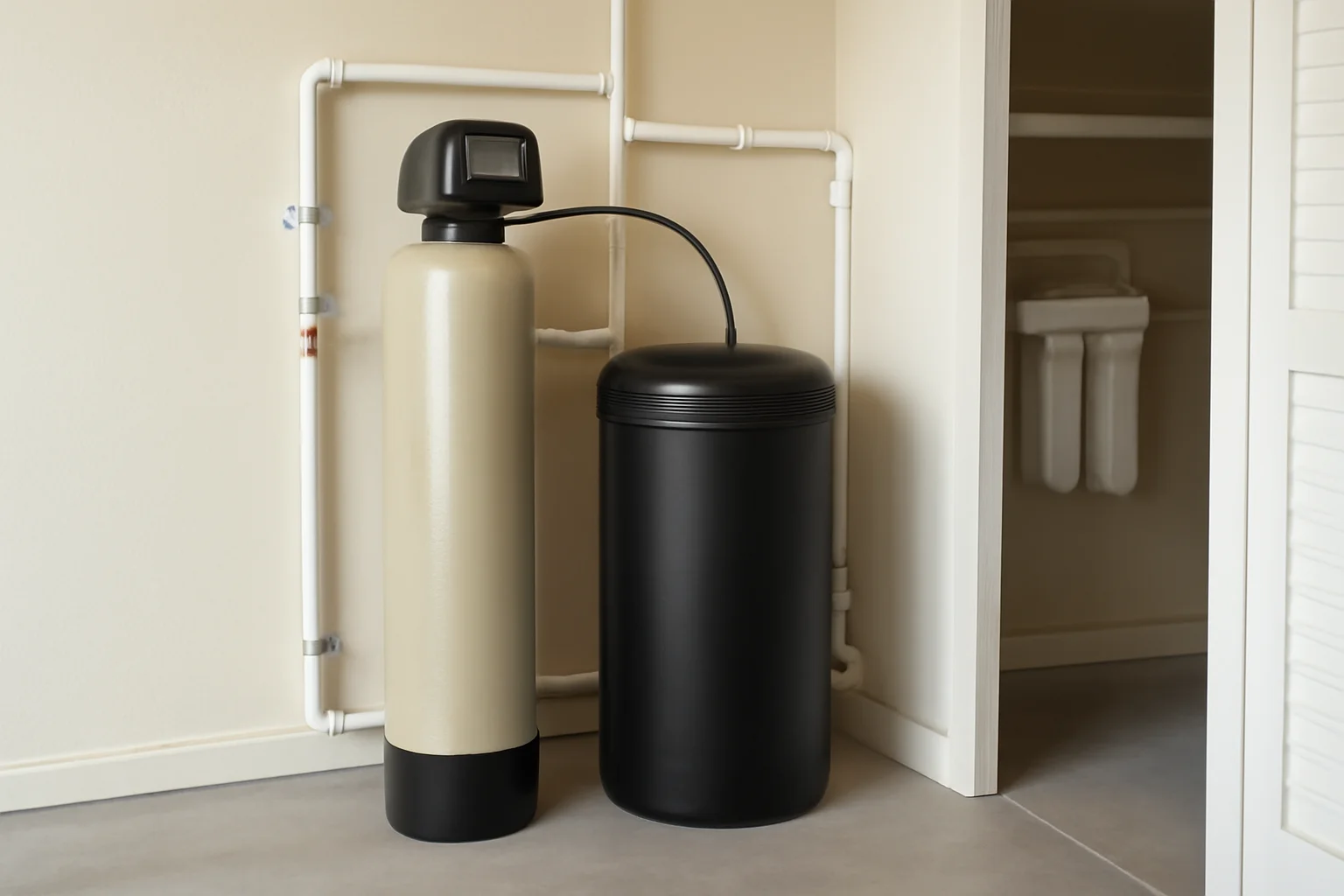
Pretty Bayou, FL is a beautiful place to live, but the water can be a little less friendly than the Gulf sunshine. If you have ever scrubbed hard water spots off glass, watched soap fail to lather, or noticed scale buildup around faucets and showerheads, you are not imagining it. Local water can contain minerals that cause hard water problems throughout the home, from laundry and bathing to the way your appliances run.
This guide walks you through what water softening does, the signs of hard water, and practical ways to improve water quality for better drinking water, cooking water, and everyday confidence. If you are searching for water softener service near me or a whole home water filtration plan that fits your home, you will find clear, homeowner-friendly direction here.
Why Pretty Bayou homes feel hard water every day
Hard water is not usually a health emergency, but it can make your home feel harder to maintain. The minerals responsible for hard water create a film that builds up over time. In Pretty Bayou homes, that can show up quickly because many households rely on well water or local supplies that can vary. When mineral levels are higher, you may notice more frequent scale buildup and more noticeable effects on cleaning, skin, and appliances.
Common hard water clues homeowners notice
Hard water often shows up in the places you touch and clean the most. Look for:
- Hard water spots on glass, especially after showers, glass doors, and drinking glasses sit overnight
- Scale buildup around faucets, showerheads, and plumbing, including a rough, crusty ring around fixtures
- Dry skin or dull hair after bathing, even when you use the same products you always have
- Metallic, chlorinated, or unpleasant taste in drinking water, or water that smells off
- Cloudy ice cubes or a different look to cold water in the freezer
- Poor tasting coffee and cooking water, including mineral flavor that can change the way tea, rice, and soups come out
- Soap that does not lather or rinses poorly, leaving a slippery feel or residue
- Visible sediment, discoloration, and odor concerns that make water feel less clean
- Appliances wearing out faster when scale builds inside heaters, pipes, and water-using components
Once you see these patterns, the fix is usually not a single cleaner or a stronger scrub. It is improving the water itself so your home does not keep fighting the same mineral buildup.
What water softening actually changes
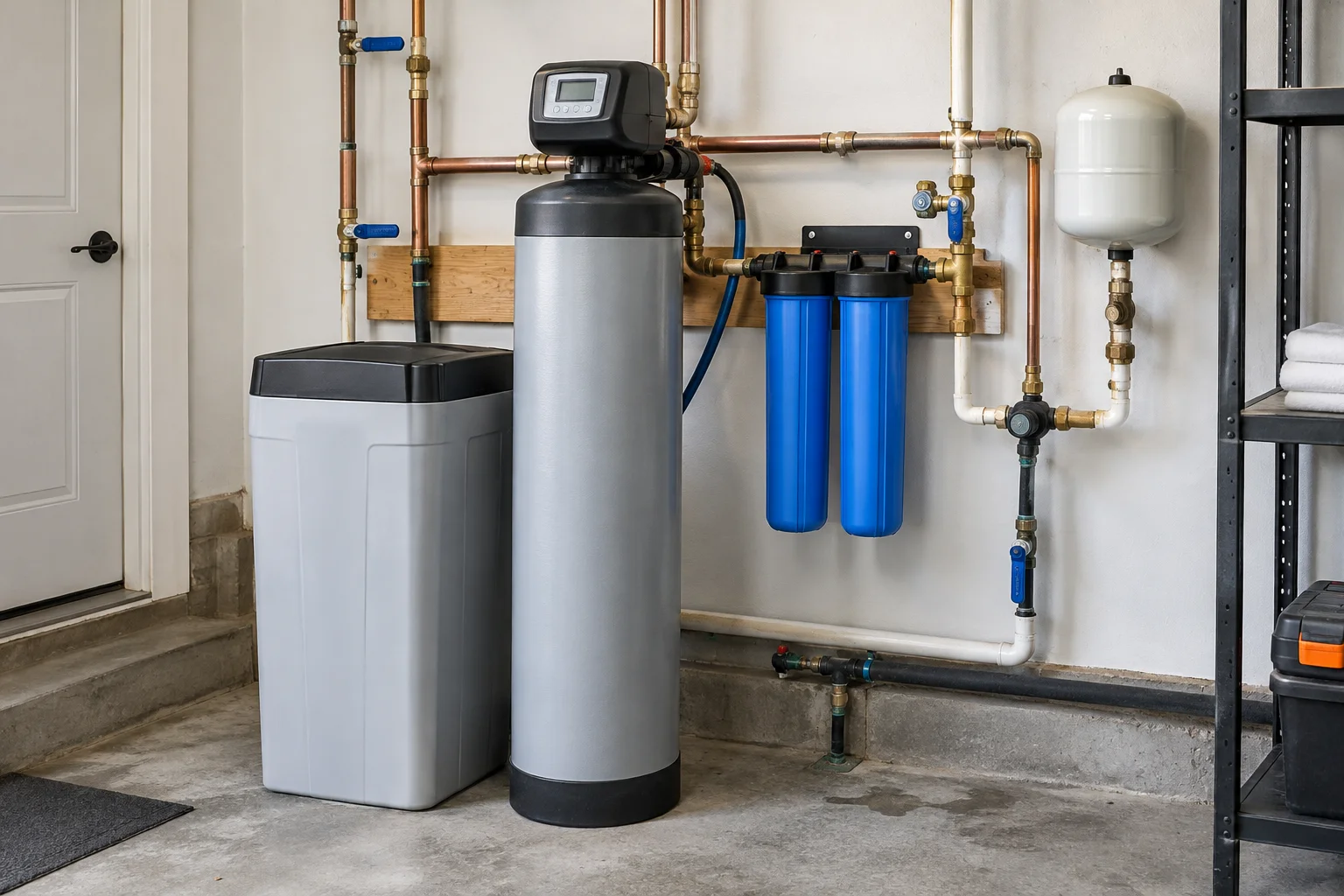
Water softening targets the minerals that cause hardness. Typically, those are calcium and magnesium. When they are high, they can react with soap and leave residue. They also form scale as water heats and evaporates.
A properly sized water softener uses a controlled process to reduce hardness so your water can behave more like what you expect in a “soft water” environment. That means fewer hard water spots, better soap performance, and less scale buildup on fixtures and inside plumbing.
Soft water benefits you can feel at home
When hard water treatment becomes part of protecting fixtures and appliances, the improvements show up fast:
- Better taste and clarity for drinking water: soft water helps reduce the mineral-driven “off” impression that can affect how water tastes, especially when paired with filtration
- Clearer bath and shower experience: soap lathers more easily, and rinse-off feels cleaner
- Less scale buildup on faucets and showerheads: fewer crusty deposits means easier cleaning
- Better laundry results: detergents work more efficiently when minerals are controlled
- Appliance protection: reduced scale helps water heaters and other components run more smoothly over time
For many homeowners, the biggest win is confidence. You stop wondering whether the glass, the shower, or the coffee will come out “right.”
Where scale and mineral buildup cause real trouble
Hard water does not stay in one room. It travels through your plumbing and shows up anywhere water heats, sprays, or evaporates. Here are the most common trouble spots in Pretty Bayou homes.
Kitchen scenes: drinking water, cooking water, and coffee
Picture a busy weekday morning. Someone fills a kettle, another person grabs a glass for drinking water, and coffee starts before the day fully wakes up. If your water has a metallic or chlorinated taste, it can change how coffee and tea taste. Mineral content can also affect cooking water, which may leave food tasting “off” or require changes to salt and seasoning.
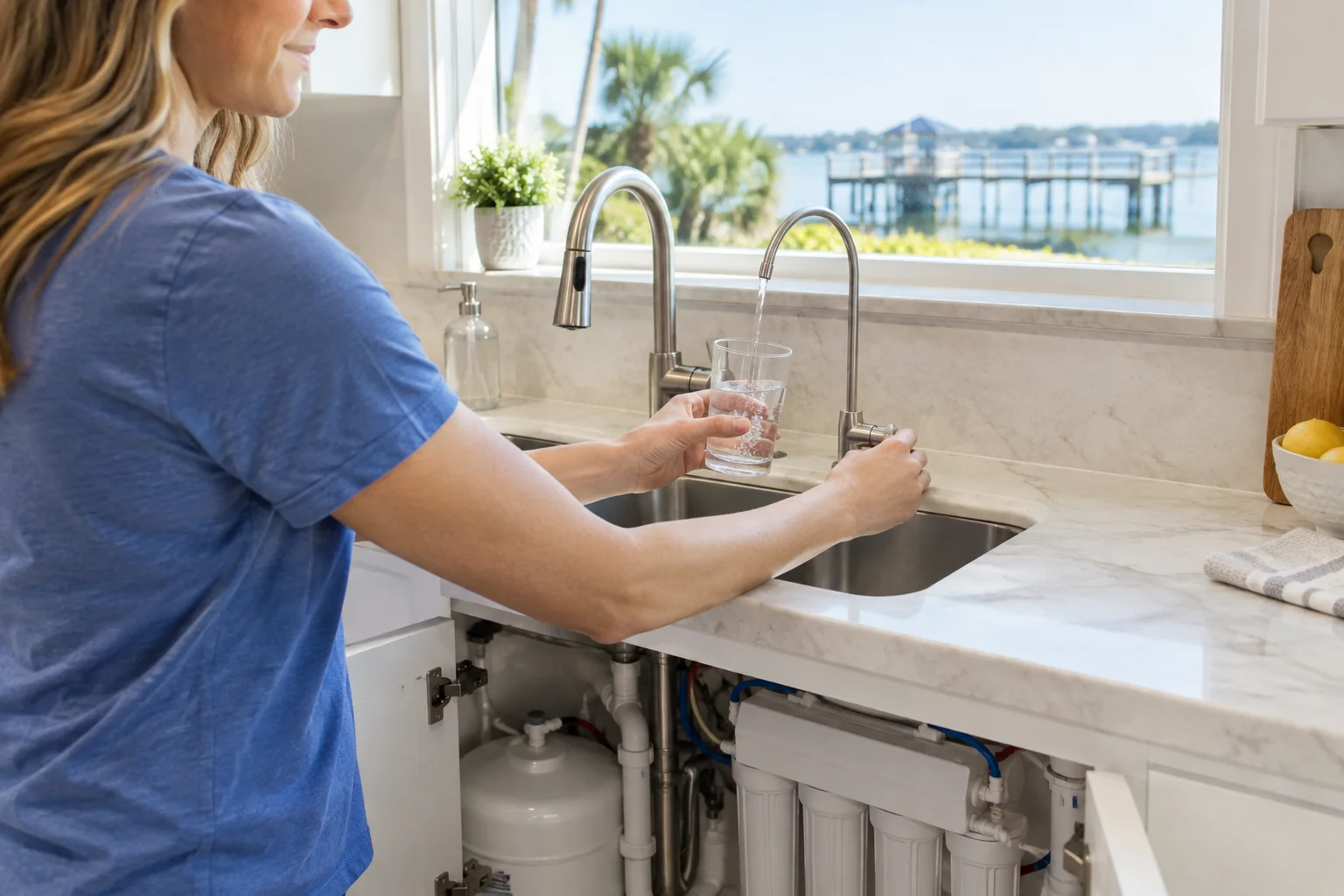
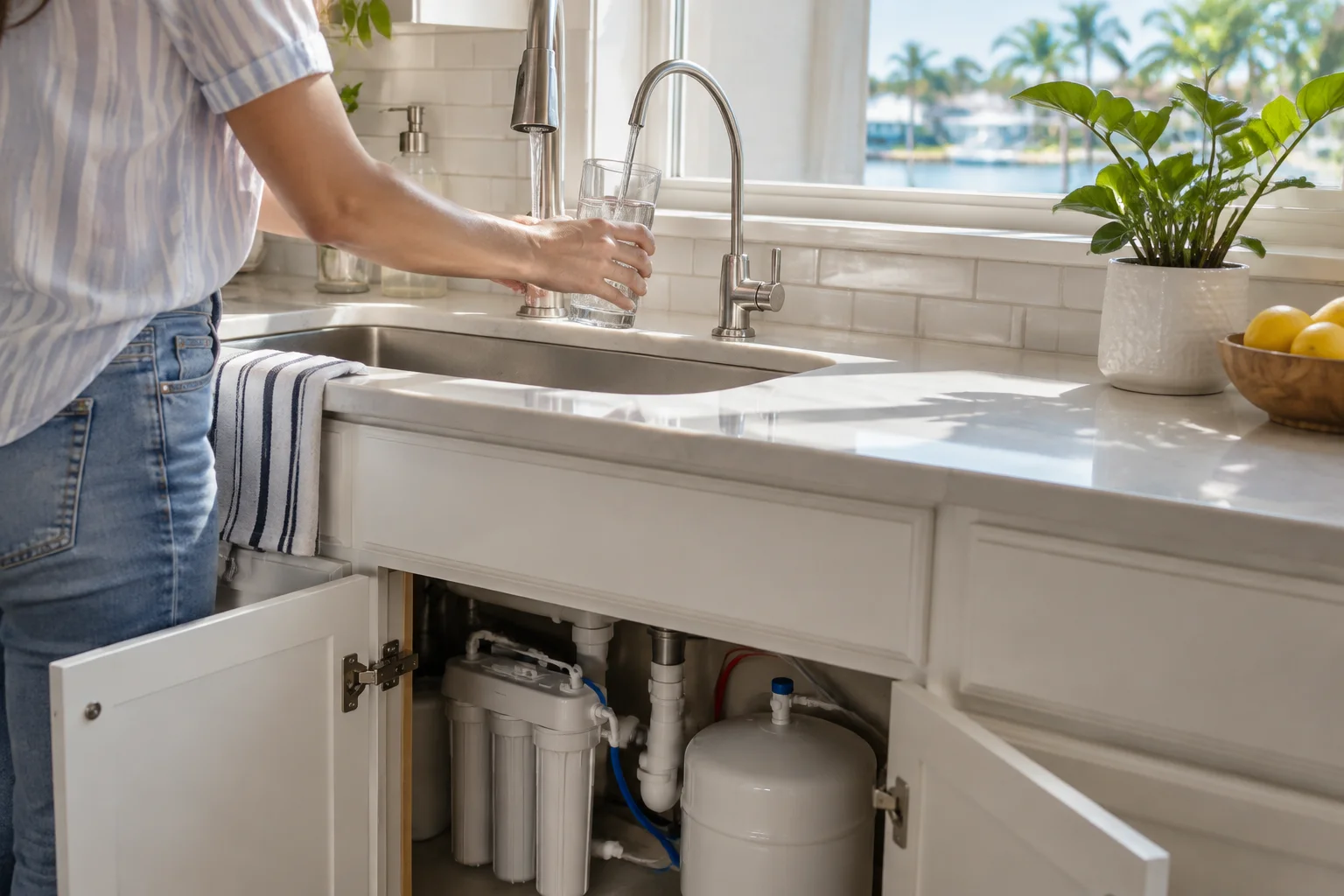
Soft water can improve the way water feels and performs. For the cleanest drinking water and ice, many households also add filtration such as reverse osmosis or a dedicated drinking water filter near me solution to address taste, odor, and fine particulates.
Bathroom and laundry: dry skin from hard water
After a shower, dry skin or dull hair after bathing is a common complaint. Minerals can interfere with how soap and shampoo work, leaving residue that makes skin feel tight or hair feel less “soft” even if you use quality products.
In addition, scale buildup on showerheads can reduce spray quality. That can mean more water use, less satisfying showers, and more frequent cleaning.
Fixtures and plumbing: the slow cost of scale buildup
Scale buildup around faucets, showerheads, and plumbing is more than cosmetic. Over time, it can reduce flow and contribute to wear inside water-using systems. That is one reason homeowners often notice appliances wearing out faster. When you are paying for repairs or replacement on a schedule you did not choose, water quality matters.
Choosing the right system: softening, filtration, or both
Many homeowners assume a water softener will fix everything. In reality, hard water and water quality issues can overlap, but they are not always the same problem. That is why a good plan often combines water softening with water filtration.
Water softener vs. whole home water filtration
A water softener is designed to reduce hardness. Whole home water filtration is designed to improve other aspects of water quality, such as sediment, taste, odor, and particles that can make water feel less clean.
In Pretty Bayou, where households may notice visible sediment, odor concerns, or discoloration along with hard water spots, pairing solutions can give you more complete results.
Where reverse osmosis fits
Reverse osmosis is commonly used for high-quality drinking and cooking water. If you want clean, great-tasting water for the kitchen, a reverse osmosis system can be a strong option. Homeowners searching for a reverse osmosis system near me often want to address:
- metallic or unpleasant taste
- cloudy ice cubes
- concerns about sediment and odor
- better water for coffee, tea, and food preparation
Many homes start with whole home water softening and filtration, then add reverse osmosis at the kitchen tap for the best drinking water and cooking water experience.
AO Smith water softener systems for dependable protection
A Superior Mechanical installs and services water softening solutions built for real homes and real usage patterns. Many homeowners choose an AO Smith water softener because it is designed to deliver consistent performance and integrate well into a broader clean water system.
If you are comparing options, look at how the system handles your household size, water hardness, and regeneration needs. The best results come from correct sizing and proper setup, not a one-size-fits-all guess.
How to improve taste, clarity, and daily comfort in Pretty Bayou
Water quality improvements are not only about equipment. They are also about matching the solution to your routines and your water challenges. Here is a practical approach many homeowners follow.
Step 1: Identify what problems you actually see
Make a quick list before you call. For example:
- Do you see scale buildup on faucets and showerheads?
- Do you notice hard water spots on glass and cloudy ice cubes?
- Is there a metallic, chlorinated, or unpleasant taste from the tap?
- Do you have soap that does not lather or rinse well?
- Are you concerned about sediment, discoloration, and odor?
That list helps your technician recommend a system that targets both hardness and overall water clarity.
Step 2: Pair softening with filtration when your water needs more than hardness control
If your main complaint is scale and soap residue, water softening may be the core solution. If your water also has taste and clarity issues, you may also benefit from whole house water filter options or an additional treatment stage such as reverse osmosis for drinking water.
Homeowners looking for water filtration near me often get the best results when the plan is built around their kitchen and bathing priorities, not only around plumbing protection.
Step 3: Choose a plan that fits your property type
Pretty Bayou includes primary residences, second homes, and vacation rentals. Each has different patterns of water use. If a home sits empty between guest stays, the system must still perform reliably. If you host guests, you also want water that tastes and feels clean right away.
That is why correct system design and service matter. A properly maintained setup supports consistent water quality for every shower, every load of laundry, and every cup of coffee.
Maintenance that keeps soft water working
Even the best system needs routine care. The goal is to keep your water softener and filtration equipment performing at their intended level.
What homeowners can watch between service visits
- Salt levels if you have a salt-based AO Smith water softener
- Changes in cleaning performance, such as increased spotting on glass or slower rinsing
- Any return of dull hair or dry skin from hard water
- Water taste changes, including metallic or chlorinated notes
- Signs of sediment or odor coming back in drinking water and ice
If you notice a shift, it is often a sign the system needs inspection or service rather than a sign you should switch detergents or use harsher cleaners.
When to call a professional water treatment team
Homeowners can try basic cleaning and product changes, but persistent hard water issues usually require real water treatment. Call a professional if you have:
- scale buildup around faucets and showerheads that keeps returning
- cloudy ice cubes or consistent taste concerns
- soap that does not lather or rinse well despite changing products
- dry skin or dull hair after bathing that affects daily comfort
- visible sediment, discoloration, or odor concerns
- appliances wearing out faster than expected
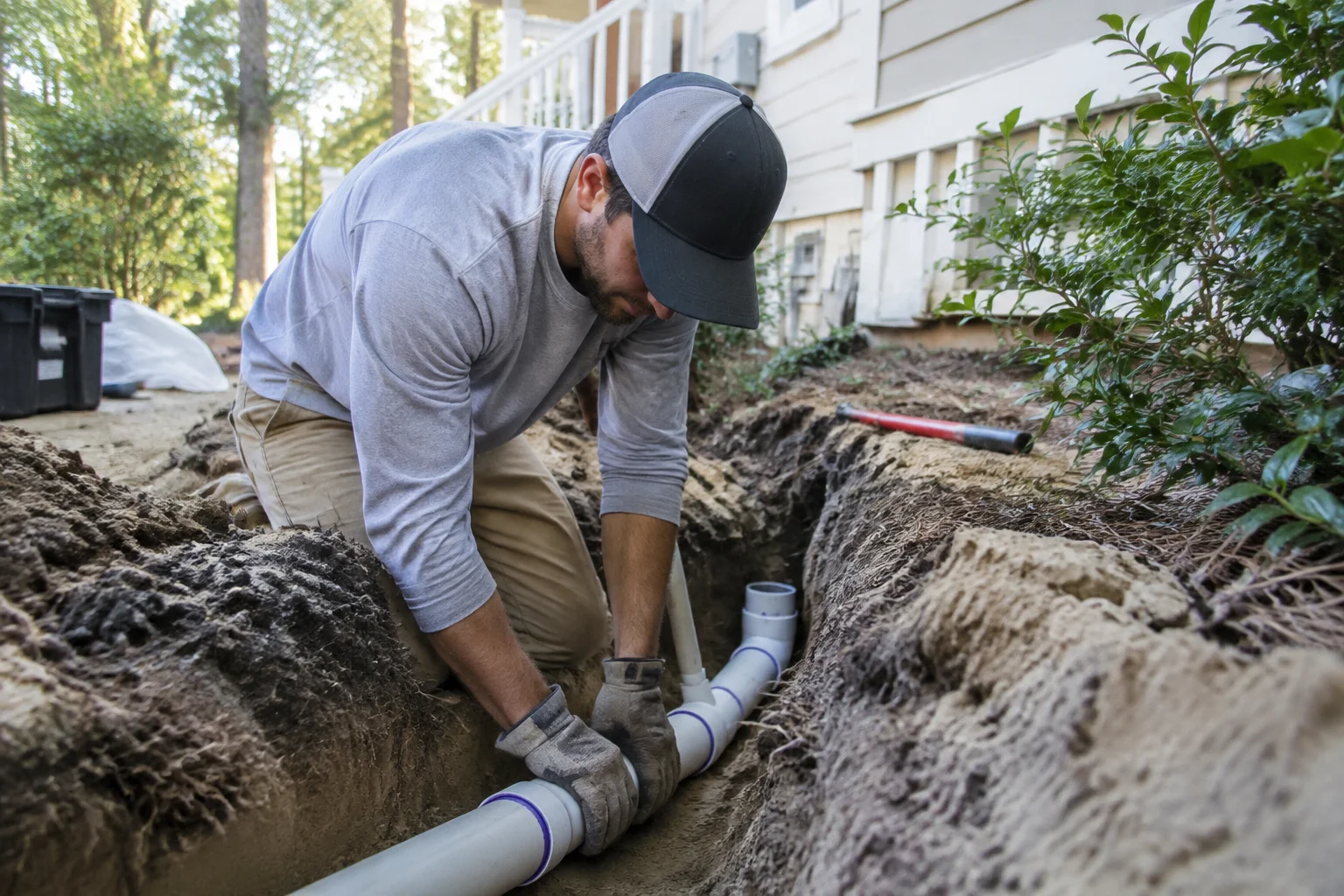
If you are searching for water softening in Pretty Bayou, FL, A Superior Mechanical can help you choose and install the right solution for your household. For a broader look at clean water options, explore water filtration and reverse osmosis water softeners.
Local context: why Pretty Bayou water treatment matters
Pretty Bayou is shaped by the Gulf climate and seasonal weather patterns that affect how water moves, how minerals concentrate, and how households experience water quality changes. When humidity, temperature swings, and irrigation patterns influence water use, you might notice changes in scale buildup rate or how quickly fixtures get spots.
That is why local service matters. A water treatment plan built for Bay County homes considers the realities of the area, including the way water shows up in kitchens, baths, and laundry rooms across the neighborhood. If you want to learn more about the bigger picture of protecting plumbing and reducing hard water damage, you can also read Pretty Bayou Homes and the Real Cost of Hard Water: How Reverse Osmosis Helps Protect Plumbing.
Related reading for homeowners planning a clean water upgrade
Some homeowners start with water softening and then expand into a full clean water system. If you are building that roadmap, these guides connect the dots between water quality, appliance protection, and system performance:
- Why Better Water Treatment Makes Water Softening Work in Pretty Bayou, FL
- How Plumbing Wear and Tear Shapes Water Purification in Pretty Bayou Homes
- How Water Softening Protects Rosemary Beach Plumbing from Costly Water Damage
If you want to browse service options across the area, visit Pretty Bayou service areas and Bay County service areas.
What a better water day looks like
After water softening and the right filtration setup, the home feels easier to manage. Glass stays clearer. Shower sprays feel consistent. Laundry comes out cleaner and rinses better. The kitchen becomes the place where drinking water tastes good, ice looks clear, and coffee and cooking water perform the way you expect.
Most importantly, you stop chasing hard water headaches one bottle at a time. Instead, you build a clean water system that supports the entire household routine, from the first cup in the morning to the last load of laundry before bed.
Find Water Softening in Pretty Bayou, FL
If you need Water Softening in Pretty Bayou, FL, visit our local service page or contact A Superior Mechanical today.
For a broader look at whole-home water filtration, reverse osmosis, and water softener options, visit our water filtration, RO, and water softener page.
Map of Pretty Bayou, FL
Frequently Asked Questions
How do I know if I need water softening in Pretty Bayou?
If you see hard water spots on glass, scale buildup on faucets and showerheads, soap that does not lather well, or dry skin after bathing, those are strong indicators of hard water. A water test can confirm hardness levels and help choose the right system.
Will a water softener improve drinking water taste and clarity?
Water softening can help with mineral-driven taste and reduce scale-related issues, but many homeowners also add whole home water filtration or reverse osmosis at the kitchen for the best drinking water and cooking water results, especially if you notice metallic or unpleasant taste or cloudy ice cubes.
What is the difference between reverse osmosis and whole home water filtration?
Whole home water filtration focuses on improving water quality throughout the house, such as reducing sediment and improving overall cleanliness. Reverse osmosis targets very high-quality drinking and cooking water, often at the kitchen tap, to improve taste, odor, and clarity. Many homes use both.
How often does an AO Smith water softener need service?
Most systems benefit from periodic inspection and maintenance based on usage and water conditions. If you notice changes such as returning scale buildup, reduced soap performance, or taste shifts, schedule service so the system can be checked and adjusted.
Related Articles
- Why Better Water Treatment Makes Water Softening Work in Pretty Bayou, FL
- Pretty Bayou Homes and the Real Cost of Hard Water: How Reverse Osmosis Helps Protect Plumbing
- How Plumbing Wear and Tear Shapes Water Purification in Pretty Bayou Homes
- How Water Softening Protects Rosemary Beach Plumbing from Costly Water Damage
Photo Gallery