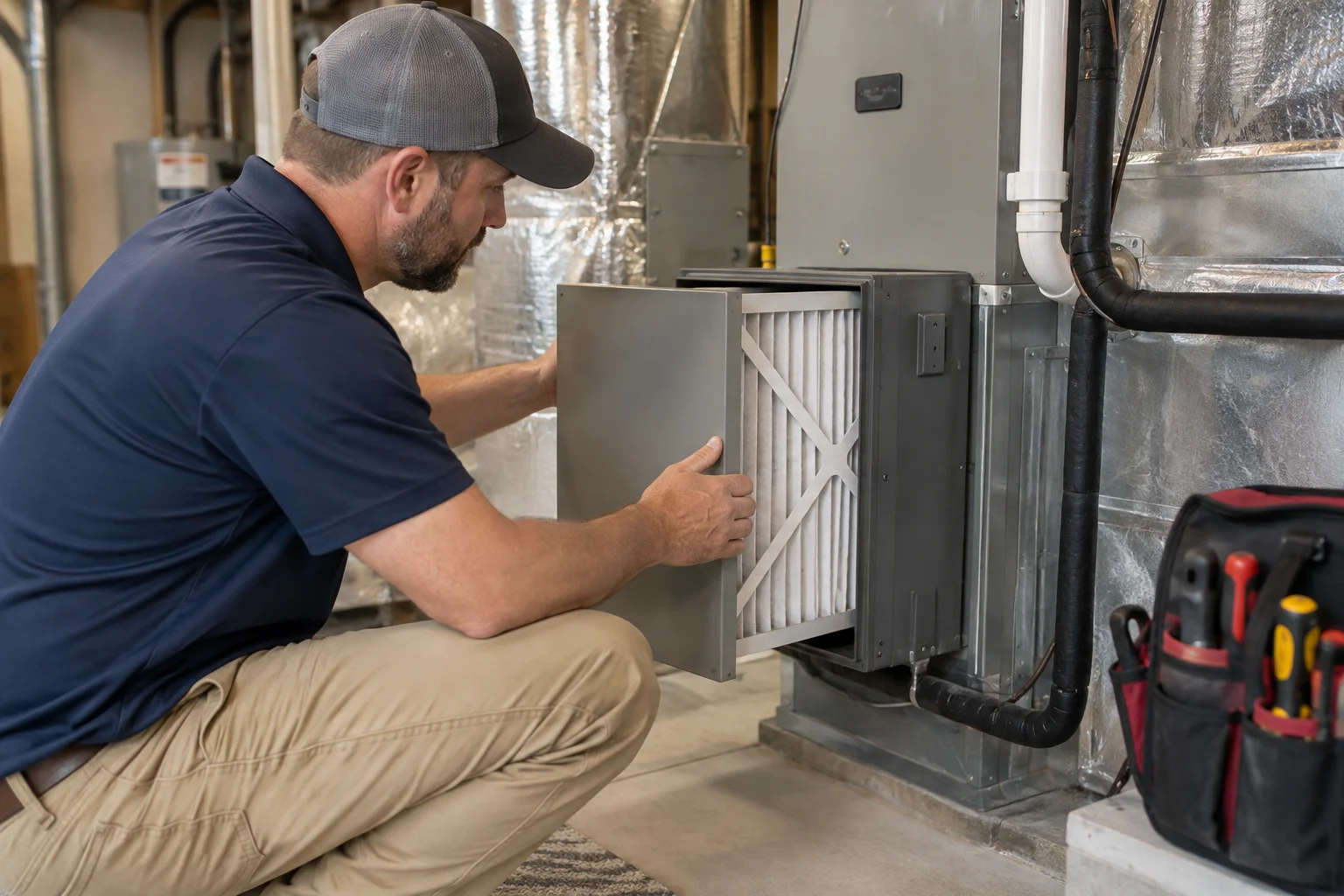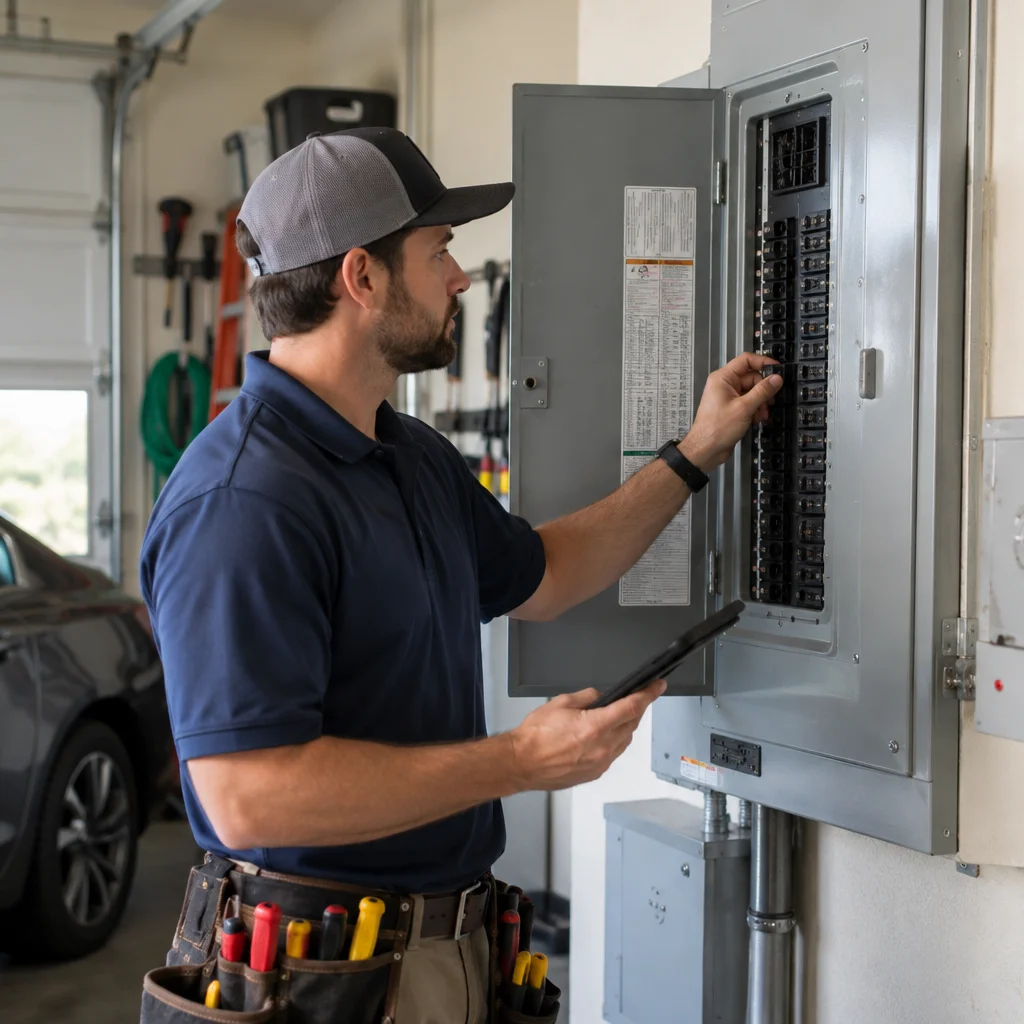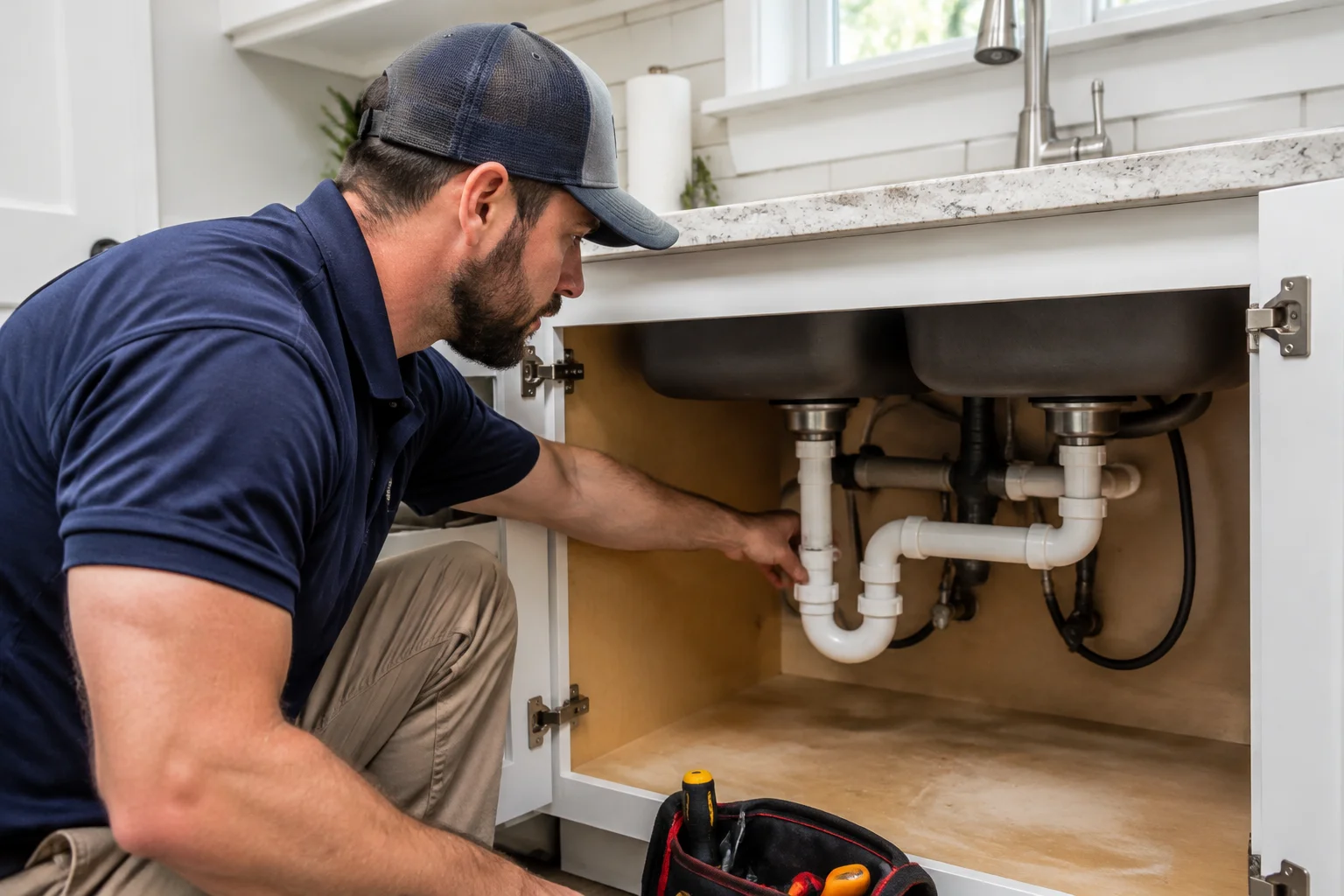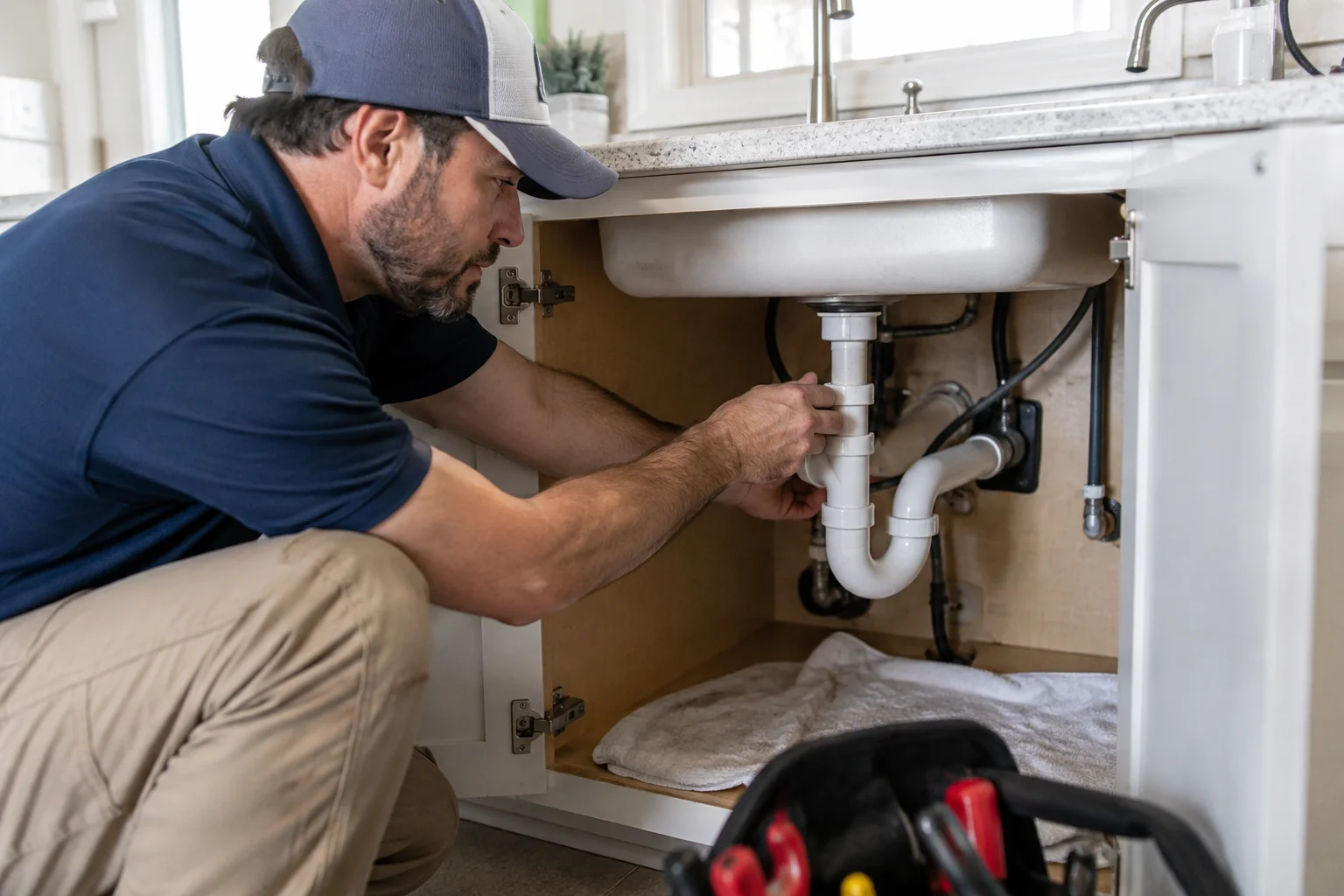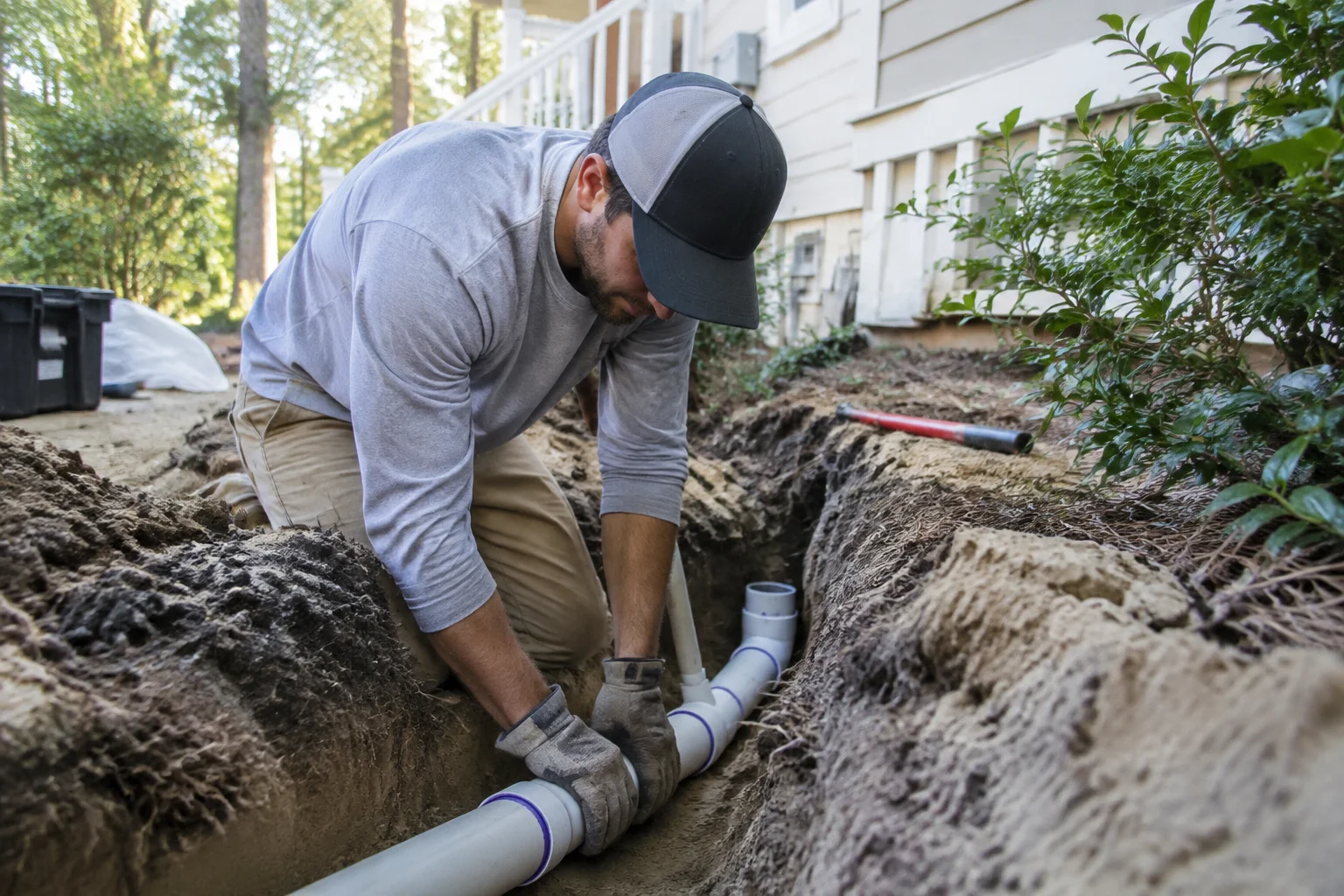
A weak shower after a busy beach day is frustrating. A water bill that climbs while your WaterColor home sits empty is more concerning. Both deserve attention, but neither automatically means you need a new waterline. The useful first step is finding out whether the problem involves the main supply, an interior pipe, or a single fixture.
For homeowners considering waterline replacement in WaterColor, FL, a clear diagnosis helps avoid unnecessary work and repeated repairs. A Superior Mechanical helps homeowners evaluate supply problems with coastal conditions, property access, and long-term plumbing performance in mind.
Know Which Pipe Is Causing the Problem
Your water service line carries pressurized drinking water from the utility connection toward your home. Interior supply pipes distribute it to faucets, toilets, appliances, and the water heater. Drain and sewer pipes carry wastewater away. Trouble in one system can feel like a whole-house plumbing failure, even when the others are working normally.
Supply problems versus drainage problems
Low flow at several fixtures, unexplained water use, or a persistently wet area near the service route may indicate a supply issue. A slow sink, gurgling toilet, or wastewater backing up into a shower points toward drainage trouble. Waterline replacement will not clear a clogged sewer line, and drain cleaning will not repair a leaking supply pipe.
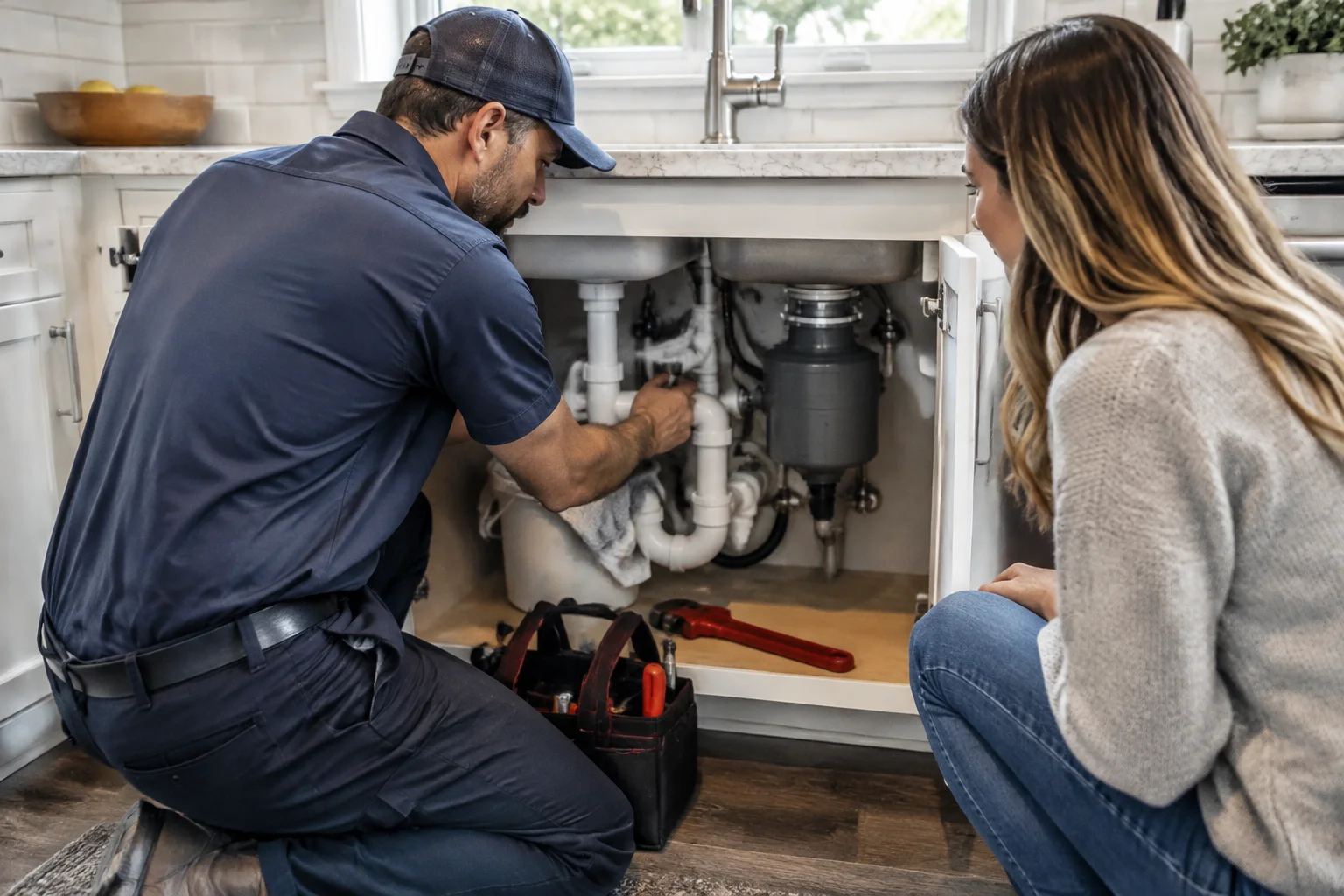
If only one faucet has weak flow, a clogged aerator or failing cartridge may be responsible. A toilet that continually refills can waste substantial water without leaving a puddle. Targeted faucet repair or toilet repair may solve the problem without excavation.
Why WaterColor Properties Need a Local Approach
WaterColor's coastal Walton County setting brings warm, humid weather, heavy rainfall, and landscaping that can make underground leaks difficult to recognize. Wet ground after a storm is not proof of a broken pipe. A patch that remains saturated through dry weather deserves closer investigation, especially when water use also rises.
Some homes serve full-time residents, while others experience seasonal occupancy or vacation rental turnover. Multiple showers, laundry loads, and outdoor rinsing can expose flow limitations that go unnoticed during quieter weeks. Periods of vacancy can also allow a small leak to continue without anyone hearing running water.
Coastal exposure matters when selecting and protecting plumbing components, but location alone does not determine buried pipe life. Material, installation quality, soil conditions, pressure, and connection details all matter. A provider familiar with plumbing needs in WaterColor can also help coordinate access around landscaping, paved areas, and property management schedules.
Clues That a Waterline Needs Investigation
Water use that does not match occupancy
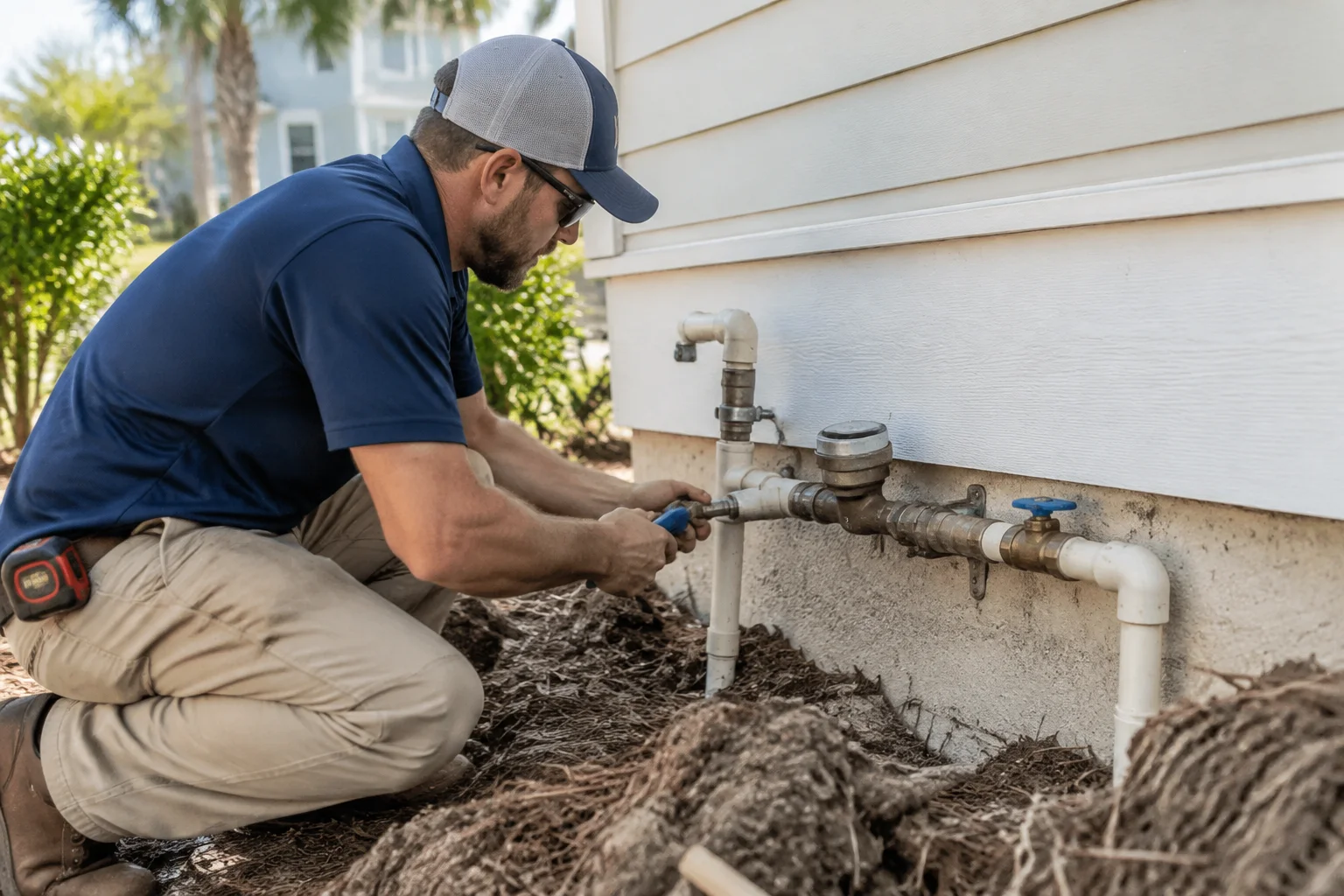
Compare recent bills with similar occupancy periods rather than the previous month alone. Extra guests and irrigation can explain higher use. If the increase remains unexplained, turn off fixtures and water-using appliances, including irrigation, and check the meter if it is safely accessible. Continued movement can indicate water use or leakage somewhere downstream.
This check does not locate a leak. A running toilet, irrigation fault, or appliance can produce the same result. Homeowners searching for leak detection near me should ask whether the inspection will distinguish the service line from interior plumbing before recommending replacement.
Pressure changes throughout the home
Weak flow at several cold-water fixtures may involve a supply restriction, leaking line, valve problem, pressure regulator, or utility issue. Weak flow only on the hot side suggests a different investigation, including the water heater and hot-water distribution piping. A plumber should measure pressure and assess flow under demand instead of relying only on how a shower feels.
Damp floors, recurring leaks, or discolored water
Unexplained floor moisture, warm spots, or running-water sounds with fixtures off can justify leak detection and slab leak repair. These symptoms are not proof that the outside service line has failed. A leak beneath a slab may require an interior pipe repair or reroute instead.
Recurring breaks along one aging line make replacement worth discussing. Discolored water also needs investigation because it can originate in interior piping, the water heater, or utility work. Check utility notices, and do not assume appearance alone identifies the source.
Repair One Section or Replace the Waterline?
A localized repair may be reasonable when damage is isolated and the remaining pipe is sound. Accidental digging damage, for example, does not necessarily mean the entire line is worn out. Replacement becomes more compelling when leaks recur, deterioration affects multiple sections, or the existing line cannot adequately serve the home's demand.
Ask the plumber to explain the evidence behind the recommendation. Useful details include pipe material, estimated age when known, previous repair locations, pressure readings, and whether the problem is isolated or widespread. A larger pipe is not automatically the answer to poor pressure, particularly when a regulator or utility condition is responsible.
If interior distribution piping is also deteriorating, discuss whether broader plumbing replacement makes sense. Keep the scopes distinct so you understand which pipes will be replaced and which will remain.
A Practical Replacement Plan Protects the Property
Confirm the route, ownership, and approvals
Before work starts, establish the proposed route and who owns the affected section of piping. Responsibility near the meter depends on utility rules and the service arrangement. Required permits, inspections, utility locating, and any applicable community approvals should be addressed before excavation.
Buried irrigation, electrical, gas, and communication lines can complicate an otherwise straightforward project. Public utility marking may not identify every private line. Tell the contractor about pool equipment, outdoor kitchens, lighting, and previous underground work.
Choose suitable materials and installation methods
Replacement piping should be approved for potable water and suitable for local code, burial conditions, pressure, and the specific installation. Connections, bedding, protection, and routing are as important as the material itself. Coastal durability comes from the complete installation, not a product label alone.
Ask whether an open trench or a less disruptive method is feasible. Trenchless work is not appropriate for every route or site. Compare access needs, connection points, restoration work, and the condition of the existing line rather than assuming one method is always better.
Plan for shutdown, testing, and restoration
Coordinate the water interruption around occupants, guests, and cleaning schedules. The written scope should explain testing, flushing, any required disinfection, inspections, and restoration responsibilities. After service resumes, check fixtures for normal operation and report persistent air, discoloration, or flow changes.
Rental owners can coordinate access and follow-up through property management plumbing services. Clear communication helps prevent guests from arriving during a planned shutdown.
Keep Drains, Sewer Lines, and Water Heaters in the Diagnosis
A service-line replacement addresses incoming water, not every plumbing concern. If sinks drain slowly or multiple fixtures back up, request a separate drain assessment. Homeowners searching for drain cleaning near me should describe which fixtures are affected and whether the problem changes after laundry or shower use.
Multiple slow drains, sewage odors, or recurring backups may justify a sewer camera inspection once access and conditions allow. Grease buildup, roots entering damaged joints, and broken drain piping require different solutions. Avoid pouring chemical drain cleaner into a backed-up fixture, and tell the plumber if chemicals have already been used.
Mineral deposits can restrict fixture flow and affect water heater performance. However, hard water should be confirmed through water quality information or testing rather than assumed from the home's location. Replacing a waterline does not remove dissolved minerals from the supply.
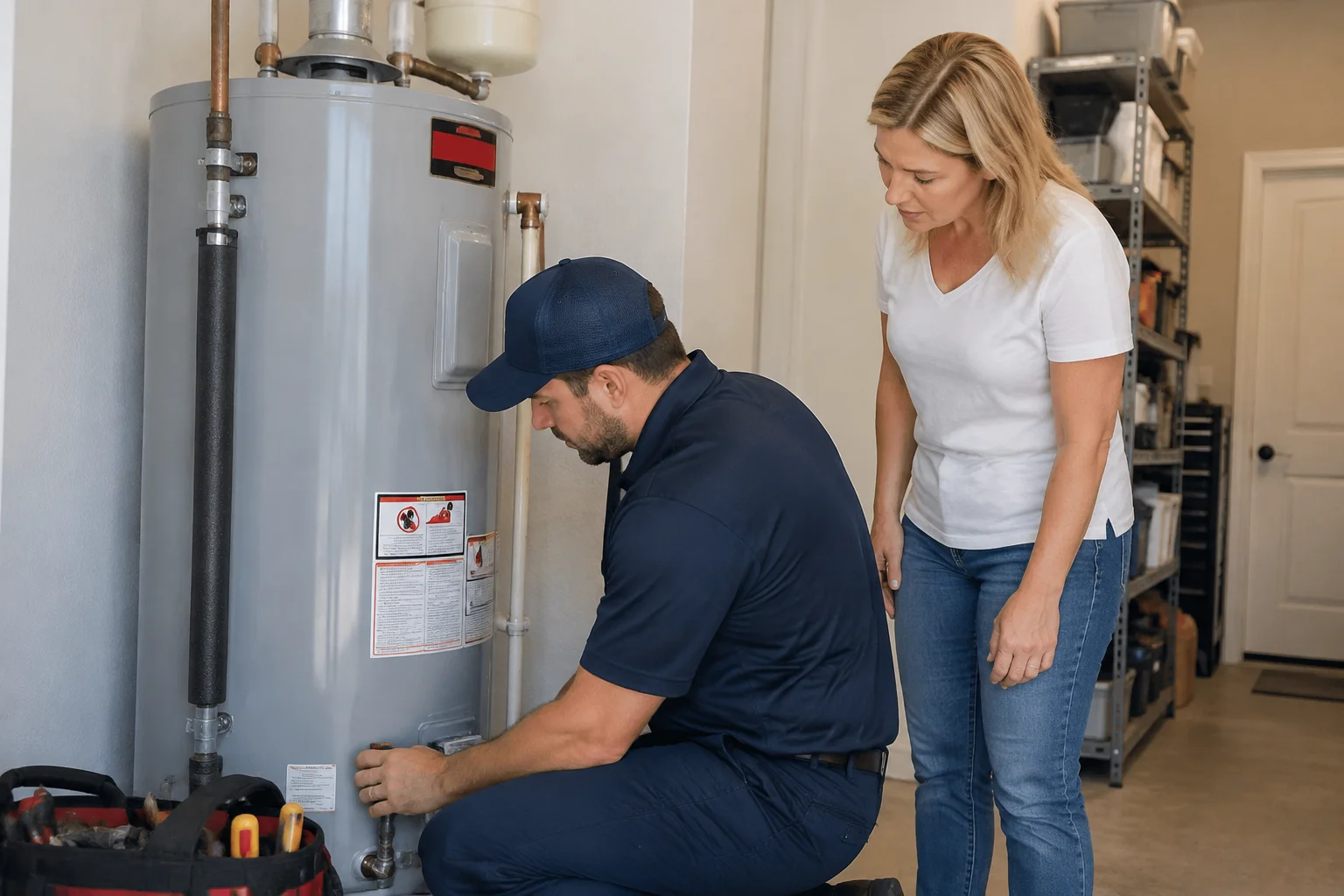
Hot-water-only symptoms deserve water heater service, not an automatic waterline recommendation. Our WaterColor water heater maintenance guide explains preventive care, while this guide to water heater replacement considerations helps separate equipment concerns from incoming supply problems.
Small Maintenance Habits Reduce Larger Surprises
Know where the homeowner's main shutoff is located and keep it accessible. Have a plumber assess a valve that is corroded, leaking, or difficult to operate. Do not force a stuck valve or operate utility-owned equipment without authorization.
Check bills regularly, look under sinks, and inspect exposed connections during property visits. For homes that sit vacant, consider a leak monitor or automatic shutoff system installed and configured for the property. These tools can shorten response time, but they do not replace inspections or prevent every kind of leak.
Have water pressure checked if fixtures bang, supply hoses fail, or leaks keep returning. Sustained pressure above 80 psi generally warrants professional evaluation and appropriate pressure regulation. Water heater thermal expansion may also need separate attention, particularly in a closed plumbing system.
Protect exposed pipes during occasional freezing weather, and avoid planting large-rooted landscaping directly over known utility routes. Keep repair records and photographs of accessible piping. The same documentation principles discussed in our Cinco Bayou preventive plumbing care article can help WaterColor owners make better-informed replacement decisions.
Handle Active Leaks Before They Become Larger Emergencies
If a pipe breaks or water enters the home, shut off the homeowner's main valve if you can reach it safely. Stay away from standing water near electrical equipment. If the water heater may lose its water supply, avoid operating it and seek professional guidance on safe shutdown. Do not enter a flooded area to reach controls.
Call promptly for uncontrolled leakage, rapidly worsening floor moisture, major pressure loss, or sewage entering living areas. When searching for an emergency plumber near me, describe the water source, whether the shutoff worked, and any electrical or contamination concerns. Confirm availability rather than assuming immediate dispatch.
After a major pressure-loss event or suspected contamination, follow utility and plumber guidance about using the water. Clear-looking water is not proof that it is safe to drink.
Get a Clear Scope Before Approving Replacement
When comparing a local plumber near me search result, look beyond the headline price. Ask what the estimate includes: locating, excavation, piping, valves, permits, testing, cleanup, and surface restoration. Confirm how unexpected underground conditions or additional repairs will be handled.
A Superior Mechanical provides waterline replacement for WaterColor properties as part of its Walton County service coverage. Request an assessment that separates urgent leak repair from longer-term replacement needs. If budgeting affects timing, review available plumbing financing information and confirm eligibility and terms before committing. The right plan should address the verified problem, explain the disruption, and leave you with a reliable supply system you understand.
Find Waterline Replacement in WaterColor, FL
If you need Waterline Replacement in WaterColor, FL, visit our local service page or contact A Superior Mechanical today.
Map of WaterColor, FL
Frequently Asked Questions
Does low water pressure mean my WaterColor home needs waterline replacement?
Not necessarily. A clogged aerator, partially closed valve, faulty pressure regulator, utility issue, or interior restriction can cause similar symptoms. A plumber should compare hot and cold flow, measure pressure, and check for leaks before recommending replacement.
Can a waterline be replaced without digging up the entire yard?
Sometimes a trenchless or limited-excavation approach is feasible, but it depends on the route, soil conditions, utility conflicts, access, and required connections. Ask for a site-specific comparison that includes excavation needs and responsibility for restoring landscaping or pavement.
Will waterline replacement fix slow drains or a slab leak?
Waterline replacement will not fix slow drains because supply and drainage are separate systems. A slab leak may involve interior supply piping rather than the outside service line. Leak detection should identify the affected pipe so the repair or replacement addresses the actual source.
Related Articles
Photo Gallery