Miramar Beach homeowners have a specific set of HVAC challenges: Florida heat, persistent humidity, and salt air that can wear down comfort systems over time. Geothermal energy HVAC systems can be a strong long-term option because they use stable ground temperatures to support efficient heating and cooling. Still, planning matters, especially if you are working with an older home that was never designed for geothermal equipment or ducting upgrades.
This guide walks you through how to plan ahead for geothermal energy HVAC systems in Miramar Beach, FL, whether you are updating an older property or building new. It also highlights the practical HVAC details that affect performance, indoor air quality, and emergency cooling readiness when the weather turns.
Why geothermal planning is different in Miramar Beach
Geothermal HVAC systems rely on a coordinated set of components: the indoor air handler or heat pump unit, refrigerant systems, airflow design, ductwork, condensate drainage (where applicable), and controls like thermostats. In Miramar Beach, humidity and airflow are not “nice to have.” They directly affect comfort and how hard the system works.
Salt air exposure is also part of the equation. Even when geothermal equipment is not outdoors in the same way as some conventional systems, your home’s HVAC distribution still has to handle moisture, airflow, and long-term operation. A geothermal system can deliver steady comfort, but it still needs the right installation details to prevent issues like poor dehumidification, uneven temperatures, and recurring service calls.
Start with a home comfort and airflow reality check
Before you plan equipment, plan the airflow path. In older homes, ductwork may be undersized, leaky, or configured for different airflow needs than a new geothermal system will require. In newer builds, duct design may still need to account for local humidity loads and how the home is sealed.
What to evaluate in older Miramar Beach homes
If your home has been through multiple AC seasons, you may already have clues. Common problems include hot and cold rooms, weak airflow from certain vents, frequent filter changes, and musty odors that suggest indoor air quality concerns.
For geothermal planning, an HVAC company should consider:
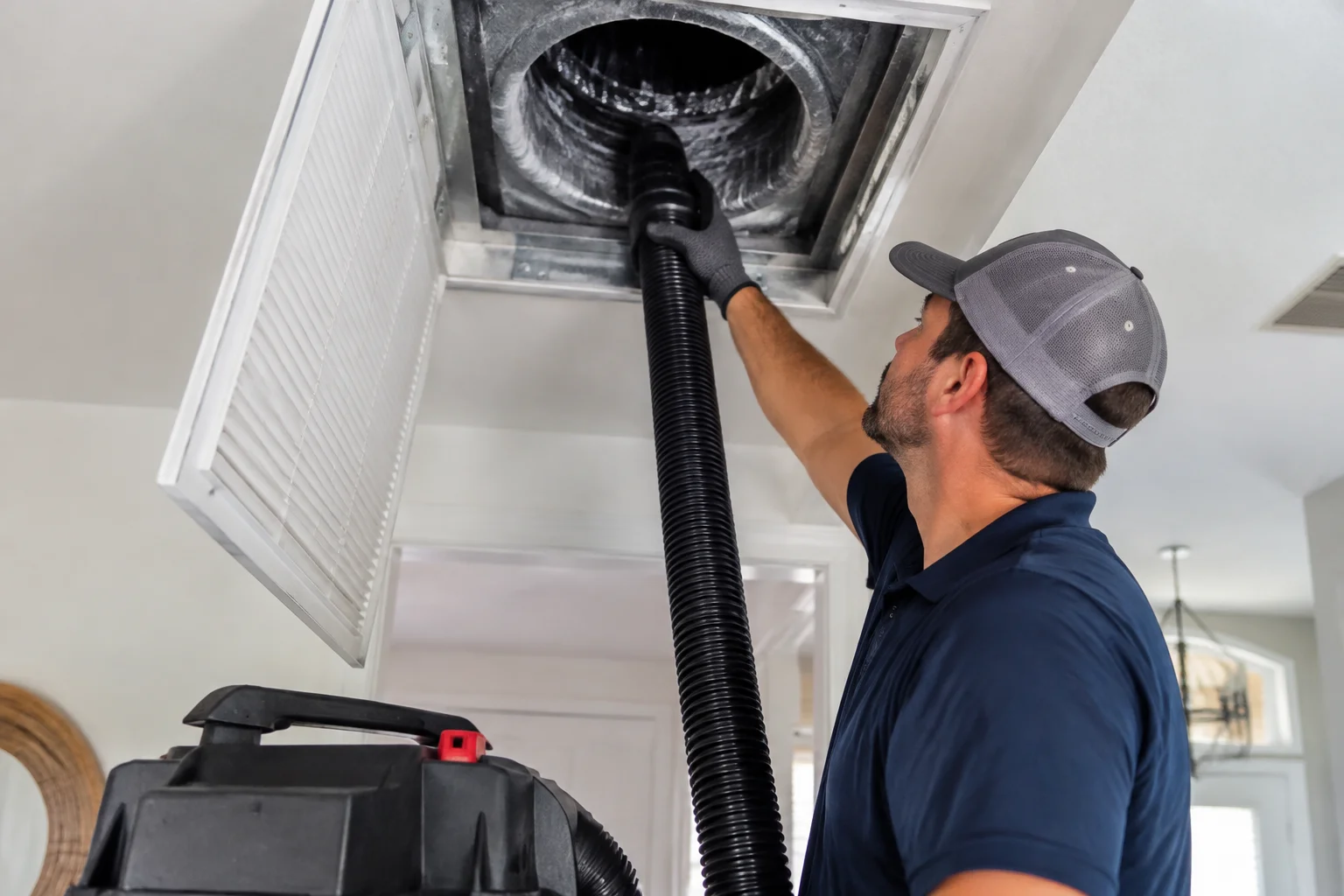
- Duct inspection near me type checks, including airflow measurements and duct condition
- Whether ductwork supports the supply and return air needs of the intended geothermal setup
- Return air pathways, which matter for stable operation and humidity control
- Whether duct sealing or duct replacement is needed to reduce bypass air and improve distribution
If you want a deeper look at distribution planning, read Why Preventive HVAC Service Matters for Duct Inspection in Miramar Beach Homes.
What to evaluate in newer builds
Even newer homes can struggle if the duct design is rushed or if the building envelope allows humid outdoor air to infiltrate. Geothermal systems can still be efficient, but they depend on stable indoor conditions and correct airflow across the system.
Ask your contractor how the design accounts for:
- Airflow balance across rooms
- Humidity management during peak Florida heat
- Proper condensate drainage planning where the indoor unit produces condensate
- Thermostat placement and control strategy
Understand how geothermal HVAC handles humidity and comfort
In Miramar Beach, comfort is not only temperature. Humidity affects how cool your home feels and how comfortably you can breathe indoors.
Geothermal systems typically use refrigerant systems to move heat and support cooling. During cooling, they also manage moisture. That is where condensate drainage and airflow become critical. If condensate drainage is poorly planned, you can see water issues near the indoor unit, musty smells, and indoor air quality problems. If airflow is restricted, the system may not remove moisture effectively, which can make the home feel clammy even when the thermostat is set correctly.
Condensate drainage planning is not optional
When geothermal equipment removes humidity, condensate must drain safely and consistently. Planning should cover:
- Drain line routing and slope
- Whether a condensate pump is needed in your specific setup
- How the drain will be maintained over time
- Clear access for inspections
A licensed HVAC contractor can review your setup during an in-person evaluation. Avoid assuming that a drain “somewhere nearby” will work without checking the actual installation layout.
Plan the thermostat strategy early
Thermostats are where comfort meets control. A geothermal system may run differently than a conventional AC system, and the thermostat settings can influence how the system cycles, how it maintains indoor temperature, and how it responds during humid weather swings.
When you plan geothermal energy HVAC systems, consider:
- Thermostat location so it reads representative indoor conditions
- Schedule and setback planning for vacation rentals or managed homes
- Humidity-related comfort settings if your system supports them
- Whether smart thermostats can help you manage energy use without sacrificing comfort
If you are considering upgrades, explore Smart Thermostats.
Refrigerant systems planning and what not to guess
Geothermal HVAC depends on refrigerant systems to transfer heat. That means the indoor unit sizing, airflow requirements, and control logic must match the refrigerant circuit and the system’s intended operating conditions.
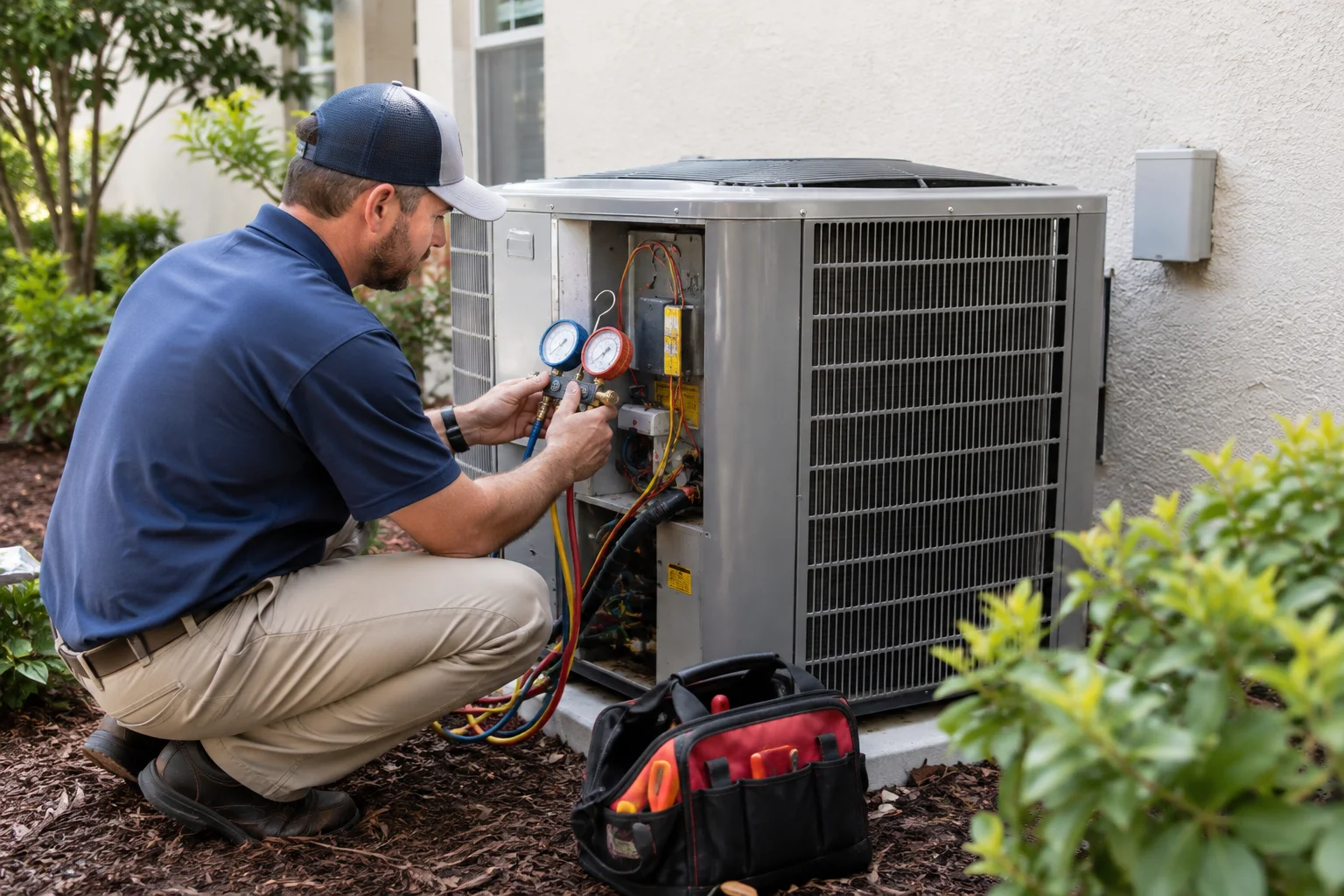
Homeowners sometimes ask whether a “quick fix” is possible when comfort drops. It is important to know what you should not do. You should not attempt DIY refrigerant handling, and you should not assume the cause of poor cooling or weak heating without a professional inspection. Refrigerant diagnosis requires proper tools and an on-site evaluation.
What you can do is plan for maintenance and comfort checks so the system does not drift into a problem state. Preventive HVAC maintenance helps catch issues early, such as airflow restrictions, dirty components, and control problems that can indirectly affect how the refrigerant system performs.
Ductwork decisions that affect geothermal performance
Geothermal systems can be high-efficiency, but ductwork determines how well that efficiency reaches your living spaces. In Miramar Beach, where humidity and heat loads can be intense, duct performance also affects indoor air quality and how steadily the home can stay comfortable.
Common ductwork issues in Walton County homes
Older homes may have duct leaks, disconnected sections, or ducts that run through areas that are not properly insulated. Even small leaks can reduce airflow and increase humidity-related discomfort because the system is not delivering the right air where it needs to go.
If your contractor finds distribution problems, they may recommend:
- Duct sealing & Aeroseal services to reduce leakage and improve airflow efficiency
- Duct replacement when ducts are damaged, undersized, or beyond repair
For duct sealing options, see Duct Sealing & Aeroseal Services. For duct replacement considerations, visit Duct Replacement.
Energy use planning for Florida heat and humidity
Geothermal HVAC systems are often chosen for long-term value and steady performance. Planning helps you align system capacity, airflow, and controls so energy use stays reasonable across Miramar Beach’s hot, humid seasons.
Ask your HVAC service provider how the design accounts for:
- Peak cooling demand during summer humidity
- How the system will respond to thermostat changes
- Air distribution improvements that reduce hot spots and wasted run time
- Indoor air quality needs, including filtration and airflow stability
Be cautious with any conversation that relies on guesswork. A reliable plan is based on an on-site assessment of your home’s layout, ductwork, and comfort needs, not a one-size-fits-all estimate.
Preventive maintenance that keeps geothermal comfort reliable
Planning ahead is not only about installation. It is also about keeping the system healthy so it is ready for the next round of Florida heat.
Seasonal maintenance items homeowners can schedule
Even though geothermal systems are designed for long-term operation, they still require routine HVAC maintenance. A licensed HVAC contractor can tailor a maintenance schedule, but homeowners should expect attention to:
- Air filter condition and airflow
- Indoor unit performance and airflow balance
- Condensate drainage function where applicable
- Thermostat operation and sensor accuracy
- General system inspection for wear and performance drift
If you want a broader look at how preventive service protects comfort, connect with geothermal-energy-hvac-systems-mbwcfl for local geothermal energy HVAC system support in Miramar Beach.
Older homes: a planning checklist that prevents surprises
If you have an older home, planning ahead helps you avoid common installation surprises that can lead to comfort issues later.
Before installation, ask these questions
- How will ductwork be evaluated? Request duct inspection and airflow assessment, not just a visual look.
- Will condensate drainage be addressed clearly? Confirm where condensate will drain and how it will be maintained.
- How will the thermostat be set up for humidity comfort? Ask about control behavior and thermostat placement.
- What indoor air quality approach fits my home? Discuss filtration and airflow stability based on your current issues.
- What preventive HVAC maintenance plan makes sense? Ensure the system stays reliable through the hottest months.
Older homes also tend to have more varied airflow paths. That is why ductwork decisions and return air planning can make or break geothermal comfort.
New builds: plan for commissioning and future adjustments
For new construction, geothermal planning should include commissioning details and a realistic plan for adjustments after the home is lived in.
New homes can settle, duct runs can shift slightly, and occupants may change thermostat schedules. A good geothermal HVAC installer will help you confirm that airflow is balanced, humidity control behaves as expected, and the system is set up for stable performance.
If you manage a property or handle frequent guest turnover, you may also benefit from comfort planning that supports consistent indoor air quality. For managed home practices, see Keeping Miramar Beach Properties Comfortable Year Round: HVAC Practices That Pay Off for Managed Homes.
How to prepare for emergency cooling concerns
Even with preventive HVAC maintenance near me habits, emergencies can happen. When the temperature climbs and humidity spikes, cooling failures feel urgent. Planning ahead means you know who to call and what to check safely.
What homeowners can do right now
- Know how your thermostat is set and whether it is calling for cooling
- Replace filters if they are dirty or clogged, since restricted airflow can worsen comfort
- Keep vents unblocked and ensure return air paths are not obstructed
- Document the issue: when it started, what rooms feel off, and any unusual sounds or odors
If you are facing emergency cooling concerns, read Keeping Cool Fast in Miramar Beach: A Homeowner's Guide to Emergency HVAC Care.
When homeowners search for emergency AC repair near me during peak season, the best outcomes often come from having a relationship with a local HVAC company that understands your system and your home’s layout.
Why local expertise matters for geothermal HVAC in Walton County
Geothermal energy HVAC systems are not a plug-and-play upgrade for every home. Local experience matters because Miramar Beach homes share common challenges: heat and humidity cycles, coastal salt air exposure, and ductwork variations from older construction styles.
A Superior Mechanical and other experienced HVAC professionals can help you plan the full system, from ductwork and airflow to condensate drainage and thermostat control. That reduces the odds of comfort problems that lead to repeat service visits.
If your project also touches commercial spaces, it can help to coordinate comfort planning across zones. For that, you can review Commercial HVAC Services. And if your property is business or multi-unit, you may also want to understand Why Commercial HVAC Repair Matters to Home Comfort in Miramar Beach.
For a broader service area view, visit /service-areas/walton-county/miramar-beach and /service-areas/walton-county.
Next steps: build a geothermal plan you can trust
Planning ahead for geothermal energy HVAC systems in Miramar Beach means treating the project as a complete comfort system, not just an equipment swap. Start with duct inspection and airflow planning, confirm condensate drainage details, choose thermostat settings that support humidity comfort, and commit to preventive HVAC maintenance.
When you are ready, you can review geothermal service details and local support at geothermal-energy-hvac-systems-mbwcfl. That is the right place to begin if you are comparing options for an older home, planning a new installation, or trying to prevent the kind of mid-summer comfort failures that disrupt schedules and indoor air quality.
Find Geothermal Energy HVAC Systems in Miramar Beach, FL
If you need Geothermal Energy HVAC Systems in Miramar Beach, FL, visit our local service page or contact A Superior Mechanical today.
Map of Miramar Beach, FL
Frequently Asked Questions
Can geothermal work well in an older Miramar Beach home with older ductwork?
It can, but performance depends on airflow and distribution. An in-person HVAC evaluation should include duct inspection, return air assessment, and review of condensate drainage needs so the geothermal system can cool and dehumidify effectively.
What indoor comfort issues should I watch for after switching to geothermal?
Look for uneven room temperatures, weak airflow, persistent musty odors, or signs of moisture around the indoor unit. These can point to airflow balance, indoor air quality factors, or condensate drainage problems that require professional troubleshooting.
How does humidity control differ with geothermal HVAC in Florida?
Humidity control is tied to how the system handles cooling and moisture removal, which depends on airflow, refrigerant system operation, and proper condensate drainage. If airflow is restricted, the home may feel clammy even when the thermostat is set correctly.
Should I try to diagnose refrigerant issues myself if my system is not cooling?
No. Refrigerant diagnosis and repairs require proper tools and training. If cooling is weak or comfort is inconsistent, schedule an on-site inspection with a licensed HVAC contractor for safe, accurate troubleshooting.
What preventive HVAC maintenance helps geothermal systems last through coastal Walton County summers?
Regular maintenance typically includes checking airflow and filters, inspecting the indoor unit, verifying condensate drainage function where applicable, and confirming thermostat operation. Preventive service can also support better duct performance and indoor air quality over time.
Related Articles
- Why Commercial HVAC Repair Matters to Home Comfort in Miramar Beach
- Why Preventive HVAC Service Matters for Duct Inspection in Miramar Beach Homes
- Keeping Cool Fast in Miramar Beach: A Homeowner's Guide to Emergency HVAC Care
- Keeping Miramar Beach Properties Comfortable Year Round: HVAC Practices That Pay Off for Managed Homes
Photo Gallery