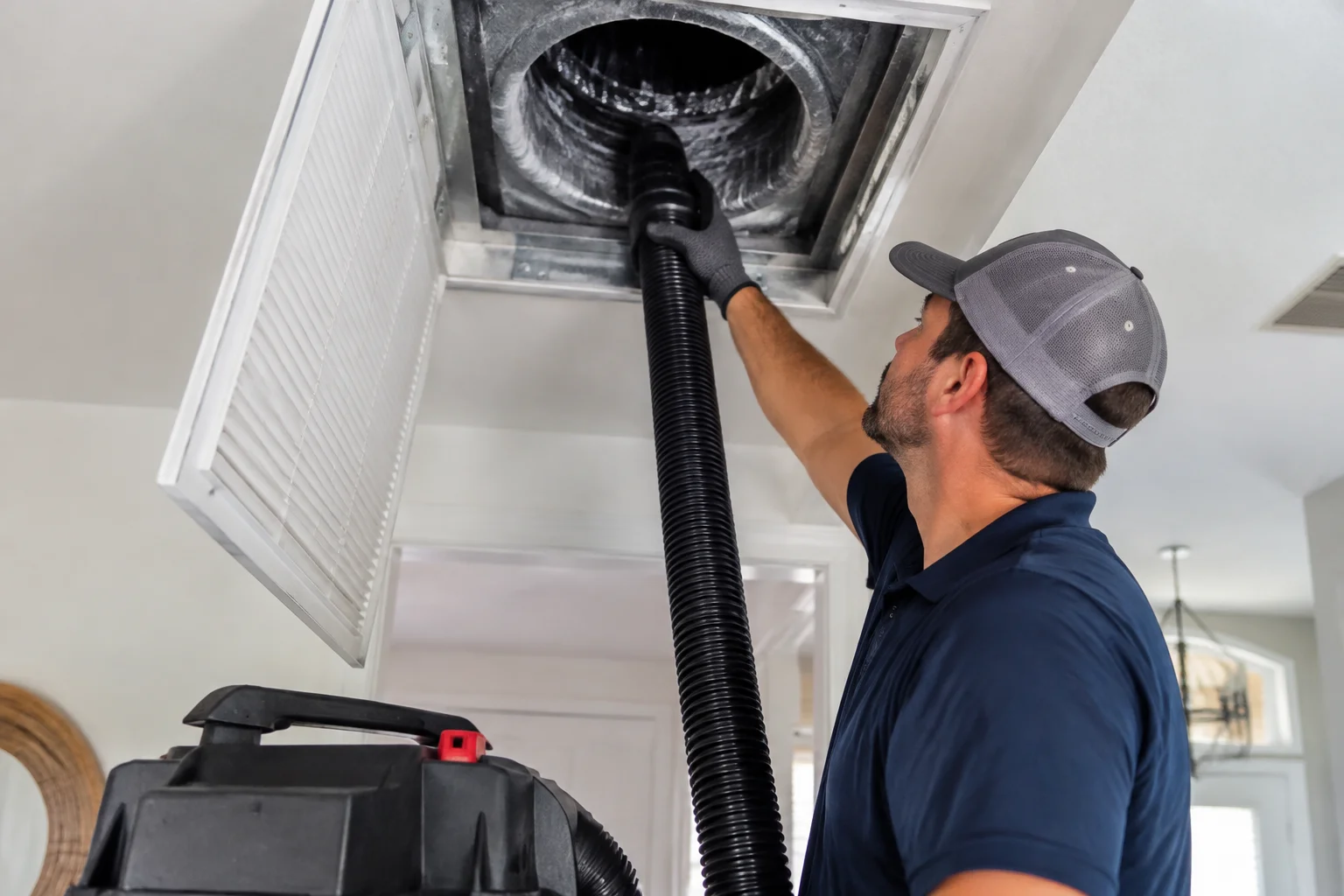
A dusty supply vent is easy to notice. What is harder to see is whether that dust comes from dirty ductwork, a poorly fitted filter, a leaking return, or everyday activity inside the house. In WaterColor, FL, coastal humidity adds another layer: an HVAC system must manage moisture as well as temperature to keep rooms comfortable.
Good duct cleaning starts with that bigger picture. For homeowners considering professional duct cleaning in WaterColor, the goal should be to identify actual contamination, remove it appropriately, and correct conditions that could bring it back. Cleaning alone cannot fix every comfort problem, but it can be a useful part of a well-planned HVAC service visit.
How WaterColor's Coastal Climate Affects the Air Path
Warm weather and long cooling seasons mean air conditioners and heat pumps move a lot of air through local homes. Frequent door openings, beach gear, pets, and visiting guests introduce particles that can collect on filters and interior surfaces. Fine dust may also enter ductwork through gaps on the return side of the system.
High outdoor humidity makes duct insulation and sealing especially important. When humid attic air contacts a cold duct surface, condensation can form. Damaged insulation, loose connections, and air leaks can contribute to wet materials or musty odors. Salt air primarily affects exposed outdoor equipment, including condenser coils and metal components; it is not, by itself, a reason to clean indoor ducts.
Storms create separate concerns. Wind-driven rain, roof damage, or water intrusion may wet insulation or duct materials. Before cleaning after a storm, a technician should establish whether affected sections can be safely cleaned or need replacement. Wet or deteriorated porous duct lining often requires more than surface treatment.
Evidence That Supports a Duct Inspection
A light coating of household dust at a grille does not automatically mean the whole system needs cleaning. Neither does an arbitrary calendar date. Inspection is more useful when there is visible debris inside ducts, material blowing from vents, evidence of pests, or a documented moisture problem.
Dust That Returns Quickly
If dust reappears soon after cleaning the house, check the filter and its fit first. A filter installed backward, a missing access-panel seal, or an undersized filter can let air bypass the filtration surface. Leaky return ductwork may also draw particles from an attic or wall cavity. Cleaning without fixing that opening leaves the source in place.
Musty Odors or Suspected Growth
A musty smell deserves investigation, but odor alone does not prove mold is present. Possible sources include the evaporator coil, drain pan, damp insulation, or moisture elsewhere in the home. Ask the contractor to show and explain suspected contamination. If the material is uncertain, further evaluation may be needed before choosing a cleaning or remediation method.
Renovation Debris and Pest Activity
Remodels can introduce drywall dust, sawdust, and other debris when returns are left open during work. Newer homes are not exempt from construction contamination. If pests have entered the duct system, address the infestation and entry points before cleaning. Damaged flexible ducts may need replacement rather than repeated cleaning.
Separate Dirty Ducts From Airflow Problems
A warm upstairs bedroom or weak supply vent can make duct cleaning seem like the obvious solution. In practice, restricted airflow may come from a loaded filter, dirty blower wheel, blocked evaporator coil, crushed flex duct, closed damper, or inadequate return path. Heavy duct debris can contribute, but ordinary settled dust is not usually the main restriction.
Homeowners searching for airflow balancing near me should ask for an assessment of the entire air distribution system. Useful checks may include static pressure, blower settings, accessible duct connections, and room airflow. Temperature readings help, but they do not replace checking how much air the equipment can actually move.
Older homes may have aging duct connections or insulation damaged by years of attic access. Newer homes can have routing or balancing issues despite newer equipment. In either case, ductwork repair and duct sealing may produce more meaningful comfort improvements than cleaning alone.
What a Careful Cleaning Plan Should Address
Before work begins, ask which components are included and how the contractor will protect the home. Cleaning only the visible vent covers is not the same as cleaning the duct system. A clear scope should identify accessible supply and return ducts, grilles, registers, and any air handler components requiring separate service.
Inspection and Material Compatibility
Sheet metal, flexible duct, and fiberglass-lined ductwork need different handling. Aggressive brushing can damage fragile liners or older flex duct. A technician should inspect condition first and use methods appropriate for the material. If insulation is wet, torn, or deteriorating, replacement may be the more durable option.
Containment and Source Removal
Proper cleaning uses controlled agitation and collection to remove loosened debris rather than simply redistribute it. Ask how dust will be contained and where collected air will discharge. Access openings should be closed correctly afterward, with duct connections and insulation left intact.
Clear Documentation
Before-and-after photographs can help homeowners understand the work, particularly in inaccessible areas. Ask what was found, what was cleaned, and which defects remain. Be cautious about routine chemical treatments or promises that duct cleaning will eliminate allergies. Any proposed product needs a specific justification and must be suitable for the duct material and intended use.
Humidity Control Requires More Than Clean Ductwork
Duct cleaning removes accumulated material; it does not dehumidify a house or correct the cause of condensation. In WaterColor, persistent indoor humidity calls for checking equipment operation, duct leakage, insulation, ventilation, and moisture sources. A basic indoor humidity monitor can help reveal patterns rather than relying only on how a room feels.
Many homes are comfortable around 40 to 50 percent relative humidity, and keeping levels below 60 percent helps discourage moisture-related problems. Actual results depend on outdoor conditions and the building. An oversized air conditioner may cool rooms quickly but stop before removing enough moisture, especially during milder weather.
Before a search for dehumidifier installation near me turns into an equipment purchase, have the existing system evaluated. A technician can check airflow settings, cooling performance, thermostat operation, and whether supplemental dehumidification makes sense. Setting the thermostat fan to AUTO generally reduces moisture re-evaporation from a wet cooling coil compared with continuous fan operation.
Moisture from a building or plumbing leak also needs its own repair. If dampness extends beyond the HVAC equipment, this guide to leak prevention and plumbing repair in WaterColor homes offers useful context. Cleaning ducts while an active leak remains will not solve the underlying problem.
Keep the Rest of the HVAC System in the Plan
A duct inspection is a good opportunity to review the components that affect airflow and cooling. Air handlers, blower assemblies, evaporator coils, drain pans, and condensate drain lines all deserve attention when symptoms point to them. A restricted drain line can cause water damage or trigger a safety switch, while a dirty coil can interfere with heat transfer and airflow.
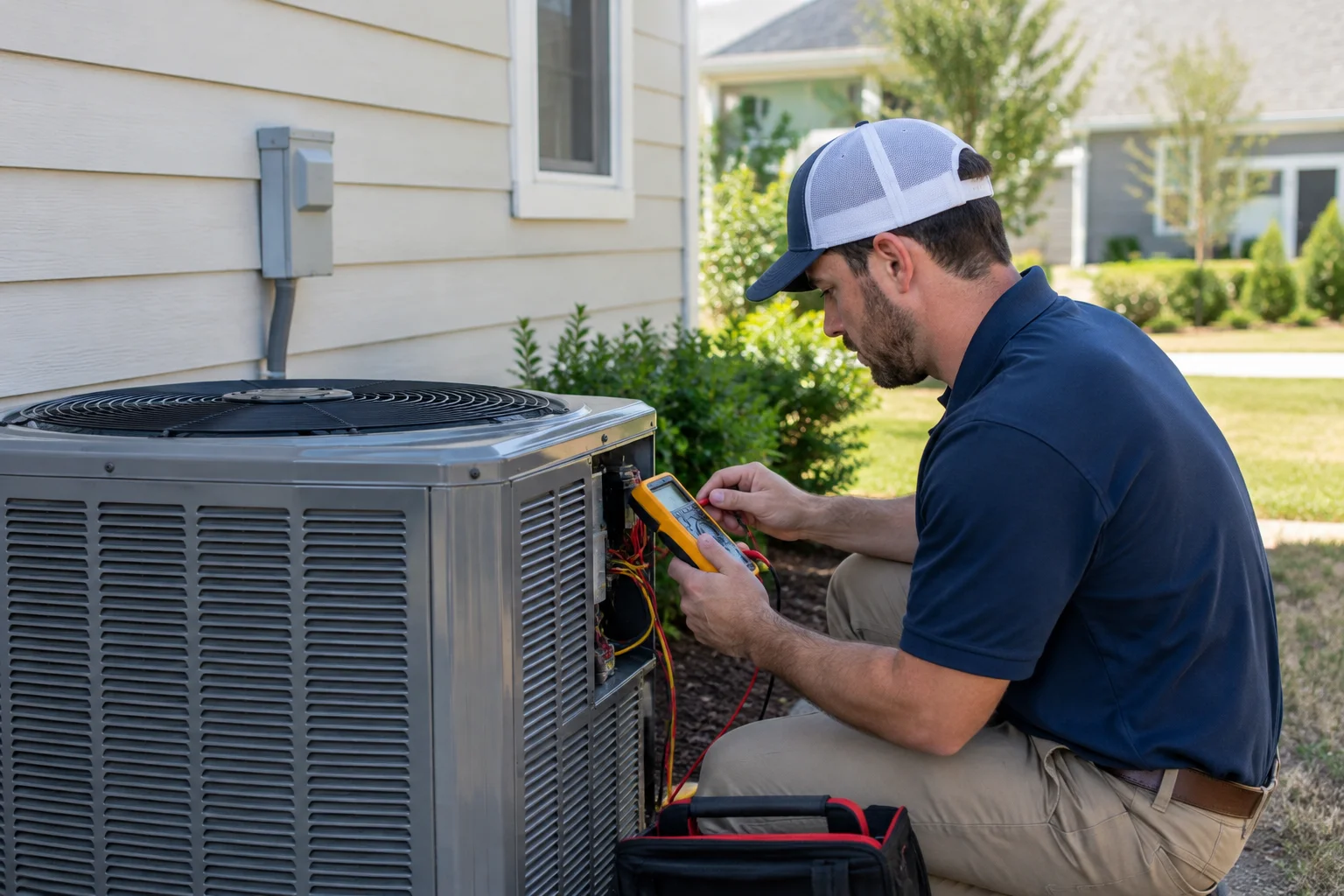
Outdoor units need separate care. Condensers should have manufacturer-recommended clearance, and coastal corrosion should be monitored during maintenance. Refrigerant leaks, failing capacitors, and compressor problems require diagnosis and repair, not duct cleaning. Refrigerant is not normally consumed during operation, so repeated additions warrant leak investigation.
If a search for air conditioner repair near me follows icing, weak cooling, or unusual noises, describe those symptoms when scheduling. Heat pump repair and heating repair also involve equipment checks beyond the ducts. Furnaces need appropriate combustion and safety inspection, while ductless mini splits require attention to their own filters, coils, blowers, and drains even though they do not use central ductwork.
Plan Around Remodels, Additions, and Equipment Changes
Remodeling changes more than finishes. Closing a doorway, adding a bedroom, or converting space can alter return airflow and heating or cooling loads. Protect open ducts during construction, avoid using the HVAC system to collect construction dust, and inspect the system after dusty work is complete.
For an addition or major renovation, new construction air conditioning planning should include load calculations and duct design. A sunroom may need a dedicated solution rather than another branch added to an already limited system. Ductless mini splits can be practical in some additions, but sizing, drainage, and placement still matter.
If existing equipment struggles despite corrected airflow and regular maintenance, consider whether air conditioning replacement is justified. Clean ducts cannot compensate for poor equipment sizing. Thermostat installation can improve scheduling and control, but a new thermostat will not repair leaking ducts or restore lost cooling capacity.
A Maintenance Routine That Helps Keep Ducts Cleaner
Check filters monthly during heavy use and replace them according to their condition and manufacturer guidance. Choose a filter efficiency level the system can support. A more restrictive filter is not automatically better if it reduces airflow. Keep furniture and rugs away from returns and supply vents, and vacuum accessible grille surfaces without pushing tools deep into ducts.
Schedule routine HVAC maintenance before peak summer demand when possible. Homeowners searching for HVAC maintenance near me should look for service that checks drainage, coils, electrical components, operating performance, and accessible duct condition rather than only changing a filter. Seasonal properties also benefit from periodic indoor humidity and condensate checks while unoccupied.
For energy efficiency, prioritize documented problems: seal duct leaks with appropriate materials, repair missing insulation, maintain coils, and correct airflow restrictions. Avoid closing numerous supply vents to force air elsewhere. Duct cleaning may help when debris creates a genuine obstruction, but it should not come with guaranteed energy savings or a promise to resolve every indoor air quality concern.
Get Local Help Before a Comfort Problem Becomes Damage
Water around an air handler, recurring ice, burning odors, or repeated breaker trips needs prompt professional attention. Turn off malfunctioning equipment when safe and do not repeatedly reset a tripping breaker. Smoke or a carbon monoxide alarm calls for leaving the home and contacting emergency services. Never reach into running equipment or open refrigerant connections.
Local HVAC service matters because coastal exposure, humid shoulder seasons, and peak visitor demand all affect maintenance planning. Through its WaterColor HVAC services and broader Walton County service area, A Superior Mechanical can help homeowners discuss duct cleaning alongside their actual comfort concerns.
When scheduling, mention recent construction, recurring dust, musty odors, uneven temperatures, and any known water intrusion. Ask for an inspection-based recommendation that separates cleaning from repairs. That gives your home a practical path toward cleaner ductwork, dependable airflow, and better moisture management without paying for a treatment that misses the cause.
Find Duct Cleaning in WaterColor, FL
If you need Duct Cleaning in WaterColor, FL, visit our local service page or contact A Superior Mechanical today.
Map of WaterColor, FL
Frequently Asked Questions
How often should ducts be cleaned in a WaterColor home?
There is no universal cleaning interval. Base the decision on inspection findings, such as substantial debris, confirmed contamination, pest activity, or construction dust inside the system. Coastal humidity makes moisture checks important, but humidity alone does not mean ducts need cleaning.
Will duct cleaning fix high humidity or uneven airflow?
Not necessarily. Cleaning may help if substantial debris obstructs airflow, but high humidity and uneven temperatures often involve duct leakage, equipment sizing, insulation, blower settings, or return air limitations. Have those conditions evaluated before assuming cleaning is the solution.
Should wet or mold-contaminated ductwork be cleaned or replaced?
The answer depends on the duct material and extent of damage. Some sound metal ductwork may be cleanable, while wet or mold-contaminated fiberglass insulation and deteriorated flexible ducts often require replacement. The moisture source must also be corrected to prevent recurrence.
Related Articles
Photo Gallery