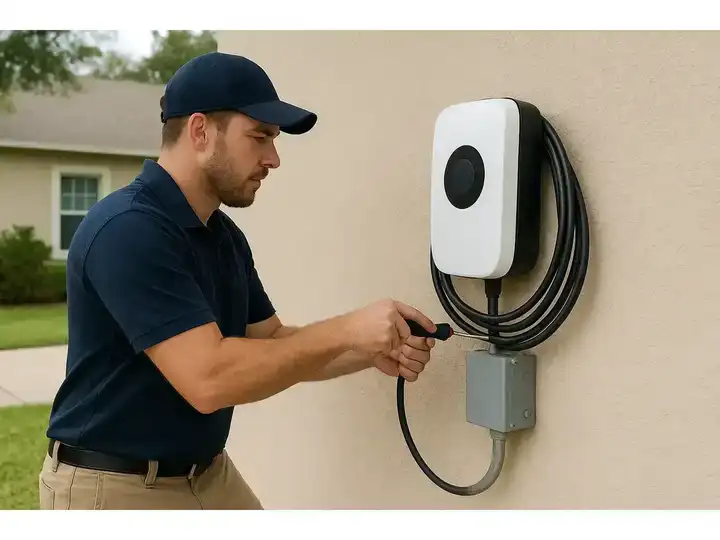
More homeowners in Valparaiso are adding electric vehicles, and that means more questions about panel capacity, wiring, outlets, and whether a garage can handle a charger safely. Coastal weather, older electrical systems, and changing power demands all play a role in how EV charger installation should be planned. A careful setup helps protect your home, keeps charging efficient, and reduces the chance of nuisance breaker trips or hidden wiring issues.
For homeowners looking into EV charger installation in Valparaiso, FL, the right solution starts with a close look at the electrical system, not just the charger itself. The panel, branch circuits, grounding, and outlet type all need to match the charger’s load and the home’s existing capacity. That is especially important in Okaloosa County, where salt air, storms, and older construction can expose weak spots in electrical equipment faster than many owners expect.
Why EV charging puts new demands on Valparaiso homes
An EV charger is not like plugging in a lamp or small appliance. Even a Level 2 unit can draw a steady, significant load for hours at a time. That continuous demand matters for homes with older panels, crowded breaker spaces, or past additions that were tied into the system without much room to spare. In neighborhoods with older homes, you may also find aluminum branch wiring, outdated grounding, or a panel that was never designed for today’s electrical use.
In newer homes, the challenge is often different. Builders may leave some capacity available, but not always enough for a dedicated charger plus other high-demand equipment such as electric ranges, HVAC systems, or a future generator transfer switch installation near me style upgrade. A licensed electrician can review the load calculation and determine whether the existing panel can support the charger or whether a panel upgrade or rewiring solution makes more sense.
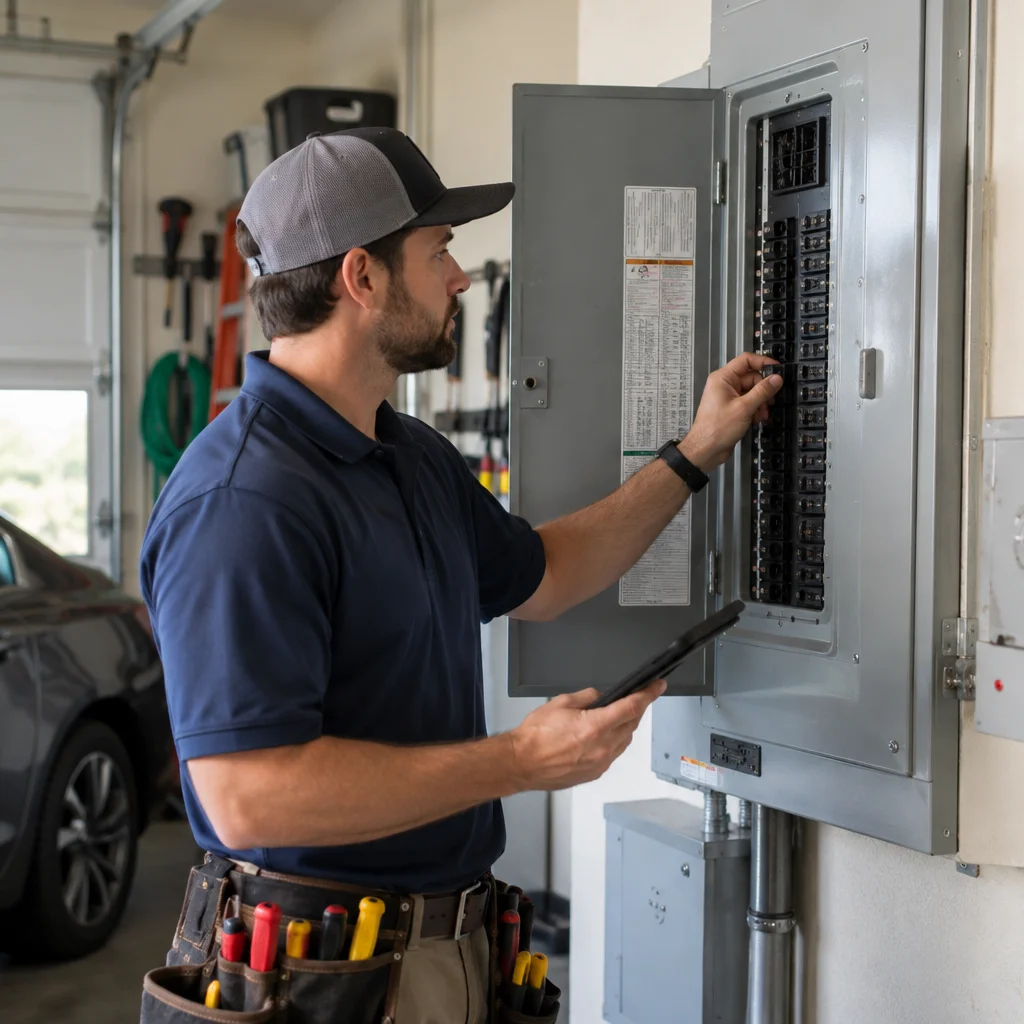
Panel capacity, breaker space, and why the details matter
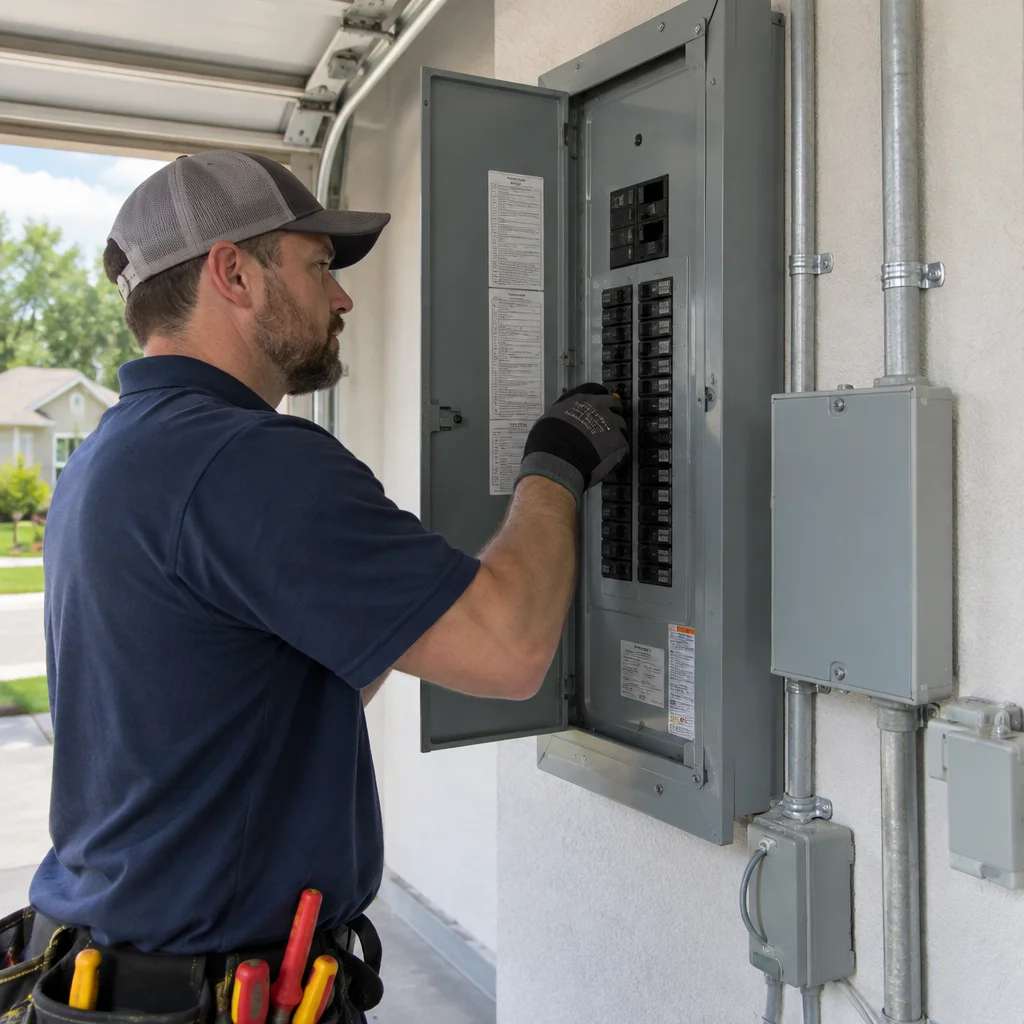
The electrical panel is the starting point for any EV charger project. If the panel is full, undersized, or showing signs of wear, the charger should not be added as an afterthought. Homeowners searching for electrical panel upgrade near me often discover the real issue is not just available breaker space, but total service capacity. A 200 amp panel upgrade near me search may be the right path for homes adding an EV charger, hot tub, workshop equipment, or major remodels.
During an EV charger installation, the electrician checks the main service size, the condition of the breakers, the panel brand and age, and whether there is room for a dedicated circuit. If the panel shows heat damage, corrosion, rust, or breaker wear, it may be a good time to address those problems before the charger is installed. In coastal Florida, moisture and salt exposure can accelerate corrosion, especially in garages, utility rooms, and exterior meter equipment.
If the home still has an outdated fuse box, the project may require more than a simple charger install. Some owners begin with a fuse box replacement near me search after repeated electrical issues, only to learn the system needs broader upgrading before any high-load equipment can be added safely.
Dedicated circuits are the right foundation for EV charging
EV chargers should almost always be installed on a dedicated circuit. That means the charger is not sharing power with lighting, outlets, or other appliances. Shared circuits can lead to overheating, breaker trips, and inconsistent charging speeds. A dedicated circuit also helps the electrician size the breaker, wire gauge, and outlet or hardwired connection correctly.
For many homeowners, this is the same reason dedicated circuit installation near me becomes a smart search when adding appliances, garage tools, or a charging station. The dedicated line helps keep the load predictable and reduces the chance that another device in the home will interfere with charging. If the charger is being installed in a garage, carport, or exterior wall, the electrician will also think through conduit routing, weather protection, and how the circuit will hold up in humid coastal conditions.
Some homes may also need related upgrades such as dedicated circuits for appliances if the panel is already heavily loaded. That kind of planning can prevent future overloads and make the whole electrical system more reliable.
Outlets, hardwiring, and GFCI protection
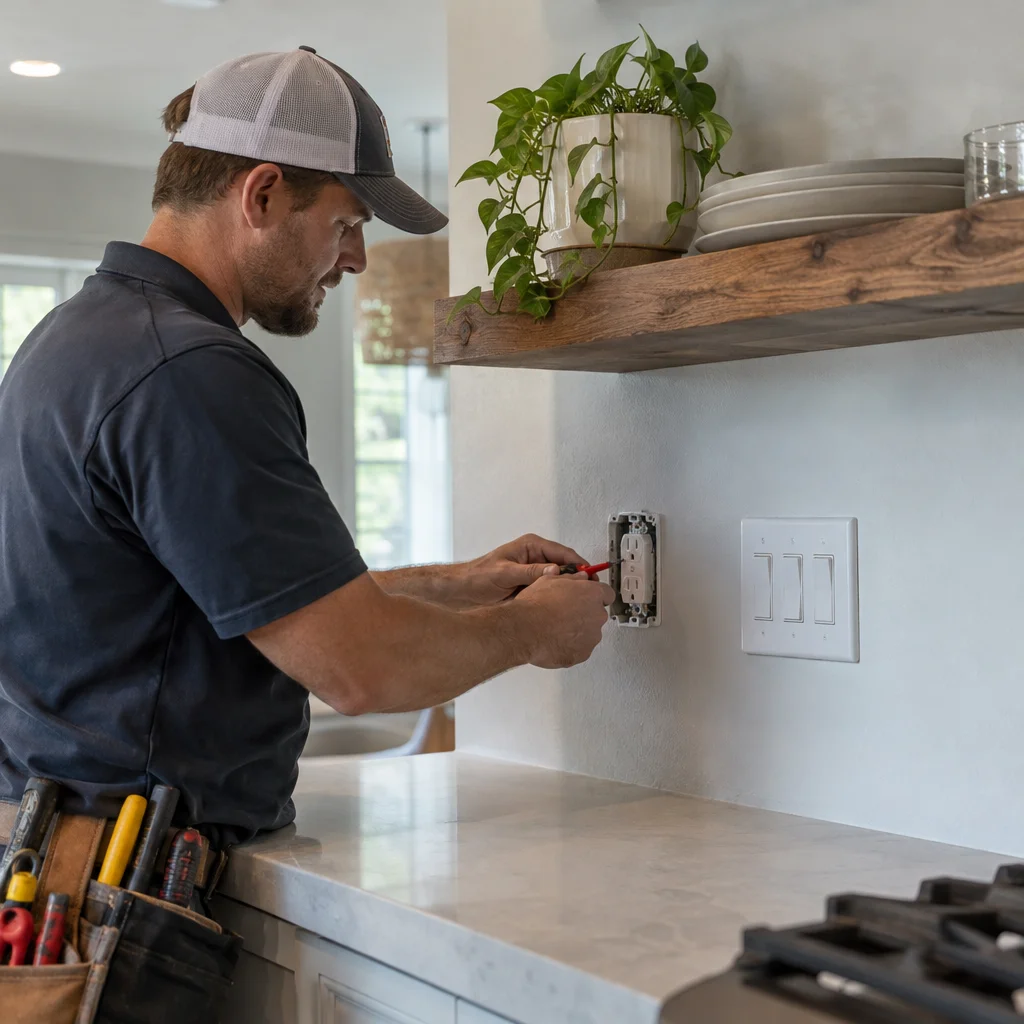
Not every EV charger uses the same setup. Some are hardwired directly into the electrical system, while others use a properly rated receptacle. The right option depends on the charger model, the home’s layout, and local code requirements. If a receptacle is used, the outlet must be installed correctly, with the proper amperage, box rating, and protection.
In garages, workshops, and exterior locations, GFCI protection is often an important part of the design. It helps reduce shock risk in damp environments and is especially relevant in Florida homes where humidity and storm moisture are common. A poorly installed receptacle or loose connection can create heat, damage the plug, and cause intermittent charging problems that look like a charger issue but are really an outlet repair near me search in disguise.
When the charger location is near a driveway or outside wall, the electrician may recommend weather-rated equipment and careful sealing around the penetration points. That helps prevent water intrusion and keeps the wiring safer over time.
Wiring quality affects charging speed and safety
EV charging depends on solid wiring from the panel to the charger. If the wire is undersized, damaged, spliced poorly, or run through a deteriorated section of the home, the system can overheat or perform poorly. This is one reason older homes sometimes need old wiring replacement near me or home rewiring near me work before adding modern electrical loads.
In Valparaiso, some homes have gone through remodels, additions, or garage conversions over the years. Those changes can leave behind mixed wiring methods, overloaded junction boxes, or circuits that were extended without a clean plan. If the EV charger is the first major upgrade in years, it may reveal hidden issues that should be corrected before the charger goes live. A professional inspection can identify whether the wiring is in good shape or whether a broader house rewiring near me project should be considered.
For homes with signs of heat damage, discolored outlets, or repeated breaker trips, the wiring may be part of a larger repair. That is also why electrical repair and electrical inspections are often part of the same conversation as charger installation.
Local weather, storms, and prevention in Okaloosa County
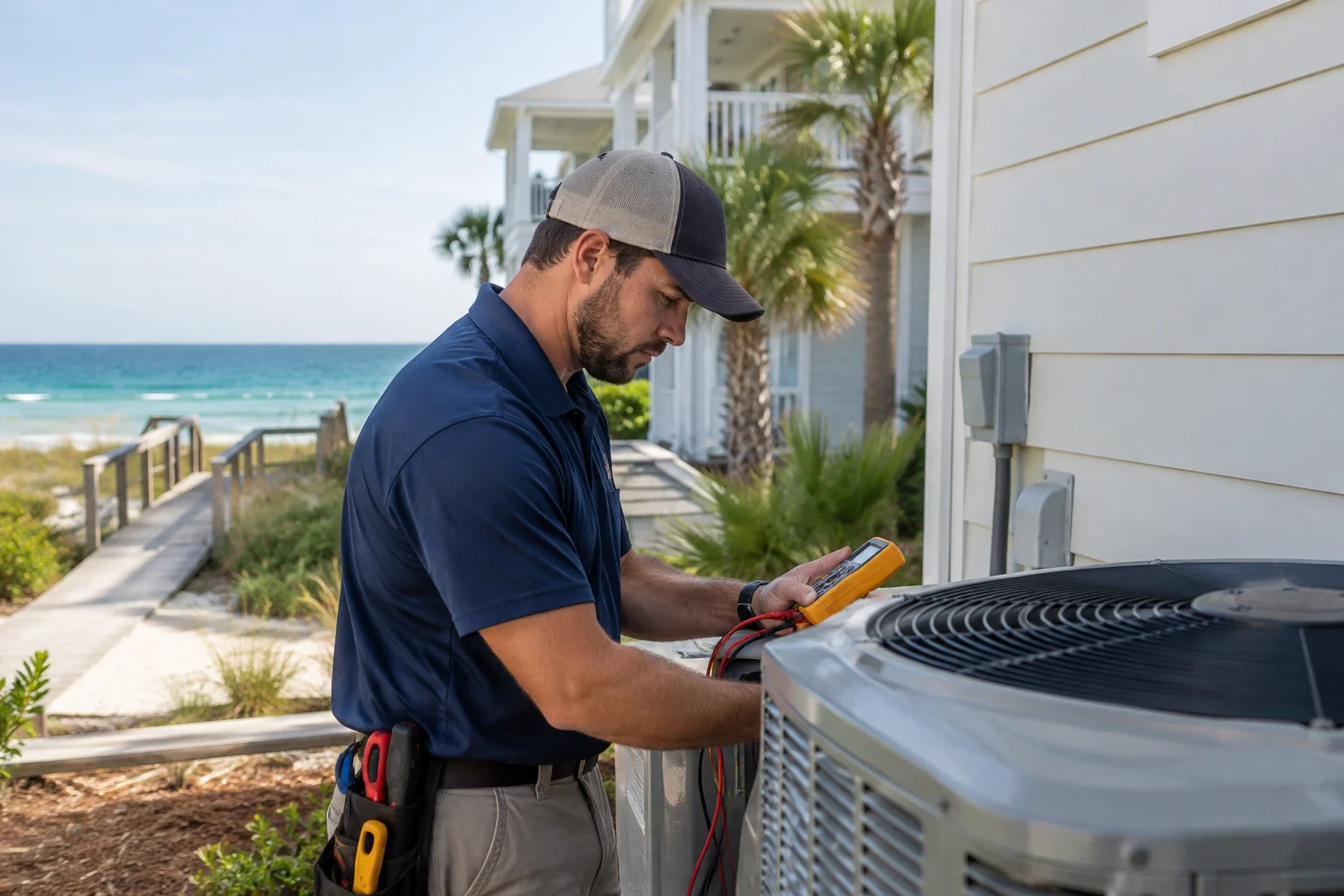
Valparaiso homeowners deal with coastal weather, summer storms, lightning risk, and humidity that can wear down electrical components faster than inland areas. Surge protection is not optional in many homes, especially when high-value equipment like an EV charger, smart appliances, and electronics are all tied into the same service. A whole home surge protector near me search often leads to the right kind of protection for homes that want to reduce damage from storm-related power events.
Grounding matters too. A properly grounded system helps direct fault current away from people and equipment. If the grounding system is weak or outdated, the electrician may recommend corrections before or during the charger install. This is also a good time to inspect smoke detectors, especially in garages and nearby hallways, since electrical work is often paired with smoke detector installation near me searches when homeowners are updating safety items.
For homes that lose power during storms, some owners also plan ahead for backup power. If the property already has a generator or is considering one, the electrician may discuss standby generator installation near me options or a generator transfer switch installation near me setup so the home can handle essential loads during outages.
How EV charger installs fit with other electrical upgrades
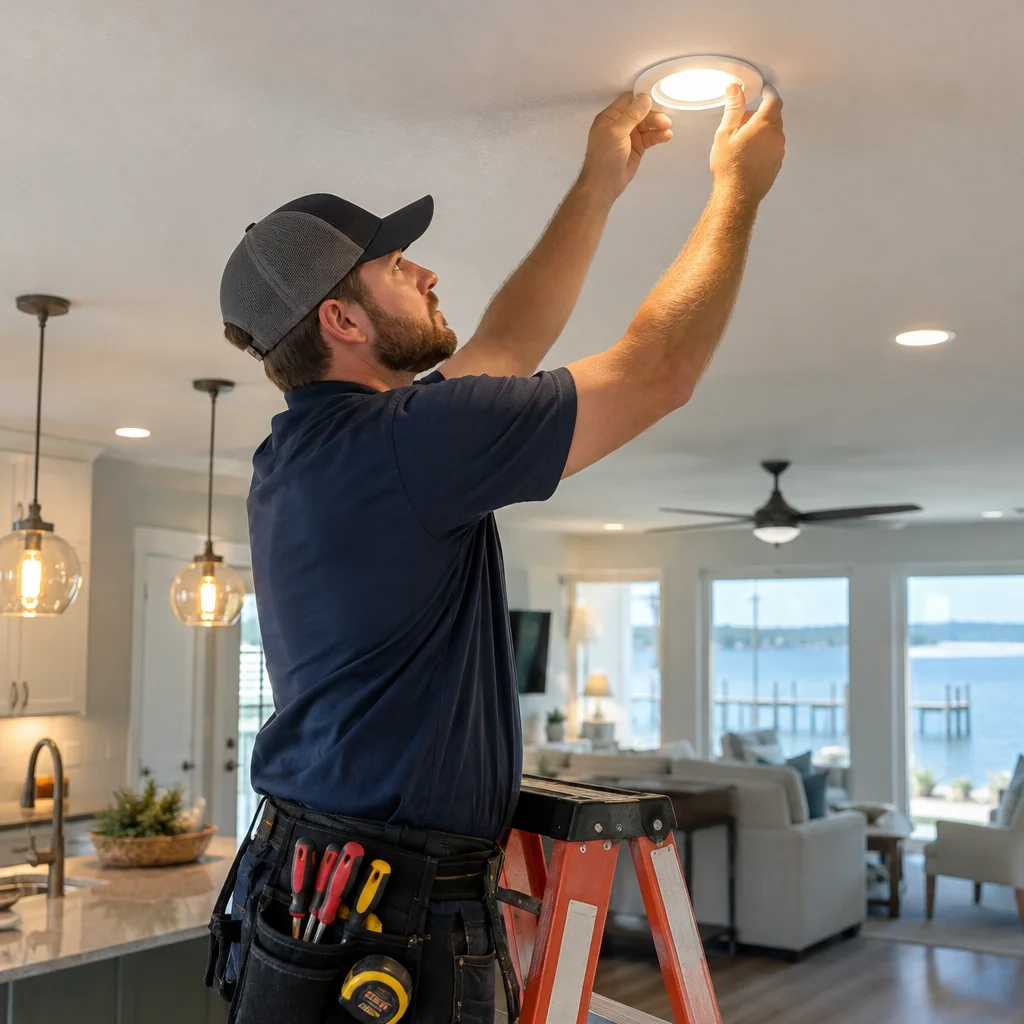
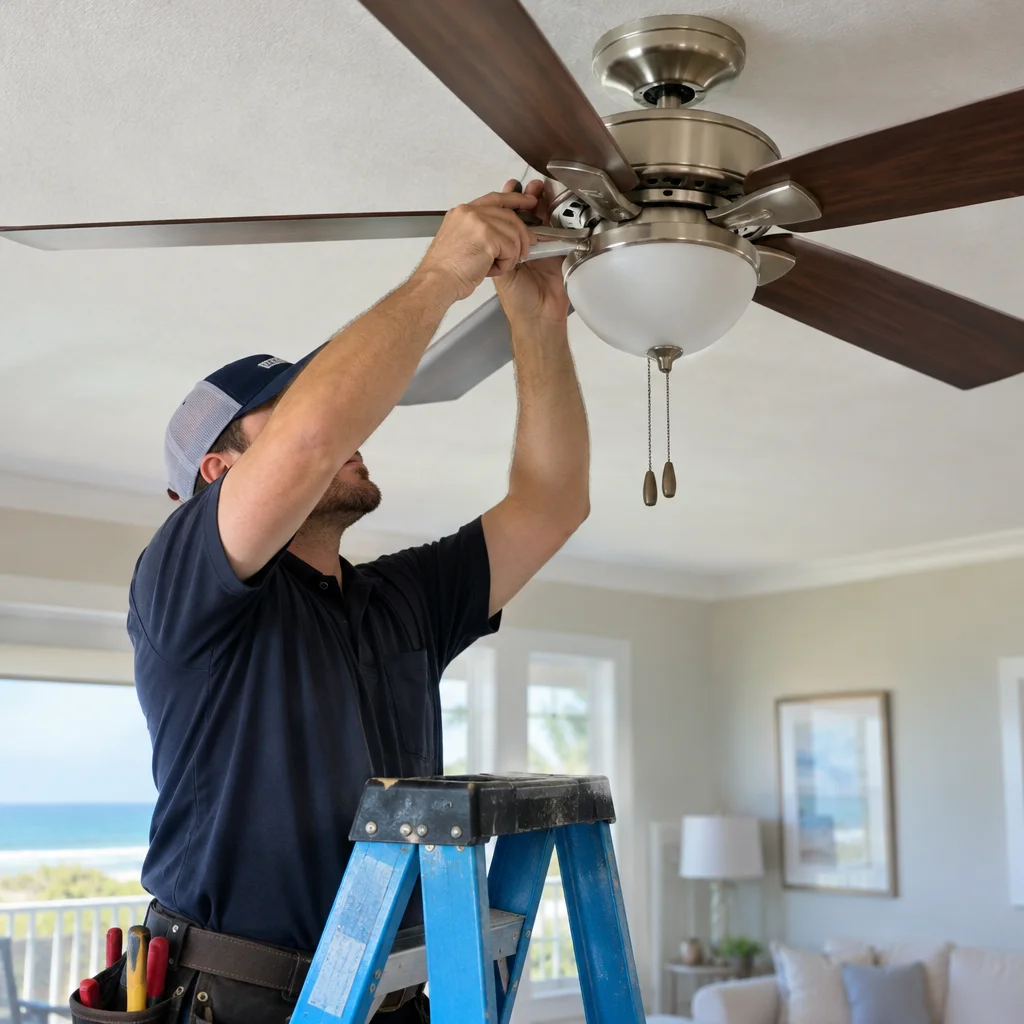
EV charger installation often reveals other electrical needs. A garage that needs a charger may also need better lighting, a new outlet layout, or safer switches. Some homeowners add lighting and fixtures so the charging area is easier to use at night. Others ask about ceiling fan installation and replacement in attached workshops or bonus rooms that share the same service.
If the home has a kitchen, workshop, or garage project coming up, it may make sense to plan the charger alongside other load-heavy improvements. That can include light switch installation near me type work, outdoor lighting installation near me projects for driveway visibility, or kitchen lighting installation near me updates during a remodel. When everything is coordinated together, the electrician can balance loads more effectively and reduce the chance of future electrical repair calls.
Some homeowners also discover that a charger install is the right time to review the whole system for code compliance. That may include breaker labeling, GFCI protection, grounding, outlet condition, and any needed code corrections. A thorough electrical inspection can catch issues before they turn into emergency electrical concerns.
Signs the electrical system needs attention before the charger goes in
There are a few warning signs that should be addressed before EV charging equipment is added. Breakers that trip under normal use, lights that flicker when large appliances start, warm outlets, buzzing panels, or a burning smell all point to a system that needs attention. Homeowners searching for flickering lights repair near me or circuit breaker repair near me may already be seeing the stress that a new charger would place on the system.
If the panel is crowded, the wiring is brittle, or the home has a history of patched repairs, the charger may expose a bigger problem. That does not mean the project cannot move forward. It just means the electrician may need to recommend panel work, wiring repair, or a more complete electrical upgrade first. For some homes, that is the difference between a short-term fix and a reliable charging setup that lasts for years.
Why local electrical service matters in Valparaiso
Local electrical service matters because homes in Valparaiso and the wider county are not all built the same. Some are older Florida homes with limited service capacity. Others are newer builds with modern panels but tight load margins. Some have been remodeled in stages, with added circuits and updated rooms that were not fully integrated. A local electrician understands the area’s weather, code expectations, and common construction patterns in Okaloosa County.
That local knowledge helps with everything from panel evaluation to charger placement. It also helps homeowners searching for an electrician near me, same day electrician near me, or electrical contractor support get answers that fit the home, not just the equipment. A Superior Mechanical serves homeowners and property owners who need safe, code-compliant electrical work that matches the realities of coastal living.
For property managers, rental owners, and small businesses, EV charging can also be part of a broader electrical plan. In some cases, commercial electrician near me searches lead to shared charging stations, service upgrades, or additional lighting and outlet work that supports tenants and visitors. The same attention to circuits, protection, and load balance applies whether the charger is in a single-family garage or a small commercial property.
Keeping the system ready after installation
Once the charger is installed, a few simple habits help protect the investment. Keep the charger area dry and clear, watch for breaker trips, and schedule periodic electrical inspections if the home has older wiring or storm exposure. If you notice heat at the outlet, repeated charging interruptions, or new electrical issues elsewhere in the home, it is better to address them early than wait for a bigger failure.
Routine maintenance is especially useful in homes with older panels, exterior equipment, or recent additions. If the system has already been upgraded once, the electrician can also review whether a future charger expansion, generator, or additional appliance load will require more capacity. That kind of planning keeps the home ready for the next electrical project instead of starting from scratch each time.
For homeowners in Valparaiso and throughout Okaloosa County, a well-planned EV charger install is really about the whole electrical system, not a single device. When the panel, wiring, breaker protection, grounding, and outlet details are handled correctly, charging becomes simple, safe, and dependable.
To learn more about service in the area, visit the Valparaiso service area page or the broader Okaloosa County service area page.
Find EV Charger Installation in Valparaiso, FL
If you need EV Charger Installation in Valparaiso, FL, visit our local service page or contact A Superior Mechanical today.
Map of Valparaiso, FL
Frequently Asked Questions
Do I need a panel upgrade for EV charger installation in Valparaiso?
Not always, but many homes do need one if the panel is full, undersized, or showing wear. A load calculation helps determine whether the existing service can handle the new charger safely.
Can an EV charger be installed on an existing outlet?
Sometimes, but the outlet must be properly rated, on a dedicated circuit, and suitable for the charger’s electrical demand. Many installations are safer and more reliable when hardwired.
Why does coastal weather matter for EV charging equipment?
Humidity, salt air, and storm exposure can corrode outlets, panels, and outdoor connections over time. Proper enclosure, grounding, surge protection, and weather-rated components help prevent damage.
What should I check before adding a charger to an older Valparaiso home?
Have the panel, breaker space, grounding, and wiring inspected first. Older homes may need rewiring, outlet repairs, or code corrections before an EV charger can be installed safely.
Related Articles
Photo Gallery