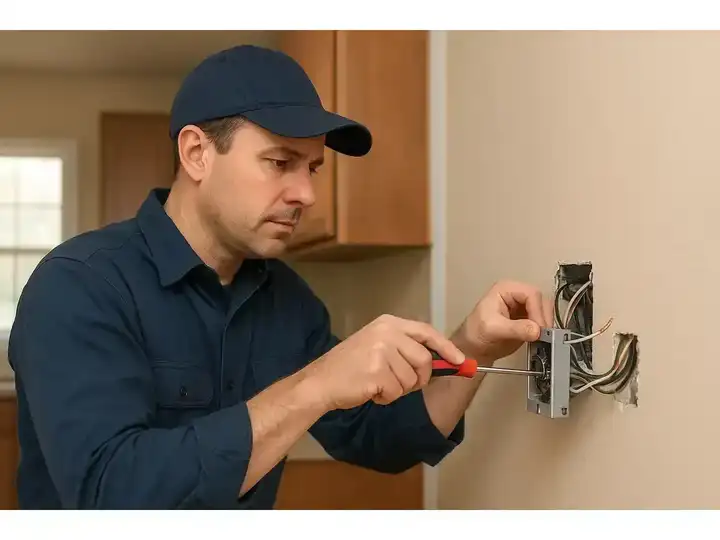
In Panama City Beach, electrical systems deal with more than everyday wear. Salt air, summer humidity, heavy cooling demand, and storm season can all put extra stress on older wiring. For homeowners in Bay County, a proactive plan for whole home rewiring in Panama City Beach, FL can prevent recurring breakdowns, improve safety, and make a home easier to live in year-round.
Whole home rewiring is not just about replacing old wire. It is about updating the electrical backbone of a property so it can handle modern appliances, HVAC equipment, charging stations, entertainment systems, and the everyday load that comes with coastal living. For many homes in the area, especially older beach houses, rentals, and properties that have seen storm repairs or additions, that upgrade can make a noticeable difference.
Why proactive rewiring matters in a coastal market
Panama City Beach homes face a unique mix of conditions. Moisture can accelerate corrosion inside electrical components. Wind-driven storms can lead to surges, water intrusion, or hidden damage in walls and attics. Older homes in Bay County may still have wiring that was never designed for today’s electrical demand. Even a system that seems to work fine can be hiding loose connections, brittle insulation, or overloaded circuits.
A proactive approach means addressing those issues before they turn into outages, tripped breakers, or heat damage. Instead of waiting for repeated failures, homeowners can plan a full upgrade that fits the home’s age, layout, and usage. That is especially useful in a region where AC systems run hard for much of the year and where many properties are used seasonally, rented out, or renovated over time.
What a proactive rewiring plan actually includes
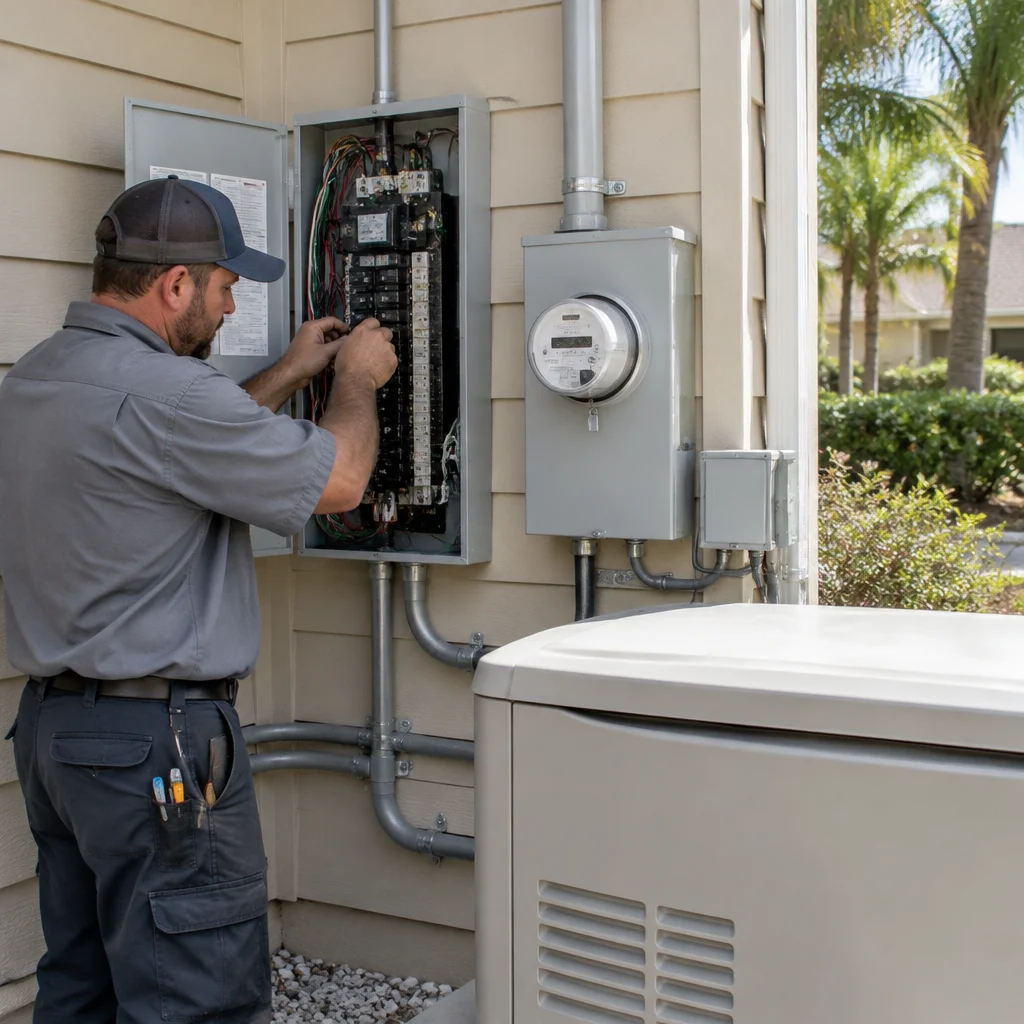
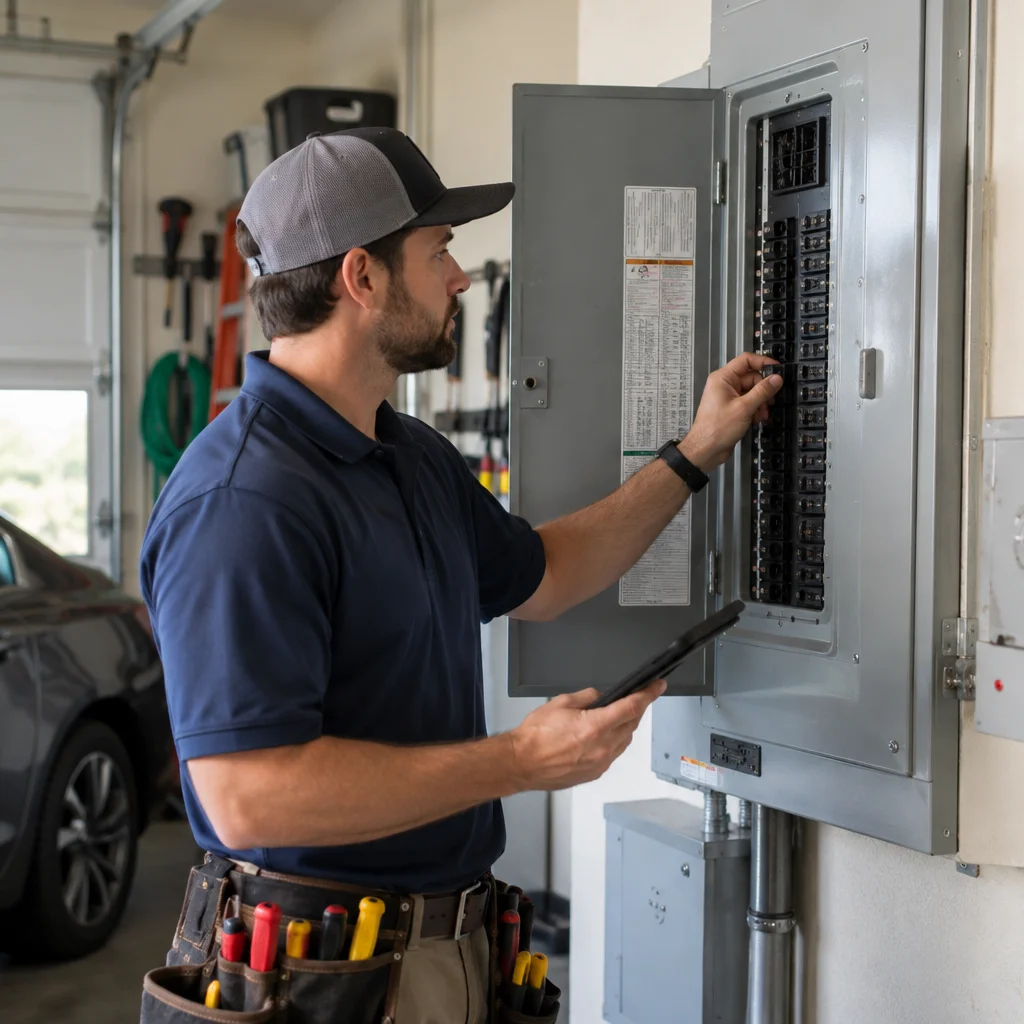
A quality rewiring project starts with a full evaluation of the home’s existing electrical system. That usually includes the panel, branch circuits, outlets, switches, lighting, grounding, and any visible signs of past repairs. In homes near the beach, electricians often also look for corrosion, moisture exposure, and evidence of storm-related damage.
From there, the work is planned in stages. The goal is to replace outdated or damaged wiring with modern, code-compliant materials while minimizing disruption to the home. A thoughtful plan usually includes:
1. A system review before the first wall is opened
Before rewiring begins, the electrician maps out which circuits need replacement, which areas of the home have the most wear, and whether the panel can support the updated load. This step matters because many older homes were built around much lighter electrical use. If the home has added a new HVAC system, a pool, a home office, or a kitchen remodel, the wiring may need more than a simple patch.
2. Replacing unsafe or outdated wiring types
Some homes in Bay County still have aluminum wiring, cloth-covered wiring, or circuits with deteriorated insulation. These materials can create heat, loosen over time, or fail under modern demand. A full rewire replaces those sections with safer materials that are better suited to current codes and household needs.
3. Upgrading outlets, switches, and grounding
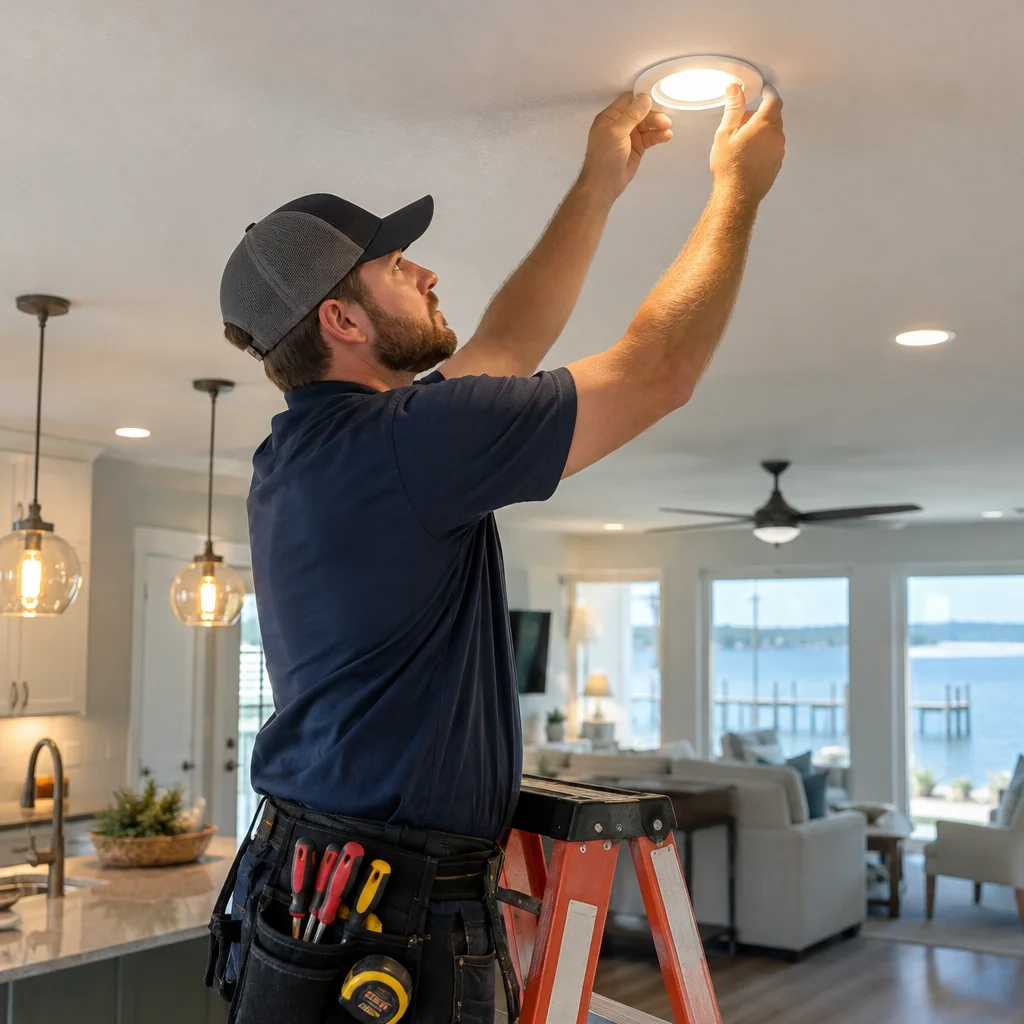
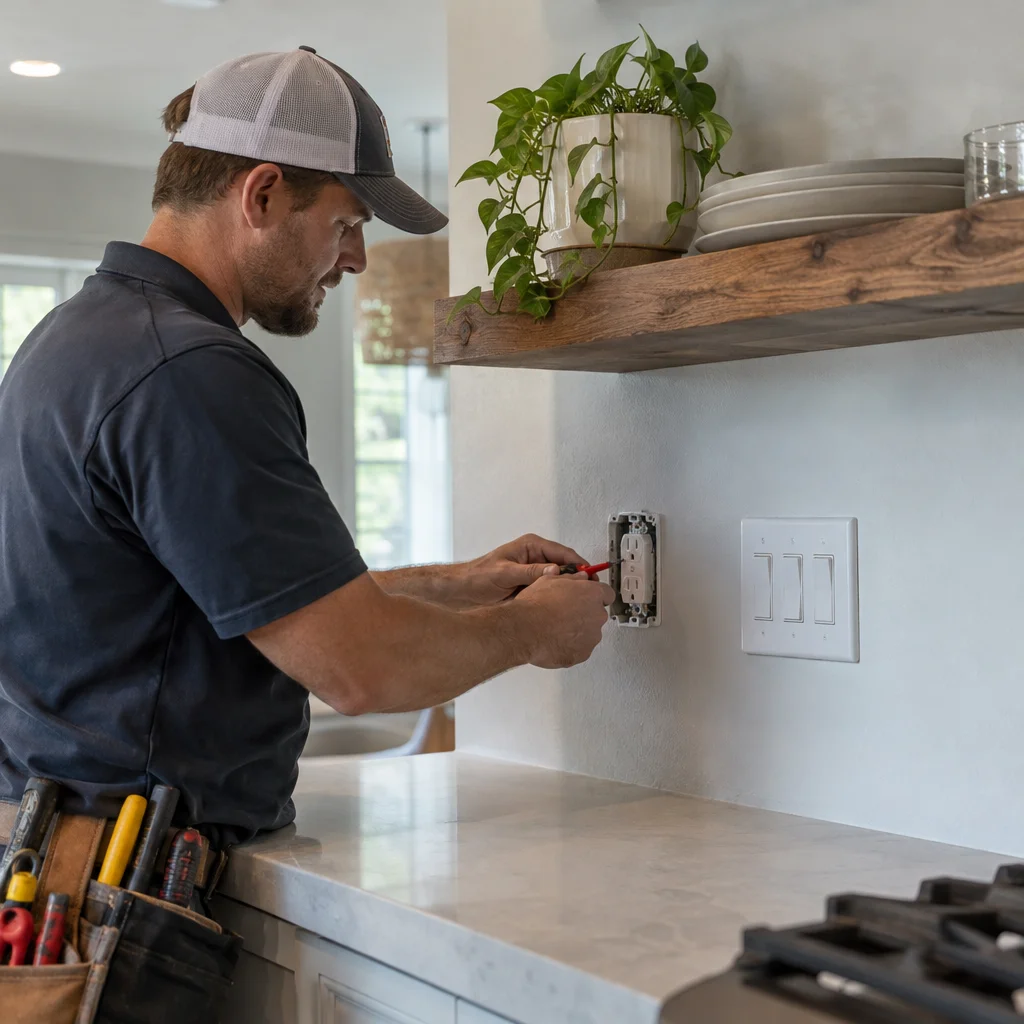
Rewiring is a good time to correct loose outlets, add grounded receptacles, and install GFCI or AFCI protection where needed. In a coastal environment, these protections help reduce the risk of shock and electrical faults in areas like kitchens, bathrooms, garages, laundry rooms, and outdoor living spaces.
4. Planning for real-world use
Homes in Panama City Beach often need circuits that support high-demand equipment. That may include central air conditioning, dehumidifiers, pool equipment, kitchen appliances, or entertainment systems. If the home also uses a battery backup system, the electrical layout should support that setup cleanly. Homeowners can learn more about that kind of planning through battery backup systems and how they fit into a more resilient home.
Common warning signs that a home may need more than repairs
Some electrical issues are isolated. Others point to a system that is simply too old or too stressed to keep patching. Repeated breaker trips, flickering lights, buzzing outlets, warm switch plates, or outlets that stop working and then start again can all point to deeper wiring problems.
In coastal homes, corrosion can also show up as discoloration around outlets or panel components. If a home has had water intrusion from storms, plumbing leaks, or slab issues, wiring in affected areas may need inspection even if the damage is not obvious from the outside. For homes dealing with moisture-related property damage, electrical concerns can sometimes overlap with services like Leak Detection & Slab Leak Repair, especially when hidden leaks have affected walls, floors, or foundation areas.
Other signs include lights dimming when major appliances start, a panel that feels crowded, or a home that still has two-prong outlets in multiple rooms. Those are not just inconveniences. They can be clues that the wiring is not keeping up with the home’s needs.
How rewiring helps reduce breakdowns over time
A properly rewired home usually experiences fewer nuisance trips, fewer dead outlets, and fewer surprise failures after storms or heavy usage. That happens because the system is built with current demand in mind. Circuits are sized correctly. Connections are secure. Protection devices are in the right places. The panel is no longer trying to carry more than it should.
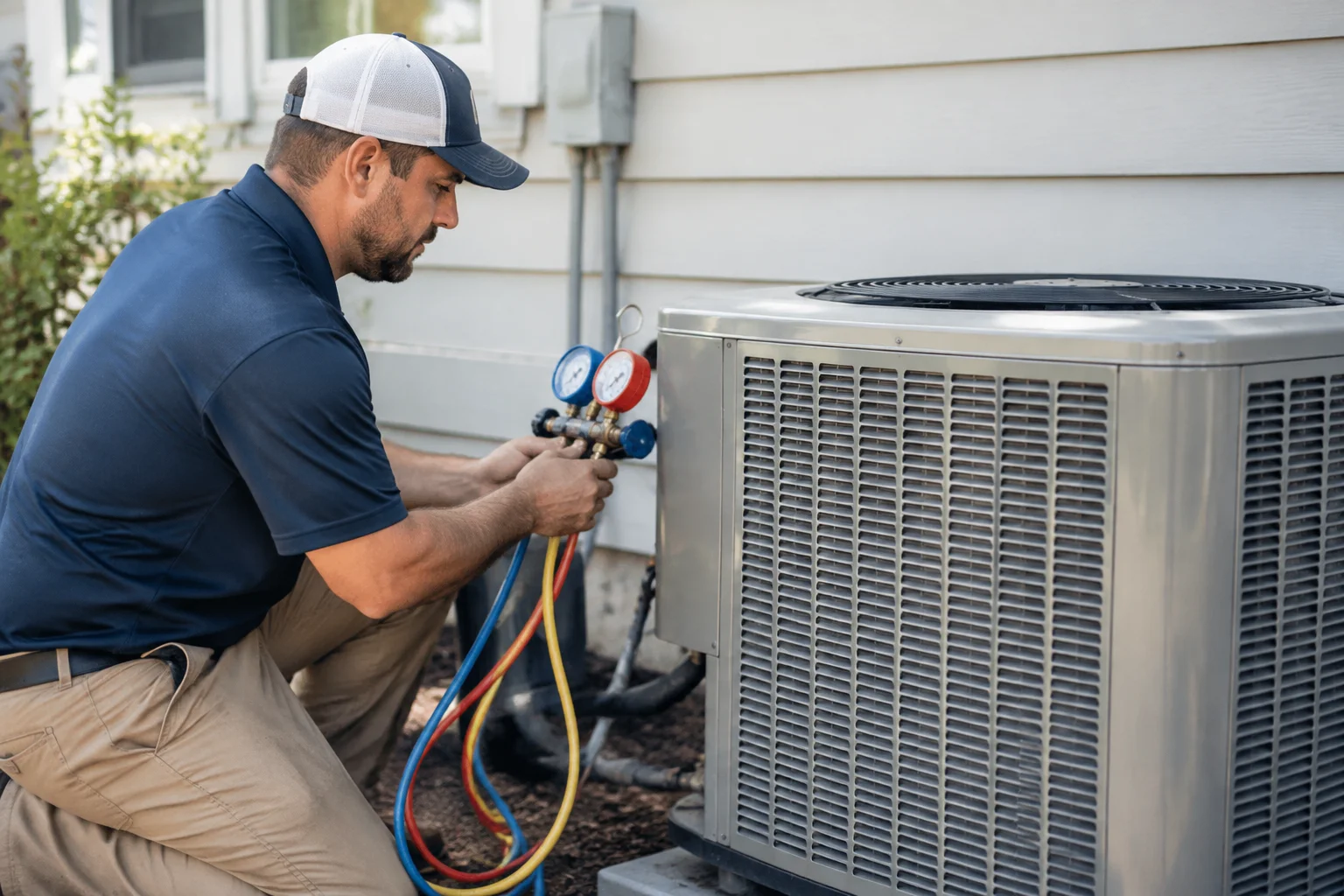
For homeowners, that means less time troubleshooting electrical problems and more confidence in everyday use. It also helps protect appliances and electronics from the kind of inconsistent power that can shorten their lifespan. In a place like Panama City Beach, where air conditioning is not optional, stable electrical service matters for comfort as much as convenience. If your cooling system has been acting up alongside electrical issues, it may be worth reviewing Air Conditioning Services as part of a broader home performance check.
Why local knowledge matters for Bay County homes
Whole home rewiring is not the same in every market. In Panama City Beach and across Bay County, electricians need to account for humidity, salt exposure, storm readiness, and the construction styles common to the area. Some homes are older coastal builds with limited electrical capacity. Others are newer but have been expanded, remodeled, or outfitted with higher loads like hot tubs, outdoor kitchens, or media rooms.
Local service matters because the right solution has to match local conditions. A homeowner on the beach may need different protection and material choices than someone farther inland. A property used as a vacation rental may need more durable circuits and better load management. A home with a pool or spa should have wiring planned with those systems in mind, which is why Pool, Spa & Hot Tub Wiring often comes up during larger electrical upgrades.
Working with a local company also makes it easier to coordinate permits, inspections, and code compliance. That matters in a market where properties may change hands often, and where buyers and insurers increasingly pay attention to the condition of a home’s electrical system.
Where rewiring fits with other smart upgrades
Whole home rewiring is often part of a larger maintenance strategy rather than a stand-alone project. Once the wiring is updated, homeowners may choose to add dedicated circuits for major appliances or sensitive equipment. That can help reduce overloads and make the system more predictable. For a closer look at that approach, see Why Dedicated Circuits Help Panama City Beach Homes Avoid Bigger Electrical Problems.
It can also be a good time to think about future-proofing. If the home may need more power later for EV charging, a workshop, a remodeled kitchen, or a backup power setup, it is easier to plan for that during rewiring than to add it later. Homeowners looking at broader improvements may also find value in Smart Electrical Upgrades That Help Panama City Beach Homes Stay Ahead of Breakdowns.
For homes with media rooms, mounted displays, or complex entertainment systems, wiring quality can affect reliability and performance. That is especially true in remodels where old and new wiring may otherwise compete for space and load. A useful related read is Keeping Home Theater and AV Wiring Reliable in Panama City Beach Homes.
What homeowners can do before scheduling a rewire
Before a project starts, it helps to note where problems show up most often. Make a list of rooms with flickering lights, outlets that do not work consistently, breakers that trip, or devices that seem to lose power. If the home has had storm damage, water intrusion, or renovations, include those details too. Photos can help an electrician understand the pattern faster.
It is also useful to think about how the home is used. Seasonal residents may want a system that supports remote monitoring and battery backup. Full-time residents may need a stronger setup for air conditioning and everyday family use. Rental properties may need durable, code-compliant wiring that can handle frequent turnover and heavy use.
If the house has older insulation, tight attic spaces, or signs of moisture problems, those conditions can affect how the rewiring is planned. The more a homeowner shares upfront, the easier it is to build a solution that fits the property instead of just masking the symptoms.
When a professional should take over
Any wiring issue that involves burning smells, warm outlets, sparks, repeated breaker trips, or visible damage should be handled by a licensed electrician right away. The same is true if the home still has outdated wiring and the problems are becoming more frequent. A patch may help for a while, but it will not solve a system-wide issue.
Professional whole home rewiring is especially important when multiple areas of the home are affected, when storm damage has reached hidden wiring, or when the panel and branch circuits are both outdated. That is the point where a targeted repair can become a cycle of repeat service calls. A full upgrade is often the more practical long-term choice.
A Superior Mechanical provides safe, code-compliant whole home rewiring in Panama City Beach, FL for older homes, storm-damaged properties, renovations, and commercial buildings across Bay County. For homeowners who want fewer breakdowns and a system that fits coastal living, a proactive plan can make everyday power feel a lot more dependable.
Find Whole Home Rewiring in Panama City Beach, FL
If you need Whole Home Rewiring in Panama City Beach, FL, visit our local service page or contact A Superior Mechanical today.
Map of Panama City Beach, FL
Frequently Asked Questions
How do I know if my Panama City Beach home needs whole home rewiring?
Frequent breaker trips, flickering lights, warm outlets, outdated two-prong receptacles, or visible corrosion can all point to wiring problems. Homes with aluminum wiring, storm damage, or repeated electrical issues should be inspected by a licensed electrician.
Can rewiring help with storm-related electrical problems?
Yes. If storms have caused water intrusion, surge damage, or hidden wiring issues, rewiring can replace compromised circuits and improve safety. It is also a good time to add better grounding and surge protection.
How long does a whole home rewiring project usually take?
Timelines vary based on the size of the home, accessibility, and how much of the system needs replacement. A smaller home may take less time, while a larger or more complex property in Bay County may require a longer phased project.
Is whole home rewiring worth it for an older beach house?
For many older homes in Panama City Beach, yes. Rewiring can improve safety, support modern appliances, and reduce the nuisance failures that come with aging electrical systems in a humid coastal environment.
Related Articles
Photo Gallery