Freeport, FL is a great place to live, but many homes here deal with hard water. When minerals build up in plumbing and on fixtures, everyday routines start to feel off. Glassware gets cloudy, soap does not lather well, and laundry can come out dull. Over time, scale buildup around faucets, showerheads, and inside water-using appliances can shorten their lifespan.
A Superior Mechanical helps Freeport homeowners keep water softening systems running reliably with maintenance that protects fixtures and appliances and supports better water for drinking and cooking. If you are searching for water treatment near me or water softener service near me, the goal is not just “soft water.” It is consistent performance, cleaner water quality, and fewer surprises.
Why Freeport homes feel the effects of hard water
Hard water contains dissolved minerals, mainly calcium and magnesium. In Freeport and throughout Walton County, these minerals can show up as visible problems around the home. You might notice hard water spots on glass, water spots on faucets and shower doors, and scale rings around fixtures. In the kitchen, you may see cloudy ice cubes or notice poor tasting coffee and cooking water. Some homeowners also report metallic, chlorinated, or unpleasant taste when water is not properly treated.
Hard water can also affect how water feels on skin and hair. Many families notice dry skin from hard water or dull hair after bathing. For everyday life, that can mean more time spent rinsing, using extra soap, or dealing with water that never quite feels “clean.”
Then there is the equipment side of the story. Scale buildup can form inside pipes, water heaters, and appliance lines. That buildup can make appliances work harder, use more energy, and wear out sooner. If you have ever replaced a water-using appliance earlier than expected, water quality is worth considering.
What water softening actually does for your home
Water softening is designed to reduce the mineral content that causes scale. A properly operating system exchanges hardness minerals for sodium or potassium ions, which helps prevent scale from forming. The result is water that is easier on plumbing and more comfortable for daily routines.
When your system is working well, you typically see:
- Less scale buildup around faucets and showerheads
- Better soap performance, because soap does not have to fight hard minerals as much
- Cleaner-looking dishes and fewer spots after the dishwasher runs
- Improved bathing comfort, especially for households noticing dry skin or dull hair
- Longer appliance life by reducing mineral deposits inside water-using equipment
For homeowners also concerned about taste, odor, and sediment, softening can be part of a broader plan. Many households pair water softening with whole home water filtration or targeted treatment like reverse osmosis for drinking water.
Maintenance that keeps your water softener performing
Maintenance is where water softening becomes dependable. A system that is “installed and forgotten” often drifts out of performance. In Freeport homes, that can show up as returning scale, changes in soap performance, or water that feels less comfortable.
1) Monitor salt levels and keep the brine tank ready
If your home uses a salt-based softener, salt level matters. When the salt runs low, the system cannot regenerate properly. Check the brine tank regularly and refill before it gets too low. Also watch for bridging or clumping, which can leave salt present but not available for the regeneration cycle.
Bridging is especially frustrating because it can look like the tank is full. The system then under-softens, and you start seeing hard water spots on glass and soap that does not rinse well again.
2) Keep the system clean and check for leaks
Salt systems include valves, tubing, and connections that should stay dry and secure. Periodically inspect around the unit for moisture, corrosion, or wet areas. If you spot a leak or notice a persistent wet smell, it is worth having a professional inspect the system. Small issues can turn into bigger problems if they are left alone.
3) Review regeneration settings for your household
Regeneration frequency should match your water use and water hardness. Many systems have adjustable settings. If the household changes, such as new family members, a new dishwasher, a pool fill, or changes in laundry habits, the system may need adjustment.
When regeneration is off, you can get inconsistent results. You might notice scale buildup around showerheads in one bathroom but not another, or you might see soap that does not lather as well during certain parts of the week.
4) Test water hardness and watch for performance drift
Some homeowners rely on visual signs, which are helpful, but testing gives clarity. A professional can test hardness and confirm whether your softener is meeting expectations. If you are seeing scale buildup around faucets, consider having your system checked even if the salt level looks normal.
Common signs your softener needs service
Homeowners often notice issues in the places they use the most water: the kitchen, bathrooms, and laundry room. Here are practical indicators that your water softening service may be due.
Scale returns where it used to be controlled
If you start seeing scale buildup around faucets, showerheads, and plumbing fixtures again, your softener may not be regenerating correctly or may have a component issue. This can also happen when water softening media is depleted or the system has drifted out of calibration.
Soap does not lather or rinse well
When hard water is back in the mix, you may notice that soap does not lather well and residue clings to skin, shower walls, and laundry. This is a common clue for households searching for hard water treatment that actually works.
Dishes and glassware look worse after cleaning
Hard water can leave a film that makes dishes look dull. You might also see hard water spots on glass and a rough-looking residue that does not wipe away easily.
Bathing comfort changes
Some families notice dry skin or dull hair after bathing when softening is not adequate. If the comfort level changes, it is worth checking the system.
Water taste and odor concerns show up
Softening is not the same as removing all taste and odor issues. If you notice metallic, chlorinated, or unpleasant taste, or you see visible sediment, discoloration, and odor concerns, consider a filtration approach in addition to softening. Many homes use whole home water filtration and, for drinking, a reverse osmosis system near me to support better drinking water.
How reverse osmosis and filtration complement softening
Many homeowners want both scale control and better-tasting water. That is where filtration systems fit alongside water softening.
Reverse osmosis for drinking and cooking water
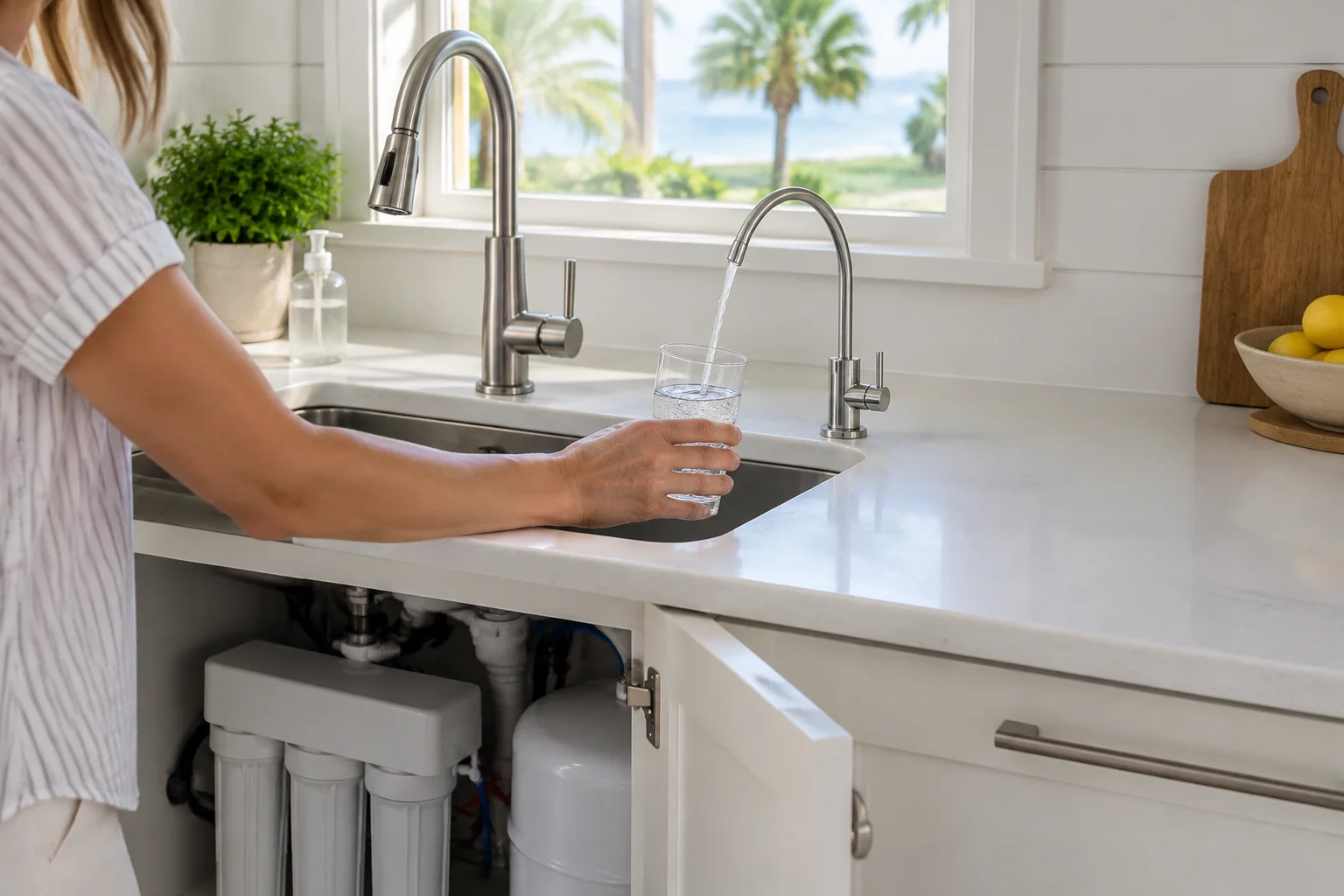
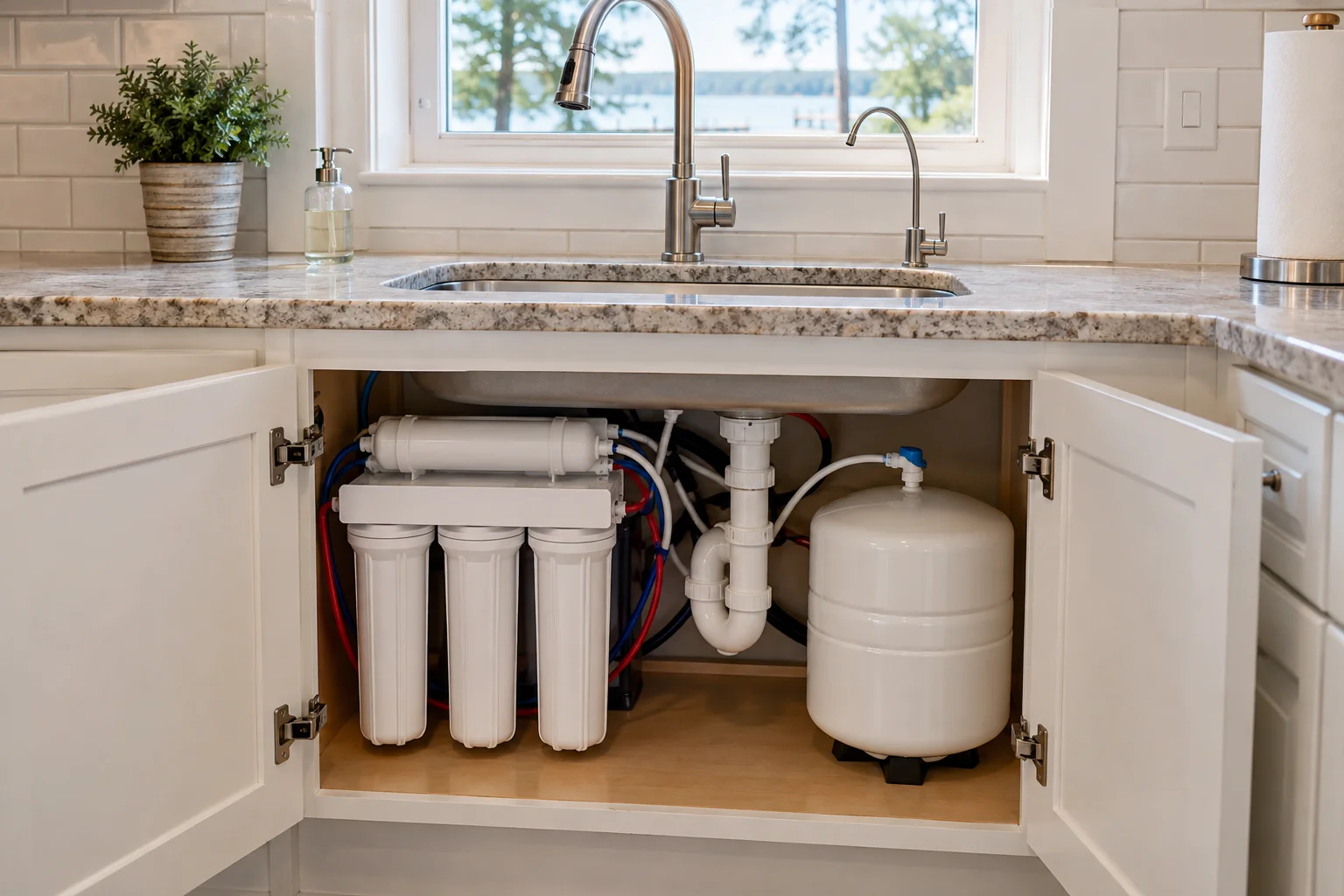
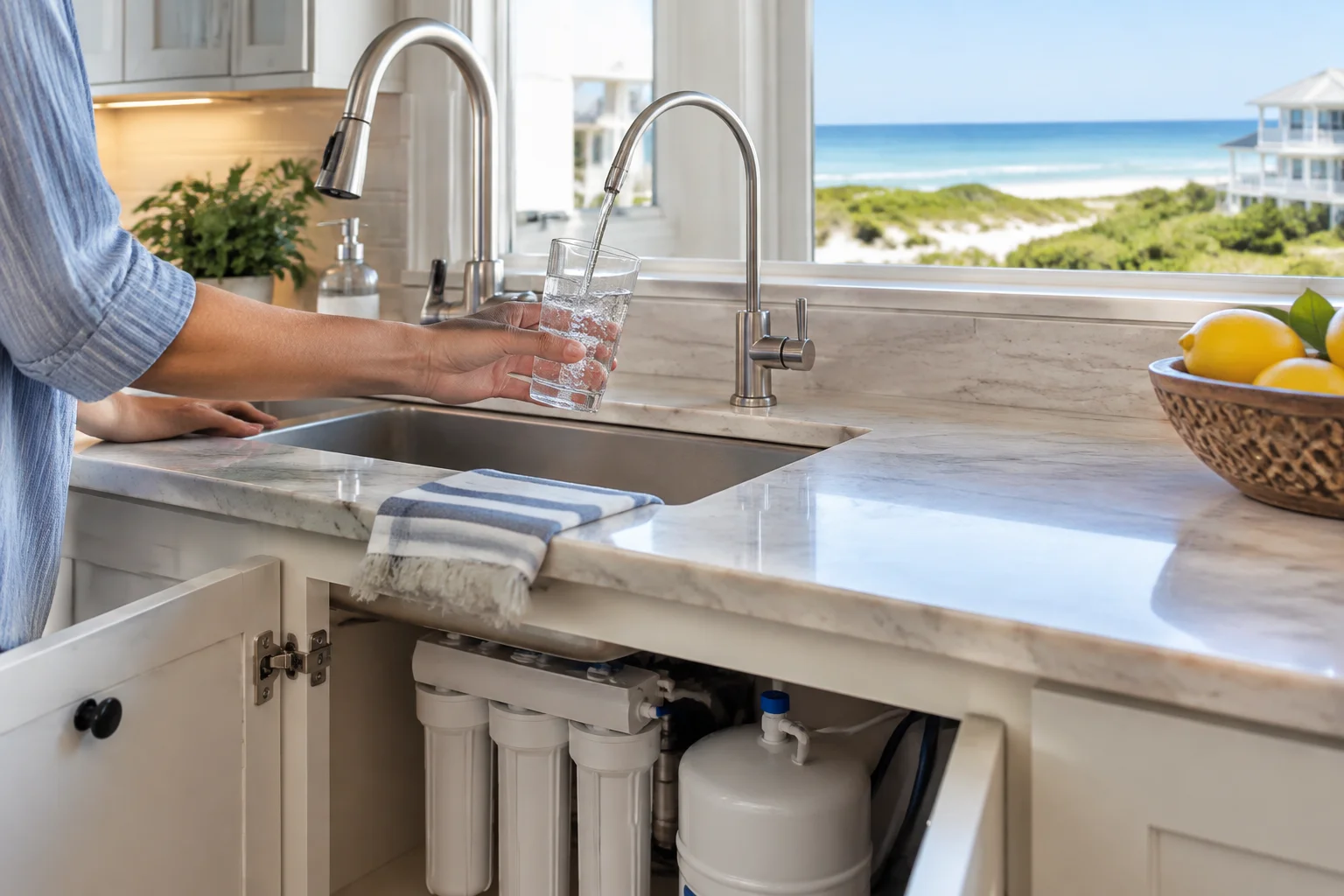
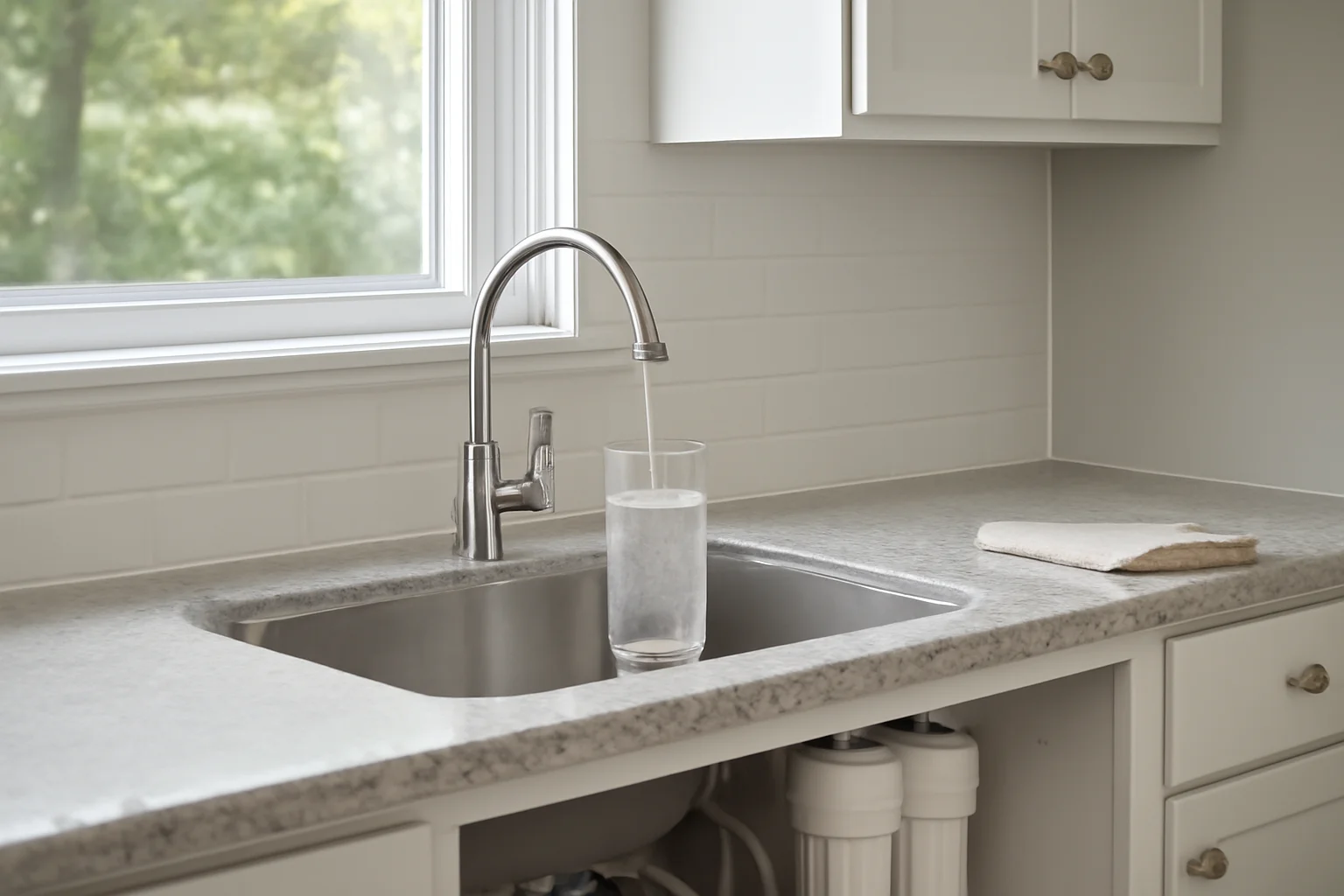
A reverse osmosis system can be an excellent choice for households focused on better water for drinking and cooking. It is often used at the kitchen sink to improve water taste, clarity, and overall water quality for drinking, coffee, and cooking.
If you have cloudy ice cubes or poor tasting coffee and cooking water, reverse osmosis is commonly part of the solution. It can also help when water quality concerns include sediment or taste and odor issues.
Whole home water filtration for cleaner everyday water
Whole home filtration supports whole home water filtration goals by addressing more than what you taste at the kitchen sink. It can help reduce sediment and protect fixtures and appliances from contaminants that contribute to discoloration or odor.
For homeowners searching for home water purification near me, it is helpful to think of filtration as the foundation and softening as the scale protection layer, depending on your water conditions.
AO Smith water filtration as part of a complete plan
Many Freeport homeowners ask about AO Smith water filtration because they want equipment designed for consistent performance. A Superior Mechanical can help evaluate your home’s needs and recommend a setup that fits your goals, including drinking water quality, sediment concerns, and whole-home protection.
For more on system options, visit /water-filtration-ro-water-softeners.
Seasonal and household routines that affect water softener performance
Water softeners are not affected only by hardness. Household routines and seasonal patterns can shift water use and regeneration needs.
Summer water use and outdoor routines
In warmer months, many families increase water use for showers, laundry, and sometimes outdoor activities. If your softener is set to a fixed schedule, increased usage can reduce its ability to fully regenerate in time.
More laundry, more load, more demand
When your family does more laundry, you may notice changes in how clothes feel and how laundry soap rinses. If soap does not lather and rinse well, it is a sign that your softening may be underperforming.
Vacation or low-usage periods
If the home sits unused for stretches, some systems regenerate based on usage patterns rather than time. That can lead to inconsistent performance when you return. Testing and professional system checks help keep performance stable.
Choosing the right maintenance schedule for Freeport homes
Some homeowners only think about service when a problem becomes obvious. A better approach is preventive maintenance that matches how your household uses water and how your system has been performing.
A Superior Mechanical can help you set a plan that may include:
- Periodic salt and brine tank checks
- Verification of regeneration settings
- Inspection of valves, lines, and connections for wear or leaks
- Water hardness testing to confirm performance
- Recommendations for upgrades when your system is aging
If you are planning upgrades or looking for water softener service near me that includes maintenance, start by exploring /service-areas/walton-county/freeport/water-softening-services-fwb-fpfl.
Protecting fixtures and appliances starts with correct water treatment
Scale buildup is not just an eyesore. It can reduce water flow, clog small components, and decrease efficiency. That is why the best water softening services focus on both current comfort and long-term protection.
Appliances that may be affected by hard water
When hard water is not controlled, you may see appliances wearing out faster, including:
- Water heaters
- Dishwashers and washing machines
- Ice makers
- Any appliance connected to hot or treated water lines
Homeowners who notice changes in water taste, cloudy ice, or sediment in household water often find that improving treatment supports both comfort and appliance protection.
Everyday kitchen scenes where better water shows up
Think about a typical Freeport morning. Someone pulls out a glass for orange juice, the kettle goes on for coffee, and the dishwasher runs after breakfast. When the water is properly treated, you are more likely to see clear ice cubes, better tasting beverages, and dishes that come out cleaner without heavy spotting.
For families, that means fewer re-washes, less time scrubbing, and water that feels “right” for drinking, cooking, and daily routines.
Bathroom and laundry routines that benefit from scale control
Better water changes what you notice during shower time and laundry day. Soap can lather and rinse better, and you spend less time removing mineral film from showerheads and fixtures. Laundry often looks and feels cleaner, and skin and hair may feel more comfortable after bathing.
When to call a professional for water softening and filtration
DIY checks are helpful, but some issues require proper testing and service. Call a professional if you notice persistent symptoms, system errors, or performance that does not match your expectations.
It is a good time to schedule water treatment service if you see:
- Scale buildup around faucets and showerheads that keeps returning
- Hard water spots on glass even after cleaning
- Soap does not lather or laundry does not rinse well
- Dry skin from hard water returning as a household complaint
- Cloudy ice cubes, sediment, or discoloration concerns
- Metallic, chlorinated, or unpleasant taste for drinking water
- Appliances wearing out faster than expected
Also consider professional help if you are planning a new system. A full evaluation helps determine whether you need water softening alone, whole home water filtration, reverse osmosis, or a combination. If you want to learn more about local service coverage, you can also view /service-areas/walton-county/freeport and /service-areas/walton-county.
Maintenance tips that help you get the most from your system
Small habits can make a meaningful difference between a system that performs well and one that struggles.
Use the system as intended
If your system has specific regeneration timing or settings, avoid changing them repeatedly without testing. Incorrect settings can cause under-softening or unnecessary regeneration.
Keep an eye on cleaning results
When water softening is working, you should gradually see fewer mineral spots. If your glassware, faucets, and shower surfaces start looking worse, treat that as a signal. It is often easier to service early than to wait until scale buildup causes bigger problems.
Match treatment to your goals
Softening helps with scale and comfort. If your priority is drinking water quality, consider pairing your system with a drinking water filter near me approach, such as reverse osmosis for the kitchen. This is especially relevant for homeowners noticing cloudy ice cubes, sediment, or taste and odor concerns.
How Freeport homeowners can plan upgrades over time
Water treatment needs change as your home ages. Fixtures wear, appliances get replaced, and household routines evolve. If your system is old, it may still run, but not at peak performance. That is when upgrades and system balancing become worthwhile.
If you want a deeper look at long-term performance, read How Water Softening Services Hold Up in Freeport Homes Over Time. If your concern includes what you notice during service visits or how homeowners can better prepare, see What Freeport Homeowners Often Miss During Plumbing Service Visits.
For homes dealing with older plumbing lines, it can also help to understand how water treatment and pipe health connect. Explore Why Professional Pipe Replacement Matters for Freeport Homes and Staying Ahead of Water Line Problems in Freeport Homes.
Local water treatment matters because Freeport life is water-heavy
Freeport homes often put water to work all day. Showers, laundry, dishwashing, cooking, and drinking water needs all stack up. When your water softening services are maintained and aligned with your water conditions, you protect fixtures and appliances and support everyday comfort.
That is why many homeowners choose a complete approach that may include water softening, whole home water filtration, and targeted reverse osmosis for drinking water. With the right plan, your home can move from visible scale and unpleasant taste to consistent, better water for drinking and cooking every day.
Find Water Softening Services in Freeport, FL
If you need Water Softening Services in Freeport, FL, visit our local service page or contact A Superior Mechanical today.
For a broader look at whole-home water filtration, reverse osmosis, and water softener options, visit our water filtration, RO, and water softener page.
Map of Freeport, FL
Frequently Asked Questions
How often should a water softener be serviced in a Freeport home?
Most homes benefit from periodic checks of salt level, regeneration settings, and system performance. If you notice scale buildup around faucets, soap does not lather, or dry skin from hard water returns, schedule service sooner. A Superior Mechanical can test hardness and confirm whether your system is regenerating correctly.
Can a water softener fix cloudy ice cubes and bad drinking water taste?
Water softeners primarily address hardness and scale. Cloudy ice cubes and unpleasant taste can involve sediment, odor, or other contaminants. Many Freeport homeowners improve drinking water quality by adding whole home water filtration and using reverse osmosis for the kitchen.
What causes hard water spots on glass even when the softener has salt?
Salt present is not always the same as salt being used properly. Common causes include low or bridged salt, incorrect regeneration settings, media depletion, or a valve or flow issue. Testing hardness and inspecting the system helps pinpoint the cause.
Do I need whole home water filtration if I already have a water softener?
Often, yes if you have concerns like visible sediment, discoloration, odor, or taste issues. Softening helps prevent scale, while filtration targets sediment and other contaminants. Many households use both so they get scale protection and cleaner everyday water.
How do I know whether reverse osmosis is right for my kitchen water?
If you want better water for drinking and cooking, especially when you notice metallic or chlorinated taste, cloudy ice cubes, or sediment concerns, reverse osmosis can be a strong option. A technician can evaluate your water conditions and recommend the right setup, including whether you should pair it with AO Smith water filtration or whole home filtration.
Related Articles
Photo Gallery