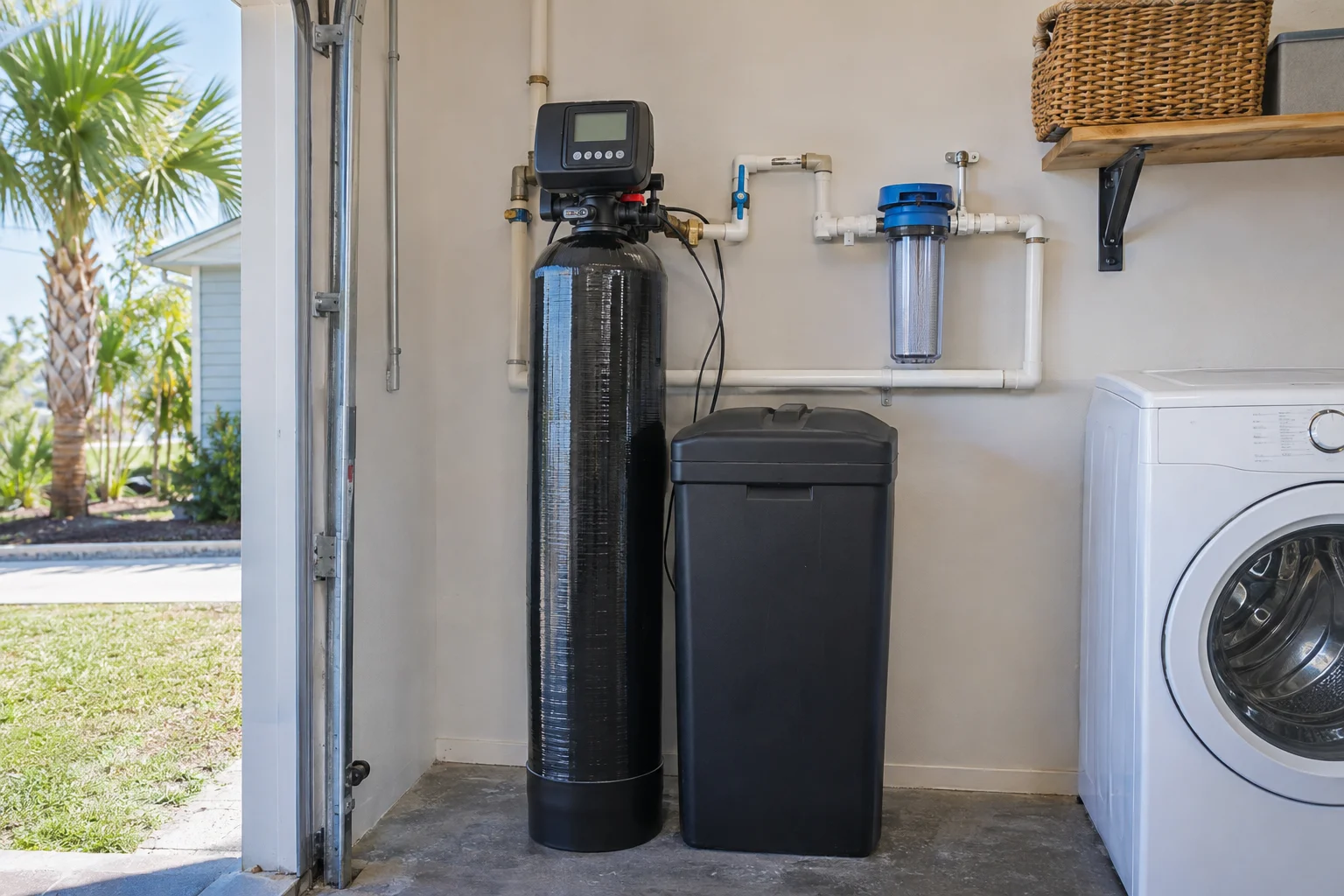
Water touches nearly every part of daily life, from the first cup of coffee in the morning to washing dishes after dinner and taking a shower before bed. When the water in your Freeport home leaves cloudy spots on glasses, creates stubborn mineral buildup, or tastes unpleasant, those small frustrations can quickly become part of your everyday routine.
For homeowners in Freeport, Florida, water quality concerns can show up in several ways. Some households notice white residue around faucets and showerheads. Others experience metallic tasting water, cloudy ice cubes, dry skin after bathing, or drinking water that simply does not taste fresh.
Professional water purification services in Freeport, FL can help identify the causes of these problems and match your home with an appropriate treatment solution. A Superior Mechanical provides customized water filtration, water softening, and purification options designed to make everyday water more enjoyable while helping protect household fixtures and appliances.
Why Water Quality Matters in Freeport Homes
Freeport sits in Walton County, where growing residential neighborhoods, established properties, and homes near Choctawhatchee Bay create a varied mix of household water needs. Some homes receive treated municipal water, while others may rely on private wells or different water supply arrangements.
These differences matter because water quality is not necessarily identical from one property to another. The mineral content, disinfectant residuals, sediment levels, and other characteristics of household water depend on its source, treatment history, and the plumbing system carrying it into the home.
Florida's warm, humid climate also makes household maintenance especially important. Showers, laundry, dishwashing, and outdoor cleanup are regular parts of life, and water quality can influence how efficiently those routines work.
For example, mineral deposits may accumulate on fixtures and inside water heating equipment. Sediment can collect in faucet aerators, while unpleasant tastes may discourage family members from drinking tap water.
Homeowners throughout Freeport can benefit from understanding what is actually in their water before choosing a filtration or treatment system.
Hard Water Spots on Glass, Dishes, and Fixtures
One of the most noticeable water quality complaints is the appearance of cloudy spots or white residue on glassware, dishes, and bathroom fixtures.
These marks are often associated with hard water, which contains elevated concentrations of dissolved minerals, particularly calcium and magnesium. When water evaporates, some of those minerals remain on the surface.
You might notice the problem when unloading the dishwasher. Glasses that should look sparkling clean instead appear cloudy. Silverware develops spots, and shower doors require frequent wiping to remove mineral residue.
Hard water can also leave deposits around bathroom sinks, kitchen faucets, and other frequently used fixtures. Although these minerals are not generally considered a health concern at typical drinking water concentrations, they can create persistent cleaning and maintenance problems.
Why Ordinary Cleaning Does Not Solve the Source
Removing hard water spots with appropriate cleaning products may improve the appearance of glass and fixtures, but cleaning does not change the mineral content of the incoming water.
If the source water remains hard, the deposits will continue returning.
A properly selected water softening system addresses hardness by reducing calcium and magnesium through an ion exchange process. This can make routine cleaning easier and reduce the formation of mineral scale throughout the home.
Scale Buildup Around Faucets, Showerheads, and Plumbing
Scale buildup on faucets is another indication that dissolved minerals may be affecting household water.
White, chalky deposits often appear around faucet openings, showerhead nozzles, and other places where water regularly evaporates. Over time, deposits can restrict small openings and reduce the performance of certain fixtures.
Mineral scale may also develop inside plumbing components and appliances that heat water. Water heaters, dishwashers, and washing machines can experience reduced efficiency or additional maintenance needs when significant scaling occurs.
Scale is not the only reason appliances wear out faster, but excessive mineral accumulation can contribute to performance problems and premature component failures.
For homeowners dealing with repeated buildup, professional water testing can help determine whether hardness treatment is appropriate.
Water quality is also connected to the condition of a home's plumbing system. Our article on better hot water and healthy plumbing in Freeport explores additional factors that can affect hot water performance.
Dry Skin, Dull Hair, and Soap That Does Not Lather Well
Water quality concerns are not limited to what you see on sinks and shower doors. They can also affect how bathing and cleaning feel.
Hard water reacts with certain soap ingredients, making it more difficult to produce a satisfying lather. The resulting soap residue can cling to surfaces, fabrics, and sometimes skin.
Homeowners may notice that shampoo does not rinse as easily, hair feels dull after washing, or skin feels dry and uncomfortable following a shower.
Many factors influence skin and hair condition, including bathing temperature, personal care products, and individual sensitivities. However, water hardness can contribute to the way soaps and shampoos perform.
Water softening may help reduce soap residue and improve the washing experience in homes with confirmed hardness problems.
How Softer Water Can Affect Laundry
The same mineral interactions that influence bathing can affect laundry.
When soap does not lather or rinse well, clothes and towels may feel stiff or retain detergent residue. Hardness minerals can interfere with cleaning performance, sometimes leading homeowners to use more detergent than necessary.
Reducing water hardness can improve detergent effectiveness and help limit mineral deposits in washing machines. Proper detergent dosing remains important, especially in high efficiency appliances.
For busy Freeport families, improvements in laundry performance can be one of the more practical benefits of properly treated water.
Metallic, Chlorinated, or Unpleasant Tasting Water
Drinking water should be pleasant enough that family members feel comfortable filling a glass directly from the kitchen faucet.
Unfortunately, some homeowners notice metallic, chlorinated, earthy, or otherwise unpleasant flavors.
These taste concerns can have different explanations. Chlorine taste may come from disinfectants used in municipal water treatment. Metallic flavors can sometimes be associated with iron, copper, or plumbing materials. Other tastes may result from naturally occurring compounds or changes in the water supply.
Taste alone cannot establish whether water is safe or unsafe. Some harmless substances create noticeable flavors, while certain potentially harmful contaminants have no detectable taste or odor.
That is why professional testing and a review of the water source are important before choosing treatment equipment.
Better Drinking Water for the Family Kitchen
Think about a typical evening in a Freeport kitchen. Someone fills a pot for pasta, another family member rinses vegetables, and a child reaches into the refrigerator for a glass of cold water.
If the tap water tastes unpleasant, those ordinary activities become less convenient. Families may rely on bottled water for drinking and cooking or use refrigerator filters that do not address every concern.
A properly selected drinking water filtration system can help improve taste and reduce specific contaminants, depending on the technology and its certifications.
For many households, better water for drinking and cooking is the primary reason to explore professional water purification services.
Cloudy Ice Cubes and Poor Tasting Coffee Water
Ice cubes and coffee often reveal water quality issues that are less noticeable when drinking plain tap water.
Cloudy ice cubes may result from trapped air, freezing conditions, or dissolved minerals. Cloudiness by itself does not prove that water is contaminated.
However, if ice has an unusual taste or odor, it may be worth checking the water supply, refrigerator filter, and ice maker.
Coffee and tea can also be affected by water chemistry. Chlorine flavors, excessive mineral content, or other taste producing substances may influence the finished beverage.
For households that enjoy brewing coffee every morning, improving the quality of cooking and drinking water can make a noticeable difference.
A dedicated drinking water filtration system or reverse osmosis system may be appropriate when testing identifies contaminants or dissolved substances that the selected equipment is designed to reduce.
Visible Sediment, Discoloration, and Water Odor Concerns
Visible sediment in water deserves attention, especially when it appears suddenly or repeatedly.
Sand, silt, rust particles, and other materials can enter household water through different sources. Private wells may experience sediment related to the well or surrounding conditions, while older plumbing components can sometimes release rust colored particles.
Brown, yellow, or reddish discoloration may indicate iron, disturbed deposits, corrosion, or another water quality issue.
Unusual odors also have multiple possible causes. A rotten egg smell, for example, can sometimes be associated with hydrogen sulfide or certain bacterial activity. Odors that occur only with hot water may involve different equipment or conditions than odors present at every faucet.
If water suddenly becomes discolored, develops a strong new odor, or contains unexpected sediment, avoid assuming that a standard household filter will solve the problem.
Contact your water utility if you receive municipal water, or arrange appropriate testing if you use a private well. Follow any official drinking water advisories, and use an alternative safe water source when necessary.
Choosing the Right Water Purification System
Not every Freeport household needs the same water treatment equipment. A home dealing primarily with hard water may require a different solution from one experiencing unpleasant drinking water taste or well water sediment.
A Superior Mechanical helps homeowners explore water filtration, reverse osmosis, and water softening solutions based on their water concerns and household needs.
Whole Home Water Filtration
Whole home water filtration treats water at a central point before it reaches multiple fixtures and appliances.
Depending on the system design and filter media, a whole house water filter may help reduce sediment, chlorine, or other specific substances.
This approach can be useful when concerns affect water throughout the house rather than only the kitchen sink.
Whole home water filtration does not automatically remove every contaminant, and standard filters do not necessarily soften water. Equipment selection should reflect actual testing results and treatment goals.
Reverse Osmosis for Drinking and Cooking Water
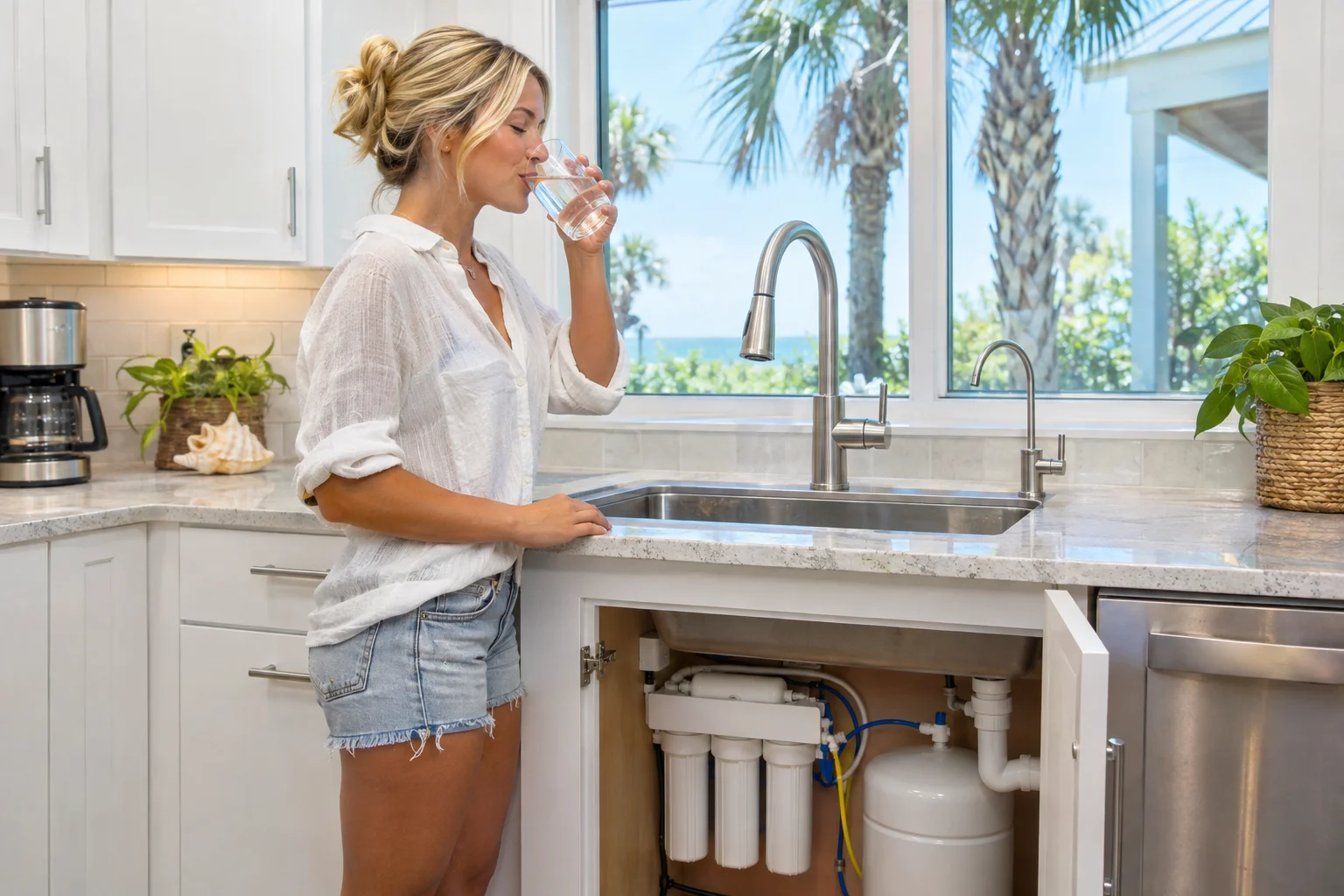
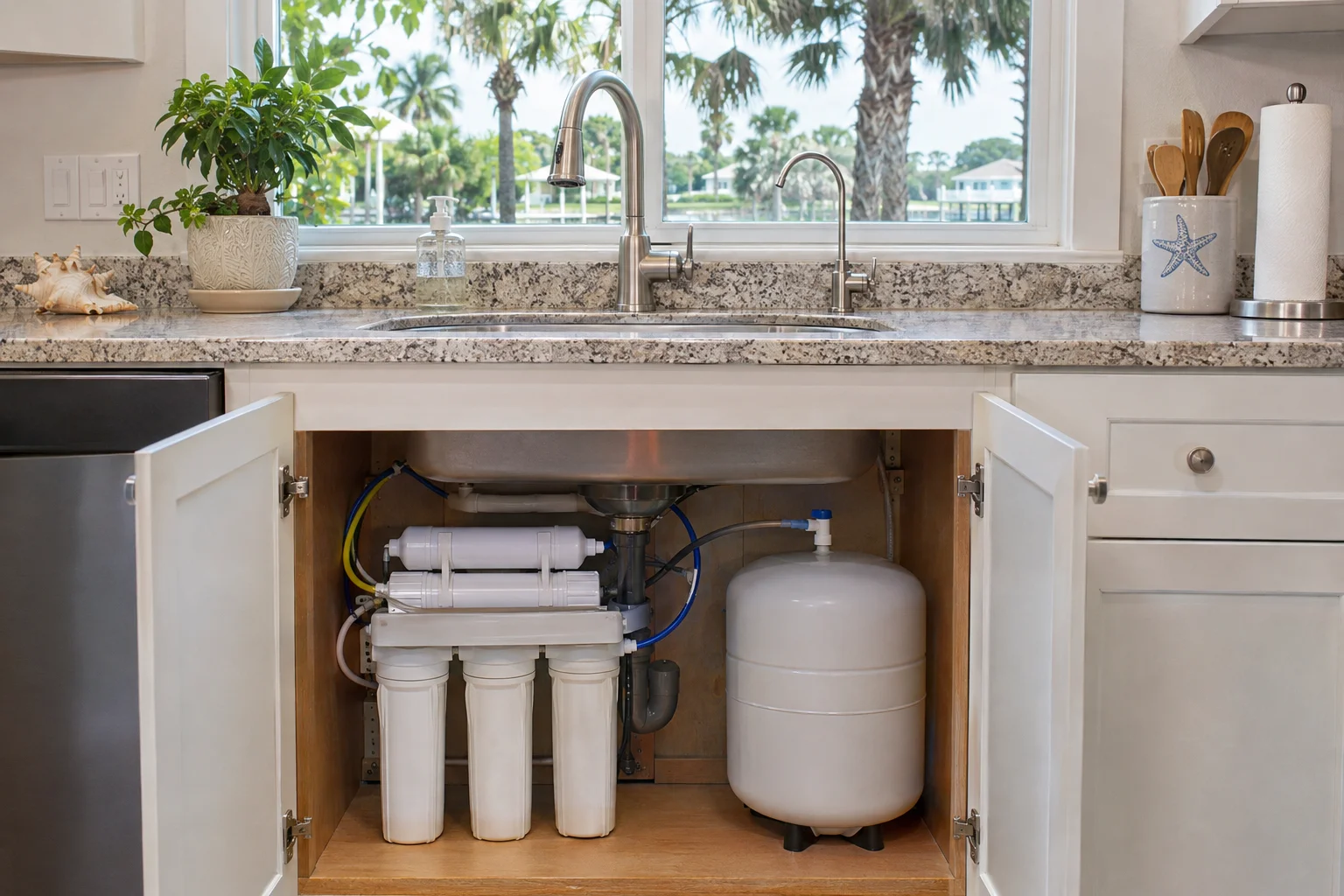
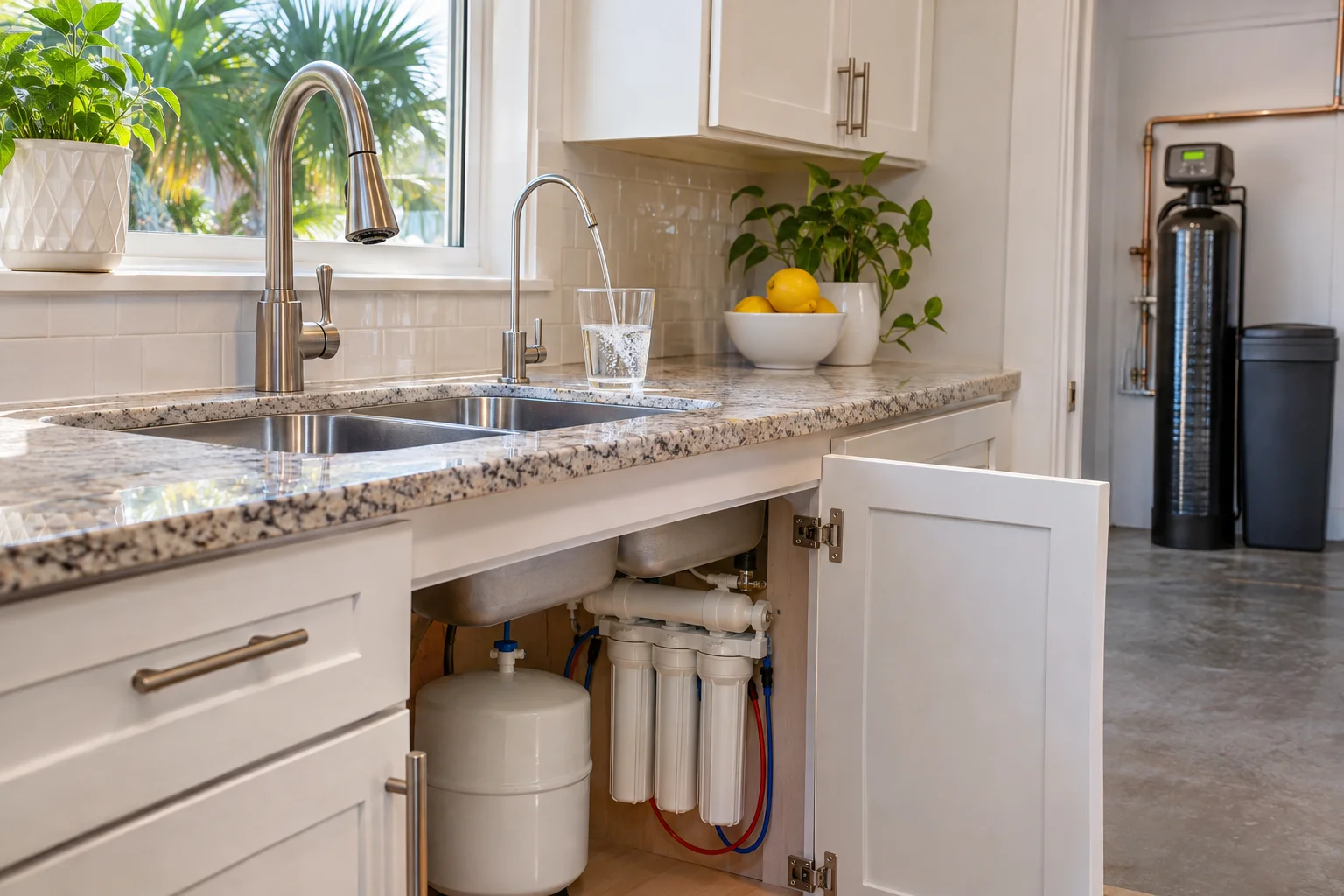
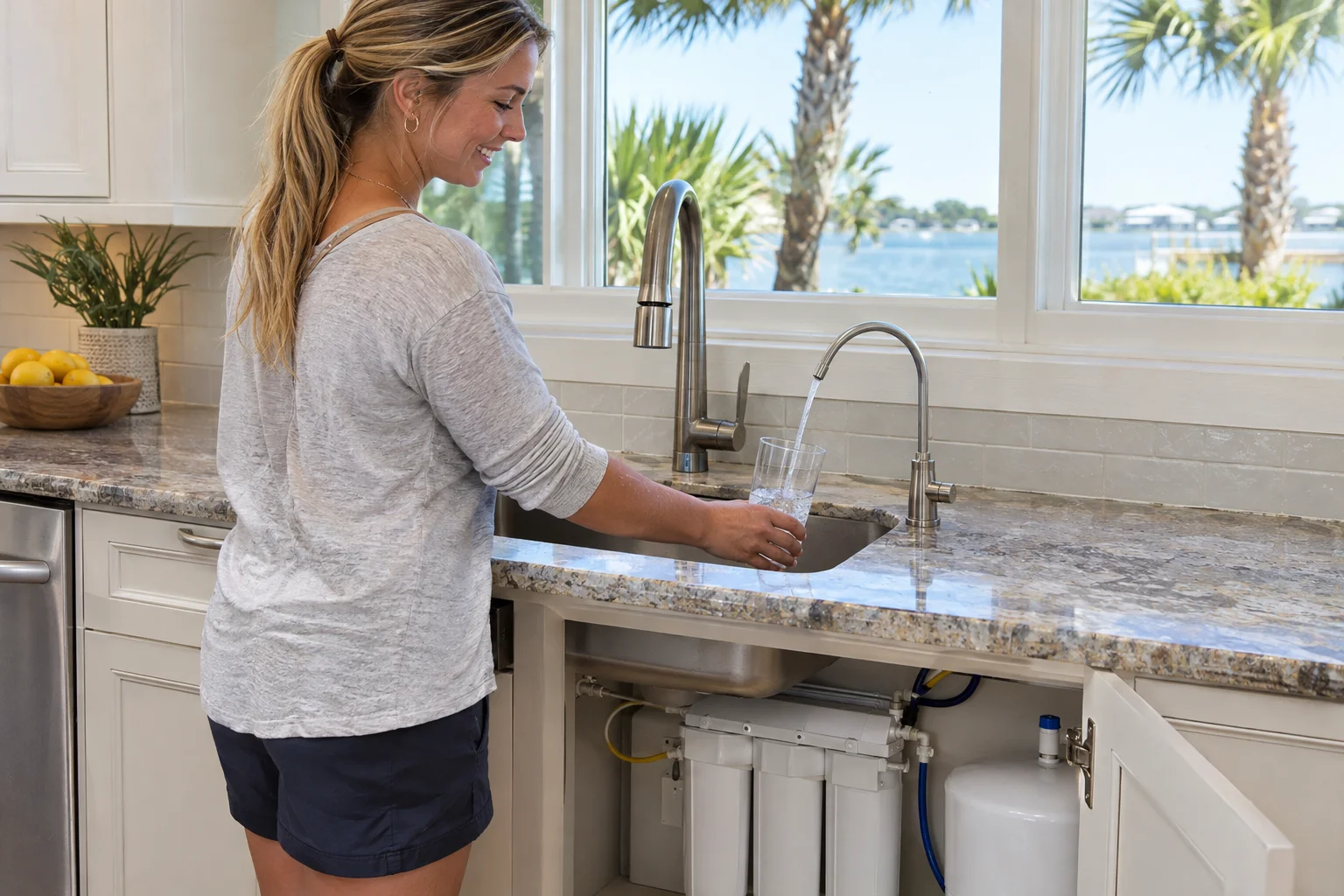
Reverse osmosis uses a specialized membrane to reduce many dissolved substances from water. Residential systems are commonly installed beneath a kitchen sink to provide treated water through a dedicated faucet.
Depending on the system's design and certifications, reverse osmosis can reduce certain dissolved minerals and contaminants that conventional carbon filtration may not effectively address.
Reverse osmosis installation can be particularly appealing for households focused on drinking water, cooking water, coffee, and ice preparation.
These systems require periodic filter and membrane maintenance. They also produce wastewater during treatment, so homeowners should consider water efficiency and ongoing operating requirements.
Water Softeners for Hardness and Scale
Water softeners specifically address calcium and magnesium hardness.
They are often recommended when water testing confirms elevated hardness and homeowners experience recurring mineral spots, scale buildup, or soap performance problems.
A water softener is not a substitute for comprehensive drinking water filtration. Many households benefit from combining hardness treatment with a separate filtration system when testing supports both needs.
AO Smith Water Filtration Options
AO Smith water filtration products are among the equipment options homeowners may encounter when researching residential water treatment.
Different AO Smith systems are designed for different applications, including drinking water filtration and whole home treatment.
The appropriate choice depends on the exact model, its verified contaminant reduction capabilities, household water demand, and installation requirements.
Homeowners interested in AO Smith water filtration should ask which products are suitable for their specific water conditions rather than selecting equipment based on brand recognition alone.
Why Professional Water Testing Comes First
Searching online for water treatment near me can produce dozens of equipment choices, but buying a filter before identifying the underlying problem may lead to unnecessary expense.
Professional water treatment begins with understanding the source water, reviewing the symptoms, and identifying which measurements or laboratory tests are appropriate.
For example, hardness testing helps determine whether a softener is useful. Sediment concerns may require inspecting filtration needs or investigating the water source. Suspected microbial or chemical contamination may require testing by a qualified laboratory.
Private well owners should be especially attentive to routine testing. The Florida Department of Health and other public health authorities provide guidance on drinking water testing, including testing for bacteria and contaminants relevant to local conditions.
Testing results help determine whether a treatment system can address the identified concern and whether the equipment carries appropriate performance certifications.
Keeping Water Treatment Equipment Working Properly
Even a well designed filtration system requires maintenance.
Sediment filters gradually collect particles and must be replaced according to system requirements and actual water conditions. Carbon filters have limited capacities, while reverse osmosis systems need scheduled filter changes and periodic membrane evaluation.
Water softeners require appropriate salt management when using salt based regeneration, along with occasional checks of settings and operating performance.
Neglected equipment can experience reduced flow, declining treatment effectiveness, or other operating problems.
Homeowners searching for water softener service near me should look for technicians who can evaluate the equipment, explain maintenance needs, and determine whether existing treatment is still appropriate.
When planning a kitchen renovation, laundry upgrade, or equipment replacement, it can also be helpful to consider future filtration access and installation space. Our Freeport kitchen and laundry remodeling guide discusses practical planning considerations, while our article on plumbing installation in Freeport homes covers additional household infrastructure decisions.
Local Water Treatment Service Makes a Difference
Water treatment decisions should reflect the home, the water source, and the problems residents actually experience.
A newer home connected to municipal water may have different needs from an established property with a private well. Even neighboring homes can experience different symptoms because of plumbing materials, filtration equipment, or water use patterns.
Working with a local provider also makes it easier to discuss practical installation details, replacement filter schedules, and future service needs.
A Superior Mechanical provides professional water purification services for Freeport homeowners, including customized treatment options for drinking water, household filtration, water softening, and well water concerns.
The company also serves customers throughout Walton County, helping homeowners explore equipment that fits their property and water quality goals.
Give Everyday Water the Attention It Deserves
Water quality affects much more than the appearance of a drinking glass. It influences how dishes rinse, how showers feel, how laundry comes out, and how appliances perform over time.
Persistent hard water spots, scale around fixtures, strange tastes, unpleasant odors, or visible sediment are all good reasons to investigate your household water.
For Freeport families, the goal is not simply installing another piece of equipment. It is identifying the actual water problem and choosing a solution that provides cleaner water for everyday life without unnecessary complexity.
If you are considering whole home water filtration, reverse osmosis installation, or water softener service, contact A Superior Mechanical to discuss your concerns. A water quality evaluation can help determine which treatment options make sense for your Freeport home and how to maintain them for dependable performance.
Find Water Purification Services in Freeport, FL
If you need Water Purification Services in Freeport, FL, visit our local service page or contact A Superior Mechanical today.
For a broader look at whole-home water filtration, reverse osmosis, and water softener options, visit our water filtration, RO, and water softener page.
Map of Freeport, FL
Frequently Asked Questions
What causes hard water spots on dishes and faucets in Freeport, FL?
Hard water spots are commonly caused by dissolved calcium and magnesium minerals left behind when water evaporates. These minerals can create cloudy marks on glassware, white deposits around faucets, and scale on showerheads. Water hardness varies by supply and property, so testing is the best way to confirm whether a water softener would help.
Is whole home water filtration better than a reverse osmosis system?
Neither option is automatically better because they address different needs. Whole home water filtration treats water entering multiple household fixtures and may reduce sediment, chlorine, or other substances depending on the equipment. Reverse osmosis systems are commonly used to improve drinking and cooking water at a specific faucet. Some Freeport homeowners benefit from using both systems together.
Can a water softener remove bad tastes and odors from drinking water?
A conventional water softener primarily reduces calcium and magnesium hardness. It is not designed to remove most substances responsible for unpleasant tastes and odors. If your water smells strange or tastes metallic or chlorinated, testing can help identify whether carbon filtration, reverse osmosis, or another treatment method is appropriate.
How often should water filtration systems be serviced?
Maintenance depends on the type of system, water quality, household water consumption, and manufacturer recommendations. Sediment and carbon filters require periodic replacement, reverse osmosis membranes need monitoring, and water softeners require routine operating checks. A Superior Mechanical can help Freeport homeowners understand the maintenance requirements of their water treatment equipment.
Does A Superior Mechanical provide water purification services for well water homes in Freeport?
Yes. A Superior Mechanical provides customized water purification services for homes and businesses in Freeport and surrounding Walton County communities, including properties with private well water concerns. Because well water conditions vary, appropriate testing is important before selecting sediment filtration, water softening, reverse osmosis, or other treatment equipment.
Related Articles
Photo Gallery