Pretty Bayou summers bring real heat, high humidity, and salty coastal air that can wear down HVAC systems faster than homeowners expect. When your air conditioner is struggling, the problem often starts small: airflow that seems a little weaker, a thermostat that feels “off,” or a condensate drainage issue that only shows up after the first long hot stretch. A planned air conditioning inspection in Pretty Bayou, FL is one of the most practical ways to protect comfort and reduce the chances of an expensive breakdown.
This guide walks through what a professional inspection should cover, the common causes of AC problems in coastal Bay County, and the preventive steps homeowners can take between service visits.
Why inspections matter more in Pretty Bayou than in milder climates
Air conditioning systems are designed to cool and dehumidify, but Florida weather adds pressure. In Pretty Bayou, your system may be running longer cycles to keep indoor humidity in check. The combination of heat and moisture affects multiple parts of the HVAC system, including airflow performance, condensate drainage, and how refrigerant systems behave under load.
Coastal exposure adds another layer. Salt air can contribute to corrosion on outdoor components, and the outdoor unit can collect marine residue along with pollen and debris. Over time, this can reduce heat transfer efficiency and lead to symptoms that feel like “the unit is working but not cooling enough.”
That is why homeowners searching for air conditioning inspection near me often get the best results from a local HVAC service that understands how these conditions show up in real homes.
What a real air conditioning inspection should check
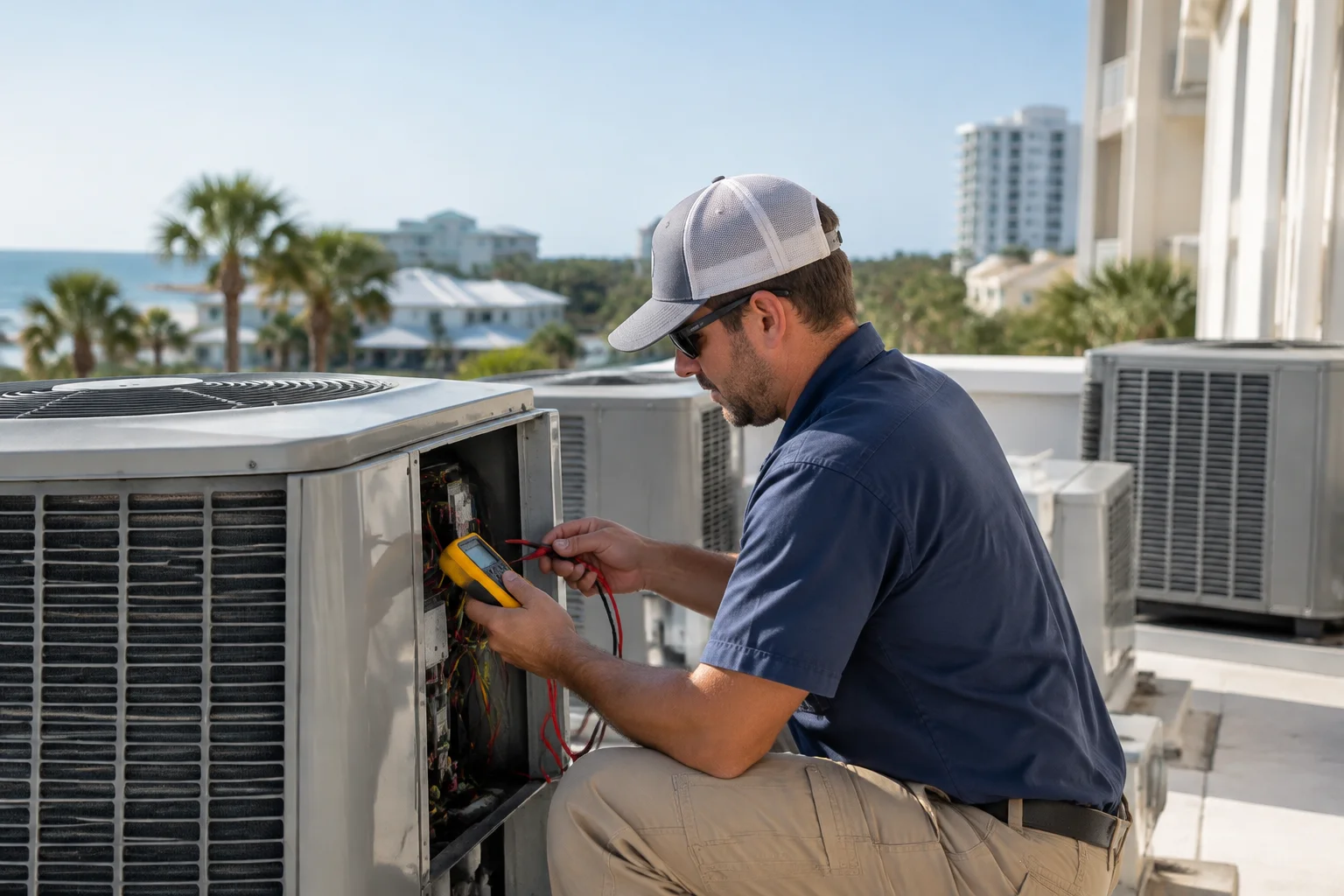
An inspection is not just a quick look or a basic thermostat check. A thorough evaluation focuses on cooling performance, indoor comfort, and the health of key HVAC components. While every home is different, a professional inspection typically includes these areas.
1) Airflow and ductwork conditions
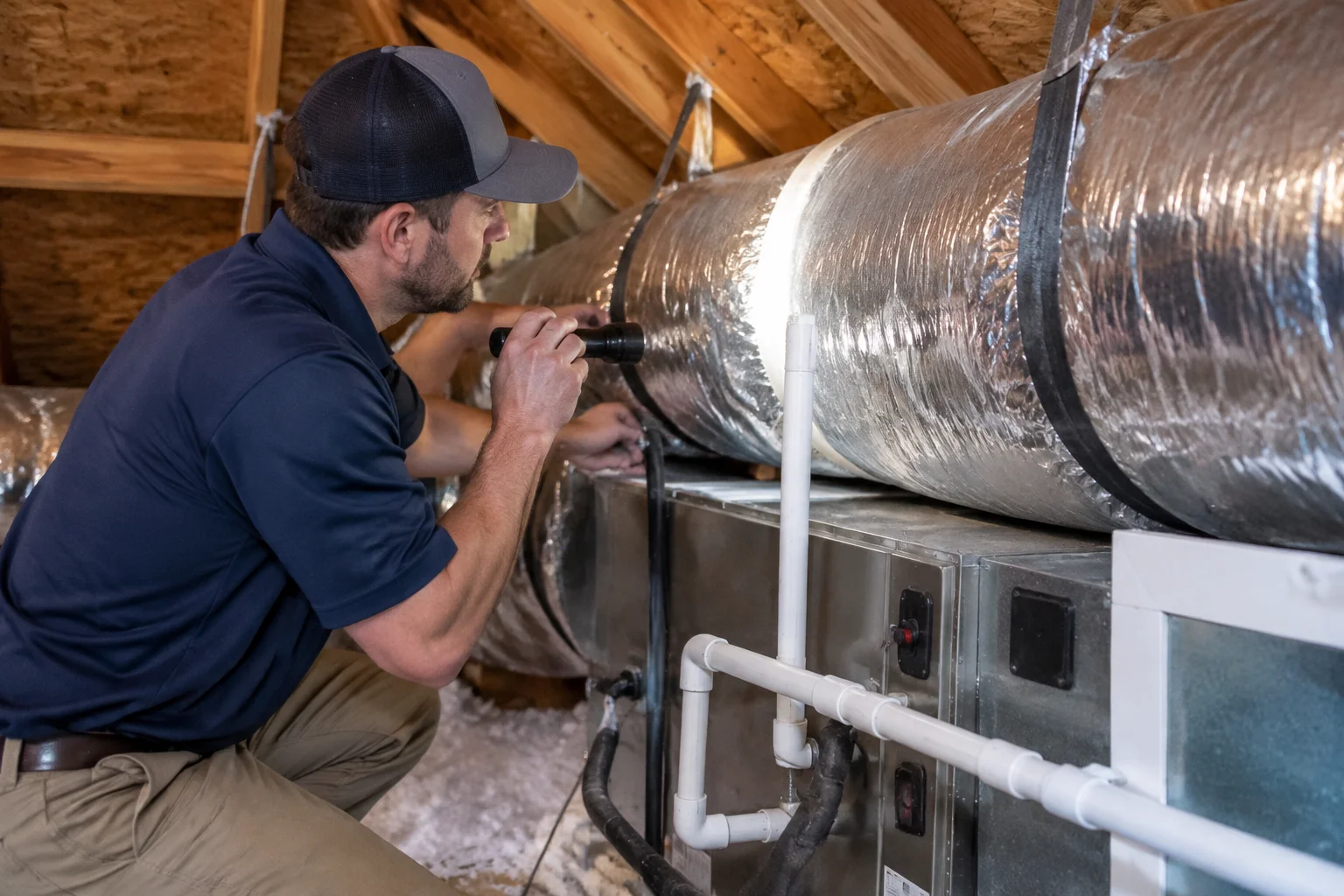
Even if your outdoor unit is operating correctly, weak airflow can prevent the system from cooling efficiently. During an inspection, the technician should evaluate airflow across the system and look for obvious airflow restrictions. This may include checking supply and return air pathways, assessing whether air is moving where it should, and identifying ductwork issues that can lead to temperature differences from room to room.
If your home has older ducts, leaks, or poor duct sealing, you may notice uneven comfort, higher humidity, or rooms that never feel “quite cool.” Homeowners often benefit from reviewing ductwork services and related maintenance guidance, especially before peak cooling season.
For households dealing with dust, odors, or allergy triggers, it can also connect to indoor air quality. If you are exploring air filtration and purifiers, an inspection helps determine whether the airflow and system operation are supporting those improvements.
2) Indoor comfort and thermostat behavior
Thermostats control more than temperature. They influence how the system cycles and how well it manages humidity. During an inspection, a technician should verify thermostat settings, confirm the system is responding properly, and review how your thermostat is controlling cooling and fan operation.
If your home feels warm even when the thermostat is set correctly, it can be caused by airflow issues, improper refrigerant performance, or a system that is struggling to remove humidity. A careful inspection treats these as connected comfort problems rather than guessing.
If you have a newer home and modern heating control systems, it can also help to read how modern homes in Pretty Bayou get more from heating control systems, since better control often improves comfort consistency.
3) Refrigerant system health, with safe evaluation
Refrigerant is central to how an air conditioner removes heat from your home. When refrigerant performance is off, cooling capacity and dehumidification suffer, and the system can work harder to compensate.
However, homeowners should avoid attempting to self-diagnose refrigerant issues. Refrigerant work requires professional equipment and safe handling. A technician should evaluate system performance based on observed operation and measurement methods appropriate for the unit type. If refrigerant concerns are suspected, the next step is an in-person professional evaluation, not a DIY “top off.”
4) Condensate drainage and moisture management
When air conditioning runs, it removes moisture from indoor air. That moisture drains through a condensate drainage pathway. In humid Florida conditions, condensate drainage problems can become more noticeable and more damaging.
During an inspection, a technician should look for signs of drainage restriction, standing water, or conditions that can lead to overflow or moisture problems near equipment. If condensate drainage is not functioning as intended, it can contribute to indoor humidity issues and can increase the risk of water-related damage over time.
Because this topic connects directly to comfort and humidity control, it is also worth pairing inspections with maintenance habits that support cooling performance. If you want a seasonal routine, see Keeping Pretty Bayou Cool: A Homeowner’s Guide to Air Conditioning Maintenance That Works With the Coast.
5) Outdoor unit condition, airflow, and corrosion risk
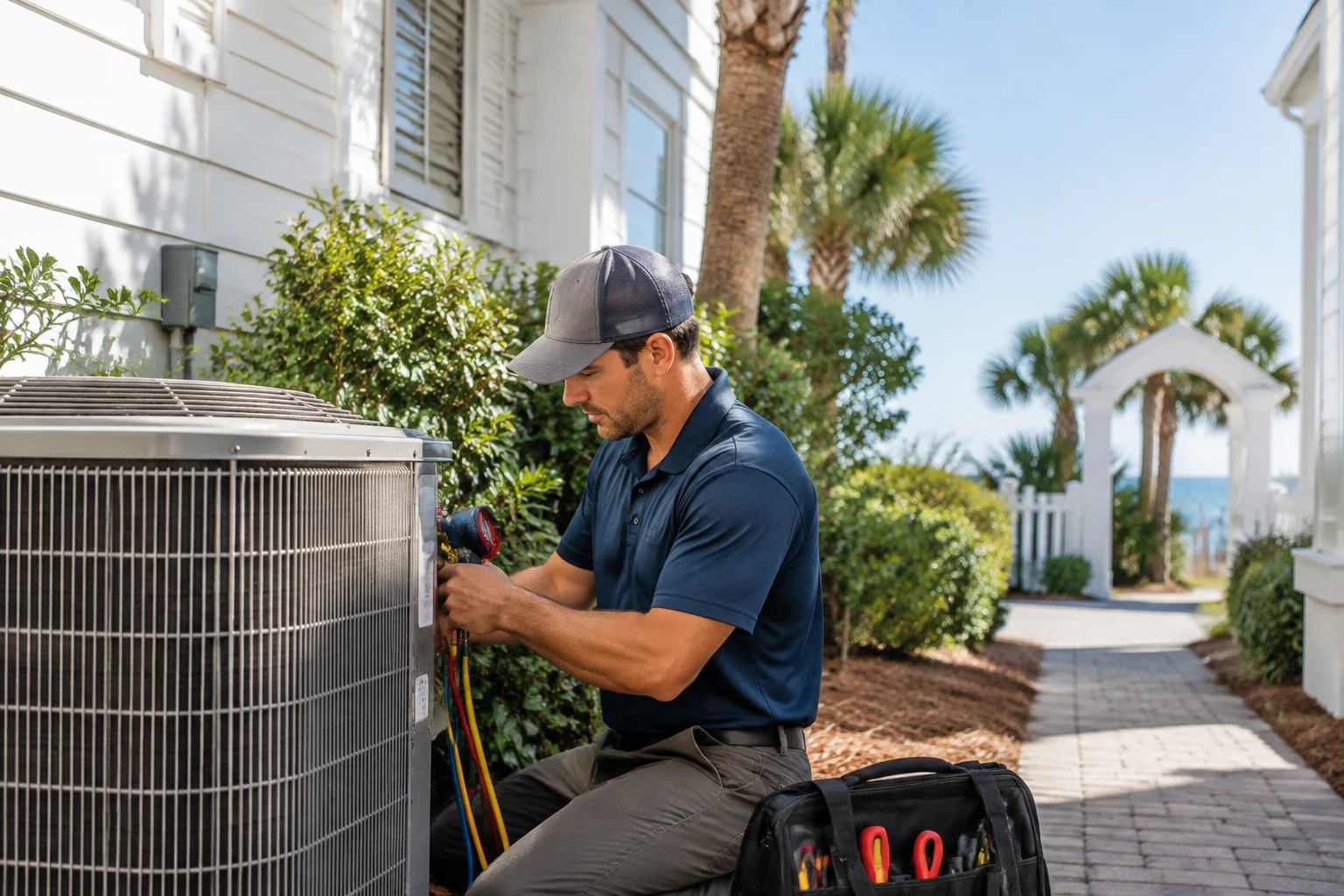
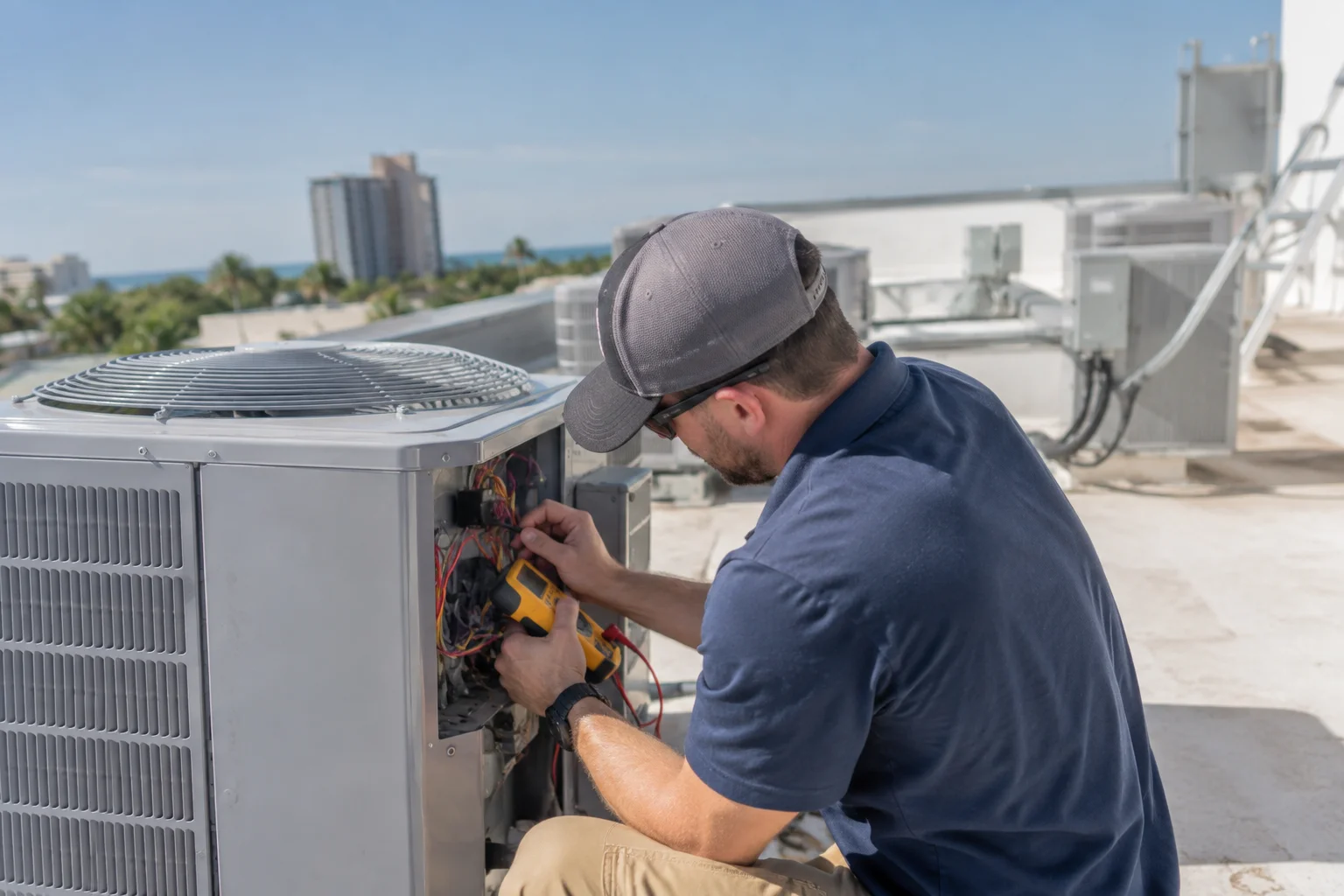
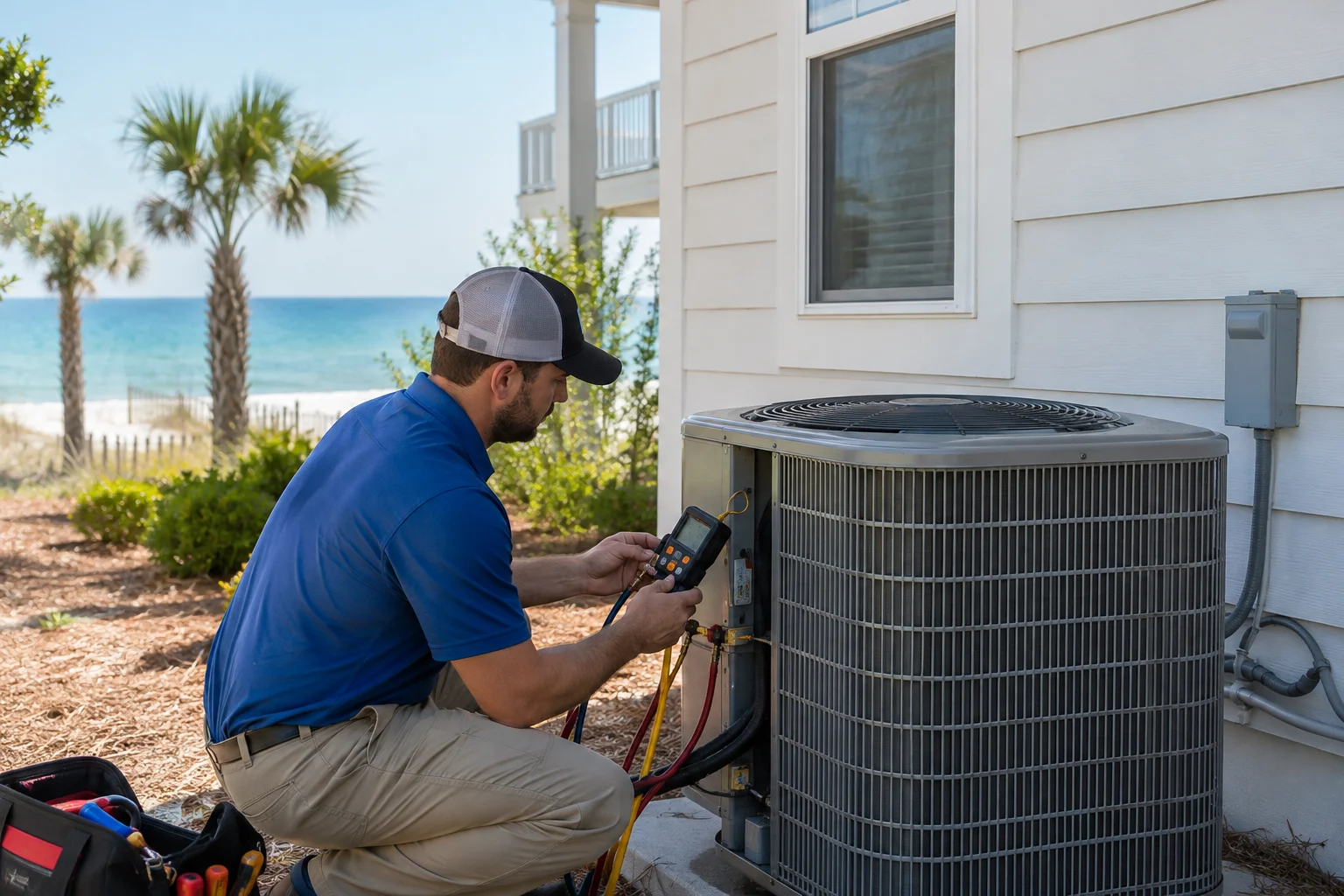
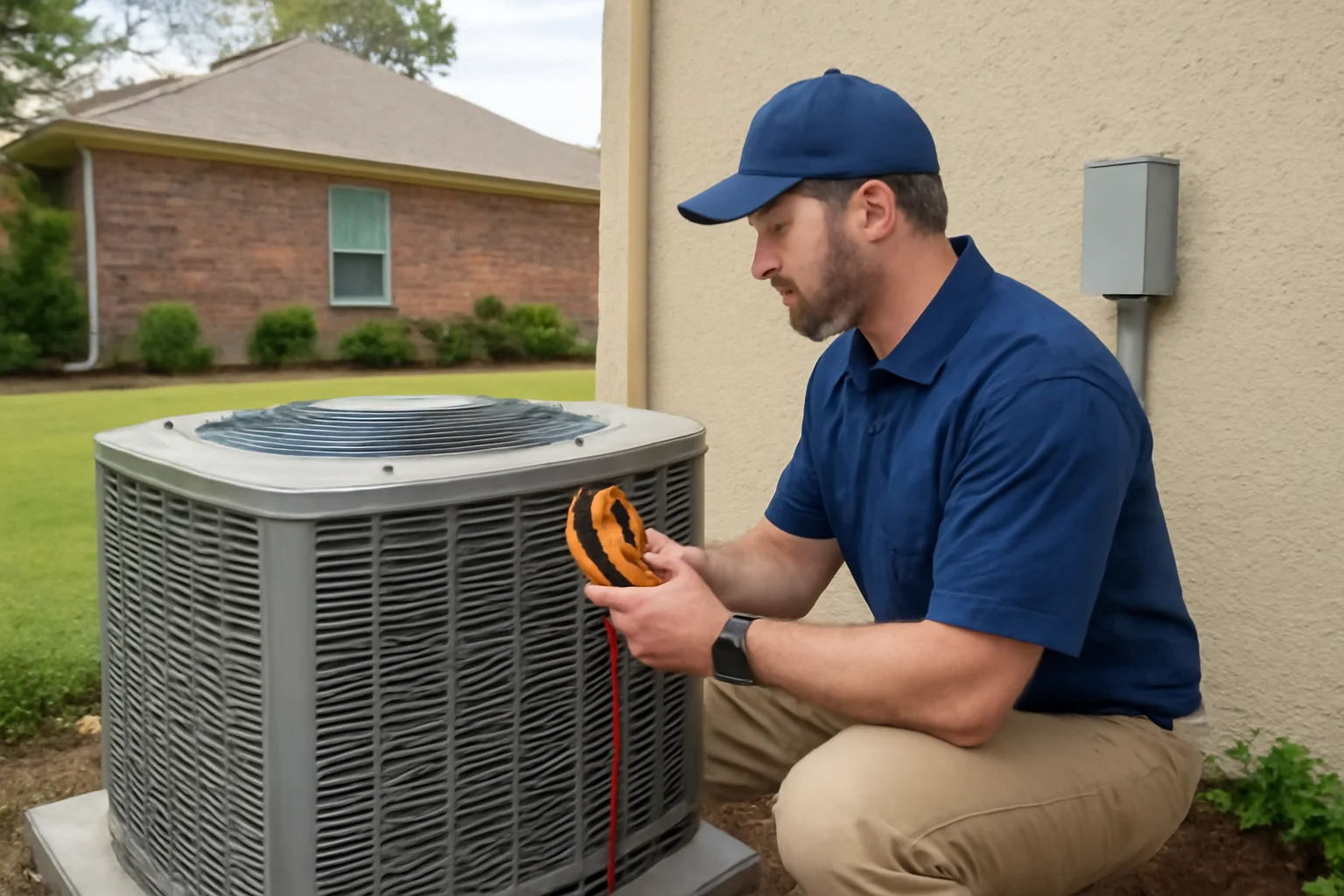
Outdoor components have to reject heat outside, and they are constantly exposed to Florida conditions. During an inspection, the technician should assess the outdoor unit for debris buildup, airflow obstruction, and signs of corrosion or wear. Salt air and humidity can accelerate deterioration, especially on metal surfaces and connections.
Homeowners can help by keeping the area around the unit clear, but a professional inspection is what identifies whether buildup or corrosion has reached a point where performance is affected.
6) Energy use and system cycling behavior
When an air conditioner is not operating efficiently, energy use often rises. You may notice higher electric bills, longer run times, or frequent cycling that does not match the indoor load. Inspection should include a review of operating patterns and comfort outcomes, since these are often clues that the system is struggling with airflow, heat transfer, or moisture removal.
While energy use depends on many factors, persistent comfort problems together with rising costs are a reason to schedule an inspection rather than waiting for a failure.
Common causes of AC problems in Pretty Bayou homes
Many HVAC issues in Bay County follow predictable patterns. Here are some of the most frequent causes that show up during inspections.
Dirty or restricted airflow paths
Clogged filters, blocked returns, and ductwork restrictions can reduce airflow. Reduced airflow can cause the system to run longer, feel like it is “barely cooling,” and struggle with humidity removal. If you are already thinking about duct cleaning, it is best to start with an inspection first so the technician can confirm what is actually affecting airflow.
Condensate drainage issues during humid stretches
When condensate drainage is restricted, indoor humidity can rise and the system can develop recurring performance problems. Over time, moisture exposure can affect nearby components and create additional headaches that are harder to resolve.
Outdoor unit performance problems from coastal exposure
Salt air and humidity can contribute to corrosion and buildup on outdoor components. When heat transfer decreases, the system may not cool as effectively, especially during the hottest parts of the day.
Thermostat settings and control behavior that do not match real comfort needs
Sometimes the HVAC system is fine, but the thermostat strategy is not. For example, fan settings and scheduling can affect how often the system runs and how well it dehumidifies. An inspection can help you verify that your thermostat installation and settings are supporting comfort goals.
Wear and tear that shows up as “small” symptoms
Loose connections, worn components, or gradual performance decline can begin with minor symptoms. Homeowners often ignore these because the unit still runs. An inspection is how those early warning signs get turned into a maintenance plan.
Signs your AC needs an inspection before it becomes expensive
Not every symptom means a major repair is coming, but these are common cues that an inspection can prevent escalation.
- Cooling feels weaker, especially on the hottest afternoons.
- Humidity feels higher indoors, even when the temperature is set correctly.
- Frequent cycling or long run times without reaching comfort goals.
- Uneven temperatures between rooms, which can point to ductwork or airflow issues.
- Water around indoor equipment or signs of moisture near the system.
- Strange noises or odors during operation.
- Thermostat behavior seems inconsistent, such as unexpected fan operation or odd temperature swings.
If you are searching for AC repair near me because the unit is not performing, consider scheduling an inspection first. A careful inspection often identifies the real cause and helps determine whether repair, preventive maintenance, or other service is appropriate.
How preventive HVAC maintenance reduces “emergency cooling” stress
In coastal Florida, waiting until the system stops working can be risky. Extreme heat and humidity can make any cooling delay feel urgent, and emergency cooling concerns often come with higher stress and less time to compare options.
Preventive HVAC maintenance supports:
- More consistent airflow so the system can cool and dehumidify as designed.
- Better moisture control by keeping condensate drainage functioning correctly.
- Improved system efficiency by addressing restrictions and performance decline early.
- Earlier detection of issues that can lead to breakdowns.
If you want a maintenance approach that fits the coast, this is a good starting point: Keeping Pretty Bayou Cool. For homeowners focused on the airflow side of performance, ductwork services can also help you understand what to watch for.
What about heat pumps, ductless systems, and replacement decisions?
Some Pretty Bayou homes rely on heat pumps, ductless mini split systems, or mixed setups. The inspection principles are similar: verify airflow, moisture management, thermostat control behavior, and safe refrigerant system evaluation when relevant.
For homeowners searching for heat pump service or ductless mini split installation near me, inspections still matter because system performance depends on correct airflow and proper commissioning. If you are evaluating whether your system is approaching replacement, an inspection can clarify what is worn, what is restricted, and what is still operating within expected performance ranges.
It is also important not to assume replacement is the right move based on a symptom alone. Refrigerant diagnosis and equipment replacement decisions should be made after an in-person professional evaluation.
For homes with duct-related issues, it may also help to review ductwork services so you can understand how airflow changes can affect comfort and energy use.
Choosing a local HVAC company for inspection in Bay County
When homeowners look for a licensed HVAC contractor near me, they are usually trying to avoid the cycle of repeated callbacks. The best inspection experience comes from a company that:
- Understands how Florida heat, humidity, and salt air impact cooling performance.
- Checks airflow, ductwork impacts, thermostat behavior, and condensate drainage as part of a connected system review.
- Uses safe, professional methods for evaluating refrigerant system performance and does not pressure you into decisions without proper assessment.
- Communicates clearly about what needs attention now versus what can be planned for later.
A Superior Mechanical provides professional air conditioning inspection in Pretty Bayou, FL designed to support reliable comfort, better efficiency, and long term HVAC protection in Bay County. If you want to browse more about the service area coverage, you can also visit the Pretty Bayou page and the Bay County page.
Simple homeowner steps that support inspection results
While professional service is essential, you can help your system perform better between inspections.
Keep filters clean and airflow paths open
Replace or clean filters as recommended by your system. Make sure return vents are not blocked by furniture, curtains, or storage. These steps support airflow, which is a major driver of cooling performance.
Watch the condensate drainage area
During humid stretches, pay attention to signs of moisture or water where it should not be. If you notice standing water or dampness, schedule service rather than waiting.
Use thermostat settings that support dehumidification
Set a realistic temperature and avoid constant large swings. If you are unsure about fan settings or schedules, ask your HVAC technician during an inspection. If you have a newer control setup, it can also help to review how modern homes in Pretty Bayou get more from heating control systems.
Plan before peak heat
Scheduling an inspection before the hottest weeks gives you time to address airflow, ductwork, indoor air quality needs, and comfort issues without the pressure of a full emergency.
Frequently overlooked indoor air quality connections
Homeowners often associate AC problems with temperature only, but indoor air quality can be affected by how the system runs and how much air it moves. If your home feels stuffy, dusty, or uncomfortable during cooling season, the inspection can help connect system operation to air quality outcomes.
Depending on what is found, the technician may recommend airflow improvements, filtration upgrades, or testing. If you are exploring indoor air quality services, consider indoor air quality testing to better understand what is affecting your home.
For coastal homes, balancing comfort, humidity, and airflow is often the difference between a system that runs and a system that actually protects your indoor environment.
When to call for an inspection in Pretty Bayou
Call for an inspection when you notice performance changes, moisture concerns, or comfort inconsistencies. It is also smart to schedule preventive HVAC maintenance even if the system seems to be working, especially before the hottest stretches.
If you are actively searching for HVAC maintenance near me or air conditioning inspection near me, prioritize a local inspection that treats cooling, airflow, humidity control, and condensate drainage as a system. That is the best way to avoid surprises when the weather turns brutal and the cooling load spikes.
For homeowners who want coastal-ready guidance on equipment performance and comfort, it can also help to review A Pretty Bayou Homeowner’s Guide to Air Conditioning Systems That Handle Coastal Florida.
Find Air Conditioning Inspection in Pretty Bayou, FL
If you need Air Conditioning Inspection in Pretty Bayou, FL, visit our local service page or contact A Superior Mechanical today.
Map of Pretty Bayou, FL
Frequently Asked Questions
How often should Pretty Bayou homeowners schedule an air conditioning inspection?
Many homeowners schedule an inspection before the hottest months, then follow a preventive HVAC maintenance plan based on system age, usage, and performance. A local inspection can help you set a realistic schedule for your home in Bay County.
Can a routine inspection prevent AC breakdowns during Florida heat and humidity?
It can. Inspections focus on airflow, condensate drainage, thermostat control behavior, and overall system performance. Catching small issues early helps reduce the chances of emergency cooling concerns later in the season.
What are common causes of weak cooling in coastal Pretty Bayou homes?
Weak cooling is often linked to restricted airflow, ductwork problems, outdoor unit performance issues from salt air exposure, or refrigerant system performance concerns. An in-person evaluation is needed to determine the actual cause.
Should I try to diagnose refrigerant issues myself?
No. Refrigerant diagnosis and any refrigerant-related work require professional tools and safe handling. If your inspection suggests refrigerant system concerns, the next steps should be decided after an in-person professional evaluation.
How does ductwork affect air conditioning inspection results?
Ductwork affects airflow, comfort balance, and humidity control. During an inspection, airflow and duct-related conditions are evaluated so the technician can understand whether temperature complaints are caused by the AC unit, ductwork, or both.
Related Articles
- What Pretty Bayou Homeowners Should Know About Ductwork Services
- A Pretty Bayou Homeowner’s Guide to Air Conditioning Systems That Handle Coastal Florida
- How Modern Homes in Pretty Bayou Get More from Heating Control Systems
- Keeping Pretty Bayou Cool: A Homeowner’s Guide to Air Conditioning Maintenance That Works With the Coast
Photo Gallery