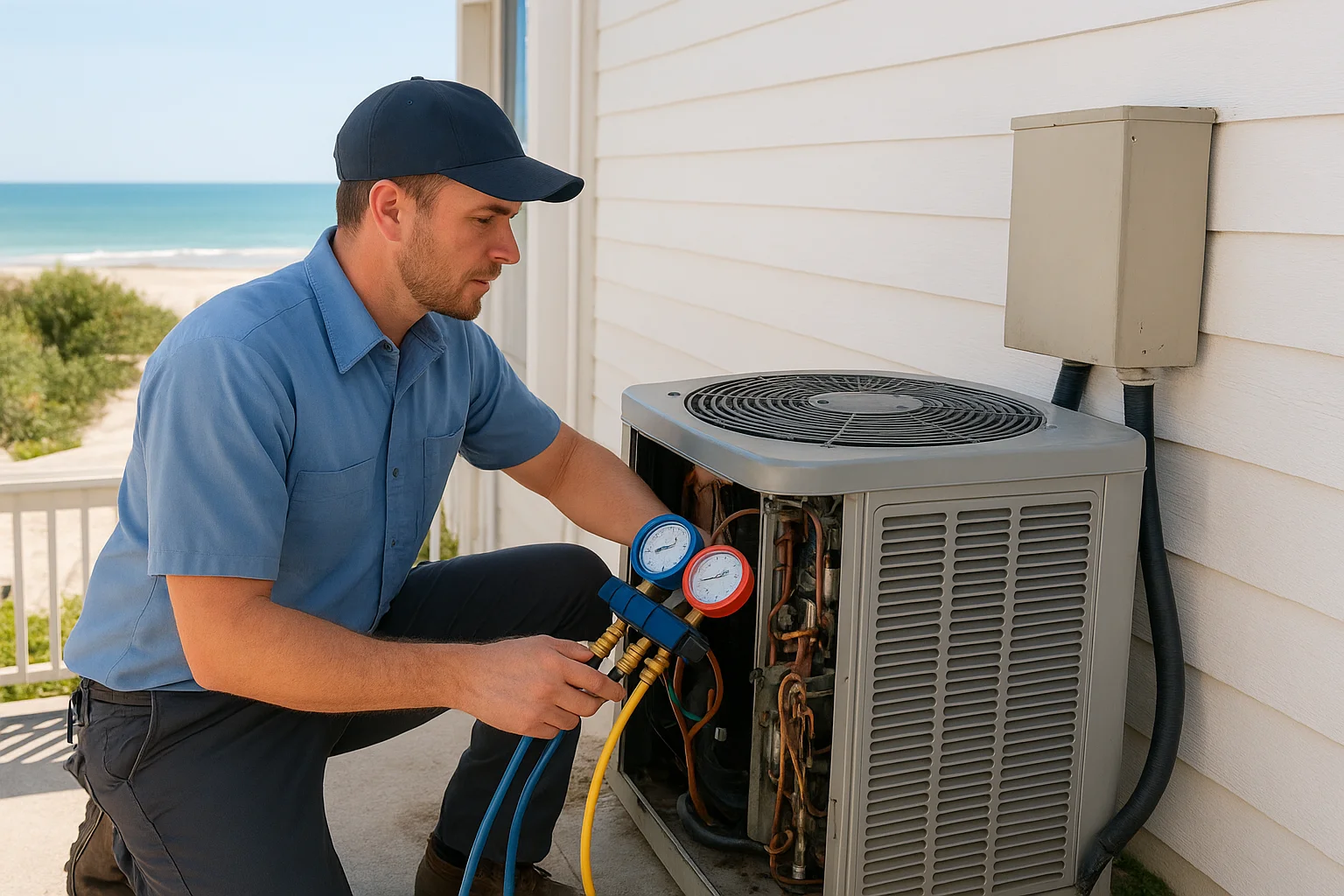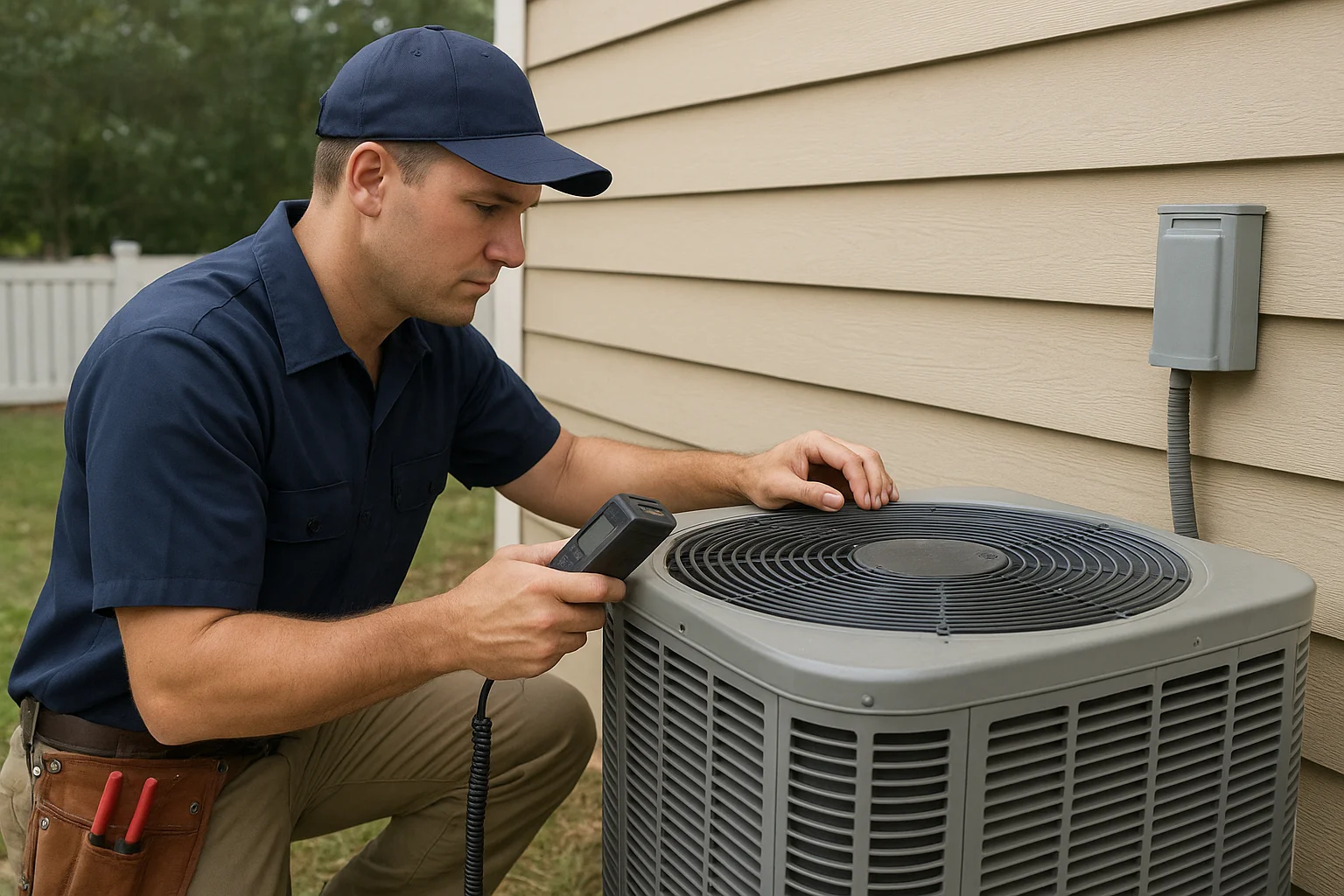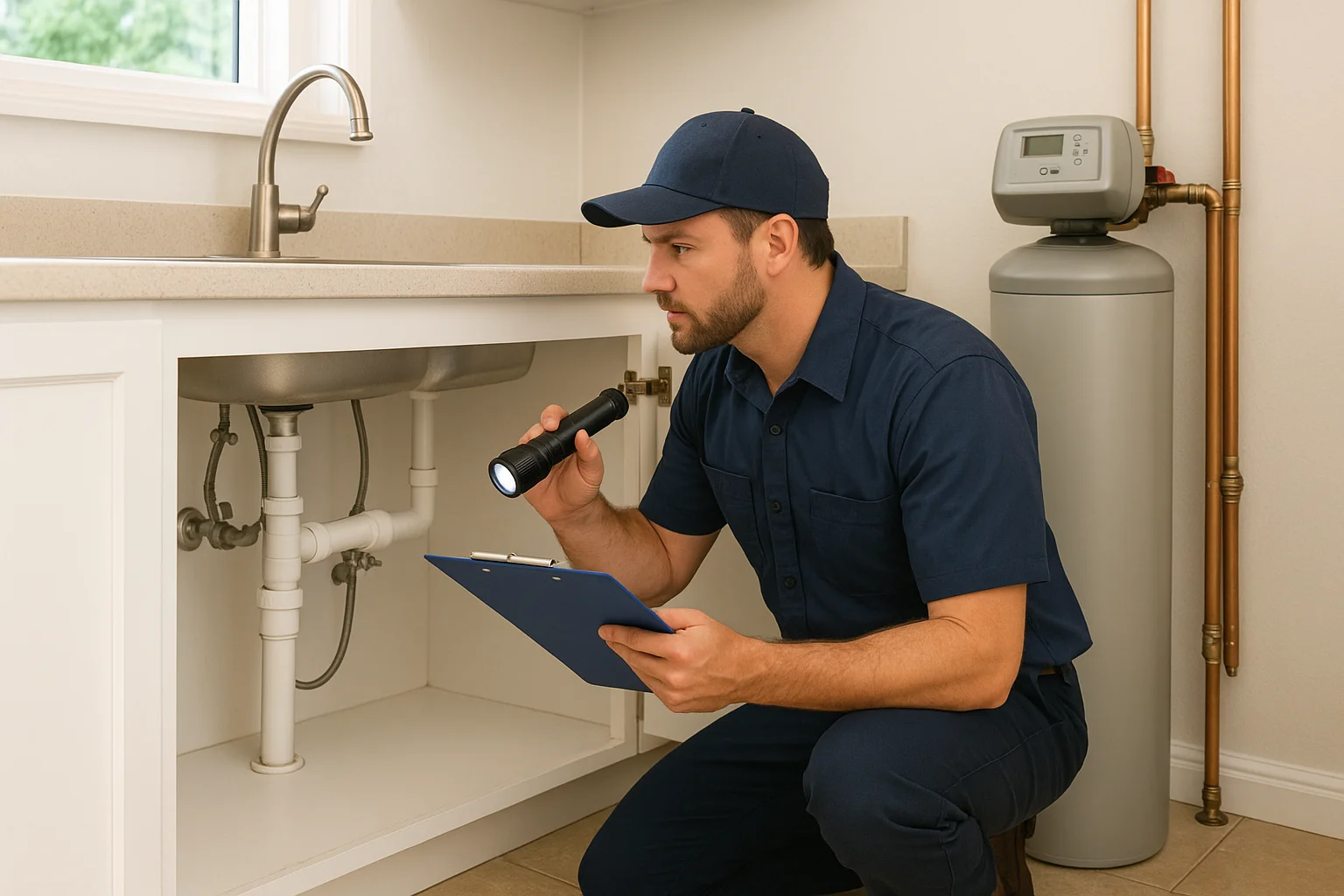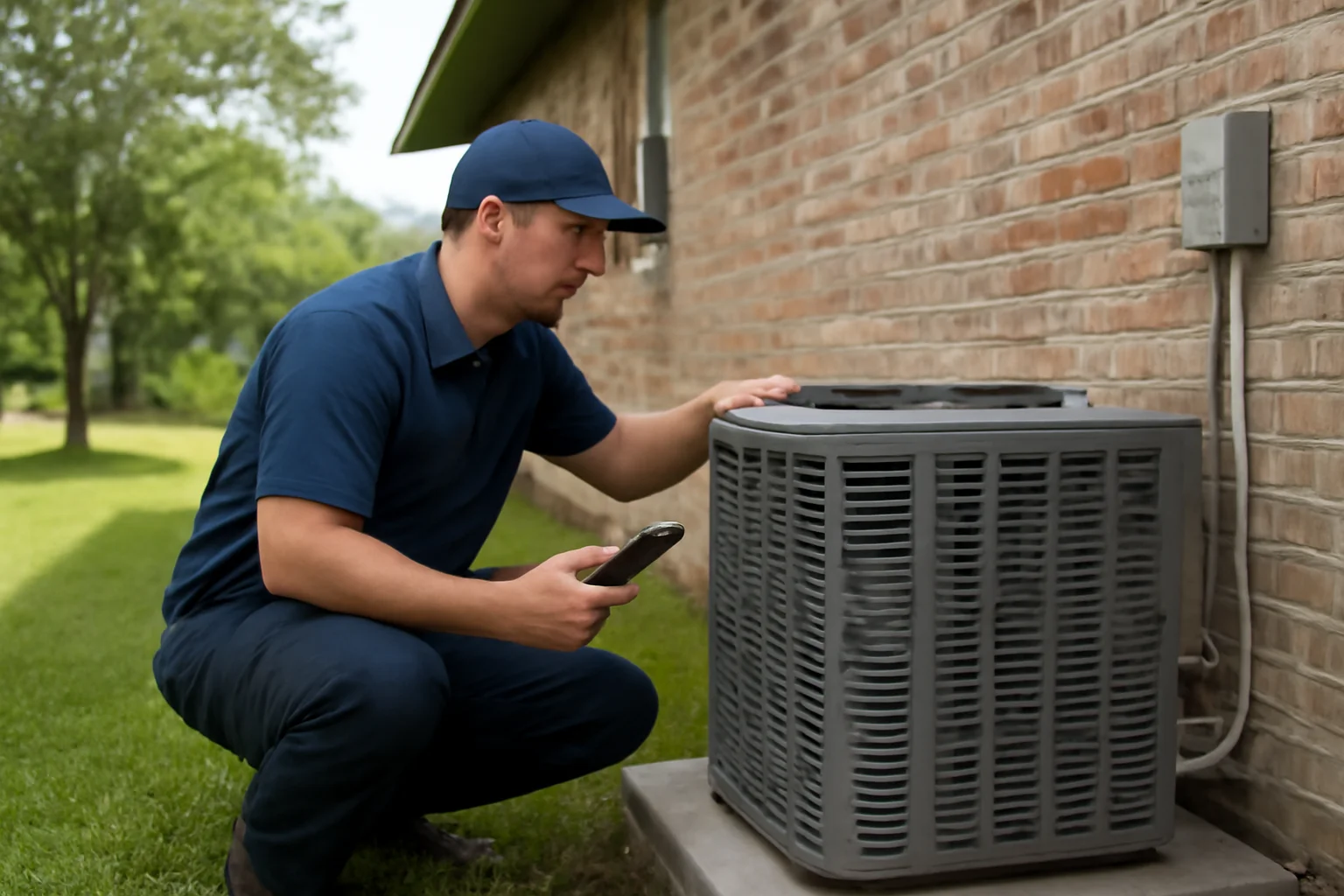
Lower Grand Lagoon homes deal with a lot at once: Florida heat, high humidity, and salty air from the coast. Those conditions can stress HVAC systems, affect airflow, and make indoor comfort feel uneven. Indoor air quality testing helps you see what is happening inside your home so you can address issues with the right HVAC air conditioning service, not guesswork.
This guide lays out a homeowner friendly plan for indoor air quality testing in Lower Grand Lagoon, FL, including how to prepare, what to watch for, and how test results connect to ductwork, thermostats, refrigerant systems, airflow balance, and humidity control.
Start with your comfort goals, not just a test date
Before you schedule indoor air quality testing, decide what you want to improve. In Lower Grand Lagoon, the most common homeowner goals usually fit one or more of these:
- More consistent airflow in bedrooms, hallways, or rooms above garages and porches
- Better humidity control during summer when the air feels sticky even with the AC running
- Cleaner breathing air when allergies flare, odors linger, or dust settles quickly
- Fewer comfort complaints after AC tune up near me style seasonal work, or after a recent system change
These goals matter because indoor air quality testing is not only about measuring. It is also about connecting indoor air quality findings to your HVAC system performance, including air filtration, ductwork condition, condensate drainage, and ventilation behavior.
Know what makes Lower Grand Lagoon different
Planning ahead means accounting for local conditions. In Bay County County and around Lower Grand Lagoon, humidity is often the story behind comfort problems. Warm, moist outdoor air can influence:
- Indoor humidity levels, especially if the AC runs but the system does not remove moisture efficiently
- Condensate drainage performance, since clogged or improperly draining systems can contribute to excess moisture
- Airflow and pressure across ductwork, where leaks or poor sealing can pull in unconditioned air
- Salt air exposure, which can contribute to corrosion over time in and around HVAC components
These factors also influence energy use. When airflow is restricted or humidity is not managed well, AC cycles can become longer and more frequent, and the system may work harder to reach the thermostat setting.
When to schedule testing for best results
Indoor air quality testing can be scheduled any time you suspect an issue, but planning around Florida schedules can improve how clearly the results reflect real living conditions.
Seasonal timing
Many homeowners choose to test:
- Before peak summer, so you can address airflow and humidity concerns before the hottest weeks
- After a comfort problem starts, such as persistent musty odors, uneven cooling, or a noticeable drop in system performance
- During a system transition, like after heat pump repair near me work, a new thermostat, or a change in filtration
Weather awareness
Because humidity and temperature swings can affect indoor measurements, it helps to schedule testing when your home can replicate normal use. If you can, avoid major changes right before the appointment, such as:
- Turning off the AC for long periods
- Running portable dehumidifiers or air scrubbers aggressively for the first time that day
- Changing thermostat schedules and fan modes
This does not mean you should stop doing what improves comfort. It means you should aim for a “typical” baseline so the HVAC professional can interpret findings accurately.
How to prepare your home for indoor air quality testing
A little preparation can help your technician focus on the right HVAC-related causes. Before the appointment, consider these steps.
Document what you notice
Write down comfort details for the days leading up to testing:
- Which rooms feel warmer or colder
- When the AC seems to run continuously
- Any odors, dust buildup, or allergy flare ups
- Whether humidity feels high even when the thermostat is set correctly
Include any recent HVAC service history. If you had duct cleaning near me work, a duct inspection near me evaluation, a filter change, or a heat pump service call, that context helps interpret indoor air quality readings.
Make airflow paths easy to inspect
Testing often connects indoor air quality to airflow and ductwork. Help by:
- Keeping supply and return vents accessible
- Not blocking returns with furniture
- Ensuring closet doors and bedroom doors are in normal positions
If you are considering ductwork and aeroseal services, or you suspect duct leaks, this part of prep can be especially helpful.
Choose a normal filter schedule
Do not swap filters at the last minute unless your HVAC pro asks you to. If you know what filter you have and when it was changed, share that information. Filter type and condition can affect airflow and filtration performance, which in turn influences indoor air quality.
If you are exploring HVAC air filtration near me options, your technician may recommend upgrades like whole home air purifier solutions or other filtration approaches based on your airflow and ductwork condition.
What happens during indoor air quality testing
A professional indoor air quality testing visit is usually more than one measurement. It typically combines observations, HVAC system checks, and targeted testing tied to your airflow and comfort concerns.
System and airflow evaluation
Your technician may assess:
- Air handler and blower operation, including whether airflow matches thermostat demands
- Return and supply air behavior, since poor airflow patterns can impact comfort and indoor air quality
- Ductwork condition, including signs of leaks or restrictions that can pull in unconditioned air
If you are dealing with persistent hot spots, a duct inspection can be part of the bigger picture. If duct cleaning is suggested, it should follow an inspection, not replace it.
Humidity and moisture risk assessment
Because Florida humidity can drive comfort problems, testing often includes evaluation of moisture related conditions. Your technician may look at factors that affect condensate drainage and indoor humidity control, especially in cooling mode.
If condensate drainage concerns exist, addressing them is part of stabilizing indoor air quality. Moisture issues can also worsen odor problems and contribute to discomfort.
Air quality measurements tied to HVAC operation
Indoor air quality testing can include measurements that help identify contaminants and ventilation concerns. Your technician will interpret results in the context of how your HVAC system is running, including filtration and airflow balance.
It is important to note that a test visit is not the same as a DIY experiment. Professional interpretation matters, especially when comfort issues might be linked to refrigerant system performance, duct leakage, or thermostat settings. A technician should not confirm a refrigerant diagnosis or electrical diagnosis without an in person evaluation.
Common causes of poor indoor air quality in Lower Grand Lagoon homes
Homeowners often assume indoor air quality problems come from “dirty air” alone. In reality, HVAC airflow and moisture management frequently play a major role. Here are some patterns that show up in Lower Grand Lagoon and nearby Bay County County homes.
Airflow imbalance from ductwork leaks or restrictions
Leaky or poorly sealed ductwork can reduce the amount of conditioned air reaching living spaces. It can also allow outside air to enter the system path, which is a bigger issue in humid Florida weather. If you notice rooms that never feel right, duct sealing and airflow balancing may be part of the solution.
For homes needing targeted improvements, you can explore Ductwork and Aeroseal Services and Duct Inspection.
Humidity control problems that feel like “the AC is running but nothing changes”
When humidity remains high, comfort suffers even if the temperature is near the thermostat setting. Causes can include airflow issues, condensate drainage concerns, or system performance limitations. Indoor air quality testing helps connect symptoms to the HVAC side of the problem.
If you are searching for humidity control near me because your home feels sticky, testing can help determine whether the issue is airflow, filtration, moisture removal, or ventilation behavior.
Filtration and ventilation mismatch
Some homes have filtration that is not well matched to airflow or occupant needs. Others may benefit from additional air cleaning approaches, such as whole home air purifier solutions or air scrubber installation. The right option depends on your system setup and ductwork condition.
If you are comparing options, start with the indoor air quality testing findings and then discuss Air Filtration and Dehumidifiers. You can also ask about filtration upgrades like Smart Thermostats if scheduling and fan settings are part of the comfort issue.
How test results translate into HVAC actions
Indoor air quality testing is most useful when it leads to practical HVAC steps. Depending on findings, a professional may recommend a combination of maintenance, repairs, airflow improvements, and system optimization.
Preventive HVAC maintenance that supports air quality
Even when you suspect ductwork or filtration issues, preventive HVAC maintenance matters. A tune up can help the system run more consistently, which supports stable airflow and moisture control.
If you are looking for AC tune up near me style seasonal work, consider pairing it with indoor air quality testing when you are already noticing comfort issues. That approach can help prevent repeated service calls by addressing root causes.
Airflow and ductwork improvements
When airflow is the bottleneck, duct sealing, duct repairs, or other ductwork improvements can reduce leakage and help the system deliver conditioned air where it is needed. In humid climates, better airflow delivery can also support humidity control.
Filtration and air cleaning upgrades
Some homes benefit from upgraded filtration, dehumidification support, or whole home air purifier approaches. If you are considering an air scrubber installation near me, it is wise to evaluate ductwork and airflow first so the air cleaning approach works with your system rather than against it.
Thermostat and comfort control adjustments
Thermostat settings influence comfort and system behavior. If your thermostat schedule is not aligned with how your home actually needs cooling and humidity control, you can end up with short cycling or prolonged runtime without improving comfort.
If smart control options are on your list, review how the thermostat interacts with your HVAC system and fan mode. For guidance, see Smart Thermostats.
Plan for emergency cooling concerns during testing season
Lower Grand Lagoon summers can create a “comfort deadline,” especially when humidity rises quickly and people need reliable cooling. While scheduling indoor air quality testing, also keep an eye on system reliability.
Contact an HVAC contractor promptly if you notice:
- The AC struggles to cool or cycles off early
- Unusual noises or odors linked to system operation
- Water on the floor near indoor equipment, or signs of condensate drainage issues
- Thermostat behavior that seems inconsistent with normal cooling
Testing should not replace urgent HVAC repair. If you are worried about AC repair near me because cooling reliability is dropping, address emergency cooling concerns first, then return to indoor air quality testing to prevent future comfort problems.
When system replacement might enter the conversation
Indoor air quality testing can sometimes reveal airflow and moisture control limitations that are hard to correct with minor changes. In those cases, system replacement may be discussed as part of a long-term comfort plan.
It is still essential that any decision about replacement is based on an in person professional evaluation. Indoor air quality measurements alone should not be used to justify equipment replacement. Your HVAC contractor should consider system age, performance history, ductwork condition, and how your home responds to cooling and heat pump service needs.
Link testing to a preventive plan, not a one time visit
Homeowners often ask for indoor air quality testing because they want a clear answer. The best outcomes usually come from a plan that includes:
- Routine filter changes appropriate for your home and HVAC airflow
- Seasonal preventive HVAC maintenance that supports stable operation
- Periodic duct inspection if you have persistent airflow complaints
- Humidity control strategies that match Florida conditions
If you want to strengthen your overall comfort and budgeting approach, you can also read A Local Homeowner’s Guide to HVAC Financing in Lower Grand Lagoon, FL: Comfort, Airflow, Humidity, and Prevention. It can help you think through options when multiple comfort upgrades are on the table.
Local service matters for Bay County homes
Indoor air quality issues in Lower Grand Lagoon often connect to how a specific home’s HVAC system handles humidity, airflow balance, and ventilation in a coastal Florida environment. Choosing a local HVAC team that understands Bay County County weather patterns and common home setups can make the difference between a temporary fix and a lasting comfort improvement.
A Superior Mechanical offers professional indoor air quality testing in Lower Grand Lagoon, FL. If you are ready to plan your next step, you can review service details for indoor air quality testing and learn more about our work across the area at our Lower Grand Lagoon service area. For broader Bay County County context, see our Bay County services.
Questions to ask when scheduling indoor air quality testing
If you want a smooth visit, bring a short list of questions. Here are practical ones that connect directly to HVAC performance and indoor air quality:
- How will you connect indoor air quality results to airflow, ductwork, and humidity control?
- Will you recommend duct inspection before duct cleaning near me style services?
- What role does condensate drainage and cooling mode performance play in what you find?
- Do you see any thermostat or fan mode settings that could be affecting comfort and air quality?
- If filtration upgrades are recommended, how will you ensure they match my system’s airflow?
These questions keep the conversation focused on HVAC solutions that support better airflow and everyday comfort in Lower Grand Lagoon.
If your home has uneven cooling, persistent humidity, or air that just does not feel fresh, planning ahead for indoor air quality testing can help you take control of the comfort problem. It also helps you prioritize HVAC actions that support reliable cooling during Florida’s hottest stretches.
Find Indoor Air Quality Testing in Lower Grand Lagoon, FL
If you need Indoor Air Quality Testing in Lower Grand Lagoon, FL, visit our local service page or contact A Superior Mechanical today.
Map of Lower Grand Lagoon, FL
Frequently Asked Questions
How should I prepare my home before indoor air quality testing in Lower Grand Lagoon?
Keep vents accessible, avoid blocking returns, and note any comfort issues you have noticed (hot or cold rooms, odors, dust, or humidity). Share recent HVAC service history and keep thermostat settings and fan modes as close to normal as possible before the visit.
Can indoor air quality testing tell me whether my AC needs repair?
Testing can identify comfort and air quality issues that relate to HVAC performance, airflow, ductwork, and humidity control. However, a refrigerant or electrical diagnosis should only be confirmed after an in person professional evaluation based on system checks.
Why is humidity such a big factor for indoor air quality in Lower Grand Lagoon?
Florida humidity can make indoor air feel uncomfortable even when the temperature is set correctly. Moisture control depends on proper airflow, cooling performance, and condensate drainage. When those systems do not work together, indoor air quality can suffer.
Should I schedule indoor air quality testing before duct cleaning or after?
Often, it is best to start with a duct inspection approach so you understand airflow and duct conditions first. That helps ensure any duct cleaning or ductwork and aeroseal services address the real cause of comfort and air quality problems.
What HVAC improvements might come from indoor air quality testing?
Depending on results, recommendations can include preventive HVAC maintenance, duct inspection and ductwork improvements, better filtration or whole home air purifier solutions, and humidity control adjustments. Your technician should connect findings to how your system is operating in your home.
Related Articles
- A Local Homeowner’s Guide to HVAC Financing in Lower Grand Lagoon, FL: Comfort, Airflow, Humidity, and Prevention
- How Lower Grand Lagoon Homes Stay Comfortable with Better Duct Sealing and Aeroseal
- Indoor Air Quality Testing That Helps Inlet Beach Homes Stay Comfortable Longer
- Why Seaside Homes Benefit From Indoor Air Quality Testing Before Comfort Issues Spread
Photo Gallery