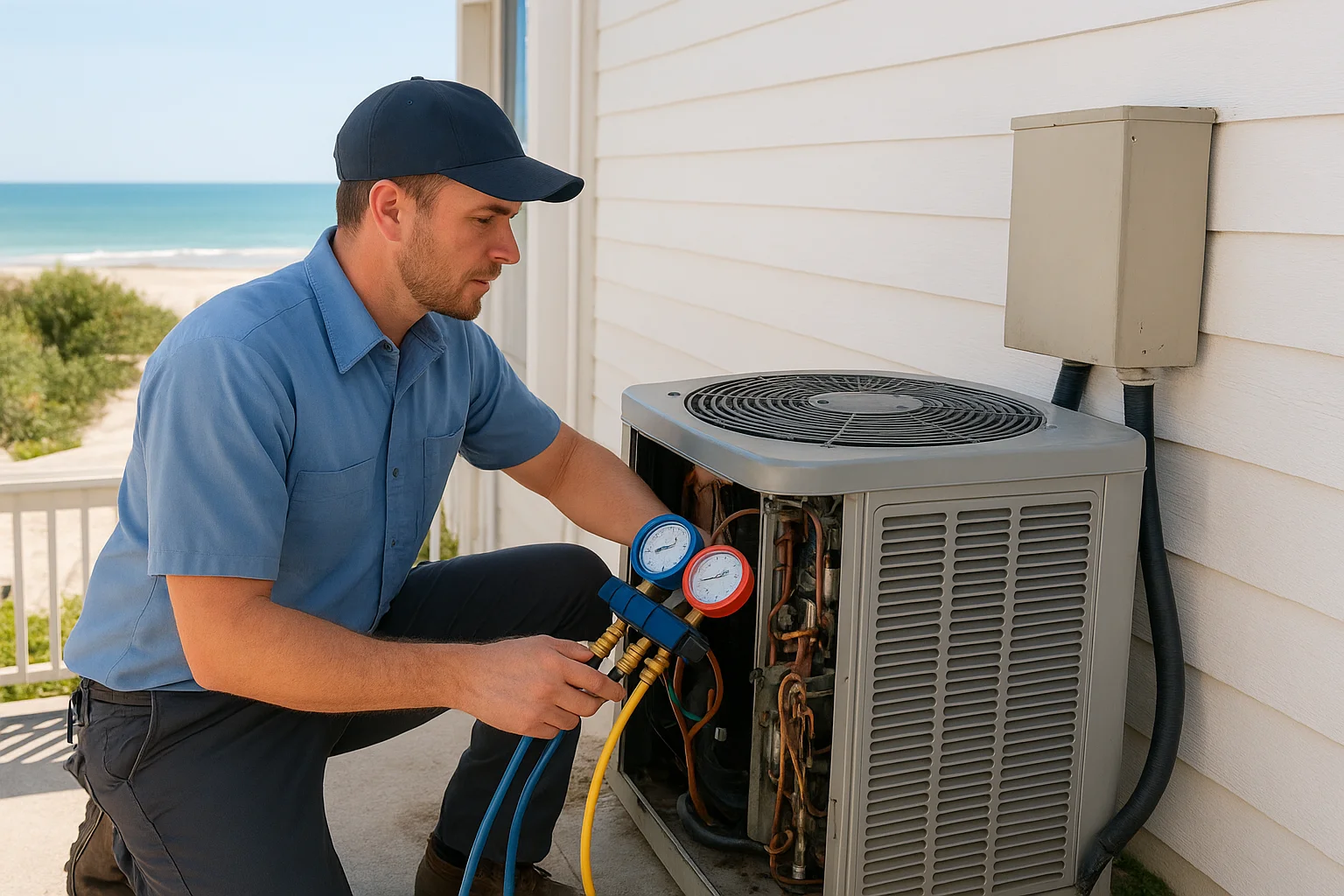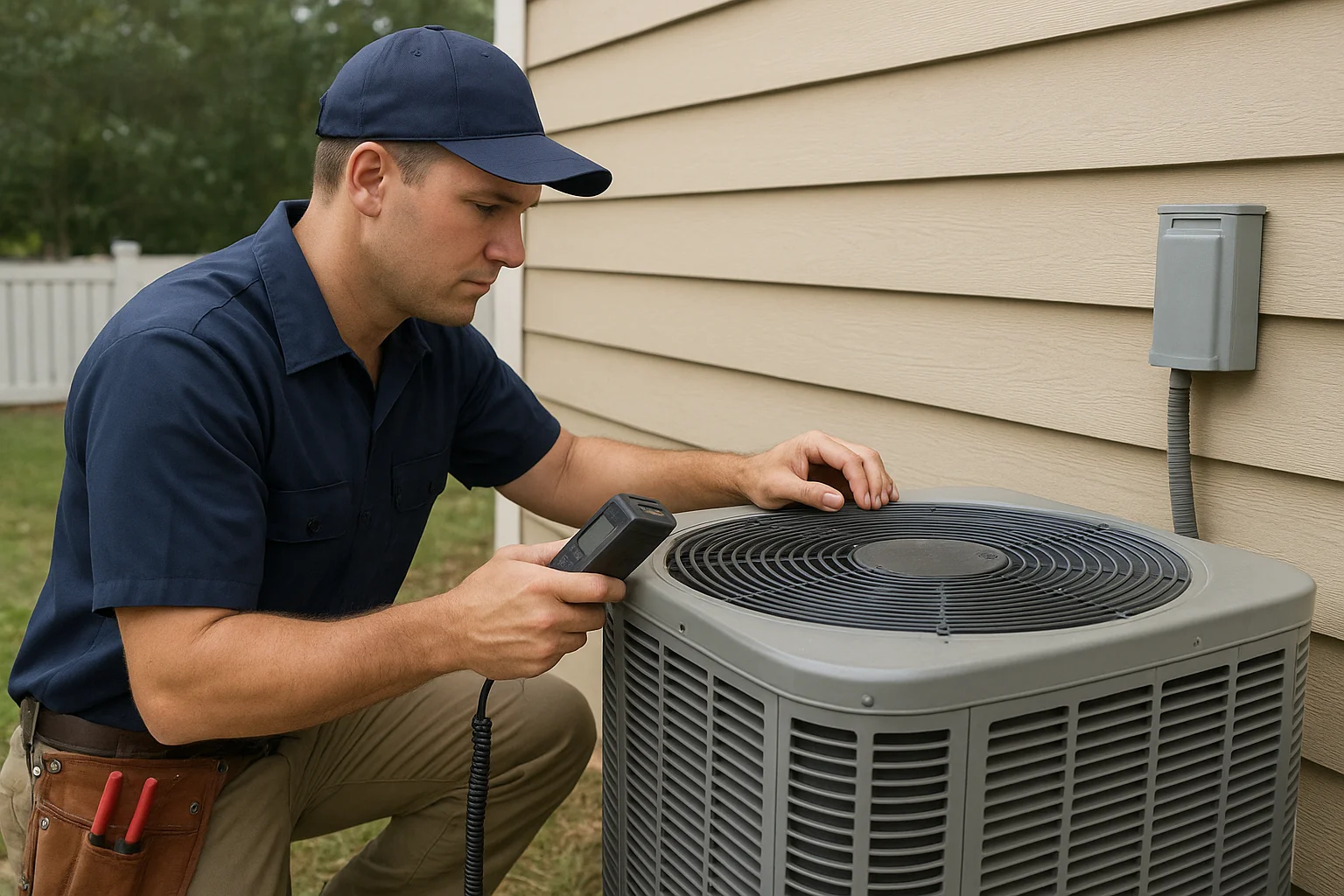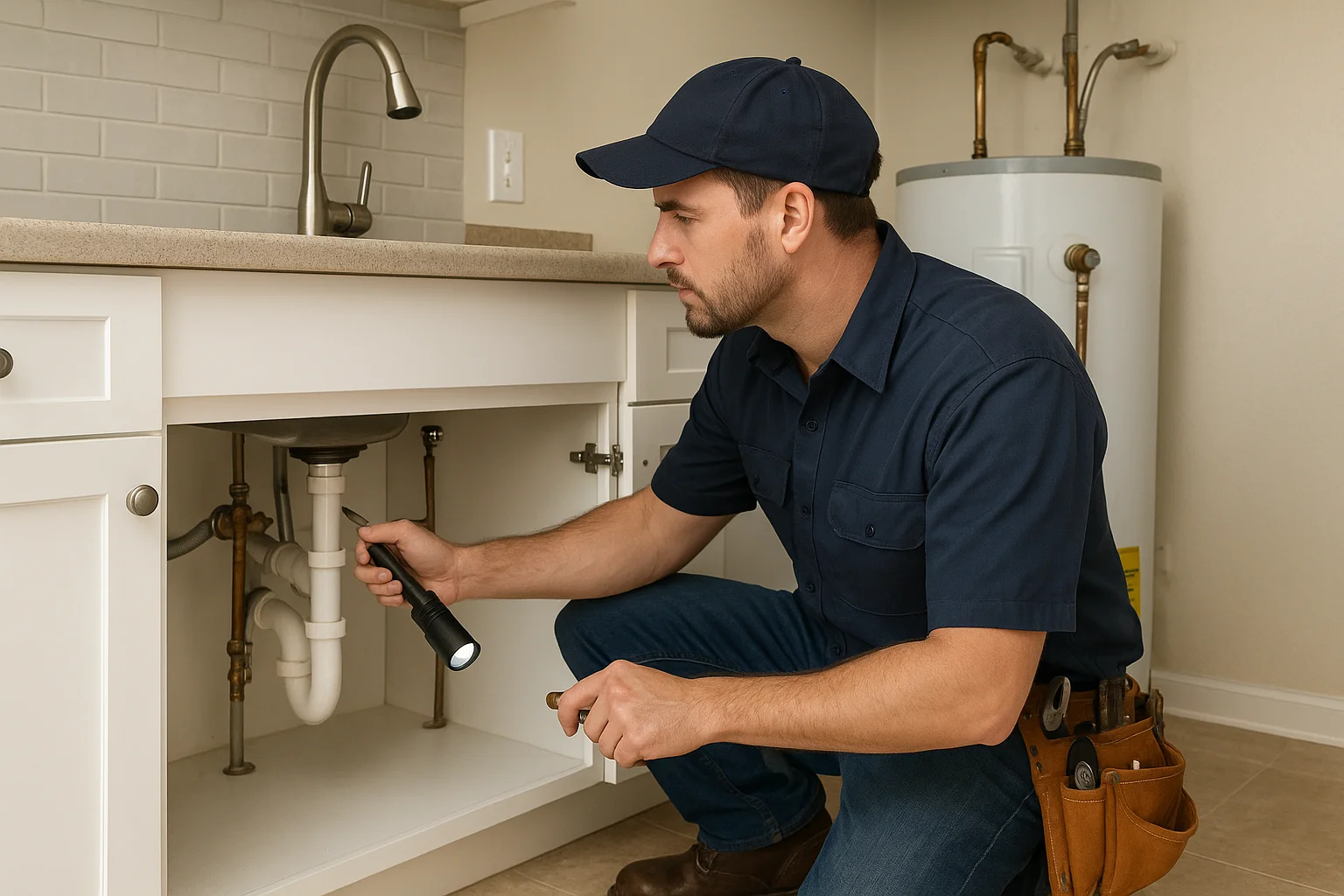
Owning or managing a commercial property along the 30A corridor comes with a specific kind of HVAC challenge. In Blue Mountain Beach, you are dealing with Florida heat, high humidity, and salt air that can put extra stress on refrigerant systems, ductwork, and condensate drainage. A well-planned commercial HVAC installation is what keeps indoor comfort steady and helps reduce emergency cooling concerns during the hottest parts of the year.
This guide is written for homeowners and property decision makers who want their commercial systems to deliver better airflow, stronger reliability, and healthier indoor air quality. It also covers what to look for in HVAC installation and how preventive HVAC maintenance can protect your investment over time.
Why Blue Mountain Beach demands more than a “standard” HVAC install
Most HVAC problems do not start with a broken part. They start with a system that was installed for a different set of conditions. Blue Mountain Beach conditions are hard on equipment and air distribution:
- Heat and humidity load: Humidity control depends on proper airflow, correct refrigerant system performance, and condensate drainage that can handle frequent moisture removal.
- Salt air exposure: Coastal air can accelerate corrosion in metal components and affect how long certain parts last. Materials, coatings, and installation practices matter.
- Air distribution and ductwork reality: Even a high-performing unit can underdeliver if ductwork sizing, sealing, and airflow balance are off.
- Energy use: Poor airflow and mismatched components can raise energy use and increase wear on the system.
That is why homeowners choosing an HVAC installation near me should look for a contractor who designs the system around the building, not around a one-size-fits-all approach.
Better airflow starts with the building, not the equipment
Airflow problems show up as hot and cold spots, poor ventilation, uncomfortable rooms, and sometimes noisy operation. During a commercial HVAC installation, airflow should be treated as a system-wide design goal.
1) Get the load right before any equipment is selected
A professional installer should evaluate heat gain and cooling load based on building layout, insulation, window exposure, occupancy, and use patterns. In coastal Florida, solar heat gain and internal heat from people and equipment can be significant. If the load is underestimated, the system may run constantly and struggle to control humidity.
2) Confirm ductwork sizing, routing, and sealing
Ductwork is often where comfort and reliability are won or lost. Common ductwork issues include:
- Sections that are undersized or have abrupt transitions
- Duct leakage that pulls in unconditioned air
- Improper placement of supply and return registers
- Insulation gaps that allow heat gain and moisture issues
If you suspect ductwork problems, it is worth discussing duct repair near me and duct evaluation with a qualified technician. Airflow and ductwork go together; replacing a thermostat or tuning settings will not fix a distribution problem.
3) Use the right air distribution strategy for the space
Commercial spaces can have uneven airflow needs. Restaurants, offices, retail, and multi-unit properties often have different occupancy patterns and internal heat sources. A good installation plan accounts for:
- Return air needs to avoid pressure imbalances
- Supply placement for even distribution
- Balancing to support consistent comfort
When airflow is handled correctly, humidity removal improves because the system can move air through the cooling process as intended.
Humidity control is a reliability issue, not just comfort
In Blue Mountain Beach, indoor humidity can be as uncomfortable as temperature. Humidity problems can also lead to musty odors, condensation on cold surfaces, and increased strain on the system.
Condensate drainage must be installed and verified
During cooling, condensate drainage removes moisture. If drainage is incorrect, you can see leaks, water damage risks, clogged lines, or improper removal that affects system performance. A professional commercial HVAC installation should include:
- Proper condensate line routing and slope
- Correct trapping and drainage design where applicable
- Verification that condensate can drain reliably during peak cooling
Homeowners should take condensate drainage seriously, especially for buildings near the coast where moisture exposure is constant.
Indoor air quality depends on ventilation and filtration
Indoor air quality services near me searches often come from concerns that show up during the humid season. During installation, ask how the contractor will address:
- Filtration selection and correct installation
- Ventilation air control based on occupancy and use
- Airflow that supports proper ventilation performance
Better filtration and correct airflow help reduce dust and airborne irritants, supporting healthier indoor air quality for staff and customers.
Refrigerant systems: what “right” looks like during installation
Refrigerant systems are central to cooling and heat pump performance. However, refrigerant is not something homeowners should try to adjust or diagnose on their own. A proper installation should focus on correct system design and safe, professional verification.
Installation practices that protect the refrigerant system
Without getting into equipment-specific claims, the reliable outcome depends on things like:
- Proper line set installation and support to prevent stress
- Clean connections and correct handling during setup
- Leak-safe installation practices
- Commissioning checks that confirm the system is operating within expected parameters
If anyone suggests “fixing it later” without proper commissioning, that is a red flag. In Florida’s heat and humidity, small issues can become bigger comfort and energy use problems quickly.
Why refrigerant performance and airflow must match
Even when the refrigerant system is installed correctly, airflow affects how well the system can remove heat and moisture. Poor airflow can lead to comfort complaints, frequent cycling, and higher energy use. That is why the best commercial HVAC installation approach treats the refrigerant system and airflow as one integrated system.
Thermostats and controls: reliability starts with good settings
Thermostats and controls are where comfort meets operational discipline. A modern installation should include controls that match the building’s schedule and occupancy patterns.
Look for controls that support consistent comfort
During a commercial HVAC installation, ask how the thermostat will be used and configured. Common homeowner concerns include:
- Temperature swings between rooms
- Systems that do not respond predictably to schedules
- Run time issues that can increase humidity or energy use
For property teams, thermostat installation near me searches often come from needing clearer control. The goal is to ensure the system can maintain comfort without overworking in humid conditions.
Controls should support emergency cooling concerns
In the summer, a building can feel “stuck” if controls are not aligned with how the space is used. If you have ever faced sudden discomfort during a peak heat day, it is worth discussing how the system will be controlled and how technicians will verify performance during commissioning.
Choosing the right equipment type for Florida conditions
Homeowners often ask whether an air conditioning service plan should include heat pump service or a different type of system for the property. In Blue Mountain Beach, the best answer depends on the building and the overall design.
Heat pumps and air conditioners both need correct installation
Whether you are installing an air conditioning system or planning for heat pump functionality, airflow, humidity control, and condensate drainage still matter. The equipment type does not replace the need for proper ductwork design, commissioning, and verification.
Consider how the building uses energy
Commercial spaces can have long operating hours or variable occupancy. A well-designed system can help manage energy use by matching operation to demand. If the system is oversized or poorly matched, it may short cycle, which can reduce humidity removal and increase wear.
Common installation mistakes that lead to AC repair calls
When homeowners experience repeated air conditioning repair near me issues, the cause is sometimes traced back to the initial installation. Here are examples of installation-related causes that show up over time:
- Airflow that does not match design needs, creating comfort problems and stressing components
- Leaky or poorly sealed ductwork, reducing delivered cooling and increasing energy use
- Condensate drainage that does not perform reliably, leading to moisture issues and operational problems
- Controls that are not properly configured, causing temperature swings and inefficient operation
- Improper commissioning, leaving issues undiscovered until the peak season
If you are planning a replacement or a new build, it helps to review past issues and ask how the contractor will prevent them during installation.
Preventive HVAC maintenance is what keeps the installation performing
A great installation still needs ongoing care. Preventive HVAC maintenance supports airflow, indoor air quality, and reliable operation, especially in a climate with frequent humidity and rapid temperature swings.
Maintenance items that matter for commercial systems
During preventive maintenance, technicians typically focus on performance and safety checks that support proper operation. For homeowners, the key is to ensure maintenance includes:
- Airflow verification and filter checks
- Inspection of condensate drainage performance
- System performance checks that support stable comfort
- Thermostat and control verification for correct scheduling
- Indoor air quality considerations, including filtration and ventilation performance
If you want a maintenance plan tailored to your property, you can explore Commercial HVAC Maintenance for guidance on what to prioritize locally.
AC tune up near me searches often happen too late
Many homeowners only search for an AC tune up near me when the system is already struggling. In Blue Mountain Beach, waiting until the hottest weeks can increase the odds of emergency cooling concerns. Preventive care helps reduce the likelihood of mid-summer breakdowns.
What to ask a licensed HVAC contractor near me before installation begins
Choosing a contractor is not just about price. You want a team that communicates clearly and documents the installation approach. Here are practical questions that help you evaluate a commercial HVAC service near me proposal:
- How will you calculate cooling and humidity loads for my building?
- How will you verify ductwork airflow and seal quality after installation?
- What commissioning steps will you complete to confirm refrigerant system performance and airflow match?
- How will condensate drainage be designed and verified?
- What indoor air quality services considerations do you include, such as filtration and ventilation setup?
- How will thermostats and controls be configured for our occupancy schedule?
- What preventive HVAC maintenance schedule do you recommend for the local climate?
If the answers are vague or focus only on the equipment name, that is a sign to dig deeper. Blue Mountain Beach properties need a full system plan that accounts for airflow, humidity, and reliable operation.
Related local considerations for Walton County and the 30A corridor
Commercial properties in Walton County can vary widely, from offices and retail to restaurants and multi-unit buildings. If you are comparing options across nearby areas, these guides may help you spot the kinds of installation details that get overlooked:
- The Details That Get Missed in Commercial HVAC Installation in Freeport, FL
- Commercial HVAC Installation in Laguna Beach, FL: The Issues Local Property Owners Should Not Overlook
- Keeping Sandestin Buildings Comfortable Starts With Smarter Commercial HVAC Installation
- What Panama City Beach Property Owners Should Know Before a Commercial HVAC Installation
For more information on local service coverage, visit our Blue Mountain Beach service area or explore Walton County.
When you should call for help during installation or after startup
Some HVAC issues are normal during the first days of operation. Others are not. Call a qualified team if you notice:
- Rooms that never reach set temperatures consistently, especially in peak afternoon heat
- Visible moisture where condensate drainage should be dry
- Strange odors that suggest poor indoor air quality or moisture-related issues
- Frequent cycling, unusual noise, or comfort complaints that grow worse over time
- Uneven airflow that persists after filters are changed
Homeowners should also reach out if they are planning system replacement and want an air conditioning inspection near me that includes airflow and indoor air quality considerations. If you suspect heat pump repair near me is needed later, the best time to start documenting performance is during the initial startup and commissioning window.
How to support comfort with humidity-focused upgrades
Even with a strong installation, some buildings benefit from additional humidity control. If your property struggles with sticky indoor air, discuss options with a local HVAC team. For example, Whole Home Dehumidifiers can be part of a broader indoor air quality strategy for commercial spaces.
For properties considering long-term energy planning, you may also want to explore Geothermal Energy when it fits the building and site conditions. The key is to keep the approach grounded in how the building actually performs in Blue Mountain Beach humidity and heat.
What “reliable” should feel like after a proper installation
When commercial HVAC installation is done correctly, the day-to-day experience is different. You should expect more consistent comfort across rooms, improved humidity control, and fewer surprises during peak heat. You also get a clearer maintenance path because the system is set up for predictable performance.
If you are planning new AC installation near me or upgrading an existing system, choose a contractor who treats airflow, ductwork, condensate drainage, refrigerant system integration, and controls as a complete package. A Superior Mechanical designs and installs commercial HVAC systems in Blue Mountain Beach with the local climate in mind, so your building can stay comfortable through Florida’s hottest and most humid stretches.
For project planning and service options, you can review commercial HVAC installation in Blue Mountain Beach and browse air conditioning service if you are addressing comfort issues alongside your upgrade.
Find Commercial HVAC Installation in Blue Mountain Beach, FL
If you need Commercial HVAC Installation in Blue Mountain Beach, FL, visit our local service page or contact A Superior Mechanical today.
Map of Blue Mountain Beach, FL
Frequently Asked Questions
How can a homeowner tell if poor airflow is being caused by ductwork or the HVAC unit?
Airflow issues that are consistent across multiple rooms often point to ductwork design, sealing, or balancing. If temperature and humidity control improves after filter and airflow checks, the issue may be distribution related. A technician can verify airflow performance on site without guessing.
Why does humidity control matter so much for commercial HVAC installation in Blue Mountain Beach?
High humidity affects comfort, indoor air quality, and system performance. When airflow and condensate drainage are correct, the system can remove moisture effectively. If humidity remains high, it can lead to musty odors, condensation concerns, and added stress on cooling components.
Can I adjust refrigerant levels myself if the system seems underperforming?
No. Refrigerant adjustments should only be done by a licensed professional after in-person evaluation. Undercharging or overcharging can harm performance and reliability. A contractor should verify airflow and system operation first before making any refrigerant-related decisions.
What should be included in commissioning after a commercial HVAC installation?
Commissioning typically includes verifying system operation, confirming airflow performance, checking controls and thermostat behavior, and ensuring condensate drainage works as intended. The goal is to confirm the installed system matches the design and performs reliably under local conditions.
How does preventive HVAC maintenance help prevent emergency cooling concerns?
Preventive maintenance supports stable airflow, indoor air quality performance, and reliable operation by addressing issues before they escalate. In hot, humid coastal weather, routine checks can reduce the odds of mid-summer breakdowns and comfort failures.
Related Articles
- The Details That Get Missed in Commercial HVAC Installation in Freeport, FL
- Commercial HVAC Installation in Laguna Beach, FL: The Issues Local Property Owners Should Not Overlook
- Keeping Sandestin Buildings Comfortable Starts With Smarter Commercial HVAC Installation
- What Panama City Beach Property Owners Should Know Before a Commercial HVAC Installation
Photo Gallery