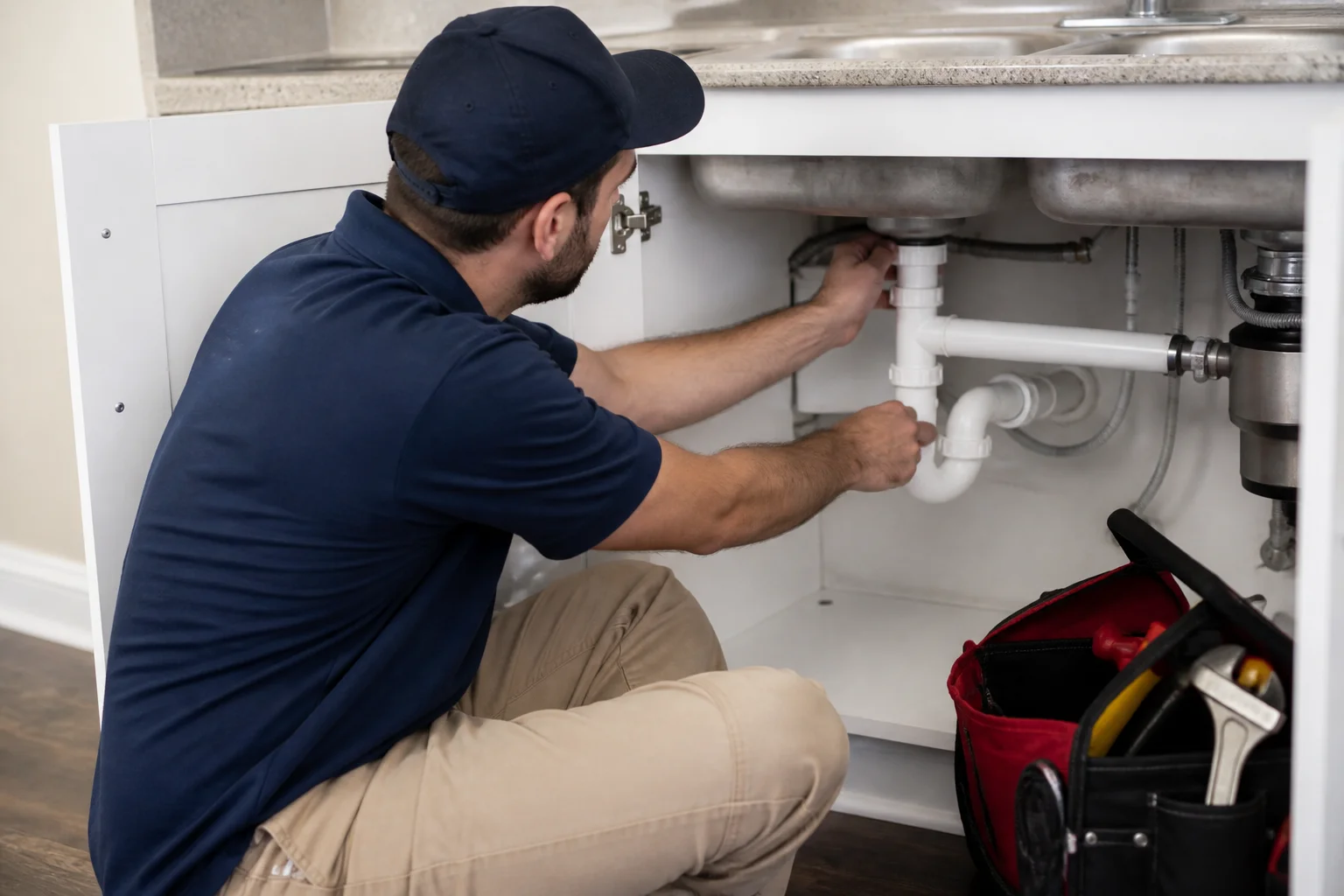
A water leak rarely improves with time. A small drip beneath a sink can damage a cabinet, while a hidden pipe leak can soak drywall, flooring, or the soil beneath a home. In Upper Grand Lagoon, quick action is especially important for primary residences, coastal properties, vacation rentals, and homes that may sit unoccupied between visits.
This guide explains how to recognize plumbing trouble, respond safely, and prevent avoidable damage. Homeowners who need professional help can learn more about water leak repairs in Upper Grand Lagoon from A Superior Mechanical.
Why plumbing leaks deserve prompt attention near the coast
Upper Grand Lagoon has a warm, humid climate, seasonal storms, sandy soil, and many properties located close to salt air. These conditions do not cause every plumbing problem, but they can influence how quickly moisture damage develops and how outdoor plumbing components age. High indoor humidity can also make it harder to distinguish a plumbing leak from condensation without a careful inspection.
Homes throughout the area vary considerably. Some have plumbing routed through concrete slabs, while others have accessible crawl spaces or utility areas. Older properties may contain aging valves, supply lines, or pipe connections. Newer homes can still develop installation defects, damaged seals, high water pressure, or appliance supply line leaks. Vacation rentals face another concern because a leak may run for hours or days before anyone notices it.
Working with a provider familiar with Upper Grand Lagoon plumbing needs helps because local experience matters. A plumber who regularly serves coastal Bay County homes can account for regional construction styles, water conditions, soil movement, and the demands placed on rental properties.
Clues that water may be escaping somewhere in the home
An obvious spray from a broken pipe is easy to recognize. Hidden leaks are more difficult. Watch for an unexplained increase in water use, a water meter that moves when fixtures are off, reduced water pressure, damp cabinets, warped flooring, bubbling paint, stained ceilings, or a musty odor. Warm areas on a floor can sometimes point to a leaking hot water line beneath a slab.
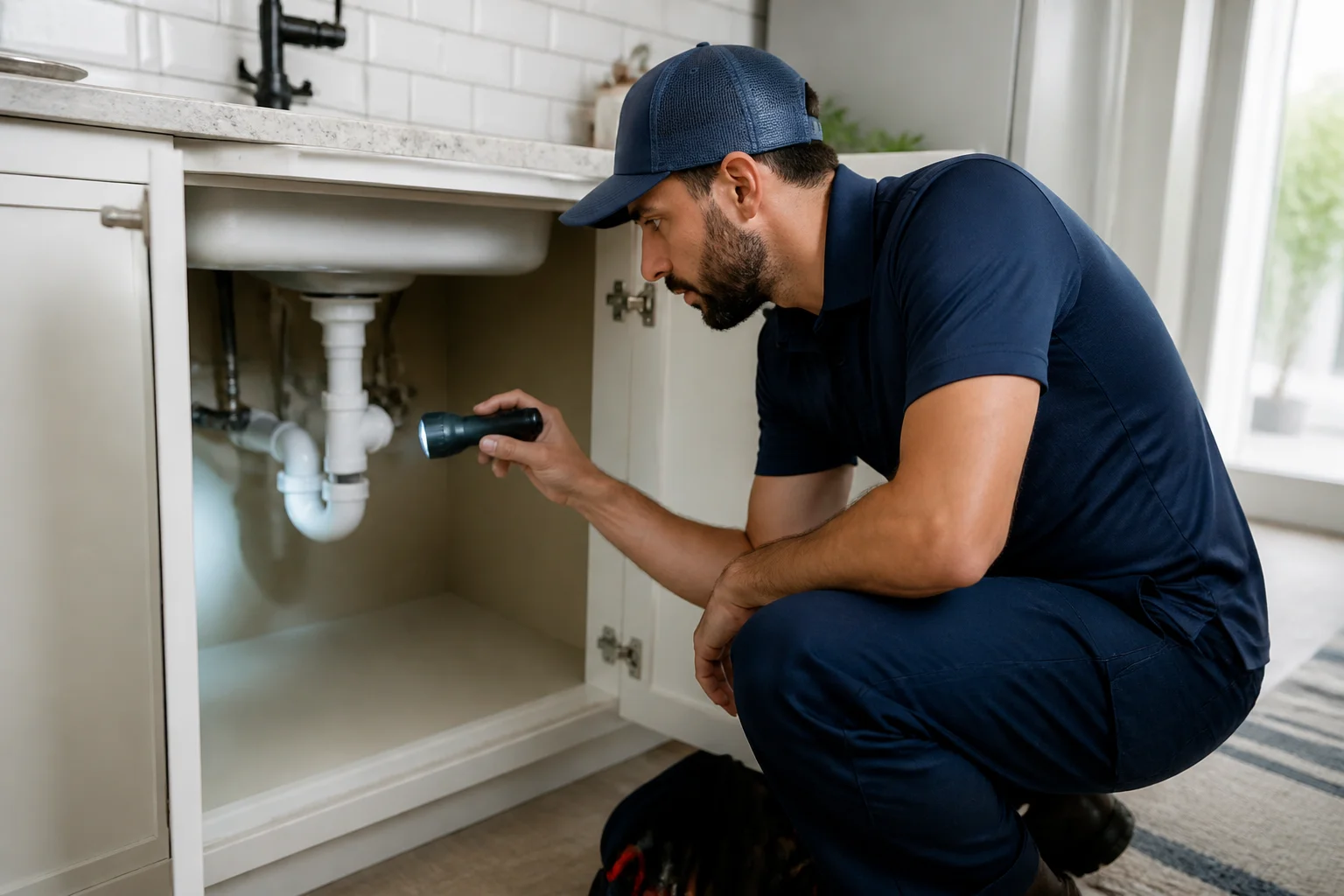
Listen when the house is quiet. Hissing behind a wall, dripping inside a cabinet, or the sound of water running when no fixture is operating deserves attention. Check around toilets, faucets, washing machine hoses, refrigerator supply lines, dishwashers, water heaters, and outdoor hose connections. These locations contain seals, valves, or flexible lines that can deteriorate.
A running toilet is another significant source of wasted water. Worn flappers, faulty fill valves, loose connections, and damaged tank components can allow water to flow continuously. Homeowners searching for running toilet repair near me should first close the toilet supply valve if water is escaping onto the floor. Internal tank problems are less immediately destructive, but they can still raise the water bill considerably.
Use the water meter as a simple screening tool
Turn off faucets, irrigation, ice makers, washing machines, and other water using equipment. Record the meter reading, then wait about 30 minutes without using water. If the reading changes, the plumbing system may have a leak. Some meters also include a small flow indicator that moves with even minor water use.
This test confirms that water is moving, but it does not identify the source. Irrigation leaks, toilet leaks, underground service line damage, and concealed pipe leaks can produce similar results. Professional leak detection uses appropriate testing equipment to narrow the location before walls or floors are opened.
Frequent causes of residential water leaks
Plumbing materials and fittings experience daily stress. Faucets open and close, toilets refill, water heaters expand and contract, and pipes respond to changes in pressure and temperature. Seals eventually harden, connections loosen, and corrosion can weaken metal components. The progression from minor wear to serious damage is explained further in this guide to everyday plumbing wear and larger water leak repairs.
Water pressure also matters. Pressure that is too high can strain appliance hoses, toilet valves, faucet cartridges, and pipe joints. Pressure that suddenly drops may indicate a leak, clogged pipe, failing pressure regulator, or utility issue. A plumber can measure static and working pressure, inspect the regulator, and determine whether the problem affects one fixture or the entire home.
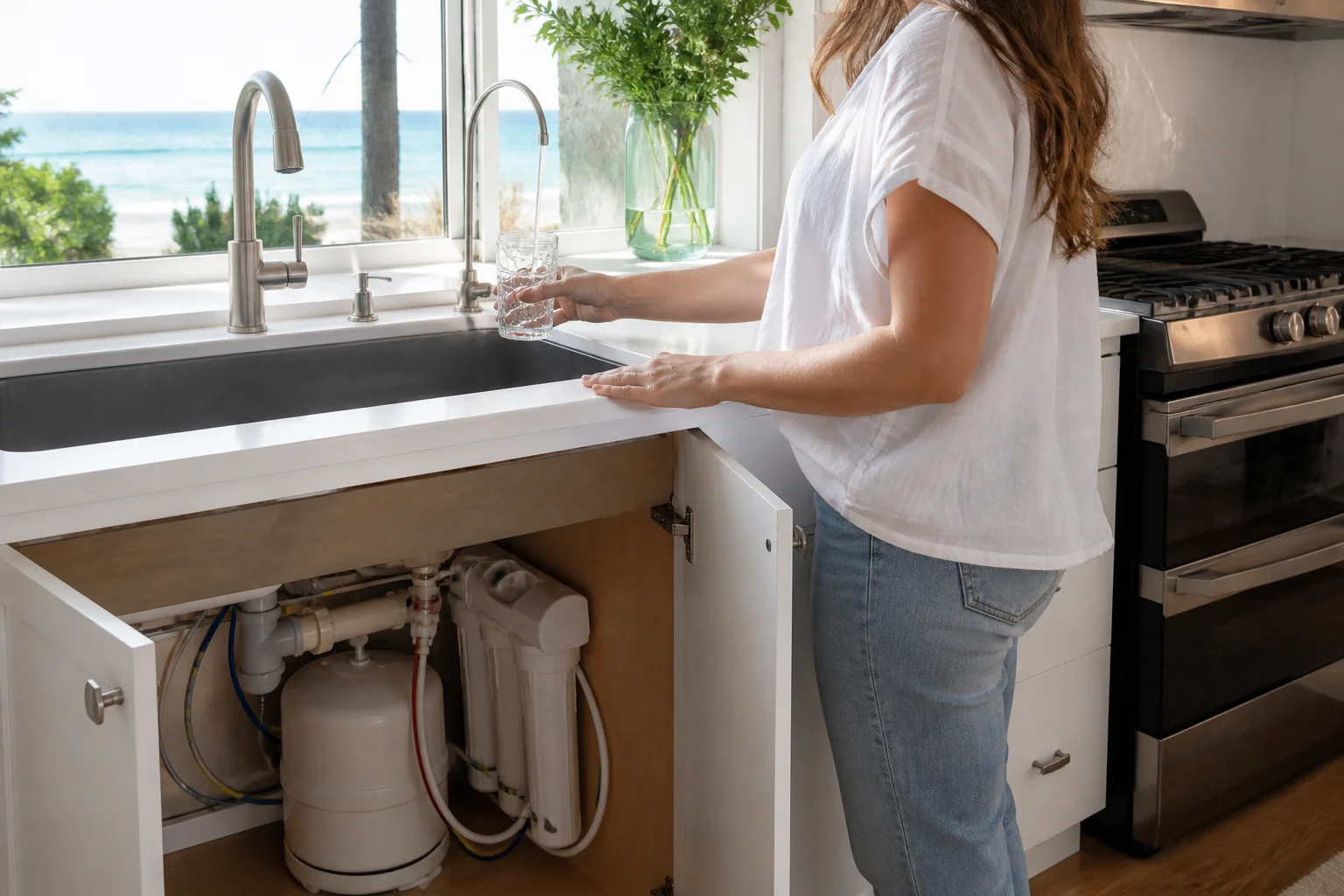
Hard water and mineral content vary by water source and property. When minerals accumulate, scale can restrict faucet aerators, showerheads, valves, and water heater components. Scale does not automatically mean a pipe is leaking, but deposits around a connection can reveal a slow seep. Homeowners concerned about spots, scale, taste, or odor can review the local guide to clean water systems in Upper Grand Lagoon or explore available water purification options.
Drains can reveal problems beyond a basic clog
A slow sink or shower drain often begins with hair, soap residue, grease, or food debris. Multiple slow drains, gurgling toilets, wastewater odors, or water backing up at the lowest fixture can point to a deeper drain or sewer line problem. Repeatedly treating the same drain without finding the cause may allow pipe damage or a sewer obstruction to worsen.
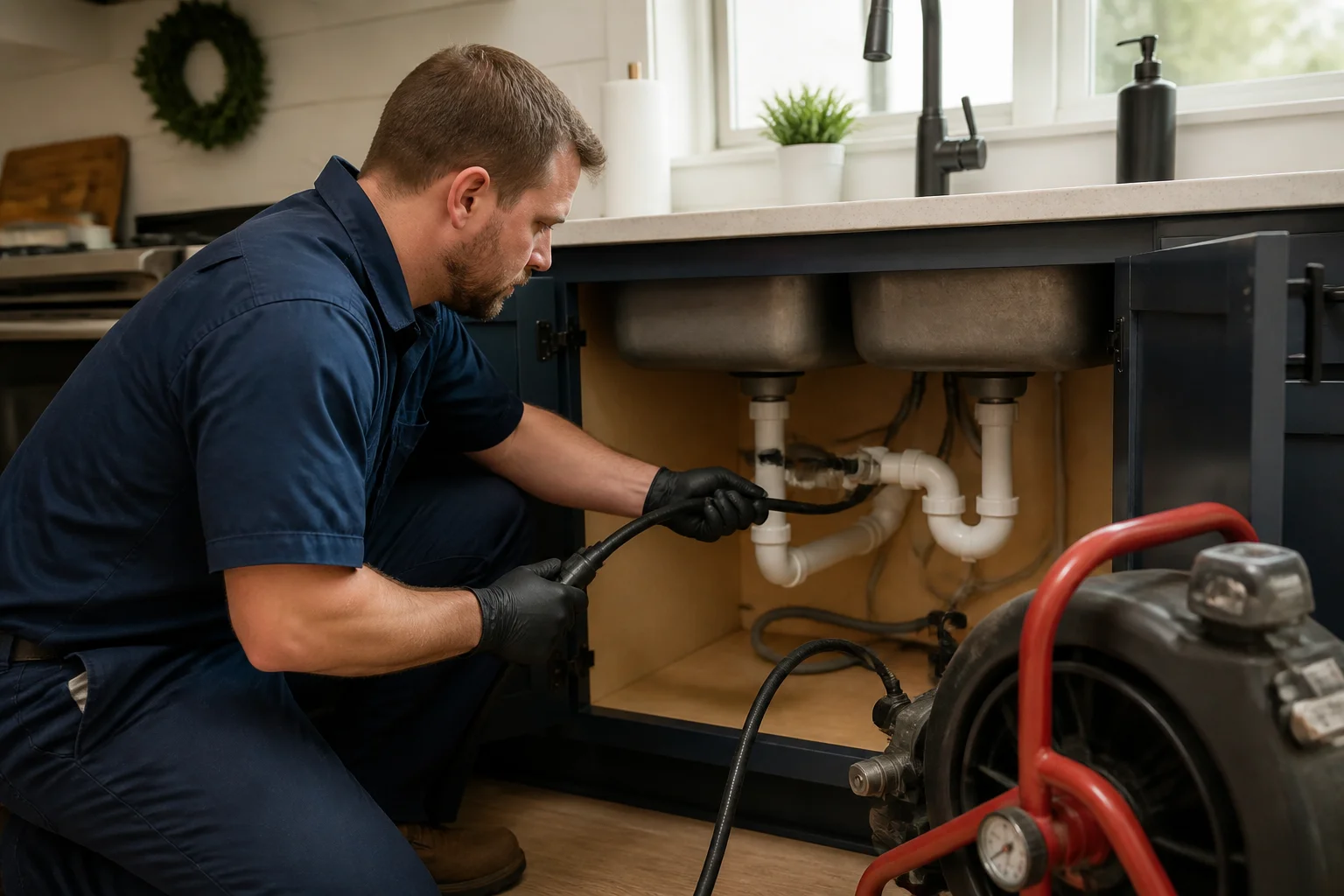
Avoid pouring chemical drain cleaners into a fixture as a routine response. Harsh products may not remove the full blockage and can create safety concerns for anyone who later opens the pipe. A homeowner searching for slow drain repair near me should note which fixtures are affected, when the problem started, and whether wastewater has backed up. That information helps a plumber decide whether the issue calls for local drain cleaning, main line service, or a sewer camera inspection.
Sewer lines can be affected by root intrusion, settled soil, damaged joints, grease accumulation, or crushed pipe sections. If recurring blockages lead you to search for sewer inspection near me, ask whether video equipment can document the line condition. A camera inspection can help separate a removable blockage from structural sewer line damage and support a more targeted repair.
Slab leaks require accurate detection
A slab leak occurs when a water line beneath or within a concrete foundation leaks. Possible clues include unexplained water use, warm flooring, damp carpet, cracked flooring, low pressure, or the sound of flowing water. Not every foundation crack or warm spot confirms a plumbing leak, so testing is essential.
Professional leak detection and slab leak repair may involve pressure testing, acoustic equipment, thermal imaging, moisture readings, or line isolation. The goal is to identify the affected section before choosing a repair method. Depending on pipe location and condition, the solution may involve a targeted opening, rerouting the line, or replacing a larger section of deteriorated pipe.
Water heaters need regular leak checks
Water heaters should be inspected for moisture around the base, corrosion at pipe connections, dripping valves, rusty water, unusual noises, and inconsistent hot water. Water beneath a tank can come from a loose connection or valve, but it can also indicate that the tank itself has failed. A leaking tank generally requires replacement rather than a patch.
Do not cap or block a temperature and pressure relief valve. It is a critical safety device. If it drips repeatedly, a plumber should check water pressure, thermal expansion, water temperature, and the valve itself. The local guide to smarter water heater repair explains how to evaluate common symptoms. Routine care is also covered in this article about water heater maintenance in Upper Grand Lagoon homes.
Homeowners considering tank or tankless equipment should have the plumbing, fuel or electrical capacity, venting, installation location, and household demand evaluated. A search for water heater installation near me is a starting point, but proper sizing and code compliant installation are what support reliable performance.
Steps to take during an active plumbing leak
Stop the water if it is safe to do so
Close the nearest fixture valve for a leaking toilet, sink, appliance, or faucet. If the leak cannot be isolated, use the home’s main water shutoff. Every household member and property manager should know where this valve is located and how it operates. Do not enter standing water near electrical equipment, outlets, or a water heater. Leave the area and contact the appropriate emergency professionals if electrical hazards may be present.
Limit damage and document the area
Move belongings away from the leak, place containers under drips, and use towels only where it is safe. Take photos of damaged materials and record the water meter reading. Avoid cutting into walls or floors based only on a stain because water can travel along framing and appear far from its source.
Call promptly for uncontrolled or concealed leaks
An active pipe break, overflowing toilet, sewage backup, suspected slab leak, or failed water heater can require urgent service. If an emergency leak repair near me search becomes necessary, tell the plumber whether the main valve is closed, where water is visible, which fixtures are affected, and whether the property is occupied. Clear information helps the service team prepare for the likely repair.
Repair the cause instead of covering the symptom
A reliable plumbing repair begins with diagnosis. Replacing a stained ceiling without fixing the pipe above it will not solve the problem. Tightening a fitting may also be inadequate if corrosion, cracked pipe, poor installation, or excessive pressure caused the leak.
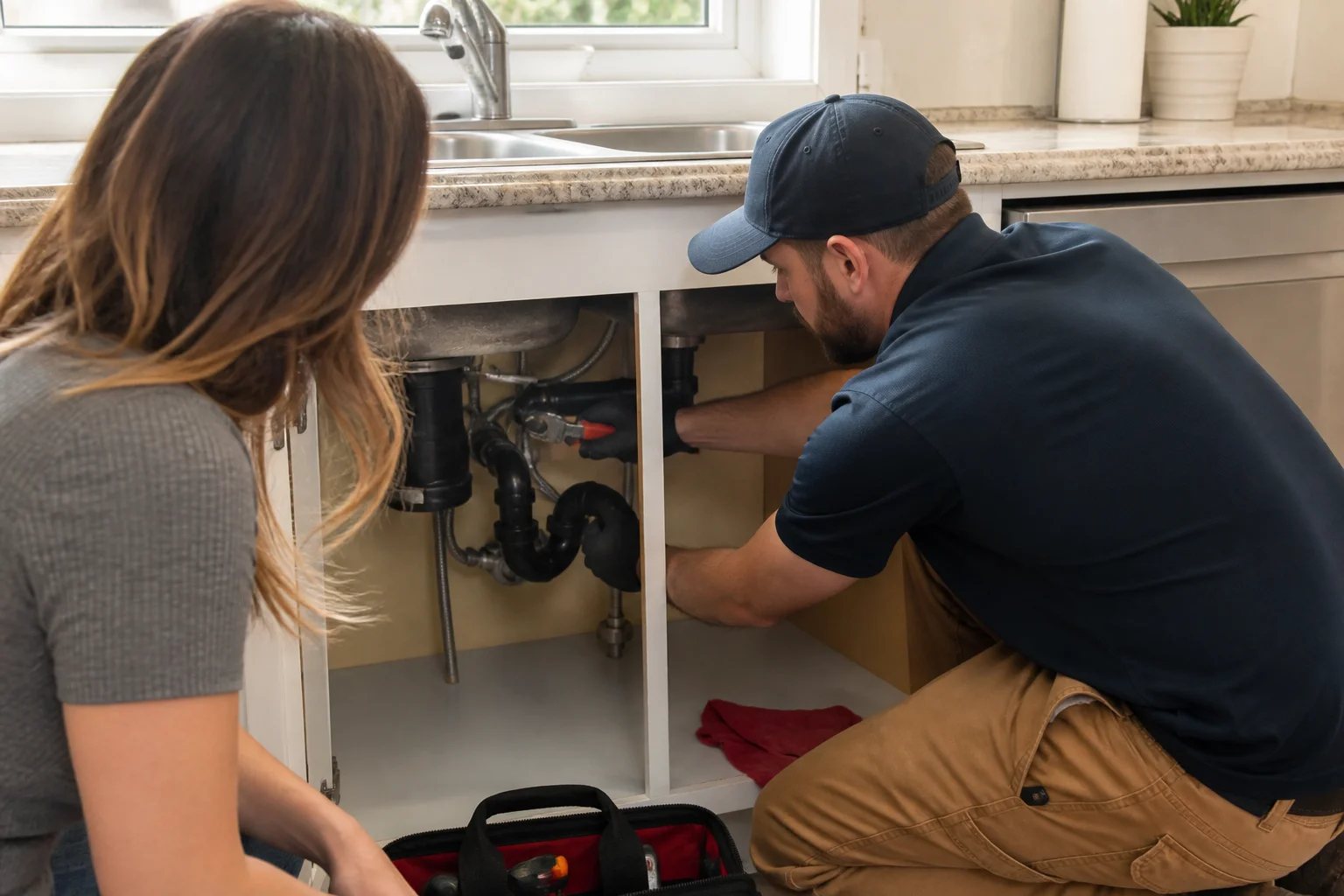
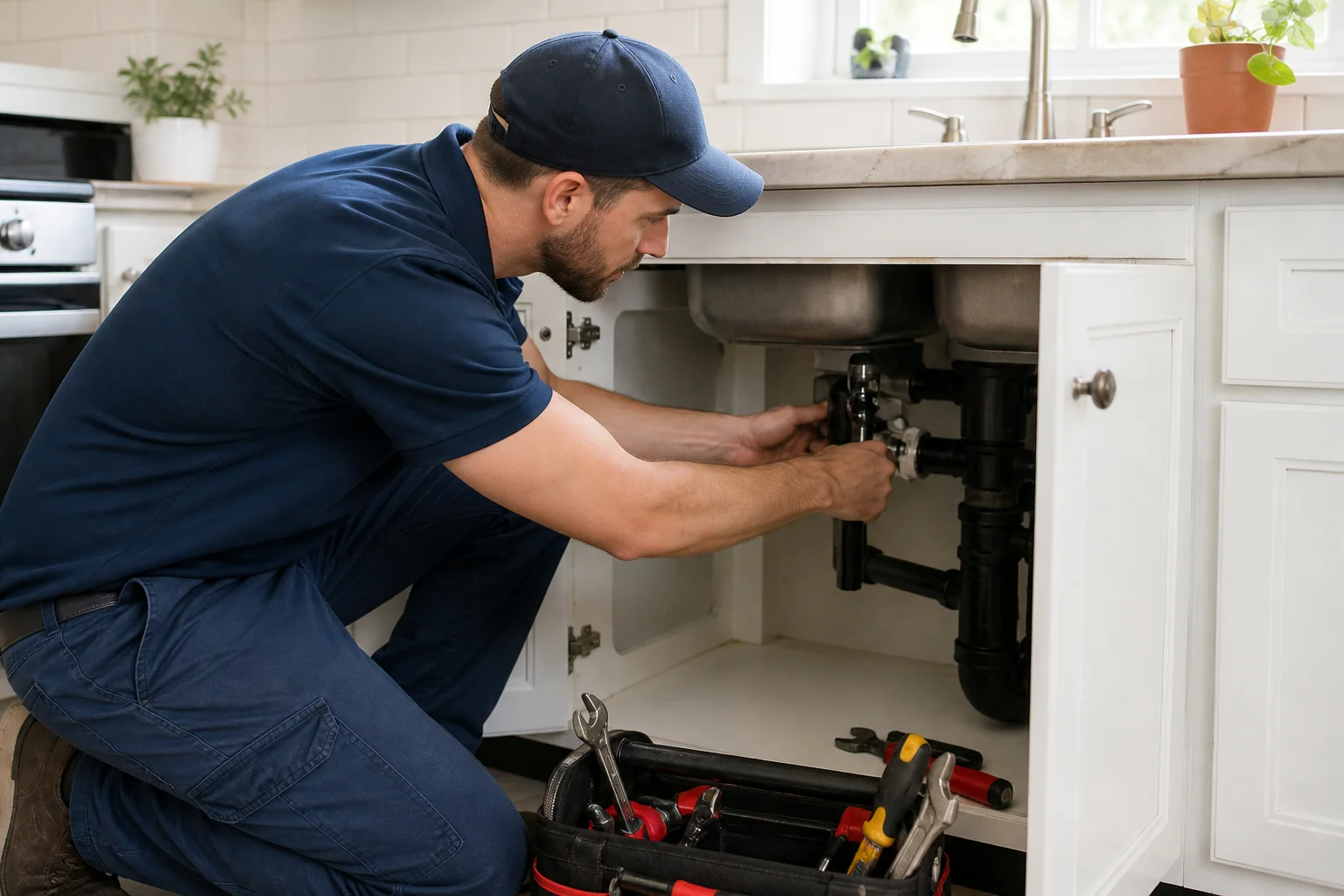
Depending on the findings, a plumber may replace a faucet cartridge, toilet seal, shutoff valve, flexible connector, pipe fitting, or damaged pipe section. Underground water lines and slab piping require a different plan. Homeowners searching for water pipe repair near me should ask how the leak location will be confirmed and whether the repair addresses the condition of nearby materials.
A Superior Mechanical provides broader plumbing services in Upper Grand Lagoon for fixtures, drains, pipes, water heaters, sewer concerns, and ongoing maintenance. Coordinating related repairs can be useful when several symptoms share a cause, such as high pressure affecting faucets, toilets, and appliance lines throughout the house.
Practical prevention for local homes and rentals
Inspect exposed plumbing every few months. Look beneath sinks, behind toilets, near appliances, around the water heater, and at outdoor fixtures. Replace damaged supply lines and exercise accessible shutoff valves so they do not seize. Test toilets for silent leaks with a few drops of food coloring in the tank. If color appears in the bowl without flushing, internal parts may need service.
Keep grease, wipes, paper towels, hygiene products, and food scraps out of drains. Use sink strainers and address slow flow before it becomes a full blockage. Schedule drain cleaning based on actual recurring conditions rather than waiting for wastewater to overflow. Properties with a history of sewer issues may benefit from documented inspections.
Watch the monthly water bill and compare similar occupancy periods. This is especially useful for vacation rentals, where guest counts change. Smart leak sensors and automatic shutoff devices can add protection near water heaters, washing machines, dishwashers, and other vulnerable areas, but they do not replace pipe maintenance.
Water quality service may also help protect fixtures and improve household water, depending on test results and homeowner goals. A proper assessment should guide any treatment recommendation. Learn about clean water services in Upper Grand Lagoon before selecting filtration or conditioning equipment.
Choosing dependable plumbing help in Bay County
A search for a local plumber near me should lead to more than the fastest advertisement. Look for a company that explains the suspected cause, outlines repair options, and checks the completed work. For hidden leaks, ask how the location will be narrowed before demolition begins. For sewer problems, ask whether the line condition can be verified. For fixture repair, make sure surrounding valves and connections are also inspected.
Local service is valuable when a coastal property has an urgent leak, a rental turnover deadline, or an issue tied to regional construction and water conditions. A Superior Mechanical serves homeowners, businesses, and vacation properties across Bay County. Prompt diagnosis and a targeted repair can protect the building, reduce wasted water, and restore normal plumbing without unnecessary disruption.
Find Water Leak Repairs in Upper Grand Lagoon, FL
If you need Water Leak Repairs in Upper Grand Lagoon, FL, visit our local service page or contact A Superior Mechanical today.
Map of Upper Grand Lagoon, FL
Frequently Asked Questions
How can I tell whether my Upper Grand Lagoon home has a hidden water leak?
Check for unexplained increases in water use, meter movement when fixtures are off, damp cabinets, stained walls, warped flooring, musty odors, low pressure, or the sound of running water. A plumber can use pressure testing and leak detection equipment to locate concealed pipe or slab leaks.
Is a slab leak considered a plumbing emergency?
A suspected slab leak should be inspected promptly. It may waste substantial water and damage flooring, foundations, cabinets, or walls. Close the main water valve and request urgent service if water is actively surfacing, pressure drops suddenly, or damage is spreading.
Can a slow drain be related to a sewer line problem?
Yes. One slow fixture often has a local clog, but several slow drains, gurgling toilets, sewage odors, or backups at low fixtures may indicate a main drain or sewer line obstruction. Drain cleaning or a sewer camera inspection can identify the cause.
Related Articles
- How Everyday Plumbing Wear Creates Bigger Water Leak Repairs in Parker Homes
- A Homeowner’s Guide to Smarter Water Heater Repair in Upper Grand Lagoon
- A Practical Guide to Clean Water Systems in Upper Grand Lagoon, FL: Hard Water Spots, Scale, Taste, and Odor
- Keeping Hot Water Reliable in Upper Grand Lagoon Homes: A Practical Guide to Water Heater Maintenance
Photo Gallery