Commercial HVAC systems keep businesses comfortable through Lower Grand Lagoon’s hot, humid summers and salt air conditions. When the system runs harder than it should, energy use rises and breakdowns become more likely. The good news is that smart preventive HVAC maintenance can lower the chances of expensive repairs, improve indoor air quality, and protect your comfort and operations.
If you are a homeowner who manages property, a condominium board, or a small business owner looking for reliable commercial HVAC services in Lower Grand Lagoon, FL, this guide focuses on practical maintenance habits, common local issues, and the checkpoints a licensed HVAC contractor uses to keep systems performing.
Why Lower Grand Lagoon commercial HVAC needs a maintenance plan
In Bay County, Florida, air conditioning is not optional. It is the foundation of comfort and humidity control. With persistent heat and moisture, commercial systems face extra strain:
- Humidity and airflow demands: When airflow drops, coils do not remove moisture as effectively, which can increase indoor humidity and cause comfort complaints.
- Salt air exposure: Coastal air can accelerate corrosion on outdoor equipment and affect airflow components and condensate drainage paths.
- Condensate drainage issues: In humid weather, condensate drainage becomes a critical part of protecting coils and preventing water damage.
- Energy use pressure: Worn filters, leaky ductwork, and aging thermostats can cause systems to run longer and cycle less efficiently.
A maintenance plan helps you stay ahead of these factors. It also gives you a clearer picture of when you may need HVAC replacement near me planning, rather than reacting to an emergency cooling concern.
Start with the basics: airflow, filtration, and humidity control
The fastest way to improve performance is to protect airflow. In commercial settings, airflow is often the difference between steady comfort and constant callbacks.
Filters: the simple step that prevents big problems
Filters trap dust, lint, and airborne particles. When filters are overdue, the system can struggle to move air, which can lead to higher energy use and reduced cooling capacity. For indoor air quality, filter condition matters because dirty media can contribute to poor air circulation and comfort issues.
Ask your HVAC company about an appropriate filter schedule for your building type. In Florida humidity, filter changes can be a key part of preventing moisture-related strain on coils. If you are considering upgrades, explore air filtration and dehumidifiers to improve humidity control and comfort.
Airflow checks: supply, return, and ductwork pressure
Even if the system is “running,” comfort can fail when airflow is off. A professional commercial HVAC technician will typically assess:
- Whether supply air is reaching occupied spaces at the expected volume
- Whether return air paths are clear and not blocked by furniture, storage, or construction materials
- Whether ductwork shows signs of leakage, poor insulation, or restrictions
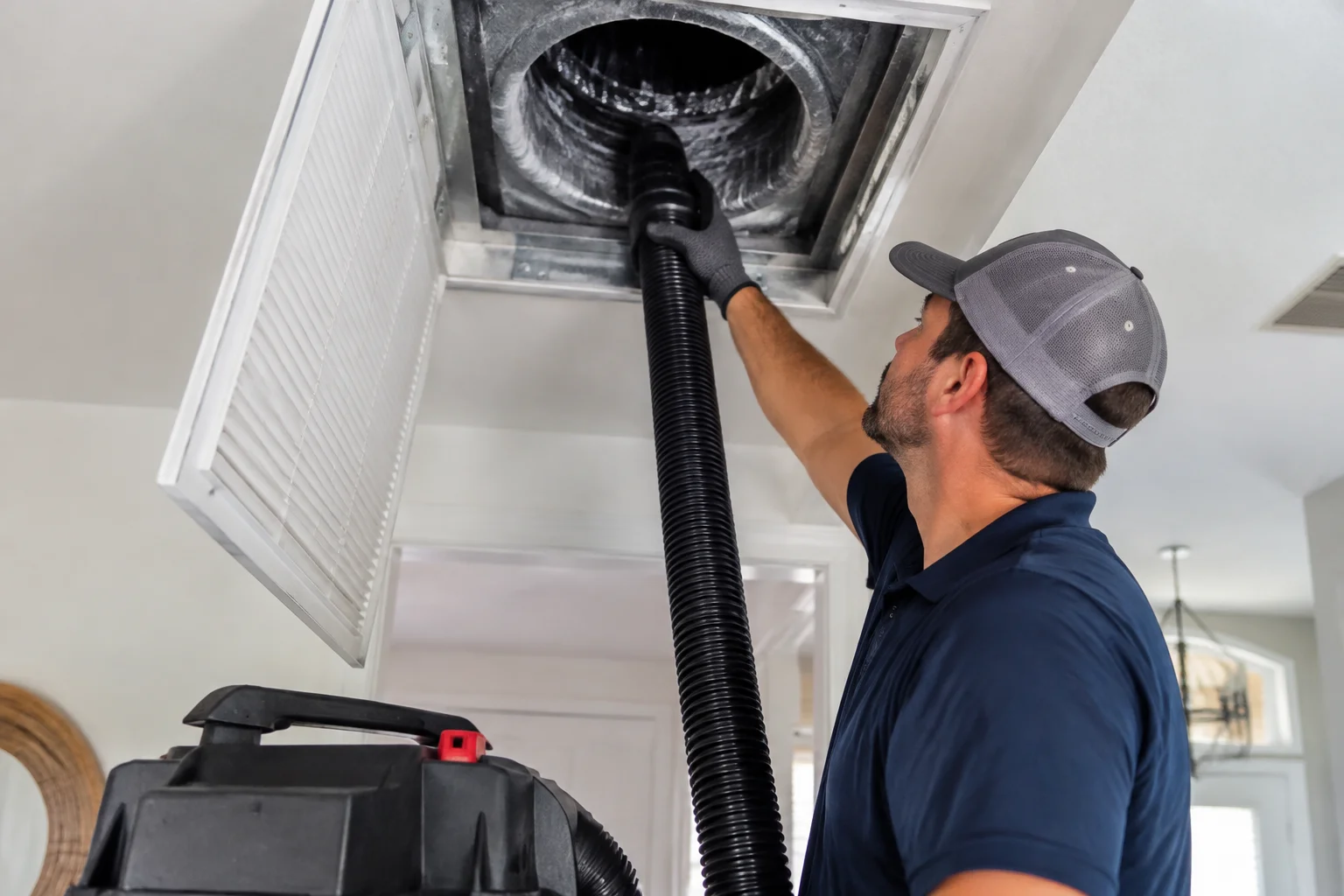
For many Lower Grand Lagoon buildings, ductwork and airflow performance are closely tied to humidity and temperature swings. If you suspect inconsistent cooling, uneven temperatures, or frequent cycling, duct inspection near me and a ductwork evaluation can be part of the solution.
Humidity control: why it impacts both comfort and equipment strain
When the air is humid, the system has to remove more moisture to maintain comfort. If coils are dirty, condensate drainage is restricted, or airflow is reduced, the system may not dehumidify properly. That can lead to:
- Sticky indoor feel and condensation on surfaces
- Musty odors and indoor air quality concerns
- Extra compressor runtime to chase temperature
Professional indoor air quality services may also help if you have lingering humidity-related odors or comfort complaints. Consider indoor air quality and air scrubbers as part of a broader maintenance and upgrade plan.
Refrigerant systems and condensate drainage: what homeowners should watch for
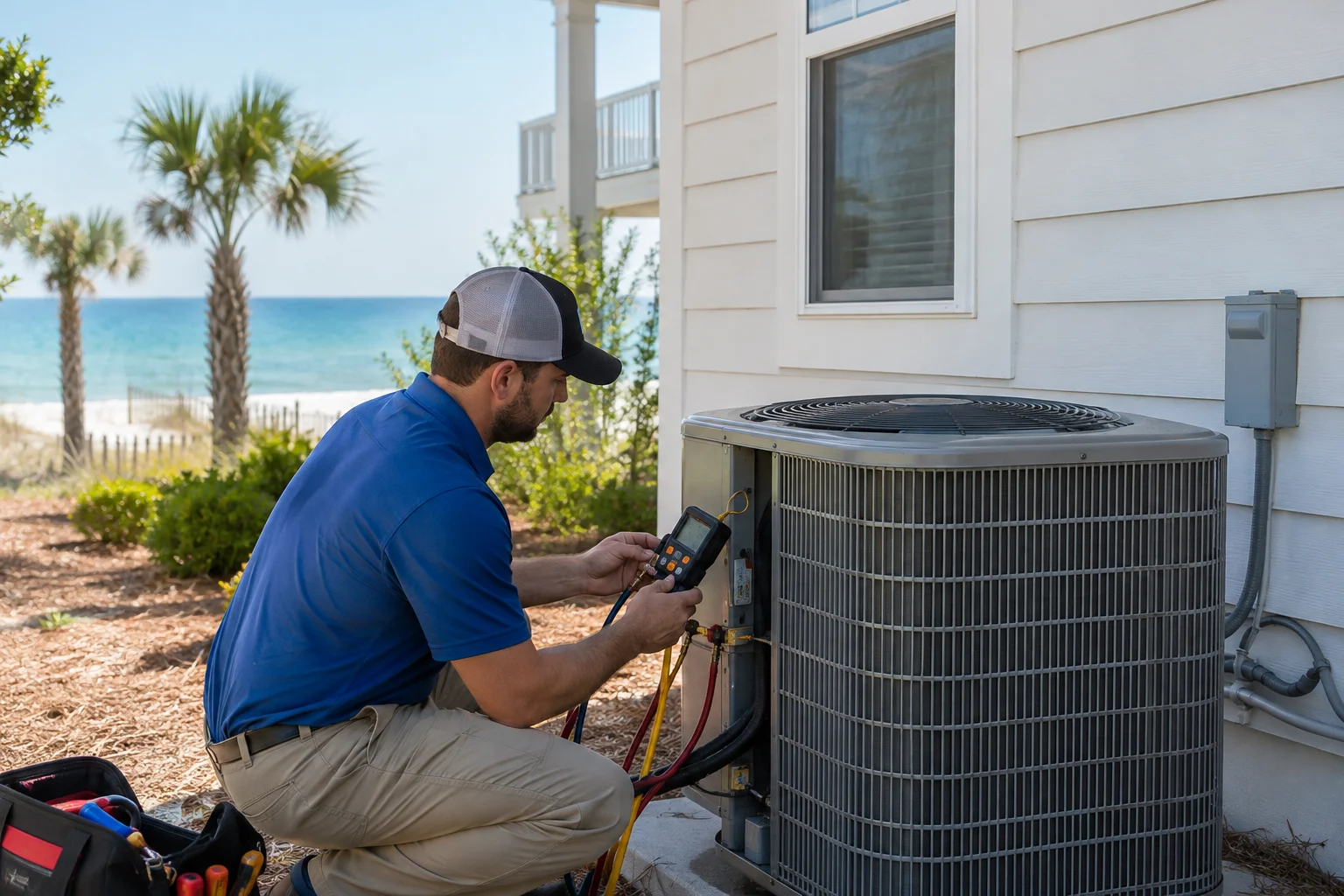
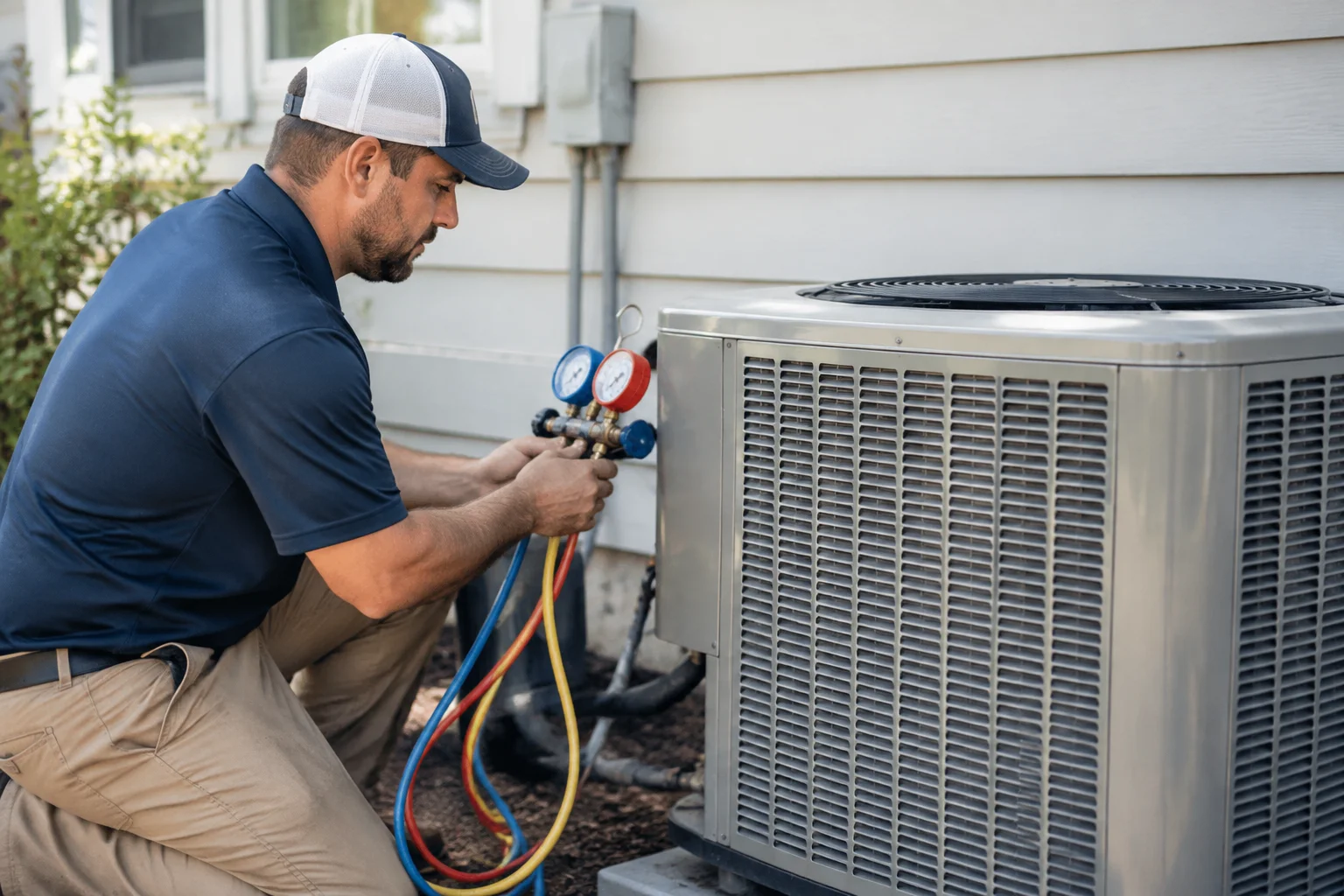
Commercial HVAC troubleshooting often comes down to two areas: refrigerant system performance and condensate drainage. Homeowners should not attempt refrigerant diagnosis themselves, but you can recognize early warning signs and schedule service before the problem escalates.
Refrigerant system symptoms to take seriously
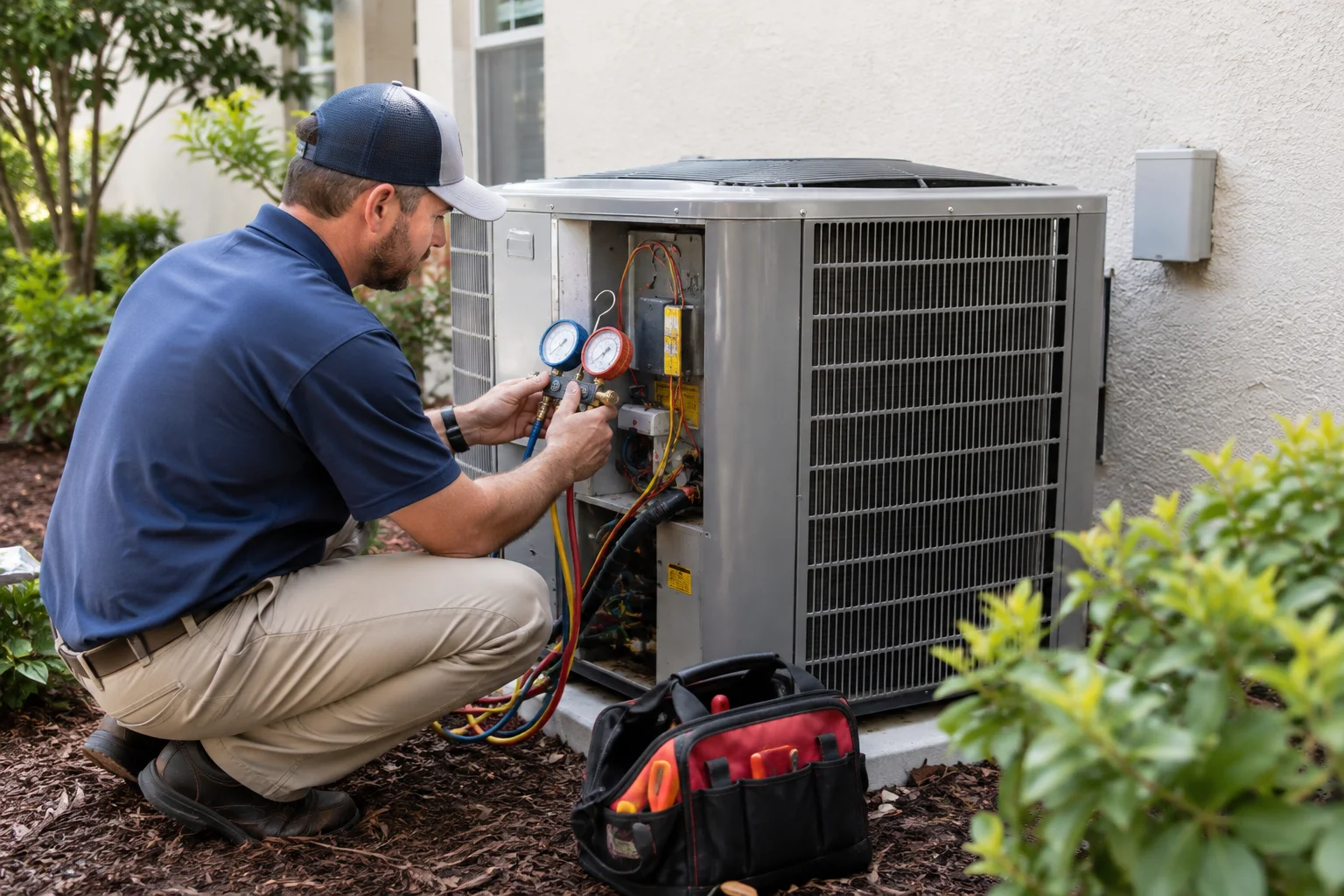
Refrigerant systems are designed and balanced as a closed system. Low or off-balance refrigerant can reduce cooling capacity and increase stress on the compressor. Because refrigerant work requires proper tools and safety practices, only an in-person professional evaluation should determine what is happening.
Look for patterns like:
- Cooling that feels weak even when the thermostat calls for cooling
- Repeated cycling where the system turns on and off more than usual
- Ice buildup on coils or unusual frost patterns (visible during inspection)
If you notice these issues, contact an air conditioning repair near me or HVAC service near me provider that handles commercial equipment.
Condensate drainage: the hidden comfort and damage risk
In Florida humidity, condensate drainage removes the moisture the cooling process creates. If condensate drainage is clogged, improperly routed, or blocked, you can see water on floors, wet ceilings, or recurring shutdowns depending on system design.
During maintenance, technicians typically inspect drainage routes and verify condensate is flowing correctly. This is especially important for buildings exposed to salt air and debris, where outdoor equipment can accumulate grime faster.
Thermostats and controls: smarter scheduling can reduce energy use
Thermostats and controls influence comfort and energy use. In commercial spaces, schedules may need adjustment as seasons shift or as occupancy changes.
Check settings and staging for daily operation
A common maintenance gap is outdated or incorrect scheduling. If the thermostat is set to run cooling too aggressively, the system may cycle constantly. If it is set too conservatively, humidity can build up and comfort suffers.
Ask about:
- Whether schedules match actual business hours and occupancy
- Whether zones are operating as intended
- Whether the system uses the right staging logic for the building
Even a well-maintained system can underperform with mismatched controls. A licensed HVAC contractor can review how your thermostats manage cooling calls and how the system responds.
What preventive HVAC maintenance should include for commercial systems
Preventive maintenance is not a single task. It is a routine set of inspections and performance checks that keep refrigerant systems, airflow, and indoor air quality stable. The exact scope varies by equipment type, but a strong commercial plan typically includes seasonal attention to these areas:
Coils, fans, and airflow components
Technicians inspect and clean where appropriate, then verify airflow performance. Dirty coils and restricted airflow can reduce cooling capacity and increase energy use.
Electrical safety checks and control operation
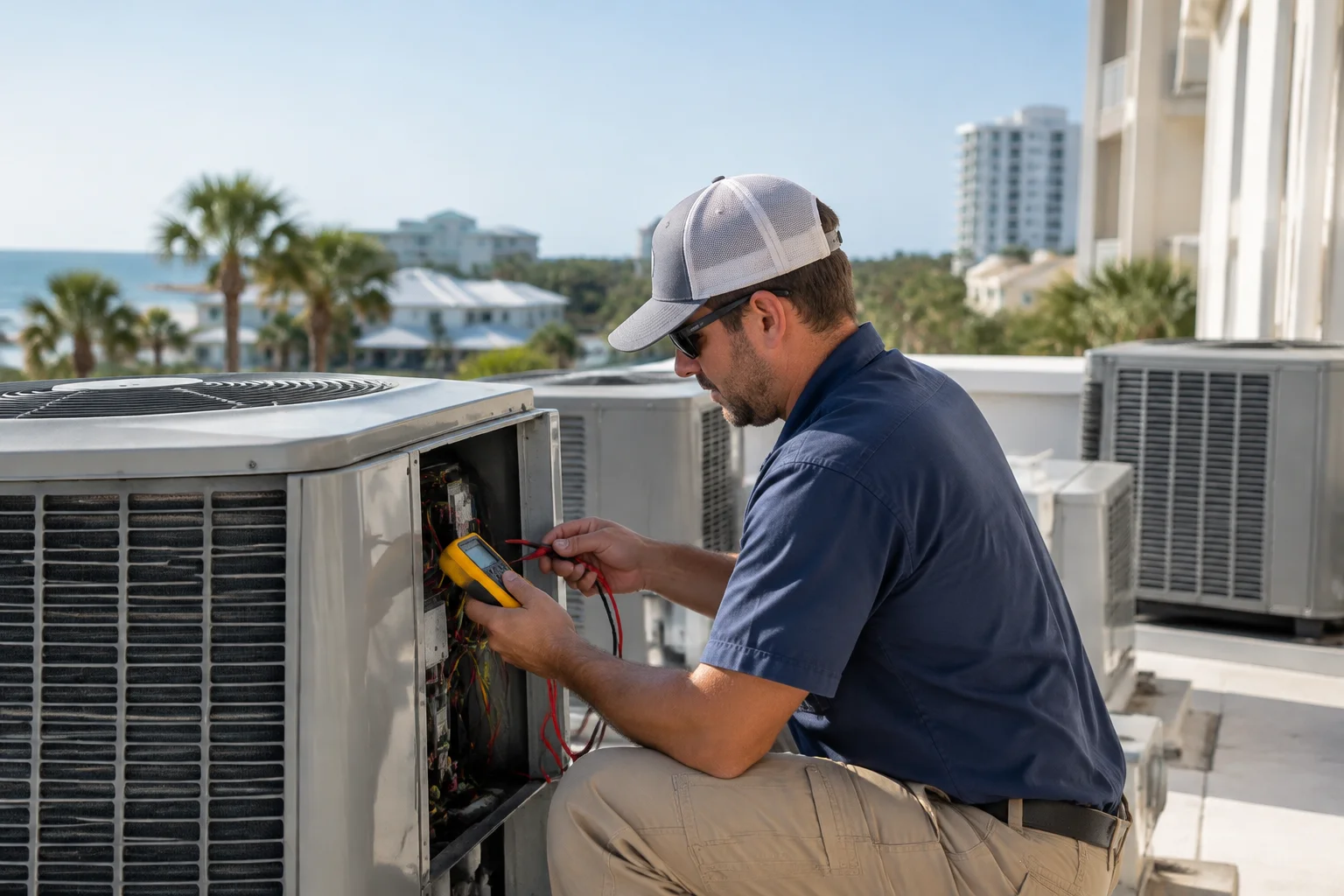
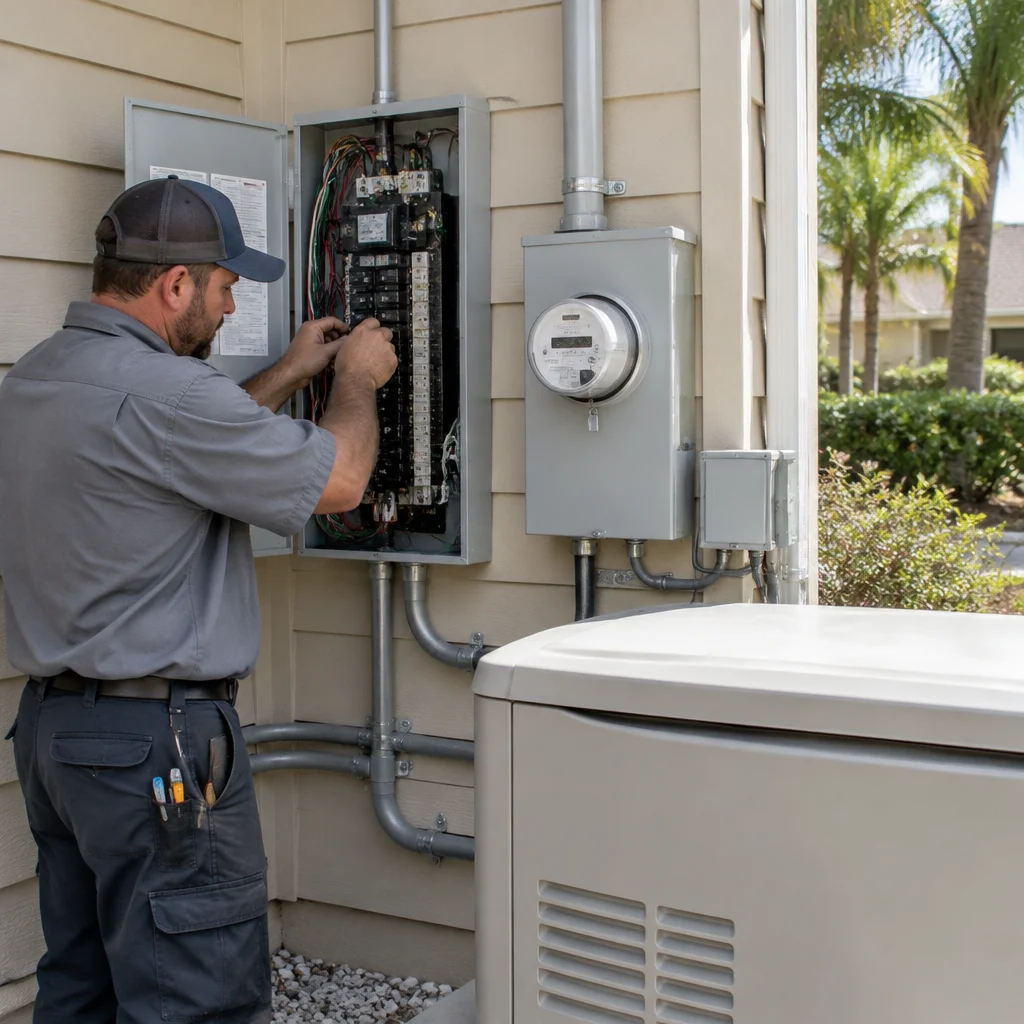
Commercial systems rely on controls and power components. Maintenance should include safety-oriented inspections and confirmation that the system is operating correctly. Electrical work should always be handled by qualified professionals.
Drain lines and moisture-related inspection points
For humid climates, condensate drainage checks matter. Maintenance should confirm drainage is clear and that moisture is handled safely.
Outdoor unit protection and corrosion awareness
Lower Grand Lagoon’s salt air can contribute to corrosion. A local HVAC company will consider how the outdoor environment affects equipment, including airflow pathways and protective surfaces.
If you are searching for an HVAC company near me for commercial preventive HVAC maintenance, look for a provider that can explain what they inspect, how they document results, and how they tailor service to your building’s humidity and airflow needs.
Common commercial HVAC issues in Lower Grand Lagoon and what they look like
Homeowners and property managers often notice comfort problems before they know what is wrong. Here are common issues tied to the local climate and how they show up:
Temperature swings and hot spots
Causes often include ductwork limitations, blocked returns, or airflow restrictions. When airflow is inconsistent, some areas may feel too warm while others feel overly cooled. A duct inspection can help identify airflow imbalances.
Humidity that will not drop
High indoor humidity can be linked to reduced airflow, dirty coils, inadequate dehumidification performance, or condensate drainage problems. If comfort complaints include dampness or condensation, prioritize humidity control and indoor air quality services.
Frequent cycling and short run times
Short cycles can indicate control issues, airflow problems, or system performance imbalance. A technician can evaluate the system behavior in context rather than guessing.
Odors when the system runs
Musty or dusty smells can be connected to indoor air quality, dirty components, or moisture-related concerns. That is a good reason to discuss air filtration, air scrubbers, and ductwork condition as part of a maintenance strategy.
Planning for HVAC replacement without waiting for a breakdown
Many homeowners only think about HVAC replacement near me after a major failure. A better approach is to plan while the system is still operating. Preventive maintenance helps you understand wear patterns and performance trends.
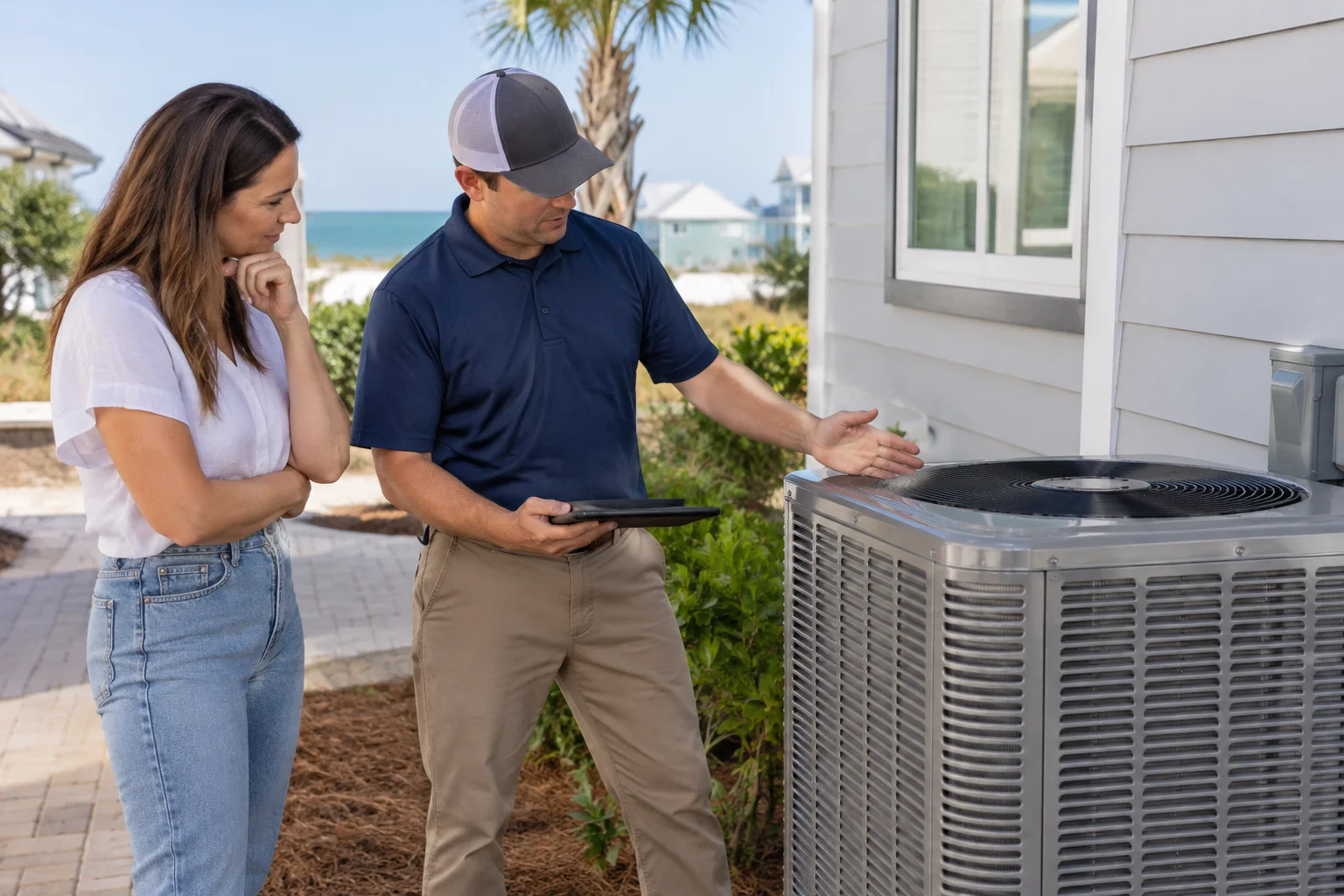
When replacement becomes a realistic option, professional evaluation is essential. A contractor can assess the current system condition, airflow performance, ductwork needs, and how refrigerant systems and controls are integrated. Avoid assuming replacement is the right move based on a single symptom. An in-person visit is the only way to confirm what is actually driving the problem.
Emergency cooling concerns: how to reduce risk before peak heat
In Lower Grand Lagoon, the most stressful HVAC moments often happen during peak humidity and heat. Emergency cooling concerns are more likely when maintenance is delayed or when airflow and drainage issues are ignored.
To reduce risk:
- Schedule commercial AC tune up and preventive maintenance before the hottest stretches.
- Keep filters and airflow paths clear.
- Document comfort complaints and recurring issues so technicians can focus their troubleshooting.
- Ensure condensate drainage is not obstructed and that moisture is handled properly.
If you do face an urgent problem, consider emergency HVAC services for commercial cooling support.
Heat pumps, AC repair, and ductwork: choosing the right commercial service mix
Many commercial systems in the area include air conditioning components and, in some cases, heat pump service depending on building design and climate strategy. Whether you need heat pump repair near me or air conditioning repair near me, the key is matching the service to the equipment and the airflow and humidity needs of the building.
Heat pump service and seasonal performance
Heat pumps also rely on airflow and coil performance. If airflow is weak or coils are dirty, the system may not deliver comfort effectively. Preventive maintenance helps maintain stable performance through seasonal transitions.
Ductwork and sealing for better comfort consistency
Duct leaks and poor sealing can waste conditioned air and make humidity control harder. If your building has recurring hot spots, uneven comfort, or higher energy use, ductwork improvements may be part of the long-term solution. For Lower Grand Lagoon specifically, you may find useful guidance in How Lower Grand Lagoon Homes Stay Comfortable with Better Duct Sealing and Aeroseal.
How to work with a licensed HVAC contractor for commercial maintenance
Homeowners often start by searching “licensed HVAC contractor near me” or “HVAC service near me.” For commercial work, the most helpful question is not only whether the contractor can repair equipment, but whether they can support ongoing maintenance that matches your building.
When you meet with an HVAC company, consider asking:
- How they assess airflow and indoor air quality in commercial spaces
- What they inspect during preventive HVAC maintenance
- How they handle condensate drainage and moisture-related concerns
- How they document findings so you can track issues over time
- Whether they coordinate recommendations for ductwork, filtration, or humidity control
For building owners who also manage budgets, it helps to plan repairs and upgrades in a way that reduces energy use and avoids emergency cooling concerns. If financing is part of your planning, see A Local Homeowner’s Guide to HVAC Financing in Lower Grand Lagoon, FL.
Looking beyond one system: indoor air quality, airflow, and coastal protection
Commercial comfort is more than cooling. In a humid coastal environment, indoor air quality services and airflow improvements can reduce complaints and protect occupant health.
When you evaluate your HVAC maintenance strategy, consider how the system supports:
- Clean air circulation through proper filtration and air handling
- Humidity stability by supporting coil performance and condensate drainage
- Balanced airflow to reduce hot spots and uneven comfort
- Coastal resilience by addressing corrosion and protecting airflow pathways
If you operate a commercial building near other coastal areas, you may also find helpful perspective in Smart HVAC Planning for Rosemary Beach Homes. While that article focuses on residential planning, the climate drivers and airflow lessons often translate well to commercial comfort goals.
If you want to compare service priorities across nearby markets, Commercial HVAC Services in Sandestin, FL: Answers to Common Questions can help you frame what to ask before committing to a maintenance plan.
Get local commercial HVAC help built for Lower Grand Lagoon conditions
Lower Grand Lagoon businesses depend on reliable cooling, steady airflow, and humidity control. The smartest maintenance approach is proactive: protect filtration, verify airflow, keep condensate drainage clear, and review system controls so energy use stays under control.
For commercial HVAC services in Lower Grand Lagoon, Bay County, and surrounding areas, explore our Lower Grand Lagoon service area and the full commercial HVAC offering at /service-areas/bay-county/lower-grand-lagoon/commercial-hvac-services-lglbc.
Find Commercial HVAC Services in Lower Grand Lagoon, FL
If you need Commercial HVAC Services in Lower Grand Lagoon, FL, visit our local service page or contact A Superior Mechanical today.
Map of Lower Grand Lagoon, FL
Frequently Asked Questions
How often should commercial HVAC be serviced in Lower Grand Lagoon, FL?
Most commercial systems benefit from scheduled preventive HVAC maintenance before peak cooling season, with additional attention based on runtime, occupancy, and indoor humidity levels. A technician can tailor a plan after reviewing your equipment and operating conditions.
Why does my building feel humid even when the AC is running?
Humidity issues often come from reduced airflow, dirty coils, filtration problems, or condensate drainage that is not carrying moisture away effectively. Because refrigerant and system performance must be evaluated in person, the safest step is to schedule a professional inspection.
What are early warning signs of refrigerant system problems?
Weak cooling, unusual frost patterns, or repeated short cycling can indicate performance issues that may involve refrigerant systems. A professional should investigate the cause on site rather than attempting a DIY refrigerant adjustment.
Can ductwork affect energy use and comfort in commercial buildings?
Yes. Leaky or poorly performing ductwork can waste conditioned air, reduce airflow to certain zones, and make humidity control harder. Duct inspection near me and airflow testing can help confirm whether ductwork is contributing to comfort complaints.
What should I do if I have an emergency cooling concern?
Contact an HVAC professional that offers emergency HVAC services for commercial systems. While you wait, avoid shutting down safety controls or attempting repairs. A technician can assess the situation and restore cooling safely.
Related Articles
- A Local Homeowner’s Guide to HVAC Financing in Lower Grand Lagoon, FL: Comfort, Airflow, Humidity, and Prevention
- Commercial HVAC Services in Sandestin, FL: Answers to Common Questions
- How Lower Grand Lagoon Homes Stay Comfortable with Better Duct Sealing and Aeroseal
- Smart HVAC Planning for Rosemary Beach Homes: Comfort, Airflow, and Coastal Protection
Photo Gallery