If you have ever noticed hard water spots on glass, scale building around faucets, or a chlorine taste in water, you already know how quickly water quality affects daily life on 30A. Reverse osmosis (RO) is one of the most effective home water purification methods for cleaner drinking water and better everyday use. This guide walks you through how RO systems work, what problems they solve, and how to choose and maintain the right setup for a coastal home in Walton County.
What reverse osmosis actually does to your water
Reverse osmosis is a filtration process that pushes water through a semi-permeable membrane. The membrane helps reduce dissolved contaminants that can impact taste, odor, and water clarity. Depending on the system design, an RO unit may also include pre-filters that protect the membrane and post-filters that improve taste and protect plumbing.
In practical terms, RO can help with many of the issues homeowners notice right away, such as:
- Metallic, chlorinated, or unpleasant taste
- Cloudy ice cubes or film on drinking glasses
- Visible sediment, discoloration, and odor concerns that show up in drinking water and cooking water
- Poor tasting coffee and cooking water that makes meals feel “off,” even when the recipe is right
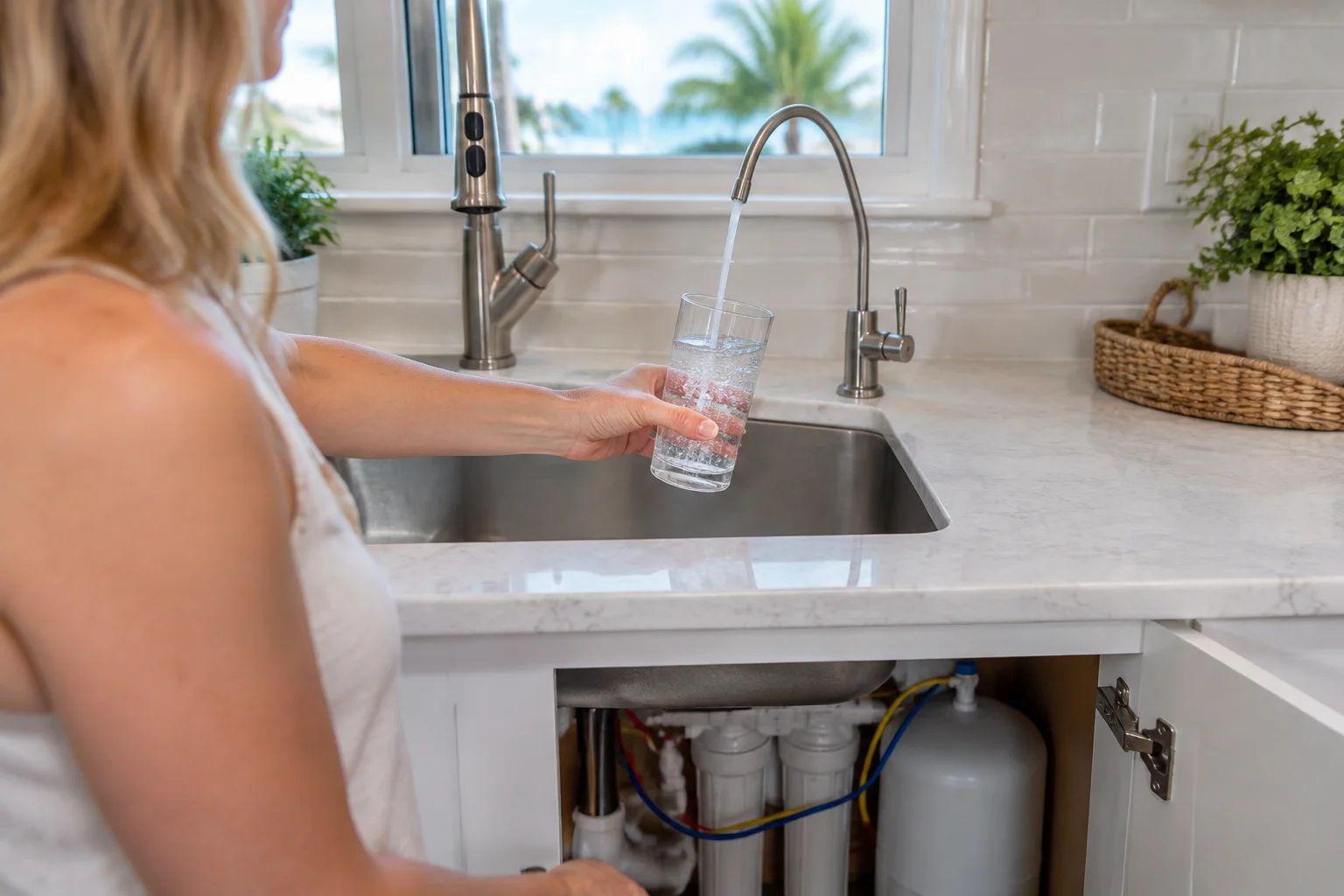
For 30A families, RO often becomes part of the kitchen routine. Think of a morning glass of water beside the coffee maker, kids filling bottles, and dinner prep using consistently clean water for pasta, rice, and sauces. When water quality improves, you usually see fewer “mystery” issues across the home.
Why 30A homeowners notice water quality issues more
Homes and vacation rentals along 30A face coastal conditions that can influence water chemistry and how quickly scale appears. Many households deal with a mix of dissolved minerals and water treatment byproducts that can leave residue. Even when the water looks fine, the effects can show up where water evaporates or is heated.
Common signs in local homes include:
- Scale buildup around faucets, showerheads, and plumbing
- Hard water spots on glass that return after wiping
- Soap that does not lather or rinse well
- Dry skin or dull hair after bathing, especially after long showers
- Appliances wearing out faster due to mineral buildup inside tanks, lines, and heating elements
These issues are not just cosmetic. When scale builds up, it can reduce efficiency and shorten the lifespan of water-dependent equipment, including water heaters and coffee makers. That is why local water treatment service matters. A system that matches your household needs and your water conditions tends to perform better and last longer.
Reverse osmosis versus water softening and whole home filtration
RO is excellent for drinking and cooking water. But many homeowners also want to address mineral-driven problems like scale on fixtures and shower surfaces. That is where other water treatment options come in.
Water softening focuses on hardness minerals
Hard water is usually caused by calcium and magnesium. A water softener service or an integrated approach can help reduce hardness. When hardness is controlled, you often see:
- Less scale buildup on faucets and showerheads
- Improved soap performance, with soap that lathers and rinses more easily
- Comfortable bathing with fewer dry skin complaints
A Superior Mechanical can help homeowners explore solutions like an AO Smith water softener when softening is the right fit for the home.
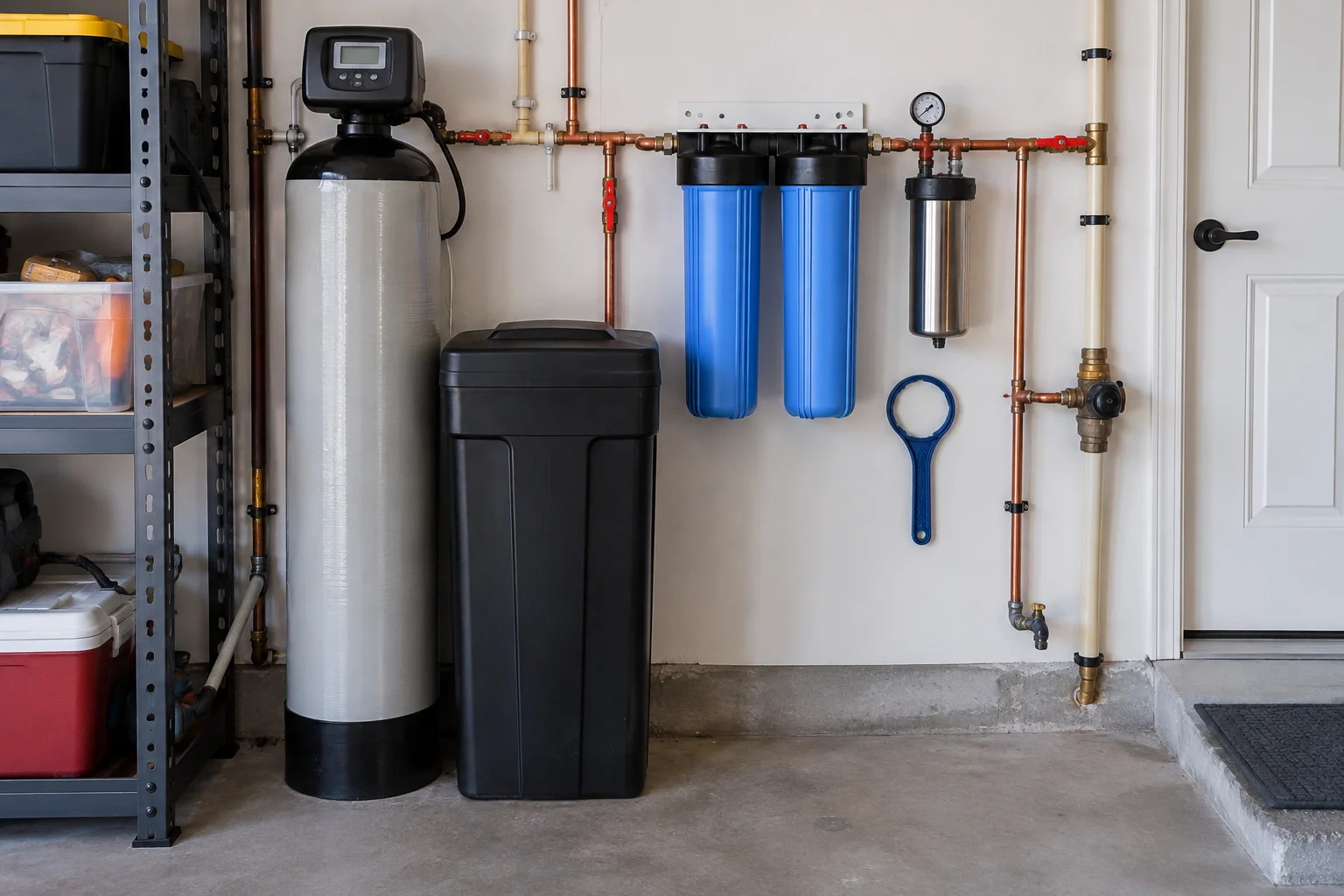
Whole home water filtration can protect plumbing and appliances
Whole home filtration helps reduce sediment and other particles that can affect water clarity and appliance performance. If you are searching for whole home water filtration near me or clean water systems near me, it usually means you want consistent water quality throughout the house, not just at one tap.
Many households combine approaches: whole home filtration to protect plumbing and fixtures, plus RO for drinking water at the kitchen sink or refrigerator. This is often how you get both everyday convenience and cleaner tasting water.
How RO and softening work together
RO and softening are not always interchangeable. RO targets dissolved contaminants for taste and drinking quality. Softening targets hardness minerals that cause scale. In many 30A homes, the best results come from coordinating both, rather than relying on one device to do everything.
If you are considering reverse osmosis system near me service, it helps to ask what your household actually needs: drinking water purification, scale control, or both.
The parts of a typical reverse osmosis system
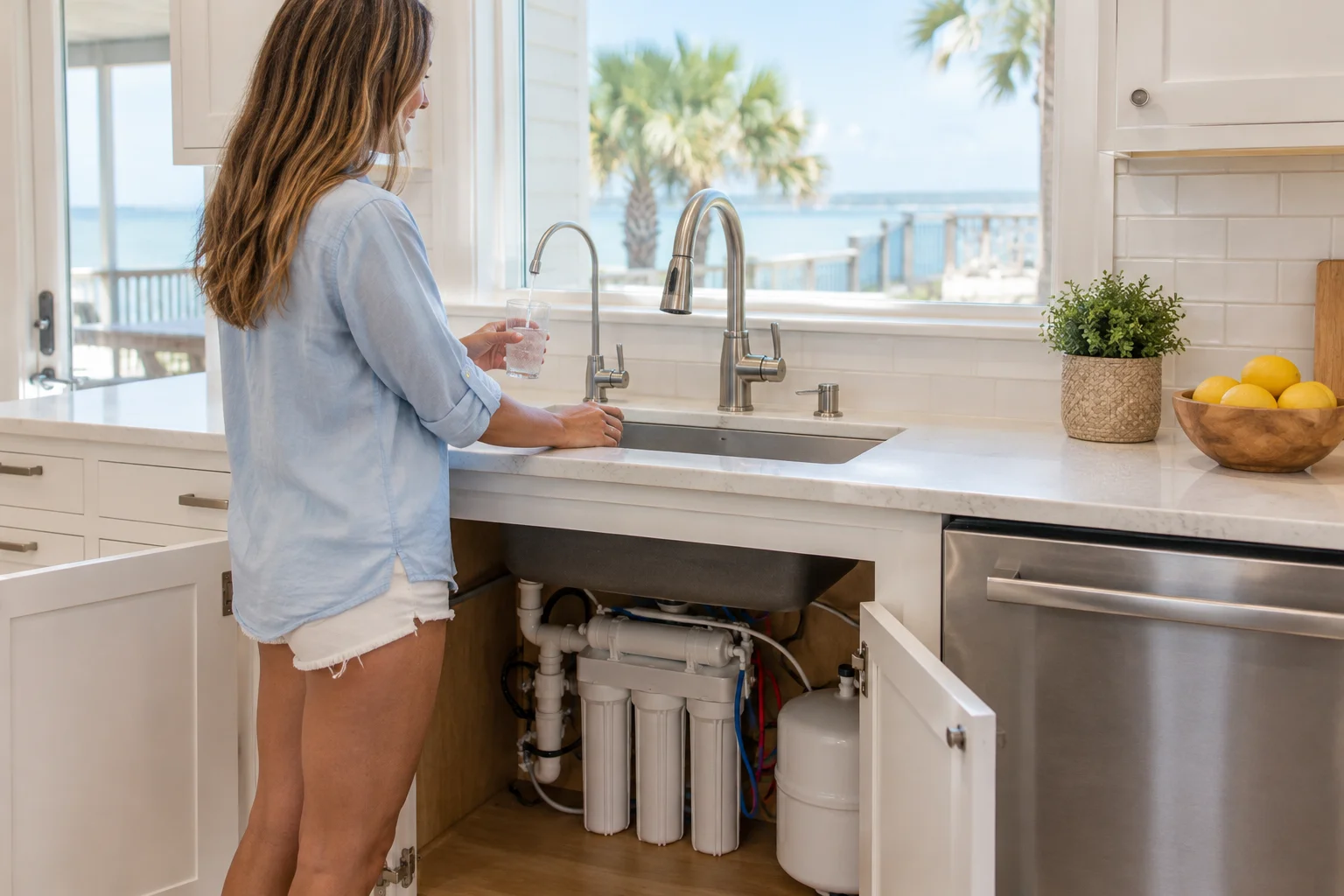
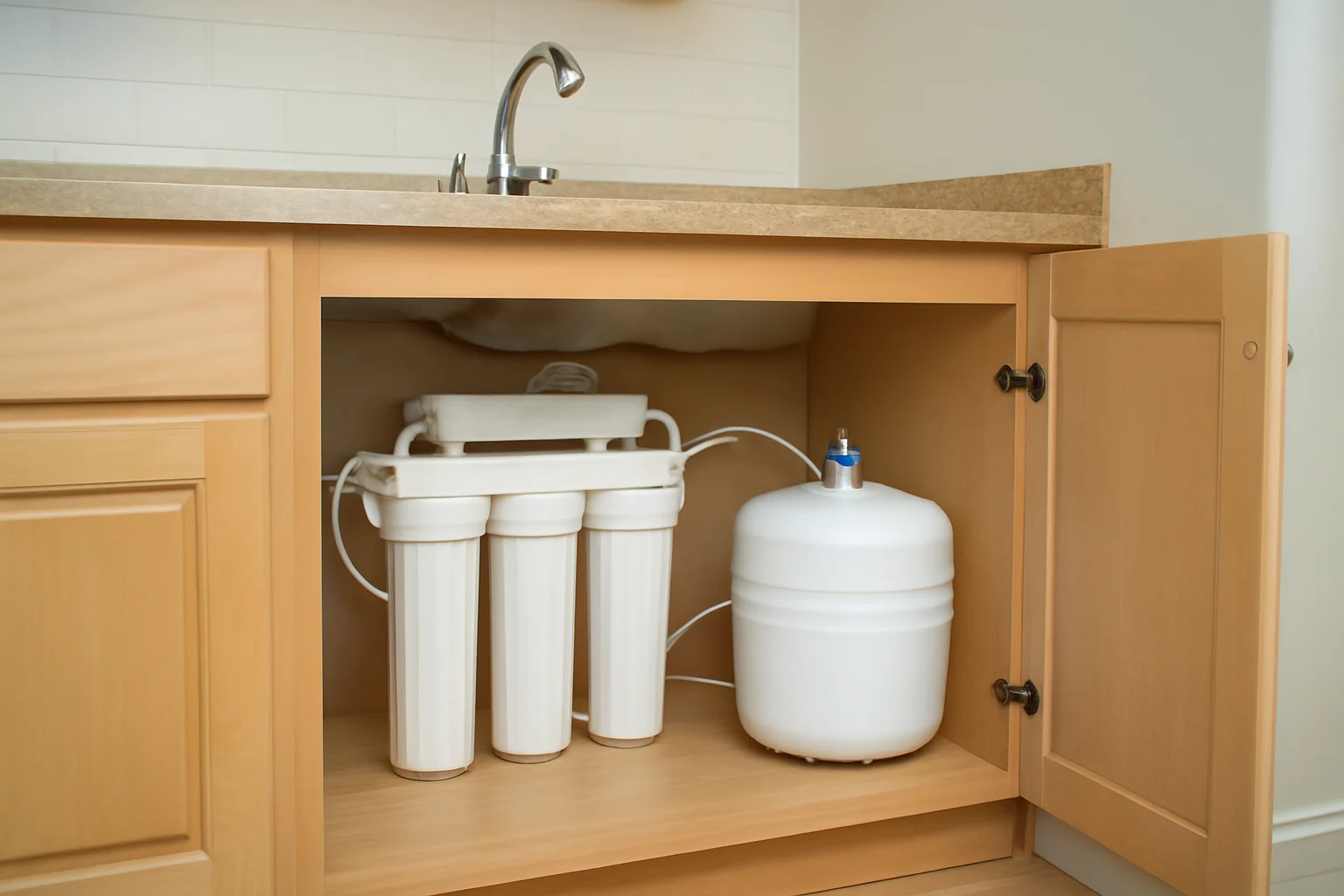
Most residential RO systems include a few key components. A technician will size and configure these based on your water conditions and intended usage.
- Pre-filters that capture sediment and protect the RO membrane
- RO membrane that performs the main purification process
- Storage tank for holding purified water until you need it
- Post-filter that helps improve taste and protects the system
- Fittings and tubing that connect the system to your water supply and the RO faucet
Some systems use different configurations or add features based on the manufacturer and installation plan. If you are looking at AO Smith water filtration options, ask how the full system is built and what maintenance schedule applies to your specific model.
Where RO makes the biggest difference in everyday life
It is easy to think of RO as “just for drinking water,” but it often improves multiple daily routines.
Drinking water and water bottles
Cleaner water matters when the first thing your family does in the morning is fill cups, bottles, and hydration containers. RO can help reduce chlorine taste in water and reduce unpleasant odors that make people hesitate to drink tap water.
Filtered water for coffee and cooking
Many homeowners describe RO as the difference between coffee that tastes good and coffee that tastes “flat.” When water is cleaner and more consistent, it can improve:
- Filtered water for coffee and cooking
- Better flavor extraction for tea and espresso
- More predictable results when making soups, pasta, and sauces
If you have ever dealt with cloudy ice or a film on glasses, RO can make the kitchen feel more reliable, especially in a vacation rental where guests notice everything.
Bathing comfort
RO primarily targets drinking water, so it does not automatically replace whole home treatment for the shower. Still, when RO is paired with appropriate hardness control, many families notice better bathing experiences. Homeowners often report fewer dry skin and dull hair complaints when hardness is reduced and water is cleaner.
Laundry and fixtures
Hard water can make laundry feel stiff and can leave residue that makes towels seem less fresh. It can also contribute to the constant cleaning loop for bathroom fixtures. When hardness is addressed, you may see:
- Less effort removing hard water spots on glass
- Reduced scale buildup on faucets and showerheads
- Soap that rinses well and leaves fabrics and skin feeling cleaner
Common RO problems homeowners can spot early
Even a well-installed system needs maintenance. Knowing what to watch for helps prevent waste and keeps water quality consistent.
Cloudy water or cloudy ice cubes
If your ice cubes start looking cloudy again, it can point to filter changes, air in the line, or system performance issues. Cloudy ice can also be influenced by mineral content and flow rate.
Changes in taste or odor
A shift toward a metallic, chlorinated, or unpleasant taste can indicate a need for filter replacement or a membrane that is no longer performing as expected.
Lower flow from the RO faucet
If the RO faucet produces less water or takes longer to fill, the issue may be related to pre-filters, membrane performance, or storage tank pressure.
Visible sediment or discoloration
RO should produce clear water. If you notice visible sediment, discoloration, or odor concerns returning, it is a signal to pause and have the system checked.
Installation considerations for 30A homes and vacation rentals
RO installation is not one-size-fits-all. A professional assessment helps ensure the system fits your plumbing, your water use, and your goals.
Choose the right location and setup
Most RO systems are installed under the kitchen sink with a dedicated RO faucet. In vacation rentals, you may also want to consider how the RO faucet will be used by guests and whether signage or simple operation instructions are needed.
Account for water pressure and household demand
RO performance depends on water pressure and consistent flow. Systems are often designed around household demand, so the right size helps avoid slow recovery after heavy use.
Plan for maintenance access
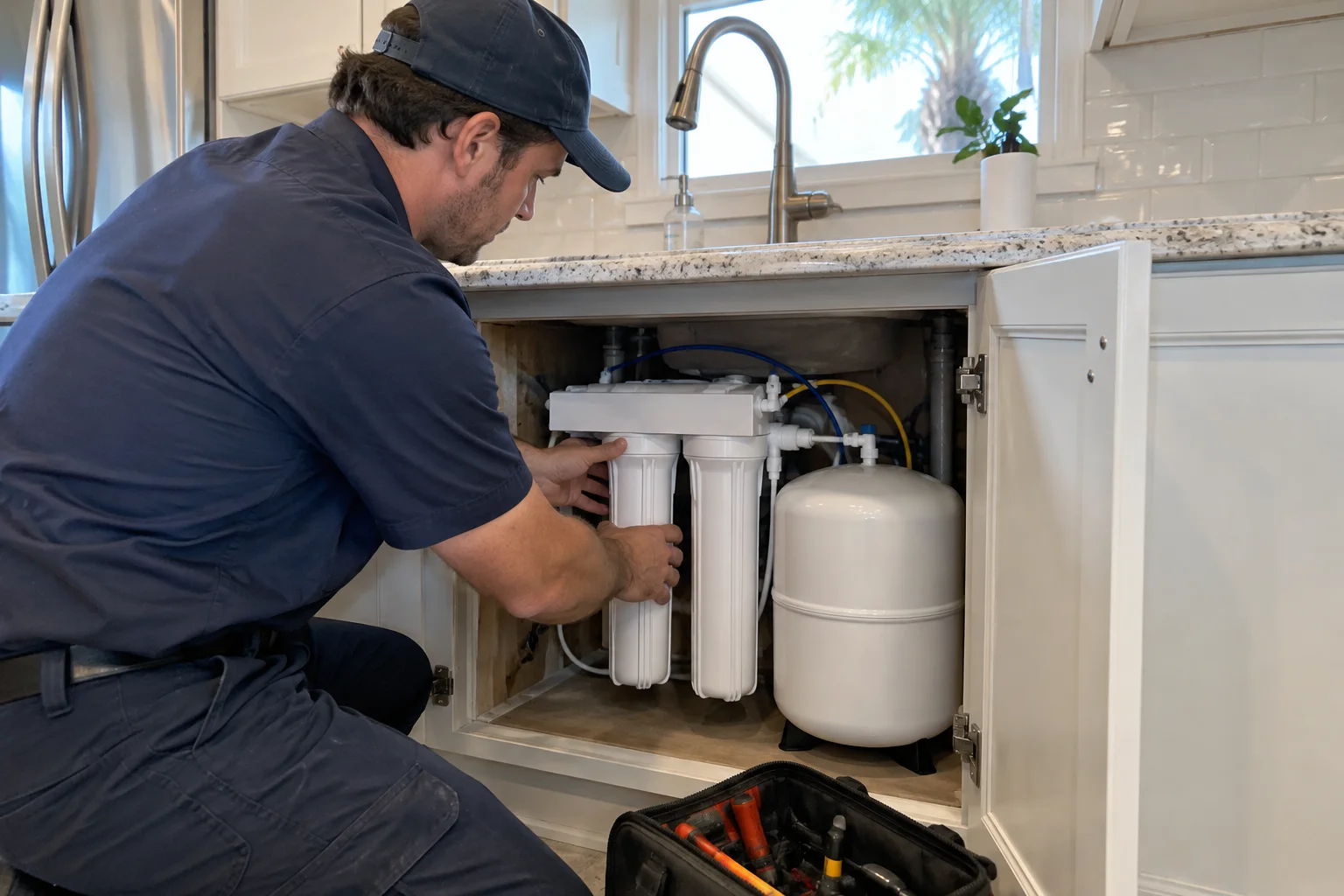
Filter changes are part of ownership. A good installation makes it easy to service the system without disrupting your kitchen or causing leaks.
Maintenance schedule: what to replace and how often
RO systems rely on consumable parts. Pre-filters and post-filters typically need replacement on a regular schedule based on water quality and usage. The membrane replacement timeline varies, but it can depend on how well the pre-filtration is protecting it.
Homeowners often ask what triggers earlier filter changes. Pay attention to:
- Faster changes in taste and odor
- Reduced flow at the RO faucet
- New cloudiness in drinking water or ice
- Signs of scale or sediment in the system area
Working with a local provider helps you stay on track. If you are searching for drinking water filter near me or water filtration near me, ask whether the service includes system inspection, filter recommendations, and a clear maintenance plan.
How to choose a reverse osmosis system that fits your goals
Before you buy or upgrade, clarify what you want RO to do for your household.
Decide what you want to treat
Many homeowners start with drinking water and cooking water. Others want a broader approach, like whole home water purification. If you want consistent results across the home, ask about combining RO with a whole home water filtration setup.
Consider the rest of your water treatment plan
If you are dealing with scale buildup around faucets, showerheads, and plumbing, RO may not solve hardness alone. You may need hard water treatment through softening or other filtration steps. Many homeowners find the best balance by coordinating:
- Whole home filtration to protect fixtures and appliances
- Water softening to reduce scale and improve soap performance
- RO for clean, great-tasting drinking water
Look for reputable components and service support
Brands matter, but service support matters just as much. If you are considering AO Smith water filtration options, ask what the service plan includes and how filter replacement is handled.
Cost and value: what you are really paying for
RO systems can seem like a bigger investment upfront than bottled water. Over time, the value often shows up in everyday convenience and reduced cleanup. When water tastes better and looks clearer, you use it more confidently for drinking and cooking.
Value also comes from protecting appliances. Hard water scale can affect performance and lifespan in equipment that uses hot water. When hard water treatment becomes part of protecting fixtures and appliances, maintenance costs tend to be more predictable.
For homeowners in 30A, the value conversation may include vacation rental operations. Cleaner water can improve guest satisfaction, reduce complaints about taste or odors, and support a “ready for guests” standard without constant troubleshooting.
When to call A Superior Mechanical for a water treatment assessment
Contact a professional when you notice water quality problems that keep coming back. RO is sensitive to maintenance, and guessing can lead to wasted water or inconsistent drinking quality.
It is especially time to schedule service if you are seeing:
- Hard water spots on glass that do not improve with normal cleaning
- Scale buildup on faucets, showerheads, or plumbing
- Dry skin or dull hair after bathing
- Metallic, chlorinated, or unpleasant taste
- Cloudy ice cubes or cloudy drinking water
- Poor tasting coffee and cooking water
- Visible sediment, discoloration, and odor concerns
- Appliances that seem to wear out faster than expected
If you want help choosing a system, you can explore our dedicated service page for installation and service: reverse osmosis systems in 30A. For broader options, visit our water filtration and RO water softeners landing page. You can also learn more about the community we serve on our 30A service area page and Walton County service coverage.
Smart planning tips for RO owners
RO systems work best when you build a routine around them. These simple habits can help you keep water quality stable:
- Replace filters on schedule, not “when it seems bad.”
- Pay attention to taste and clarity changes. They are often early indicators.
- Keep an eye on the kitchen RO faucet flow rate.
- If you have a vacation rental, coordinate maintenance between seasons.
For additional guidance specific to daily use and home setup, these reads can help: Smart Plumbing Habits for Reverse Osmosis Systems in 30A Homes and Cleaner Drinking Water and Healthier Plumbing: A Rosemary Beach Homeowner’s Guide to Reverse Osmosis Systems.
If you are also updating fixtures, these tips can reduce future water damage and improve long-term performance: What 30A Homeowners Should Know Before Replacing Plumbing Fixtures and Plumbing Installation That Helps 30A Homes Stay Ahead of Water Damage.
Choosing the right next step for cleaner water
Reverse osmosis can be a game-changer for drinking water and cooking water in 30A homes. When paired with the right hardness control and whole home water filtration, it can also reduce the everyday frustrations that come with scale and residue.
Whether you are trying to eliminate a chlorine taste in water, stop hard water spots on glass, improve filtered water for coffee and cooking, or protect appliances from mineral buildup, the best results come from matching the system to your household and local conditions. A Superior Mechanical helps 30A homeowners and businesses choose a practical, maintainable plan for clean water systems near me, so your kitchen, bath, and laundry routines can feel better every day.
Find Reverse Osmosis Systems in 30A, FL
If you need Reverse Osmosis Systems in 30A, FL, visit our local service page or contact A Superior Mechanical today.
For a broader look at whole-home water filtration, reverse osmosis, and water softener options, visit our water filtration, RO, and water softener page.
Map of 30A, FL
Frequently Asked Questions
Is reverse osmosis only for drinking water, or can it help the whole home?
Most residential RO systems treat drinking water at the kitchen sink or a dedicated RO faucet. Whole home water filtration and water softening address water quality throughout the house. Many 30A households use RO for drinking and cooking, then add whole home filtration and, when needed, hardness control for fixtures, showers, and appliances.
How do I know if my RO system needs maintenance?
Watch for changes in taste or odor, reduced flow from the RO faucet, cloudy water or cloudy ice cubes, and any return of sediment or discoloration. Those signs often mean pre-filters or post-filters need replacement, or the membrane performance has changed.
Will reverse osmosis stop hard water spots on glass and scale on faucets?
RO can improve drinking water quality, but it does not automatically solve hardness scale throughout the plumbing. Hard water spots and scale buildup on faucets are usually related to calcium and magnesium, which are typically addressed with water softening and sometimes whole home filtration.
What is the difference between an AO Smith water filtration setup and reverse osmosis?
AO Smith water filtration can include multiple approaches, such as whole home filtration and other treatment methods. Reverse osmosis is a specific membrane-based process designed to purify water for drinking and cooking. Your best option depends on whether you are targeting taste and dissolved contaminants, hardness scale, sediment, or a combination.
How often do RO filters and membranes need to be replaced?
Replacement intervals vary based on water quality and how heavily the system is used. Pre-filters and post-filters are typically replaced on a schedule, while the membrane is replaced less frequently if it is properly protected. A technician can recommend intervals after testing and inspection.
Related Articles
- Smart Plumbing Habits for Reverse Osmosis Systems in 30A Homes
- What 30A Homeowners Should Know Before Replacing Plumbing Fixtures
- Plumbing Installation That Helps 30A Homes Stay Ahead of Water Damage
- Cleaner Drinking Water and Healthier Plumbing: A Rosemary Beach Homeowner’s Guide to Reverse Osmosis Systems
Photo Gallery