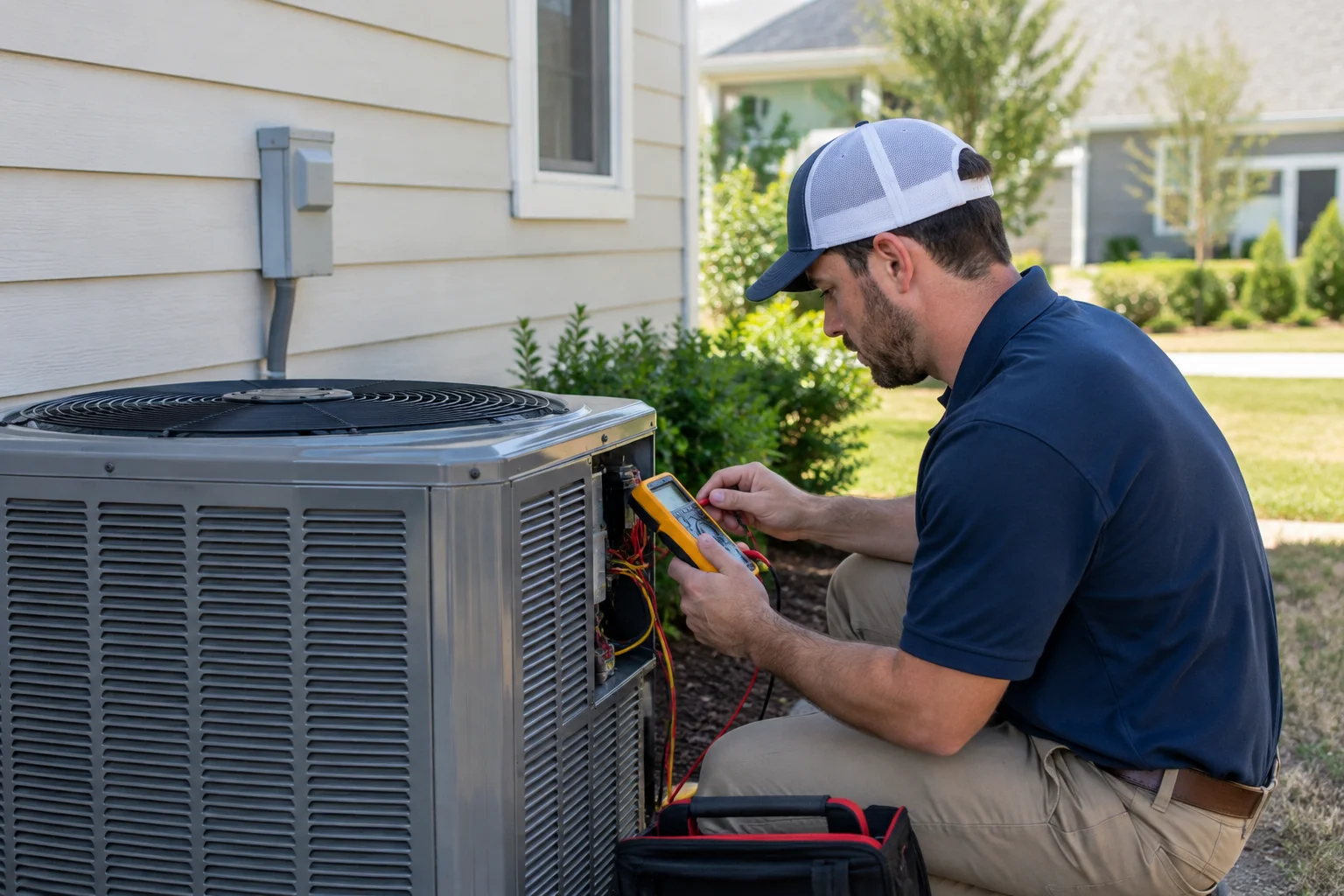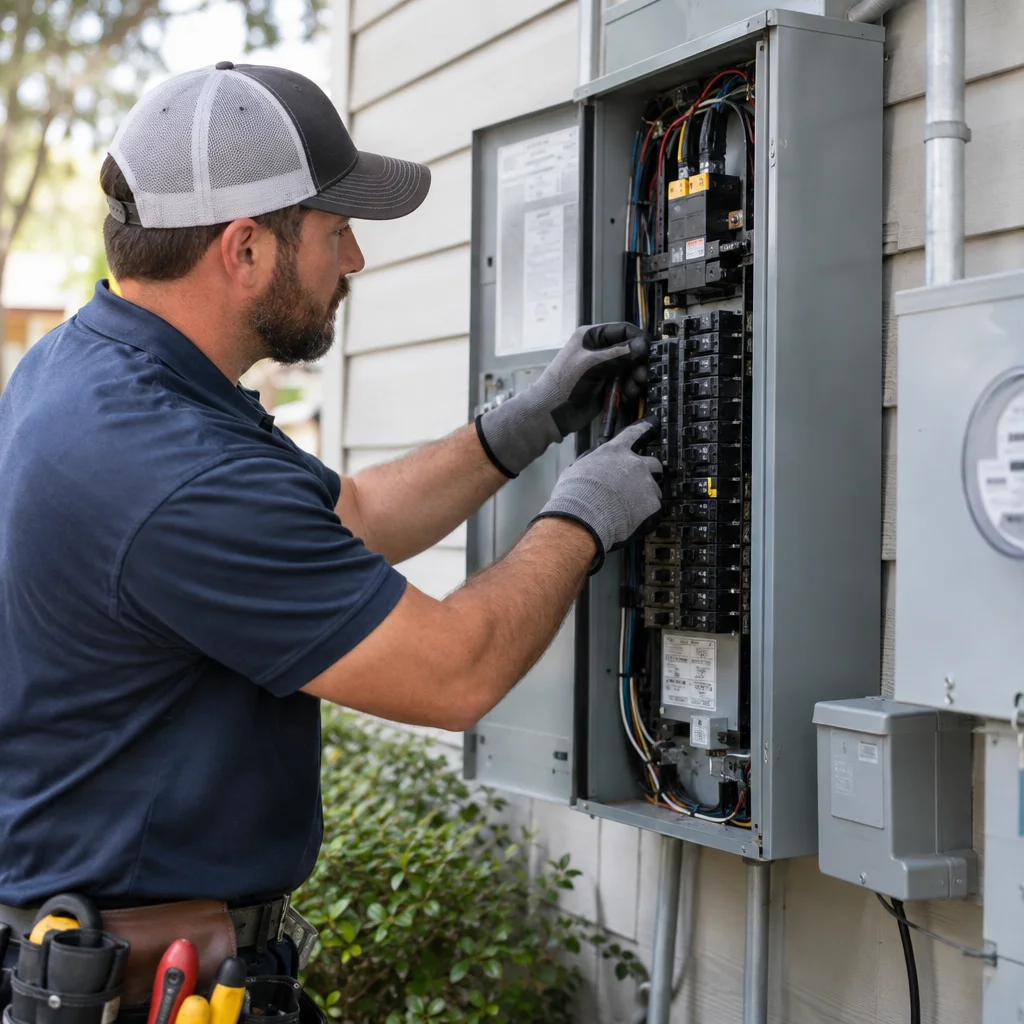
A good electrical plan starts with the way your home actually works. Perhaps the microwave trips a breaker, the garage has too few outlets, or a new electric vehicle needs reliable overnight charging. These concerns deserve more than a temporary workaround. They call for a look at the panel, wiring, circuits, and protection supporting your household.
A Superior Mechanical provides electrical services in Crestview, FL for repairs, upgrades, and future planning. Addressing immediate hazards while preparing for tomorrow’s power demand can help homeowners avoid repeated service calls and unnecessary construction.
Why Crestview homes need a locally informed electrical plan
Crestview is inland, but it still experiences the thunderstorms, tropical weather, heavy rain, and humidity associated with Northwest Florida’s coastal region. Lightning and utility disturbances can affect electrical equipment. Wind-driven rain can reach damaged exterior boxes, while moisture can contribute to corrosion around outdoor connections.
Housing needs vary, too. Older homes may have limited circuits, aging devices, or alterations made over several decades. Newer homes may have modern wiring yet lack capacity for every planned addition. A pool, workshop, kitchen remodel, or EV charger can change the electrical picture considerably.
Local electrical service matters because permitting, inspections, utility coordination, and weather exposure all influence the work. Homeowners exploring services in Crestview should look for an electrical contractor who evaluates the actual property rather than recommending the same upgrade everywhere.
Start with symptoms, then find the cause
Before an electrical troubleshooting visit, note what happens and when. Does a breaker trip only when two appliances run together? Do lights dim throughout the house or just in one room? Does an outlet stop working after rain? These details help narrow the investigation without requiring you to open equipment.
Symptoms can have very different causes. A tripped breaker might indicate an overload, short circuit, ground fault, or failing equipment. Flickering can come from a loose lamp connection, damaged switch, branch-circuit problem, or service issue. Replacing the most visible part without testing may leave the underlying hazard untouched.
If an “electrician near me” search begins with a recurring problem, ask for diagnosis before replacement recommendations. An electrician should explain the likely cause, what testing supports it, and whether the repair addresses one device or a wider circuit.
Panels and breakers: capacity is only part of the story
Separate breaker problems from panel problems
A breaker protects wiring from excessive current. Repeated tripping is a warning, not a reason to install a larger breaker. The breaker rating must match the circuit conductors, equipment requirements, and applicable rules. Increasing it without evaluating the circuit can create a fire hazard.
Breakers are generally replaced rather than repaired internally. Someone searching for “breaker panel repair near me” may need a compatible replacement breaker, correction of a damaged connection, or a more extensive panel evaluation. Heat damage, corrosion, unusual buzzing, and an electrical burning odor require prompt attention.
Plan upgrades around calculated demand
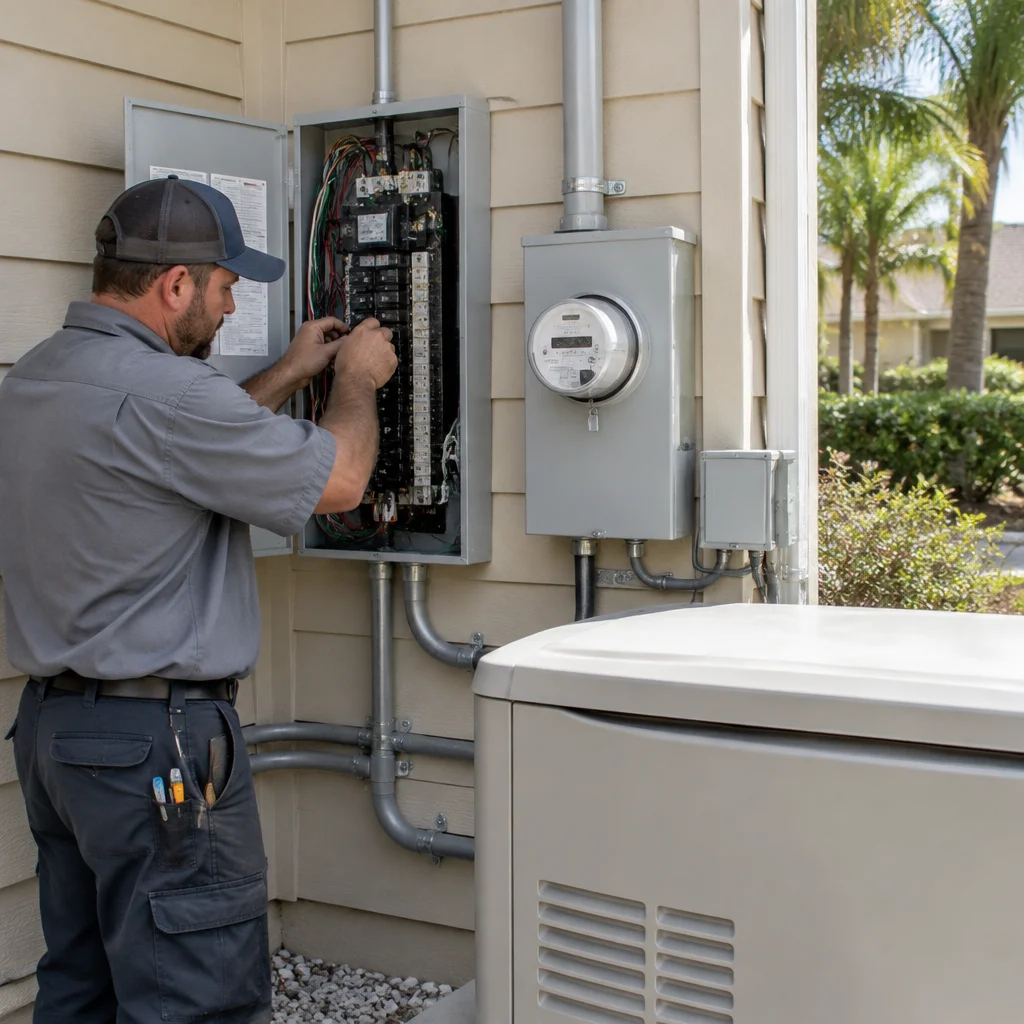
An open breaker space does not automatically mean a panel can support another major load. Conversely, a full panel does not always require replacing the entire electrical service. A load calculation, equipment inspection, and review of available options help determine whether circuit changes, a subpanel, load management, or a service upgrade makes sense.
Discuss future appliances, additions, and charging equipment before approving circuit breaker panel and rewiring work. Service upgrades may also require utility coordination and changes to service conductors, grounding, or other equipment. A clear scope helps prevent surprises.
Wiring repairs should fit the condition of the home
Older wiring is not automatically unsafe simply because of its age, but condition and installation quality matter. Damaged insulation, improper splices, ungrounded circuits, and unsuitable past alterations deserve evaluation. Wiring hidden behind a remodeled kitchen or finished garage can be especially difficult to assess without targeted inspection.
For homeowners researching “old wiring replacement near me,” the useful question is how much replacement is actually needed. Some homes need a localized wiring repair. Others benefit from replacing affected circuits or broader home rewiring. The recommendation should identify the defect and explain why the proposed work is appropriate.
Remodels and additions offer an opportunity to route wiring before walls close. Plan appliance locations, furniture layouts, switches, and dedicated circuits early. Kitchens, laundry areas, workshops, and certain fixed appliances may require separate circuits based on equipment specifications and current code requirements.
Outlets, switches, and protection where people use power
Loose plugs, cracked faceplates, intermittent power, discoloration, or warmth at a receptacle should not be ignored. Stop using a damaged outlet and have it checked. An “outlet repair near me” search can uncover a worn receptacle, but it may also lead to a loose upstream connection or overloaded circuit.
Extension cords and power strips are not substitutes for permanent wiring. If everyday activities depend on cords crossing rooms, consider adding properly located receptacles. Professional outlet and switch service can address placement, device condition, circuit capacity, and suitable protection together.
Understand GFCI protection and grounding
Ground-fault circuit interrupter protection helps reduce shock risk by detecting current imbalance. It is required in many wet, damp, outdoor, and other specified locations under applicable code. A protected outlet may receive that protection from an upstream GFCI device or breaker, so appearance alone does not tell the whole story.
Test GFCI devices according to their instructions. If one will not reset, stop repeatedly trying and arrange troubleshooting. Grounding and bonding also require attention: installing a three-slot receptacle does not create an equipment grounding conductor. Any permitted alternative for an ungrounded circuit must include the required protection and labeling. Arc-fault protection addresses a different hazard and may also be required.
Lighting, ceiling fans, and smart devices need compatible wiring
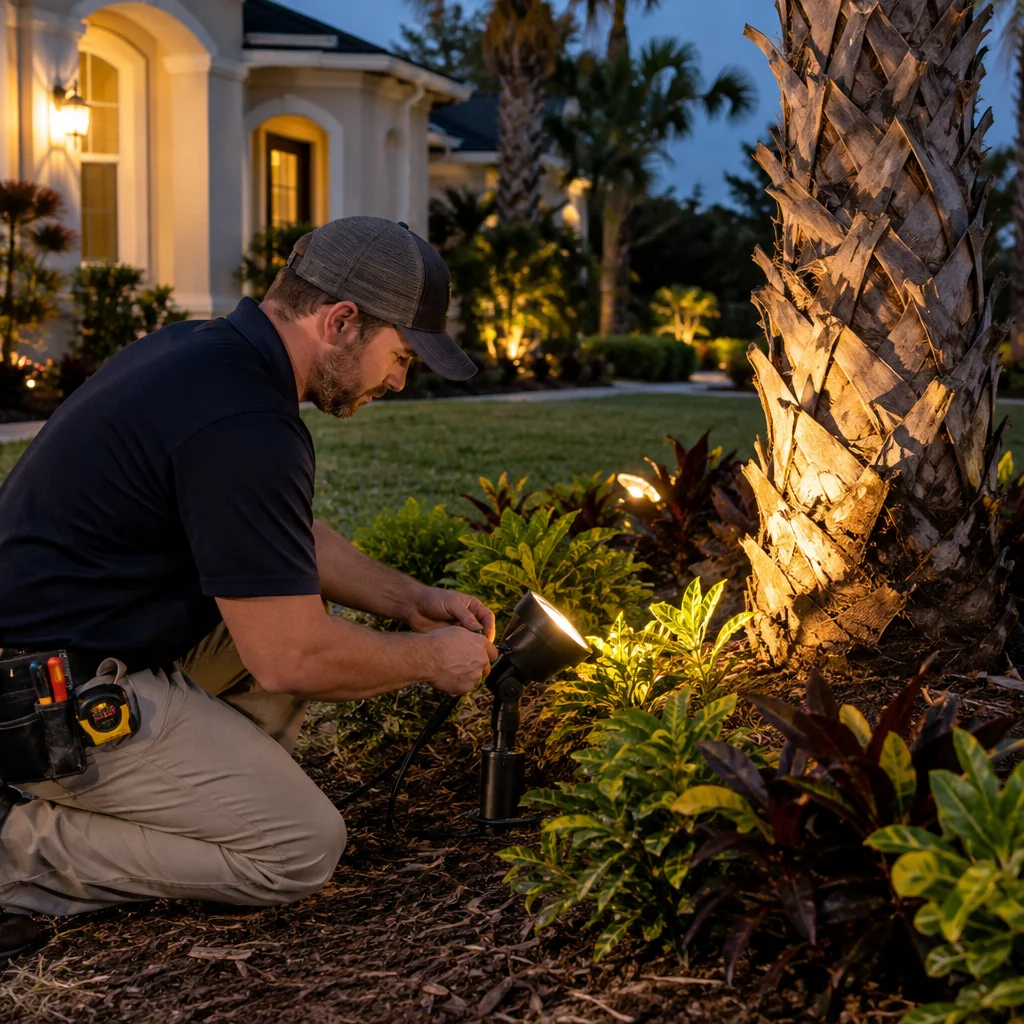
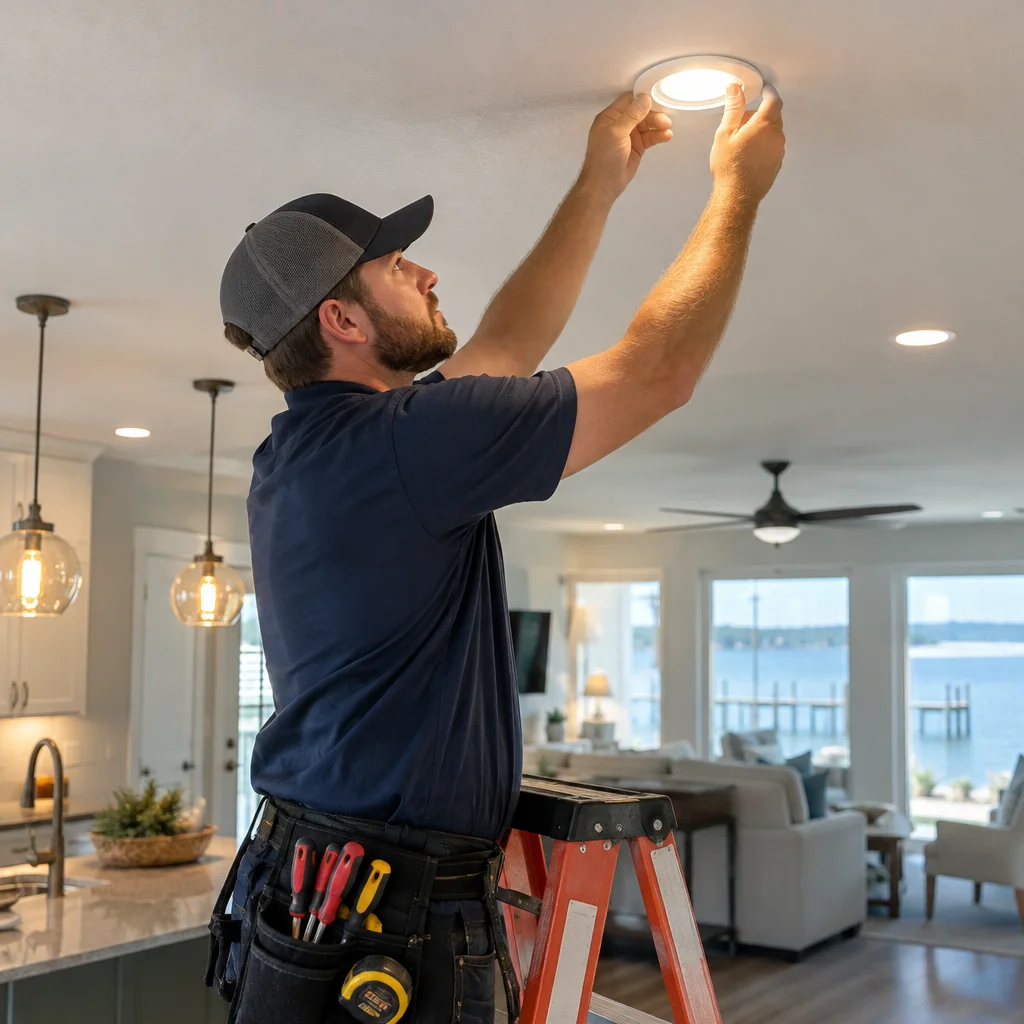
Lighting installation works best when it solves a specific problem, such as dim kitchen counters, an unlit entry, or glare in a bathroom. Choose fixtures rated for their location, including damp or wet conditions where appropriate. Exterior lighting connections need suitable enclosures and weather protection.
Ceiling fans require a mounting box and support rated for fan loads, not merely a box that once held a light. Dimmers must be compatible with the connected lamps, and smart switches may need a neutral conductor. These details make electrical device upgrades more than a cosmetic change.
During a remodel, coordinate lighting controls, networking, and security system wiring before finishes are installed. Our guide to smarter electrical integration in Crestview homes explores how planning connected systems together can reduce piecemeal work.
EV chargers and generators require a capacity check
Match EV charging to daily driving
EV charger installation should begin with your vehicle, driving habits, parking location, and available electrical capacity. The highest charging output is not always necessary. A properly selected charging rate may meet overnight needs without the same demands as a larger installation.
An electrician can evaluate a dedicated circuit, conductor sizing, installation method, required protection, and whether listed load-management equipment is appropriate. Include permit requirements and the distance between the panel and parking space in the estimate. Avoid improvised extension-cord charging arrangements.
Design backup power around essential loads
For generator installation, decide which loads matter during an outage: refrigeration, selected lights, communications, medical equipment, or larger household systems. Generator size, starting loads, fuel supply, and transfer equipment all affect the design. A portable generator hookup and a standby generator installation have different operating requirements.
Never feed generator power through a household receptacle. Proper transfer equipment prevents dangerous backfeeding onto utility lines. Operate portable generators outdoors at least 20 feet from doors, windows, and vents, with exhaust directed away from buildings, following manufacturer instructions and applicable safety guidance. Never operate one in a garage, even with the door open.
Storm preparation goes beyond a surge strip
Surges can originate from lightning-related events, utility switching, and equipment operation. A panel-mounted surge protective device can help reduce damaging transient voltage entering household circuits. Point-of-use protection may provide another layer for sensitive electronics when selected and installed appropriately.
No surge protector guarantees protection against a direct lightning strike. Effective protection also depends on proper installation and the condition of grounding and bonding. Our guide to surge protection for Crestview homes explains why a coordinated approach is preferable to relying on one power strip.
Across Okaloosa County, storm preparation should include checking exterior covers, securing access to electrical equipment, and reviewing backup-power procedures. After flooding or significant water intrusion, do not energize affected equipment until a qualified professional evaluates it.
Inspections and maintenance catch problems before disruption
An electrical inspection is useful before major renovations, after storm damage, or when a home’s repair history is unclear. Ask the electrician to review panel condition, circuit identification, accessible wiring, grounding and bonding, protective devices, and visible alterations. Code corrections should address documented issues and applicable requirements, not vague claims that everything old must be replaced.
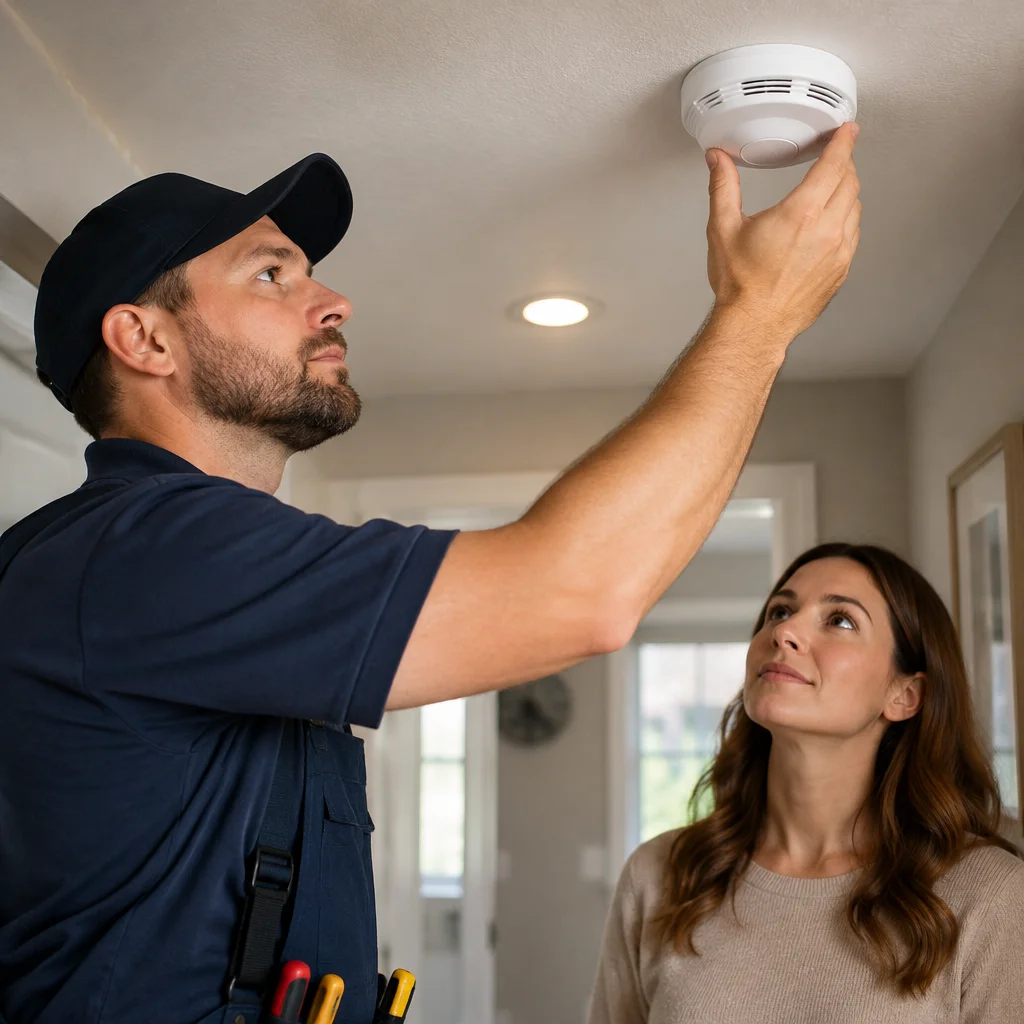
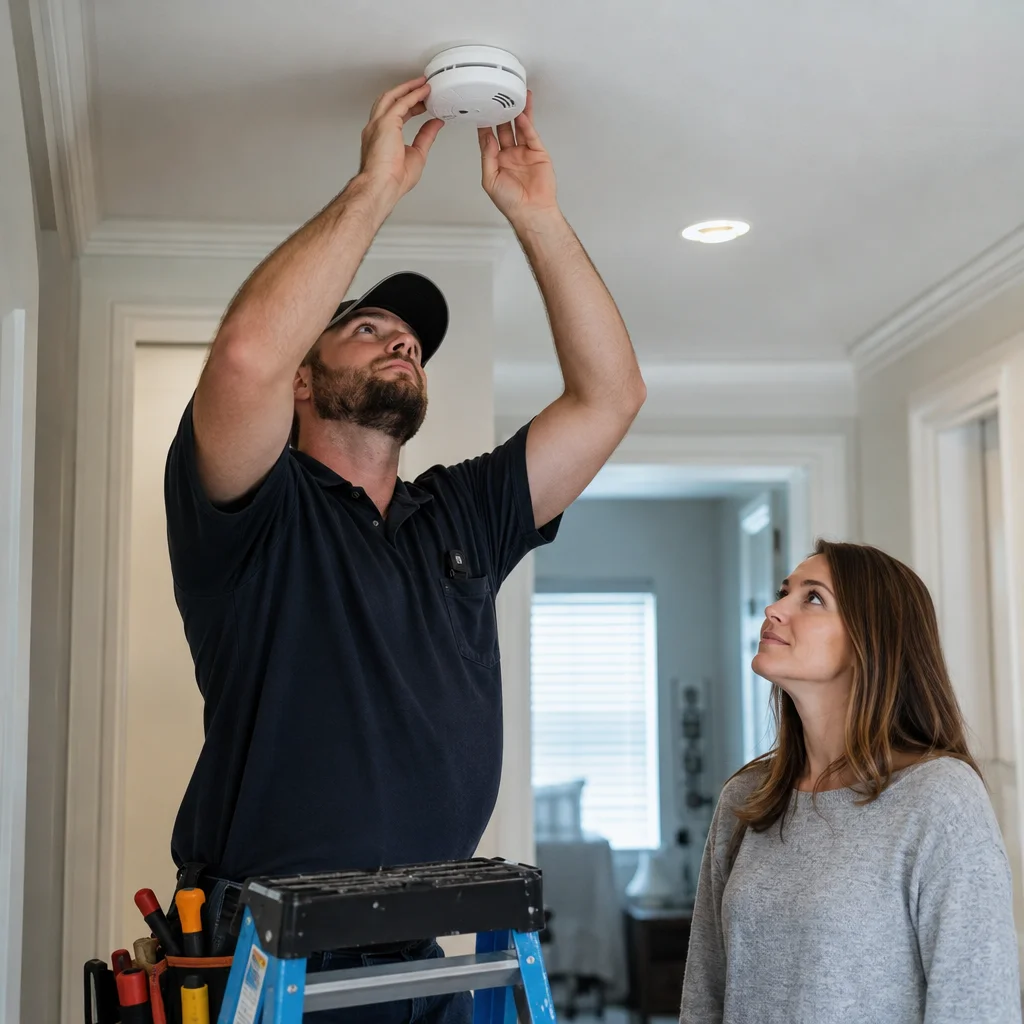
Smoke detector installation and replacement also belong in the safety plan. Use the correct smoke alarms for required locations, interconnection, and power arrangements. Test alarms according to manufacturer instructions and replace them at their specified service life. Carbon monoxide alarms are important where required, especially with fuel-burning equipment or an attached garage.
Between professional visits, keep panel access clear, watch for damaged cords and loose devices, and record recurring trips. Do not remove the panel cover or tighten internal connections yourself. Maintenance frequency should reflect the home’s condition, exposure, equipment instructions, and the electrician’s findings.
Know which concerns cannot wait
Smoke, active sparking, a burning odor, shocks, or a hot and buzzing panel can signal an urgent electrical hazard. Keep away from affected equipment. If there is fire or immediate danger, leave the building and call 911. Never touch fallen lines or anything contacting them; report them to emergency services and the utility.
For an outage, check the utility’s outage information from a safe location. Partial power, unusually bright and dim lights, or persistent trouble after utility restoration may require urgent utility and electrician evaluation. Ask about emergency electrician availability without assuming every repair can be completed immediately.
Build a repair plan with clear priorities
Ask A Superior Mechanical to separate immediate safety repairs from capacity improvements and optional conveniences. Request a written scope covering diagnosis, equipment, permits where needed, inspections, and repair of any access openings. If budgeting affects the schedule, review electrical financing considerations, but do not continue using equipment identified as unsafe.
Bring your symptom notes and future plans to the appointment. A well-planned repair today can leave room for tomorrow’s remodel, charger, or generator. Contact A Superior Mechanical to discuss electrical repairs, inspections, and upgrades for your Crestview home.
Find Electrical Services in Crestview, FL
If you need Electrical Services in Crestview, FL, visit our local service page or contact A Superior Mechanical today.
Map of Crestview, FL
Frequently Asked Questions
Does adding an EV charger mean I need a new electrical panel?
Not necessarily. An electrician should evaluate the service capacity, existing loads, panel condition, and desired charging rate. A dedicated circuit or approved load-management solution may be sufficient, while some homes need a panel or service upgrade.
Why does my breaker keep tripping even after I reset it?
Repeated trips can result from an overloaded circuit, a short circuit, a ground fault, faulty equipment, or a breaker problem. Do not keep resetting it or substitute a larger breaker. Stop using the affected circuit and arrange professional troubleshooting, especially if there is heat, discoloration, buzzing, or a burning smell.
What electrical checks are useful before storm season in Crestview?
Have damaged outdoor outlets and covers corrected, review surge protection and grounding, and confirm that generator transfer equipment is properly installed. Follow generator maintenance instructions and test smoke and carbon monoxide alarms. Keep clear of storm-damaged electrical equipment and have water-exposed components evaluated before restoring power.
Related Articles
Photo Gallery