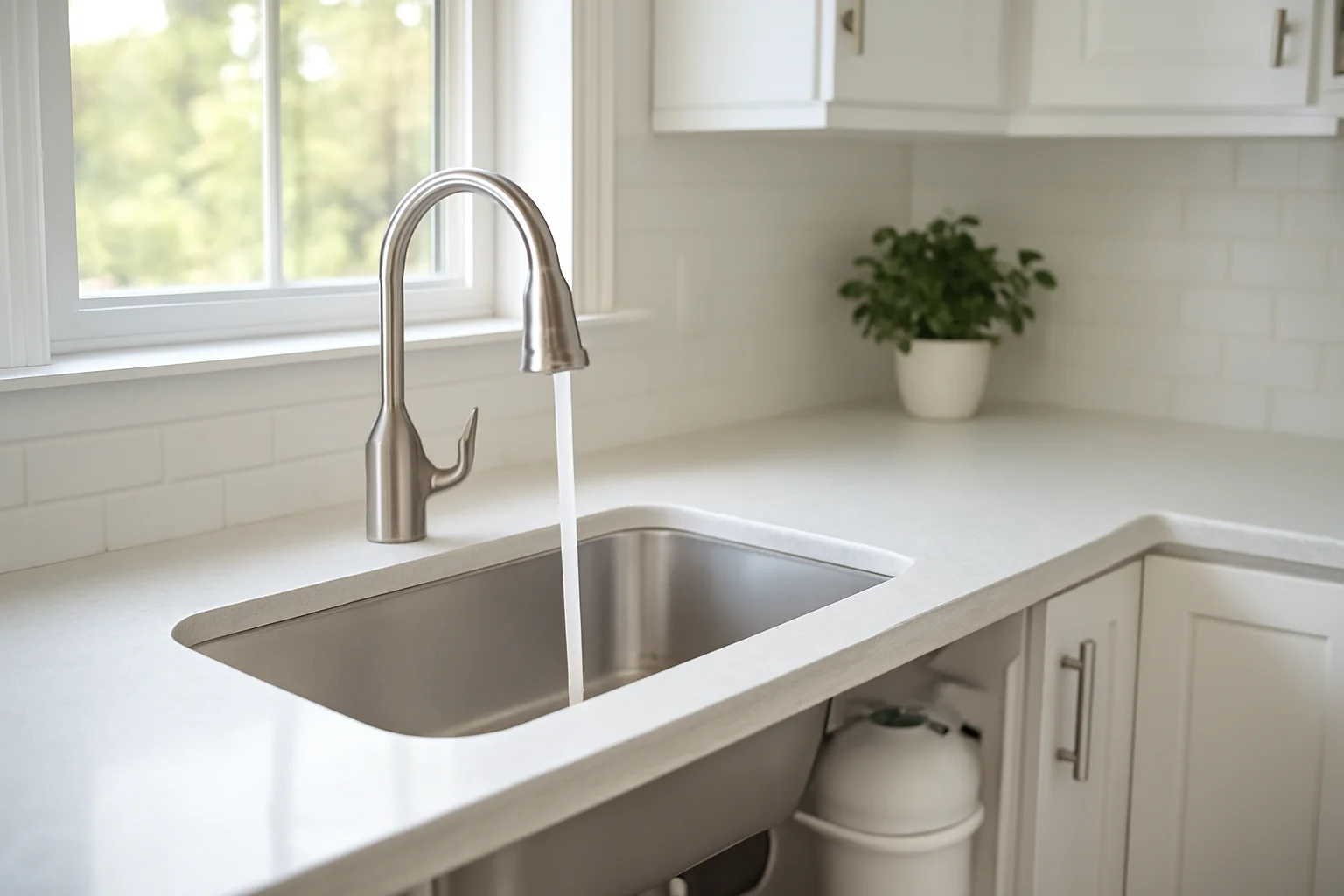
WaterColor homes are built for coastal living, but the water you run every day still has to work with the area’s natural water chemistry. If you have noticed hard water spots on glass, scale buildup around faucets, or dry skin after bathing, you are already getting a preview of what water softening can fix. The best time to plan is before the problems spread to your showerheads, laundry, and appliances.
This guide walks WaterColor homeowners through planning ahead for water softening and water treatment choices that support better kitchen and bath water. You will see what to watch for, how to think about system sizing and maintenance, and how whole home water filtration and reverse osmosis can fit into a complete clean water plan.
Start with what hard water looks like in WaterColor
Before you shop for a water softener or schedule water softener service near me, take a few minutes to document what you are seeing. Hard water is often consistent, and homeowners in WaterColor commonly notice the same patterns across the kitchen and bath.
Everyday signs that your water needs hard water treatment
Look for these indicators around the home:
Hard water spots on glass and dishes. Glasses may look streaky even after washing. Dishes can show a film that makes them feel rough or look dull.
Scale buildup around faucets and showerheads. You may see crusty deposits at spouts, aerators, and the base of fixtures. Showerheads can get clogged or spray unevenly.
Dry skin or dull hair after bathing. If your family notices skin feels tight or hair looks flat after showers, it can be tied to mineral buildup and how soap performs.
Soap that does not lather or rinse well. When soap does not lather easily, it often means minerals are interfering with cleaning.
Metallic or chlorinated taste and odor concerns. Some households describe a metallic, chlorinated, or unpleasant taste in drinking water, especially when water sits in plumbing.
Cloudy ice cubes. Cloudy ice cubes can point to fine sediment, mineral content, or water quality issues that affect taste and appearance.
Poor tasting coffee and cooking water. Water chemistry affects brewing and cooking. If coffee tastes flat or cooking water leaves residue, it is a clue that filtration or softening could help.
Appliances wearing out faster. Scale can build inside water heaters, dishwashers, and washing machines, reducing efficiency over time.
Visible sediment, discoloration, and odor. If you see discolored water at times, notice sediment, or smell odors that come and go, it may mean additional filtration is needed beyond softening.
These are not just “annoyances.” When hard water is left untreated, it can lead to higher energy use, more frequent cleaning, and shortened equipment life. Planning ahead means you treat the cause, not only the symptoms.
Understand what water softening actually does
Water softening is designed to reduce hard minerals, mainly calcium and magnesium. The goal is smoother cleaning, fewer deposits, and better performance from plumbing and appliances. When the minerals are controlled, you typically see improvements like:
Cleaner glass and fewer hard water spots on dishes
Less scale buildup around faucets, showerheads, and plumbing lines
Better soap performance, including soap that lathers and rinses more effectively
More comfortable bathing, with less dry skin from hard water
Reduced strain on water heaters and other appliances
Many homeowners also combine softening with filtration. That is because softening focuses on hardness, while filtration focuses on taste, odor, sediment, and other water quality concerns. If your household has metallic, chlorinated, or unpleasant taste, or cloudy ice cubes, you may benefit from a layered approach using whole house water filtration and, in some kitchens, reverse osmosis for drinking and cooking.
Map your home’s water “hot spots” and daily routines
A strong plan starts with where water is used most and where problems show up first. In WaterColor, that often means the kitchen, master bath, and laundry area.
Think like a household
Picture a typical day: family members shower, the kitchen faucet runs for coffee and cooking, kids rinse off after beach time, and laundry cycles keep moving. Hard water affects all of it.
Here is how to connect your routines to treatment needs:
Kitchen: If you have poor tasting coffee water or residue in cooking water, plan for filtration. Softening can help with scale in kettles and appliances, but it may not fully address taste and odor.
Drinking water: For better water for drinking and cooking, many homes use reverse osmosis systems for point of use. This can reduce taste and improve clarity for ice and beverages.
Bath: For dry skin or dull hair after bathing, softening can reduce mineral buildup that makes soap harder to use and can contribute to that “not quite clean” feeling.
Fixtures and showerheads: If you are already seeing scale buildup on faucets and showerheads, consider how quickly you want to stop the cycle of cleaning and replacement.
Laundry: Hard water can leave clothes feeling stiff and can make stains harder to remove. It can also increase soap use because soap does not lather as well.
When you treat the right parts of the system, you usually notice the biggest improvements in places you use daily, not just behind the scenes.
Choose the right approach: water softening, whole home filtration, and reverse osmosis
Homeowners planning water treatment in WaterColor often end up with one of three setups, or a combination. The best option depends on hardness level, taste and odor issues, sediment concerns, and household needs.
Water softening for hardness control
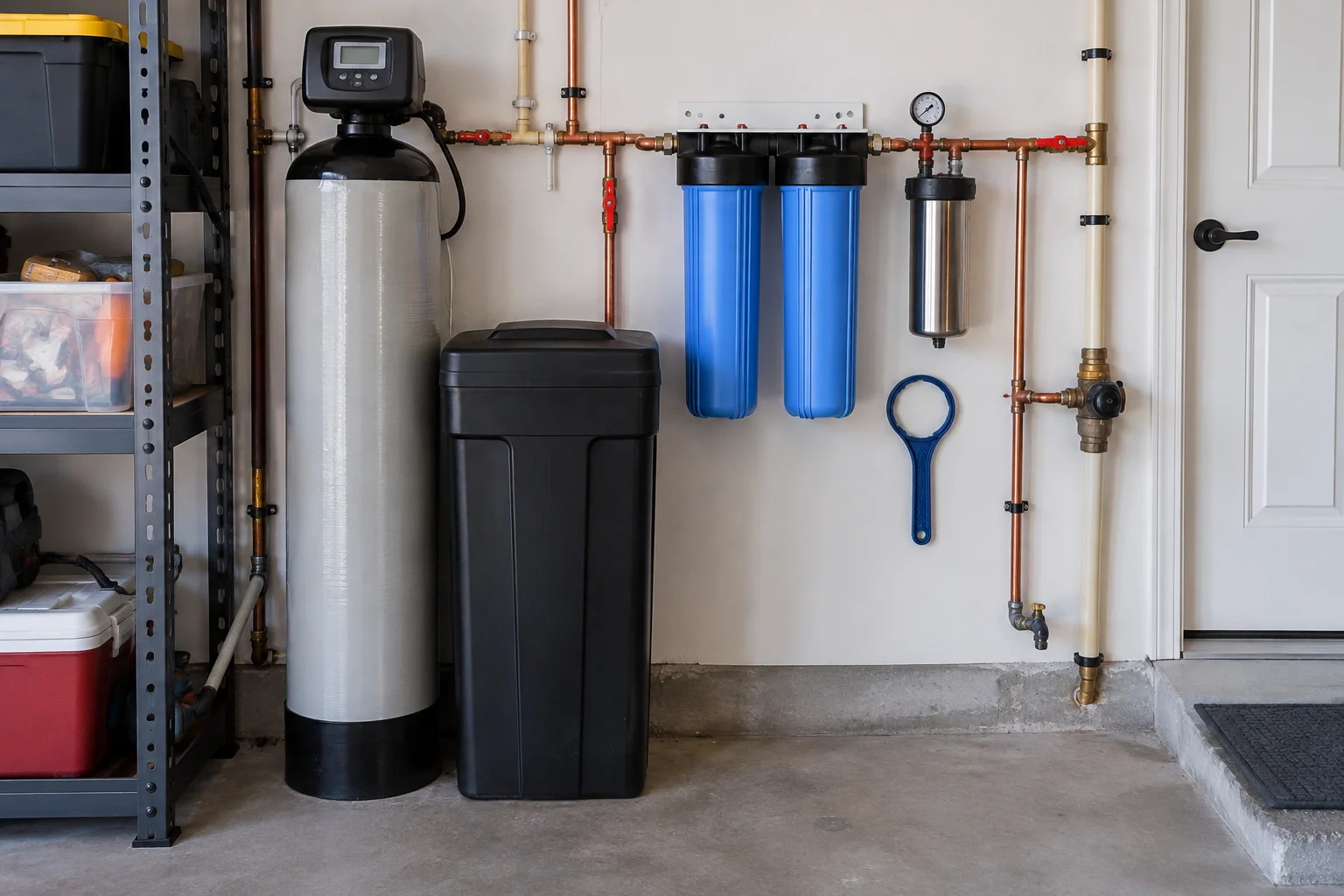
If your main issues are hard water spots on glass, scale buildup around faucets, and dry skin from hard water, a water softener is usually the core solution. Many households look for an AO Smith water softener because of its reputation and the range of options available for different home sizes and water demands.
Whole home water filtration for cleaner water throughout the house
If you see discoloration, sediment, or odor concerns, or if you want home water purification near me to cover more than hardness, whole house water filtration can be a strong add-on. Whole home systems can help protect fixtures and appliances while also improving water quality for everyday use.
For homeowners searching for whole house water filter solutions, the value is simple: you treat the water before it reaches showers, laundry, dishwashers, and sinks. That often means better results with less “spot treatment” and fewer surprises at different faucets.
Reverse osmosis for drinking and cooking water
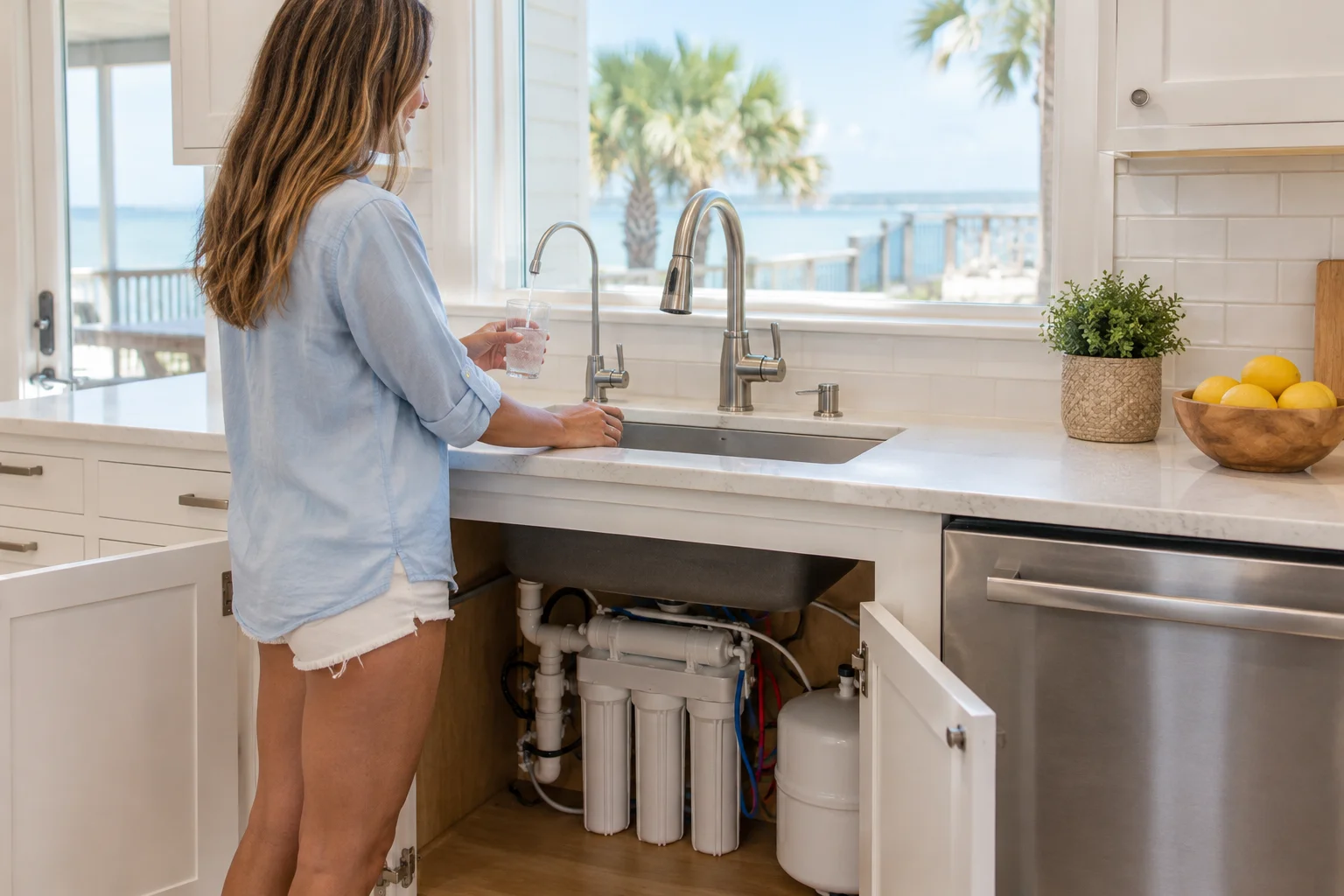
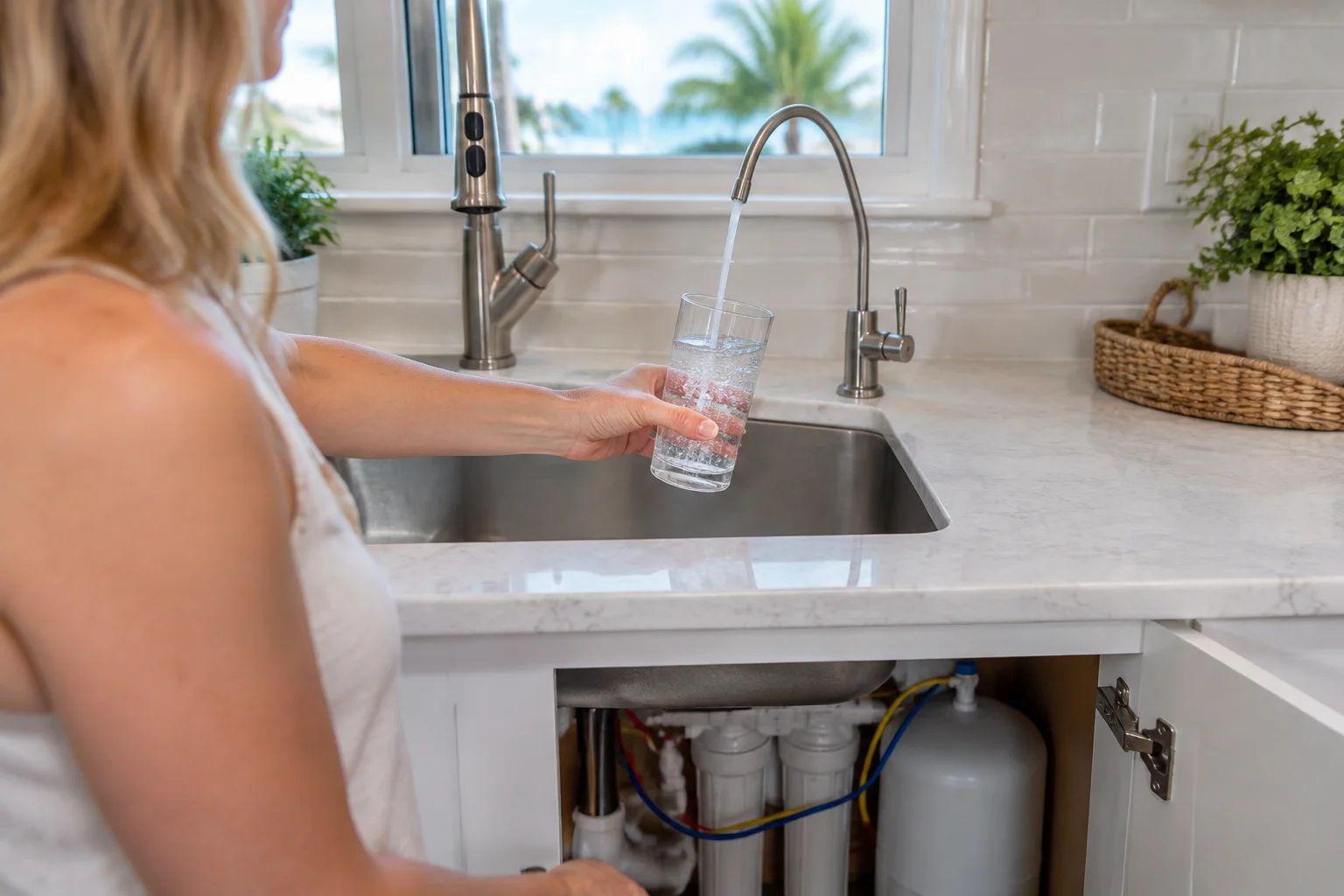
If you have cloudy ice cubes, metallic or unpleasant taste, or poor tasting coffee water, a reverse osmosis system can be a great step for drinking water and cooking water. Reverse osmosis is often installed at the kitchen for filtered, better tasting water at the point of use.
Many families prefer this setup because it targets the water they drink and cook with, while the rest of the home benefits from softening and whole home water filtration.
If you are comparing options, you can review the full water treatment options on this water filtration and reverse osmosis and water softener landing page. And if you already know you want softening specifically, you can explore water softening services for WaterColor, FL.
Plan ahead for system sizing and household water use
Water softener performance depends heavily on sizing. If the system is too small, it can regenerate too often or fail to keep up with demand. If it is oversized, you may waste resources. Planning ahead means you consider your household’s usage patterns.
What determines sizing for a water softener?
Local water conditions and your home’s water use both matter. A professional water softening service will typically consider:
Number of occupants and typical shower and laundry routines
Water usage habits such as dishwasher frequency and laundry loads
Whether you have a water-using lifestyle like frequent rinsing after beach days
Hardness level and how quickly scale forms in your home
Plumbing layout and where the system will be installed
In WaterColor, many homes are designed for coastal comfort, but that also means plumbing runs and fixture choices matter. A well planned installation route helps the system perform smoothly and keeps maintenance practical.
Think about maintenance before the first problem happens
A water softener is not a set it and forget it appliance. Planning ahead helps you schedule maintenance at the right intervals, keep performance consistent, and avoid the “we only notice when it is too late” moment.
What maintenance looks like for homeowners
Depending on the system, maintenance may include:
Checking salt levels and ensuring the right type of salt is used
Inspecting settings and regeneration cycles
Monitoring water quality changes, such as soap behavior and scale buildup on faucets
Cleaning or servicing components that support flow and filtration performance
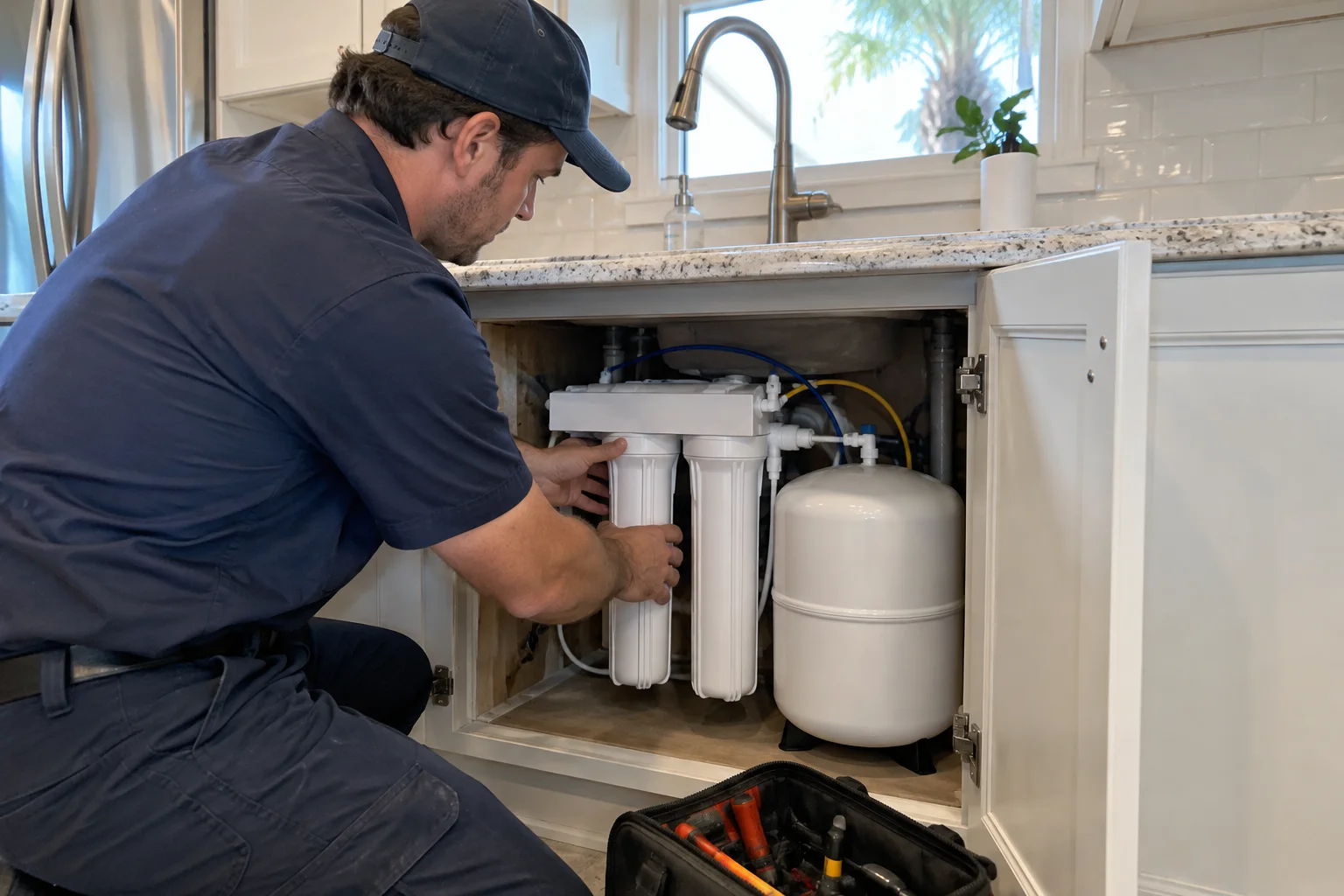
Replacing filters when appropriate if you also use whole home water filtration
When homeowners notice scale buildup around faucets returning, soap not lathering, or dry skin from hard water coming back, it is often a sign the system needs adjustment or service. Keeping records and staying consistent with maintenance can prevent bigger issues like clogged components or accelerated appliance wear.
Coastal climate and seasonal use: plan for real life in Walton County
WaterColor is in Walton County, FL, where coastal weather can influence how homes are lived in. Many households use their homes year round, while others are seasonal. That makes planning even more important.
Why seasonal occupancy matters
If the home sits for weeks, water can spend more time in plumbing lines. That can make taste and odor issues more noticeable, and it can also affect how quickly you notice changes in water quality. If you have metallic or unpleasant taste or cloudy ice cubes, you may want to plan filtration so that drinking water remains reliable even when usage is lighter.
For homeowners who want dependable better water for drinking and cooking, a combined approach is often the most reassuring. Whole home water filtration can help throughout the house, while reverse osmosis can focus on the water you drink and cook with.
Watch for common “planning misses” that lead to bigger problems
Homeowners often do not realize how quickly hard water can build up until it shows up everywhere. Planning ahead helps you avoid these common mistakes.
Common misses
Delaying treatment until fixtures look bad. Scale starts inside plumbing and appliances before it becomes obvious at the faucet.
Assuming softening alone will fix taste and odor. Hardness and taste are different issues. If you have metallic or chlorinated taste, unpleasant odor, or cloudy ice cubes, filtration may be needed too.
Skipping water quality testing. A home can show signs of hard water and still have additional sediment or quality concerns. Testing helps match the right solution to the actual water conditions.
Choosing equipment without considering household demand. The best water softener service is not just about installing a unit. It is about matching the system to the home.
Not planning for maintenance and filter replacements. Whole home water filtration and reverse osmosis systems rely on timely upkeep to keep performance steady.
When you avoid these misses, you usually spend less time cleaning scale buildup and more time enjoying a kitchen and bath that just works.
What to ask during a water treatment consultation
If you are reaching out for water softening service near me, come prepared with your observations. A good consultation should connect your symptoms to a clear plan.
Questions that help you plan confidently
What level of hardness do you expect for a WaterColor home? This helps determine the right softener capacity.
Do you recommend whole home water filtration as well? If you see discoloration, odor, sediment, or cloudy ice cubes, this matters.
Would reverse osmosis improve drinking water and cooking water? If you have poor tasting coffee water or taste concerns, ask how RO fits.
Which AO Smith water softener model makes sense for my household? A sizing discussion should happen up front.
How do you handle maintenance and service schedules? Planning includes knowing what you will do and when.
Where will the system be installed for best performance? Your home’s plumbing layout can affect results and maintenance access.
For homeowners wanting to understand the broader service area, you can also browse WaterColor service options or Walton County service areas.
How better water changes everyday life in WaterColor
Water treatment is not only about minerals. It shows up in the moments your family cares about: coffee time, kids’ showers, and laundry that feels fresh.
Kitchen
With proper softening and filtration, you often get better water for drinking and cooking. That can mean less residue in kettles, more enjoyable coffee, and clearer ice cubes. If your household has noticed metallic or unpleasant taste, reverse osmosis for drinking and cooking can be a practical upgrade that makes a visible difference.
Bath
Softened water can improve how soap performs, which supports a more thorough rinse. Many homeowners see less dry skin from hard water and hair that feels cleaner after bathing. It also means fewer scale deposits that clog showerheads and require frequent scrubbing.
Laundry and cleaning
When soap does not lather or rinse well, laundry can feel stiff or look dull. Better water treatment can help detergents work as intended, which can also reduce how often you rewash loads.
Fixtures and appliances
Scale buildup on faucets and showerheads is frustrating. Planning ahead helps protect those fixtures and reduces the risk of appliances wearing out faster. Over time, that can mean fewer repairs and more reliable performance from the water heater, dishwasher, and washing machine.
Helpful next steps for planning your WaterColor water softening timeline
If you want a simple sequence to follow, use this planning checklist:
1) Document current issues with photos of hard water spots on glass, scale buildup around faucets, and any showerhead deposits.
2) Note taste and clarity concerns such as metallic or chlorinated taste, unpleasant odor, or cloudy ice cubes.
3) Decide what you want to improve first such as bathing comfort, laundry results, or better drinking and cooking water.
4) Schedule a water treatment assessment to match your home’s needs with the right mix of water softening, whole home water filtration, and reverse osmosis.
5) Plan maintenance into your calendar so performance stays consistent.
Homeowners who are already thinking about long term protection often pair water treatment with other home care tasks. If you are also dealing with plumbing concerns, you may find these helpful: How WaterColor Homeowners Can Stay Ahead of Hidden Plumbing Problems With Camera Inspections and How Water Softening Protects Rosemary Beach Plumbing from Costly Water Damage.
If you want to keep your overall water system healthy, consider pairing water treatment planning with home maintenance. For related home care topics, you can also review Practical Sewer Care for WaterColor Homes That Helps Avoid Bigger Plumbing Repairs and Water Heater Replacement in WaterColor: What Homeowners Should Watch For.
Planning ahead for water softening in WaterColor is one of the most practical upgrades you can make. It reduces scale buildup, supports better soap performance, and helps create the kind of kitchen and bath water your family notices every day.
If you are ready to talk through options, start with water softening services in WaterColor and explore additional clean water solutions on the water filtration and reverse osmosis and water softeners landing page.
Find Water Softening in WaterColor, FL
If you need Water Softening in WaterColor, FL, visit our local service page or contact A Superior Mechanical today.
For a broader look at whole-home water filtration, reverse osmosis, and water softener options, visit our water filtration, RO, and water softener page.
Map of WaterColor, FL
Frequently Asked Questions
Will a water softener fix hard water spots on glass and dishes?
Yes, a properly sized water softener is designed to reduce hardness minerals that leave hard water spots on glass and hard water spots on dishes. You should see fewer deposits after the system is running correctly and maintained on schedule.
Do I need whole home water filtration if I already plan to soften my water?
Not always, but many WaterColor homes benefit from whole home water filtration when there are odor, discoloration, sediment, or cloudy ice cubes concerns. Softening targets hardness, while filtration can address additional water quality issues.
Can reverse osmosis help with poor tasting coffee water and unpleasant taste?
Often, yes. Reverse osmosis systems are commonly used to improve drinking water and cooking water, which can make coffee taste better and help with metallic or chlorinated taste concerns. Many homeowners choose RO for the kitchen while using softening for the rest of the home.
How do I know if my softener settings are off?
When settings need adjustment, homeowners frequently notice soap does not lather, scale buildup around faucets returns, and dry skin from hard water becomes more noticeable again. A professional water treatment check can confirm performance and recommend adjustments.
What is the best next step for planning water softening in WaterColor?
Start by documenting your symptoms (scale, taste or odor, cloudy ice cubes, and how soap performs) and schedule a water treatment assessment. A technician can recommend the right mix of water softening, whole house water filter options, and whether reverse osmosis makes sense for your kitchen.
Related Articles
- How WaterColor Homeowners Can Stay Ahead of Hidden Plumbing Problems With Camera Inspections
- Practical Sewer Care for WaterColor Homes That Helps Avoid Bigger Plumbing Repairs
- How Water Softening Protects Rosemary Beach Plumbing from Costly Water Damage
- Water Heater Replacement in WaterColor: What Homeowners Should Watch For
Photo Gallery