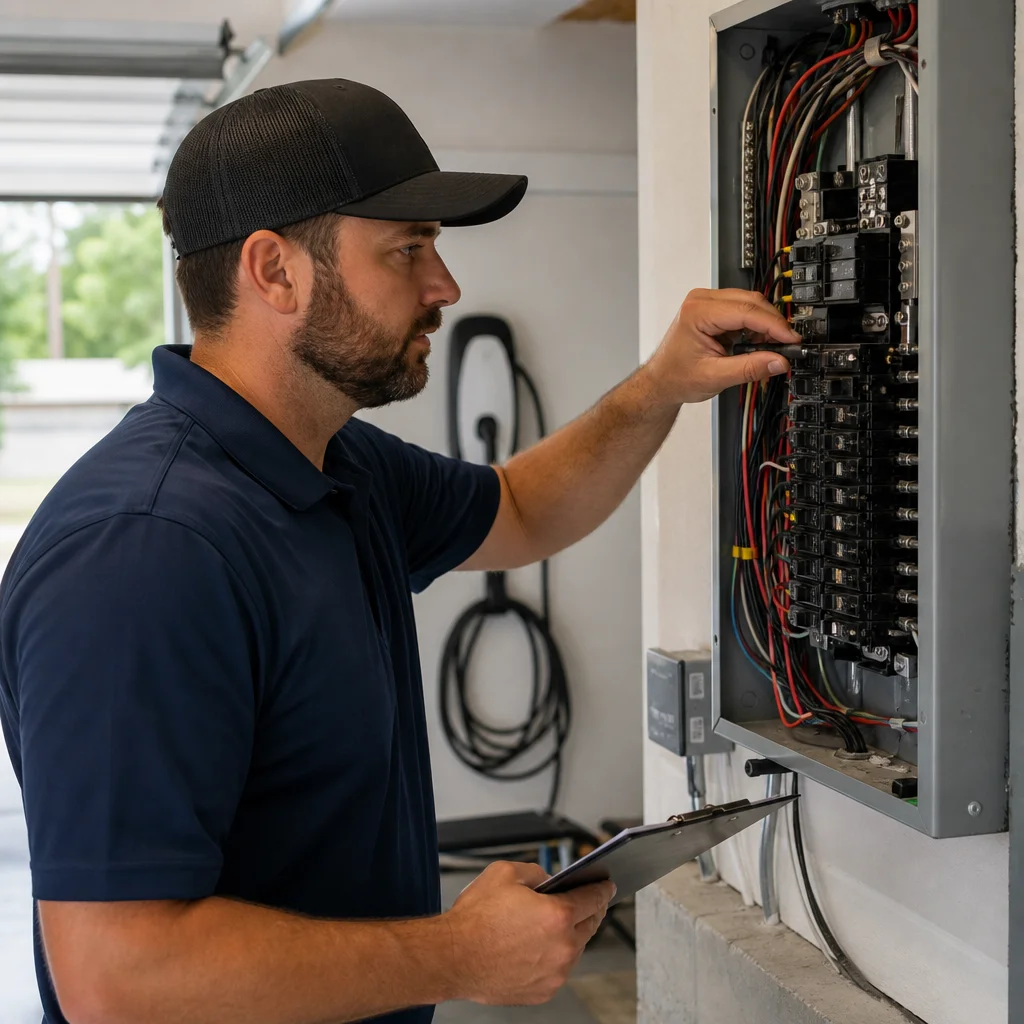
Installing a smart switch, USB receptacle, ceiling fan, EV charger, or connected thermostat may look like a simple project. The device itself, however, is only one part of the electrical system supporting it. Safe, reliable upgrades begin with the panel, breakers, wiring, grounding, and circuit capacity behind the wall.
That broader view is especially important in Hammock Bay, where homes range from established properties with aging components to newer houses filled with connected technology. Coastal weather, summer heat, storms, remodels, and growing household power demand can all affect upgrade decisions. Professional device upgrades in Hammock Bay account for the complete electrical path instead of simply replacing one device with another.
Start With the Electrical System Behind the Device
Every outlet, switch, light fixture, and smart control depends on a circuit that returns to the electrical panel. Before adding equipment, an electrician should determine which circuit serves the location, what else is connected to it, and whether the breaker and wiring are properly sized.
This matters because modern devices do not all use electricity in the same way. A USB outlet adds a built in power supply. A smart switch may require a neutral conductor that is not present in an older switch box. A ceiling fan needs a suitable electrical box, while an EV charger or hot tub usually requires a dedicated circuit. Installing equipment without checking those details can lead to nuisance trips, overheating, unreliable operation, or code violations.
Homeowners searching for a local electrician near me after a device stops working should mention any recent additions, remodeling, breaker trips, or storm related problems. Those details help identify whether the device failed on its own or exposed a larger electrical repair need.
Panel Capacity Shapes the Upgrade Plan
The main electrical panel distributes power throughout the home. Its total rating is important, but available breaker spaces and the calculated electrical load matter too. A panel can look spacious while lacking enough practical capacity for an EV charger, electric water heater, workshop equipment, pool equipment, or future addition.
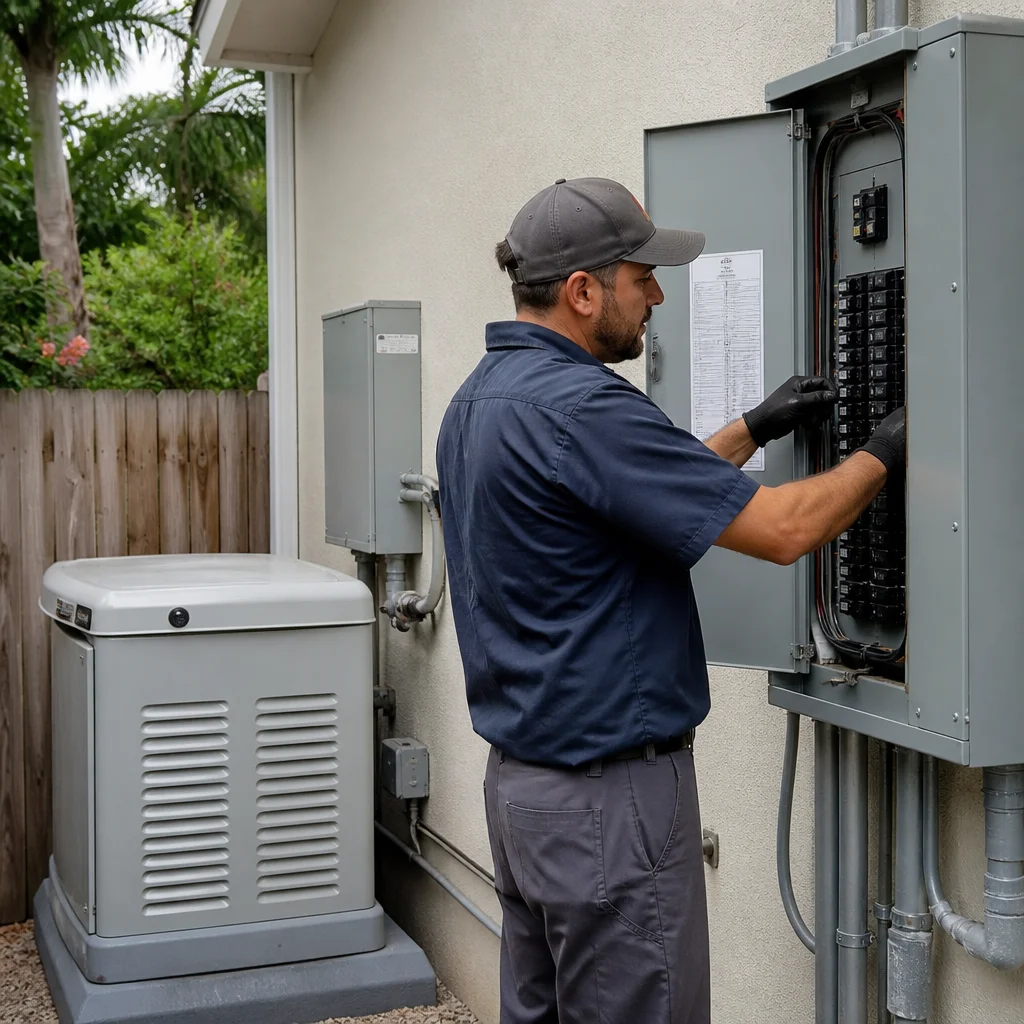
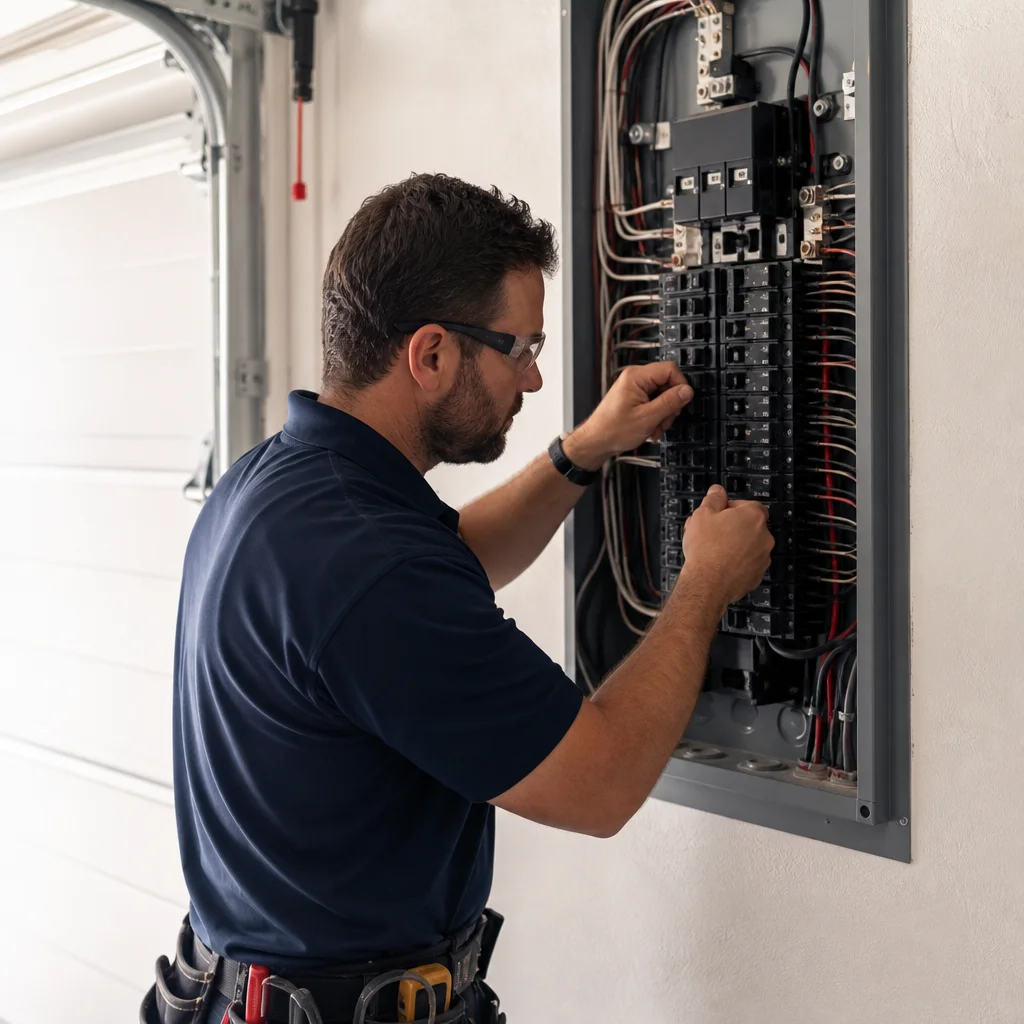
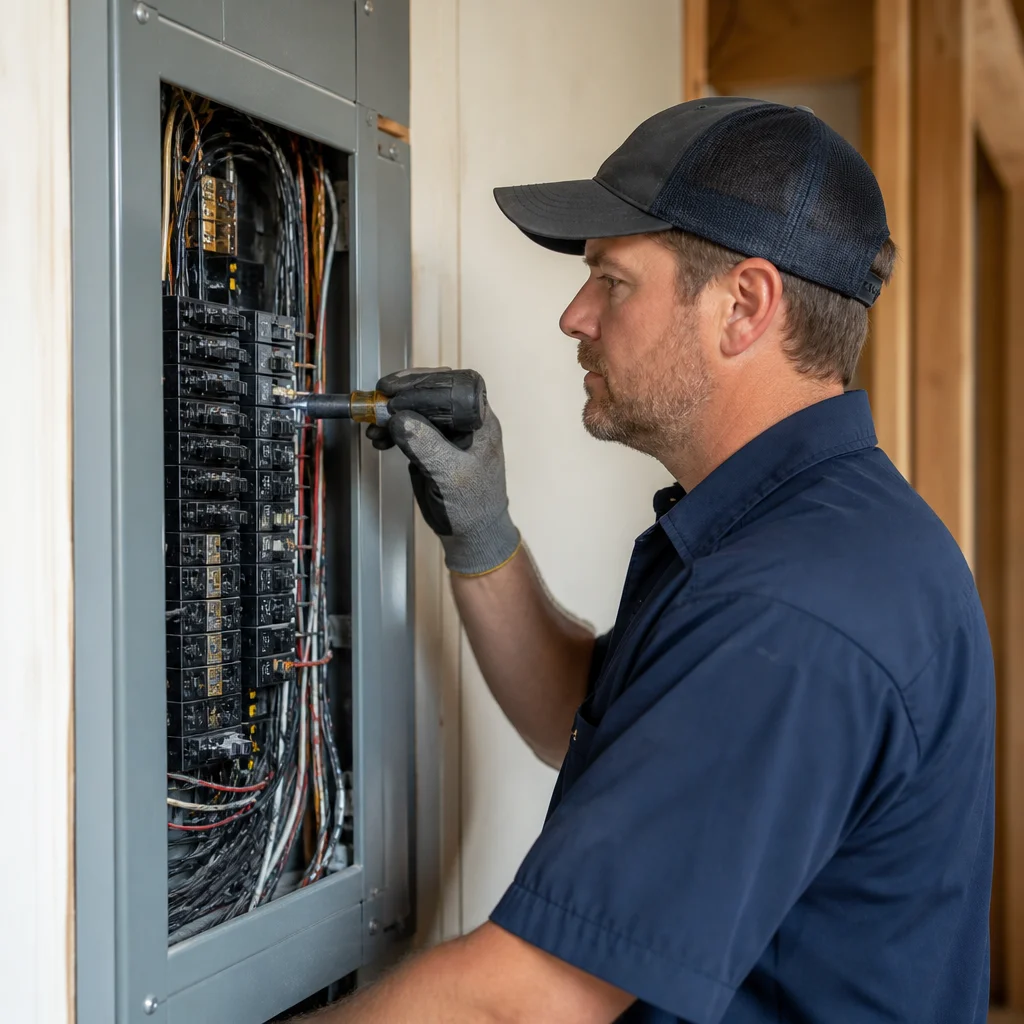
An electrician can review the service rating, breaker condition, panel labeling, grounding and bonding, signs of corrosion, and the demand created by existing appliances. Breakers that feel unusually hot, trip repeatedly, buzz, or will not reset deserve prompt attention. A search for circuit breaker repair near me may uncover a loose connection, damaged bus connection, overloaded circuit, failing breaker, or wiring fault rather than a breaker that simply needs to be replaced.
Some projects can be completed by installing a correctly sized new circuit. Others may require load management, a sub panel, replacement of obsolete equipment, or a service upgrade. Homeowners considering a 200 amp panel upgrade near me should request a proper load calculation instead of assuming a larger panel is automatically necessary. A review of circuit breaker panels and rewiring can clarify which approach fits the home and planned devices.
Wiring Must Match the Device and the Load
Wire size, insulation condition, conductor material, connection quality, and grounding all influence whether a device can operate safely. Older Hammock Bay area homes may have wiring methods or electrical boxes that do not support newer controls. Newer homes can also develop issues if circuits were altered during a remodel, addition, garage conversion, or do it yourself project.
Smart switches often need neutral conductors for continuous low level power. Dimmers must be compatible with the installed lamps and rated for the load. High demand equipment requires conductors sized for its amperage, installation method, and circuit length. Outdoor and garage wiring also needs protection appropriate for damp or wet locations.
Discolored insulation, brittle conductors, loose splices, open grounds, reversed polarity, and crowded boxes should be corrected before an upgraded device is energized. When a home rewiring near me search begins with one dead outlet, an electrical inspection may reveal that only a small branch circuit needs repair rather than the entire house. Accurate diagnosis prevents unnecessary work while addressing the actual hazard.
Outlets and Switches Need More Than a Cosmetic Refresh
Replacing worn receptacles and switches can improve convenience and safety, but device selection matters. Loose outlets that no longer hold plugs securely should be replaced. Cracked faceplates, warm switches, intermittent power, sparks, and dark marks around a receptacle are also reasons to schedule outlet repair.
Homeowners looking for USB outlet installation near me should consider charging wattage, device compatibility, box depth, circuit loading, and placement. A built in USB C receptacle can reduce adapter clutter in kitchens, bedrooms, offices, and drop zones, but it should be installed on sound wiring with proper grounding.
GFCI protection is essential where electricity may be exposed to moisture, including bathrooms, kitchens, garages, laundry areas, exterior locations, and other required spaces. Depending on the circuit and current code requirements, AFCI protection may also apply. A GFCI device that trips repeatedly should not be bypassed. The trip may be warning of moisture, damaged equipment, incorrect wiring, or current leaking along an unintended path.
Lighting Controls and Ceiling Fans Add Their Own Requirements
LED fixtures, occupancy sensors, smart dimmers, landscape lighting, and app controlled switches can reduce wasted energy and make a home easier to use. They still need compatible controls and properly rated electrical components. An incompatible dimmer may cause flickering, buzzing, poor low level performance, or early lamp failure.
Ceiling fans require boxes listed to support fan movement and weight. A standard light box may not be sufficient, even if the fan appears secure at first. Outdoor fans and fixtures should also be rated for their specific exposure. Professional lighting and fixture service can address box support, switching, wiring, control compatibility, and safe mounting together.
For homeowners planning multiple connected controls, smart home integration in Hammock Bay explains how monitoring and automation can support electrical safety when they are installed on a reliable system.
EV Chargers Require Dedicated Planning
An EV charger is one of the largest continuous electrical loads many households add. The project begins with the vehicle requirements and charging goals, followed by a panel assessment, load calculation, circuit design, equipment location, and permit review when required.
A garage ev charger wiring near me search should lead to an electrician who evaluates more than the receptacle or charger. Conductor sizing, breaker rating, grounding, equipment instructions, cable routing, physical protection, and available service capacity all matter. Hardwired charging equipment may be appropriate in some homes, while other installations use a properly rated receptacle and required protection.
Planning ahead can also reduce future expense. If a garage remodel, solar project, battery system, or second vehicle is likely, conduit or panel space may be reserved during current work. This is part of making a Hammock Bay home ready for changing power needs rather than repeatedly opening finished walls.
Generators and Surge Protection Serve Different Purposes
A generator provides selected or whole home power during an outage. Surge protection helps limit damaging voltage spikes. One does not replace the other, and both require correct installation.
Hammock Bay and the surrounding Walton County area can experience thunderstorms, tropical weather, wind, and utility interruptions. Surges may enter through utility power or other connected lines, while switching events inside the home can also affect sensitive electronics. Homeowners searching for surge protector installation near me should ask about whole home protection at the panel as well as point of use protection for valuable equipment.
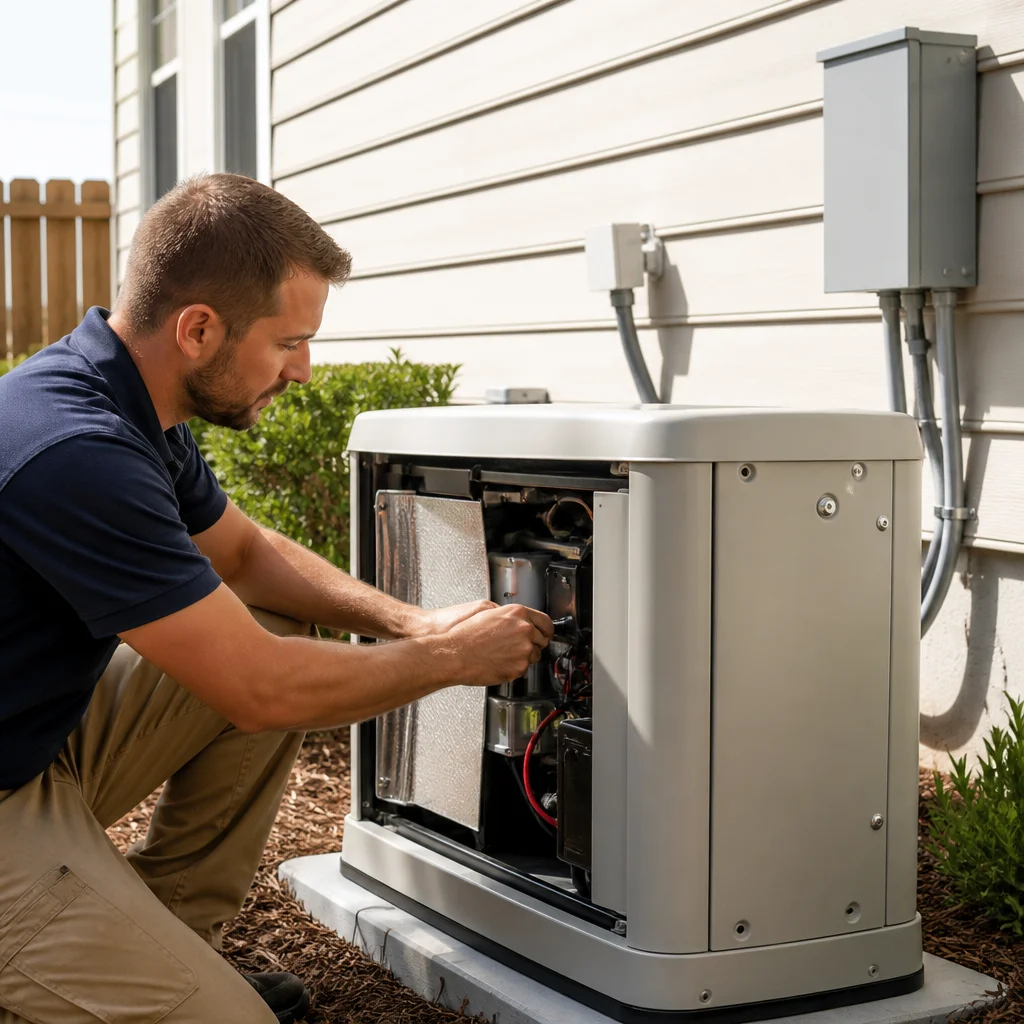
Generator installation requires careful load selection, transfer equipment, grounding review, fuel planning, safe placement, and compliance with manufacturer instructions and local requirements. Backfeeding a home through a receptacle is extremely dangerous. A professionally designed whole home backup solution keeps generator power isolated from utility lines and distributes it through approved equipment.
Smoke Alarms and Carbon Monoxide Alarms Belong in the Plan
Device upgrades are a good opportunity to review smoke alarms and carbon monoxide alarms. Units have limited service lives, and their manufacture or replacement dates should be checked. Hardwired alarms may include battery backup and interconnection so that one alarm can activate the others.
Placement and alarm type depend on the home layout, sleeping areas, fuel burning equipment, and applicable code. Adding bedrooms, converting a room, or remodeling a hallway may change what is needed. Smoke detector installation should include correct positioning and regular testing, not just replacement of the visible alarm. Carbon monoxide protection is particularly important where a home has a fuel burning appliance, fireplace, or attached garage.
Clues That an Upgrade Has Exposed a Larger Problem
A new device should not cause persistent electrical trouble. Breakers that trip after installation, lights that dim when equipment starts, warm wall plates, buzzing controls, burning odors, shocks, or intermittent power all require investigation. Common causes include overloaded circuits, loose terminals, damaged wiring, incompatible controls, missing neutral conductors, poor grounding, or incorrect breaker protection.
Storms can reveal weaknesses too. Water intrusion, salt laden air, lightning, wind damage, and repeated utility interruptions may affect exterior equipment, service connections, panels, surge devices, and generators. Anyone searching for storm electrical repair near me should avoid touching wet electrical equipment or damaged service components. If there is smoke, active arcing, a burning smell, or a fallen line, keep away, call emergency services or the utility as appropriate, and contact a qualified electrician.
Broader safety observations are discussed in electrical safety clues noticed during device upgrades. Although every property is different, warning signs should be evaluated rather than covered by a new switch or receptacle.
Older Homes, Newer Homes, Remodels, and Additions
Older homes may need correction of ungrounded outlets, outdated panels, deteriorated insulation, improper splices, or circuits that have accumulated too many loads over time. In some cases, fuse box replacement or selective wiring repair may be appropriate. The extent of work should be based on inspection findings and the devices being added.
Newer construction is not automatically ready for every future load. A house may have modern wiring but limited spare capacity after adding an outdoor kitchen, hot tub, workshop, EV charger, or electric appliance. Remodels and additions also create opportunities to correct panel labels, add dedicated circuits, improve lighting controls, install GFCI protection, and place receptacles where extension cords will not be needed.
The planning approach in Smart Electrical Planning for Hammock Bay Homes can help owners organize current improvements around likely future demand.
Prevention Begins With Inspection and Documentation
Preventive electrical maintenance does not require constant replacement. It starts with knowing the system. Keep an accurate panel directory, test GFCI devices and alarms according to manufacturer guidance, replace damaged cords, keep outdoor covers intact, and note recurring breaker trips or flickering lights. Generator exercise schedules, surge protective device status indicators, and alarm replacement dates should also be tracked.
Before a major device upgrade, an electrician can inspect the panel, circuit, wiring method, electrical box, grounding, and required protection. Code corrections may be limited to the affected work area, depending on project scope and local requirements. Permits and inspections may be required for panel work, new circuits, generators, EV chargers, and other substantial changes.
Local service matters because an electrical contractor familiar with Hammock Bay homes, coastal conditions, and Walton County procedures can design work around regional weather and housing patterns. That knowledge is useful whether the project involves outlet repair, breaker repair, lighting installation, wiring repair, code compliance, or a complete panel upgrade.
Know Where Homeowner Work Should Stop
Resetting a tripped GFCI, replacing a lamp, and testing an alarm are reasonable homeowner tasks when performed according to product instructions. Opening a panel, modifying fixed wiring, replacing breakers, installing new circuits, and working around damaged or energized components should be left to a qualified professional.
A device that repeatedly trips protection is not safer because a larger breaker was installed. Breakers are sized to protect conductors and equipment. Increasing the breaker rating without verifying wire size can allow wiring to overheat. Likewise, a three slot receptacle should not be used to disguise an ungrounded circuit unless an approved code compliant method is followed.
A Superior Mechanical provides electrical services in Hammock Bay for homeowners evaluating devices, panels, circuits, wiring, lighting, generators, surge protection, and other system concerns. For planned work or an electrical problem that needs professional attention, homeowners can request service before a small device issue becomes a larger repair.
Find Device Upgrades in Hammock Bay, FL
If you need Device Upgrades in Hammock Bay, FL, visit our local service page or contact A Superior Mechanical today.
Map of Hammock Bay, FL
Frequently Asked Questions
Does a smart switch require new wiring?
Some smart switches require a neutral conductor, reliable grounding, and a compatible electrical box. Older switch locations may not have a neutral available. An electrician can inspect the wiring and determine whether the control can be installed safely or whether circuit modifications are needed.
Can my existing panel support an EV charger or other high demand device?
That depends on the panel rating, existing electrical load, breaker spaces, wiring, and charger requirements. A load calculation can show whether the home can support a dedicated circuit, needs load management, or would benefit from a panel or service upgrade.
Why does a breaker trip after an outlet or device upgrade?
The circuit may be overloaded, the device may be wired incorrectly, or GFCI or AFCI protection may be detecting a fault. Loose connections, damaged wiring, moisture, and incompatible equipment are also possible. Repeated trips should be diagnosed rather than bypassed or addressed with a larger breaker.
Related Articles
- Smart Home Integration in Hammock Bay That Helps Protect Electrical Systems Before Problems Start
- Smart Electrical Planning for Hammock Bay Homes Built for Today and Ready for Tomorrow
- Why Destin Homes Run Better After Electrical Maintenance and Device Upgrades
- Electrical safety clues Seaside homeowners notice during device upgrades
Photo Gallery