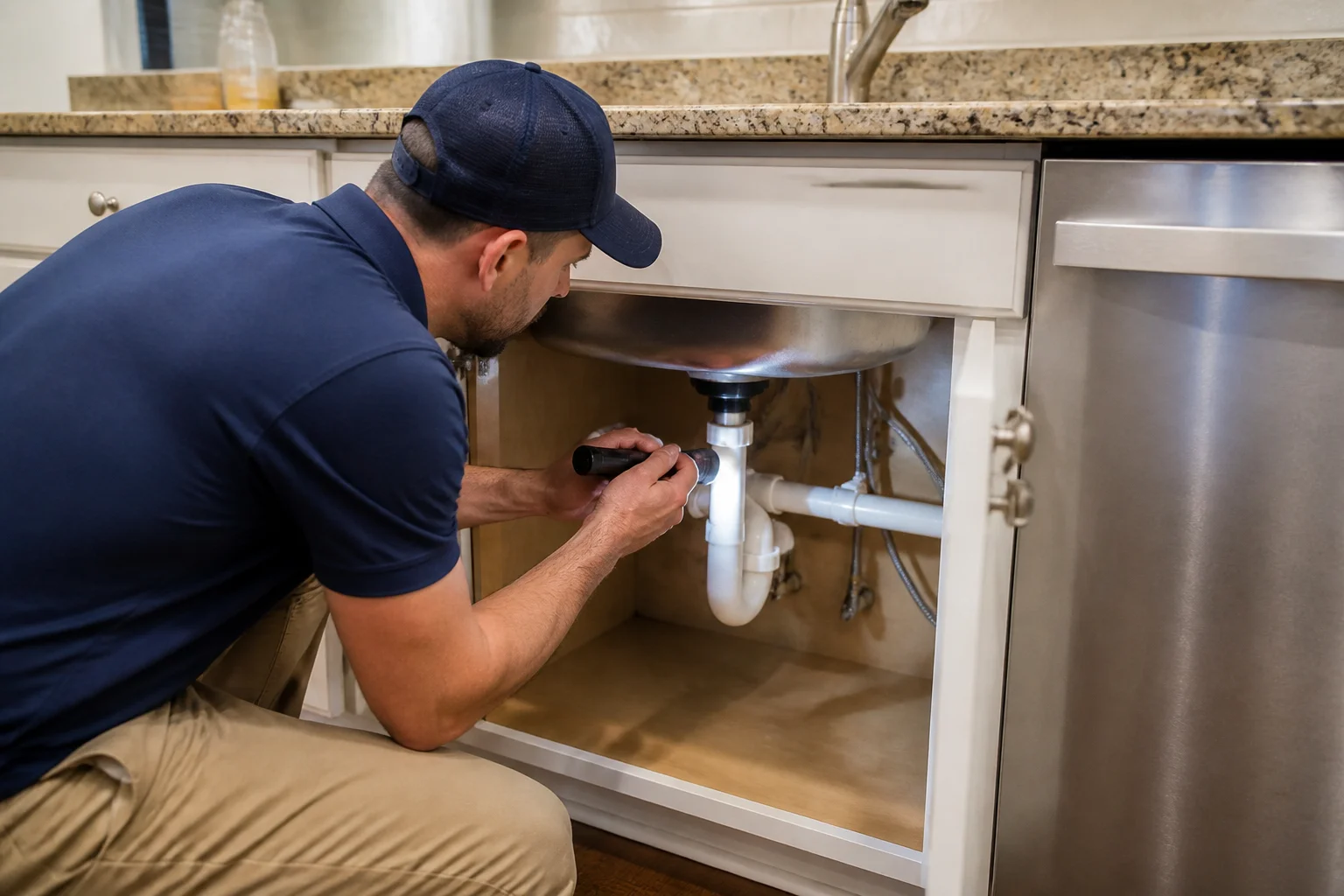
Clean water depends on more than a filter
Clean, dependable water begins at the supply, but it also depends on every pipe, valve, fixture, drain, and appliance inside a home. A filtration or reverse osmosis system can address specific water concerns, yet it cannot correct a hidden slab leak, corroded connector, failing water heater, or sewer backup.
For Lake Lorraine homeowners, a practical clean water plan combines water treatment with routine plumbing maintenance. A Superior Mechanical provides Clean Water Services in Lake Lorraine, including AO Smith filtration, purification, reverse osmosis, and water softening options for homes and businesses.
How local conditions affect household plumbing
Lake Lorraine’s warm, humid climate keeps plumbing systems working throughout the year. High water use during hot weather, heavy rain, tropical weather, and shifting soil conditions can all place added stress on residential plumbing. Homes in the area also vary in age, pipe material, fixture condition, and water supply configuration.
Water characteristics can differ by supply source and location within Okaloosa County. Some homeowners notice mineral scale, chlorine taste, cloudy glassware, or residue around faucets. These observations do not identify the exact cause by themselves, but they provide useful clues. Testing the water and inspecting the plumbing are better than choosing equipment based only on appearance or taste.
Local service matters because a plumber familiar with Lake Lorraine homes can consider regional construction styles, common pipe materials, water pressure concerns, storm related problems, and access conditions. That local knowledge is especially useful when a clean water concern turns out to involve a leak, drain, sewer line, or water heater.
Changes in water that deserve attention
A sudden change in water quality should not be ignored. Discoloration, unusual odors, sediment, reduced pressure, or an unexpected taste may come from the water supply, household pipes, a water heater, or treatment equipment. Check whether the issue affects one fixture, only hot water, or the entire home.
Problems limited to one faucet
If only one faucet has weak flow or visible particles, the aerator may be clogged with mineral scale or debris. A worn supply line, deteriorating washer, or corrosion at the fixture can also affect water at that location. Cleaning the aerator is a reasonable first step, but recurring debris calls for professional plumbing repair.
Problems affecting hot water
Odor, rust colored water, popping sounds, or sediment that appears only on the hot side may point toward the water heater. Sediment can collect in a tank over time, particularly where minerals are present. An aging tank can also corrode internally. A plumber can determine whether maintenance, a component repair, or replacement is appropriate.
Problems throughout the house
Changes at every fixture may involve the main supply, a whole home filter, pressure regulator, softener, or service line. Avoid assuming that a stronger filter will solve the problem. Water testing and a complete plumbing inspection help identify what needs to be treated and whether damaged components are affecting the water.
Small leaks can become water quality problems
Leaks waste water, damage building materials, and create damp conditions where mold and pests can become concerns. They may also indicate deteriorating fittings or pipes. Watch for rising water bills, a meter that moves while fixtures are off, warm spots on the floor, damp cabinets, peeling paint, or the sound of running water behind a wall.
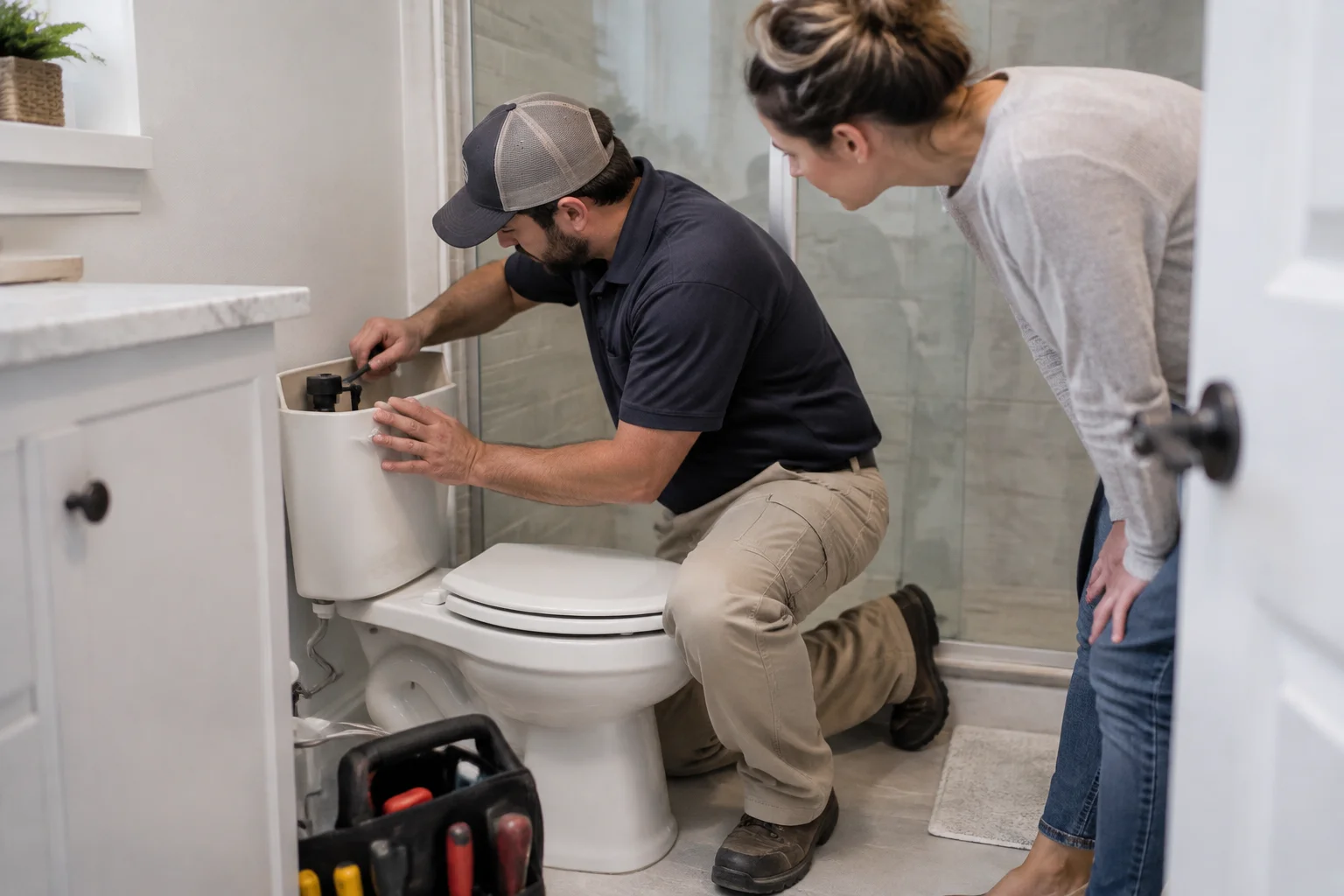
Under sink leaks often begin at faucet connections, drain assemblies, shutoff valves, or flexible supply lines. Toilet leaks can result from a failing flapper, fill valve, wax seal, or tank hardware. Homeowners needing toilet repair or replacement should act promptly if water appears around the base, since moisture can damage flooring and the subfloor.
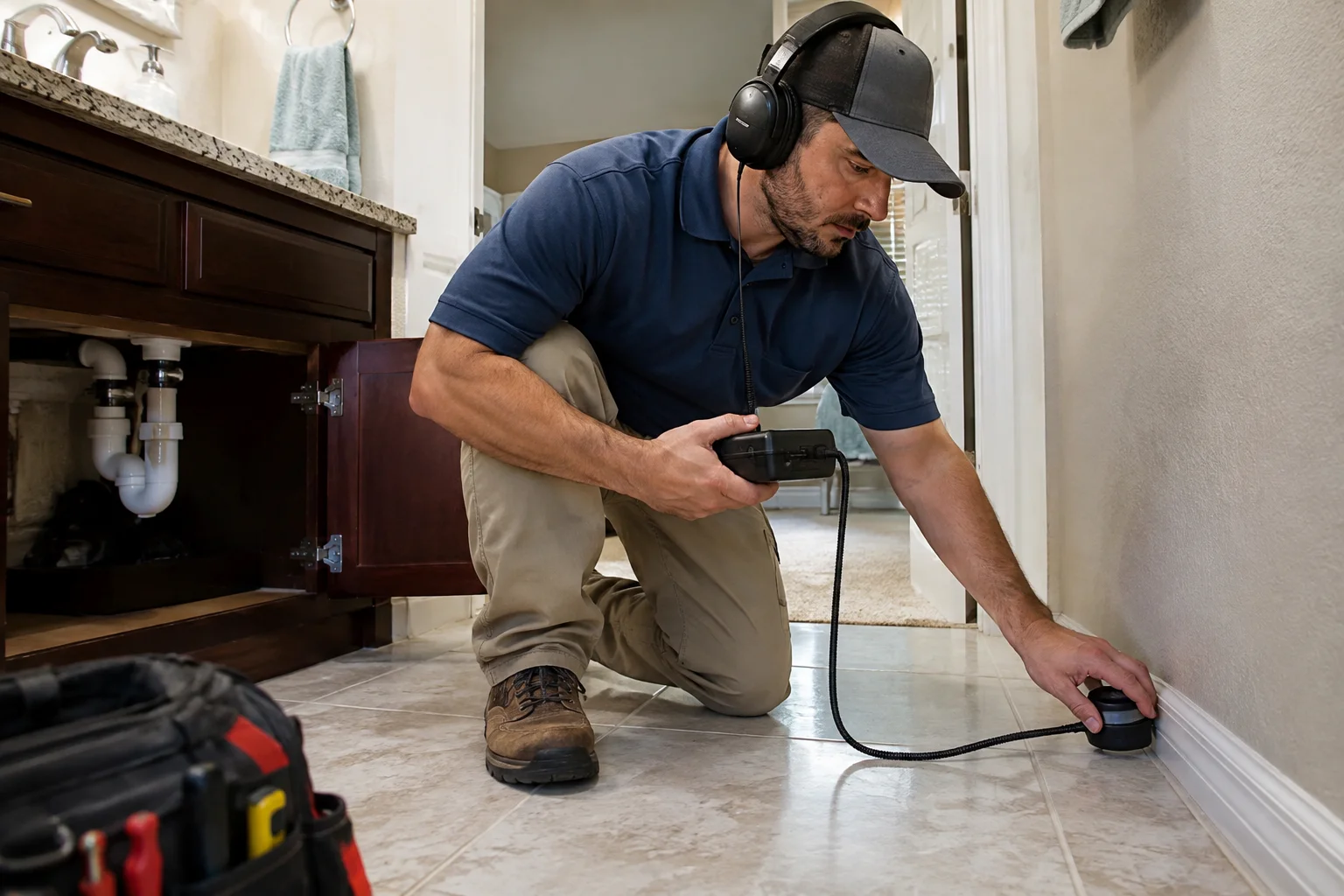
Slab leaks need special attention. Water lines beneath a concrete slab can fail because of pipe deterioration, movement, pressure, or installation conditions. Possible clues include unexplained water use, warm flooring, reduced pressure, damp spots, and the sound of water when everything is off. Leak detection can narrow down the location before a repair plan is developed.
If you are searching for plumbing repair near me because water is actively spreading, turn off the nearest fixture valve or the home’s main shutoff if it is safe to do so. Move belongings away from the area and call a licensed plumber. More prevention guidance is available in How Preventive Plumbing Care Supports Cleaner Water in Lake Lorraine Homes.
Healthy drains protect the clean side of the system
Supply pipes deliver clean water, while drains and sewer lines carry wastewater away. The two systems are separate, but a serious drain or sewer problem can create unsanitary conditions inside a home. Slow sinks, gurgling toilets, sewage odors, recurring clogs, and water backing up in a tub or shower all deserve attention.
Kitchen clogs commonly contain grease, food residue, and soap buildup. Bathroom drains collect hair, soap, skin products, and mineral deposits. Flushing wipes, paper towels, hygiene products, or other nonflushable material can obstruct toilets and sewer piping. Even products marketed as flushable may not break apart quickly enough to move safely through every residential system.
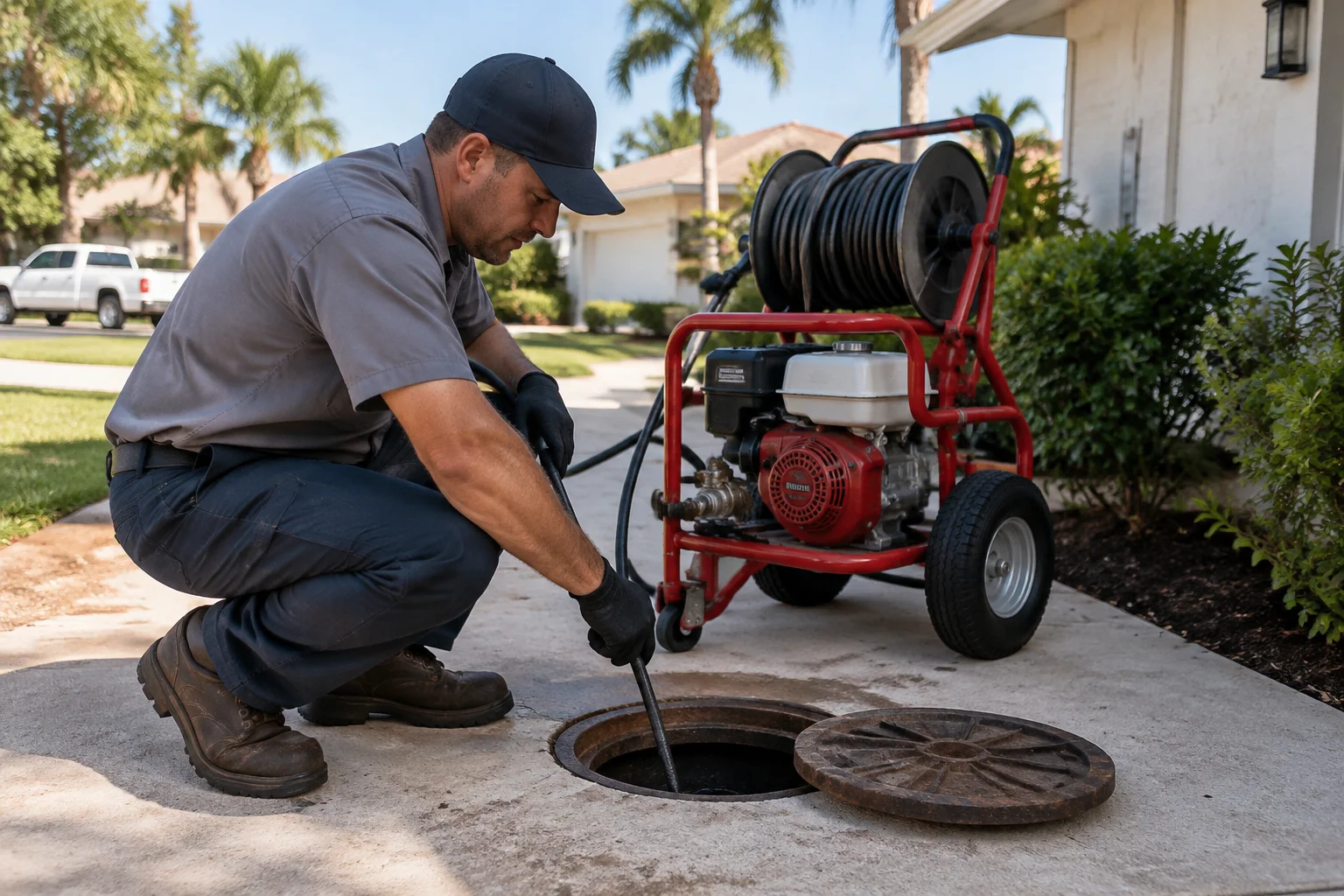
A plunger or removable drain screen can solve a minor, accessible clog. Repeated use of harsh chemical drain cleaners is less helpful because those products may damage some plumbing materials, create hazardous conditions for a plumber, and fail to remove the full obstruction. Professional drain cleaning uses equipment selected for the pipe and blockage.
A homeowner searching for slow drain repair near me should note how many fixtures are affected. One slow sink usually indicates a local clog. Several slow fixtures, a toilet that bubbles when another drain runs, or wastewater at the lowest drain may indicate a sewer line problem. A search for sewer backup repair near me becomes urgent if sewage enters the home. Keep people and pets away from the area and stop using water until the system is evaluated.
Pipes, pressure, and hard water
Water pressure should be strong enough for normal fixture use without placing unnecessary strain on pipes, valves, appliances, and supply hoses. Pressure that is too high can contribute to banging pipes, dripping faucets, shortened fixture life, and premature water heater or appliance problems. Low pressure can result from a partially closed valve, clogged aerator, mineral buildup, active leak, failing regulator, or supply issue.
Hard water contains dissolved minerals, commonly calcium and magnesium. It is not the same as contaminated water, but it can leave scale on fixtures, reduce soap performance, spot dishes, and accumulate in water heaters or treatment equipment. The degree of hardness should be measured before selecting a softener.
Pipe age and material also matter. Corrosion, internal scale, pinhole leaks, and aging connections can affect flow and reliability. A professional should evaluate recurring leaks rather than replacing one fitting after another without considering the condition of the larger system. Homeowners interested in reducing future repair risk can read Why Earlier Plumbing Maintenance Pays Off in Lake Lorraine Homes.
Fixtures and water heaters need routine care
A dripping faucet may seem minor, but it wastes treated water and can leave mineral stains. Worn cartridges, seals, valve seats, and supply connections are common causes. Faucet repair should include checking below the sink for moisture, corrosion, and shutoff valve problems.
Running toilets can waste a substantial amount of water without producing an obvious puddle. Listen for refilling between uses and check for movement in the bowl. A simple tank component may be responsible, although cracks, unstable mounting, or repeated blockages may make replacement more practical.
Water heaters should be checked for corrosion, leaks, temperature problems, unusual noise, and proper safety components. Maintenance needs vary by equipment type, age, water conditions, and manufacturer guidance. Lake Lorraine homeowners can schedule water heater maintenance before sediment, worn parts, or a small leak becomes a larger problem. If a water heater repair near me search is prompted by water around the tank, shut off power or fuel only if you can do so safely and contact a professional promptly.
Choosing filtration, softening, or reverse osmosis
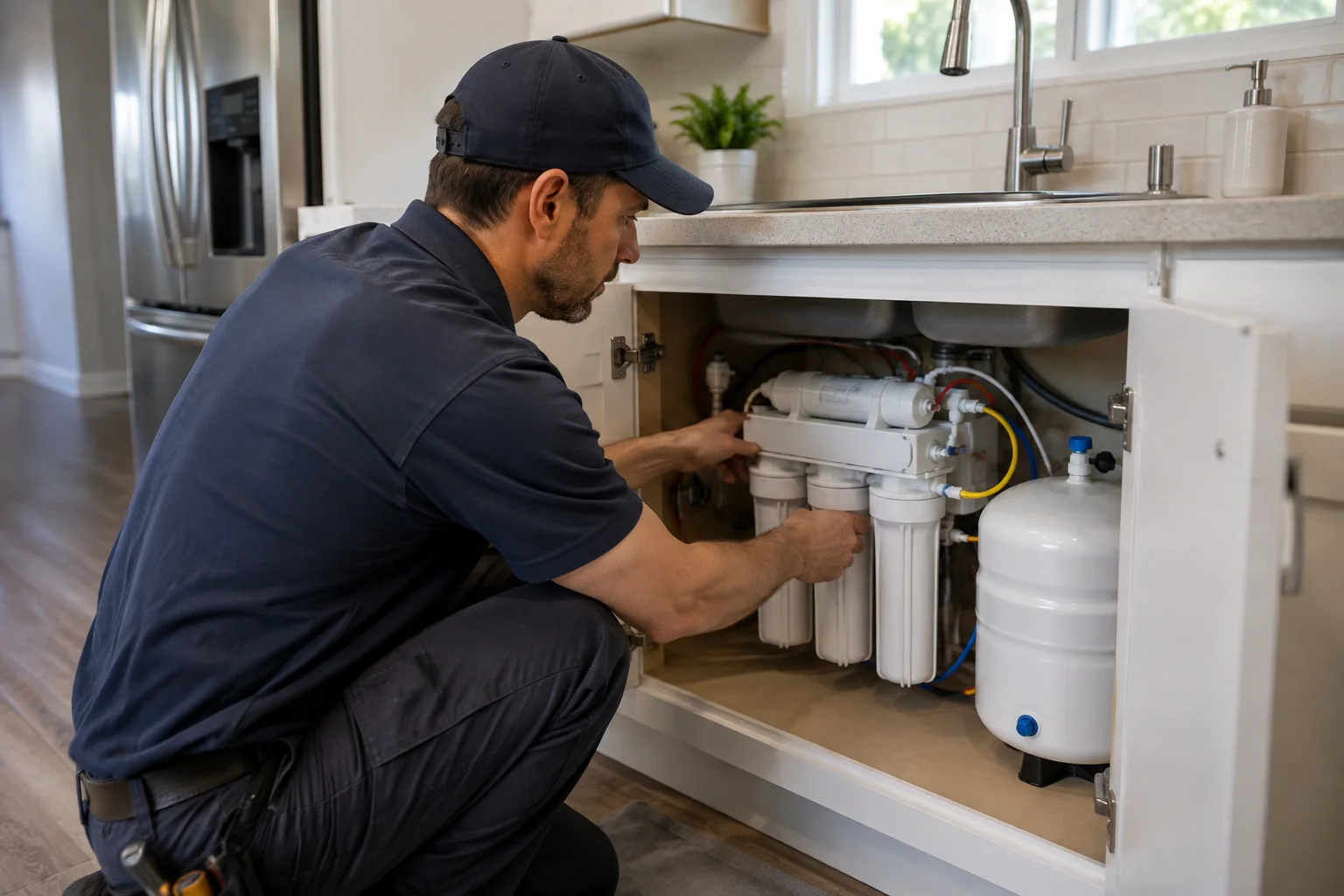
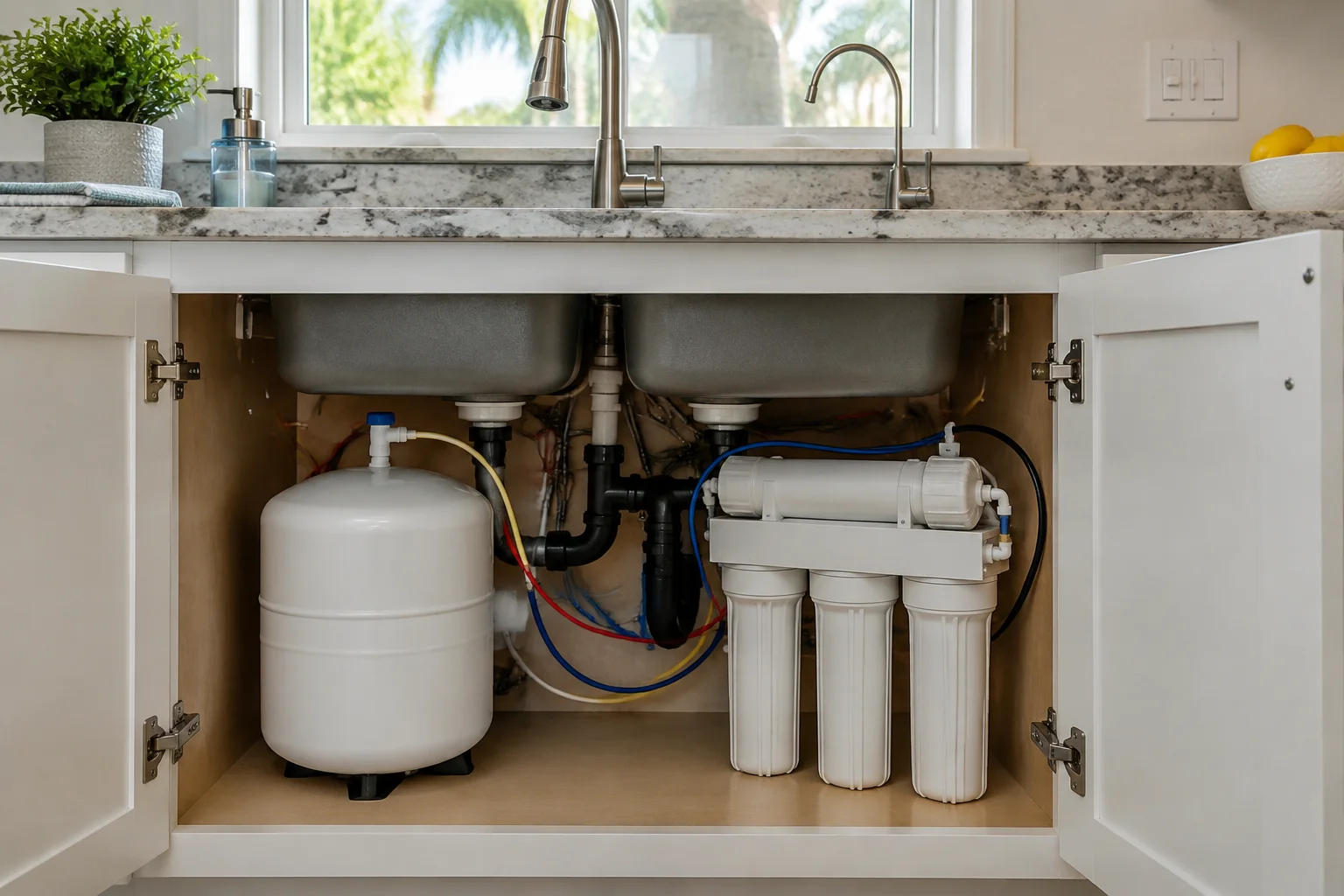
Water treatment should match a defined concern. A sediment filter captures certain suspended particles. Activated carbon filtration can reduce particular tastes, odors, and substances, depending on system certification and design. A water softener addresses hardness minerals through ion exchange. Reverse osmosis uses a membrane and additional treatment stages to reduce a range of dissolved substances at a selected tap or, in some designs, for broader use.
No single device addresses every possible water issue. Before installation, consider test results, household water use, available space, plumbing condition, pressure, drainage needs, filter replacement costs, and the number of people in the home. Equipment also needs proper sizing and ongoing maintenance to perform as intended.
A Superior Mechanical offers water purification services in Lake Lorraine and can help compare AO Smith filtration, purification, reverse osmosis, and softening options. Homeowners considering membrane treatment can review Planning a Reverse Osmosis System in Lake Lorraine Without Surprises and Practical Reverse Osmosis Advice for Lake Lorraine Homeowners.
A practical plumbing prevention routine
Once a month, look below sinks, around toilets, near the water heater, and beside appliances that use water. Touch supply connections with a dry paper towel to reveal small leaks. Check ceilings and baseboards for stains, and pay attention to musty odors in cabinets or rarely used rooms.
Know where the main water shutoff is located and confirm that responsible household members can find it. Do not force a corroded or stuck valve. Label individual fixture valves where useful, and replace damaged supply hoses before they fail.
Keep grease, coffee grounds, wipes, and hygiene products out of drains. Use sink and shower strainers, remove visible hair, and respond to slowing drains before they stop completely. After heavy rain, remain alert for sewer odors, yard saturation near underground piping, or backups at low fixtures.
Follow the manufacturer’s schedule for filter cartridges, softener salt, sanitizing, and reverse osmosis membrane service. A neglected treatment system may lose effectiveness or restrict flow. Record service dates so maintenance is based on actual use rather than guesswork.
A periodic plumbing inspection can include accessible pipes, water pressure, fixtures, shutoff valves, drains, the water heater, and treatment equipment. For homeowners searching for a home plumbing inspection near me, choose a local provider who can explain which findings need immediate repair and which items can be monitored.
Situations that require prompt professional help
Call a plumber for an uncontrolled leak, suspected slab leak, sewage backup, burst pipe, overflowing toilet that will not stop, loss of water throughout the home, or water heater leak. Burning odors, electrical hazards near water, gas odors, and scalding water also require immediate caution and the appropriate emergency response.
If water is approaching outlets or electrical equipment, do not enter standing water. If sewage is present, avoid direct contact and stop using plumbing fixtures. When an emergency drain cleaning near me search is necessary, tell the plumber which fixtures are affected, when the problem began, and whether wastewater is entering the home.
A search for a plumber near me should lead to more than a temporary patch. A Superior Mechanical can evaluate the connection between water quality, leaks, pipes, drains, fixtures, water heaters, and treatment equipment, then recommend repairs and maintenance suited to the home.
Build a cleaner water plan around the whole home
Reliable clean water comes from pairing suitable treatment with sound plumbing. Test water when there is a specific concern, repair leaks promptly, keep drains clear, monitor pressure, maintain the water heater, and replace treatment filters on schedule. This whole home approach helps Lake Lorraine residents protect water quality while reducing avoidable damage, waste, and emergency plumbing calls.
Find Clean Water Services in Lake Lorraine, FL
If you need Clean Water Services in Lake Lorraine, FL, visit our local service page or contact A Superior Mechanical today.
Map of Lake Lorraine, FL
Frequently Asked Questions
Which clean water system is best for a Lake Lorraine home?
The right system depends on water test results and the concern you want to address. Sediment filtration, carbon filtration, water softening, and reverse osmosis perform different jobs. A plumbing and water quality evaluation can identify the most suitable option.
Can a plumbing leak affect household water quality?
A leak can indicate pipe deterioration, corrosion, or failing connections. It can also create damp, unhealthy conditions around the plumbing. Sudden discoloration, pressure loss, unexplained water use, or recurring leaks should be professionally evaluated.
How often should filters and reverse osmosis systems be serviced?
Service intervals vary by equipment, water quality, household use, and manufacturer instructions. Filters should be replaced before they become overloaded or restrict flow. Keep a service record and follow the schedule recommended for the specific system.
Is a slow drain related to clean water service?
Drain piping does not treat incoming water, but a serious clog or sewer backup can create unsanitary conditions in the home. Multiple slow fixtures, gurgling toilets, sewage odors, or wastewater at a low drain require prompt plumbing attention.
Related Articles
Photo Gallery