Commercial buildings on 30A have a unique HVAC challenge. Florida heat and humidity push air conditioners and heat pumps hard, while salt air from the Gulf can accelerate corrosion and wear. When airflow slips or controls drift, the result is often uneven comfort, higher energy use, and emergency cooling concerns when the system falls behind.
This guide is for local property owners and managers who want practical, homeowner-friendly steps to support commercial HVAC repair in 30A, FL. It also explains what to watch for, why professional service matters, and how preventive maintenance can reduce disruptions across Walton County.
Why 30A commercial HVAC systems need repair that focuses on airflow
Cooling performance is not just about whether equipment turns on. For commercial spaces, airflow is the delivery system. Supply air has to reach the right areas at the right volume, with the right temperature and humidity control. When airflow is restricted, the system works harder to move heat and moisture, which can lead to refrigerant system strain, condensate drainage problems, and control issues at the thermostat.
In 30A’s coastal climate, humidity control is especially important. If airflow is weak or ductwork is blocked, the indoor coil can stay colder than it should or fail to remove moisture properly. That can increase indoor humidity, worsen indoor air quality, and create conditions that feel uncomfortable even when the thermostat reads a “cool” setting.
Common commercial HVAC repair issues property owners notice first
Many building owners first see symptoms rather than root causes. Here are the most common patterns in 30A commercial properties and what they usually point to.
Uneven cooling across offices, retail spaces, or dining areas
If one zone is comfortable while another feels warm, the issue is frequently related to ductwork airflow, zoning dampers, supply registers, or a return air problem. Filters that are overdue, blocked supply diffusers, or duct leakage can reduce airflow where you need it most. In some cases, the thermostat location or programming can also contribute, especially if it is exposed to direct sun or drafts.
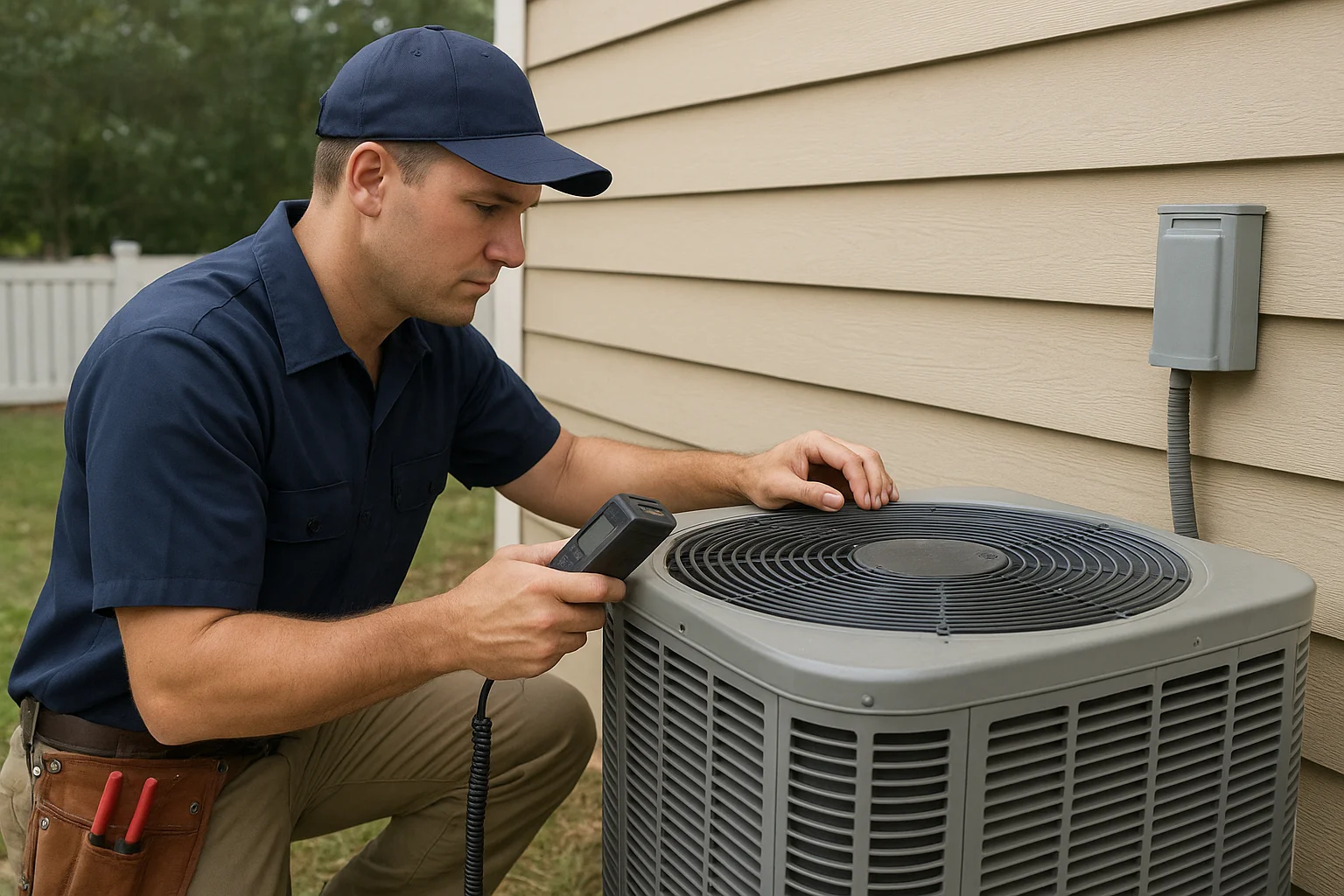
For homeowners searching for air conditioning inspection near me, this is a strong reason to schedule a professional evaluation. A technician can verify airflow performance, inspect ductwork connections, and check that controls are functioning as intended.
Weak airflow or “runs but does not cool”
Weak airflow can be caused by dirty indoor coils, restricted filters, blower issues, or duct restrictions. When airflow is low, the refrigerant system may not operate within normal conditions because the coil is not absorbing and releasing heat the way it should. That is why “it turns on” does not always mean the system is healthy.
In commercial settings, this can show up after schedule changes, filter replacement delays, or seasonal transitions from heat to cooling. It can also appear after renovations that alter airflow pathways. For reliable commercial air conditioning contractor near me support, look for service that includes airflow verification, not just a quick functional check.
Condensate drainage concerns and moisture buildup
Air conditioners and cooling systems remove humidity by condensing moisture on the coil. If condensate drainage is restricted or improperly routed, water can back up, create leaks, or contribute to damp conditions that affect indoor air quality. In coastal environments where humidity is already high, drainage problems can become more noticeable.
Property owners may spot water around indoor units, musty odors, or recurring “wet” symptoms after cooling cycles. Addressing condensate drainage early can protect ceilings, flooring, and the indoor environment.
Thermostat problems and control drift
Thermostats control comfort and sequencing. If the thermostat is inaccurate, improperly located, or not communicating correctly with the HVAC controls, the system may short-cycle, run too long, or fail to maintain stable temperatures. In commercial spaces, this can also affect energy use and occupant comfort.
If you are considering a thermostat upgrade, search for Smart Thermostats and discuss whether your current controls are suitable for your building’s zoning and airflow patterns.
Salt air corrosion and coil fouling
30A’s salt air can accelerate corrosion on metal components and contribute to coil fouling. Even if equipment looks “fine,” performance can slowly decline as airflow passages become less efficient. Corrosion can also affect electrical connections and mechanical parts, which is why a visual inspection and cleaning plan are part of good commercial HVAC maintenance.
These effects are one reason professional HVAC service matters in Walton County. A licensed technician can inspect vulnerable areas and recommend the right maintenance approach for coastal exposure.
How to improve airflow reliability without guesswork
Homeowners can do a few practical checks, but commercial HVAC repair decisions should be based on verified conditions. Here are steps that support airflow and reduce the chance of repeat problems.
Start with airflow basics: filters, registers, and return air
Filters protect coils and help maintain airflow. When filters are overdue, they restrict air movement and can lead to poor cooling and higher energy use. Make sure filters match the system requirements and are installed correctly.
Also check that supply registers are not blocked by furniture, signage, or storage. For returns, verify that return grilles are unobstructed and that return air paths are not being sealed off during cleaning or renovations.
Schedule ductwork inspections for airflow and indoor air quality
Ductwork affects comfort, humidity control, and indoor air quality. Even small leaks can pull in unconditioned air from attics or crawl spaces, which is a concern in Florida where humidity and heat are constant pressures. Duct restrictions can also reduce airflow to specific areas.
If you suspect ductwork issues, look for duct inspection near me support. A technician can assess airflow distribution and check for common duct problems that homeowners cannot reliably see.
Keep an eye on humidity, not just temperature
In 30A’s climate, comfort depends on both temperature and humidity. If indoor air feels clammy, the system may be removing moisture poorly due to airflow restrictions, coil performance problems, or drainage issues. Improving airflow and ensuring proper cooling cycles often improves humidity control as well.
For buildings with occupant complaints about “stuffy” air, consider indoor air quality services. Ask your HVAC professional about filtration, ventilation, and humidity management options that fit your system and building layout.
Use preventive HVAC maintenance to prevent mid-season breakdowns
Preventive maintenance helps keep airflow consistent and reduces the chance of refrigerant system strain or control problems. It also supports reliability during peak summer demand when emergency cooling concerns are most common.
If you want to reduce risk before problems start, review Why Preventive HVAC Service Pays Off for Air Conditioning Repair in 30A, FL and consider scheduling a maintenance visit timed to your operating season.
You can also explore Commercial HVAC Maintenance for a service approach designed for commercial operations.
What professional commercial HVAC repair should include in 30A
When you call a licensed HVAC contractor, quality service is more than replacing parts. For commercial HVAC repair in 30A, FL, you want a process that verifies performance and addresses airflow and reliability.
Airflow verification and comfort-focused diagnostics
Ask whether the technician will check airflow performance, verify that supply and return pathways are correct, and evaluate how the system is distributing air. This is the foundation for improving airflow and reliability. It also helps avoid unnecessary repeat repairs caused by addressing symptoms only.
Refrigerant system checks based on measured conditions
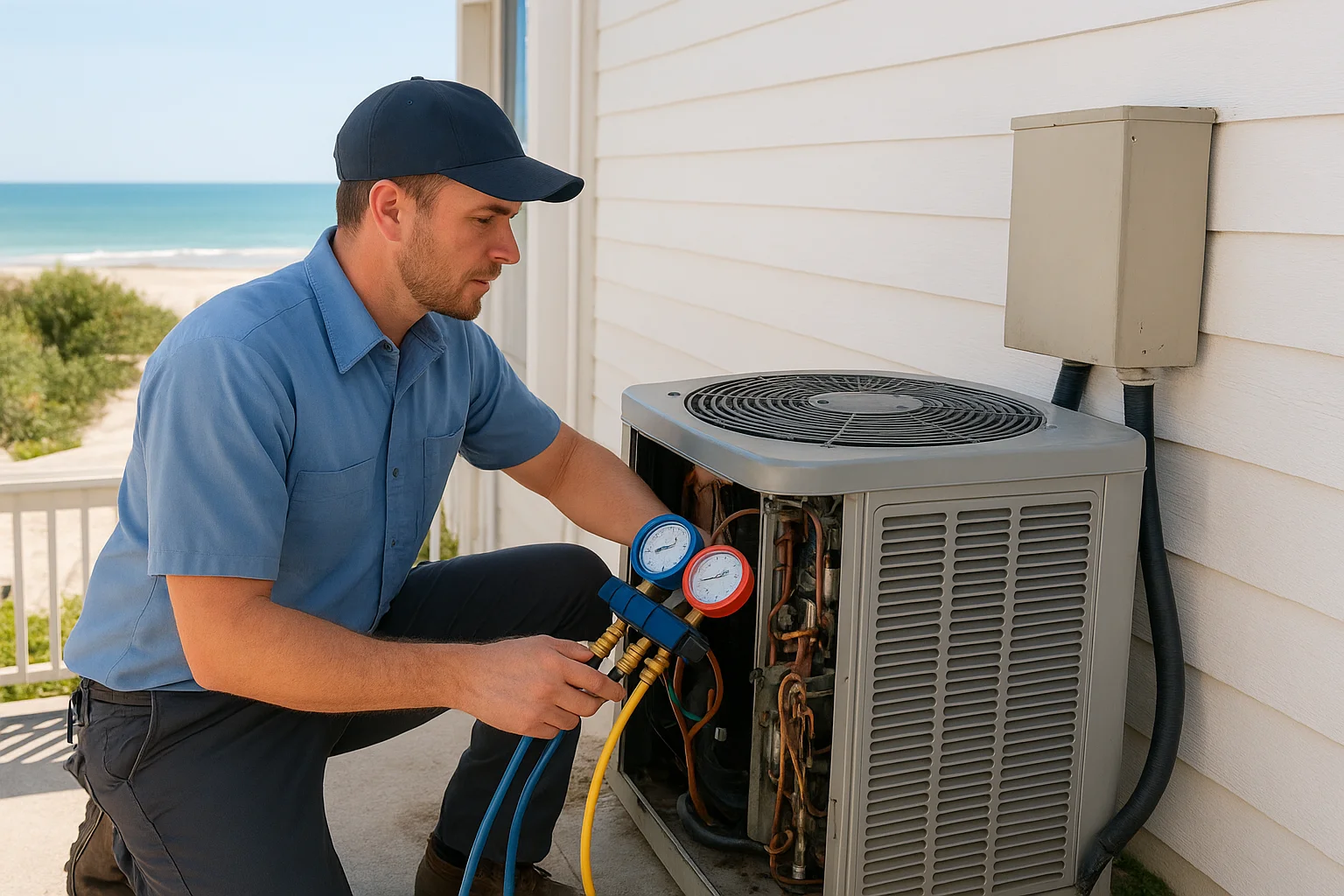
Cooling systems use refrigerant to move heat. If refrigerant issues are suspected, a technician should evaluate measured operating conditions in person. Homeowners should not attempt refrigerant diagnosis or adjustments on their own. Refrigerant service requires proper training and tools, and the right action depends on the specific system and readings.
If you notice persistent cooling problems, it is reasonable to request an evaluation of the refrigerant system as part of the overall diagnostic plan. The goal is to restore stable cooling performance without guessing.
Condensate drainage inspection during cooling season
During humid Florida months, condensate drainage needs attention. A professional inspection can confirm that drainage paths are clear, properly trapped where applicable, and draining as expected. This is one of the practical ways to protect indoor air quality and reduce moisture-related callbacks.
Thermostat and control verification
Commercial systems often rely on thermostats and control settings that coordinate with equipment stages and zoning. A professional should confirm that settings and sensor placement make sense for your building and that control behavior matches comfort goals.
Coil and component cleaning appropriate for coastal exposure
Coastal salt air can add an extra layer of wear. A good service visit includes cleaning and inspection of components that affect airflow and heat transfer. It also includes checking for corrosion and buildup that can reduce performance over time.
If you need air conditioning repair near me or commercial HVAC repair support, a contractor should be able to explain what they found, how it affects airflow and reliability, and what steps will prevent repeat problems.
Seasonal stress on 30A HVAC: where reliability slips
Florida heat is not a short event, and commercial systems often run longer than they do in cooler climates. That means minor issues can become major failures because equipment is exposed to high load day after day.
Start-up and shutdown transitions
When systems switch from heating to cooling, or when schedules change, airflow and humidity performance can shift. Filters, dampers, and coil conditions can lag behind operational changes. Scheduling AC tune up near me style service before peak demand helps avoid the “first hot week” breakdown pattern.
Humidity spikes and indoor comfort complaints
During humidity spikes, occupants may complain about clammy air or uneven comfort. These symptoms can point to airflow restrictions, drainage issues, or control settings that are not maintaining steady conditions.
If your building struggles with comfort during the most humid periods, review How 30A Homes Can Stay Ahead of HVAC Emergencies During Seasonal Stress. Even though it is written for homeowners, the reliability principles apply to commercial operations as well.
Energy use and cost pressures: airflow affects the whole system
When airflow is restricted, the system often runs longer to achieve setpoints. That increases energy use and can strain components over time. In commercial buildings, energy costs are closely tied to comfort and equipment health.
Improving airflow reliability can help reduce wasteful operation by making the system deliver cooling effectively. This is also why commercial property owners benefit from pairing repair with preventive HVAC maintenance rather than waiting for a full failure.
When to call for emergency cooling support
Commercial HVAC systems are often tied to business operations, food safety, equipment protection, and occupant comfort. If you have an urgent situation, act quickly.
Call for emergency AC repair near me if you see any of the following:
- The system stops cooling unexpectedly during business hours
- Airflow collapses suddenly in multiple zones
- There is active water leakage related to condensate drainage
- The building cannot maintain safe comfort levels despite normal thermostat settings
Emergency service does not replace proper diagnostics, but it helps reduce downtime while a professional evaluates the cause.
For commercial HVAC needs across 30A, you can request service through /service-areas/walton-county/30a/commercial-hvac-repair-30awcfl. If you manage multiple properties across the area, the broader service overview is available at /service-areas/walton-county and /service-areas/walton-county/30a.
Considering system replacement? What homeowners should know
Sometimes repair restores reliability, and sometimes a system is nearing the point where replacement becomes the practical option. However, deciding between repair and system replacement should be based on an in-person evaluation of equipment condition, airflow performance, refrigerant system behavior, and the building’s comfort requirements.
For property owners, the safest approach is to ask for a diagnostic summary that explains:
- What is causing the current comfort and airflow problem
- Whether repair addresses the root cause or only the symptoms
- How coastal factors like corrosion and coil buildup may affect future reliability
- How ductwork and indoor air quality needs impact overall performance
Do not assume replacement is appropriate without a technician inspecting the system and evaluating performance. Replacement decisions also tie into planning for continued operation and budget timing.
If financing is part of your planning, you may find helpful guidance in Keeping HVAC Financing on Track in 30A, FL Homes.
Heat pump and ductwork considerations for 30A businesses
Some commercial properties use heat pumps, especially where heating and cooling are combined in one system. In Florida, heat pump service still depends on airflow, coil cleanliness, and humidity control. If you are evaluating Heat Pump Services, ask how airflow and humidity performance are verified, not just whether the unit turns on.
Ductwork matters regardless of equipment type. Even a well-functioning air conditioner or heat pump cannot deliver comfort if ductwork distribution is impaired. That is why duct inspection and airflow verification are recurring themes in high-quality commercial HVAC repair.
How to choose the right local HVAC service for your commercial property
When you search for HVAC service near me, you should also look for signals of commercial readiness. A licensed HVAC contractor should be comfortable working around business operations and able to explain the diagnostic process clearly.
Before scheduling, consider asking:
- Will you evaluate airflow and distribution, not just equipment start-up?
- How do you inspect condensate drainage and address moisture-related concerns?
- Can you review ductwork and indoor air quality factors that affect comfort?
- Do you provide preventive HVAC maintenance options for long-term reliability?
If you are looking for a dependable partner across Walton County, A Superior Mechanical provides fast, professional commercial HVAC repair in 30A, FL for restaurants, offices, retail spaces, and multi-unit properties. Their local service focus is designed to help businesses stay comfortable and operational through Florida’s heat and humidity.
Find Commercial HVAC Repair in 30A, FL
If you need Commercial HVAC Repair in 30A, FL, visit our local service page or contact A Superior Mechanical today.
Map of 30A, FL
Frequently Asked Questions
What usually causes poor airflow in a commercial AC system in 30A?
Poor airflow is often linked to restricted filters, dirty coils, blocked supply registers, return air issues, or ductwork problems. Because airflow affects the entire cooling process, a professional inspection should verify airflow distribution before guessing at refrigerant system causes.
Can humidity problems mean my commercial HVAC needs repair?
Yes. In 30A’s humid climate, high indoor humidity can indicate airflow restrictions, coil performance issues, or condensate drainage concerns. An HVAC technician can evaluate how the system is removing moisture, not just whether it is cooling.
Is it safe for me to check refrigerant levels or troubleshoot refrigerant myself?
No. Refrigerant diagnosis and adjustments require proper training, tools, and system-specific evaluation. If cooling is failing, request an in-person commercial HVAC repair assessment to determine whether refrigerant service is actually needed.
What should I do if condensate drainage starts leaking during summer?
Shut down the affected indoor unit if it is actively leaking and contact a licensed HVAC contractor promptly. Condensate drainage issues can worsen indoor air quality and lead to moisture damage. Emergency cooling concerns may also apply if the leak is tied to system performance.
How can preventive HVAC maintenance help prevent mid-summer breakdowns?
Preventive maintenance supports consistent airflow, cleaner coils, reliable control behavior, and proper condensate drainage. Scheduling service before peak demand helps reduce the chance of repeat repairs and helps your system handle Florida heat and humidity more steadily.
Related Articles
Photo Gallery