Building a new home in Panama City means planning for more than just looks and square footage. Florida heat, humidity, and salt air place real demands on air conditioning, airflow, and indoor air quality. The good news is that new construction is the perfect time to get things right, from HVAC design and ductwork layout to condensate drainage and thermostat setup.
A Superior Mechanical designs and installs new construction air conditioning in Panama City, FL, with Bay County’s coastal climate in mind. If you are a homeowner, builder, or property manager, the questions you ask now can prevent comfort problems and emergency cooling concerns later.
Why Panama City’s climate changes the HVAC design
Panama City sits in a subtropical coastal environment. That combination matters for new construction air conditioning because the system has to do more than cool. It must manage humidity, maintain consistent airflow, and handle salt air exposure over time.
Heat and humidity put extra load on air conditioning
During humid stretches, an air conditioner’s job is not just lowering temperature. It also needs to remove moisture from indoor air so your home feels comfortable and stays protected from excess humidity. If the system is oversized or undersized, or if ductwork airflow is wrong, humidity control can suffer. That can show up as muggy rooms, condensation where it should not happen, or uneven temperatures from room to room.
Salt air and coastal exposure affect long-term performance
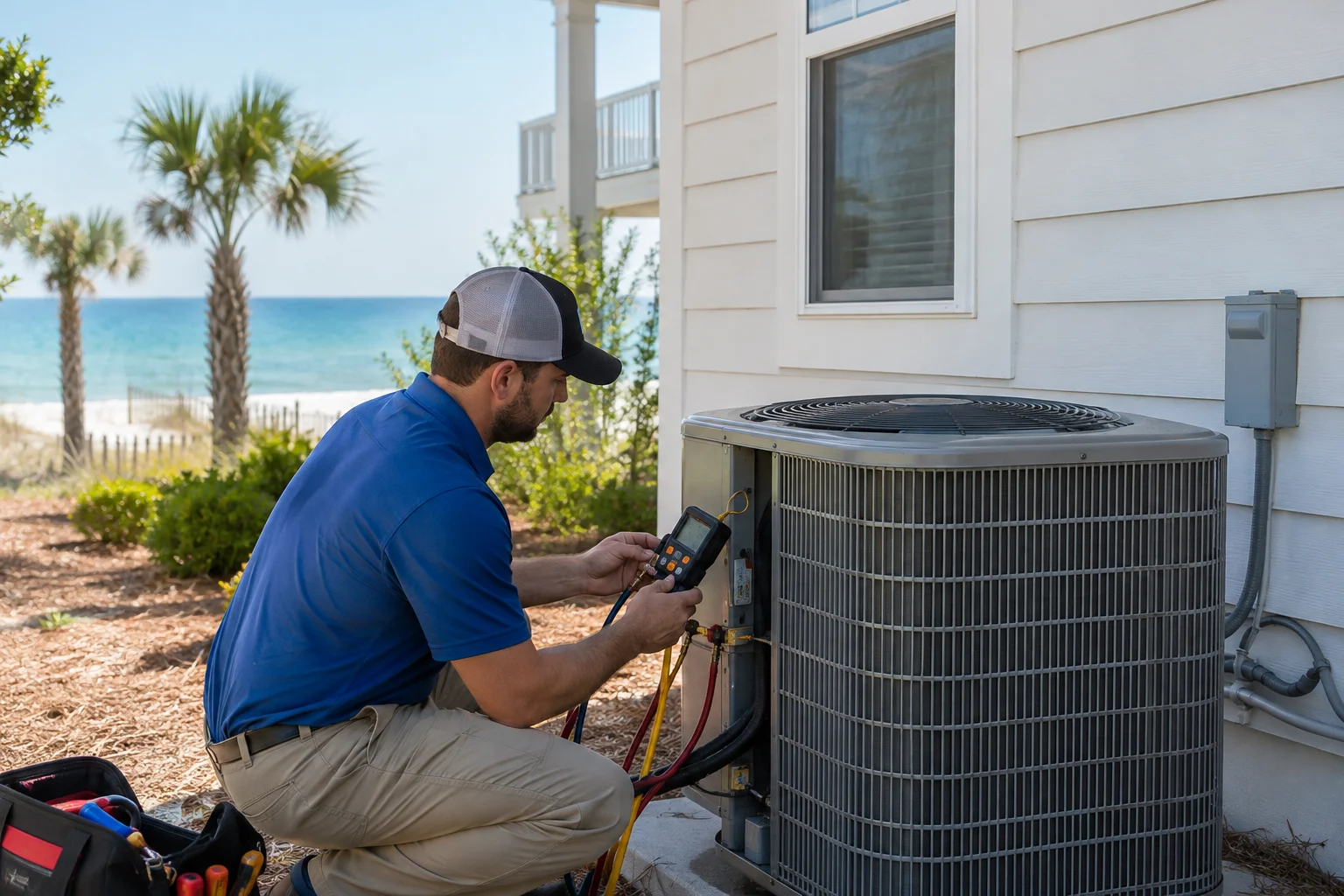
Coastal air can be harder on outdoor components. That is one reason professional residential HVAC service near me matters for both design and installation. Proper placement, corrosion-conscious practices, and good airflow planning help reduce premature wear and keep the system performing as intended.
Airflow and ductwork layout are part of the comfort equation
In new construction, ductwork is installed before the walls close. That means you can still correct airflow problems early. If ducts are undersized, poorly routed, or disconnected during construction, the system may not deliver the comfort you planned. Homeowners often notice issues as the first hot season arrives: rooms that run warm, higher humidity, or a system that seems to run constantly.
What “good” new construction air conditioning looks like
When HVAC design and installation are done well, the home feels even and comfortable. The system cycles in a steady pattern, humidity stays controlled, and energy use is more predictable. Here are the elements homeowners should understand.
Right-sized refrigerant system design starts with the full home
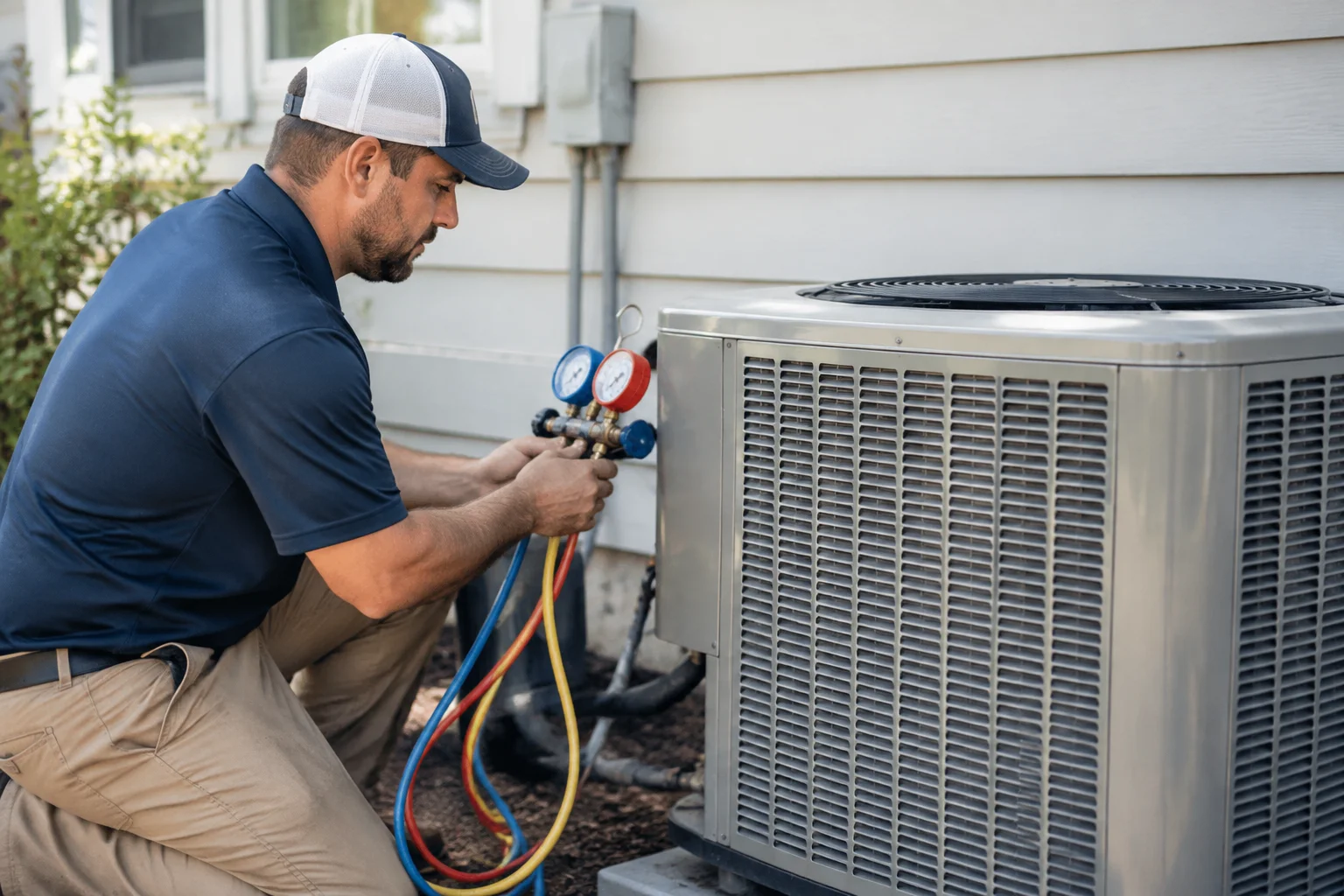
Your air conditioning system is a refrigerant-based system, and performance depends on how the indoor and outdoor sections work together. The right capacity is based on the home’s layout, insulation, window exposure, and expected loads, not just the square footage number alone. A professional evaluation should consider the building envelope and the airflow path through the ductwork.
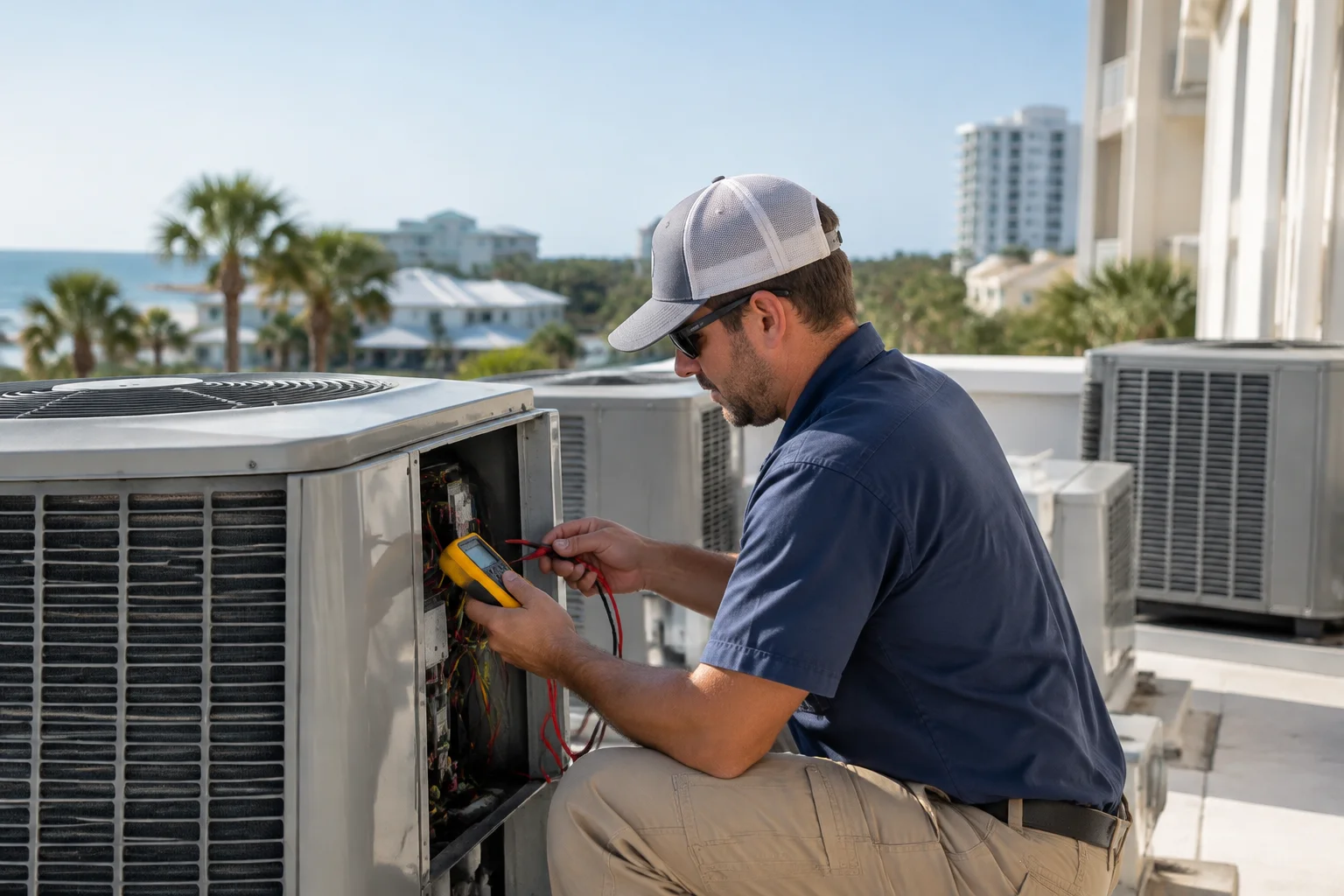
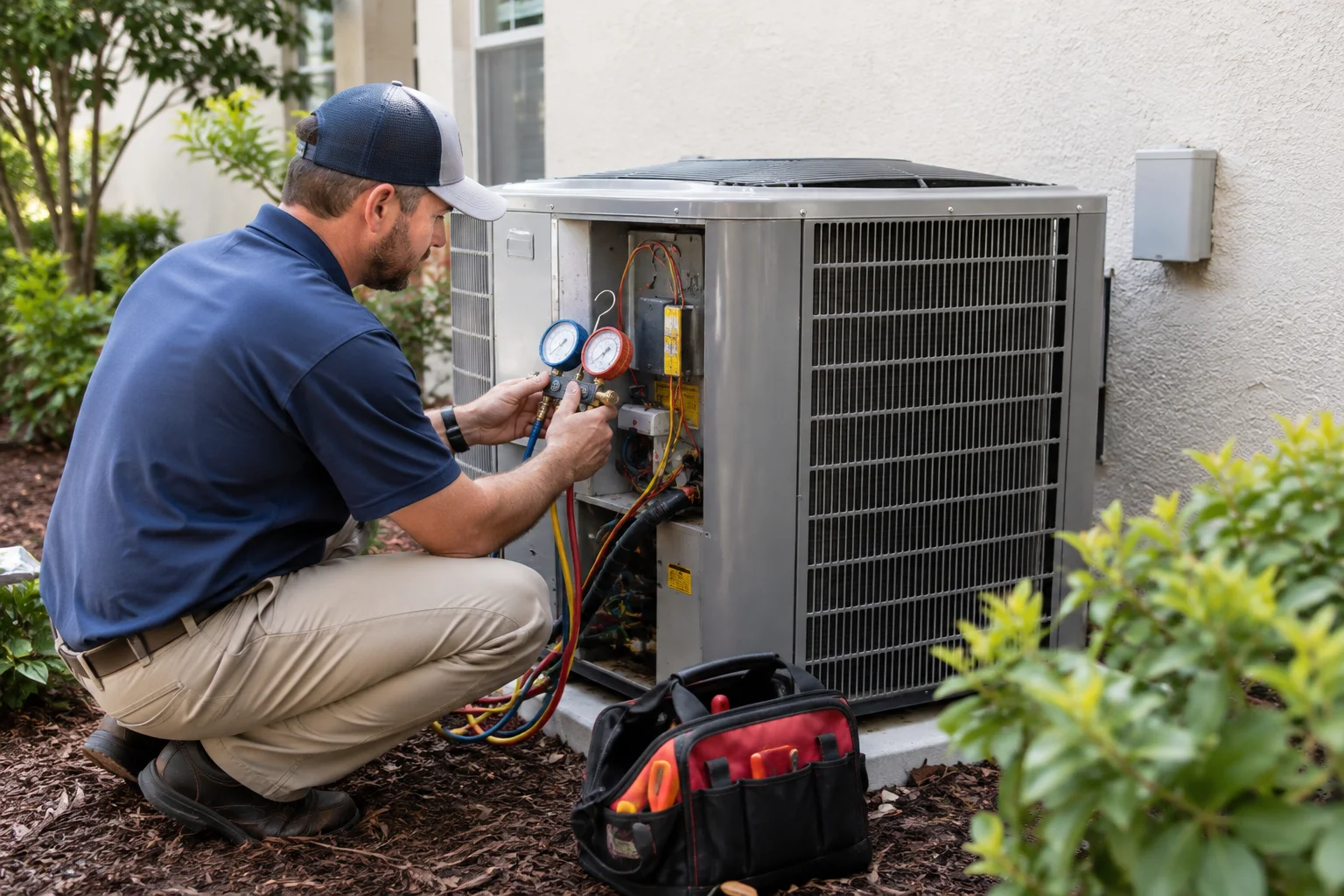
After installation, refrigerant system performance should be monitored through normal operating behavior and system checks. If something seems off, a technician can verify operation safely and correctly. Homeowners should not attempt refrigerant diagnosis or adjustments without an in-person professional evaluation.
Condensate drainage must be planned and tested
Air conditioners remove moisture as they cool. That moisture needs a clear condensate drainage path. In new construction, condensate drainage is sometimes overlooked until after move-in, when you notice water around the indoor unit or a slow drain line. A properly installed drain line, correct slope, and correct termination help prevent overflow and moisture issues.
Even if you have never dealt with condensate drainage before, it is worth asking your HVAC contractor how the drain pan and drain line will be installed, tested, and protected during construction.
Thermostats should match how the home actually operates
Thermostats influence comfort and energy use by controlling when the system runs and how it cycles. For new construction, thermostat placement matters too. A thermostat installed near a heat source, in direct sun, or in a drafty area can cause inaccurate readings and uneven comfort.
If you are considering a smart thermostat, the best approach is still to pair it with a properly designed system. Learn more about options at Smart Thermostats for Panama City homes.
Questions to ask before the first duct is buried
Builders and homeowners often focus on the equipment name on the paperwork. Comfort depends just as much on the ductwork, registers, airflow design, and commissioning. Use these questions during planning and rough-in.
How will you ensure airflow is balanced room by room?
Airflow affects temperature consistency and humidity removal. If some rooms have restricted airflow while others get too much, you can end up with hot spots, cold spots, and a system that struggles to maintain steady comfort.
Ask how ductwork will be sized and routed and how airflow will be verified during installation. If you have areas with vaulted ceilings, large windows, or rooms far from the main trunk line, mention those early.
Will you inspect ductwork for leaks and proper connections?
Duct leaks can pull air that is not conditioned into unconditioned spaces, and they can also reduce the airflow your system is designed to deliver. In new construction, ducts may get damaged during framing or later trades work. That is why a duct inspection matters before walls close and again after installation.
Homeowners looking for Duct Sealing in Bay County should know that sealing is only effective when leaks and airflow issues are identified first.
How will the system handle humidity during Florida’s wet months?
Humidity control is not a “nice to have” in Panama City. Ask how the system is selected and configured to manage indoor moisture while cooling. The answer should be grounded in design decisions, not vague promises.
What is the plan for condensate drainage and overflow protection?
Ask where the drain line will run, how it will be protected from damage during construction, and how it will be tested. If you ever see water where it does not belong, do not assume it is minor. Moisture can affect materials and indoor air quality.
Common new construction HVAC problems in Bay County
Even when a home is brand new, HVAC issues can show up quickly if something is miscalculated or installed incorrectly. Here are patterns homeowners in Panama City commonly report.
Uneven temperatures that seem to “shift” after the first season
A home may cool well at first and then feel less consistent as outdoor conditions change. That can point to ductwork airflow issues, thermostat placement, or balancing problems that were never fully verified during installation.
Higher indoor humidity than expected
When indoor humidity stays high, you may notice a sticky feel, condensation on windows, or musty odors. That can be related to airflow, system cycling behavior, and humidity removal performance. Addressing it typically starts with a professional air conditioning service evaluation, not guesswork.
Strange noises or short cycling
Short cycling can happen for several reasons, including airflow restrictions, thermostat settings, or improper system operation. If you hear loud rattling, frequent on off cycling, or fan issues, it is better to schedule Air Conditioning Systems service rather than waiting for the next breakdown.
Weak airflow from certain vents
Some rooms may get little air while others feel strong. That is often a ductwork layout or register issue, or it can happen if duct runs were compromised during construction. A duct inspection near me is one of the most direct ways to identify problems before they become comfort complaints.
Ductwork, airflow, and indoor air quality go together
New construction is a chance to improve indoor air quality because you control the entire airflow path. In Panama City, where humidity is high, good filtration and proper duct sealing help reduce the chance of excess moisture and dust buildup in the system.
Filters and airflow restrictions matter for comfort and system wear
Filters that are too restrictive or not changed regularly can reduce airflow. Lower airflow can increase strain on the system and make it harder to remove humidity. That is why preventive HVAC maintenance should include filter guidance appropriate for your home and the system design.
Consider duct cleaning when it is truly needed
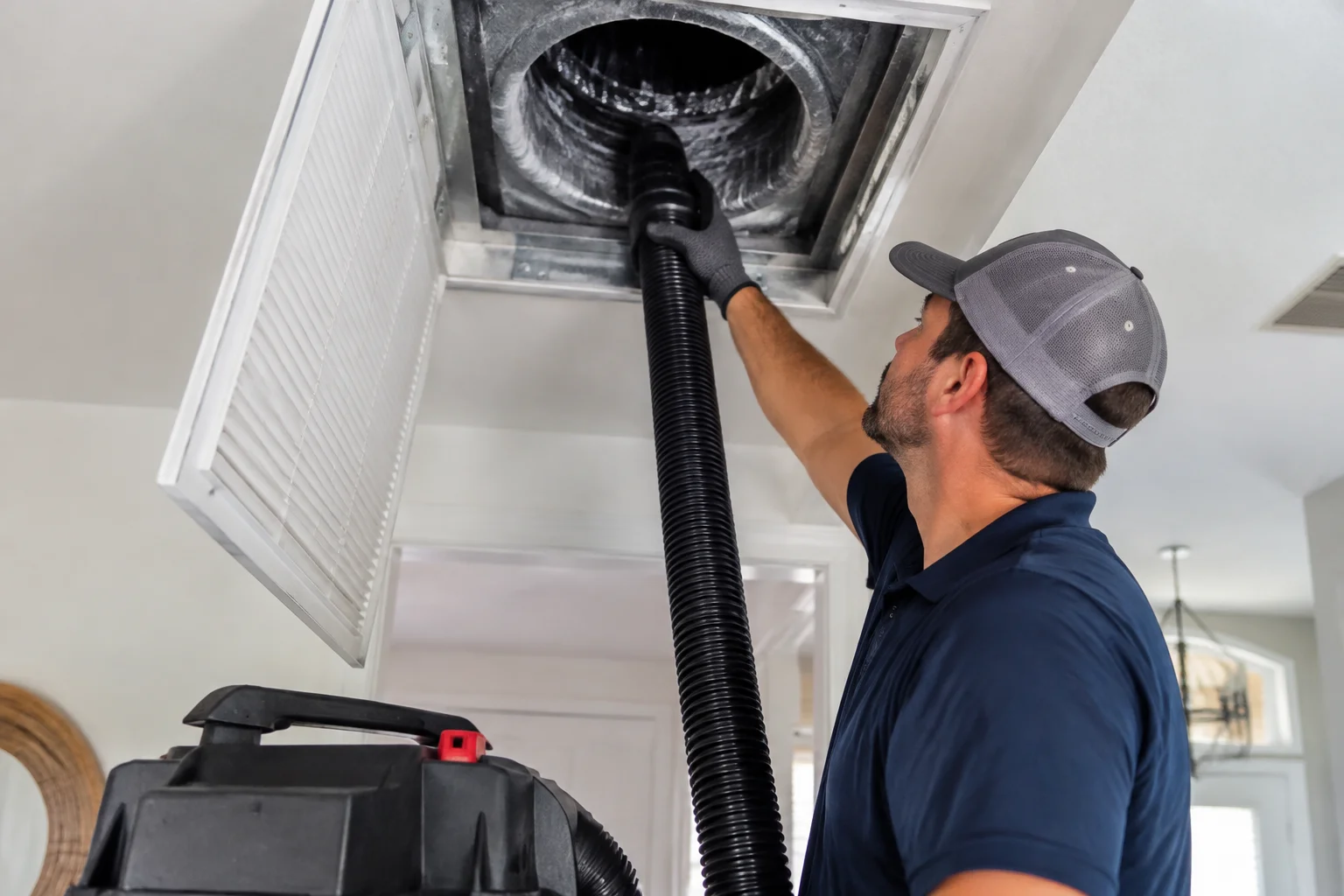
Construction dust can enter duct systems during building. Some homeowners want immediate duct cleaning near me, but the right timing depends on what is happening inside the ducts and how the HVAC system was protected during construction. A professional can help determine whether cleaning is needed and how to do it safely for your system.
Also, be aware that HVAC wear and tear changes how duct cleaning works. This matters in older duct systems and in new builds where components may have been stressed during construction. See How HVAC Wear and Tear Changes the Way Duct Cleaning Works in Panama City Beach Homes.
Heat pump systems and humid Florida summers
Some new construction projects include heat pumps instead of traditional air conditioners. If you are evaluating options, it helps to understand how a heat pump installation near me should be approached in a humid coastal climate.
Design and controls are key for dehumidification performance
Heat pumps are refrigerant-based systems too, and their ability to manage comfort in Florida humidity depends on how they are installed and controlled. Thermostat settings, airflow, and system configuration all influence performance.
Do not assume the system is “fine” just because it cools
If the home feels cool but stays humid, that is a comfort and indoor air quality issue. It can also lead to more frequent cycling. A professional HVAC contractor near me can evaluate operation based on the home’s needs.
If you are building a new home, ask your HVAC contractor how they plan to commission the system for both temperature and humidity control.
Energy use: what homeowners should watch after move-in
A new system should be efficient, but efficiency depends on installation quality and operation. Energy use can rise if the system runs longer than expected due to airflow problems, duct leaks, or thermostat misconfiguration.
Look for patterns, not one-off days
It is normal for energy use to climb during the hottest weeks. What is not normal is sustained discomfort and constant run time that suggests the system cannot meet the load.
Schedule an AC tune up after the first season, not just “sometime later”
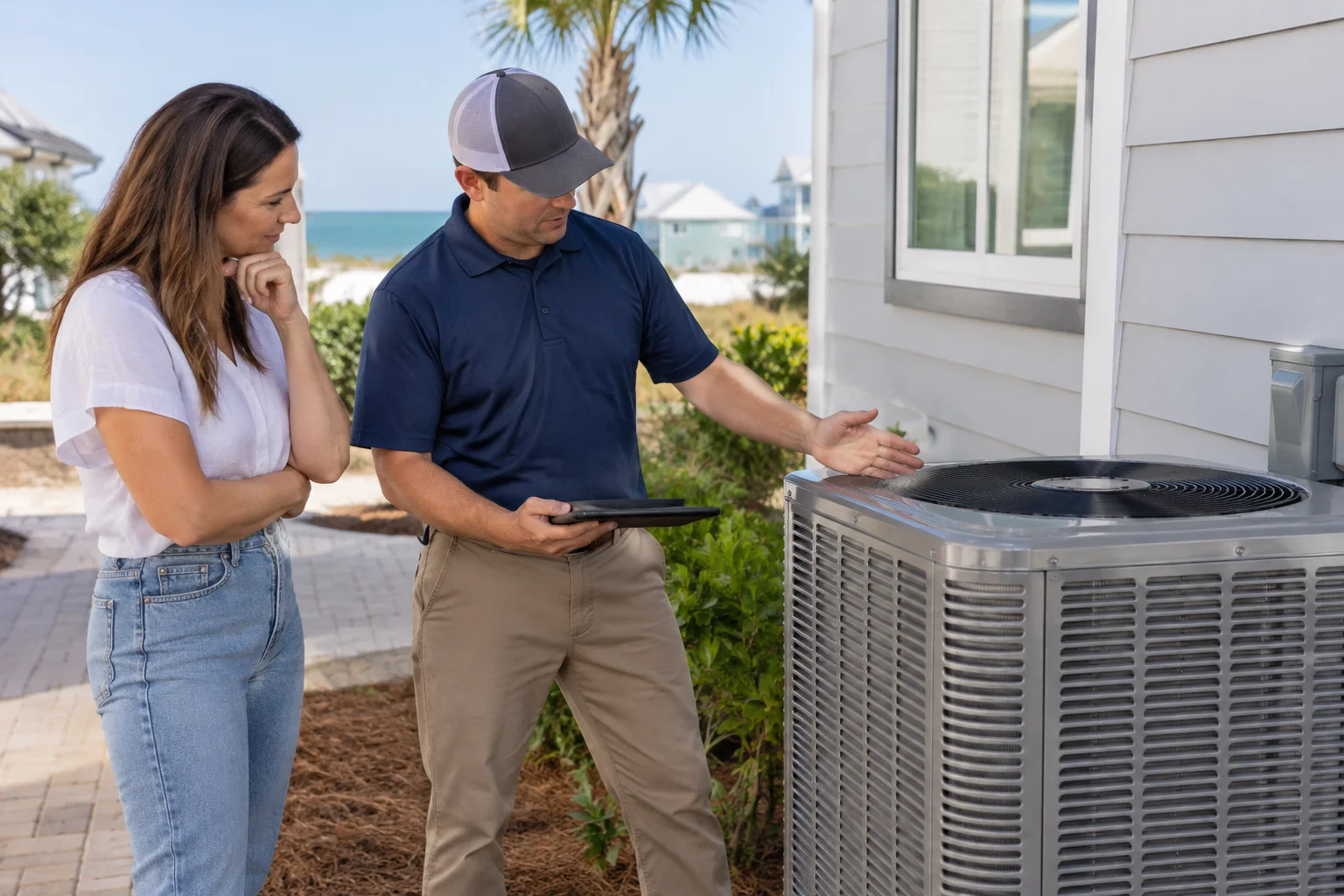
After you experience real Florida weather in your new home, you can spot issues early. An AC tune up can confirm that the system is operating as intended and that components are clean and functioning properly. If you are searching for AC tune up near me, look for a company that understands new construction commissioning and airflow verification.
You can also explore Air Conditioning Maintenance for a maintenance plan aligned with Panama City’s seasonal demands.
Preventive HVAC maintenance that makes sense for new homes
New construction does not eliminate wear and tear. Dust, construction residue, and normal operation still affect system performance over time. Preventive HVAC maintenance helps you catch developing issues before they turn into a comfort emergency.
Seasonal checks for airflow and moisture control
Maintenance should include checks that support airflow and condensate drainage, plus verification that the system is managing humidity effectively. Moisture problems can be harder to notice until they cause damage, so it helps to keep moisture management on the maintenance checklist.
Thermostat settings and operation review
Many comfort complaints come from thermostat settings that do not match the home’s behavior. A technician can help confirm that the thermostat is reading correctly and controlling the system in a way that supports stable comfort.
Document what was installed
Keep records of equipment details, installation notes, and any ductwork changes made during construction. This makes future HVAC repair and system replacement decisions more accurate when the time comes.
When emergency cooling concerns start
Panama City summers can be unforgiving. If the air conditioner stops cooling, you should treat it as an urgent comfort issue, especially for infants, seniors, or anyone sensitive to heat.
Watch for emergency patterns
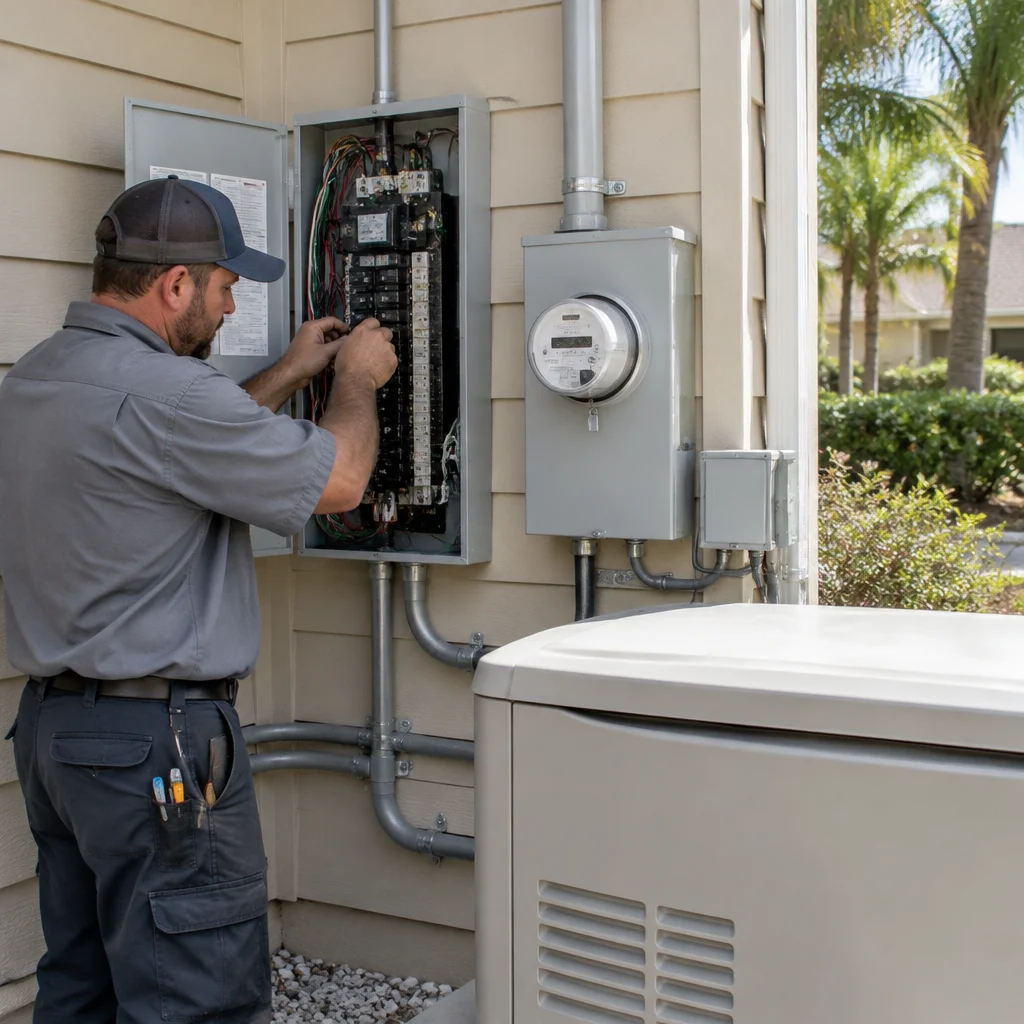
Consider emergency AC repair near me if you notice the system is running but not cooling, the indoor unit is not moving air properly, the system trips repeatedly, or there is a burning smell or unusual smoke. Do not attempt refrigerant handling or electrical troubleshooting yourself.
Why 24/7 response matters in Bay County
Even if your home is new, equipment can fail due to installation issues, construction debris, or normal component wear. Response time can matter when outdoor temperatures climb and humidity rises. Read Why 24/7 HVAC Response Matters in Panama City Homes for context on how homeowners can reduce risk during heat spikes.
Choosing the right local HVAC service for your new build
New construction is a coordination challenge. Trades work around each other, schedules shift, and ductwork can get bumped. A local HVAC contractor near me brings experience with Panama City’s construction realities and the comfort demands of the coastal climate.
Residential HVAC service that focuses on commissioning
Ask whether the company performs installation checks that go beyond “turn it on.” A good process includes verifying airflow, condensate drainage, thermostat operation, and overall system performance with your home’s layout in mind.
Commercial HVAC service considerations for rentals and mixed-use properties
If your new construction includes rentals, multi-family units, or light commercial space, the expectations can be different. Comfort and reliability still matter, and maintenance access may be more frequent. For those situations, it can help to understand how issues escalate over time. See Keeping Commercial HVAC Trouble from Turning Into an Emergency in Panama City.
How to prepare for HVAC questions during your walkthrough
Before you sign off on a new build, do a walkthrough that includes the HVAC system. Bring a short list of questions and confirm that key items are documented.
- Where is the thermostat located, and is it in a spot that reflects the comfort you want?
- How is condensate drainage routed and tested?
- Are supply vents and return paths installed to support balanced airflow?
- What is the plan for filter changes and routine maintenance?
- Who do you call for air conditioning repair near me if something feels off?
If you want to talk specifically about new construction air conditioning, you can review A Superior Mechanical’s service details here: /service-areas/bay-county/panama-city/new-construction-air-conditioning-pcflbc. For broader service coverage across the area, visit /service-areas/bay-county/panama-city and /service-areas/bay-county.
Find New Construction Air Conditioning in Panama City, FL
If you need New Construction Air Conditioning in Panama City, FL, visit our local service page or contact A Superior Mechanical today.
Map of Panama City, FL
Frequently Asked Questions
What should I prioritize for new construction air conditioning in Panama City, FL?
Prioritize HVAC design matched to your home, properly installed and tested ductwork for airflow, correct condensate drainage, and thermostat placement and setup. These factors determine comfort and humidity control in Florida’s heat.
Why does my new home feel humid even when the AC is running?
Humidity issues often relate to airflow, ductwork restrictions or leaks, thermostat setup, or system operation that was not fully verified during installation. A local HVAC contractor should evaluate performance in person rather than adjusting settings blindly.
Is duct cleaning necessary right after a new build?
It depends on construction dust exposure and whether the duct system needs attention. A professional duct inspection near me can help determine whether cleaning is warranted and the safest approach for your specific system.
Can I diagnose AC refrigerant problems myself?
No. Refrigerant diagnosis requires trained troubleshooting and proper equipment. If your system is not cooling correctly, schedule HVAC repair near me so a technician can inspect operation safely.
When should I schedule preventive HVAC maintenance for a new system?
Plan for seasonal maintenance and consider an AC tune up after the first hot season so any airflow or performance issues show up while they are still easy to address. Routine maintenance supports comfort, indoor air quality, and long-term reliability.
Related Articles
Photo Gallery