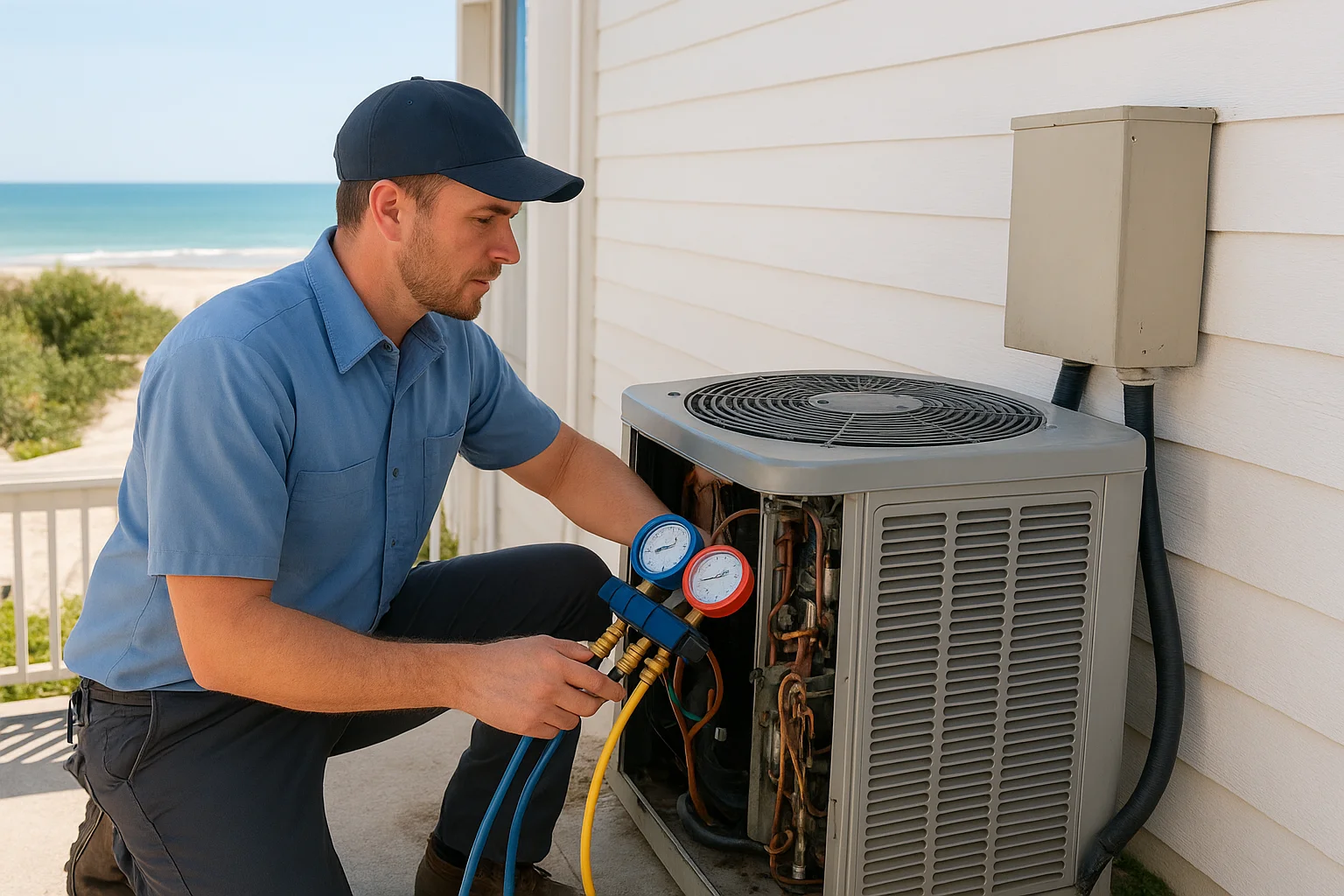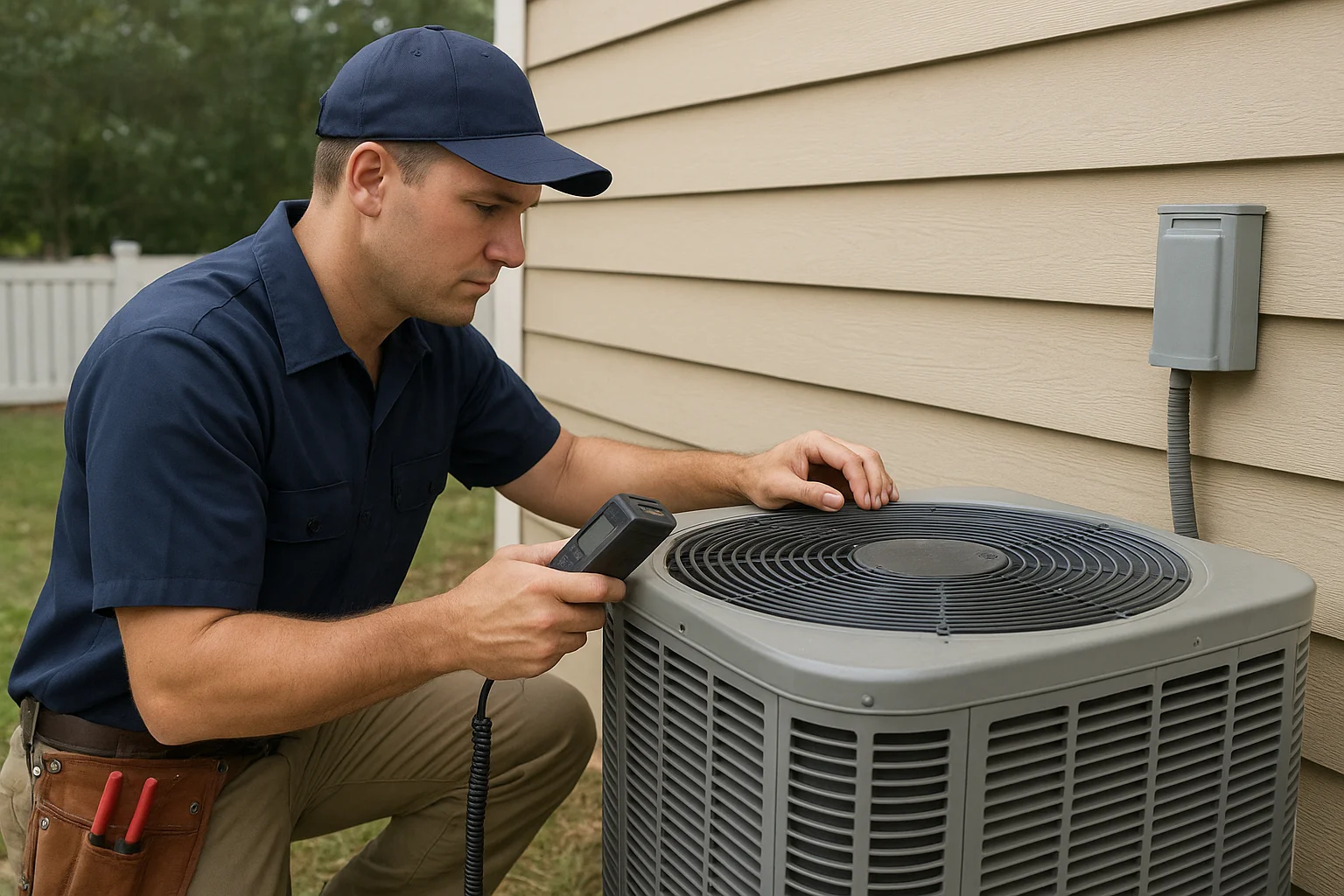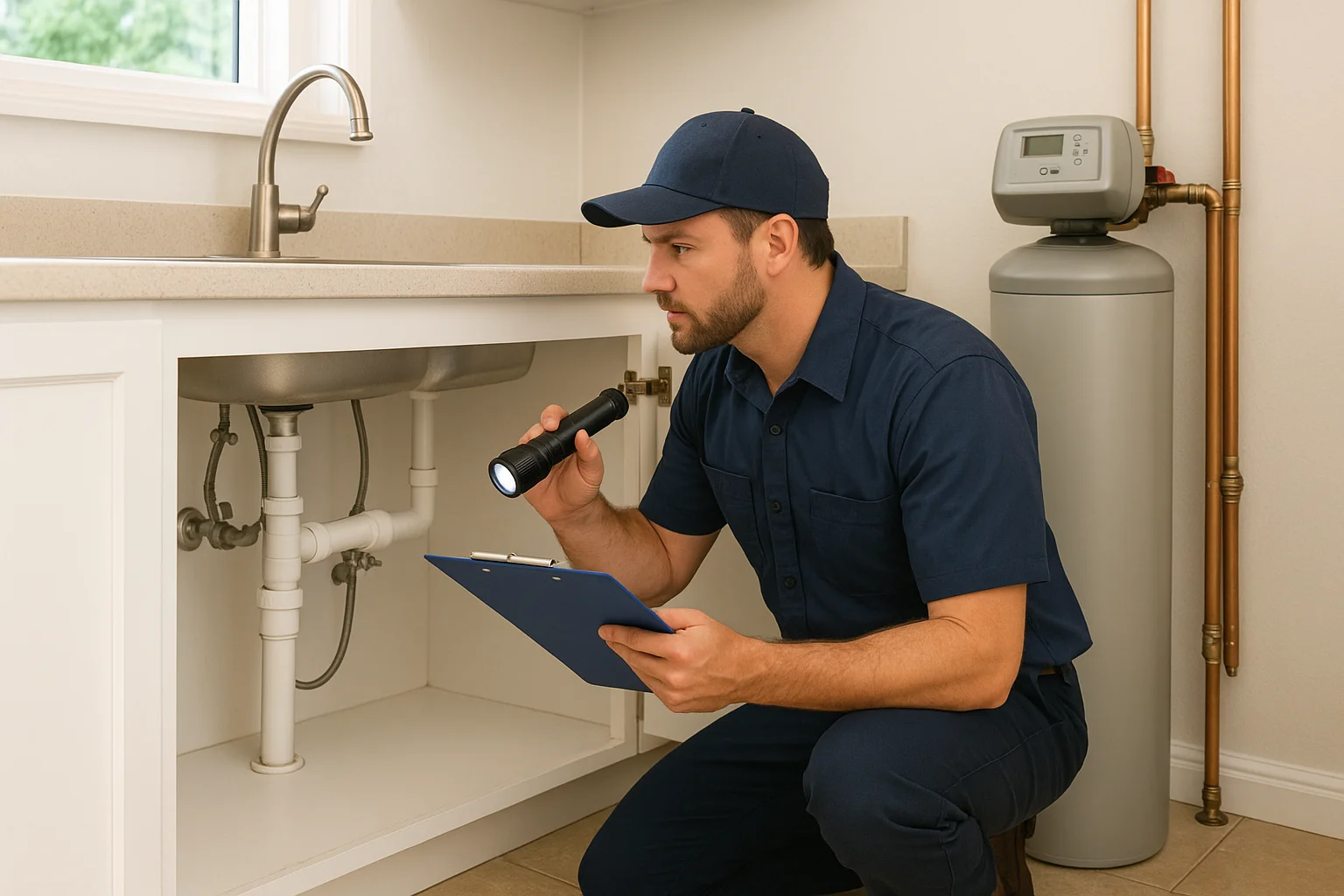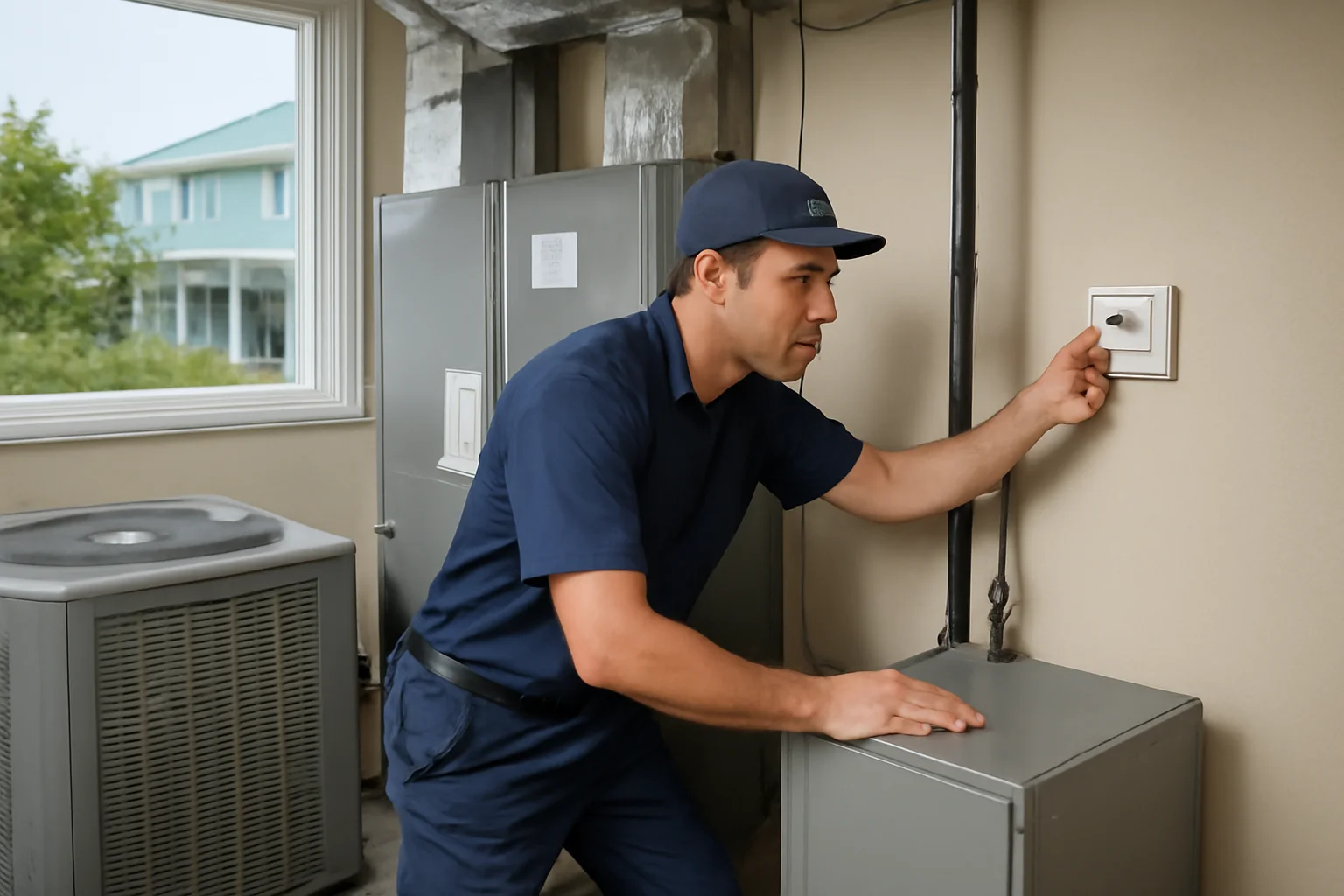
Seaside, FL businesses live in a demanding HVAC environment. Heat builds fast, humidity hangs around, and salt air can find its way into outdoor components. For everyday HVAC reliability, the foundation is your commercial HVAC installation, not just the equipment name on the outdoor unit. When installation details are right, you get steadier temperatures, better airflow, and fewer emergency cooling concerns when the day suddenly turns into a long, hot stretch.
A Superior Mechanical helps property owners in Seaside and nearby Walton County plan and install commercial heating and cooling systems that are built for coastal performance. If you are comparing HVAC installation near me options, this is the kind of checklist that helps you ask better questions and protect your comfort budget.
Why Seaside’s coastal climate makes installation details matter
In Seaside, HVAC systems do more than cool. They must manage humidity and maintain airflow across spaces that may include offices, retail areas, restaurants, vacation rentals, and multi-unit properties. Coastal conditions add another layer of stress. Salt air and moisture can accelerate wear on outdoor parts and affect how well condensate drains. Florida heat also increases run time and puts more demand on refrigerant systems, especially during peak afternoons.
That is why a strong commercial HVAC service plan starts with the installation design, not a quick equipment swap. A professional commercial HVAC contractor evaluates the building layout, ductwork, thermostat placement, and indoor air quality needs before installing or replacing equipment.
Start with the building load, not guesswork
Reliable cooling begins with correct sizing and load calculations. Undersized systems run longer, struggle to remove humidity, and can lead to temperature swings. Oversized systems can short cycle, which may feel cool at first but often leaves humidity behind and can increase wear on components. Either way, the result is higher energy use and a higher chance that you will be searching for AC repair near me during the busiest season.
In coastal Walton County buildings, load calculations should consider:
- Sun exposure through windows and walls
- Ceiling height and interior partitions
- Occupancy patterns in offices, retail, and restaurants
- Ventilation needs that support indoor air quality
- Airflow paths and return air coverage
- Humidity control requirements in Florida’s wet season
If you are evaluating an commercial HVAC installation in Seaside, ask how the system design accounts for airflow and humidity management across your actual floor plan.
Airflow and ductwork: the reliability multiplier
Even high-quality equipment cannot perform well if airflow is restricted or poorly balanced. Commercial ductwork can develop issues over time, and installation that ignores duct layout can create hot and cold spots, weak returns, and uneven comfort.
Common ductwork problems that show up as reliability issues include:
- Leaks that waste conditioned air
- Disconnected or crushed sections that reduce airflow
- Insulation gaps that increase heat gain
- Supply and return imbalance that forces the system to work harder
- Restricted grilles and filters that increase static pressure
For homeowners and business owners, duct inspection near me is not just a maintenance phrase. It is often the difference between “the unit runs” and “the building stays comfortable.” In Seaside, humidity control also depends on correct airflow, because air that does not move properly can leave moisture behind.
If your building has older ductwork or you are planning system replacement, consider targeted duct support such as duct sealing to help improve comfort and reduce wasted energy.
Humidity control and condensate drainage should be part of the plan
During Florida summers, the cooling system’s job includes removing moisture. That means your installation must manage condensate drainage correctly. If drainage is incorrect, water can back up, cause leaks, or damage nearby components. In a coastal environment where moisture is already present, drainage problems can show up faster.
During a proper commercial HVAC installation, professionals evaluate condensate drainage routing, drain pan condition, and how condensate is handled in the context of the building layout. They also consider how airflow and thermostat control work together so the system can maintain comfort without excessive cycling.
Refrigerant systems and the importance of correct installation practices
Commercial cooling relies on refrigerant systems to move heat. Refrigerant performance depends on installation quality, correct component matching, and proper commissioning. That includes how lines are routed and supported, how connections are made, and how the system is verified after installation.
Because refrigerant systems are regulated and safety-sensitive, it is important to have a professional evaluate performance in person. Homeowners should not try to diagnose refrigerant issues remotely or rely on “DIY fixes” when symptoms appear. If something feels off, a qualified HVAC contractor can inspect the system and address problems safely and accurately.
For many property owners, the practical takeaway is simple: the best time to protect refrigerant system reliability is during installation and start-up, not after the system starts acting unpredictable.
Thermostats and controls: steadier comfort, fewer surprises
A reliable commercial system depends on the right thermostat settings and control strategy. In multi-zone businesses or spaces with varying occupancy, thermostat placement and zoning can strongly influence comfort and energy use. Poor thermostat placement can lead to misleading readings, which may cause the system to run longer than needed or fail to meet comfort targets.
When you are planning HVAC installation near me, ask how the control system supports:
- Consistent temperature control across occupied spaces
- Humidity management during high moisture days
- Scheduling for offices and retail hours
- Recovery after door openings in restaurants and retail
- Coordination with ventilation and indoor air quality strategies
Controls are also a preventive step. When thermostats are configured correctly, preventive HVAC maintenance visits are more effective because technicians can verify performance against expected behavior.
Indoor air quality is part of everyday HVAC reliability
Comfort is not only temperature. In Seaside buildings, indoor air quality can be influenced by humidity, ventilation, filtration, and airflow patterns. When humidity is not controlled, it can contribute to musty odors and conditions that make indoor spaces feel stale.
Installation choices can affect indoor air quality services needs later. For example:
- Filter racks and compatible filtration support cleaner airflow
- Proper duct sealing helps reduce dust and moisture intrusion
- Ventilation rates and outside air handling support healthier air
- Air distribution prevents stagnant pockets where moisture lingers
If your building has recurring odor complaints, visible dust, or persistent humidity issues, it can be a sign that installation and airflow design need closer review. Many property owners also ask about duct cleaning near me. Duct cleaning can help in certain situations, but it should be guided by an inspection so you address the right cause rather than treating symptoms.
Energy use and operating cost depend on commissioning
Energy use is often the first thing property owners notice after a new installation. While equipment efficiency matters, commissioning and verification determine how the system actually operates in your building. A system that is not properly set up may run longer, cycle more frequently, or fail to deliver the expected airflow.
During start-up, technicians can verify that:
- Airflow matches design expectations
- Thermostat and control sequences behave correctly
- Condensate drainage and drainage safety are correct
- Refrigerant system operation is within safe, intended parameters
- Ductwork distribution supports comfort across zones
Commissioning is also where problems are caught early, before they become “mystery” comfort complaints that lead to repeated AC repair visits.
Signs your commercial HVAC installation needs a closer look
Sometimes reliability issues do not show up immediately. They can appear after the system has been running through the first humid season or after changes in occupancy. If you notice any of the following, it is worth scheduling a professional evaluation rather than waiting for the next breakdown.
Comfort problems that do not match the thermostat
Hot and cold spots, rooms that never feel right, and temperature swings can point to airflow imbalance, ductwork issues, or control problems.
Humidity that feels “stuck”
If spaces feel damp even when the system is running, the installation may not be managing moisture removal effectively.
Water issues near indoor units or in drain areas
Condensate drainage problems can lead to leaks, staining, or wet areas. This can also create indoor air quality concerns.
Unusual noises or frequent cycling
Short cycling or persistent strain can signal airflow restrictions, control misconfiguration, or other performance issues that should be inspected on site.
Higher energy use than expected
If utility bills rise sharply after installation, the system may not be operating as designed. A technician can inspect airflow, controls, and system performance.
Preventive maintenance turns installation into long-term reliability
Commercial HVAC installation is the start, but preventive HVAC maintenance is what keeps the system performing year after year. In Florida’s climate, systems face continuous demand. Preventive maintenance helps catch wear before it becomes a failure, supports indoor air quality, and improves efficiency.
For Seaside businesses, a practical maintenance approach often includes:
- Checking airflow and filter conditions
- Inspecting condensate drainage and drain safety
- Verifying thermostat and control operation
- Inspecting ductwork connections and air distribution pathways
- Reviewing refrigerant system performance indicators and overall operation
If you are searching for HVAC maintenance near me, focus on a service plan that matches your building type and schedule. Offices and retail spaces may have different needs than restaurants or vacation rentals.
For more on keeping systems ready during peak season, you can also read Keeping Seaside Homes Ready for HVAC Emergencies.
How system replacement planning reduces downtime and emergency cooling concerns
When a system is nearing the end of its useful life, planning matters. In Seaside, the summer heat does not wait for repair schedules. A replacement plan that includes airflow evaluation, ductwork review, and commissioning can reduce downtime and lower the odds of last-minute emergency cooling concerns.
Homeowners and property managers often ask for an AC replacement estimate near me. While pricing depends on your building and design needs, the best way to get an accurate estimate is to schedule an on-site assessment that considers ductwork, humidity control needs, and indoor air quality priorities.
If you are comparing projects in nearby areas, these guides can help you identify common installation oversights:
- The Details That Get Missed in Commercial HVAC Installation in Freeport, FL
- Commercial HVAC Installation in Laguna Beach, FL: The Issues Local Property Owners Should Not Overlook
- Keeping Sandestin Buildings Comfortable Starts With Smarter Commercial HVAC Installation
Duct sealing and maintenance support better comfort across humid days
Even well-designed systems can lose performance if air leaks develop. In coastal climates, moisture and airborne debris can contribute to buildup and airflow problems. Duct sealing can help reduce leakage and supports more consistent airflow, which helps humidity control and comfort.
For buildings that need an extra step toward stable performance, consider pairing installation with improvements such as Duct Sealing. If you want a broader approach, Air Conditioning Maintenance is a helpful next step after installation and start-up.
Choosing a Seaside commercial HVAC contractor who builds for coastal reliability
When you are looking for a Walton County HVAC contractor who understands Seaside’s conditions, you want more than a bid. You want a team that treats installation as a system of airflow, controls, humidity management, and indoor air quality. The right contractor will ask about your building’s use, review ductwork, evaluate condensate drainage, and explain how the system will be commissioned and verified.
A Superior Mechanical’s focus on commercial HVAC installation in Seaside is designed for coastal performance and long-term reliability. If you want a dependable system that supports everyday HVAC reliability, start with the installation plan and then protect it with routine maintenance.
If your business also relies on specific heating strategies, ask about options such as Geothermal Energy Systems or how your existing heating setup can be integrated during HVAC installation near me projects.
When to call for help with commercial HVAC installation or performance concerns
Even with a well-planned installation, problems can occur due to building changes, aging components, or issues that were not obvious during the initial setup. Call a professional if you notice:
- Persistent comfort issues after a new installation or after seasonal transitions
- Humidity problems that do not improve when the system runs
- Water pooling or signs of condensate drainage trouble
- Frequent cycling, unusual noises, or repeated breakdowns
- Indoor air quality concerns like stale odors or excessive dust
For fast, practical support, you can explore Air Conditioning Services and schedule an on-site evaluation. That is the right step when homeowners are searching for air conditioner service near me and need answers based on what the system is actually doing in your Seaside building.
Find Commercial HVAC Installation in Seaside, FL
If you need Commercial HVAC Installation in Seaside, FL, visit our local service page or contact A Superior Mechanical today.
Map of Seaside, FL
Frequently Asked Questions
What should I look for in a commercial HVAC installation plan for a Seaside business?
Look for load calculations, airflow design, ductwork evaluation, thermostat and control placement, humidity management details, and proper start-up and commissioning. Coastal conditions in Seaside make these steps especially important for everyday reliability.
Can ductwork problems cause AC repair issues even if the outdoor unit is new?
Yes. Restricted airflow, duct leaks, or poor supply and return balance can lead to uneven comfort, longer run times, and moisture control problems. That can trigger repeated service visits even when the equipment itself is new.
How does humidity control affect indoor air quality in Walton County?
In Seaside’s humid climate, effective dehumidification supports indoor air quality by reducing moisture that can contribute to musty odors and stagnant air. Installation choices that support airflow and condensate drainage also matter.
Should I try to diagnose refrigerant issues myself?
No. Refrigerant systems are safety-sensitive and require an on-site inspection to evaluate performance correctly. If cooling performance is inconsistent or symptoms persist, contact a qualified commercial HVAC contractor for inspection.
What preventive maintenance helps commercial systems handle Florida’s heat better?
Preventive maintenance that includes airflow checks, filter and duct-related inspection, condensate drainage inspection, thermostat and control verification, and performance checks helps systems run reliably through peak summer conditions.
Related Articles
- Keeping Seaside Homes Ready for HVAC Emergencies
- The Details That Get Missed in Commercial HVAC Installation in Freeport, FL
- Commercial HVAC Installation in Laguna Beach, FL: The Issues Local Property Owners Should Not Overlook
- Keeping Sandestin Buildings Comfortable Starts With Smarter Commercial HVAC Installation
Photo Gallery